
THE IMPORTANCE OF THE WATER FOOTPRINT OF ANIMAL
- Slides: 15
THE IMPORTANCE OF THE WATER FOOTPRINT OF ANIMAL FIBERS PRODUCTION IN TURKEY Asst. Prof. Dr. Ayse Ozge DEMIR Asst. Prof. Dr. Ferda KARAKUS YUZUNCU YIL UNIVERSITY, VAN-TURKEY
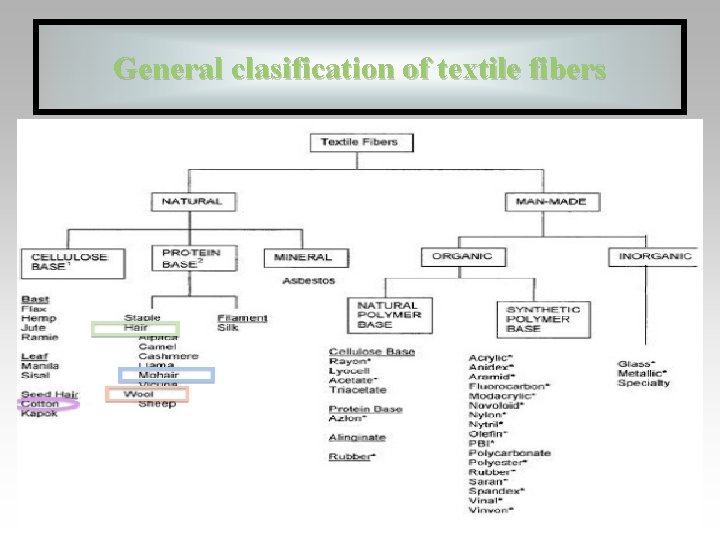
General clasification of textile fibers
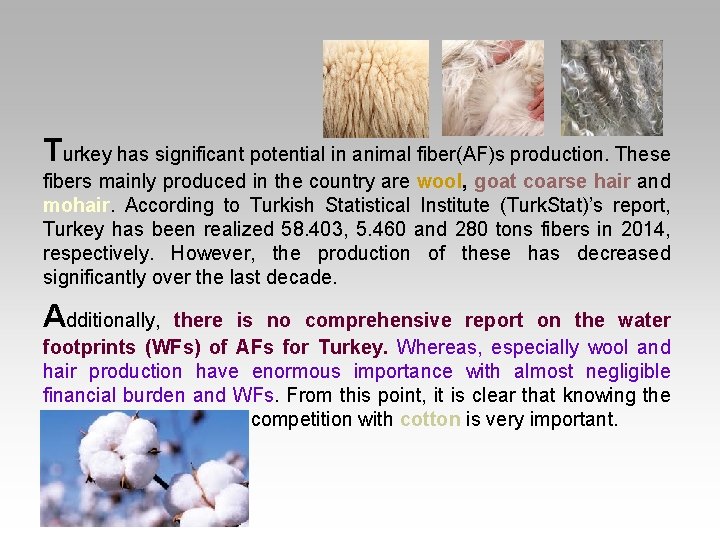
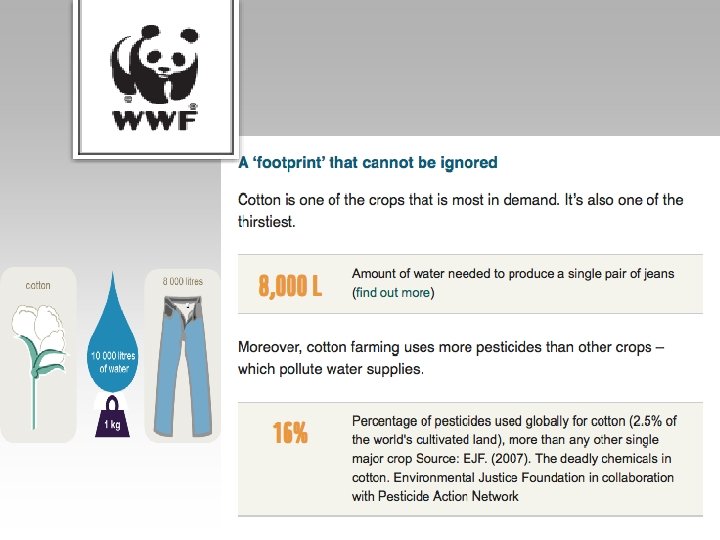
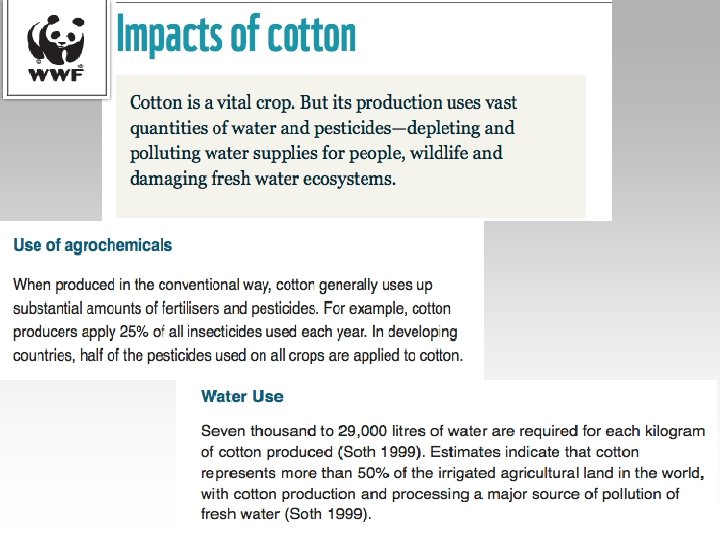
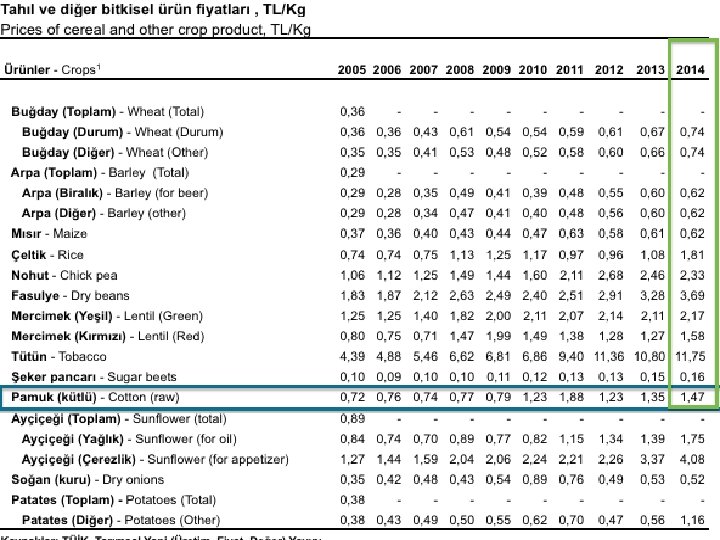
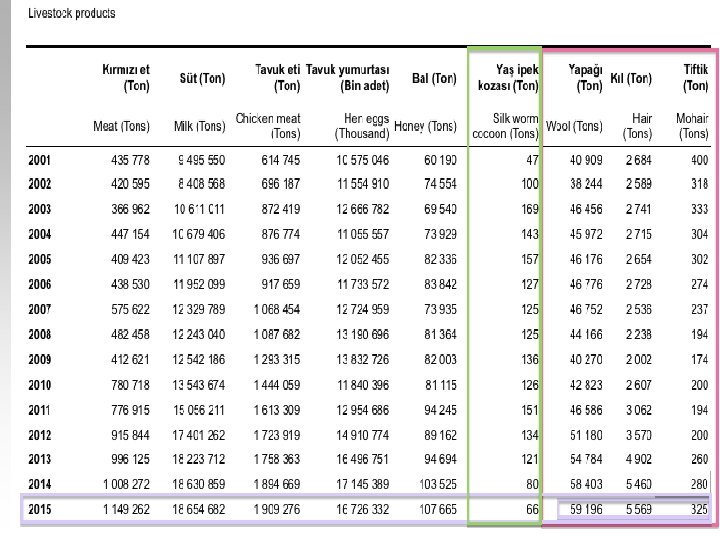
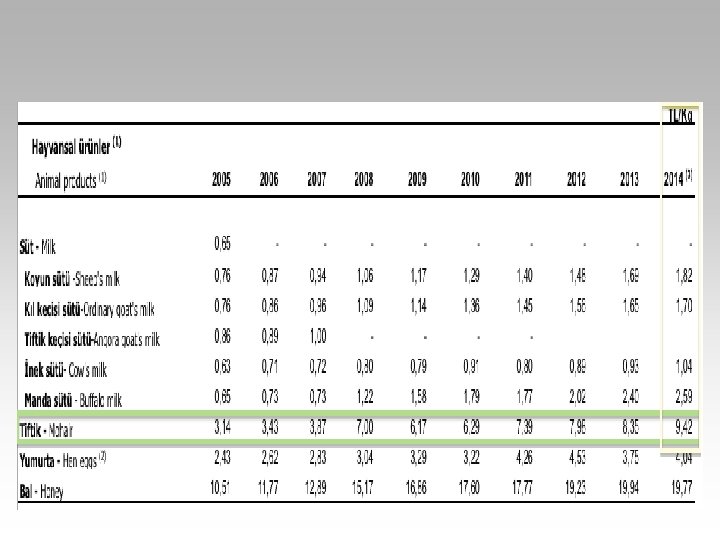
Turkey has significant potential in animal fiber(AF)s production. These fibers mainly produced in the country are wool, goat coarse hair and mohair. According to Turkish Statistical Institute (Turk. Stat)’s report, Turkey has been realized 58. 403, 5. 460 and 280 tons fibers in 2014, respectively. However, the production of these has decreased significantly over the last decade. Additionally, there is no comprehensive report on the water footprints (WFs) of AFs for Turkey. Whereas, especially wool and hair production have enormous importance with almost negligible financial burden and WFs. From this point, it is clear that knowing the WFs of AFs which is in competition with cotton is very important.
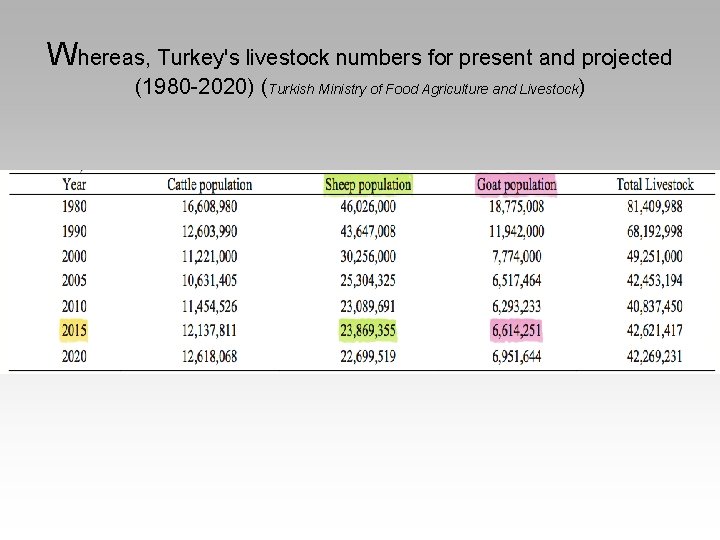
Whereas, Turkey's livestock numbers for present and projected (1980 -2020) (Turkish Ministry of Food Agriculture and Livestock)
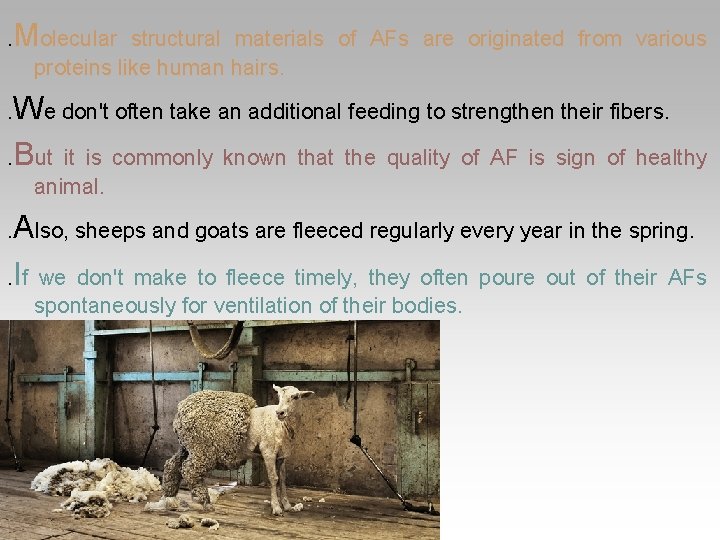
. Molecular structural materials of AFs are originated from various proteins like human hairs. . We don't often take an additional feeding to strengthen their fibers. . But it is commonly known that the quality of AF is sign of healthy animal. . Also, sheeps and goats are fleeced regularly every year in the spring. . If we don't make to fleece timely, they often poure out of their AFs spontaneously for ventilation of their bodies.
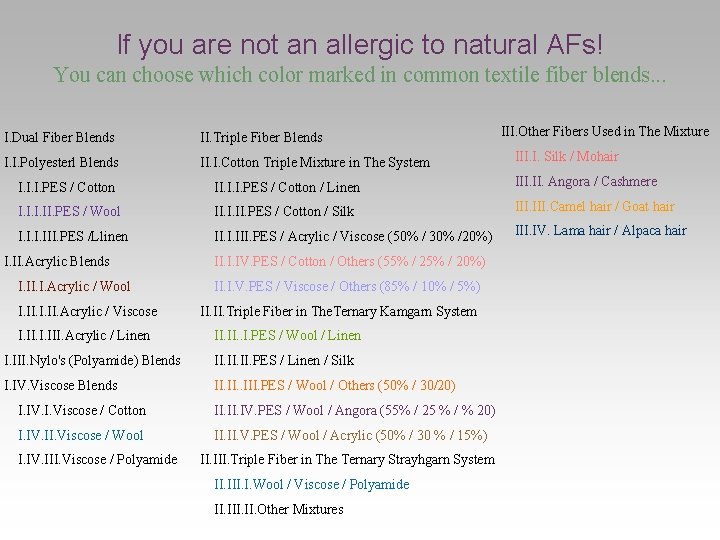
If you are not an allergic to natural AFs! You can choose which color marked in common textile fiber blends. . . I. Dual Fiber Blends II. Triple Fiber Blends I. I. Polyesterl Blends II. I. Cotton Triple Mixture in The System III. Other Fibers Used in The Mixture III. I. Silk / Mohair I. I. I. PES / Cotton II. I. I. PES / Cotton / Linen III. Angora / Cashmere I. II. PES / Wool II. I. II. PES / Cotton / Silk III. Camel hair / Goat hair I. III. PES /Llinen II. I. III. PES / Acrylic / Viscose (50% / 30% /20%) III. IV. Lama hair / Alpaca hair I. II. Acrylic Blends I. I. Acrylic / Wool I. II. Acrylic / Viscose I. I. III. Acrylic / Linen II. I. IV. PES / Cotton / Others (55% / 20%) II. I. V. PES / Viscose / Others (85% / 10% / 5%) II. Triple Fiber in The. Ternary Kamgarn System II. . I. PES / Wool / Linen I. III. Nylo's (Polyamide) Blends II. II. PES / Linen / Silk I. IV. Viscose Blends II. . III. PES / Wool / Others (50% / 30/20) I. IV. I. Viscose / Cotton II. IV. PES / Wool / Angora (55% / 25 % / % 20) I. IV. II. Viscose / Wool II. V. PES / Wool / Acrylic (50% / 30 % / 15%) I. IV. III. Viscose / Polyamide II. III. Triple Fiber in The Ternary Strayhgarn System II. I. Wool / Viscose / Polyamide II. II. Other Mixtures
Thank You For Your Kind Participation aodemir@yyu. edu. tr