
The Imperialist Vision A look back America discovered
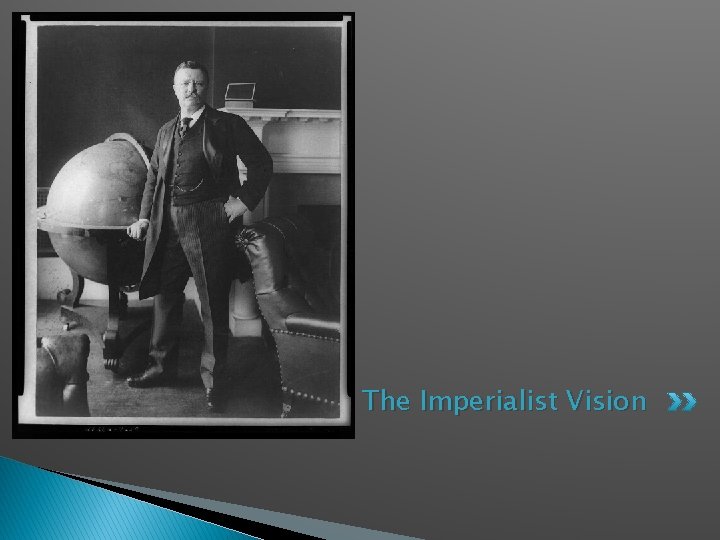
The Imperialist Vision
A look back � America discovered � Wars fought � Constitution written and ratified � Political parties formed � Expansion happens � Civil War � Era of Reconstruction � Expansion of the Western Frontier.
We are ready to expand…. � In Europe, countries begin New Imperialism. � Imperialism – the economic and political domination of a strong nation over other weaker nations. � Europeans wanted to expand their power for many reasons: more people to trade with, they needed more natural resources, and they needed places to invest their money.
Expanding…. � Of course, the United States noticed European Countries’ growing imperialism. � Until the late 1800 s the U. S. was expanding in their own country (the settlement of the West). � Social Darwinism – only the strong survive. � The U. S. began thinking: “English speaking nations have superior character, ideas, and systems of government and were destined to dominate the planet. ”
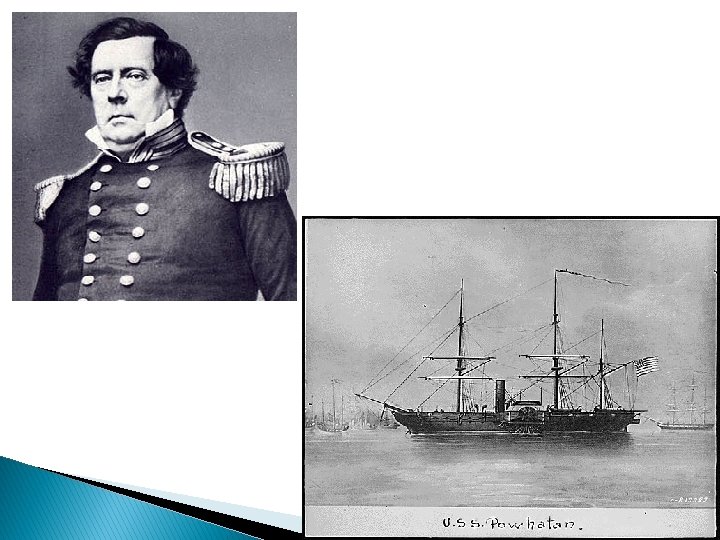
Manifest Destiny � What is it? � Because we looked west to fulfill the idea, it made sense that expansion should continue west. � Japan becomes their first target. � Japan doesn’t want to play. � Commodore William C. Perry “encourages” Japan to trade with the U. S. (March 1854) � (BTW – this turned out to be good for Japan)
Brief History of Hawaii � Monarchy � 1819 Missionaries from New England settled in Hawaii. � They figured out that sugarcane grew well there, so they started large plantations. � An economic crisis hit – the US lifted trade tariffs in return for right to a naval base (Pearl Harbor). � Sugar cane is profitable again.
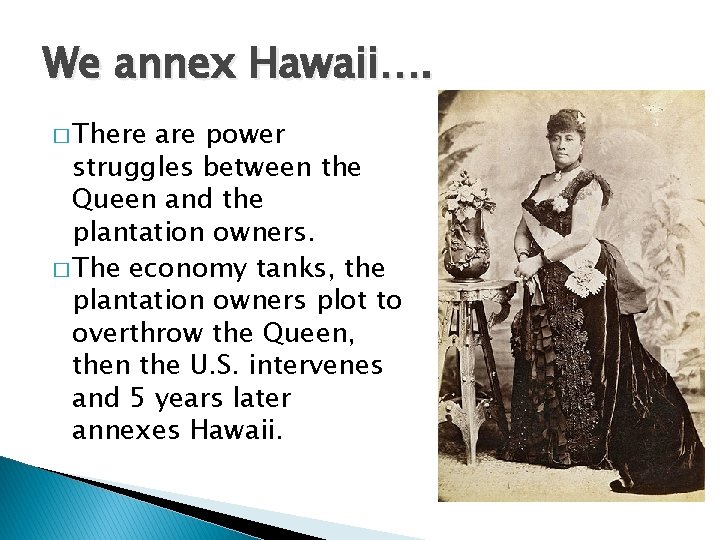
We annex Hawaii…. � There are power struggles between the Queen and the plantation owners. � The economy tanks, the plantation owners plot to overthrow the Queen, then the U. S. intervenes and 5 years later annexes Hawaii.
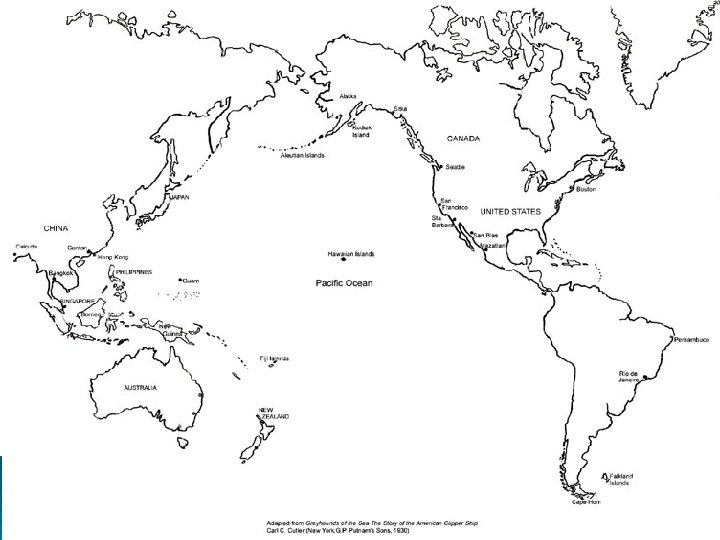
Moving On � We start looking South! � Trade – The U. S. bought lots of natural resources from Latin America, but Latin America bought most of their goods from Europe. � They wanted to trade with Latin America for two reasons: 1. profits 2. send Europe a message.
Pan-Americanism � Pan Americanism is the idea that the U. S. and Latin America should work together. � 1889 at the Pan- American conference this idea was adopted. The Conference had 2 goals: 1. figure out how they could handle disputes peacefully 2. set up a customs system. � Customs Union – would make sure no nations were charging excessive tariffs. � Handling disputes (no explanations needed)
Success? � Nope. Latin America rejected the plan. � They did agree to create the Commercial Bureau of the American Republics (today it’s called the Organization of American States) � The Commercial Bureau of the American Republics worked to promote cooperation.
Crisis and Support � 3 big issues arouse: 1. Germany tried to take control of the Samoa Islands in the South Pacific. (we were ready to fight over that) 2. A mob attacked and killed American sailor in Chile. (we were going to war if they didn’t pay reparations) 3. The U. S. sided with Venezuela against Great Britain. � It all turned out peacefully, but the American people wanted a change.
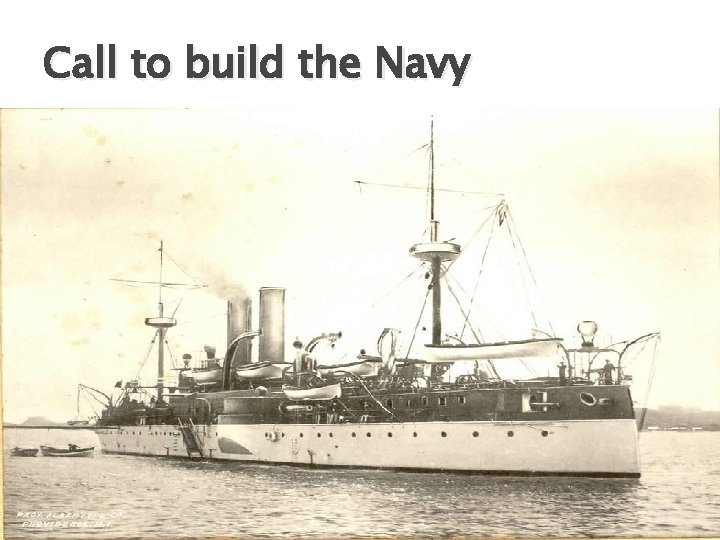
Call to build the Navy
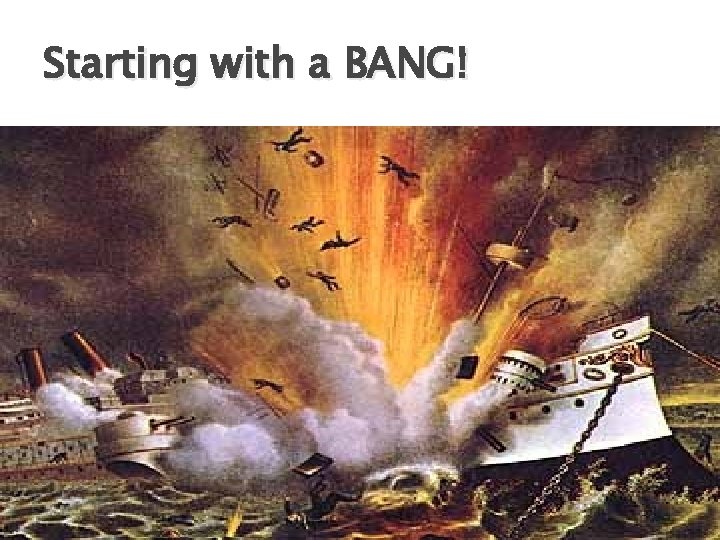
Starting with a BANG!
Setting the stage: � Cuba was one of Spain’s oldest colonies in the Americas. � Of course, sugarcane made Spain TONS of money. � Cuba tries to revolt. Spain squishes the revolt and the fighters flee to the U. S. and start planning another attack. � Meanwhile the U. S. invested $50 million in sugarcane industries in Cuba.
U. S. � The U. S. decides to impose a tariff on the Cuban imports causing an economic crisis. � During this economic crisis, the Cubans in the U. S. started a revolution. They won the Eastern portion of the island. � President Cleveland stated the United States would remain neutral. The people want to support the rebels.
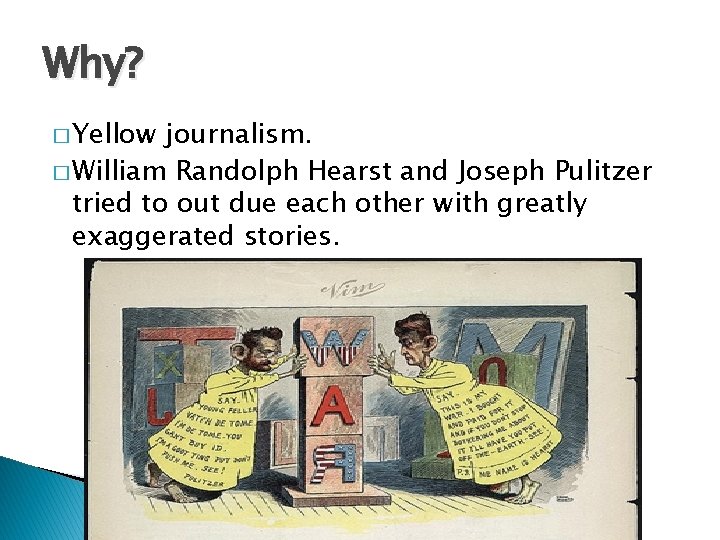
Why? � Yellow journalism. � William Randolph Hearst and Joseph Pulitzer tried to out due each other with greatly exaggerated stories.
Meanwhile…. � Cuban revolutionaries attacked American investments: roads, railroads, plantations etc… � They were trying to provoke our involvement. � The government in Cuban rounded up civilian men and women to keep them from helping the revolutionaries. � Of course, the yellow journalist wrote stories about it.
Calling for WAR! � Mc. Kinley is elected. He contacts Spain and wants to negotiate a compromise and end the battle. � Spain tries to compromise. The revolutionaries decline. � Riots erupted in Havana. � Mc. Kinley was worried Americans would be hurt, so he sent in the USS Maine.
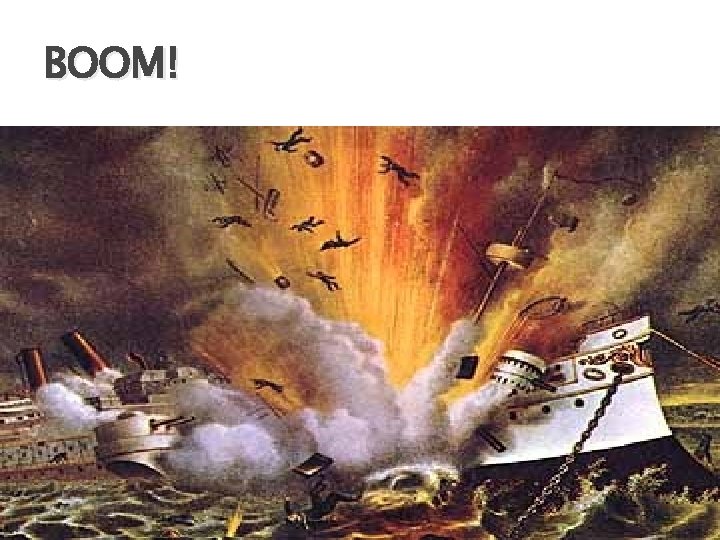
BOOM!
WAR � Remember the Maine! � Mc. Kinley didn’t declare war. � Naval Secretary Teddy Roosevelt said of Mc. Kinley, “he had no more backbone than a chocolate éclair. ” � Finally, April 19, 1898 Congress declared Cuba and independent state and DEMANDED Spain leave. � April 24, 1898 Spain declares war on the U. S.
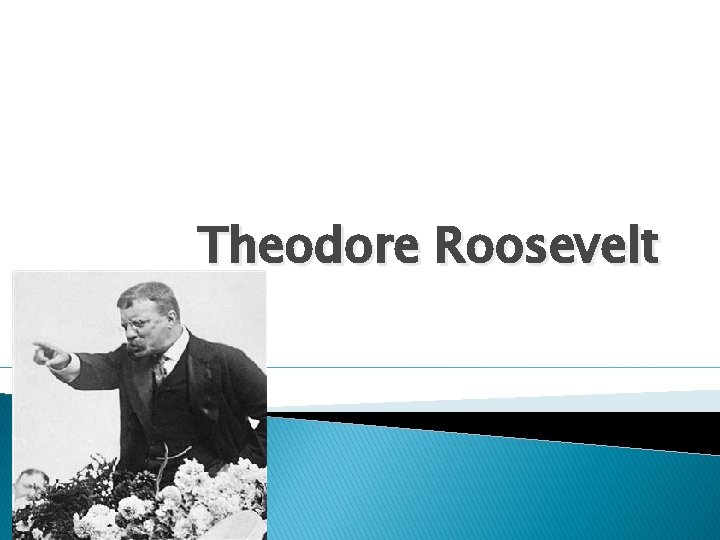
Theodore Roosevelt
Rise to Power � The Spanish-American War made him famous and enabled him to become Governor of New York. � President Mc. Kinley asked him to run as his Vice President. � The election of 1900: William Jennings Bryant vs. William Mc. Kinley. Imperialist vs. Anti. Imperialist. � Mc. Kinley won by a landslide.
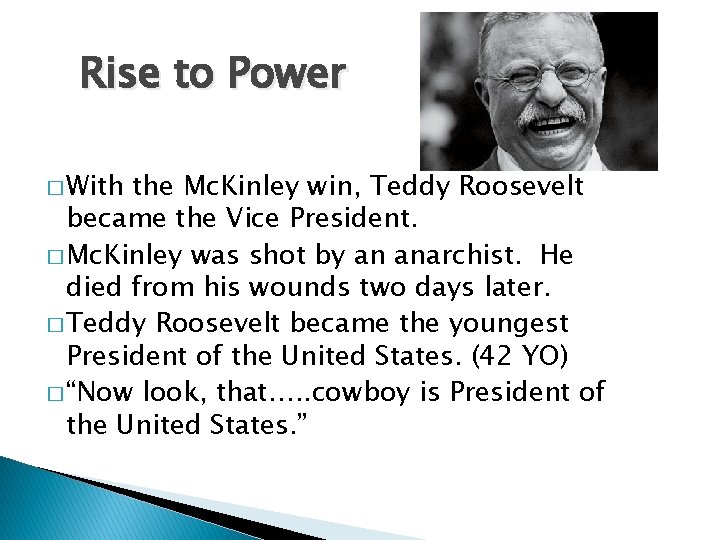
Rise to Power � With the Mc. Kinley win, Teddy Roosevelt became the Vice President. � Mc. Kinley was shot by an anarchist. He died from his wounds two days later. � Teddy Roosevelt became the youngest President of the United States. (42 YO) � “Now look, that…. . cowboy is President of the United States. ”
The Cowboy President � Described as energetic, enthusiastic, and vigorous. � He came from a wealthy New York family, but he was a sickly runt. He overcame is illnesses by becoming a great marksman, horseback rider, boxer, and wrestler. � Intent on increasing the power of the U. S. � He believed the U. S. has a duty to shape the “less civilized” corners of the earth.
The Open Door Policy � 1894 – China and Japan go to war over Korea. � China is easily defeated by Japan. � China gives Korea their independence and Japan a portion of northern China (Manchuria) � Russia gets angry because Japan will now be their neighbor. � Russia joins with Germany and France to “convince” Japan to leave Manchuria.
Open Door Policy � Russia convinces China to lease the territory. The land would still belong to China, but the countries (Germany, Russia, France, and Britain) would develop it. � This was troublesome to the U. S. � The U. S. proposes an “open door policy” where each country would trade with each other and with China.
Boxer Rebellion � Chinese rebels began plotting to remove the “foreign devils”. � The world squished the rebellion and the U. S. convinced the other nations NOT to divide China. � In the end, China was not broken into little colonies and they were compensated for the damage caused by the rebellion. � The U. S. keeps their access to China’s tea, spice, and silk goods. (oh yea – they increase the people we trade with. )
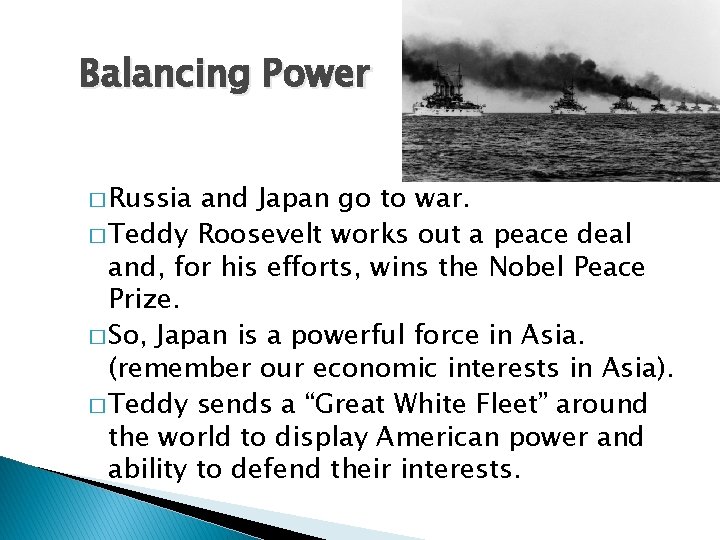
Balancing Power � Russia and Japan go to war. � Teddy Roosevelt works out a peace deal and, for his efforts, wins the Nobel Peace Prize. � So, Japan is a powerful force in Asia. (remember our economic interests in Asia). � Teddy sends a “Great White Fleet” around the world to display American power and ability to defend their interests.
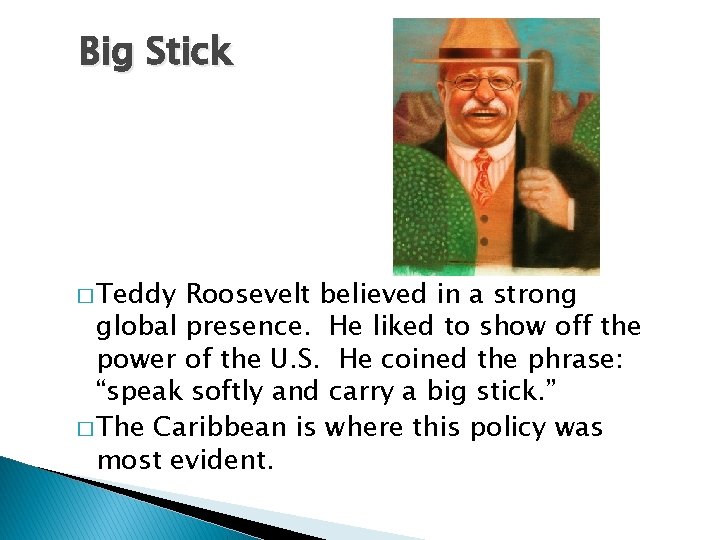
Big Stick � Teddy Roosevelt believed in a strong global presence. He liked to show off the power of the U. S. He coined the phrase: “speak softly and carry a big stick. ” � The Caribbean is where this policy was most evident.
Hay-Pauncefote Treaty � Rewind: 1850 the U. S. And Great Britain agreed that neither country would build a canal without help from the other country. � In 1881 a French company began building the canal. The company went bankrupt after the death of many of its workers. � The French company sold its rights to the property in Panama.
Hay-Pauncefote Treaty � 1901 the Hay-Pauncefote Treaty gave the U. S. permission to build a canal in the Caribbean. � At the time, Panama was still part of Colombia. The U. S. offered Columbia $10 mil and yearly rent of $250, 000 to control the land on either side of the canal. – Colombia said no. � Panama revolted (with a little help from Roosevelt and the French)
The Roosevelt Corollary � The Canal shortened the distance between the Atlantic and the Pacific by 8, 000 nautical miles! � Roosevelt maintained that the U. S. WOULD intervene in the affairs of Latin America. He said it was necessary to maintain economic and political stability in the Western Hemisphere.
Dollar Diplomacy � President Taft continued Roosevelt’s policies. � Taft didn’t emphasize military force, he focused on helping Latin American industry. � He believed that is American business leaders supported Latin America and Asian development, everyone would benefit. � America would increase trade, businesses would then make more money, and Latin America and Asia would rise out of poverty. � This policy is known as “dollar diplomacy”
- Slides: 35