
The Impact of Reconstruction Economic and Social ramifications
- Slides: 16
The Impact of Reconstruction Economic and Social ramifications
Warm-up 1 • The three amendments added to the constitution during the Reconstruction Era brought about much social change. What was the effect of the 15 th amendment? – A. – B. – C. – D. Recognized the official end of slavery Protected the rights of African Americans Allowed African American’s to vote Allowed all U. S. men to vote
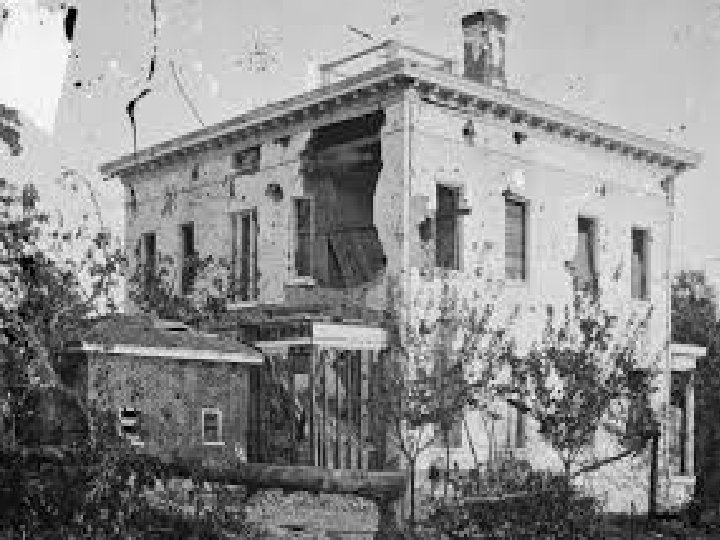
South Carolina’s Economy • Reconstruction did very little to help SC’s economic recovery • Majority of economy still focused on agriculture – Cotton – Now sharecropping instead of slave labor • Going to stay this way well into the 20 th century.
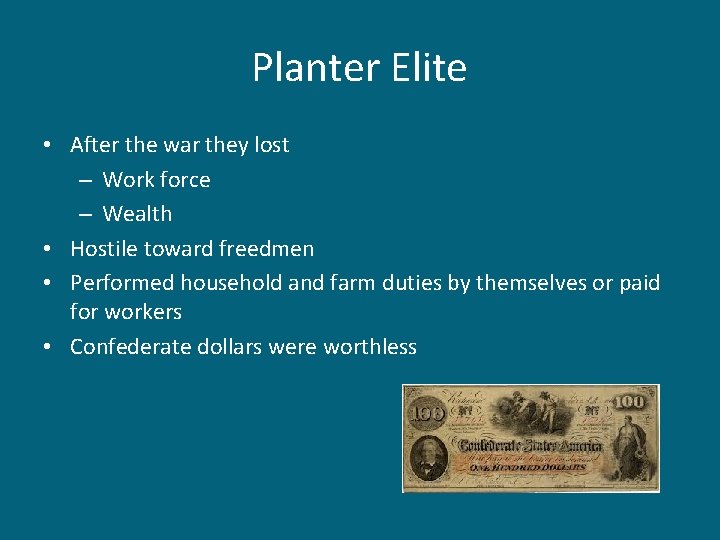
Planter Elite • After the war they lost – Work force – Wealth • Hostile toward freedmen • Performed household and farm duties by themselves or paid for workers • Confederate dollars were worthless
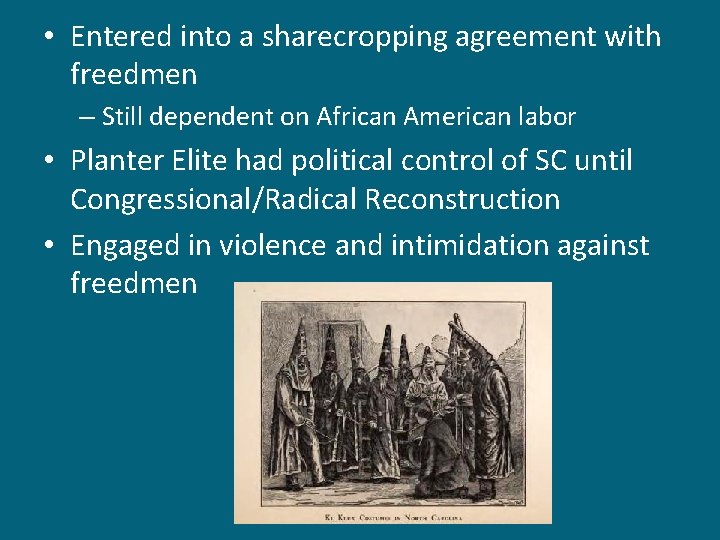
• Entered into a sharecropping agreement with freedmen – Still dependent on African American labor • Planter Elite had political control of SC until Congressional/Radical Reconstruction • Engaged in violence and intimidation against freedmen
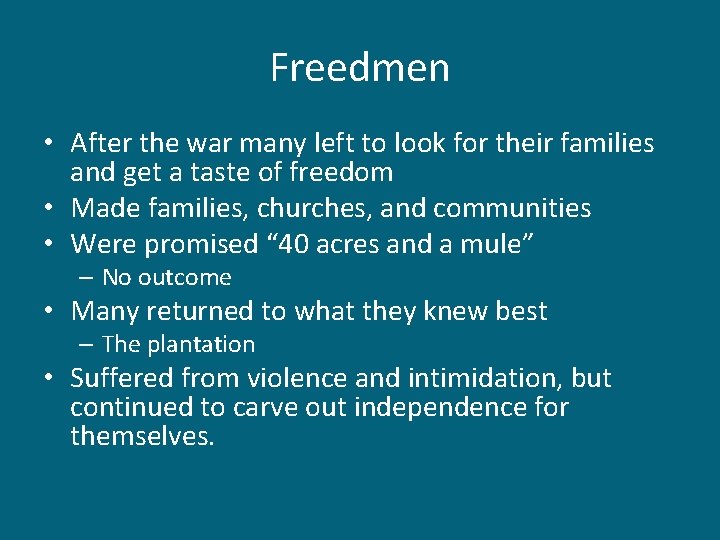
Freedmen • After the war many left to look for their families and get a taste of freedom • Made families, churches, and communities • Were promised “ 40 acres and a mule” – No outcome • Many returned to what they knew best – The plantation • Suffered from violence and intimidation, but continued to carve out independence for themselves.
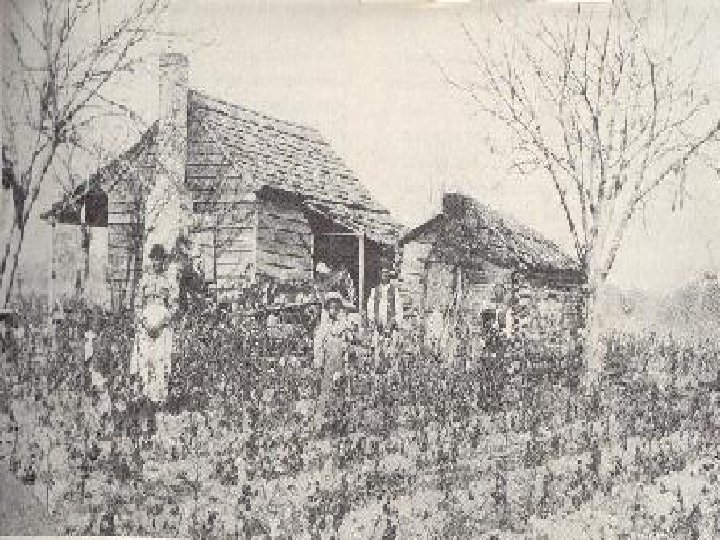
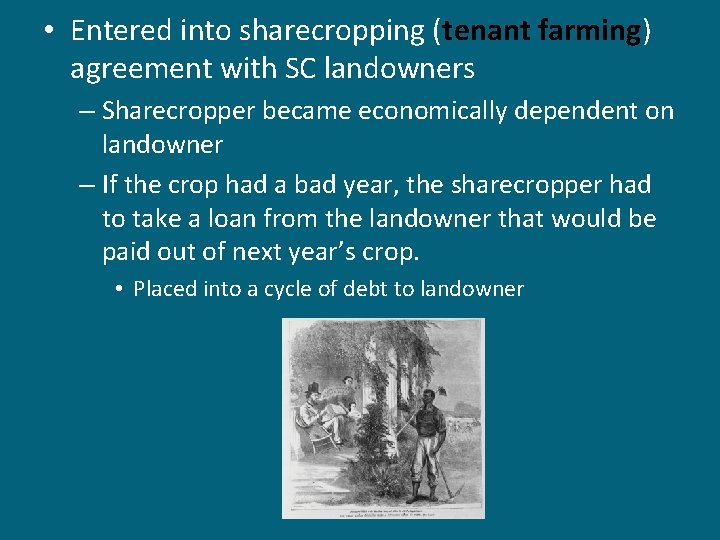
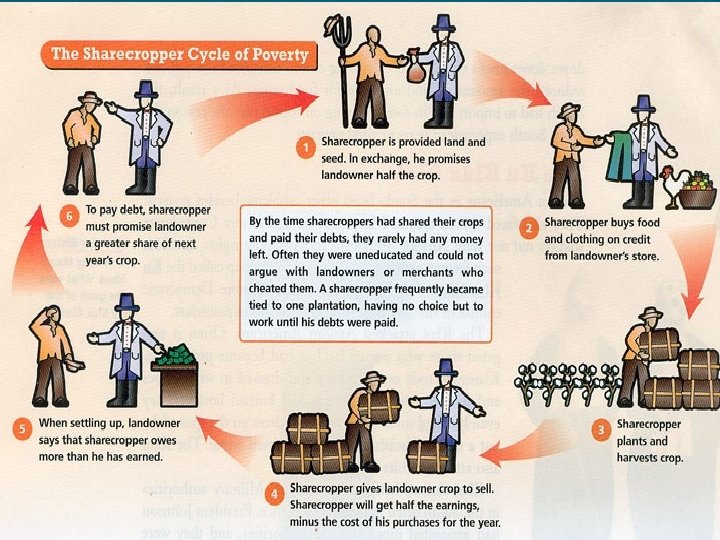
• Entered into sharecropping (tenant farming) agreement with SC landowners – Sharecropper became economically dependent on landowner – If the crop had a bad year, the sharecropper had to take a loan from the landowner that would be paid out of next year’s crop. • Placed into a cycle of debt to landowner
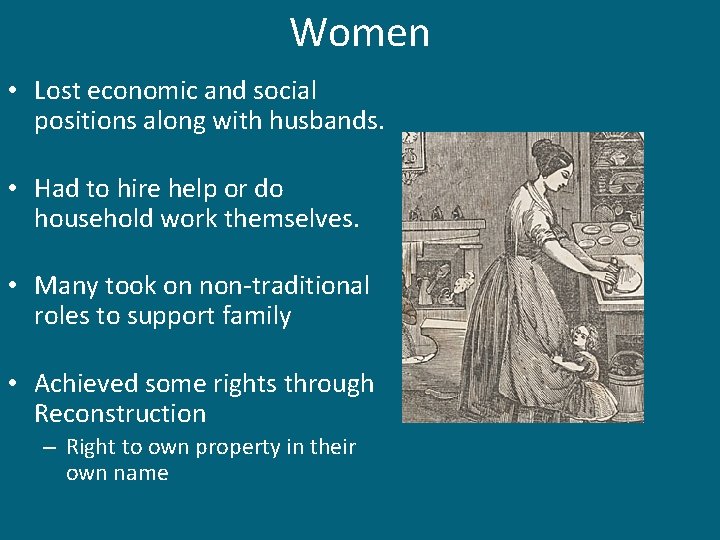
Women • Lost economic and social positions along with husbands. • Had to hire help or do household work themselves. • Many took on non-traditional roles to support family • Achieved some rights through Reconstruction – Right to own property in their own name
Warm-up 2 • True or False: After the Civil War the majority of African American’s were able to escape from their dependence on the planter elite from the South. Explain
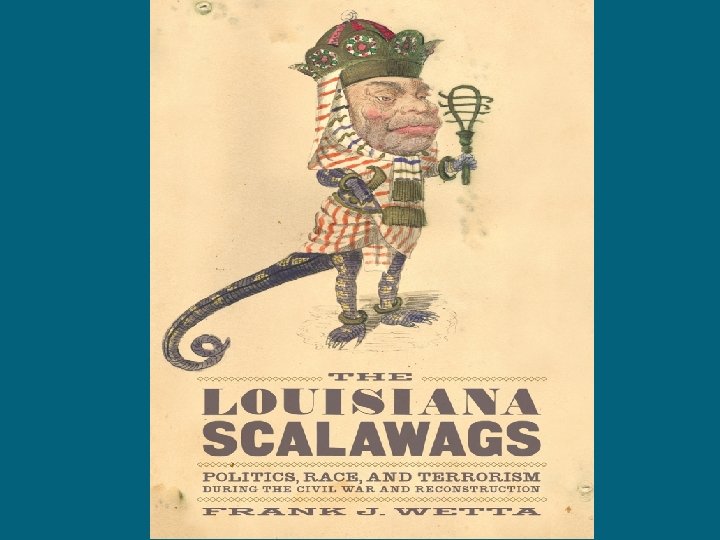
Small Farmers • Now had to compete with freedmen sharecroppers when marketing their crops • Lost sense of social supperority – If you’re not on bottom, you’re still on top • Some joined violence groups against freedmen • Some supported Republican Reconstruction – Benefit economically and educationally – Called ‘scalawags’ because of support for the North
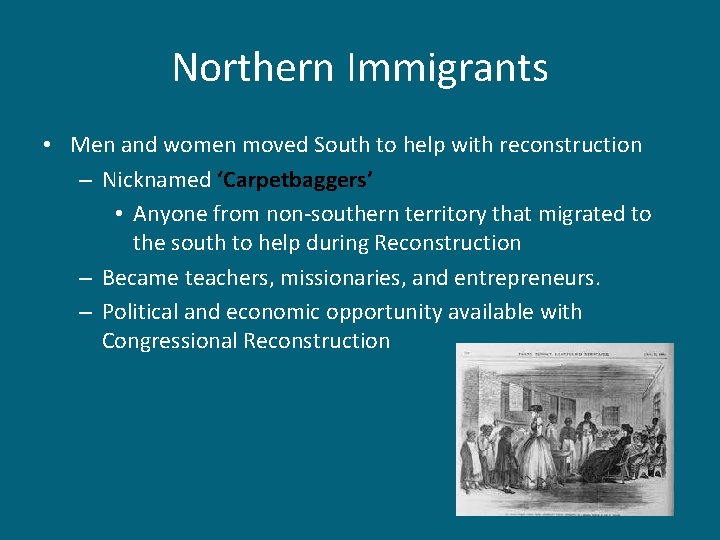
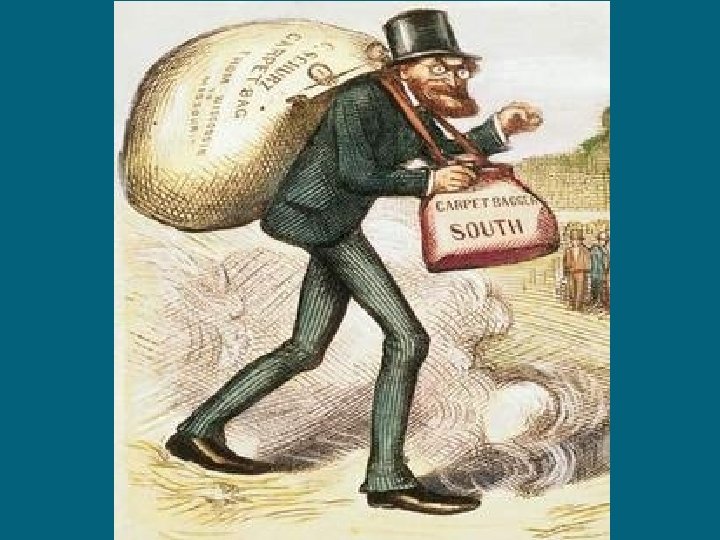
Northern Immigrants • Men and women moved South to help with reconstruction – Nicknamed ‘Carpetbaggers’ • Anyone from non-southern territory that migrated to the south to help during Reconstruction – Became teachers, missionaries, and entrepreneurs. – Political and economic opportunity available with Congressional Reconstruction