
The Impact of PTSD on Refugee Language Learners

- Slides: 14
The Impact of PTSD on Refugee Language Learners MARTHA CLAYTON MARTHACLAYTONLINGUIST. COM LOS ANGELES CITY COLLEGE CALIFORNIA STATE UNIVERSITY, LOS ANGELES
Overview v. Defining ‘refugee’ and pre-migration trauma experiences v. Analysis of PTSD and its symptomology v. Exploration of research related to PTSD and cognitive processing v. The effects of PTSD on refugee language learners v. An overview of successful TESL approaches
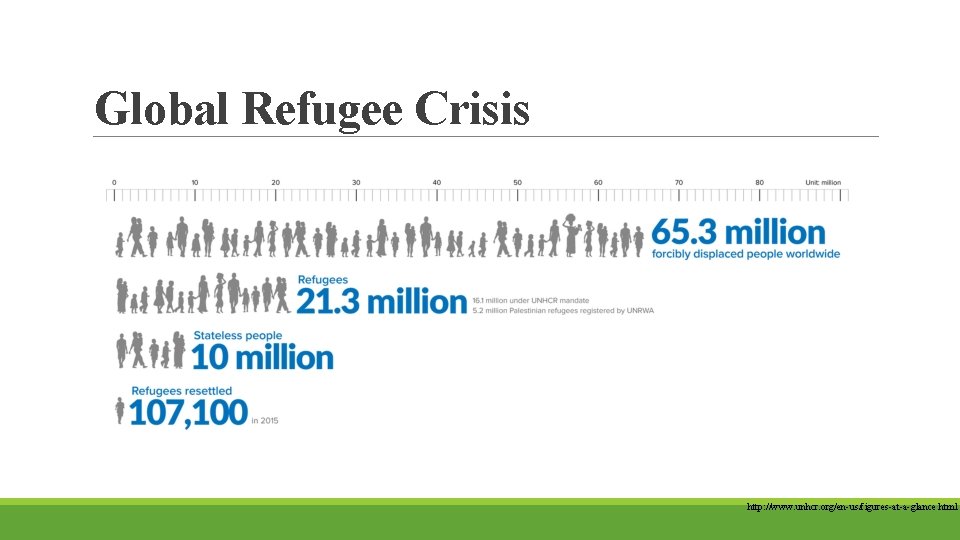
Global Refugee Crisis http: //www. unhcr. org/en-us/figures-at-a-glance. html
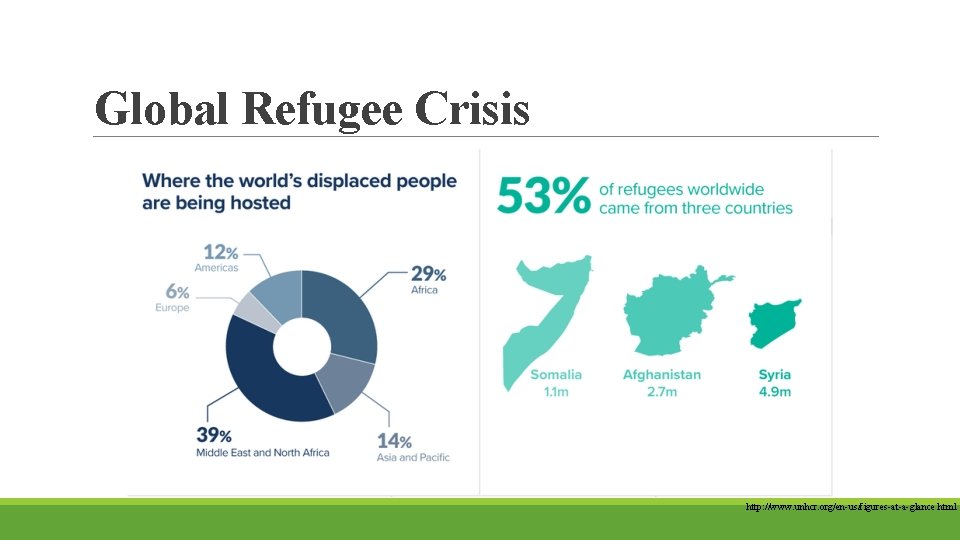
Global Refugee Crisis http: //www. unhcr. org/en-us/figures-at-a-glance. html
Refugee Experience and Trauma v. Forced isolation v. Imprisonment v. Torture v. Death(s) of loved ones caused by violence, illness, or malnutrition
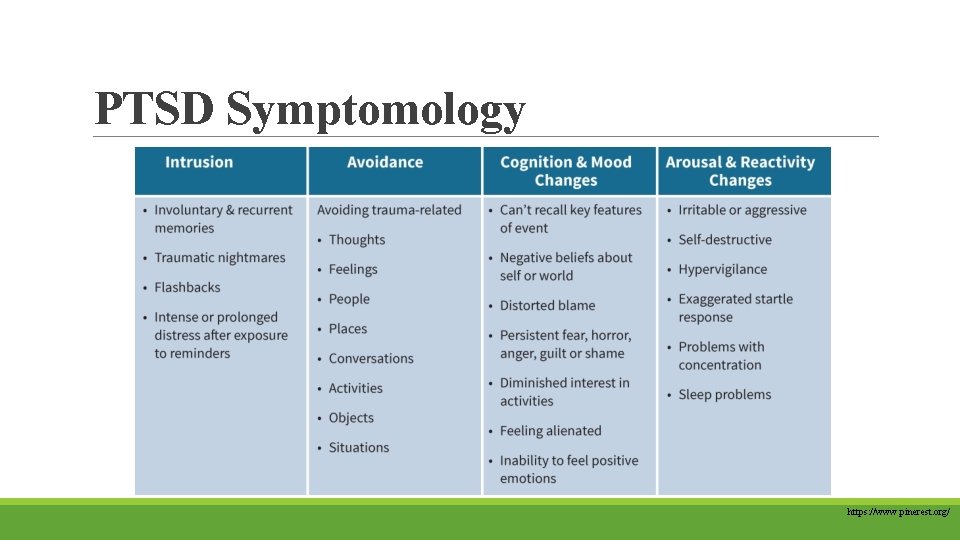
PTSD Symptomology https: //www. pinerest. org/
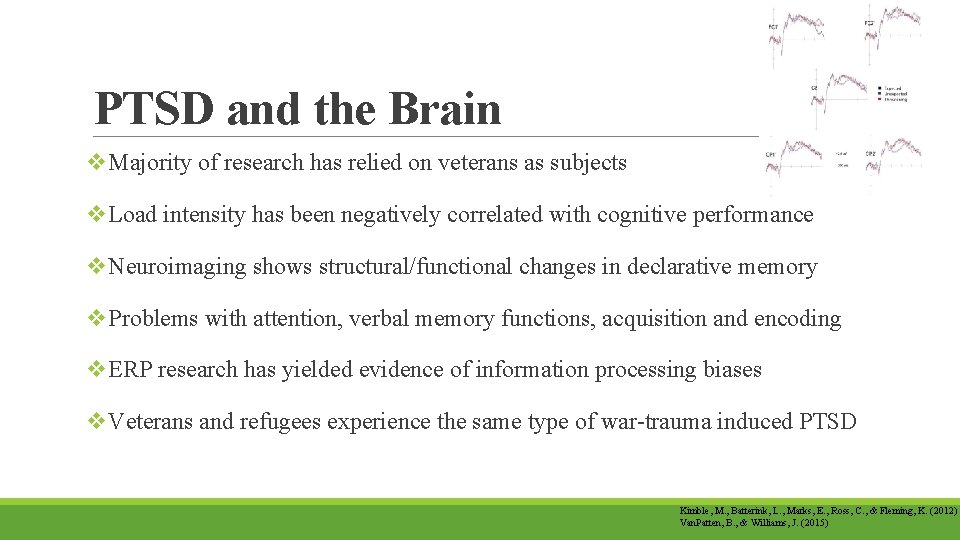
PTSD and the Brain v. Majority of research has relied on veterans as subjects v. Load intensity has been negatively correlated with cognitive performance v. Neuroimaging shows structural/functional changes in declarative memory v. Problems with attention, verbal memory functions, acquisition and encoding v. ERP research has yielded evidence of information processing biases v. Veterans and refugees experience the same type of war-trauma induced PTSD Kimble, M. , Batterink, L. , Marks, E. , Ross, C. , & Fleming, K. (2012) Van. Patten, B. , & Williams, J. (2015)
Refugees, PTSD, and Language Learning v. PTSD symptom-related aversion to acculturation behaviors limits L 2 input v. Inability to concentrate, headaches, high anxiety v. Reluctance to participate verbally, memory problems, and dissociation v. Symptom load is inversely associated with speed of language acquisition
Considerations for Educators Classroom environment v. Minimize loud noises v. Create a designated quiet area v. Keep doors and windows open
Considerations for Educators Classroom procedures v. Attendance charts v. Scheduled authentic assessments v. Respect learners’ right to non-participation v. Regularly vary topics and activity types
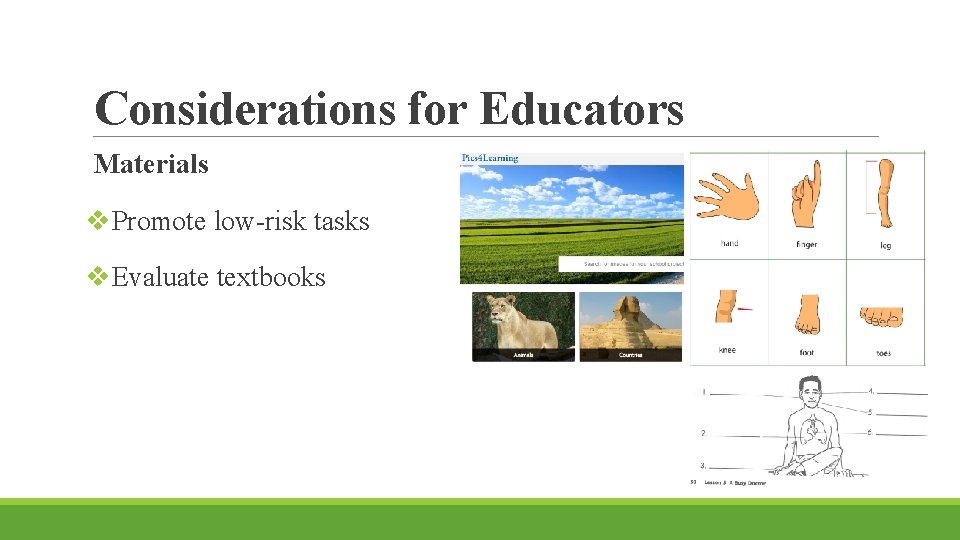
Considerations for Educators Materials v. Promote low-risk tasks v. Evaluate textbooks
Considerations for Educators Administrators v. Encourage student-centered communicative approach v. Reject deficit model of learner assessment v. Improve contextual understanding and cultural sensitivity v. Community resource databases v. Professional boundaries
Resources v. COCR - http: //www. culturalorientation. net/ v. UNHCR - http: //www. unhcr. org/en-us/about-us. html v. Teaching Refugees - http: //teachingrefugees. com v. Refugee Transitions - https: //www. reftrans. org/resources/ v. The Spring Institute - https: //www. springinstitute. org/ v. ERIC - http: //www. calpro-online. com/eric/docgen. asp? tbl=digests&ID=124
Conclusion v. PTSD affects cognitive functioning v. Refugee populations often have higher rates of PTSD v. Educators can facilitate the learning process v. Cultural and linguistic status should be supported v. Previous research offers guidelines