
The impact of megaevents on international image of


- Slides: 26
The impact of mega-events on international image of a hosting country: the 2018 FIFA World Cup in Russia Iuliia Naidenova Sofia Paklina Marina Zavertiaeva Petr Parshakov
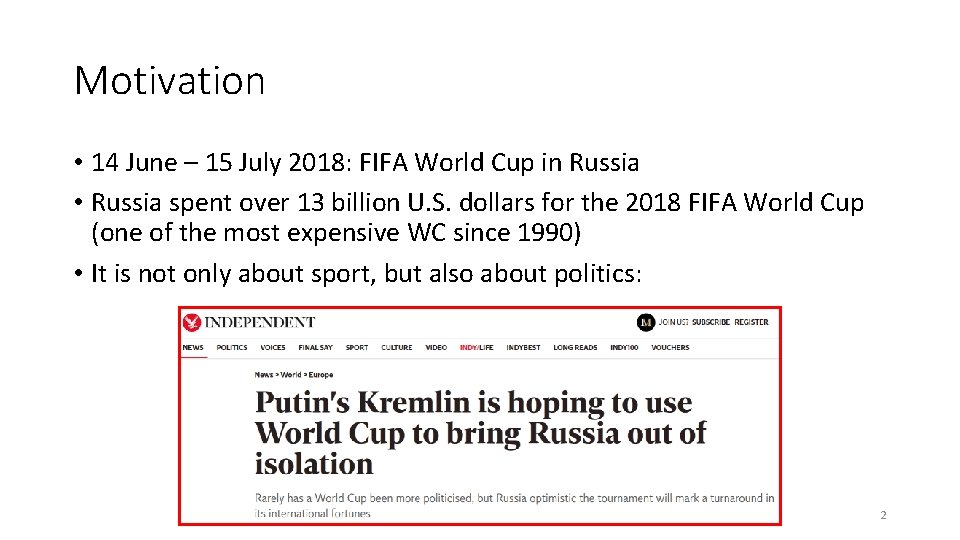
Motivation • 14 June – 15 July 2018: FIFA World Cup in Russia • Russia spent over 13 billion U. S. dollars for the 2018 FIFA World Cup (one of the most expensive WC since 1990) • It is not only about sport, but also about politics: 2
Russian context • 2014 – Crimea crises • 2015 – Doping scandal • 2018 – Skripals’ poisoning 3
Research question How did FIFA World Cup 2018 as mega-event influence the international and destination image of Russia? 4
Background • Non-financial benefits of mega-events: • Urban regeneration (Harvey and Young, 2013) • Civic pride (Frawley, 2016) • Nation branding – “a process by which a nation’s images can be created, monitored, evaluated and proactively managed in order to improve or enhance the country’s reputation among a target international audience” (Fan, 2010) 5
Surveys’ results • Usually national branding is estimated qualitatively using the surveys (Gibson et al. , 2008) and interviews (Knott et al. , 2016). • Surveys support the positive influence of mega-events on country image and destination image (Heslop et al. , 2010; Hahm et al. , 2018). • The effect is different for different countries (Hahm et al. , 2018). • Internal effect is generally larger than international (Heslop et al. , 2010; Kenyon and Bodet, 2018). • Surveys generally cover 2 month before and 2 month after the event (Heslop et al. , 2010; Armenakyan et al. , 2012). 6
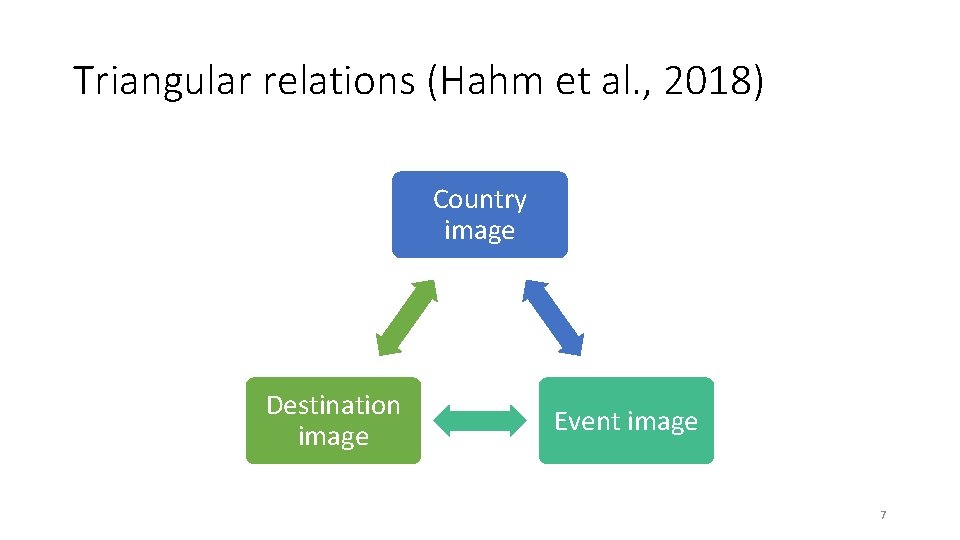
Triangular relations (Hahm et al. , 2018) Country image Destination image Event image 7
Role of media • Media coverage affect the image creation process: • Intensive media coverage creates image (Heslop et al. , 2010). • Negative media coverage was assumed to be a reason of no positive change in the image of the host country after 2016 Summer Olympics in Brazil (Hahm et al. , 2018; Tasci et al. , 2019). • Online reviews both reflect the post-visit destination image and creates previsit destination image (Rosario Gonzalez-Rodriguez et al. , 2016) 8
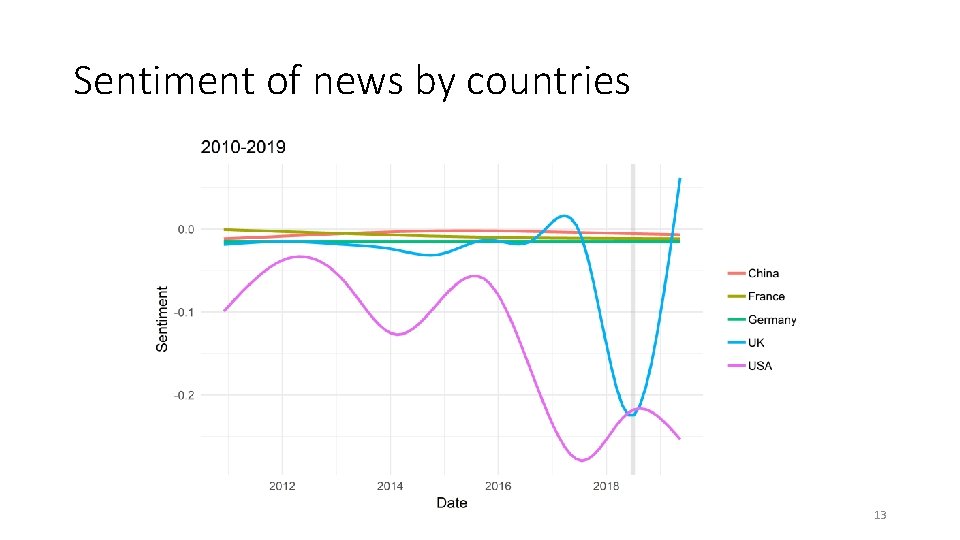
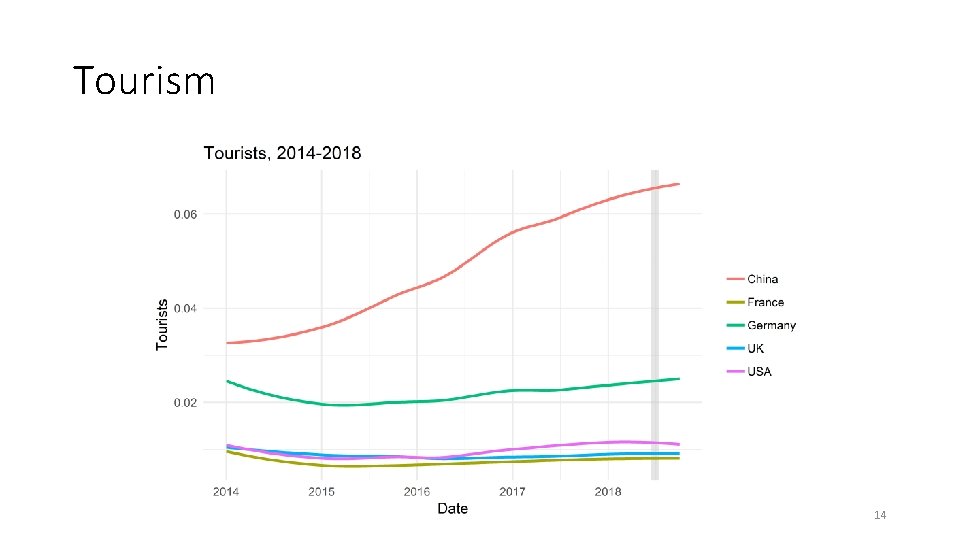
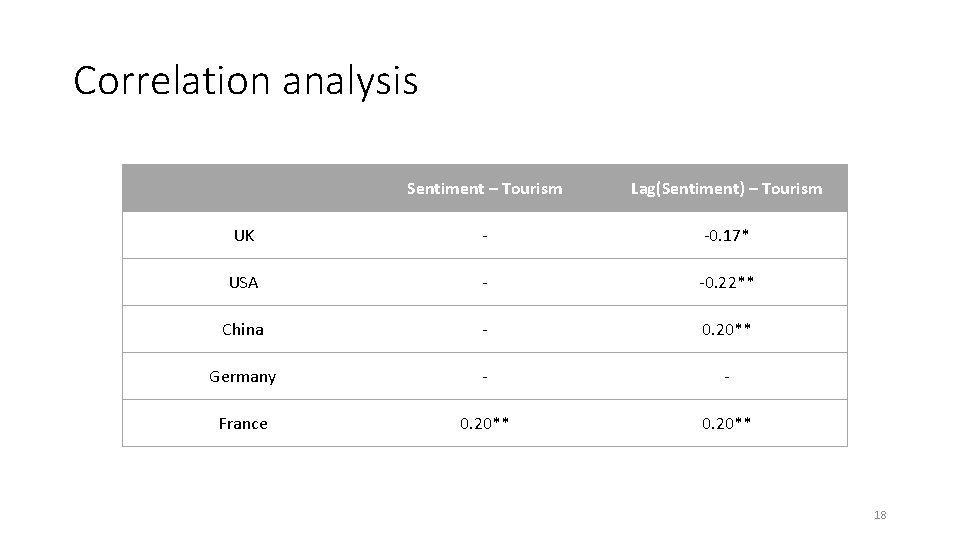
Data and methodology • Methodology: • Image of hosting country in media = sentiment analysis of news about Russia • Correlation analysis and mean-comparison test • Data: • Daily news from international version of The Guardian (12. 2010 - 05. 2019) • Quarterly official data on tourism (01. 2014 - 12. 2018): China, USA, UK, France, Germany 9
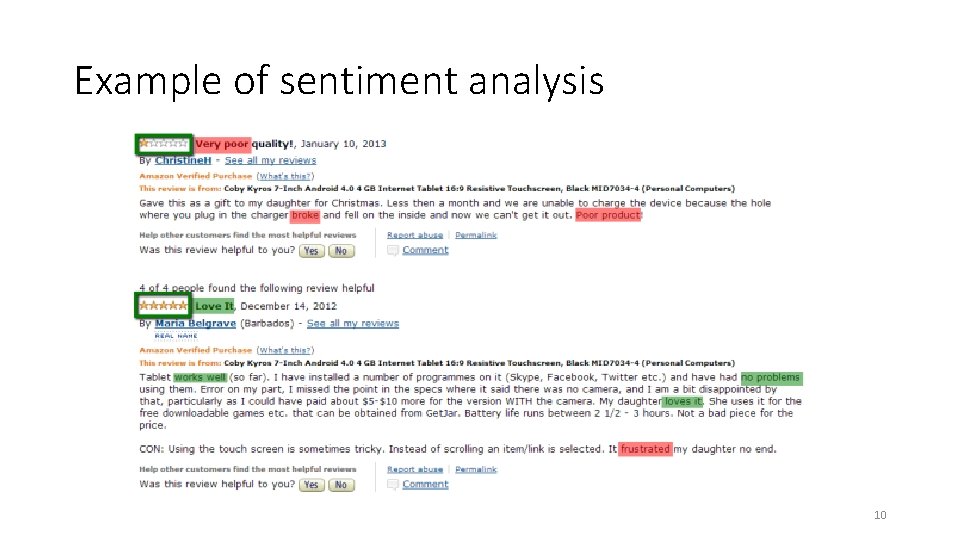
Example of sentiment analysis 10
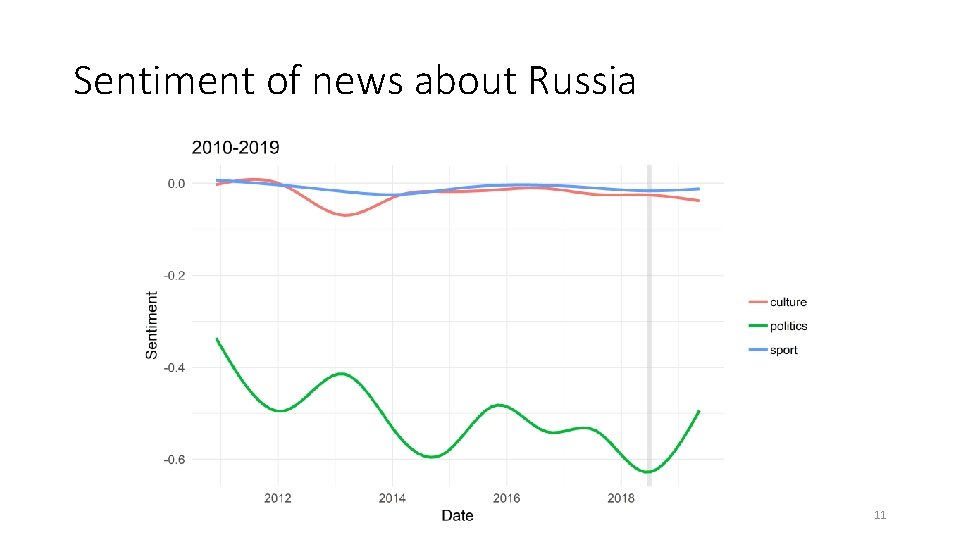
Sentiment of news about Russia 11
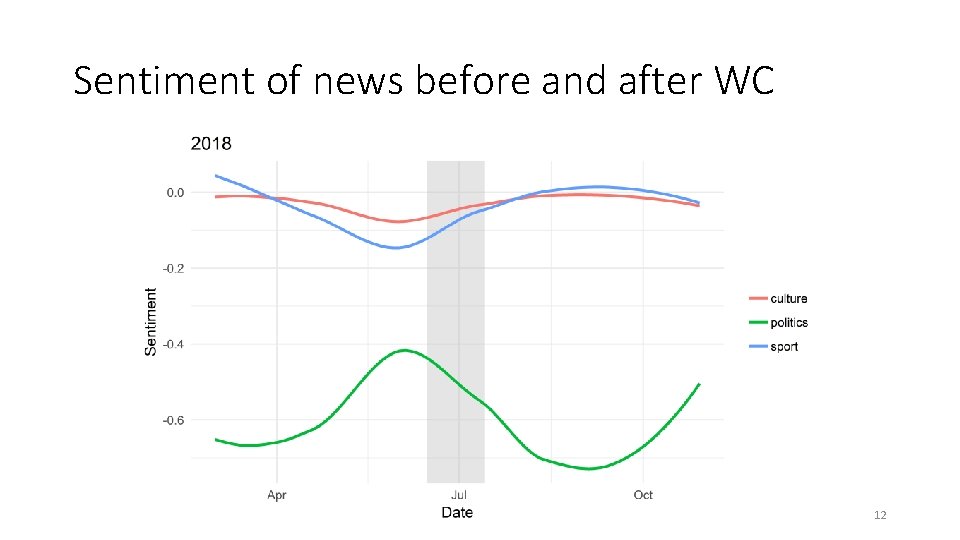
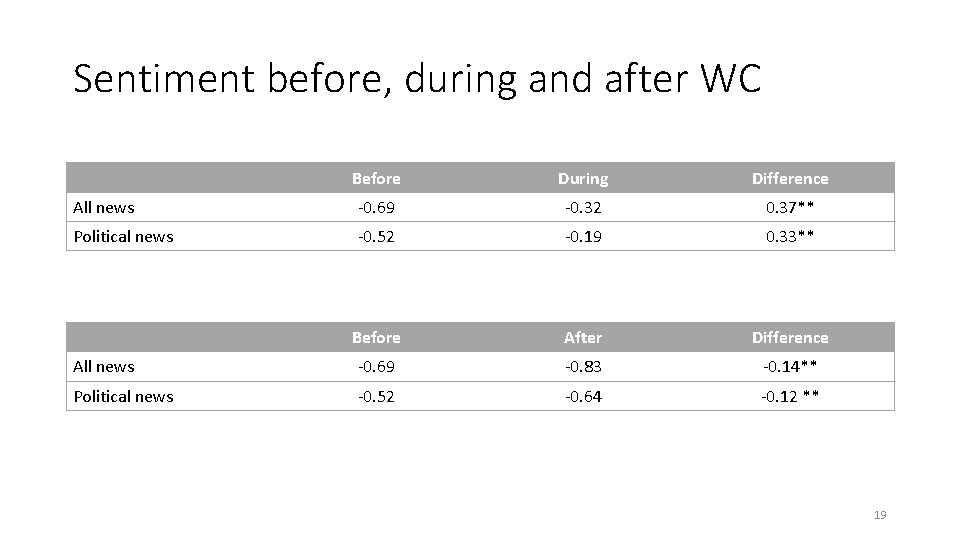
Sentiment of news before and after WC 12
Sentiment of news by countries 13
Tourism 14
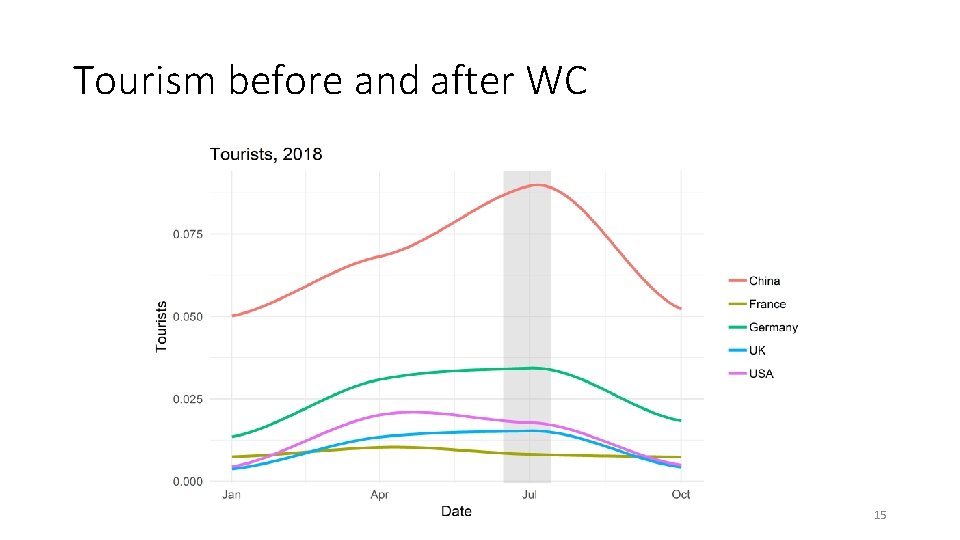
Tourism before and after WC 15
Tourism by countries 16
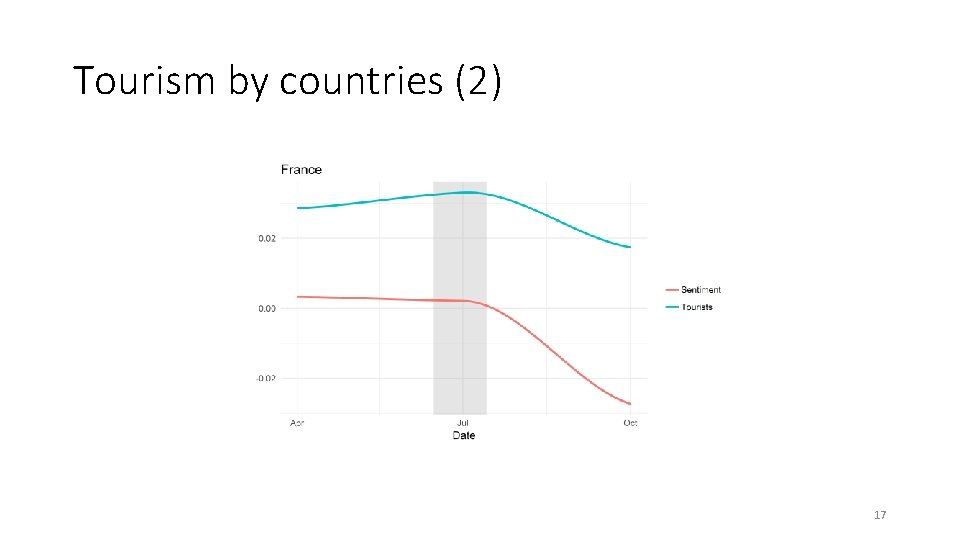
Tourism by countries (2) 17
Correlation analysis Sentiment – Tourism Lag(Sentiment) – Tourism UK - -0. 17* USA - -0. 22** China - 0. 20** Germany - - France 0. 20** 18
Sentiment before, during and after WC Before During Difference All news -0. 69 -0. 32 0. 37** Political news -0. 52 -0. 19 0. 33** Before After Difference All news -0. 69 -0. 83 -0. 14** Political news -0. 52 -0. 64 -0. 12 ** 19
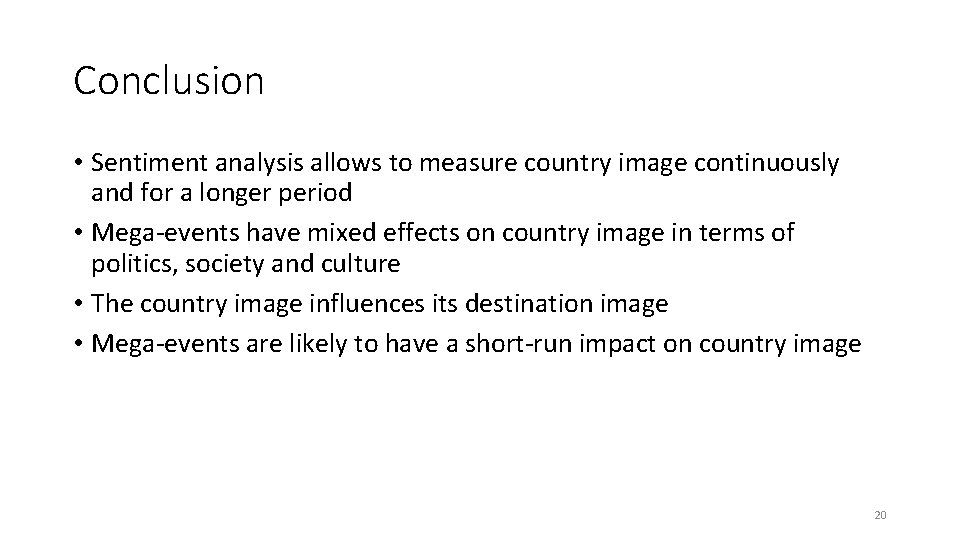
Conclusion • Sentiment analysis allows to measure country image continuously and for a longer period • Mega-events have mixed effects on country image in terms of politics, society and culture • The country image influences its destination image • Mega-events are likely to have a short-run impact on country image 20
Thank you for your attention! snpaklina@hse. ru 21
22
23
24
25
26