
The impact of extended clinical placements on student

- Slides: 38
The impact of extended clinical placements on student academic achievement: preliminary findings of a collaborative research project at London South Bank University Alan Russell, Catherine Evans & Andy Unger London South Bank University
COLLABORATIVE PROJECT • Law and Social Sciences Divisions • Researching whether placements in our Legal Advice Clinic have had any positive impact on Law students’ academic performance
THIS PRESENTATION • Context and Operation of the LSBU Legal Advice Clinic • Methodology and Initial Results of our Research
CONTEXT • A widening participation institution • 25% UG law students live locally in south & east London • 57% women • 65% over 21 • 70% non-white • 52% in paid employment (80% working 9 hours plus) • 17% caring for at least one school age child
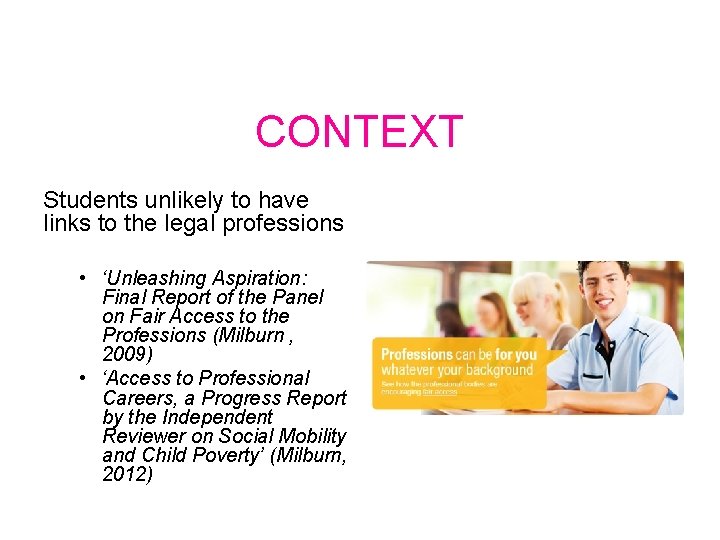
CONTEXT Students unlikely to have links to the legal professions • ‘Unleashing Aspiration: Final Report of the Panel on Fair Access to the Professions (Milburn , 2009) • ‘Access to Professional Careers, a Progress Report by the Independent Reviewer on Social Mobility and Child Poverty’ (Milburn, 2012)
CONTEXT • ABS – Legal Services Act 2007 • Information technology • Paralegals • Fewer training contracts and pupillages • University tuition fees £ 9, 000 PA
CONTEXT • ‘Working in the Law’ • Compulsory Year 2 undergraduate Law module • Professional & career skills • External legal work placement opportunities
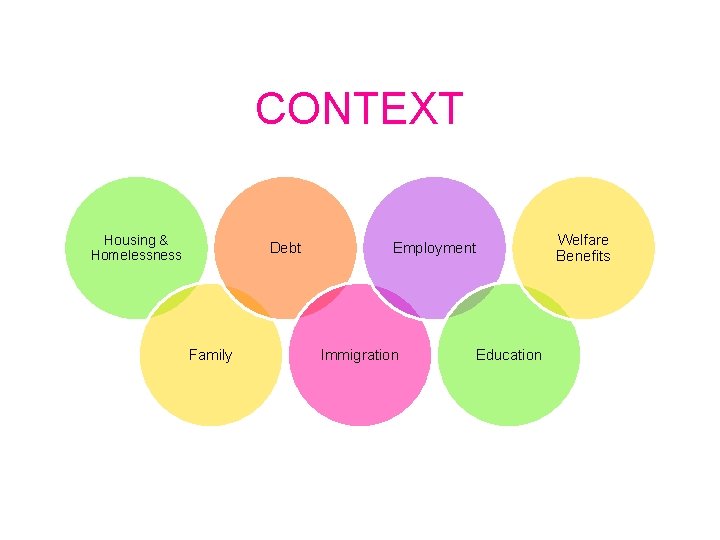
CONTEXT Housing & Homelessness Debt Family Employment Immigration Education Welfare Benefits
CONTEXT • • Clustering Early intervention Impact on health and wellbeing ‘Referral fatigue’
CONTEXT • Genn, H. (1999) Paths to Justice: What People Do And Think About Going To Law. Oxford: Hart Publishing; • Balmer, N. (2013) Summary Findings of Wave 2 of the English and Welsh Civil and Social Justice Panel Survey, Legal Services Commission; • Pleasance, P. & Balmer, N. (2014) How People Resolve ‘Legal’ Problems: Report to the Legal Services Board
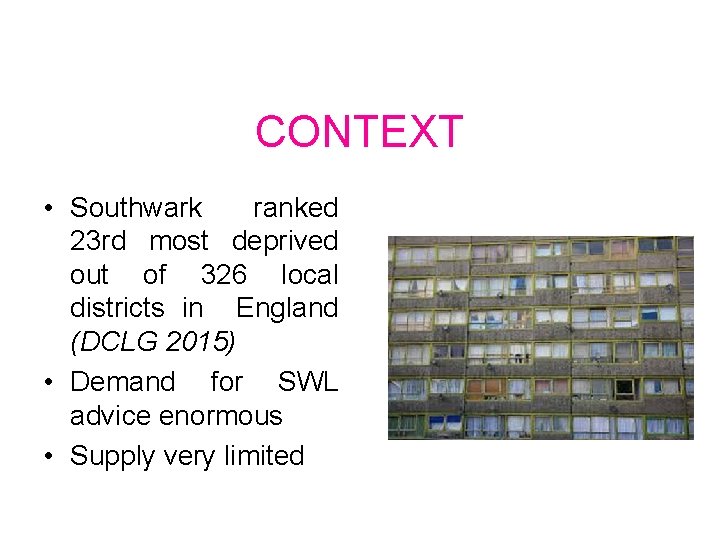
CONTEXT • Southwark ranked 23 rd most deprived out of 326 local districts in England (DCLG 2015) • Demand for SWL advice enormous • Supply very limited
CONTEXT • Legal Aid, Sentencing and Punishment of Offenders Act (LASPO) 2012 • £ 320 million savings PA • Legal Help Scheme slashed • Welfare benefits, debt, employment, education, immigration advice out of scope • Housing and family advice severely restricted
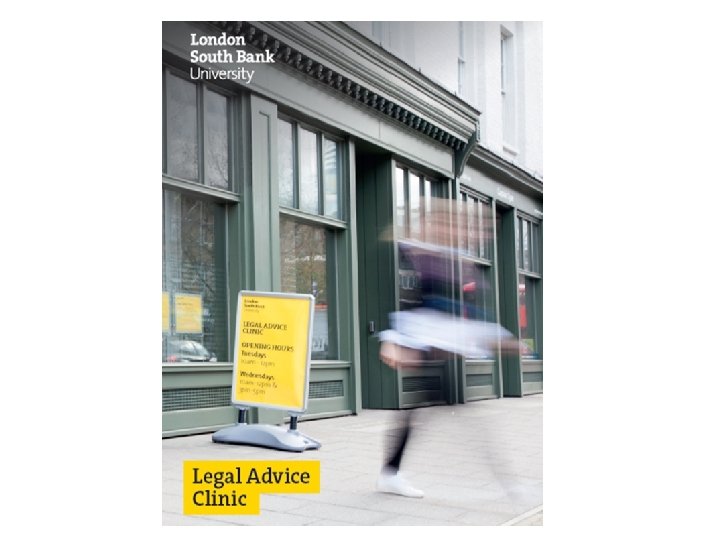
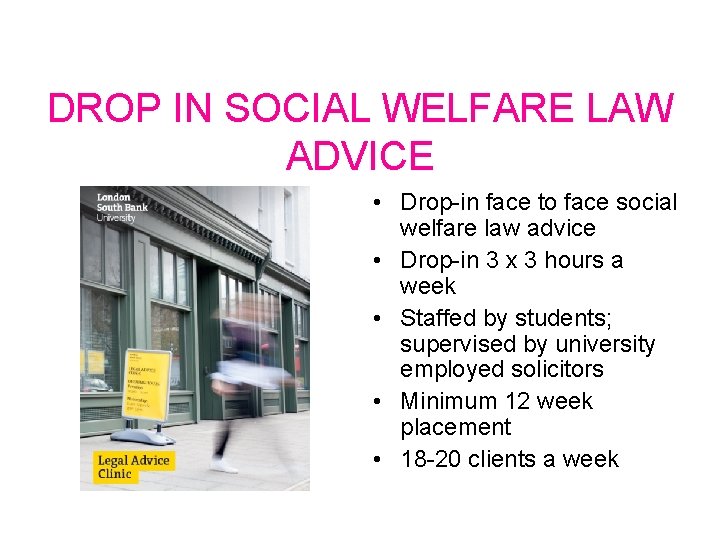
DROP IN SOCIAL WELFARE LAW ADVICE • Drop-in face to face social welfare law advice • Drop-in 3 x 3 hours a week • Staffed by students; supervised by university employed solicitors • Minimum 12 week placement • 18 -20 clients a week
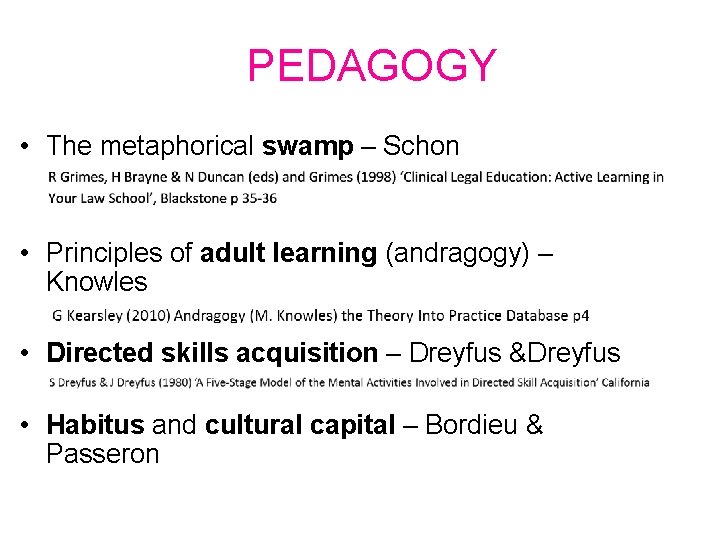
PEDAGOGY • The metaphorical swamp – Schon • Principles of adult learning (andragogy) – Knowles • Directed skills acquisition – Dreyfus &Dreyfus • Habitus and cultural capital – Bordieu & Passeron
THE STUDENT EXPERIENCE
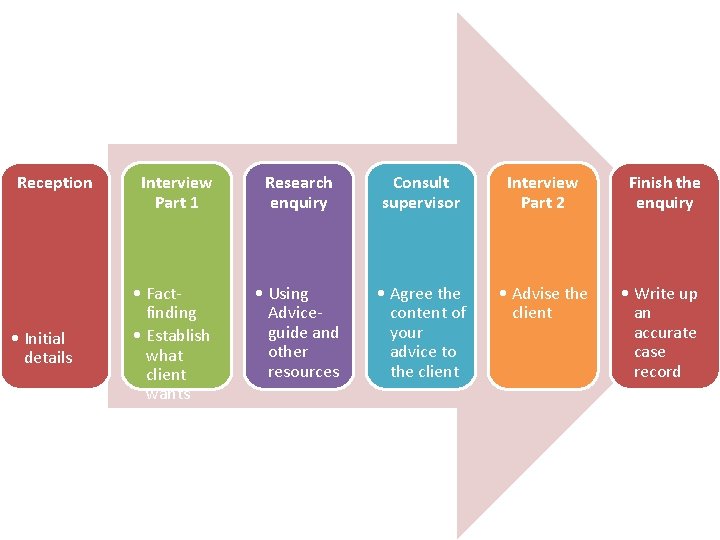
Reception • Initial details Interview Part 1 • Factfinding • Establish what client wants Research enquiry Consult supervisor Interview Part 2 • Using Adviceguide and other resources • Agree the content of your advice to the client • Advise the client Finish the enquiry • Write up an accurate case record
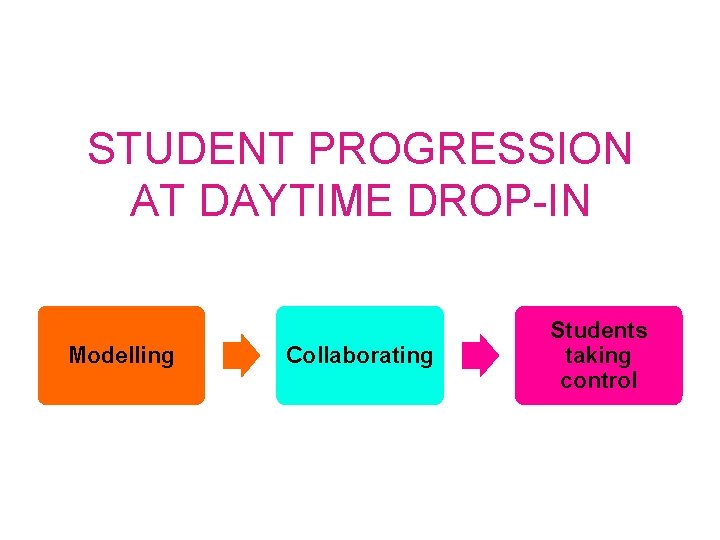
STUDENT PROGRESSION AT DAYTIME DROP-IN Modelling Collaborating Students taking control
DAY TIME DROP-IN • Basic information on any legal topic • Generalist advice in all areas of social welfare law (save immigration) • Signpost/referral to other local legal advice agencies and law firms • Refer to our own evening sessions
EVENING SESSIONS Students shadow pro bono solicitors & barristers giving specialist legal advice in • Housing • Family • Employment
CLIENT OUTPUTS 3500+ clients helped
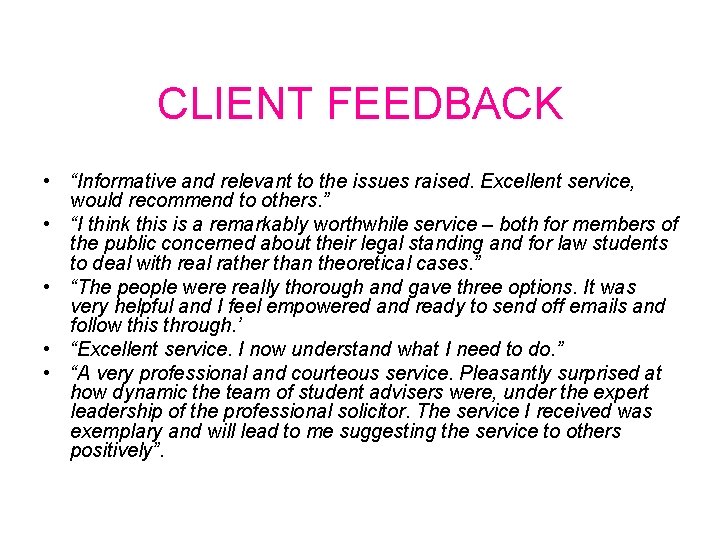
CLIENT FEEDBACK • “Informative and relevant to the issues raised. Excellent service, would recommend to others. ” • “I think this is a remarkably worthwhile service – both for members of the public concerned about their legal standing and for law students to deal with real rather than theoretical cases. ” • “The people were really thorough and gave three options. It was very helpful and I feel empowered and ready to send off emails and follow this through. ’ • “Excellent service. I now understand what I need to do. ” • “A very professional and courteous service. Pleasantly surprised at how dynamic the team of student advisers were, under the expert leadership of the professional solicitor. The service I received was exemplary and will lead to me suggesting the service to others positively”.
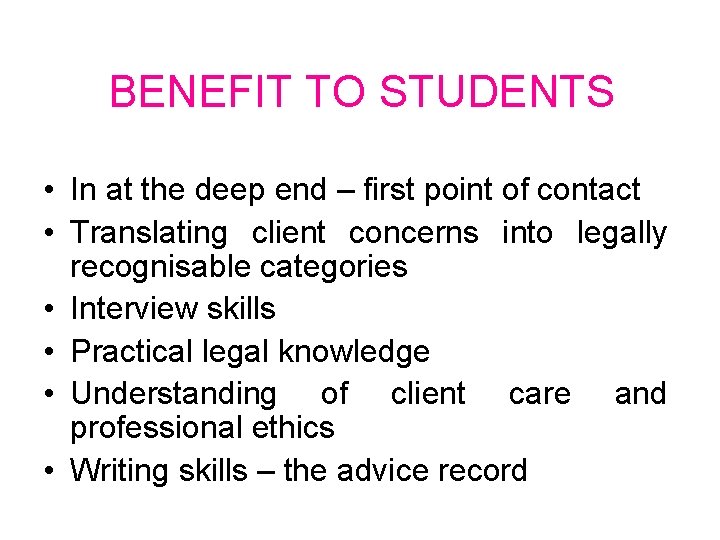
BENEFIT TO STUDENTS • In at the deep end – first point of contact • Translating client concerns into legally recognisable categories • Interview skills • Practical legal knowledge • Understanding of client care and professional ethics • Writing skills – the advice record
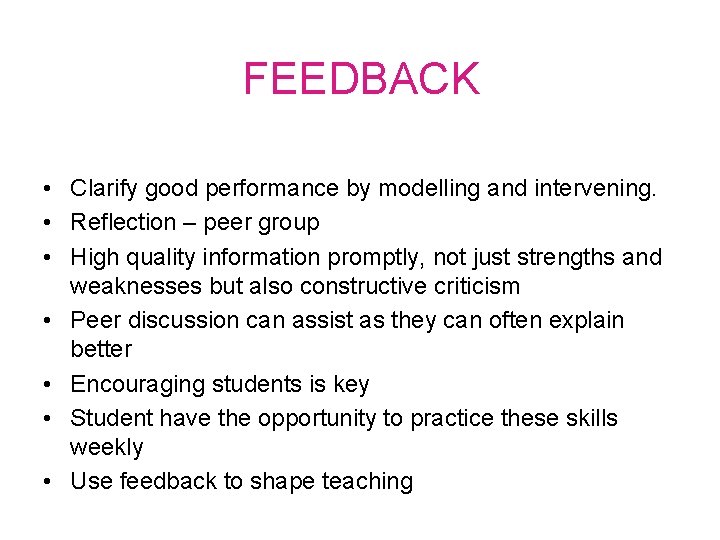
FEEDBACK • Clarify good performance by modelling and intervening. • Reflection – peer group • High quality information promptly, not just strengths and weaknesses but also constructive criticism • Peer discussion can assist as they can often explain better • Encouraging students is key • Student have the opportunity to practice these skills weekly • Use feedback to shape teaching
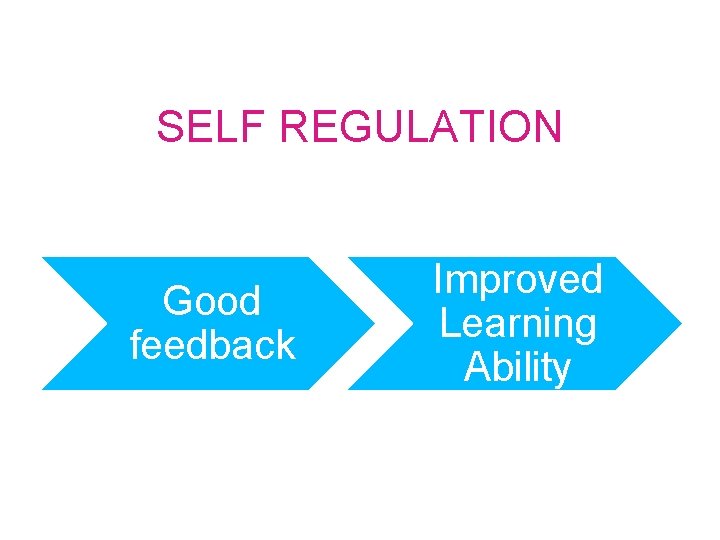
SELF REGULATION Good feedback Improved Learning Ability
WHAT THE STUDENTS SAY • Hands on practical experience, helping the public and having a safe space to learn about law in practice and gaining a lot of knowledge along the way. • The instant assessment by way of feedback - this encouraged me to identify my mistakes and so conscious of making the same mistake. • I finally found confidence and comfort in speaking to clients. I did hesitate quite a lot in the beginning but the firm and respectful guiding of the supervisors made it possible for me to stretched out of my comfort zone. I was encouraged to conduct legal research with the assistance of my supervisors and fellow students. The legal advice that I was able to give was backed up and supported by the supervisors so we could learn first hand.
THE RESEARCH Why have a Legal Advice Clinic: • • Legal Skills ? Social Justice ? Employability ? All of the above ?
THE RESEARCH We observed significant improvements in students’ confidence and legal professional skills over the course of a semester and wondered if this was reflected in any way in their final degree results
THE RESEARCH The question was how to try and measure this and so we turned to our colleague Matthew Bond – Sociology Course Director and a specialist in Data Analytic Techniques for Social Scientists – for help
THE RESEARCH Our initial research is limited to an analysis of the first cohort of LLB students to have had the opportunity to work in our Legal Advice Clinic Next steps will include analysing the next two cohorts and seeking partners for further, comparative analysis between courses with similar clinics where some but not all students have an opportunity to volunteer
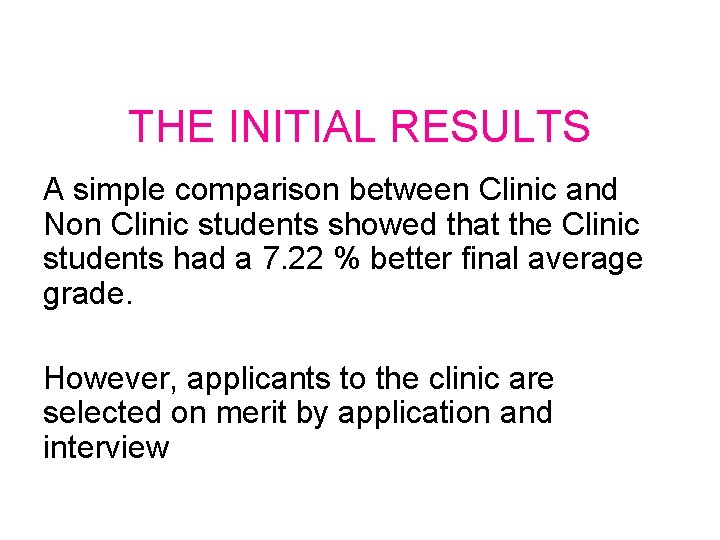
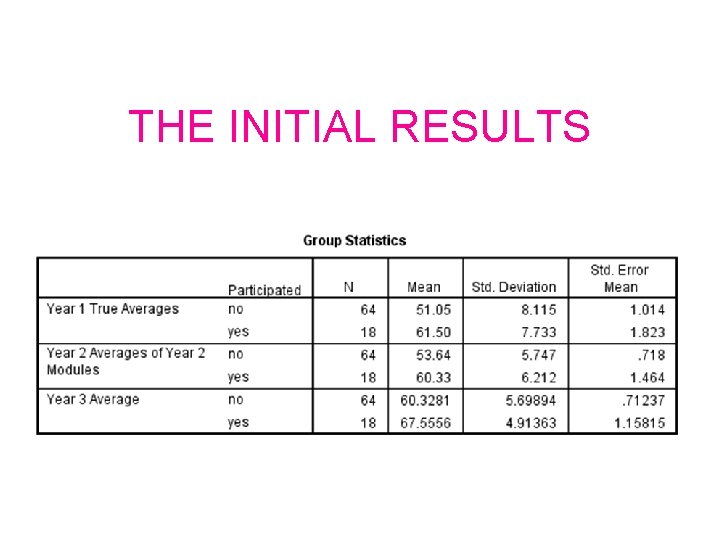
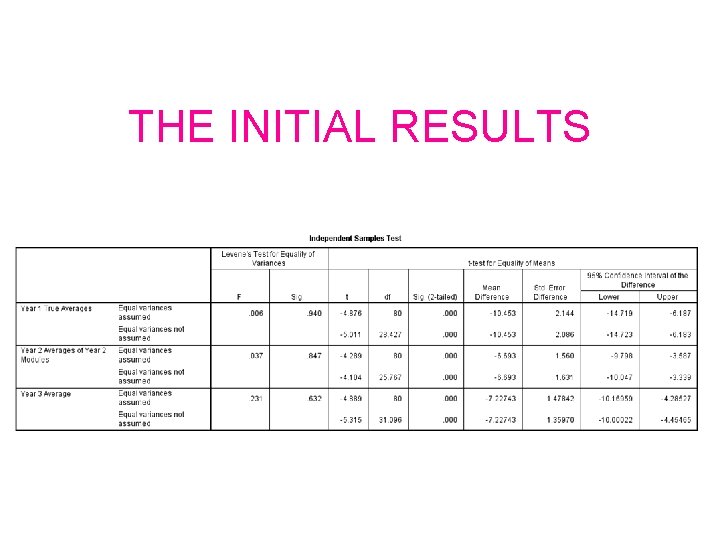
THE INITIAL RESULTS A simple comparison between Clinic and Non Clinic students showed that the Clinic students had a 7. 22 % better final average grade. However, applicants to the clinic are selected on merit by application and interview
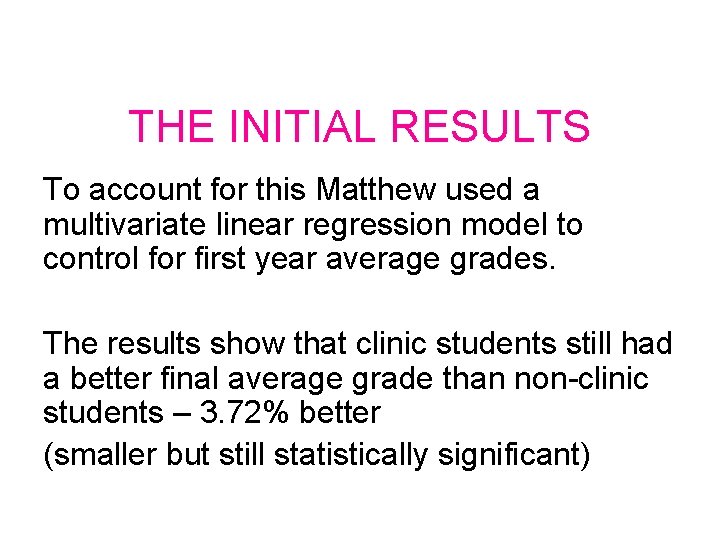
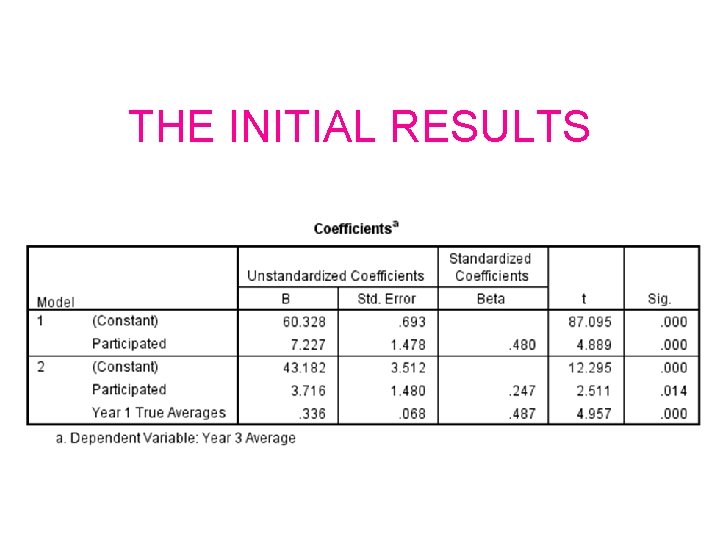
THE INITIAL RESULTS To account for this Matthew used a multivariate linear regression model to control for first year average grades. The results show that clinic students still had a better final average grade than non-clinic students – 3. 72% better (smaller but still statistically significant)
THE INITIAL RESULTS Of course, there might be some other unmeasured differences between students who participated in the clinic and those who didn't, other than ability as measured by first year average grades
THE INITIAL RESULTS Next steps: • Review and refine method • Analyse three LSBU cohorts • Analyse three institutions with similar clinics
THE INITIAL RESULTS
THE INITIAL RESULTS
THE INITIAL RESULTS
CONTACTS evansc 15@lsbu. ac. uk alan. russell@lsbu. ac. uk ungerad@lsbu. ac. uk www. lsbu. ac. uk/legaladviceclinic