
THE HYDROLOGIC CYCLE The Hydrologic Cycle The Hydrologic
- Slides: 23
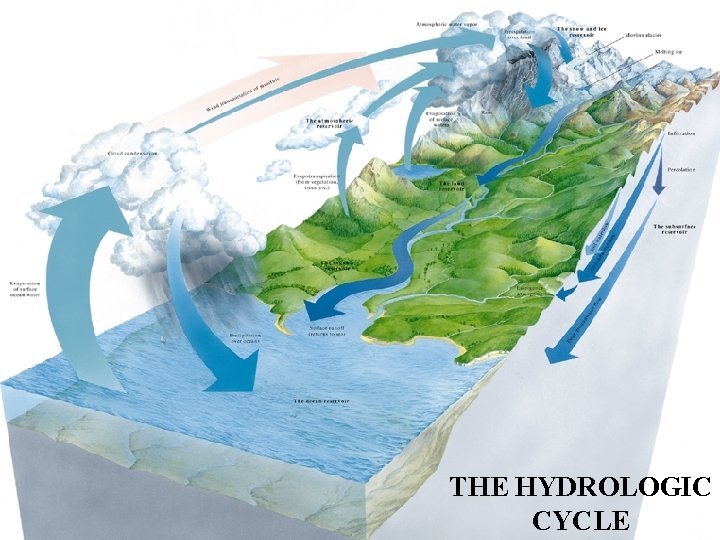
THE HYDROLOGIC CYCLE
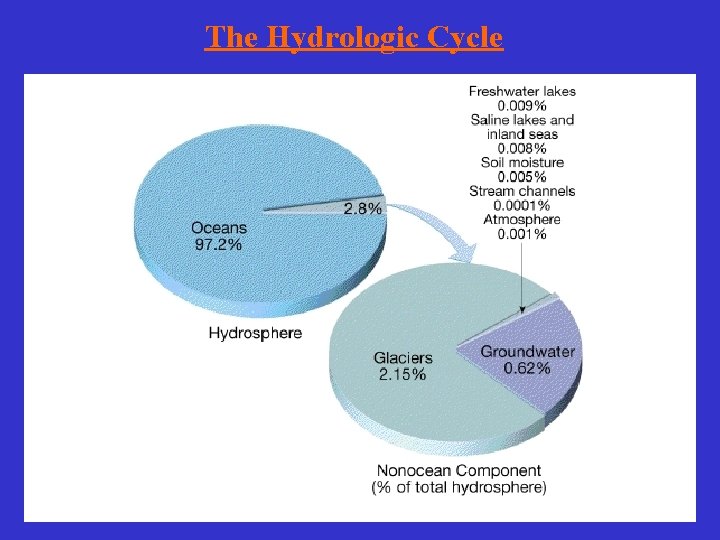
The Hydrologic Cycle
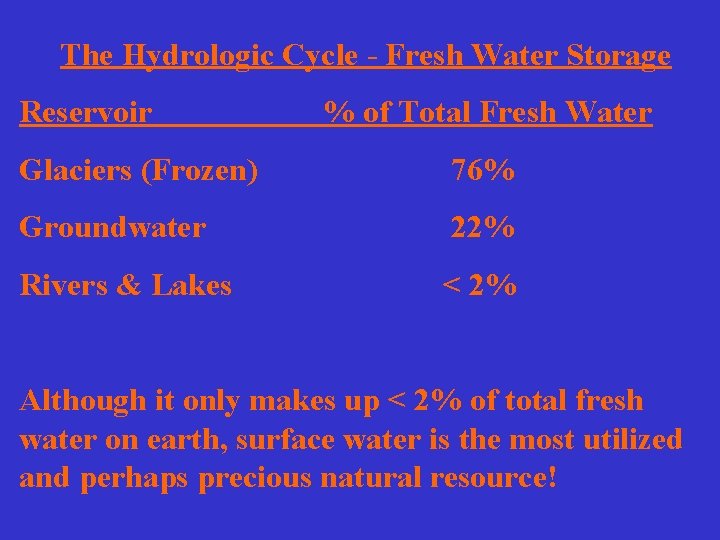
The Hydrologic Cycle - Fresh Water Storage Reservoir % of Total Fresh Water Glaciers (Frozen) 76% Groundwater 22% Rivers & Lakes < 2% Although it only makes up < 2% of total fresh water on earth, surface water is the most utilized and perhaps precious natural resource!
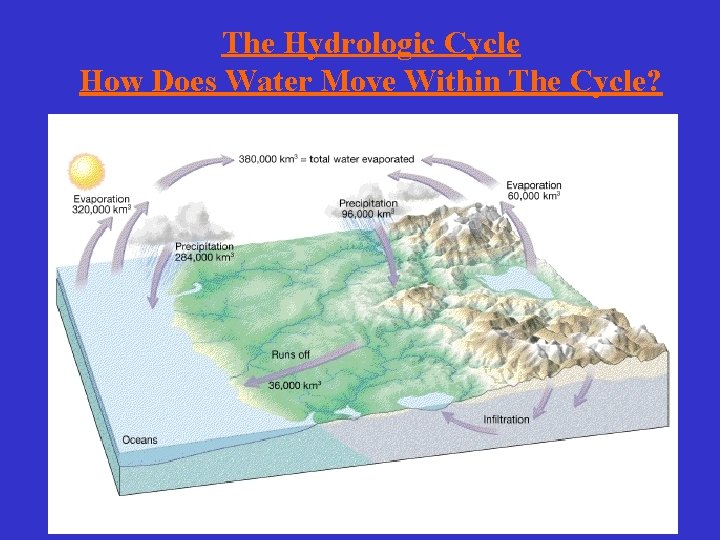
The Hydrologic Cycle How Does Water Move Within The Cycle?
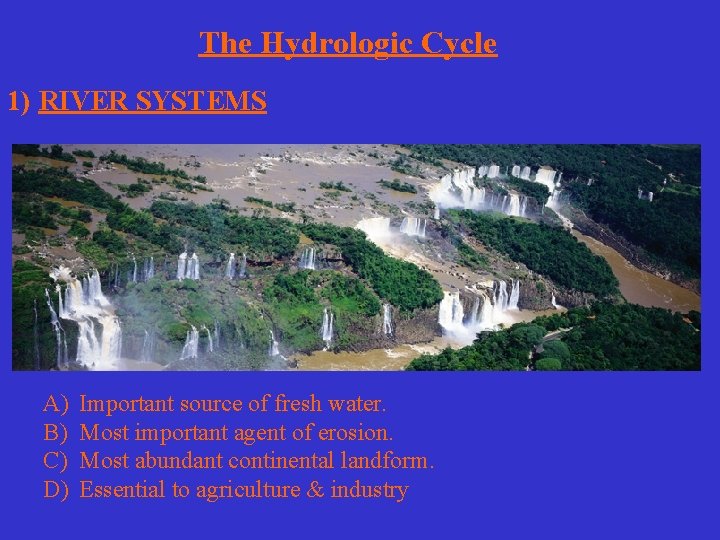
The Hydrologic Cycle 1) RIVER SYSTEMS A) B) C) D) Important source of fresh water. Most important agent of erosion. Most abundant continental landform. Essential to agriculture & industry
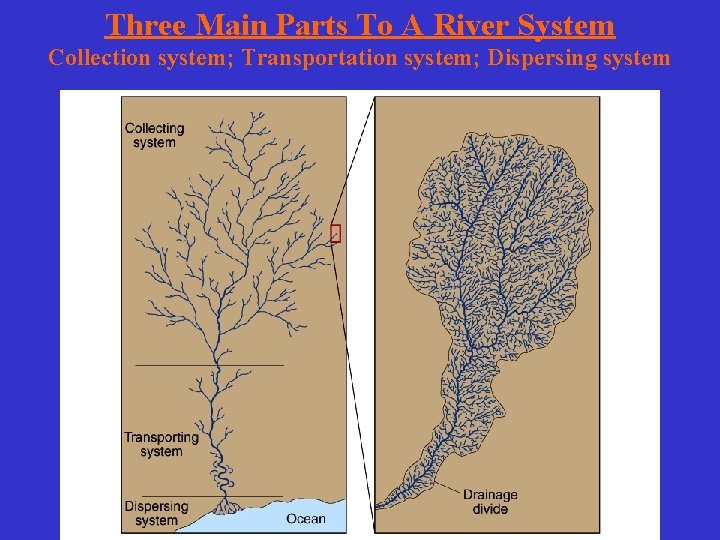
Three Main Parts To A River System Collection system; Transportation system; Dispersing system
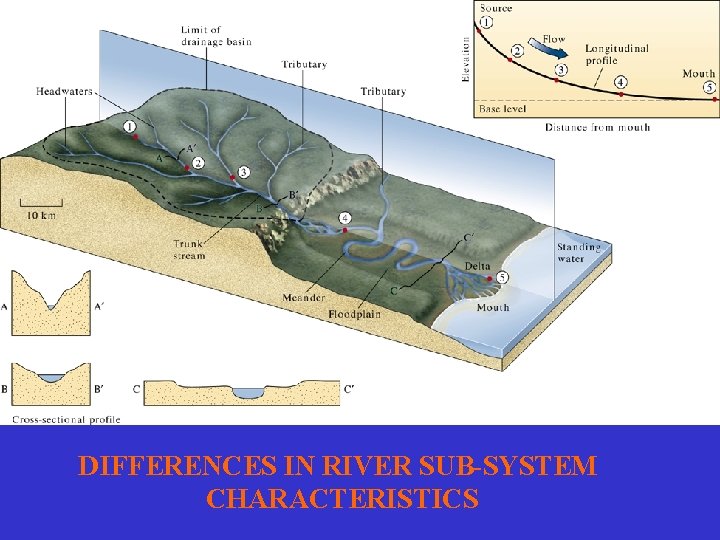
DIFFERENCES IN RIVER SUB-SYSTEM CHARACTERISTICS
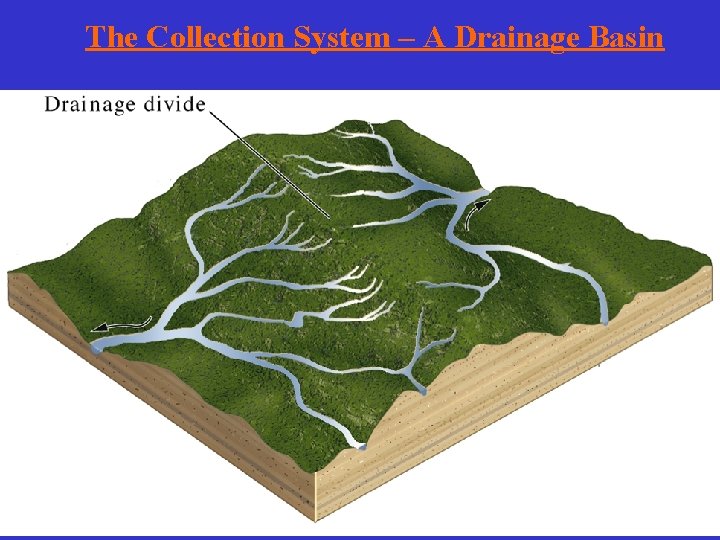
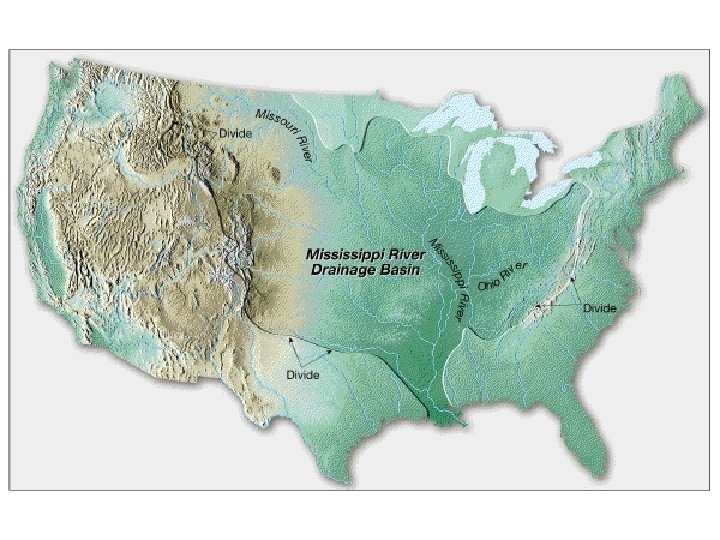
The Collection System – A Drainage Basin
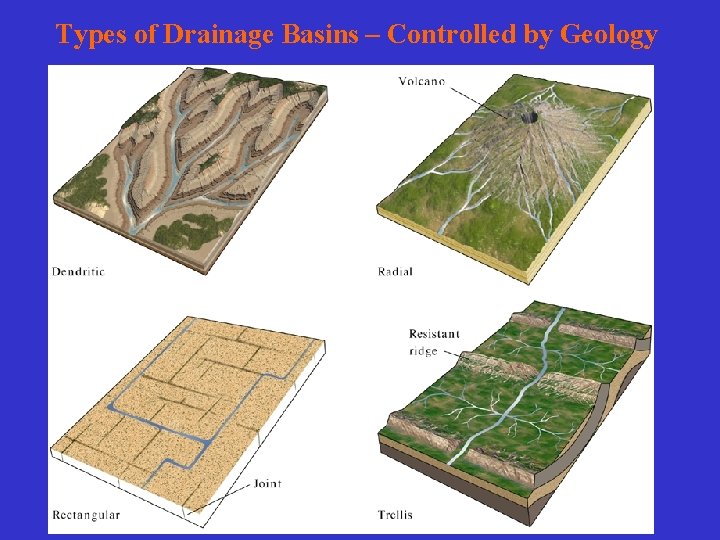
Types of Drainage Basins – Controlled by Geology
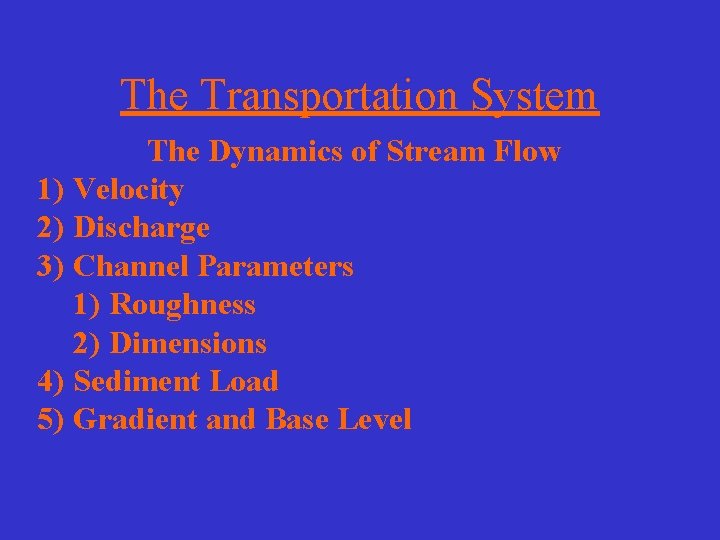
The Transportation System The Dynamics of Stream Flow 1) Velocity 2) Discharge 3) Channel Parameters 1) Roughness 2) Dimensions 4) Sediment Load 5) Gradient and Base Level
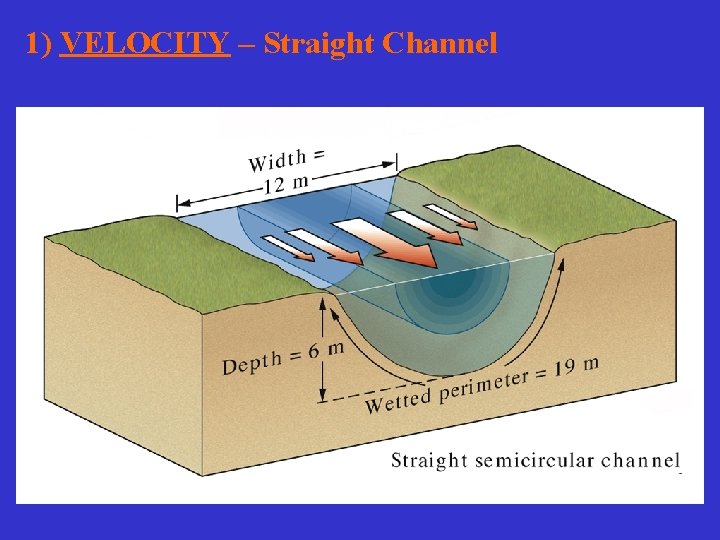
1) VELOCITY – Straight Channel
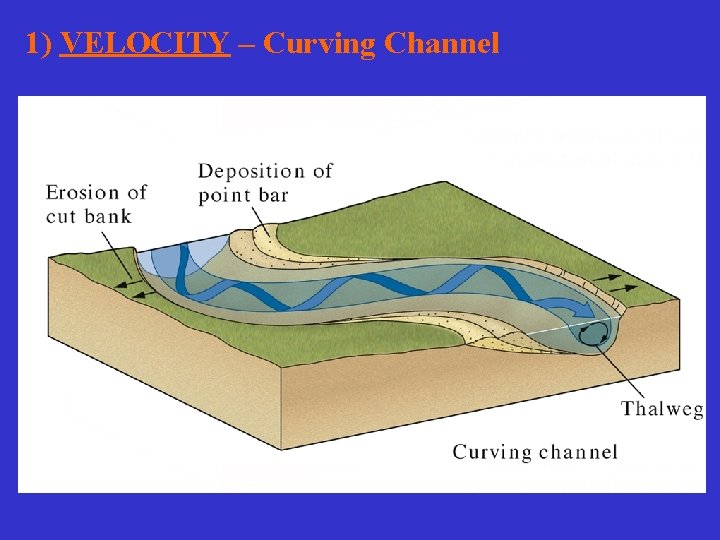
1) VELOCITY – Curving Channel
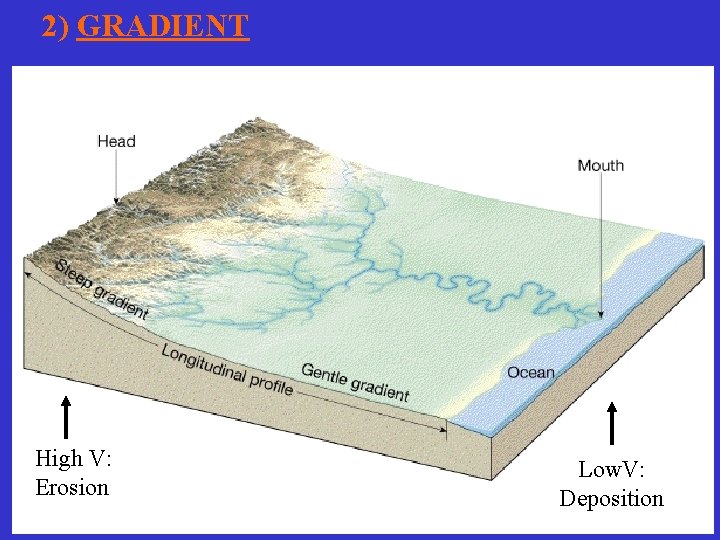
2) GRADIENT High V: Erosion Low. V: Deposition
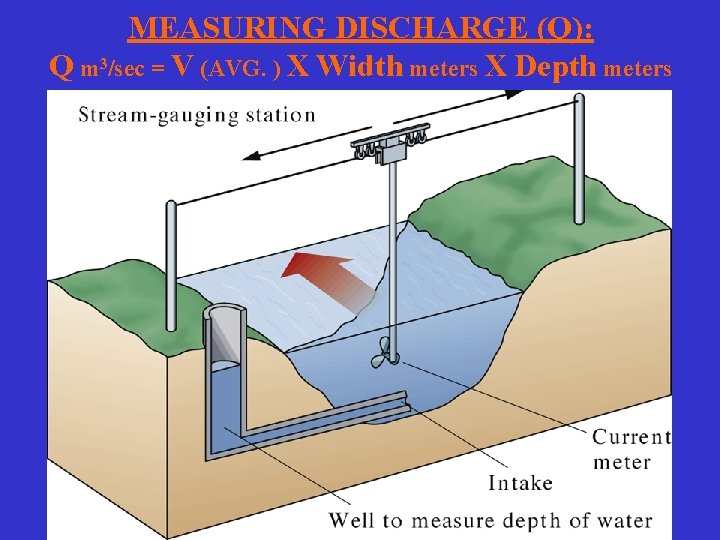
MEASURING DISCHARGE (Q): Q m 3/sec = V (AVG. ) X Width meters X Depth meters
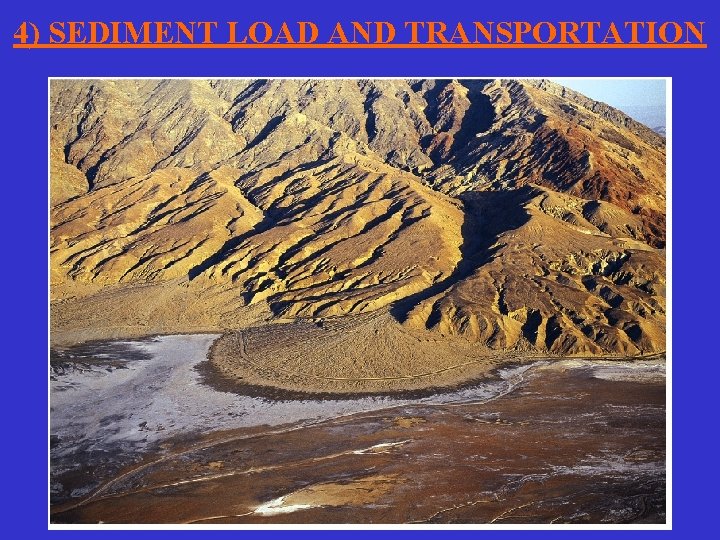
4) SEDIMENT LOAD AND TRANSPORTATION
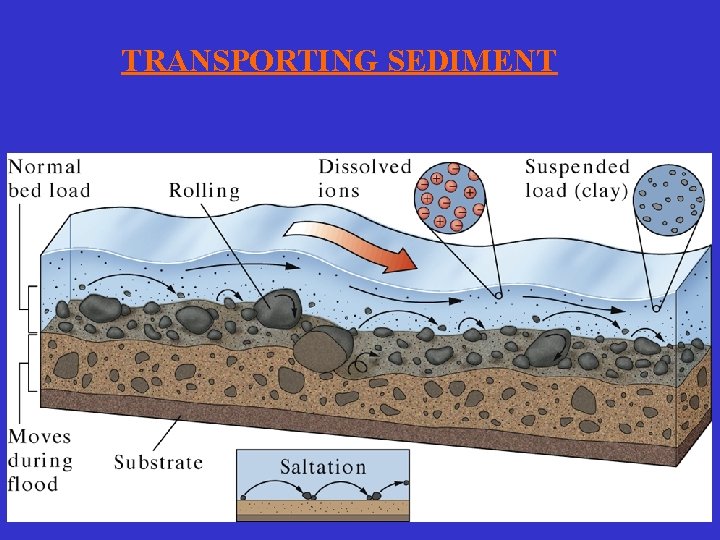
TRANSPORTING SEDIMENT
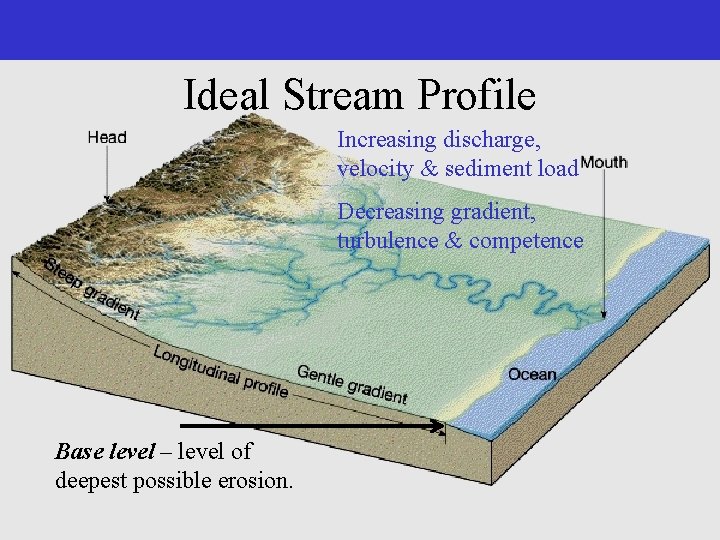
Ideal Stream Profile Increasing discharge, velocity & sediment load Decreasing gradient, turbulence & competence Base level – level of deepest possible erosion.
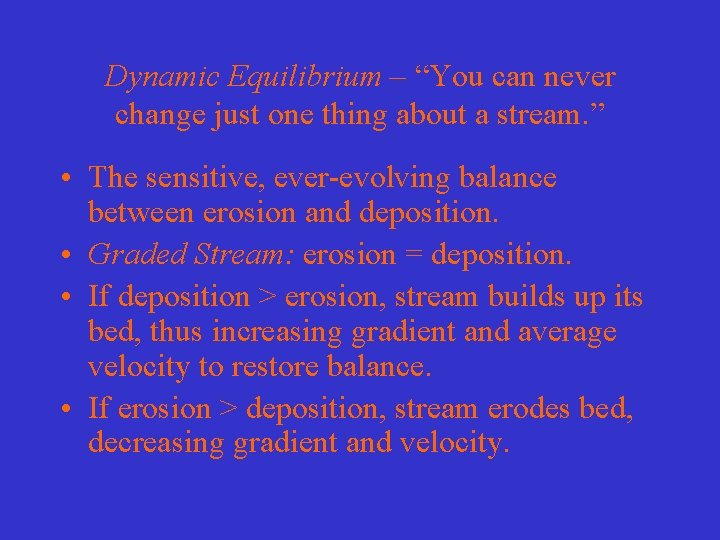
Dynamic Equilibrium – “You can never change just one thing about a stream. ” • The sensitive, ever-evolving balance between erosion and deposition. • Graded Stream: erosion = deposition. • If deposition > erosion, stream builds up its bed, thus increasing gradient and average velocity to restore balance. • If erosion > deposition, stream erodes bed, decreasing gradient and velocity.
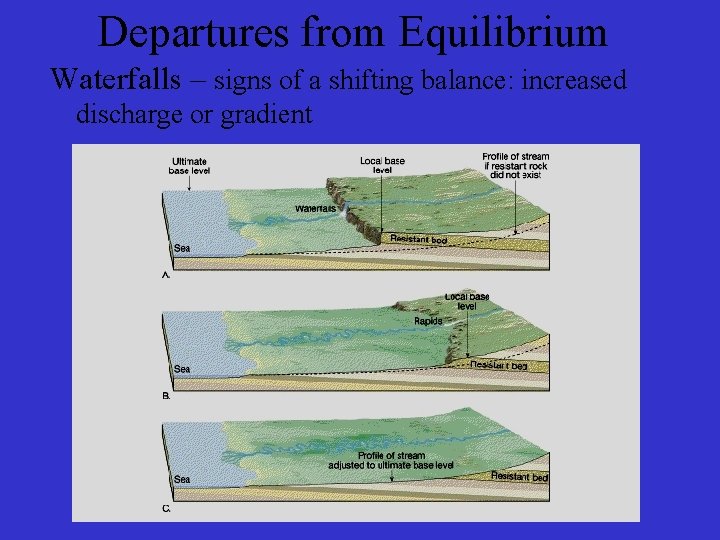
Departures from Equilibrium Waterfalls – signs of a shifting balance: increased discharge or gradient
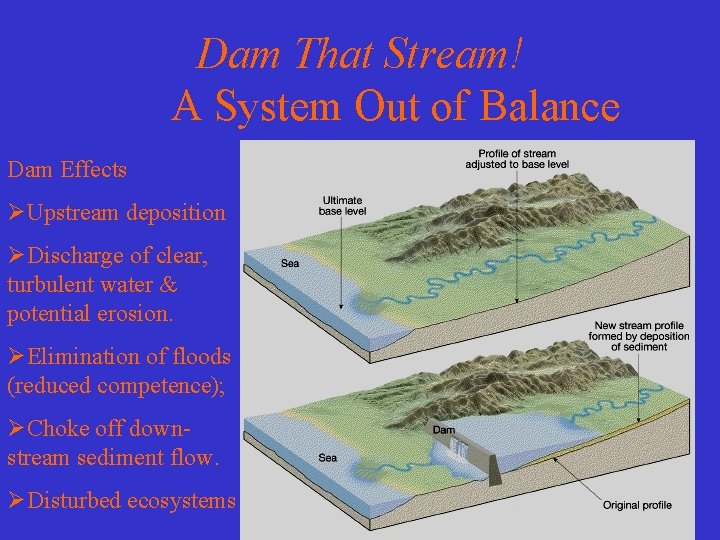
Dam That Stream! A System Out of Balance Dam Effects ØUpstream deposition ØDischarge of clear, turbulent water & potential erosion. ØElimination of floods (reduced competence); ØChoke off downstream sediment flow. ØDisturbed ecosystems
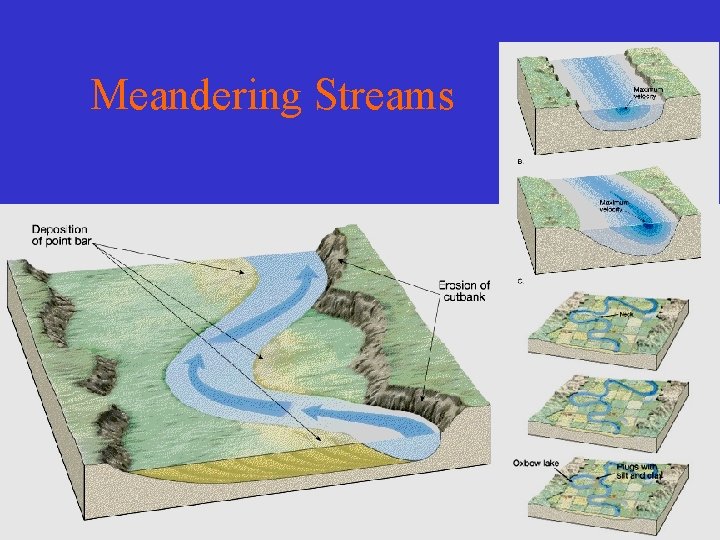
Meandering Streams
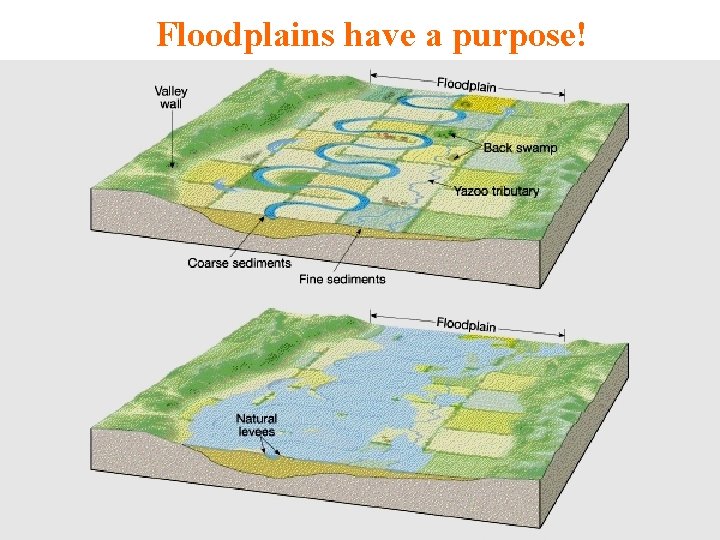
Floodplains have a purpose!