
The Human Niche Whats our place in nature
- Slides: 18
The Human Niche: What’s our place in nature? SNC 1 D
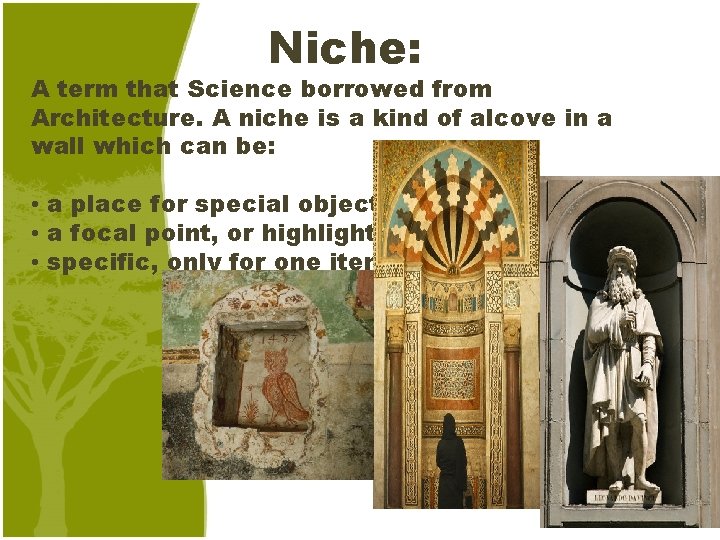
Niche: A term that Science borrowed from Architecture. A niche is a kind of alcove in a wall which can be: • a place for special objects • a focal point, or highlight • specific, only for one item
Ecological Niche: The way an organism occupies its place in an ecosystem, including: • the resources it uses • abiotic limiting factors • biotic relationships with other organisms No two organisms occupy the exact same niche, because no two organisms live in exactly the same way.
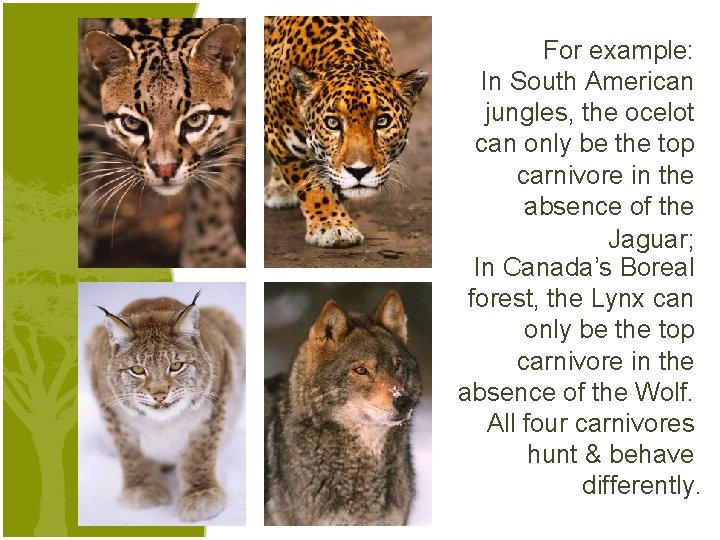
For example: In South American jungles, the ocelot can only be the top carnivore in the absence of the Jaguar; In Canada’s Boreal forest, the Lynx can only be the top carnivore in the absence of the Wolf. All four carnivores hunt & behave differently.
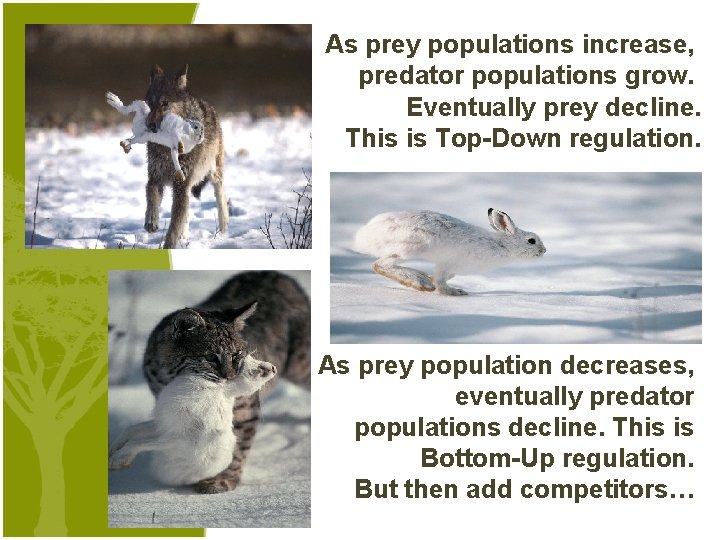
As prey populations increase, predator populations grow. Eventually prey decline. This is Top-Down regulation. As prey population decreases, eventually predator populations decline. This is Bottom-Up regulation. But then add competitors…
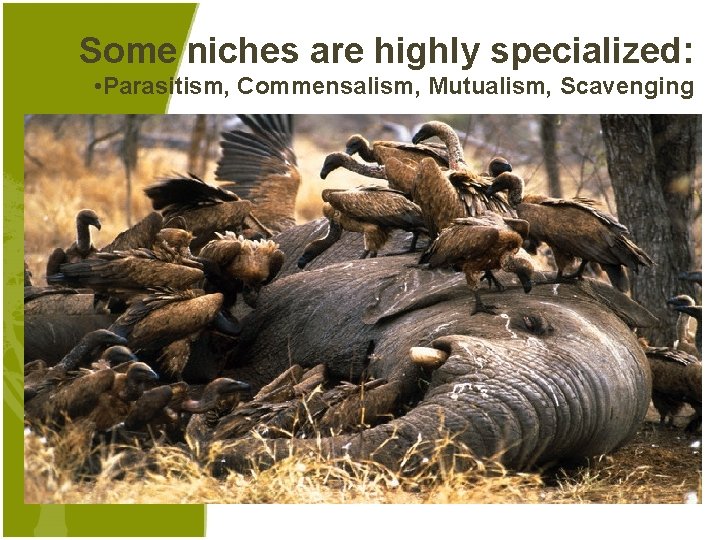
Some niches are highly specialized: • Parasitism, Commensalism, Mutualism, Scavenging
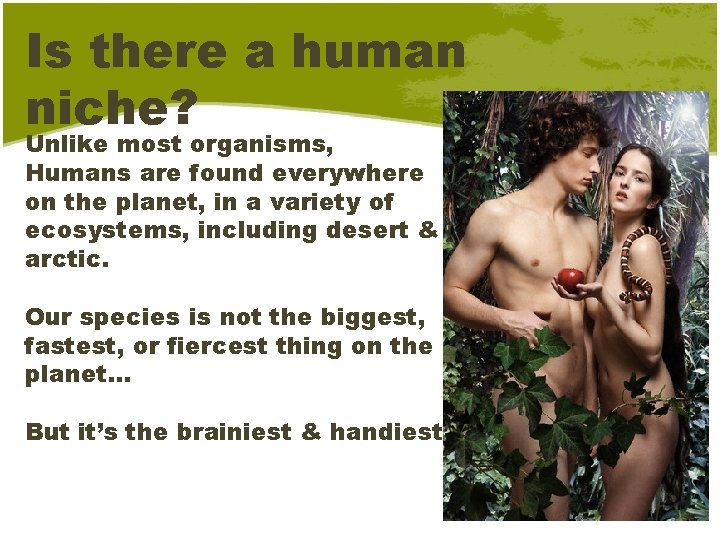
Is there a human niche? Unlike most organisms, Humans are found everywhere on the planet, in a variety of ecosystems, including desert & arctic. Our species is not the biggest, fastest, or fiercest thing on the planet… But it’s the brainiest & handiest.
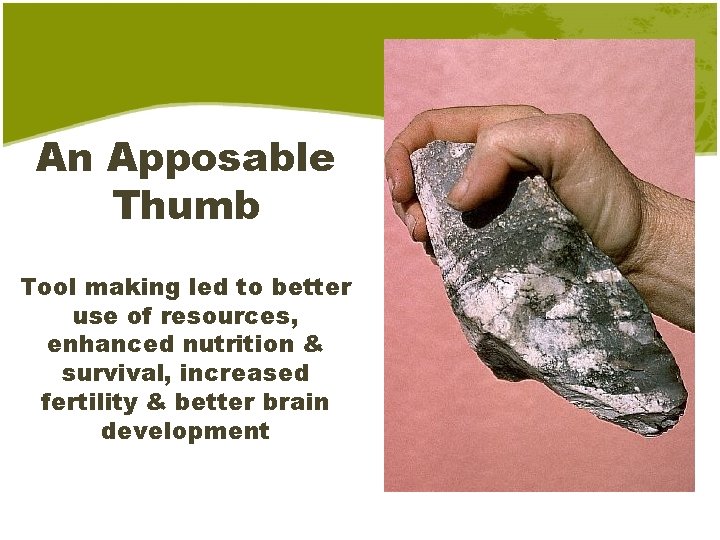
An Apposable Thumb Tool making led to better use of resources, enhanced nutrition & survival, increased fertility & better brain development
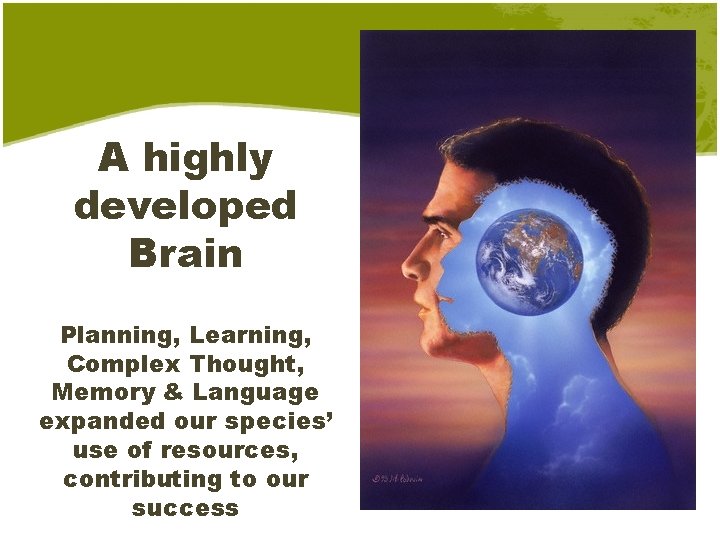
A highly developed Brain Planning, Learning, Complex Thought, Memory & Language expanded our species’ use of resources, contributing to our success
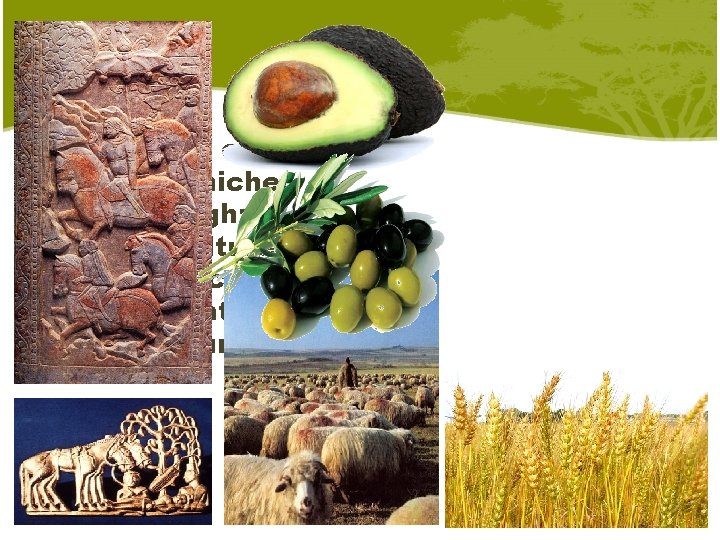
Our species created its own niche, through: • Agriculture • Domestication • Civilization • Culture
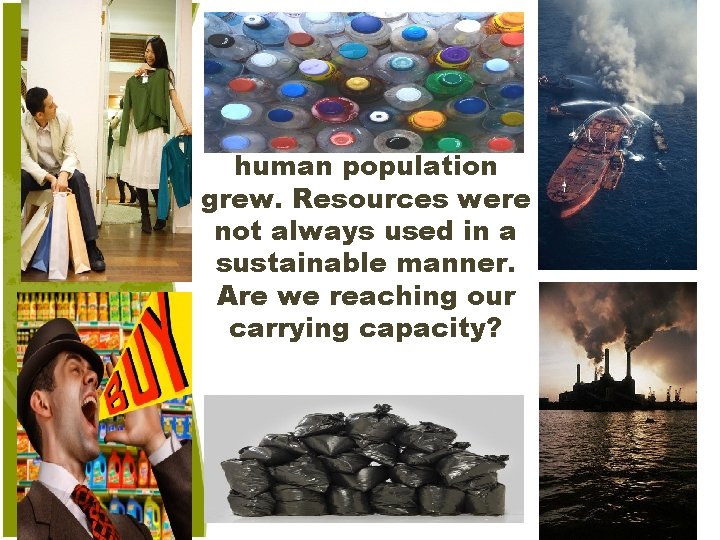
As time progressed, human population grew. Resources were not always used in a sustainable manner. Are we reaching our carrying capacity?
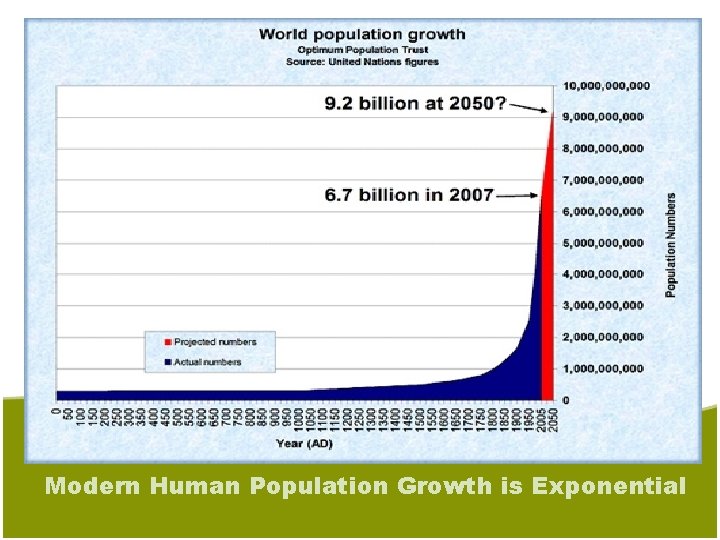
Modern Human Population Growth is Exponential
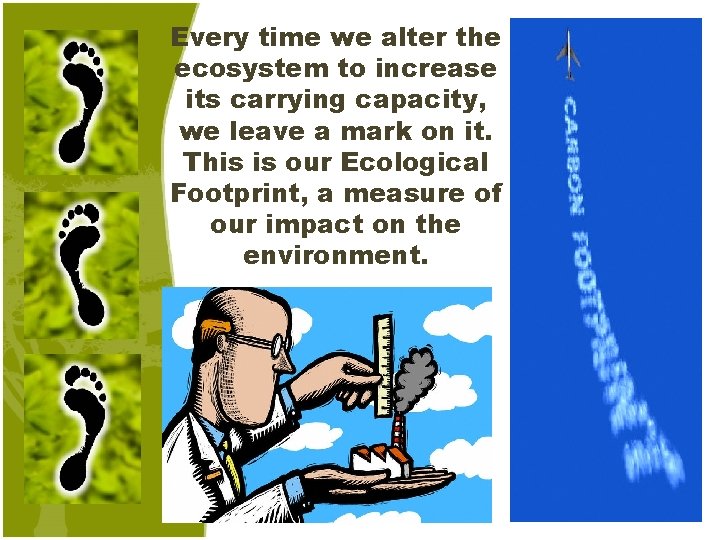
Every time we alter the ecosystem to increase its carrying capacity, we leave a mark on it. This is our Ecological Footprint, a measure of our impact on the environment.
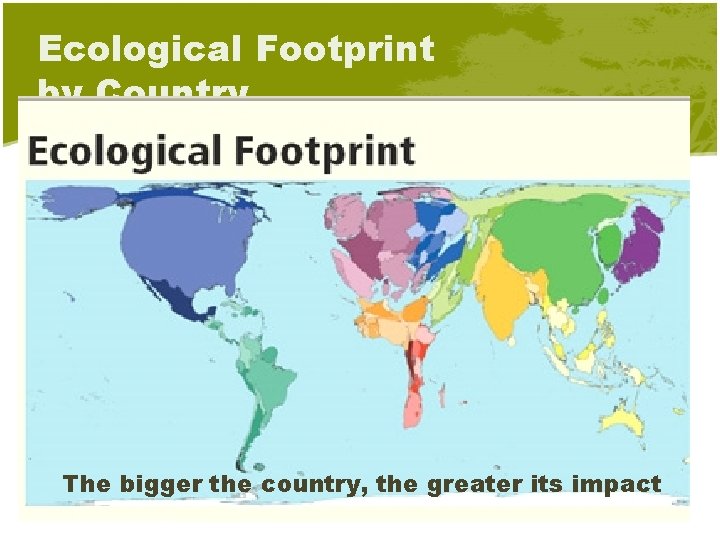
Ecological Footprint by Country The bigger the country, the greater its impact
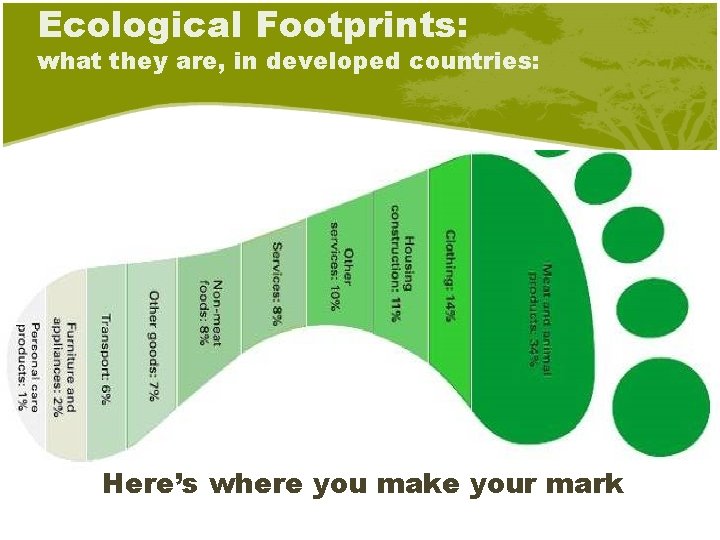
Ecological Footprints: what they are, in developed countries: Here’s where you make your mark
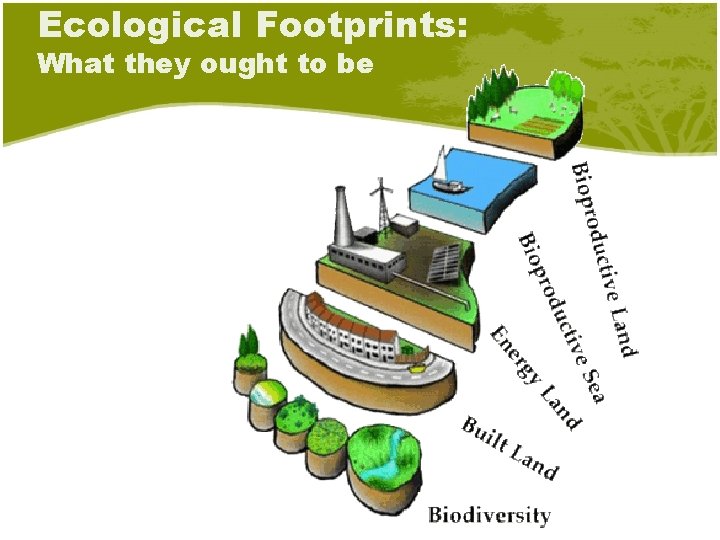
Ecological Footprints: What they ought to be
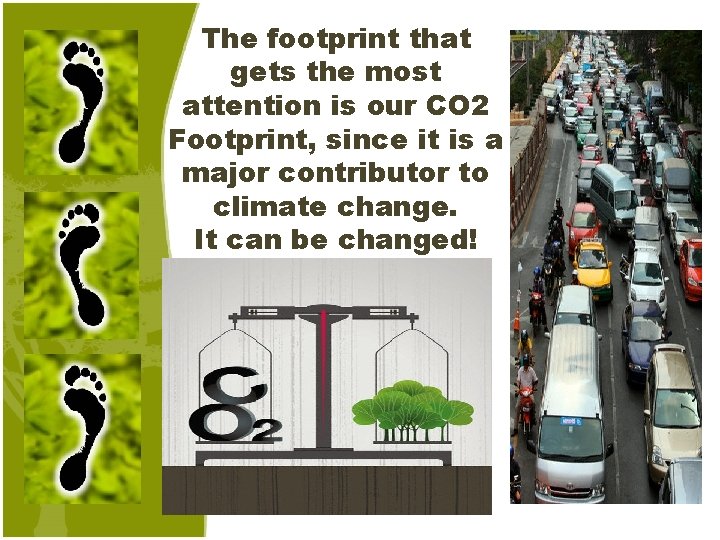
The footprint that gets the most attention is our CO 2 Footprint, since it is a major contributor to climate change. It can be changed!
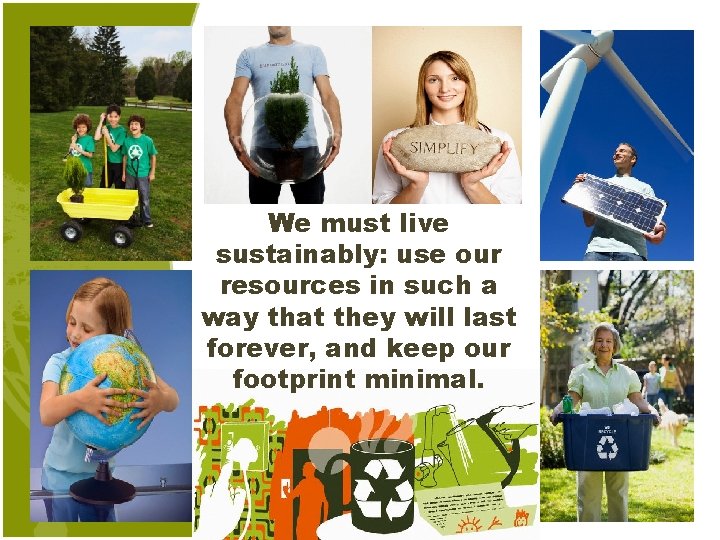
We must live sustainably: use our resources in such a way that they will last forever, and keep our footprint minimal.