
The Human Body Systems The Nervous System The
The Human Body Systems The Nervous System
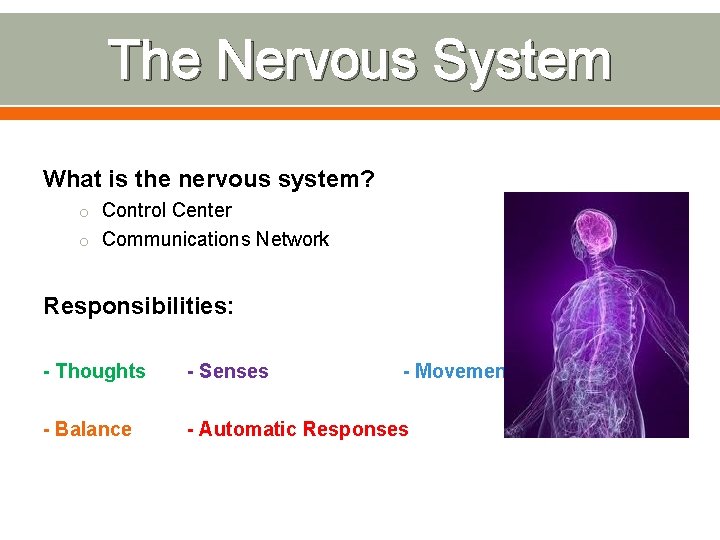
The Nervous System What is the nervous system? o Control Center o Communications Network Responsibilities: - Thoughts - Senses - Movement - Balance - Automatic Responses
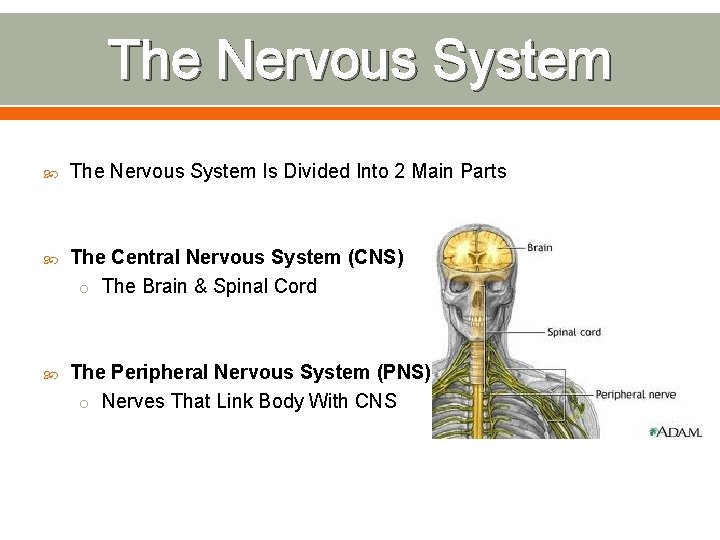
The Nervous System Is Divided Into 2 Main Parts The Central Nervous System (CNS) o The Brain & Spinal Cord The Peripheral Nervous System (PNS) o Nerves That Link Body With CNS
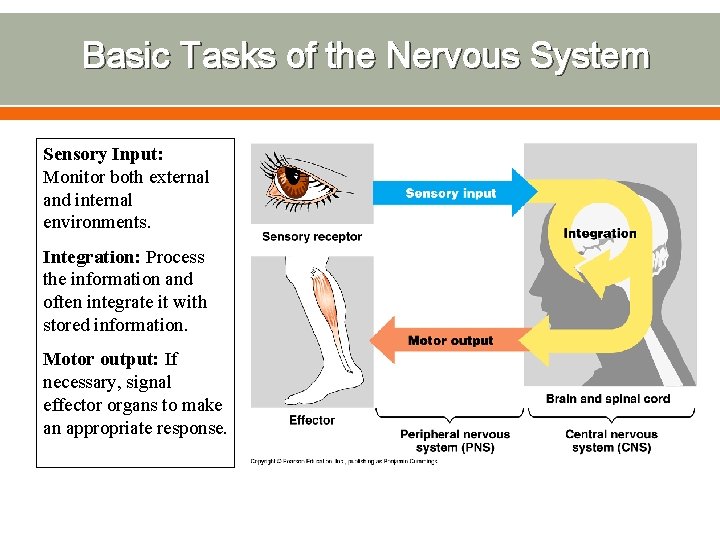
Basic Tasks of the Nervous System Sensory Input: Monitor both external and internal environments. Integration: Process the information and often integrate it with stored information. Motor output: If necessary, signal effector organs to make an appropriate response.

Communication Nerves: Bundles of Tissue Three Parts to a Neuron o Cell Body (the brain of a neuron) o Dendrites (receives) o Axon (carries signals)
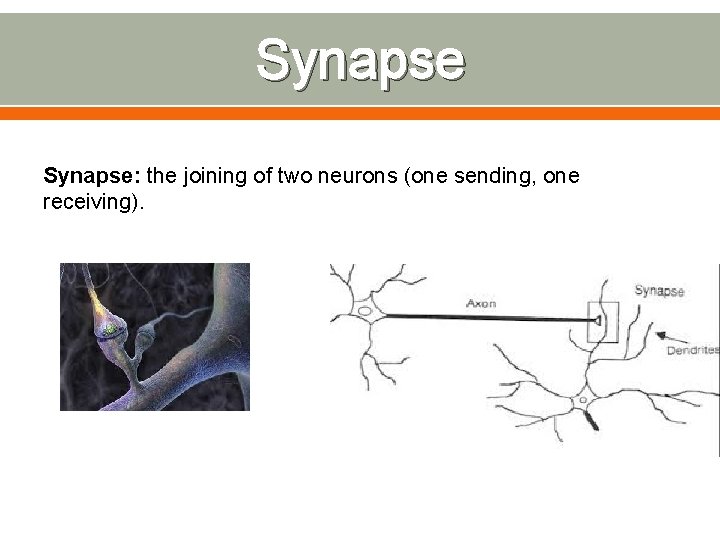
Synapse: the joining of two neurons (one sending, one receiving).
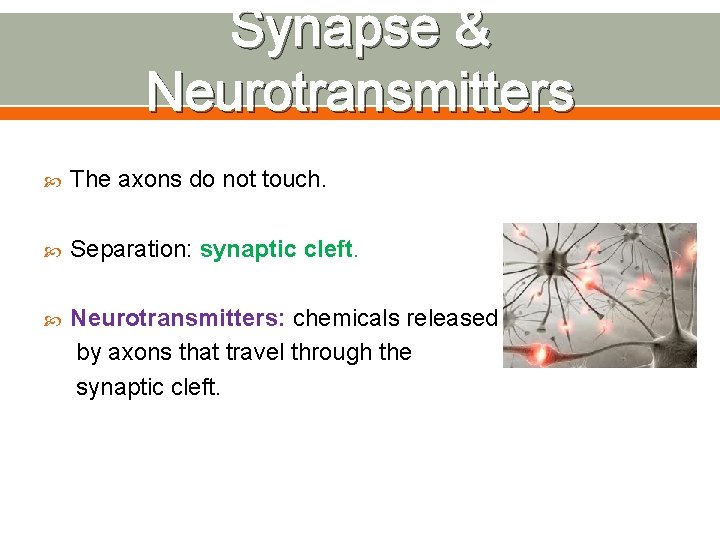
Synapse & Neurotransmitters The axons do not touch. Separation: synaptic cleft. Neurotransmitters: chemicals released by axons that travel through the synaptic cleft.
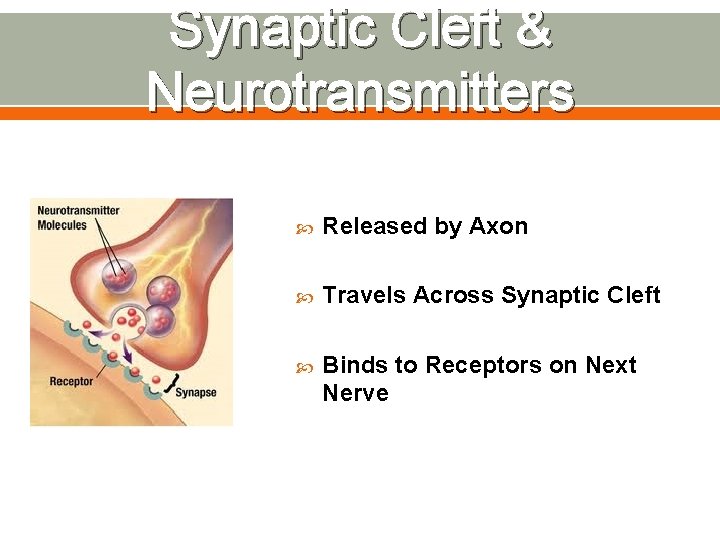
Synaptic Cleft & Neurotransmitters Released by Axon Travels Across Synaptic Cleft Binds to Receptors on Next Nerve

The Brain The Main Control Center (CNS) Three Major Areas o Cerebrum o Cerebellum o Brain Stem
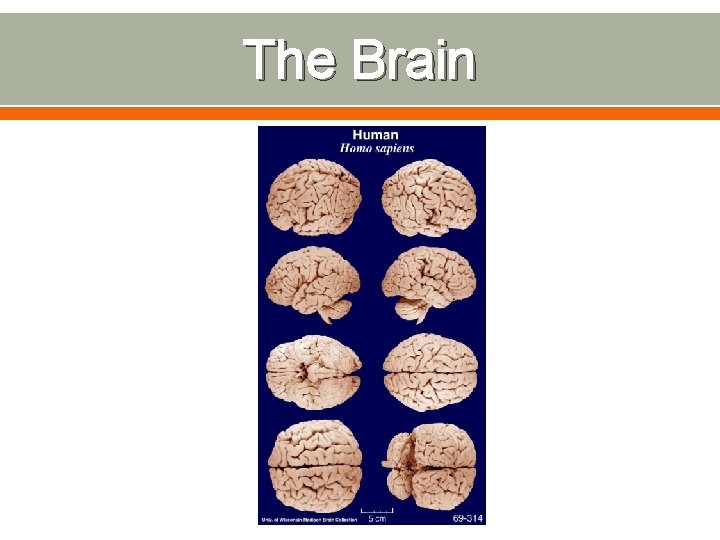
The Brain

The Brain - Cerebrum Center for thought, imagination, emotion, activity. Two Halves (Hemispheres) Each Half: 4 Lobes o Frontal o Temporal o Parietal o Occipital
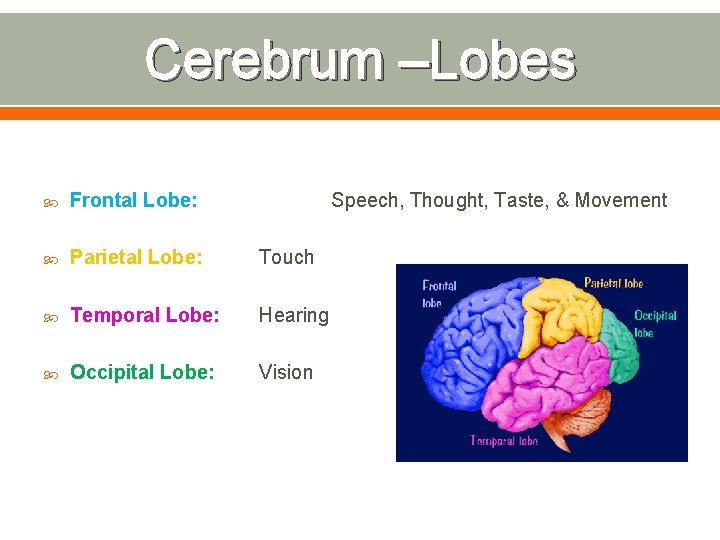
Cerebrum –Lobes Frontal Lobe: Speech, Thought, Taste, & Movement Parietal Lobe: Touch Temporal Lobe: Hearing Occipital Lobe: Vision

The Brain - Cerebellum Balance & Coordination Smooth's Movement for Fine Coordination Secondary: language, attention, regulating fear & pleasure
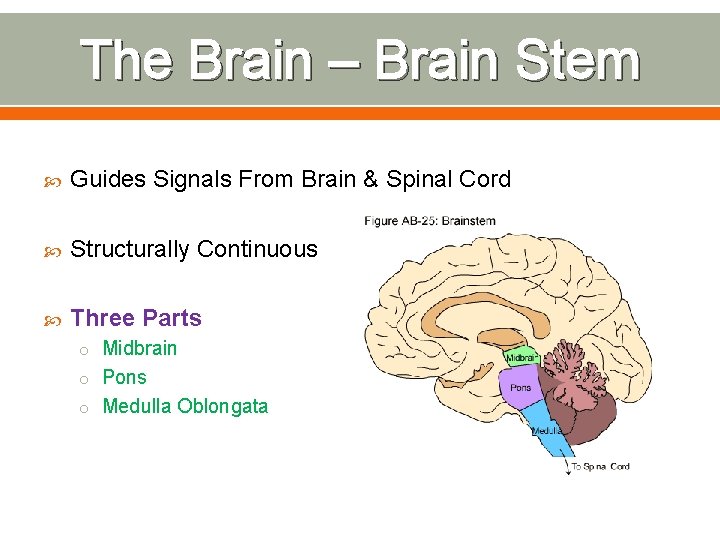
The Brain – Brain Stem Guides Signals From Brain & Spinal Cord Structurally Continuous Three Parts o Midbrain o Pons o Medulla Oblongata
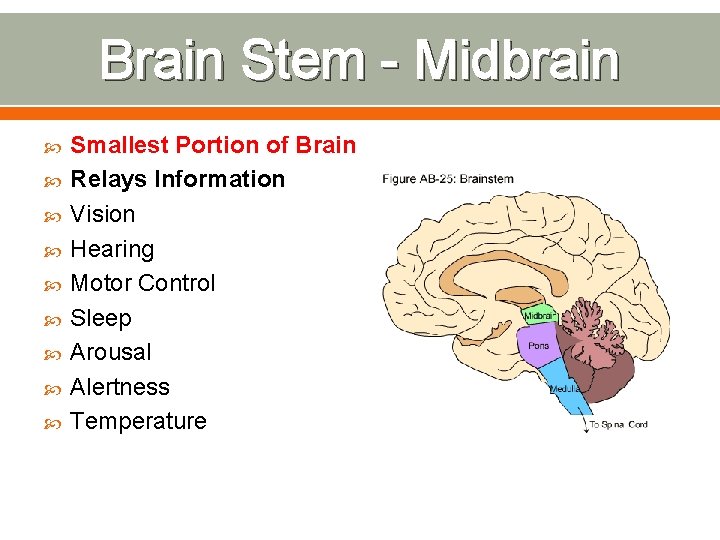
Brain Stem - Midbrain Smallest Portion of Brain Relays Information Vision Hearing Motor Control Sleep Arousal Alertness Temperature
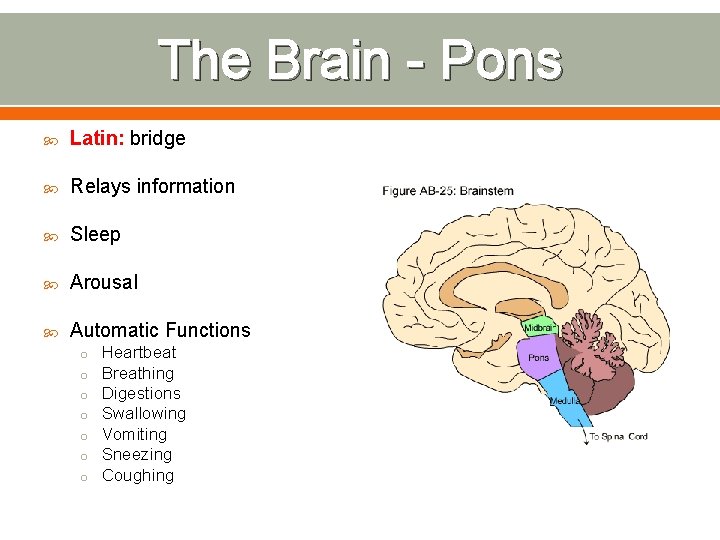
The Brain - Pons Latin: bridge Relays information Sleep Arousal Automatic Functions o o o o Heartbeat Breathing Digestions Swallowing Vomiting Sneezing Coughing
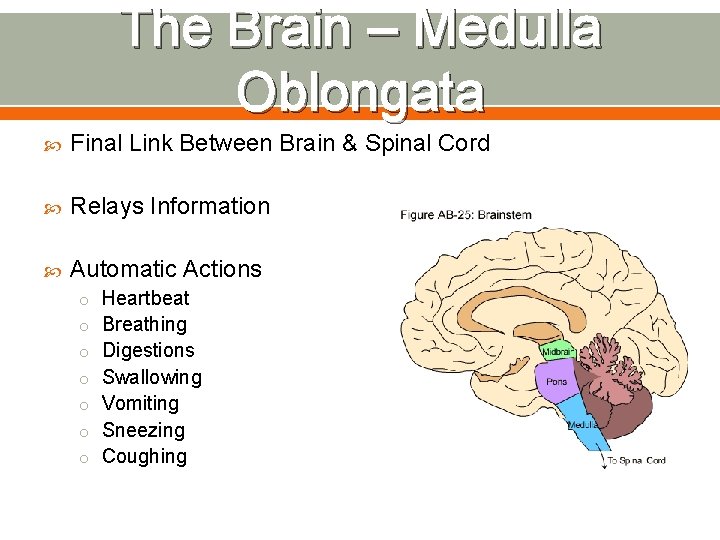
The Brain – Medulla Oblongata Final Link Between Brain & Spinal Cord Relays Information Automatic Actions o Heartbeat o Breathing o Digestions o Swallowing o Vomiting o Sneezing o Coughing
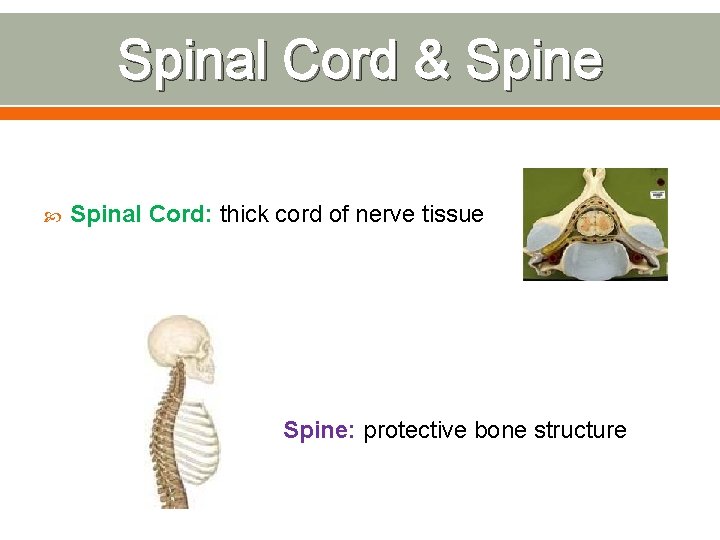
Spinal Cord & Spine Spinal Cord: thick cord of nerve tissue Spine: protective bone structure
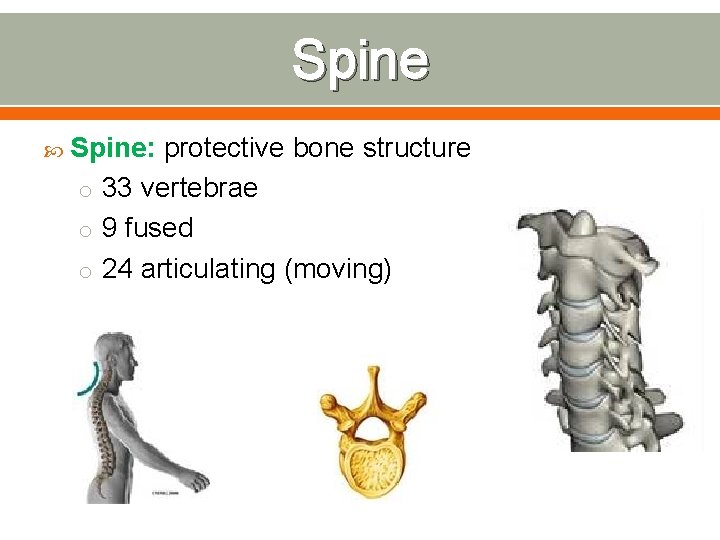
Spine Spine: protective bone structure o 33 vertebrae o 9 fused o 24 articulating (moving)
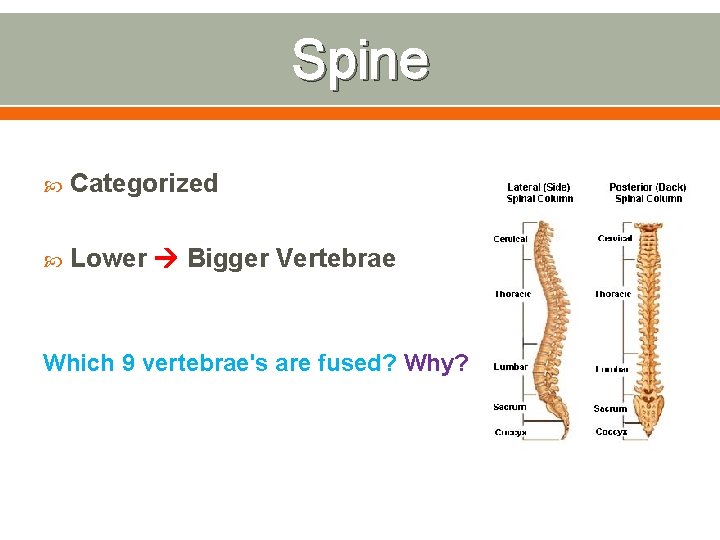
Spine Categorized Lower Bigger Vertebrae Which 9 vertebrae's are fused? Why?
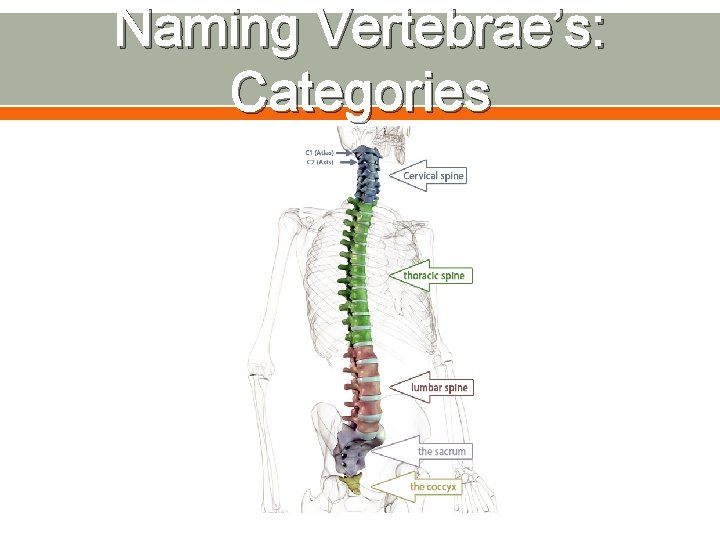
Naming Vertebrae’s: Categories
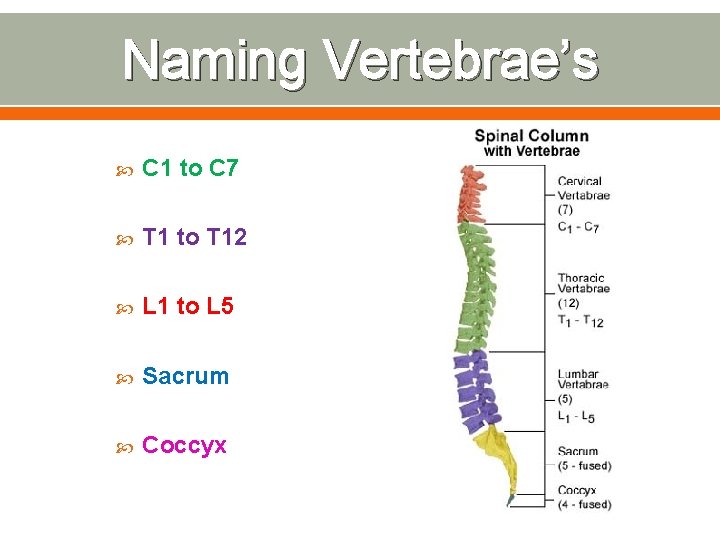
Naming Vertebrae’s C 1 to C 7 T 1 to T 12 L 1 to L 5 Sacrum Coccyx
The Human Body Systems The Skeletal System
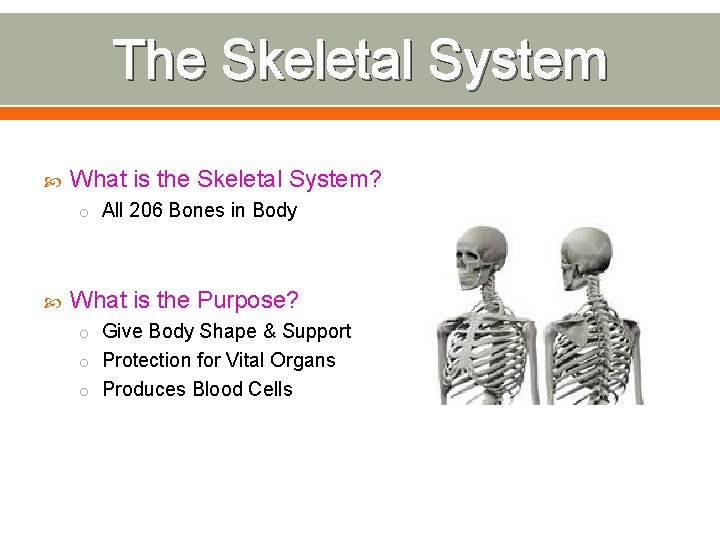
The Skeletal System What is the Skeletal System? o All 206 Bones in Body What is the Purpose? o Give Body Shape & Support o Protection for Vital Organs o Produces Blood Cells
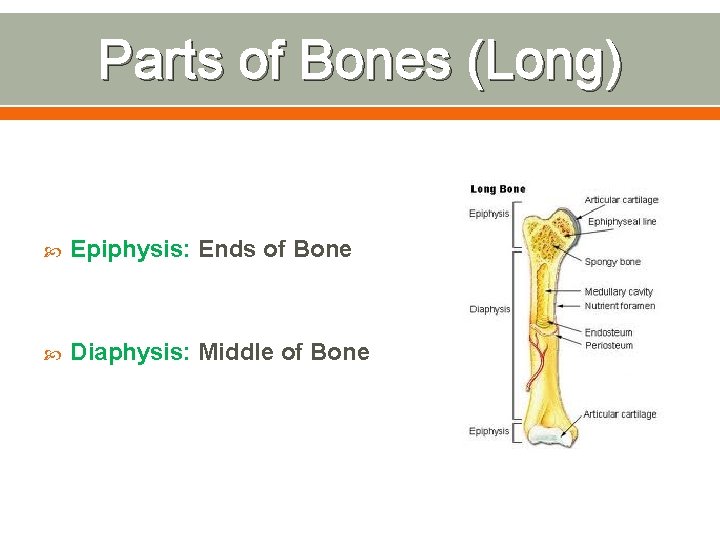
Parts of Bones (Long) Epiphysis: Ends of Bone Diaphysis: Middle of Bone
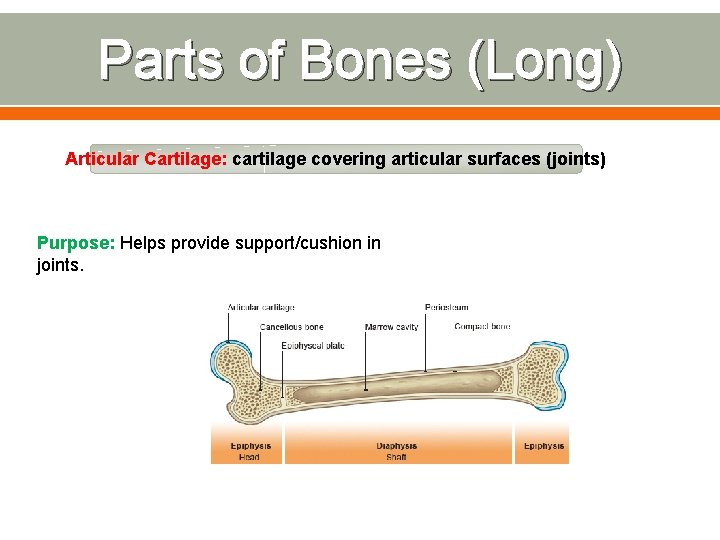
Parts of Bones (Long) Articular Cartilage: cartilage covering articular surfaces (joints) Purpose: Helps provide support/cushion in joints.
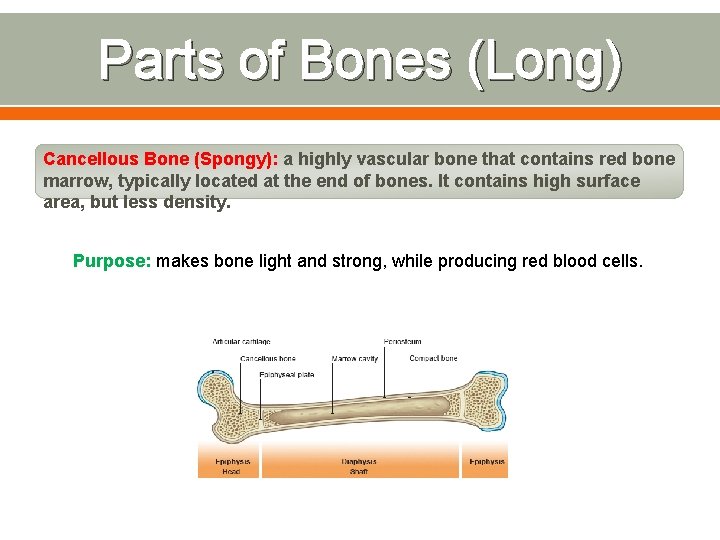
Parts of Bones (Long) Cancellous Bone (Spongy): a highly vascular bone that contains red bone marrow, typically located at the end of bones. It contains high surface area, but less density. Purpose: makes bone light and strong, while producing red blood cells.
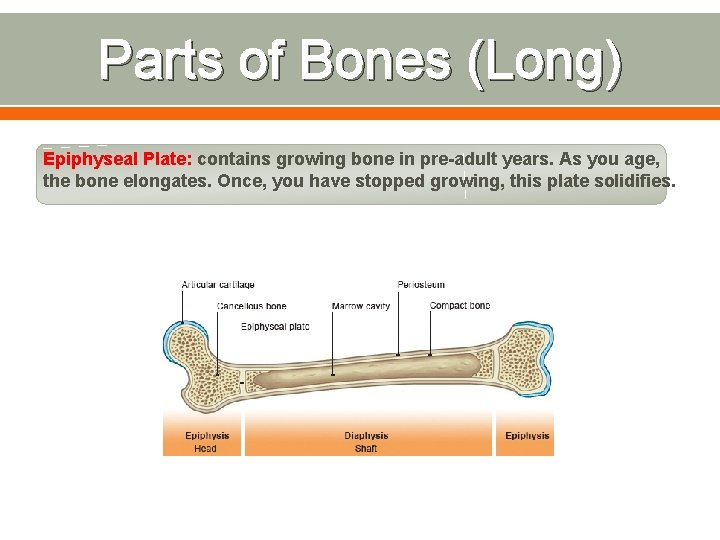
Parts of Bones (Long) Epiphyseal Plate: contains growing bone in pre-adult years. As you age, the bone elongates. Once, you have stopped growing, this plate solidifies.
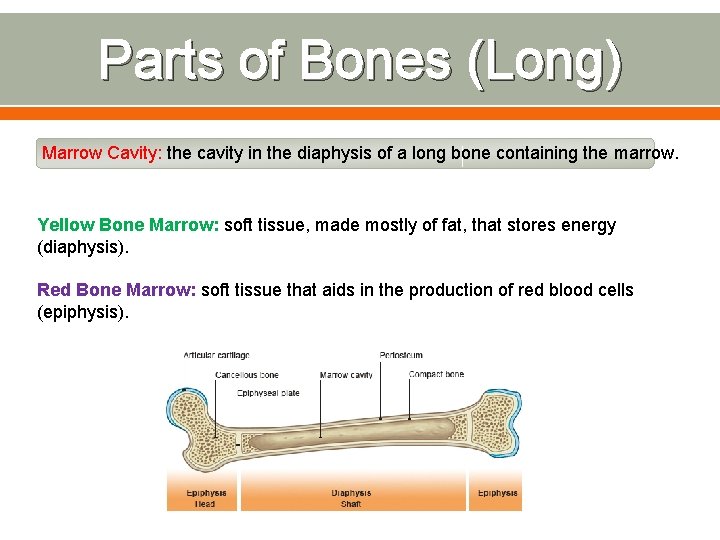
Parts of Bones (Long) Marrow Cavity: the cavity in the diaphysis of a long bone containing the marrow. Yellow Bone Marrow: soft tissue, made mostly of fat, that stores energy (diaphysis). Red Bone Marrow: soft tissue that aids in the production of red blood cells (epiphysis).
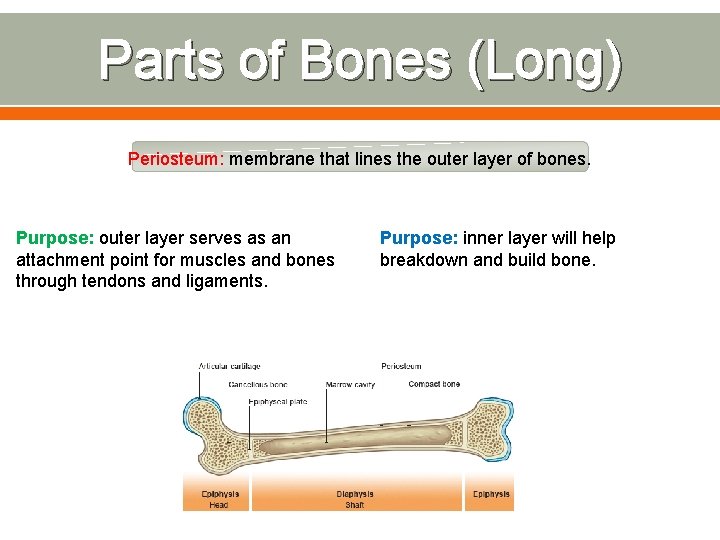
Parts of Bones (Long) Periosteum: membrane that lines the outer layer of bones. Purpose: outer layer serves as an attachment point for muscles and bones through tendons and ligaments. Purpose: inner layer will help breakdown and build bone.
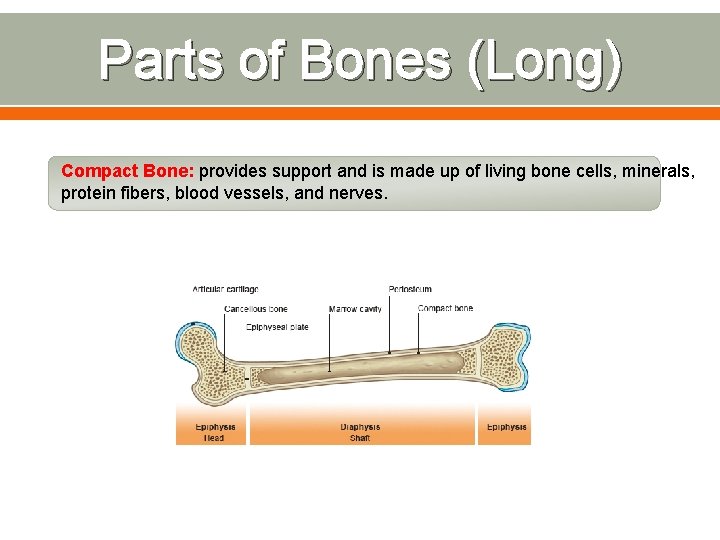
Parts of Bones (Long) Compact Bone: provides support and is made up of living bone cells, minerals, protein fibers, blood vessels, and nerves.

Compact Bone
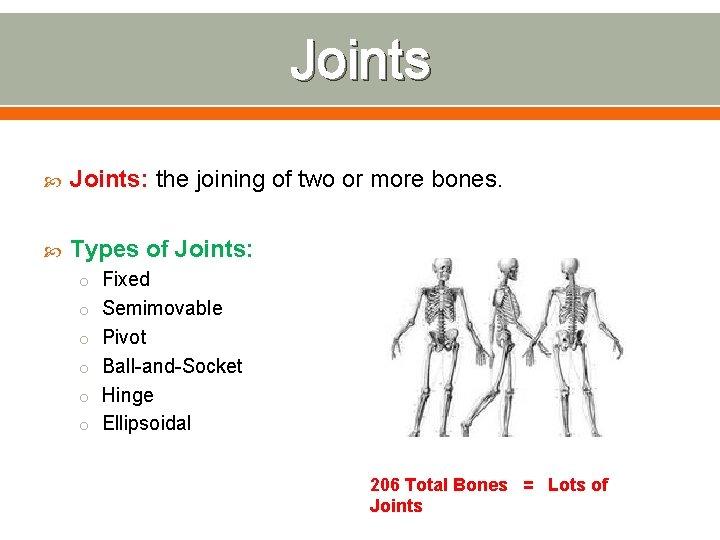
Joints Joints: the joining of two or more bones. Types of Joints: o Fixed o Semimovable o Pivot o Ball-and-Socket o Hinge o Ellipsoidal 206 Total Bones = Lots of Joints
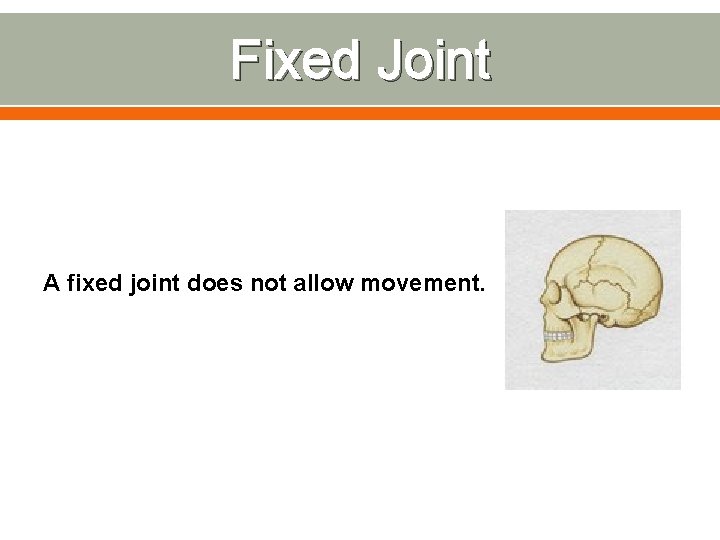
Fixed Joint A fixed joint does not allow movement.
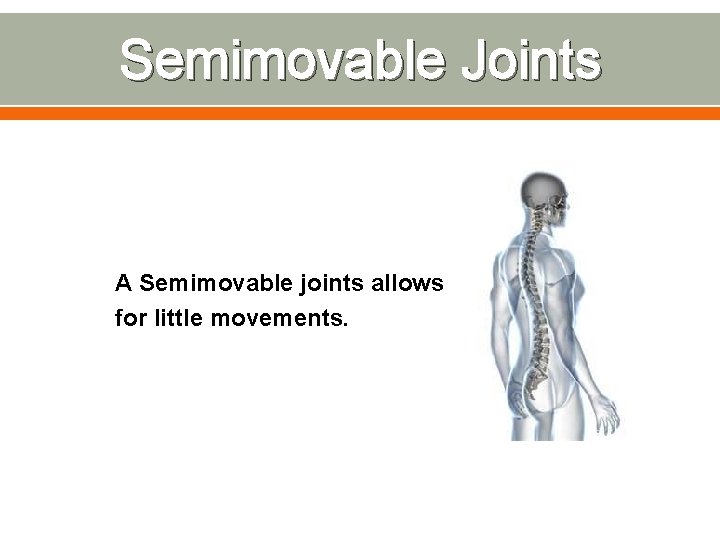
Semimovable Joints A Semimovable joints allows for little movements.
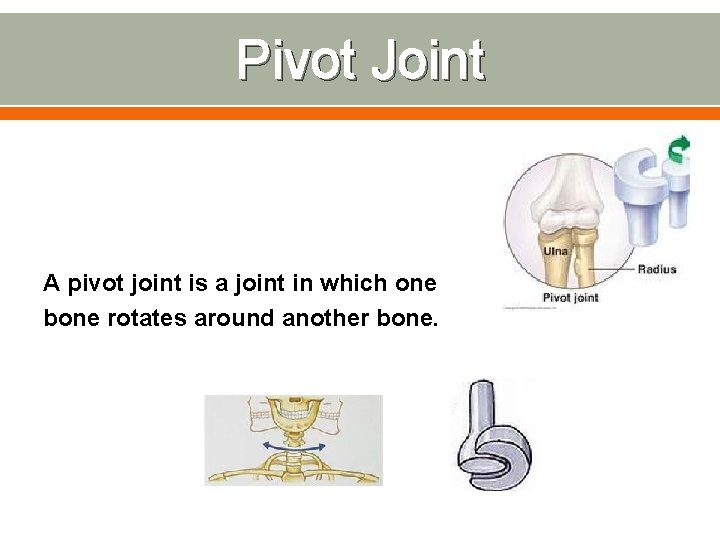
Pivot Joint A pivot joint is a joint in which one bone rotates around another bone.
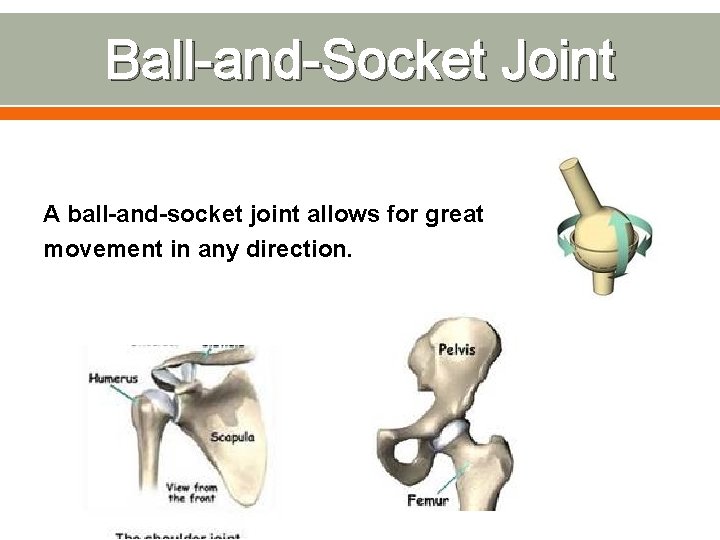
Ball-and-Socket Joint A ball-and-socket joint allows for great movement in any direction.
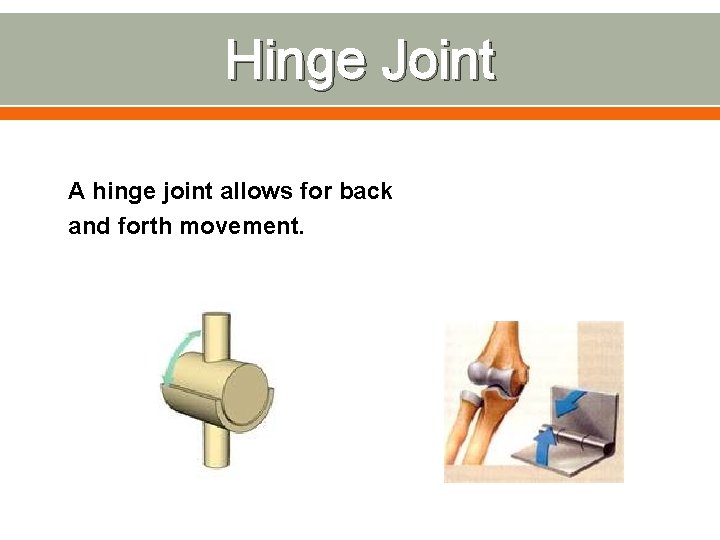
Hinge Joint A hinge joint allows for back and forth movement.
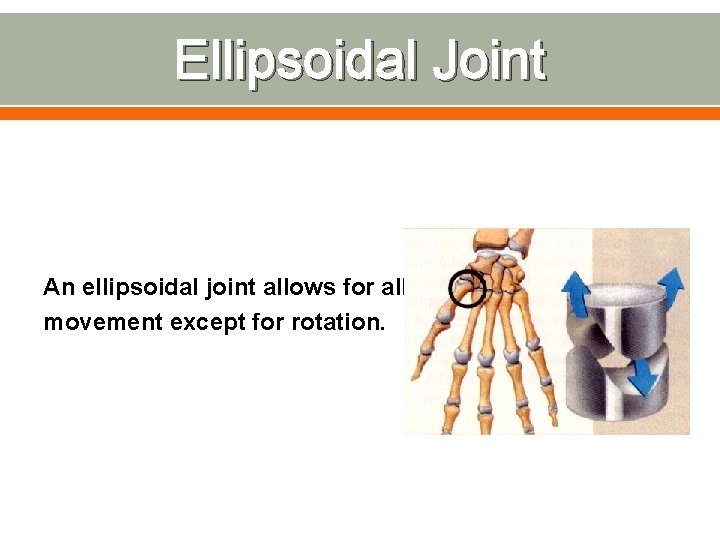
Ellipsoidal Joint An ellipsoidal joint allows for all movement except for rotation.
Identifying Bones 206 Bones Career Field How Much You Need to Know Health Class The Basics
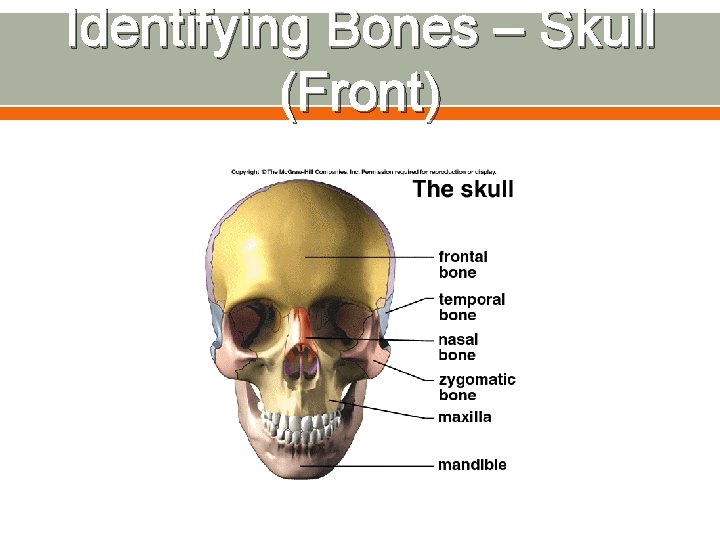
Identifying Bones – Skull (Front)
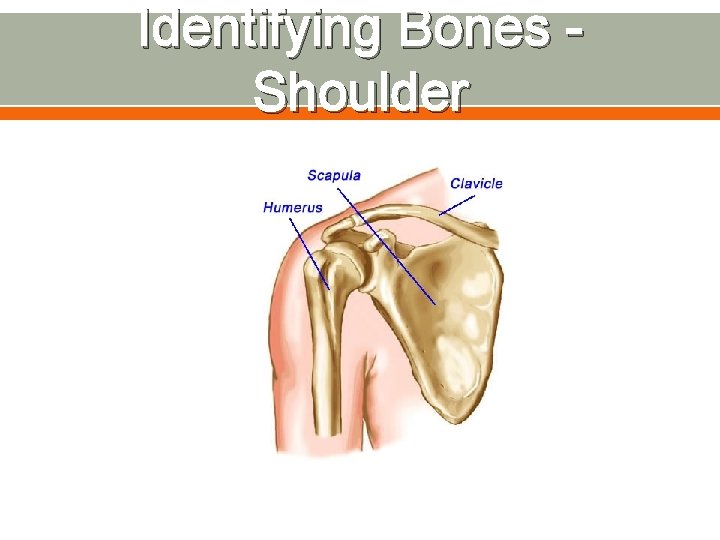
Identifying Bones Shoulder

Identifying Bones -
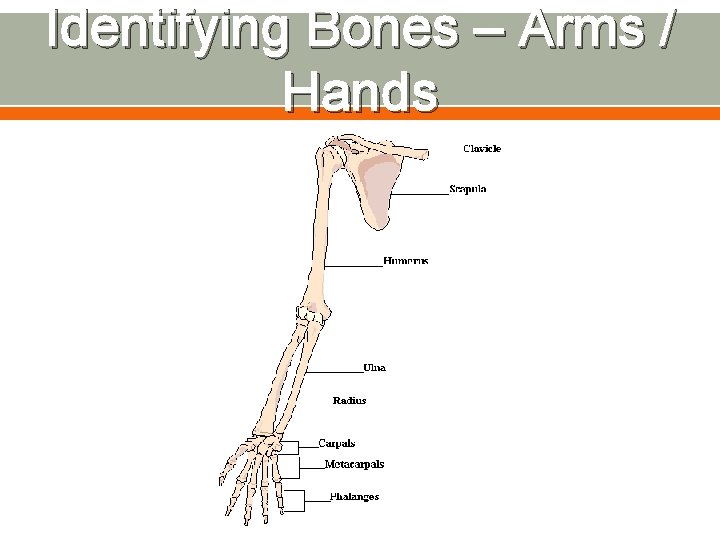
Identifying Bones – Arms / Hands
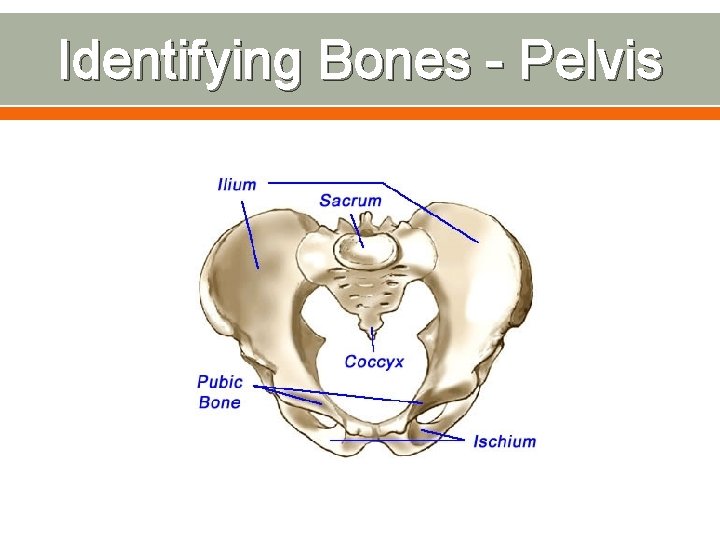
Identifying Bones - Pelvis

Identifying Bones – Legs / Feet
The Human Body Systems The Muscular System
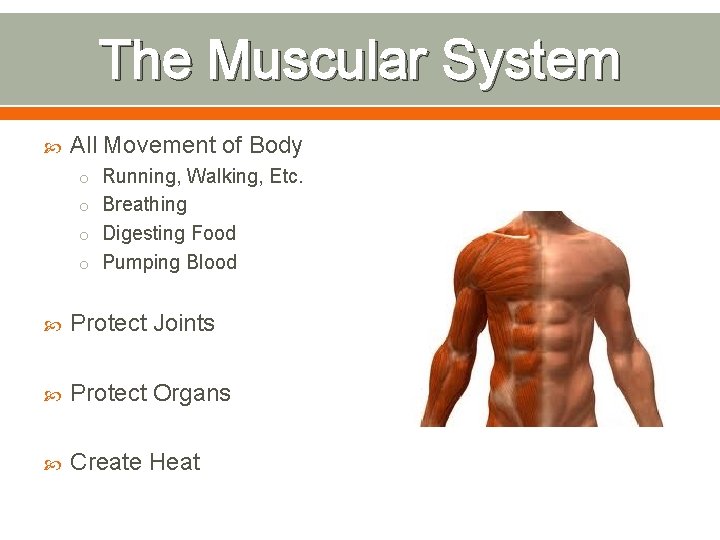
The Muscular System All Movement of Body o Running, Walking, Etc. o Breathing o Digesting Food o Pumping Blood Protect Joints Protect Organs Create Heat
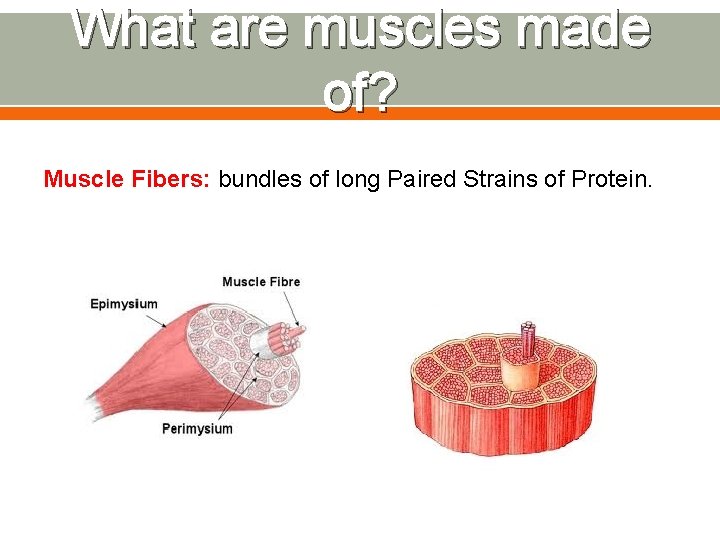
What are muscles made of? Muscle Fibers: bundles of long Paired Strains of Protein.
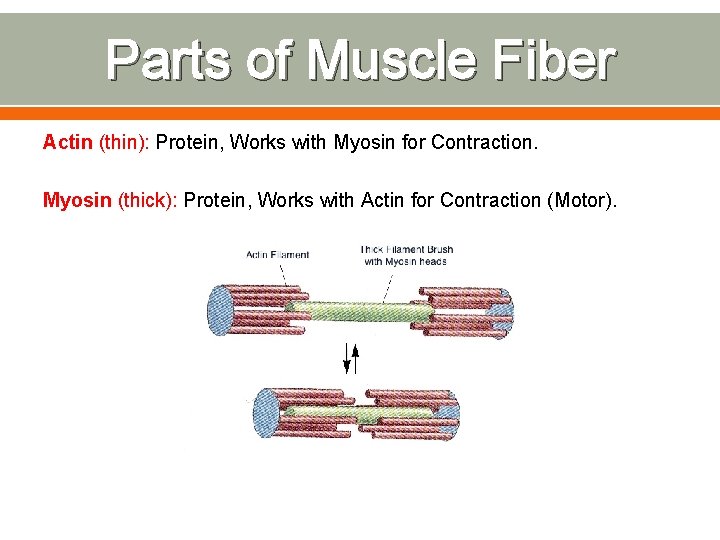
Parts of Muscle Fiber Actin (thin): Protein, Works with Myosin for Contraction. Myosin (thick): Protein, Works with Actin for Contraction (Motor).
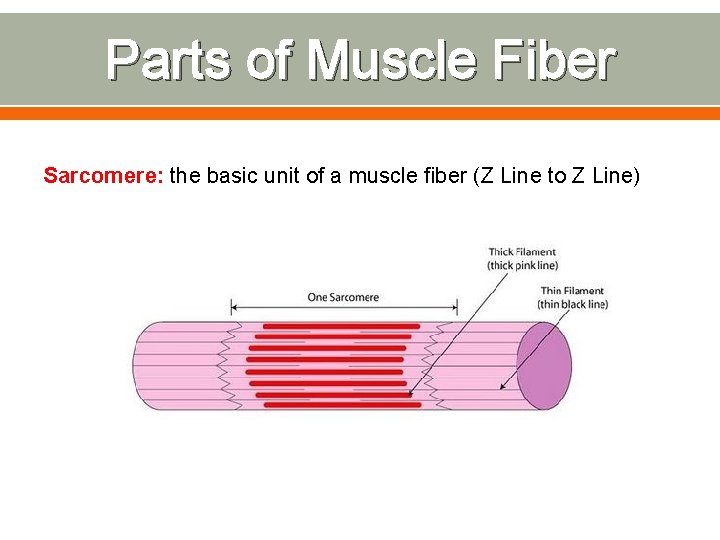
Parts of Muscle Fiber Sarcomere: the basic unit of a muscle fiber (Z Line to Z Line)
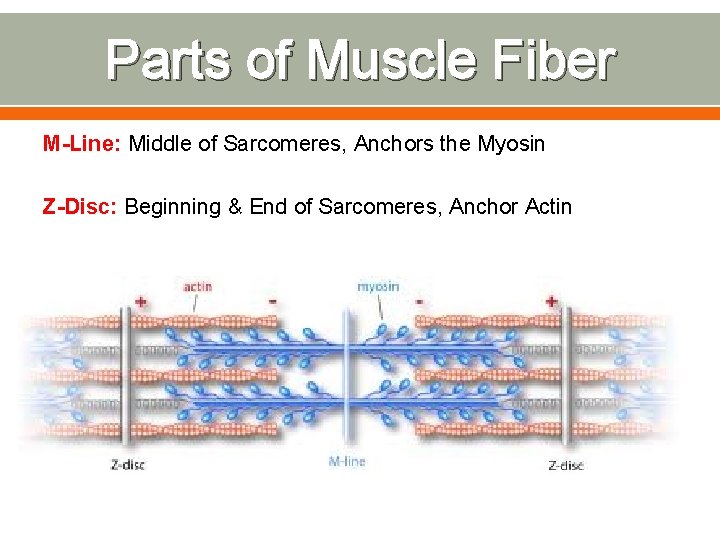
Parts of Muscle Fiber M-Line: Middle of Sarcomeres, Anchors the Myosin Z-Disc: Beginning & End of Sarcomeres, Anchor Actin
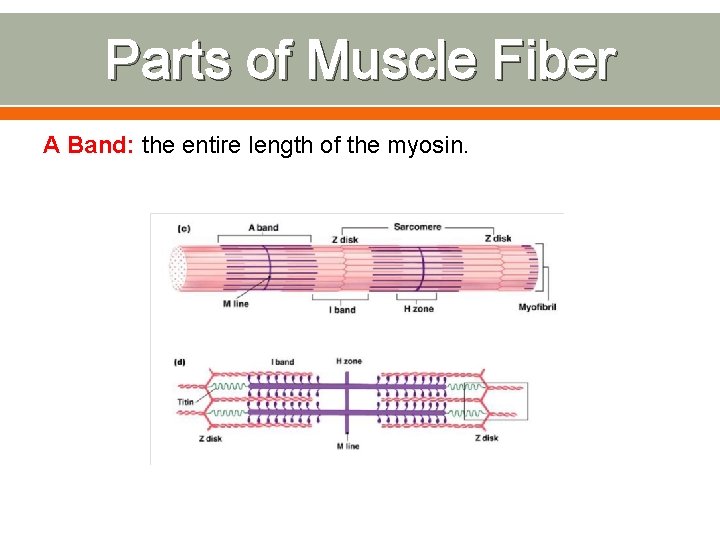
Parts of Muscle Fiber A Band: the entire length of the myosin.
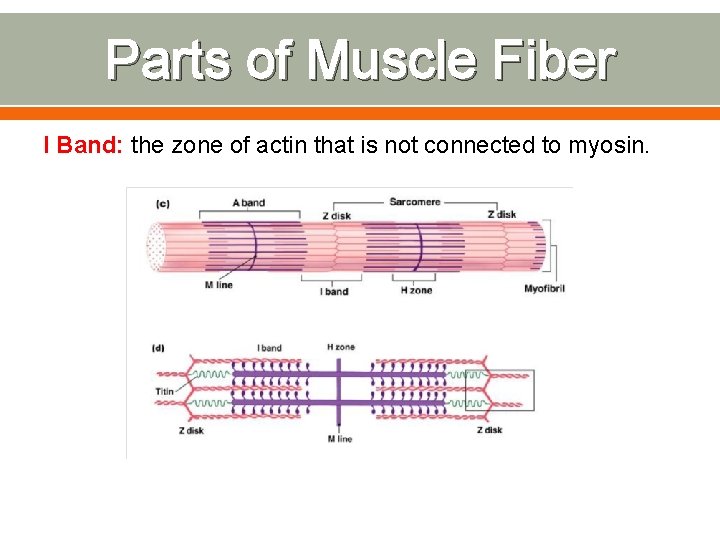
Parts of Muscle Fiber I Band: the zone of actin that is not connected to myosin.
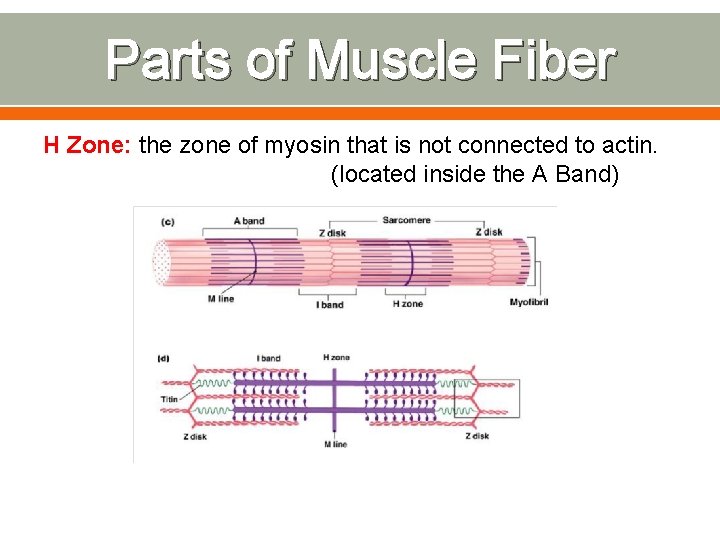
Parts of Muscle Fiber H Zone: the zone of myosin that is not connected to actin. (located inside the A Band)
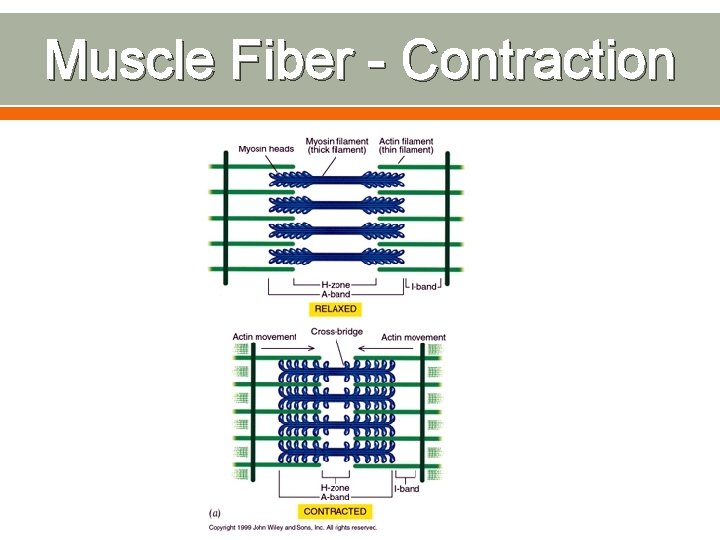
Muscle Fiber - Contraction
How does muscle grow?
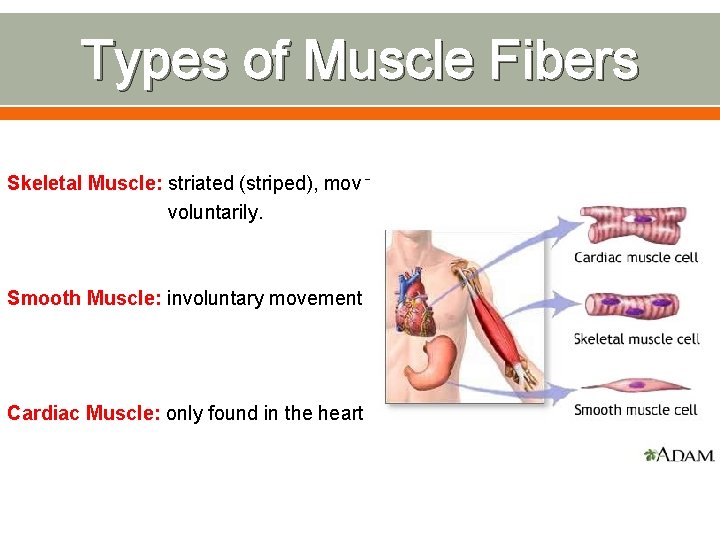
Types of Muscle Fibers Skeletal Muscle: striated (striped), move voluntarily. Smooth Muscle: involuntary movements. Cardiac Muscle: only found in the heart.

Types of Muscle Fibers
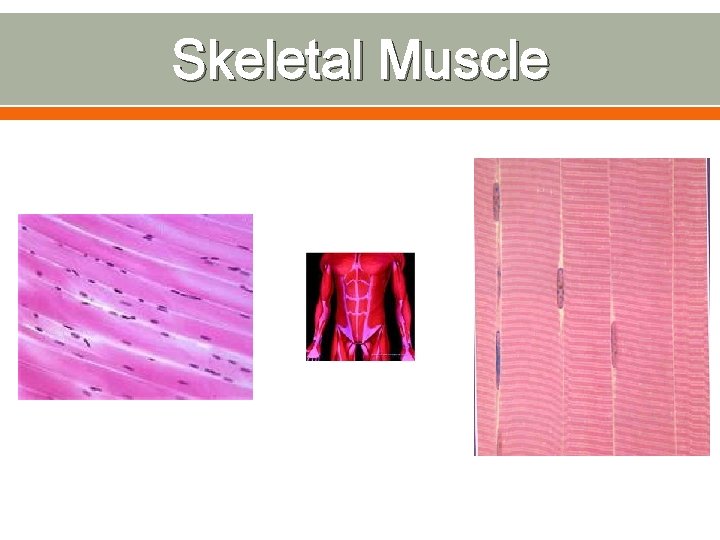
Skeletal Muscle

Smooth Muscle
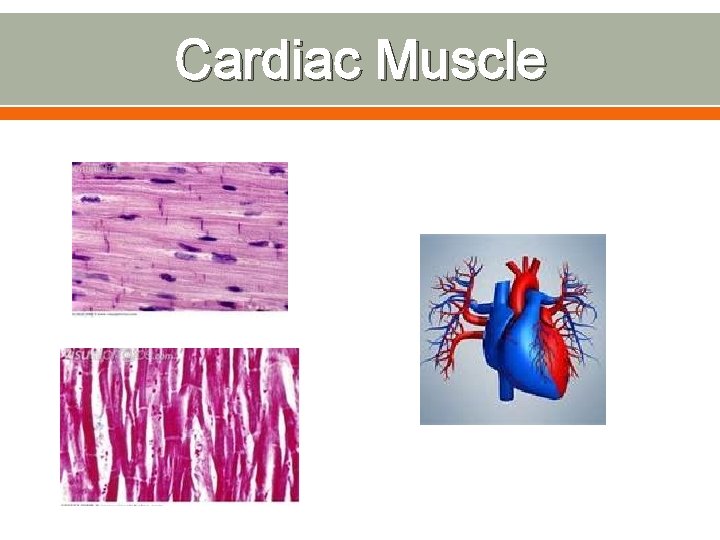
Cardiac Muscle
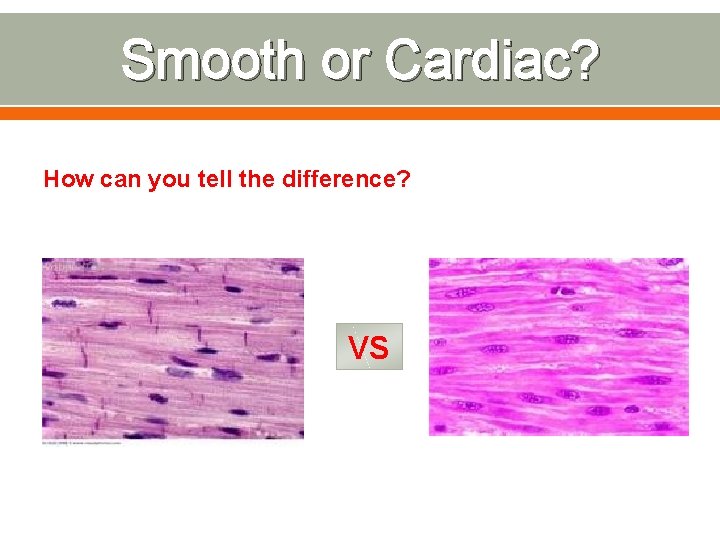
Smooth or Cardiac? How can you tell the difference? VS
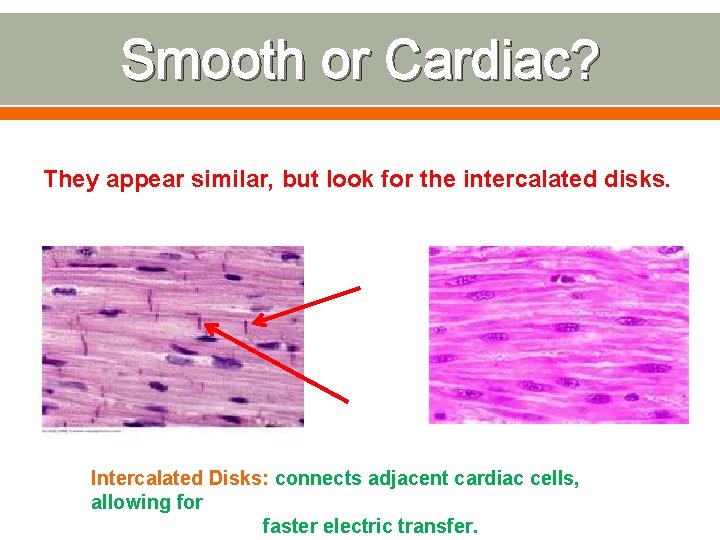
Smooth or Cardiac? They appear similar, but look for the intercalated disks. Intercalated Disks: connects adjacent cardiac cells, allowing for faster electric transfer.
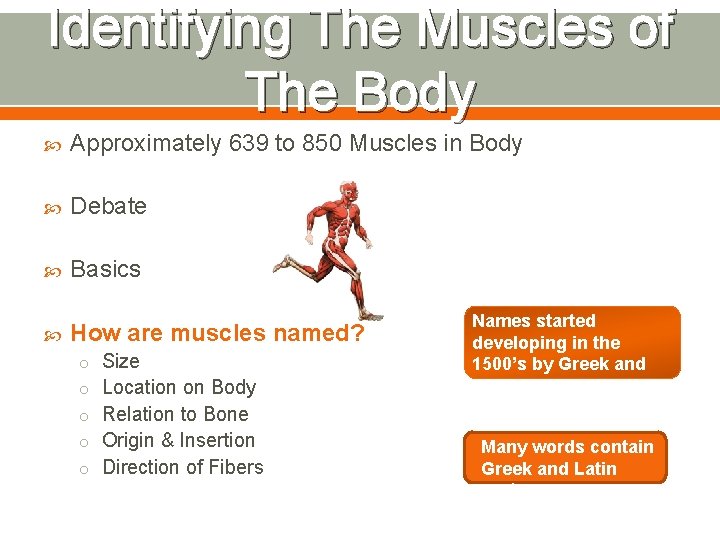
Identifying The Muscles of The Body Approximately 639 to 850 Muscles in Body Debate Basics How are muscles named? o Size o Location on Body Names started developing in the 1500’s by Greek and Roman Anatomists. o Relation to Bone o Origin & Insertion o Direction of Fibers Many words contain Greek and Latin roots.
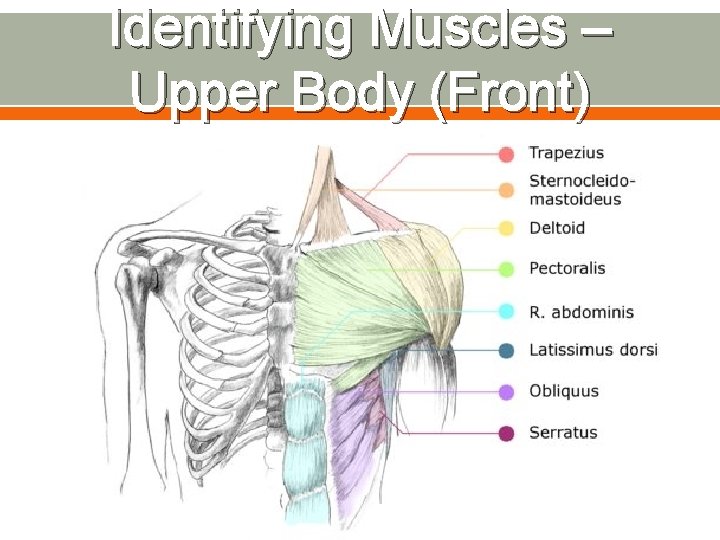
Identifying Muscles – Upper Body (Front)
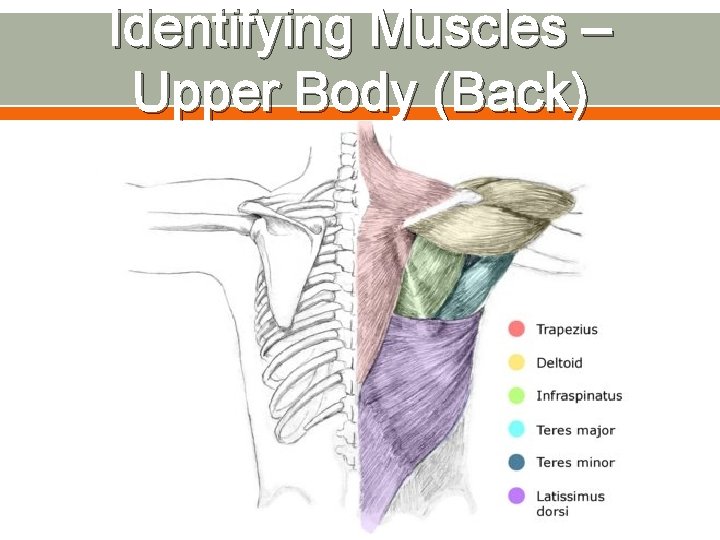
Identifying Muscles – Upper Body (Back)
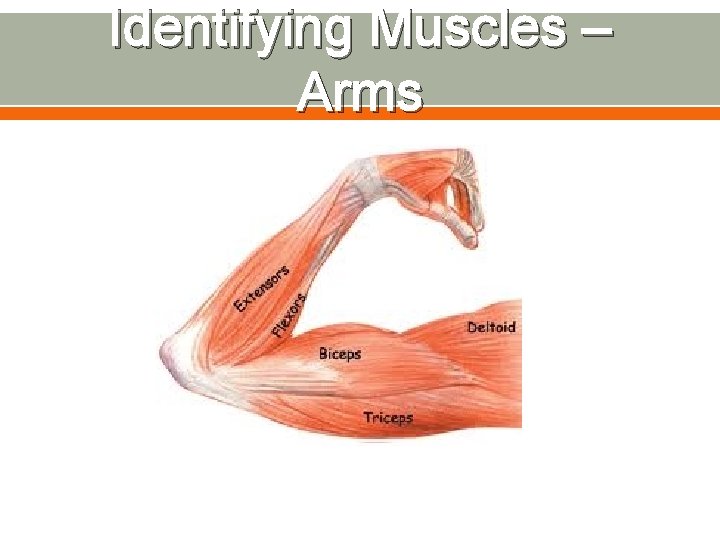
Identifying Muscles – Arms
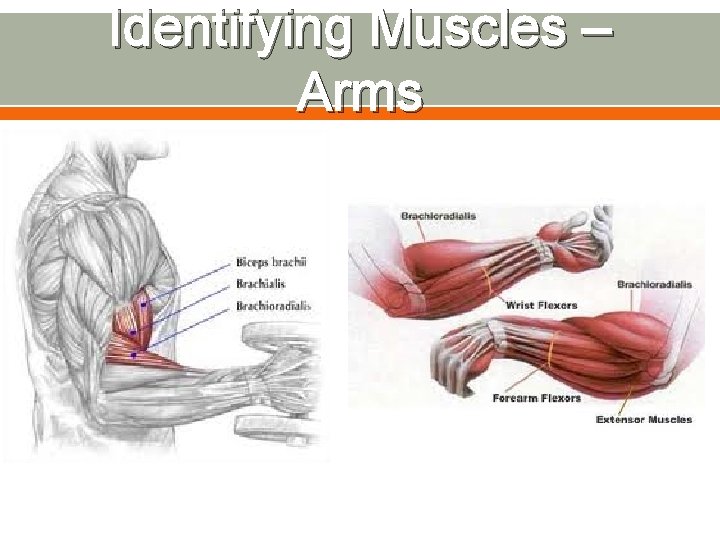
Identifying Muscles – Arms

Identifying Muscles – Upper Leg (Front) Many more muscles in the upper leg, but we will focus on the quads.
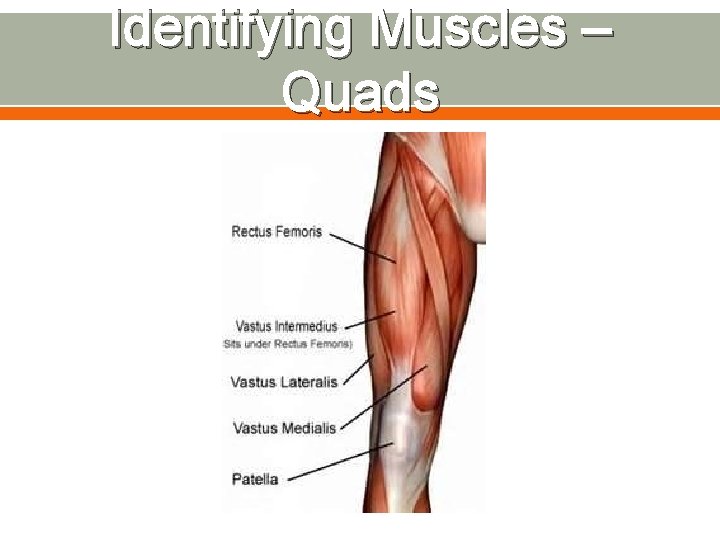
Identifying Muscles – Quads
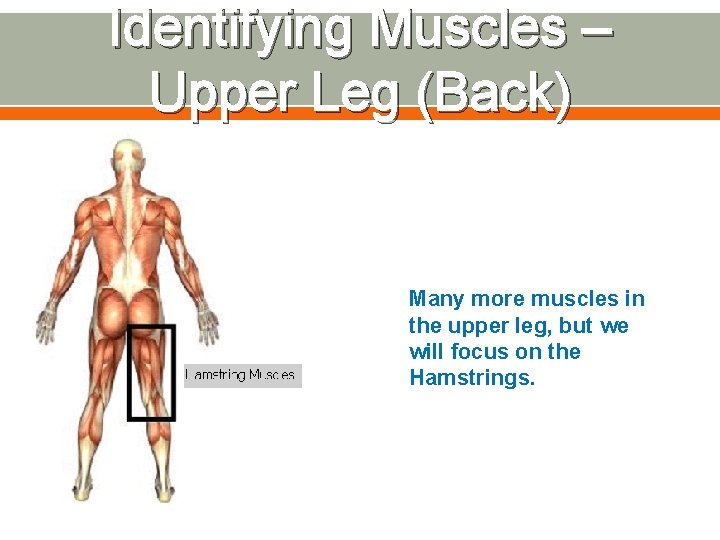
Identifying Muscles – Upper Leg (Back) Many more muscles in the upper leg, but we will focus on the Hamstrings.
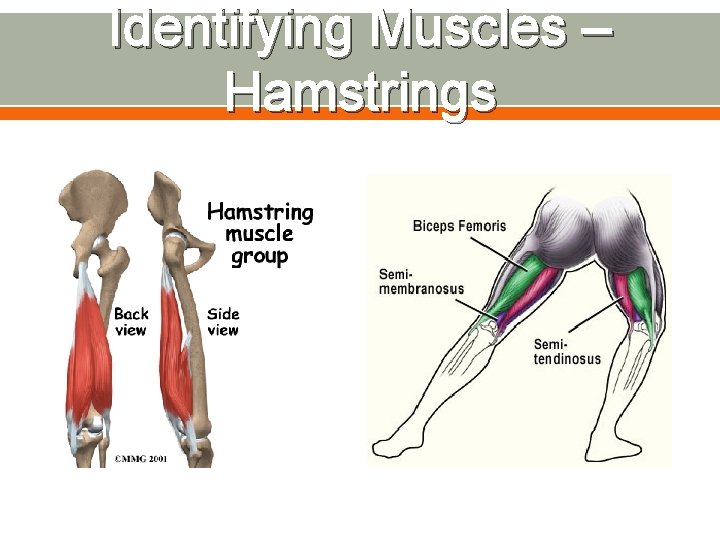
Identifying Muscles – Hamstrings
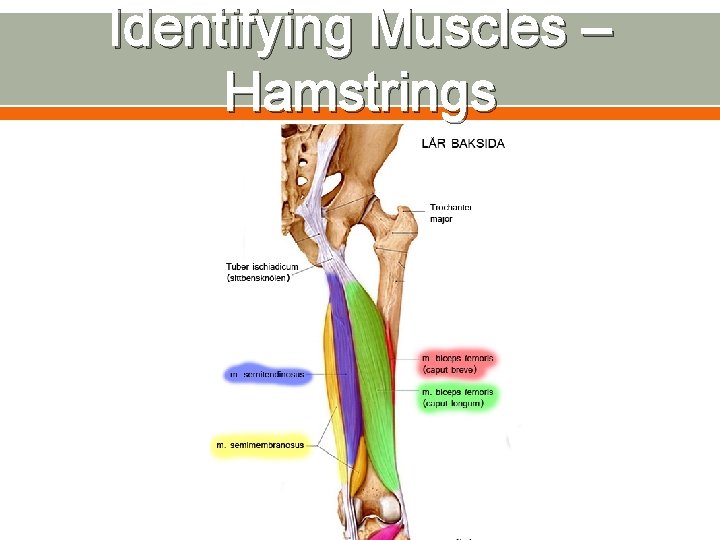
Identifying Muscles – Hamstrings
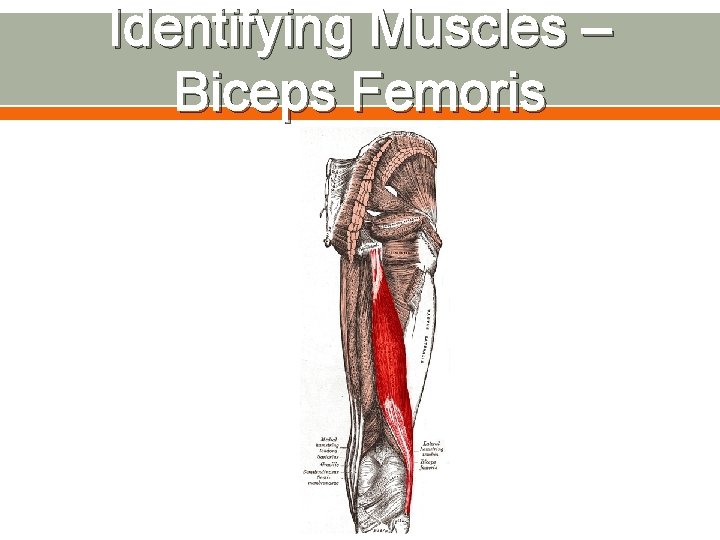
Identifying Muscles – Biceps Femoris
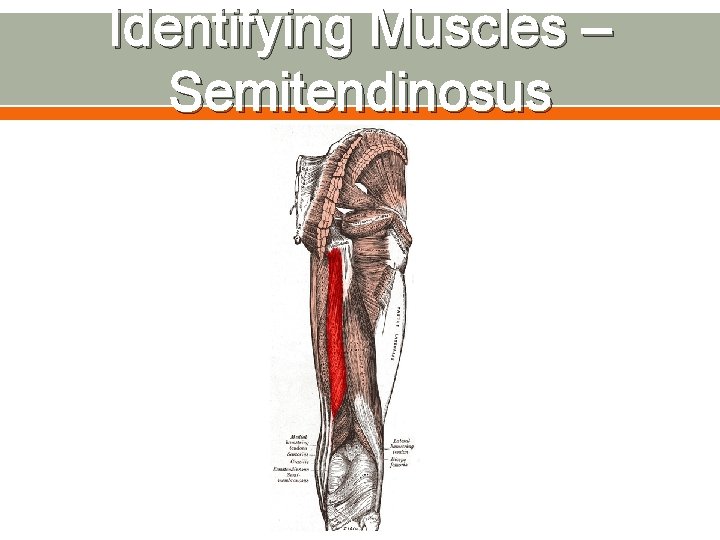
Identifying Muscles – Semitendinosus
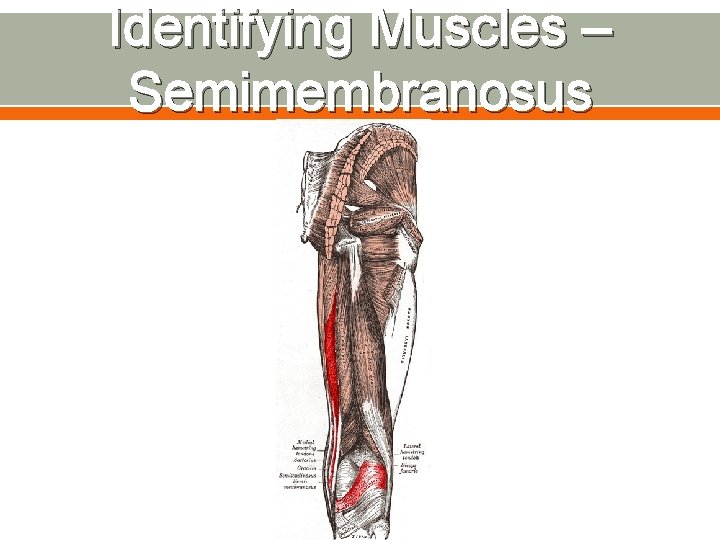
Identifying Muscles – Semimembranosus
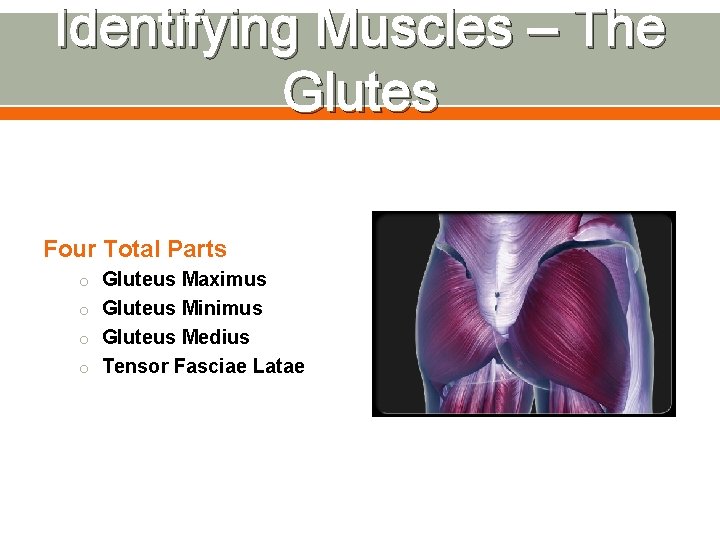
Identifying Muscles – The Glutes Four Total Parts o Gluteus Maximus o Gluteus Minimus o Gluteus Medius o Tensor Fasciae Latae
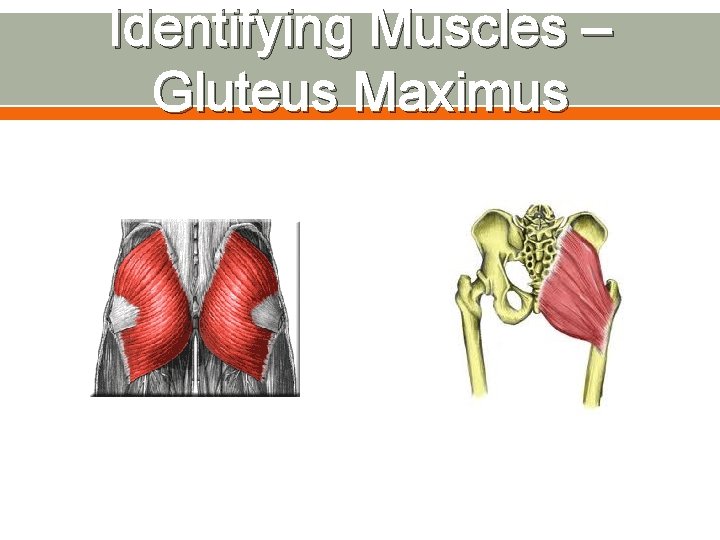
Identifying Muscles – Gluteus Maximus
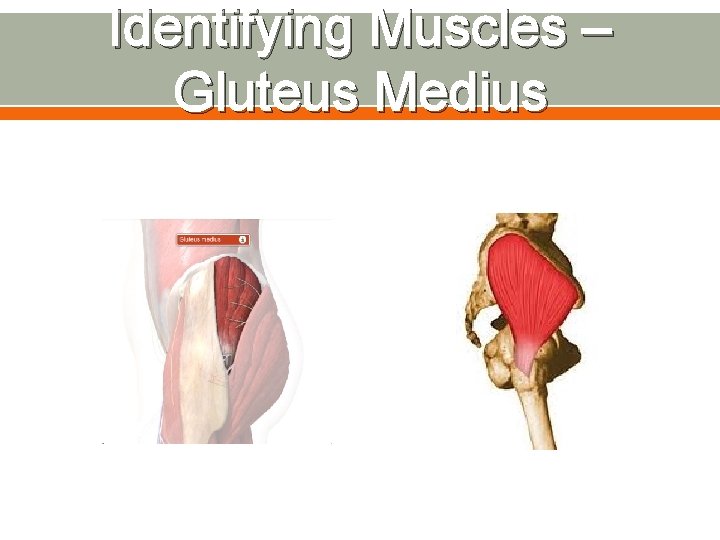
Identifying Muscles – Gluteus Medius
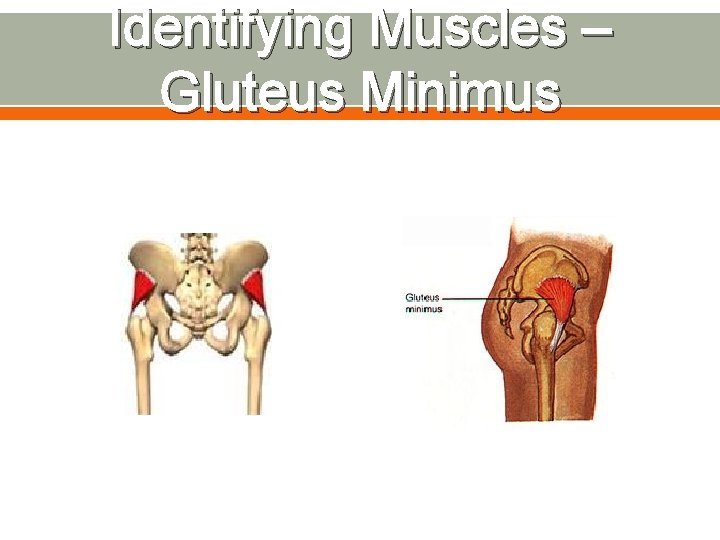
Identifying Muscles – Gluteus Minimus
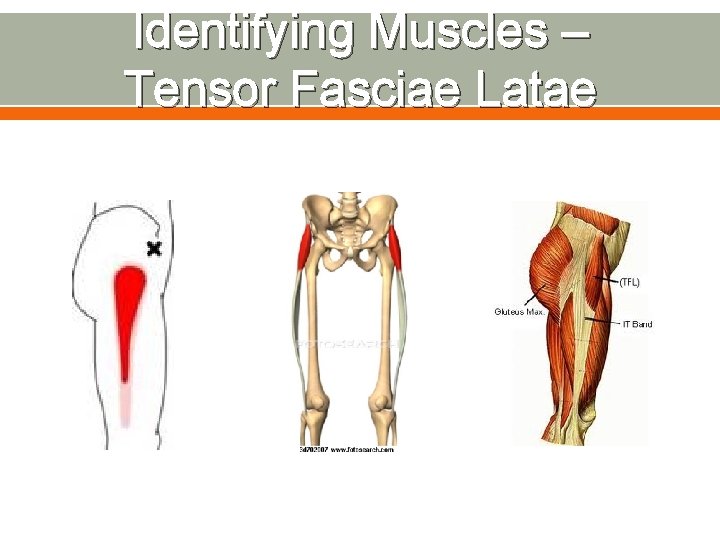
Identifying Muscles – Tensor Fasciae Latae
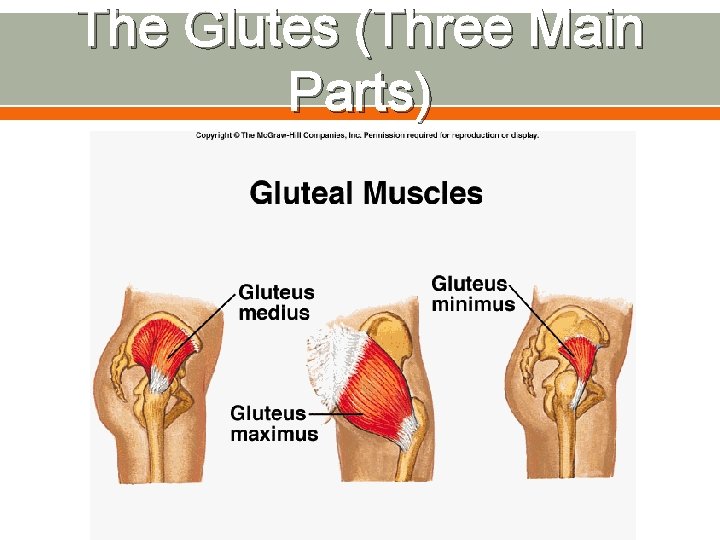
The Glutes (Three Main Parts)
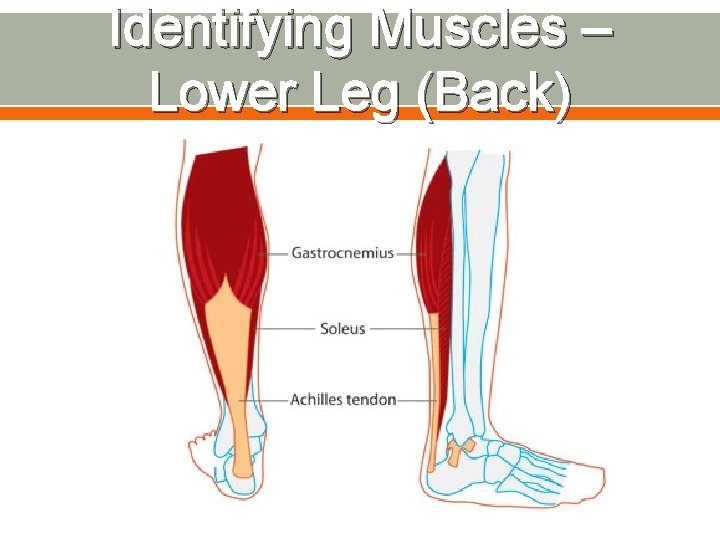
Identifying Muscles – Lower Leg (Back)
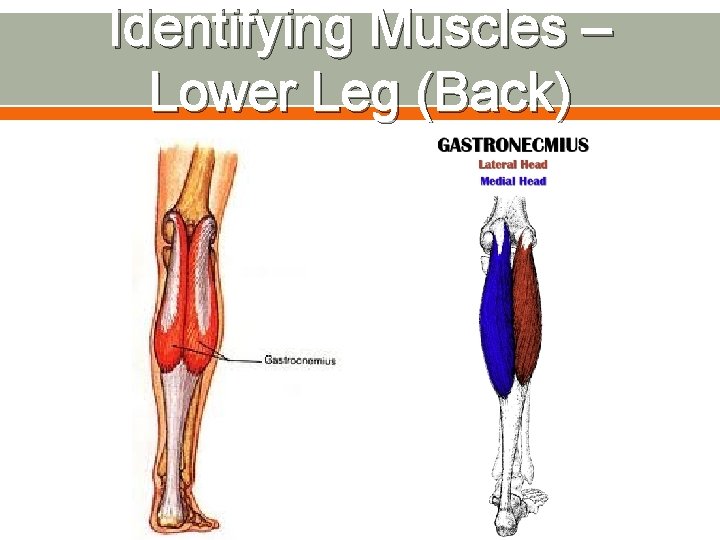
Identifying Muscles – Lower Leg (Back)
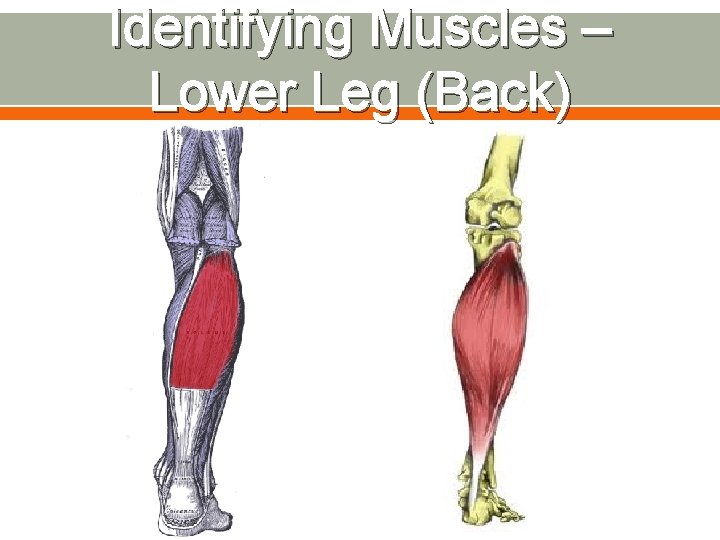
Identifying Muscles – Lower Leg (Back)
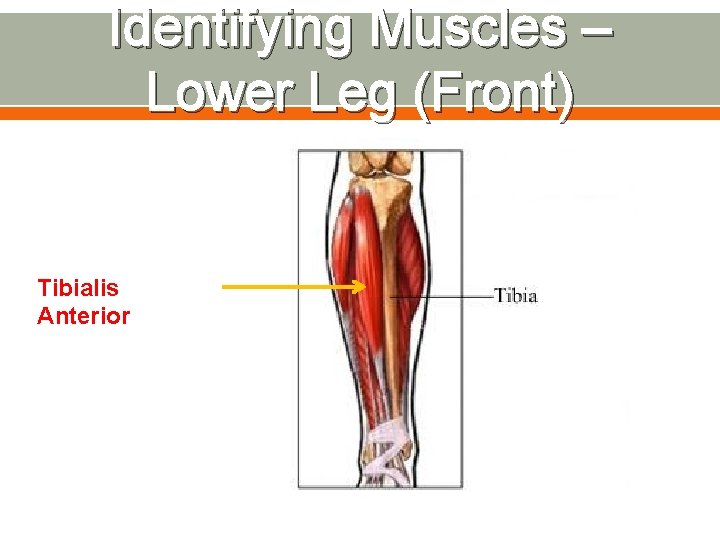
Identifying Muscles – Lower Leg (Front) Tibialis Anterior
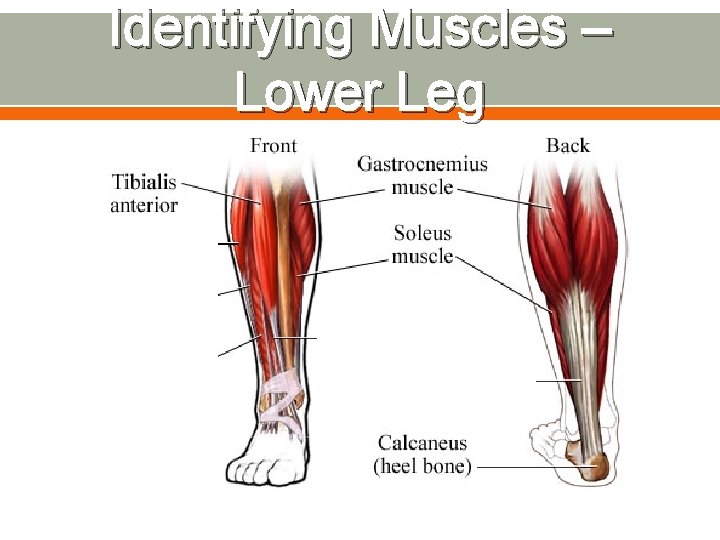
Identifying Muscles – Lower Leg
The Human Body Systems The Circulatory System

The Human Body Systems The Respiratory System

The Human Body Systems The Digestive System

The Human Body Systems The Excretory System

The Human Body Systems The Immune System

The Human Body Systems The Endocrine System

The Human Body Systems The Male Reproductive System

The Human Body Systems The Female Reproductive System

- Slides: 104