
The History of Interactive Computing Batch processing circa

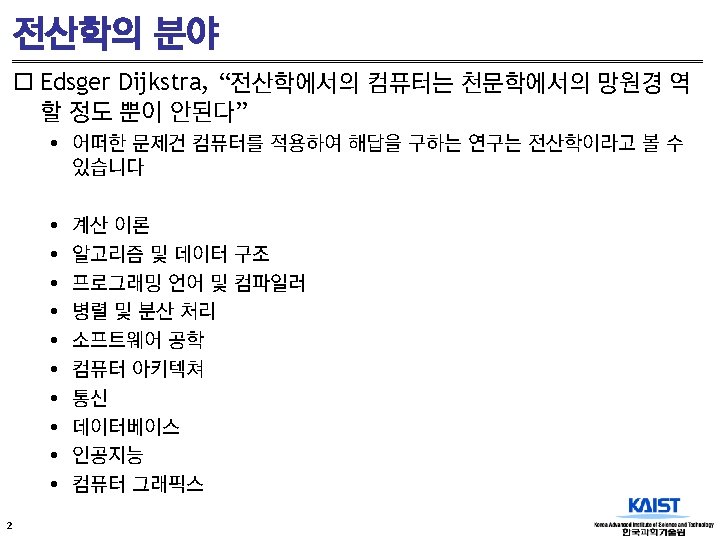
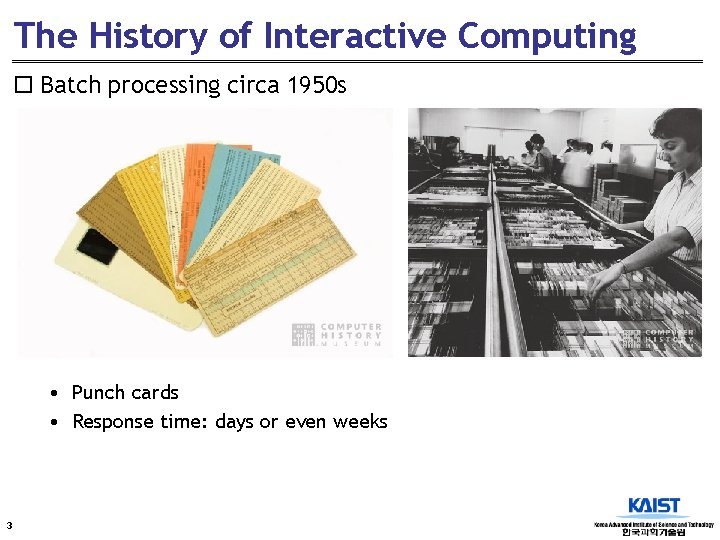
The History of Interactive Computing ¨ Batch processing circa 1950 s • Punch cards • Response time: days or even weeks 3
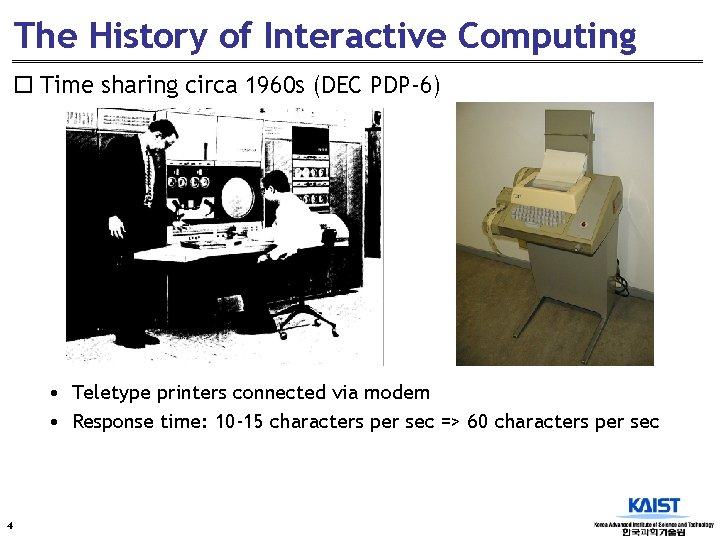
The History of Interactive Computing ¨ Time sharing circa 1960 s (DEC PDP-6) • Teletype printers connected via modem • Response time: 10 -15 characters per sec => 60 characters per sec 4

The History of Interactive Computing ¨ Microcomputing circa 1970 s • The advent of CRT terminals • Obviously faster than teletype printers, first CRT terminal for minicomputers sold for $15, 000 5

The History of Interactive Computing ¨ WIMP and GUI circa 1980 Doug Engelbart’s First Mouse 1962 • Continuous feedback of pointer movement 6
The History of Interactive Computing ¨ What next…? ¨ Computing trends • Computers interpret user input faster • Interaction round-trip time shortens • Error-correction cost getting cheaper ¨ Users will provide • Often incorrect and ambiguous information • Partial and incomplete information ¨ The role of next generation interfaces • Computational load balancing between human and machine • Richer modality for more information bandwidth 7
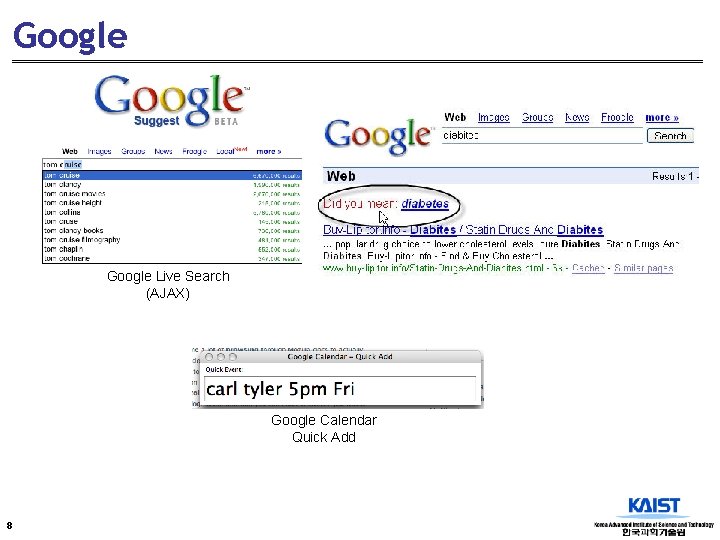
Google Live Search (AJAX) Google Calendar Quick Add 8
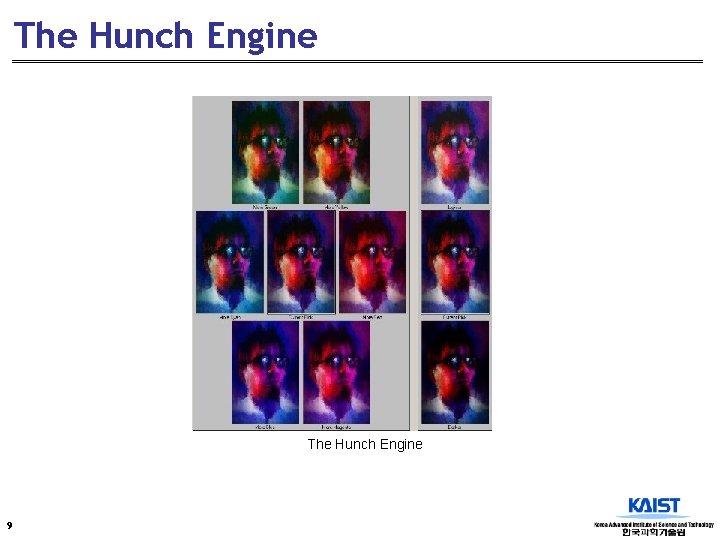
The Hunch Engine 9
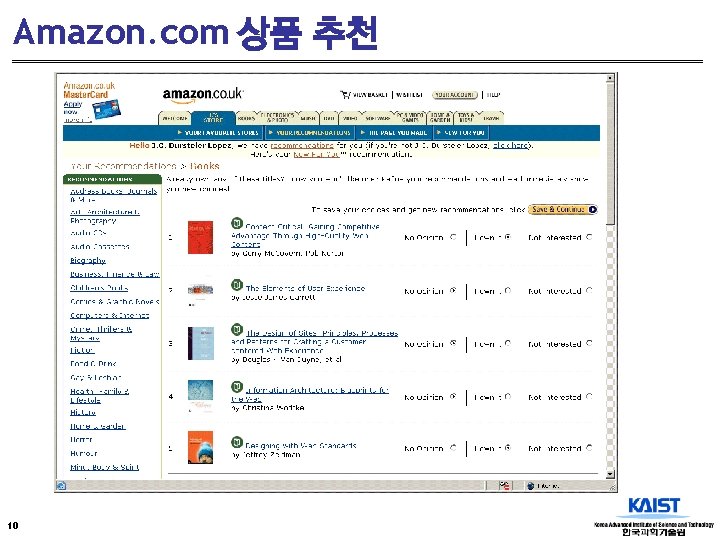
Amazon. com 상품 추천 10

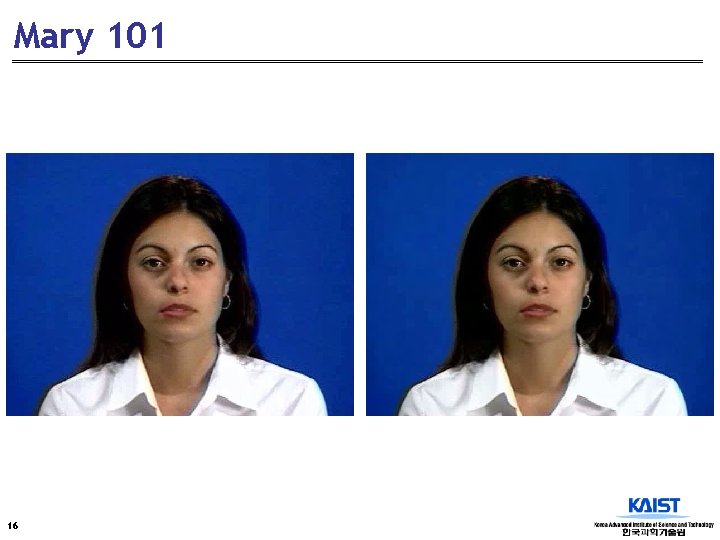
Mary 101 16
Spime by Bruce Sterling ¨ Neologism for a currently theoretical object that can be tracked through space and time throughout the lifetime of the object ¨ Comes from six computing trends and emerging technology: • Small, inexpensive means of remotely and uniquely identifying objects over short ranges; in other words, radio-frequency identification. • A mechanism to precisely locate something on Earth, such as a globalpositioning system. • A way to mine large amounts of data for things that match some given criteria, like internet search engines. • Tools to virtually construct nearly any kind of object; computer-aided design. • Ways to rapidly prototype virtual objects into real ones. Sophisticated, automated fabrication of a specification for an object, through “three-dimensional printers. ” • “Cradle-to-cradle” life-spans for objects. Cheap, effective recycling. 17
18
- Slides: 19