
The History of Agriculture By Mrs Sheffield Who
The History of Agriculture By: Mrs. Sheffield
Who is this man?
Objectives: Ø Identify the scope of agriculture and its effect upon society. Ø Discuss significant historical agricultural developments. Ø Identify the interdependency of agriculture and the environment. Ø Analyze the four main regions of American agriculture
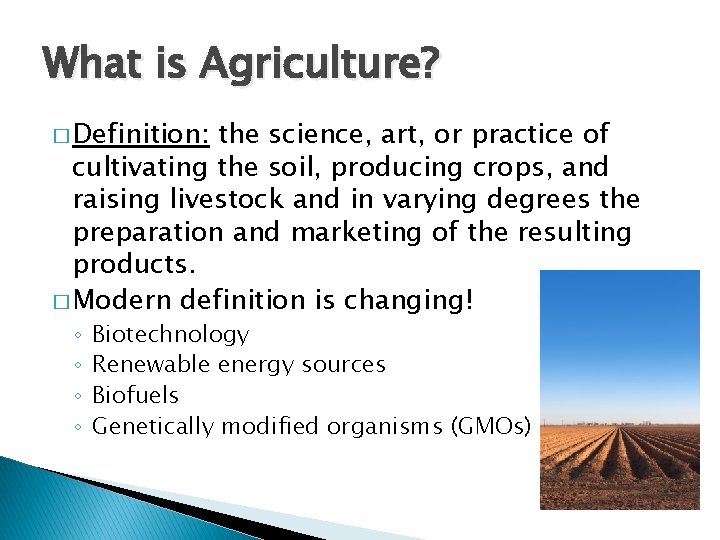
What is Agriculture? � Definition: the science, art, or practice of cultivating the soil, producing crops, and raising livestock and in varying degrees the preparation and marketing of the resulting products. � Modern definition is changing! ◦ ◦ Biotechnology Renewable energy sources Biofuels Genetically modified organisms (GMOs)
Four Periods of Agriculture 1. Prehistoric 2. Ag through the Roman Period 3. Feudal 4. Scientific
Prehistoric �Neolithic 6 th per. 9/3 culture �Change from gathering to production Ag �Began by noting which plants were wild then saved seeds to replant �Goats and sheep herds were started from wild animals �Lived in caves or small houses of mud and wood �Early tools made of wood and stone
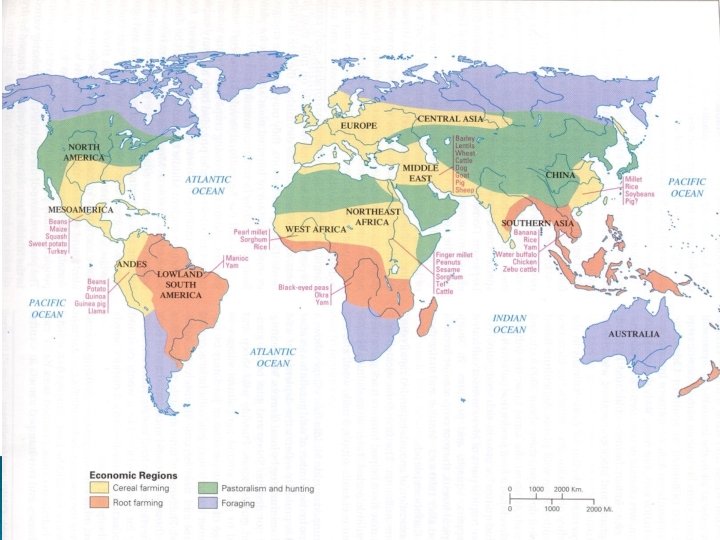
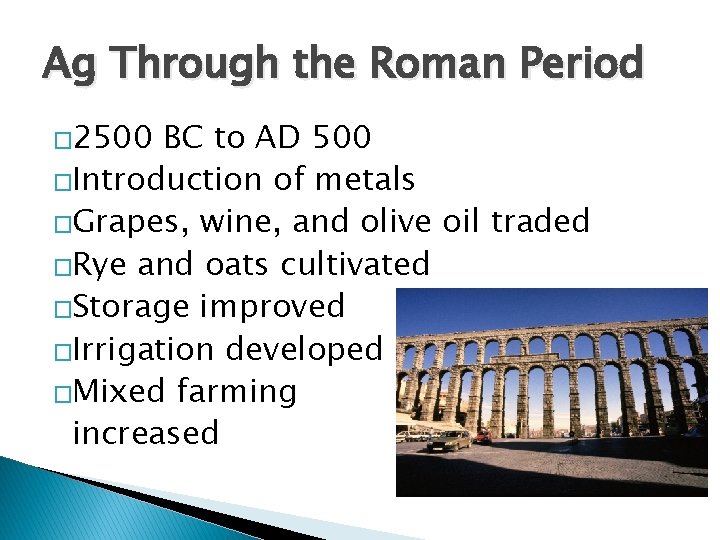
Ag Through the Roman Period � 2500 BC to AD 500 �Introduction of metals �Grapes, wine, and olive oil traded �Rye and oats cultivated �Storage improved �Irrigation developed �Mixed farming increased
Feudal �Began soon after the fall of the Roman Empire (about AD 1100) �Irrigation allowed Egypt to sell wheat in international market ◦ Flooding of the Nile River �Oranges, lemons, peaches, and apricots were cultivated �Wool, leather, and linen were used for clothing
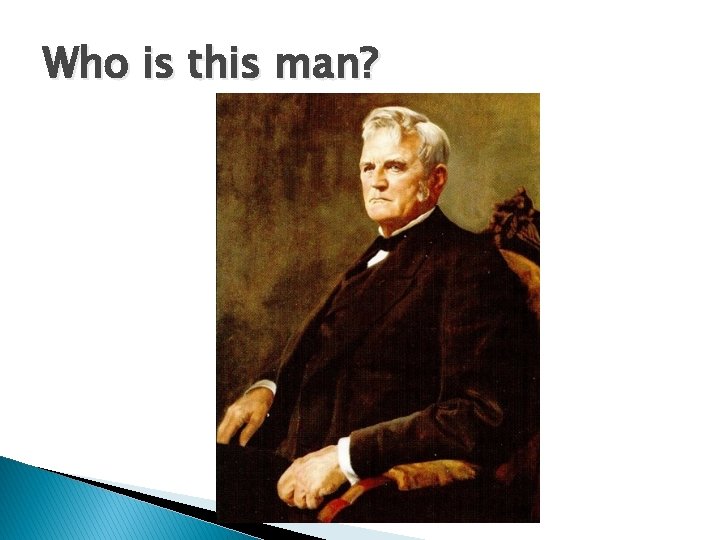
Scientific �Started 1 st per. 9/3 6 th per. 9/4 after decline of feudalism in approximately AD 1500 �Cultivation of sugar, cotton, tobacco, and tea for cash crops �Selective breeding of livestock – late 1700 s �John Deere introduced the steel plow in 1837
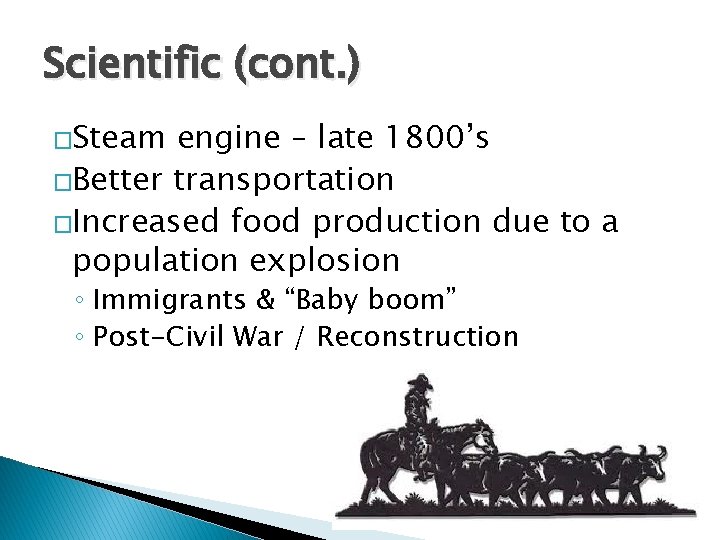
Scientific (cont. ) �Steam engine – late 1800’s �Better transportation �Increased food production due to a population explosion ◦ Immigrants & “Baby boom” ◦ Post-Civil War / Reconstruction
Ag in the United States �Originally dependant on European sources for seed, stocks, livestock, and machinery � 20 th century-steam, gas, diesel, and electrical power used �Chemical fertilizers, conservation techniques, selective breeding developed further �Standards set
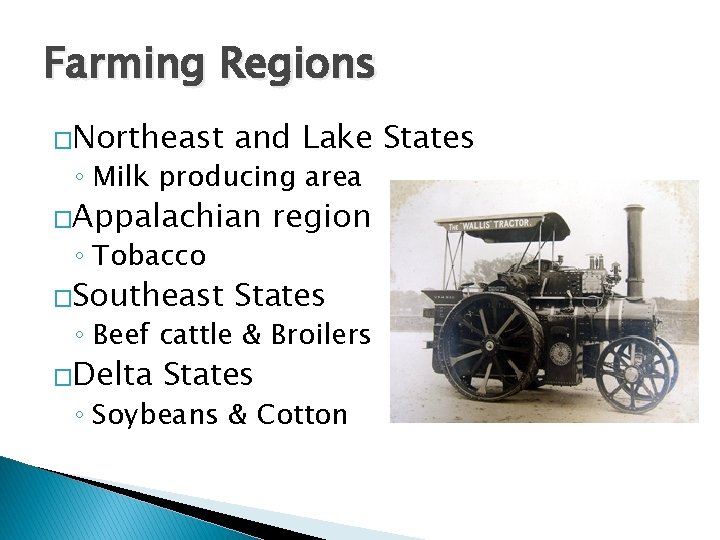
Farming Regions �Northeast and Lake States ◦ Milk producing area �Appalachian ◦ Tobacco �Southeast region States ◦ Beef cattle & Broilers �Delta States ◦ Soybeans & Cotton
Farming Regions (cont. ) �Corn 1 st per. 9/4 Belt (Ohio to Iowa) ◦ Corn, beef, hogs, dairy products �Northern & Southern Plains ◦ Winter & Spring wheat �Mountain States ◦ Cattle & Sheep (wheat in the North) �Pacific Region ◦ Wheat, fruit, potatoes
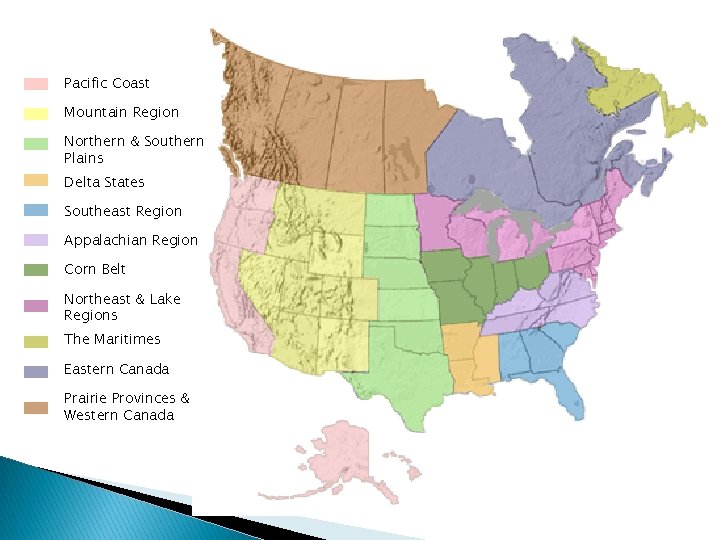
Pacific Coast Mountain Region Northern & Southern Plains Delta States Southeast Region Appalachian Region Corn Belt Northeast & Lake Regions The Maritimes Eastern Canada Prairie Provinces & Western Canada
Recent Changes � 1935: 6. 8 million farms � 2007: just under 2. 1 million farms ◦ Average farm size was 155 acres ◦ Average farm size was 449 acres �So, what does that mean? ◦ Number of farms is going down, while the average farm size is increasing ◦ Commercialization
History of Agriculture (continued) By: Mrs. Sheffield
Importance of Agriculture �Before any civilization could exist and flourish, a strong agricultural base had to be established �“Without food to feed all of the people little progress can be made by any people” �Determines (in part) the wealth of a nation
American Agriculture � 90% of colonists made their living through agriculture at the time of the American Revolution �South becomes major center for cotton production ◦ Shipped to Europe in exchange for manufactured goods � 1790: Eli Whitney invents cotton engine ◦ South settled due to cotton farming
American Agriculture (cont. ) �John Deere’s steel plow in 1837 helped Midwest farmers plow thick, clay soils � 1831, Cyrus Mc. Cormick invents machine used for reaping wheat �Internal combustion engine has revolutionary effect on agriculture ◦ Work time drastically cut down
Agricultural Education � 1862 - Land Grant (Morrill Act): provides each state with public land to build a college for “the common people” ◦ Proposed by Justin Morrill �“A&M” universities – teach agriculture and mechanics � 1862 – President Lincoln established Unites States Department of Agriculture
Development of Ag Education �Hatch Act (1872): 6 TH per. 9/8 ◦ Established experiment stations in states with land grant colleges ◦ Purpose was to create new knowledge in Agriculture through experimentation �Land Grant Act (1890): ◦ Provided additional colleges which African Americans and other minorities could afford ◦ Example: Prairie View A&M
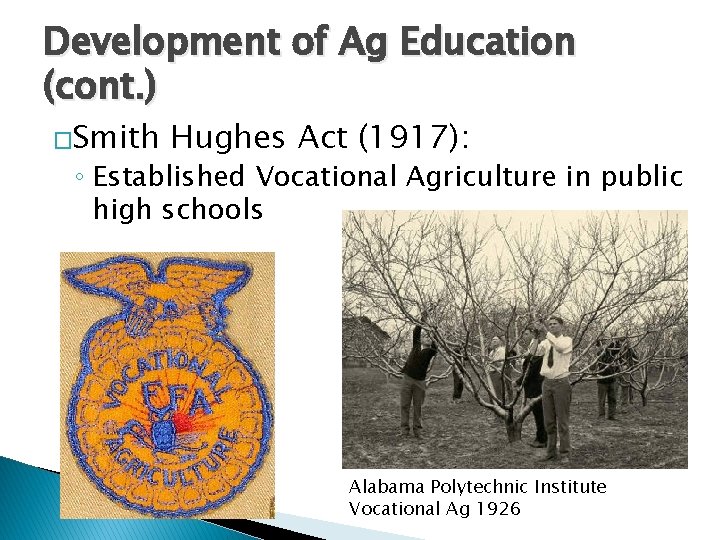
Development of Ag Education (cont. ) �Smith Hughes Act (1917): ◦ Established Vocational Agriculture in public high schools Alabama Polytechnic Institute Vocational Ag 1926
Review: ü What percent of American colonists made their living through agriculture during the Revolution? ü John Deere’s plow was made out of? ? ü Where did most cotton produced in America go? ü In what century did selective breeding of livestock begin?
Review: ü Which time period developed irrigation? ü Which time period did transportation improve? ü Which region in the U. S. produces the most milk? ü Invention of the ______ engine had a revolutionary effect on ag.
Review: ü Who invented the cotton engine? ü Who invented a machine for reaping wheat? ü Who proposed the land grant universities act? ü What were colleges called that taught Agriculture & Mechanics? ü Which government agency did President Lincoln establish in 1862?
- Slides: 26