
The High Middle Ages Farming becomes Productive Agriculture

The High Middle Ages

Farming becomes Productive • Agriculture was changing in the Middle Ages. The old two field system , planting one field while the other lay fallow, was replaced by a new three field system. This allowed farmers to maximize production from two thirds of their land rather than just 50%. The increase in production led to a population explosion, longer life, demand for more goods, and the eventual creation of the middle classes.

NEW Tools • The Horse collar allowed farmers to use horses to conduct labor in the fields. The horse soon replaced the slow ox as the main beast of burden. • Next, a heavy iron plow was developed to till deeper furrows in the soil. This allowed plants to have deeper roots and therefore produce more.
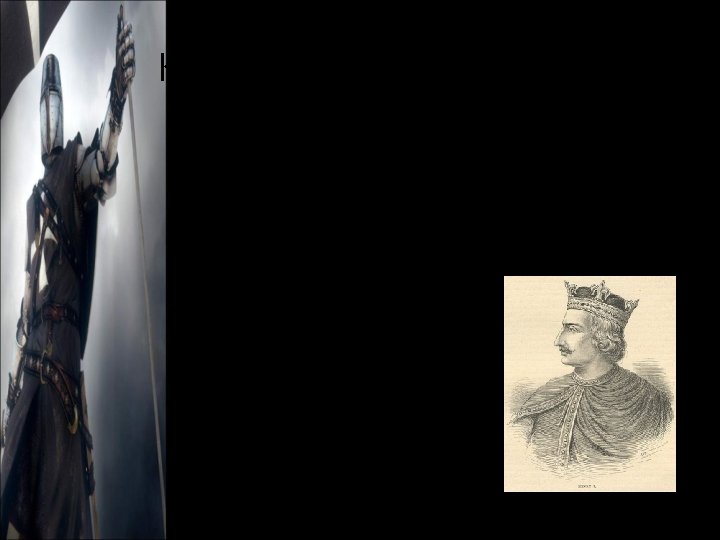
Kings and their Realms • King Henry I, son of William the conqueror, devised a system of tax collection and investment to supply the country’s income.

Henry II makes England Powerful • Henry II, grandson of William, created a court system which called for a judge and a jury of peers to hear cases on the manors of England. Henry also dictated that Church officials would now be held accountable for the King’s laws. They would no longer be exempt.

The Church is angry at Henry • Thomas Becket, Archbishop of Canterbury Cathedral and the highest church official in England, opposed Henry II’s reform. He said that Church officials are only held accountable to the laws of God, not man. Henry II had his knights kill Thomas for publicly opposing his orders.
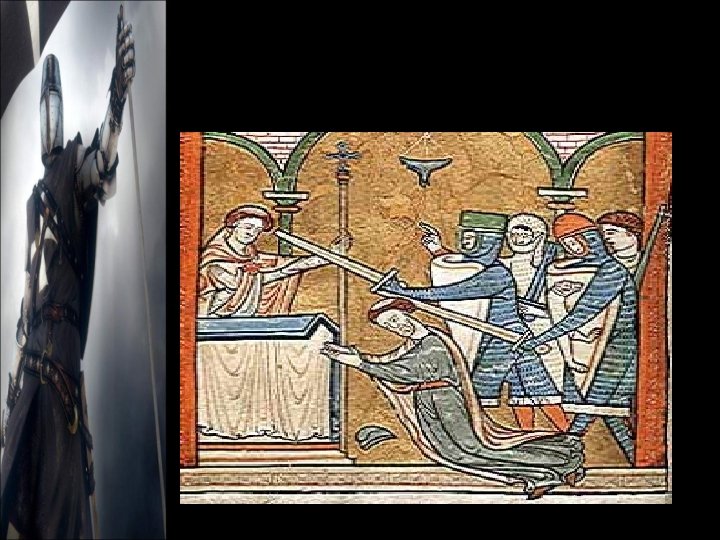
Death of the Archbishop

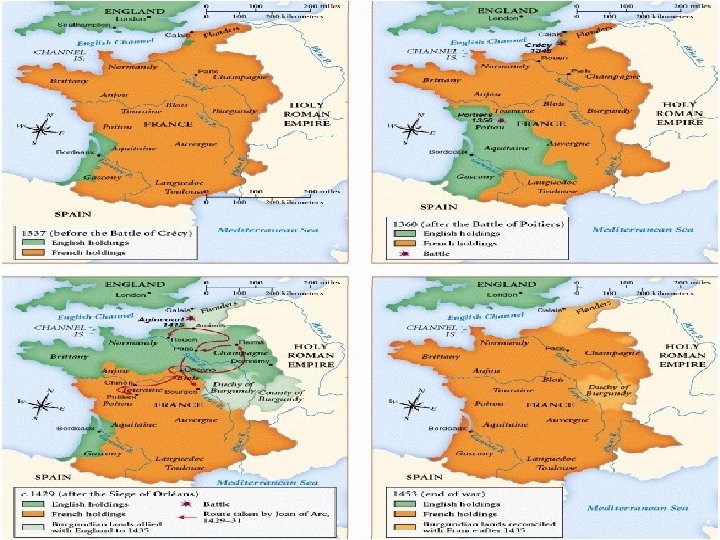
Henry II gets Hitched • Henry II married Eleanor of Aquitaine. She controlled half of France through an earlier marriage to the king of France. Henry indirectly controlled more French land than the King of France. • The Hundred Years War Begins between England France as the French rise up to kick the English out of their land.
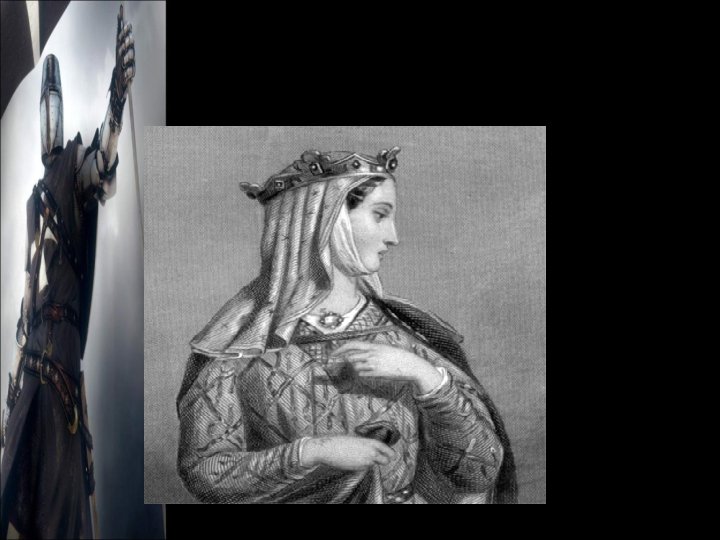
Eleanor, the most powerful Woman of Feudal Europe

Joan of Arc • The “Maid of Orleans” • She goes to the king and convinces him that God has sent her to free France from the English. • He believes her and gives her command of an army. • She defeats the English in several key battles and rallies the French Moral to an all time high

End of Hundred Years War • France eventually drives the English out. • England is allowed to keep the town of Calais

Trouble in England • Richard was Henry. II’s son. He was not a good leader for England because he was absent for most of his reign due to being sent on one of the crusades. Richard’s brother John abused his power as king. He violated the laws of Feudalism by stripping land away from his Lords without giving them a trial. He increased taxes without warning, and punished his Lords without cause.
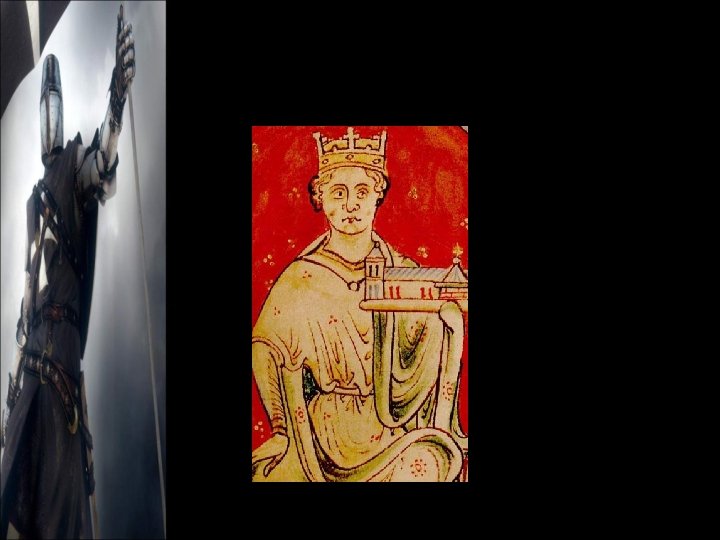
John the Trouble Maker

The Great Charter • In 1215 ce, John’s nobles rebelled against him. They forced him to sign a document which would limit the king’s power. The Magna Carte, as it was called, forced the king to accept a new set of rules. • Kings could not collect taxes without the Great Council’s approval • Free men would have the right to a trial by a jury • King’s were not above the laws of the land • This document came to guarantee the rights of all English people.
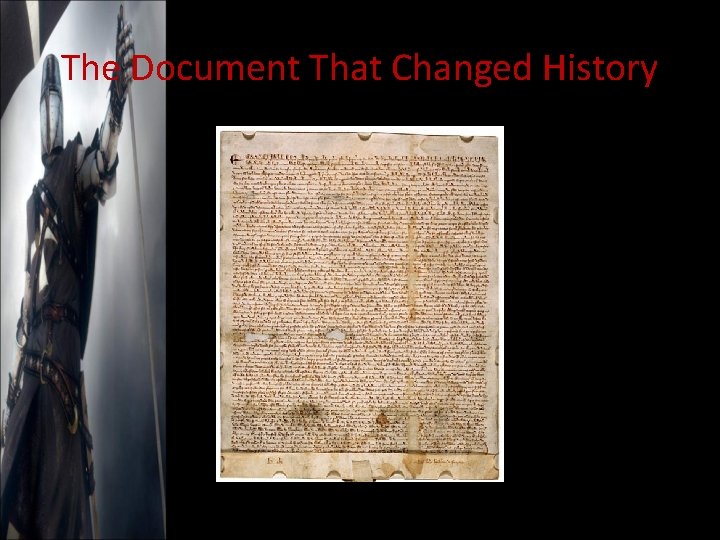
The Document That Changed History 1 2 15
- Slides: 16