
The Heart Circulation Learning objectives Draw and label
The Heart & Circulation
Learning objectives • Draw and label the heart • Outline the process of atherosclerosis and explain how it can result in cardiac arrest • Describe the route taken by a red blood cell as it passes through the double circulation of a human being.

The Heart Semi-lunar valves


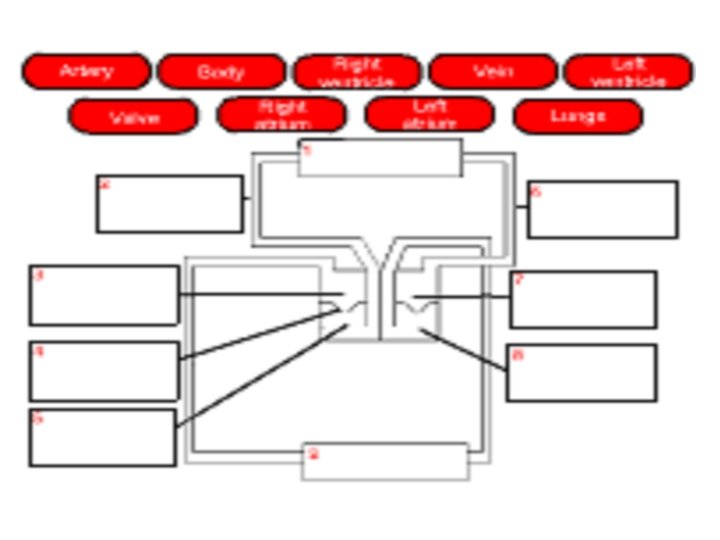
The Heart Anagrams The reath consists of ruof chambers. The upper chambers are called arait and the lower chambers are called streviecln. The upper and lower chambers are separated by sevval which prevent flabwock. The right side of the heart pumps blood to the gluns and the felt side pumps blood to the rest of the body.

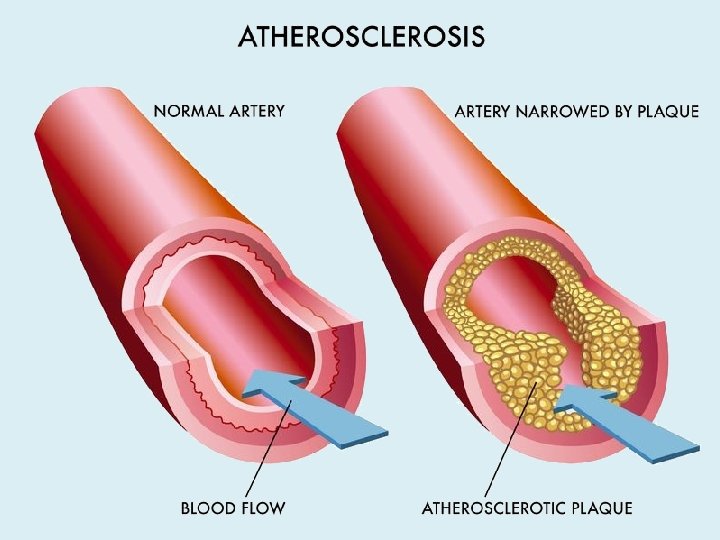
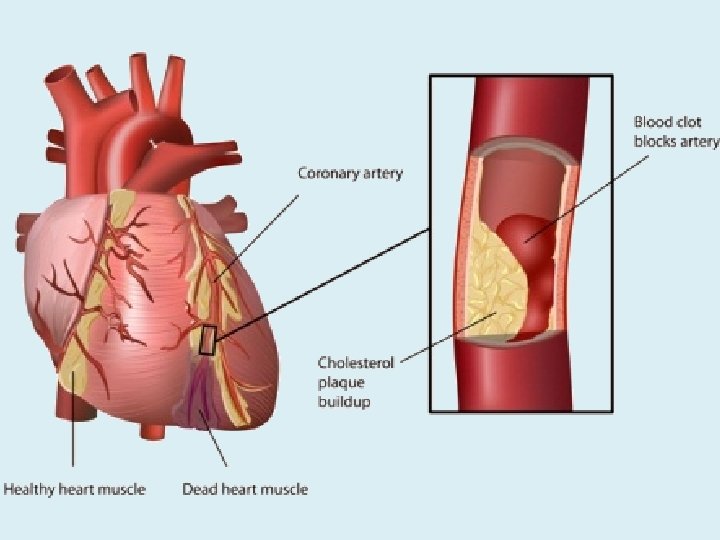
The Coronary Arteries The Heart cannot obtain oxygen and glucose from the blood as it passes through the atria and ventricles. The heart needs its own blood supply. This is provided by the coronary arteries. Blockage of the arteries (atherosclerosis) results in a heart attack (cardiac arrest)
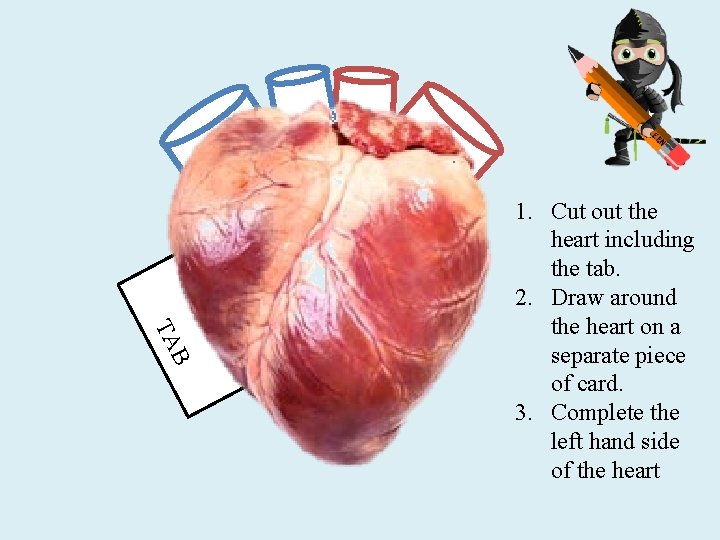
B TA 1. Cut out the heart including the tab. 2. Draw around the heart on a separate piece of card. 3. Complete the left hand side of the heart
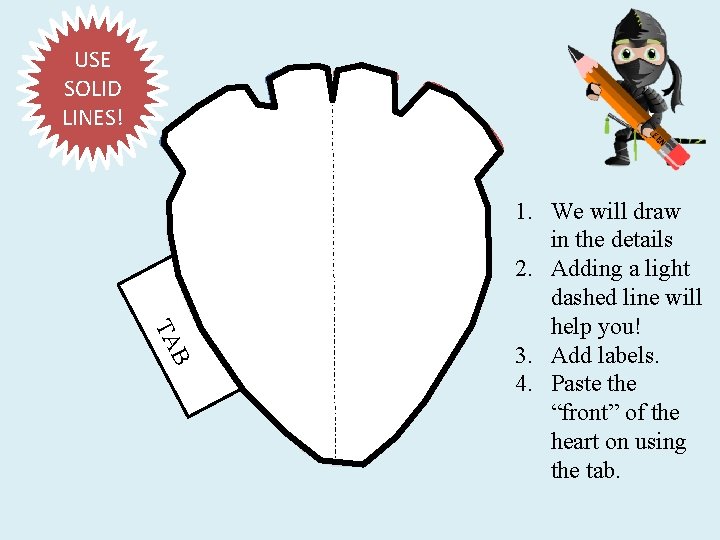
USE SOLID LINES! B TA 1. We will draw in the details 2. Adding a light dashed line will help you! 3. Add labels. 4. Paste the “front” of the heart on using the tab.
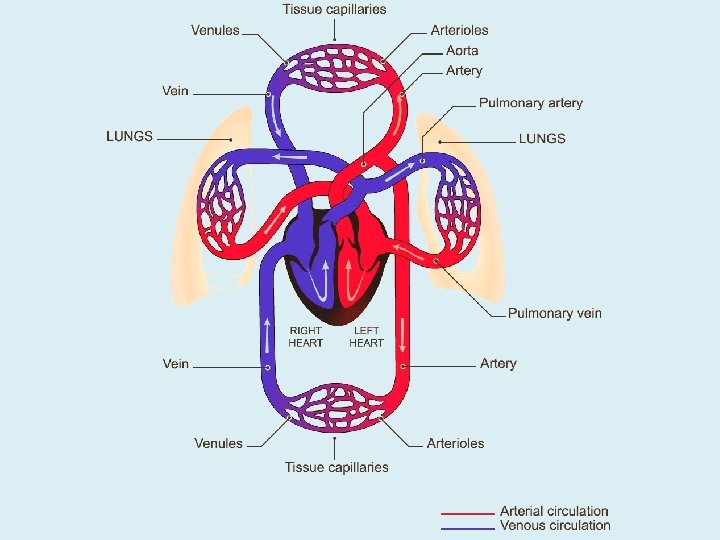
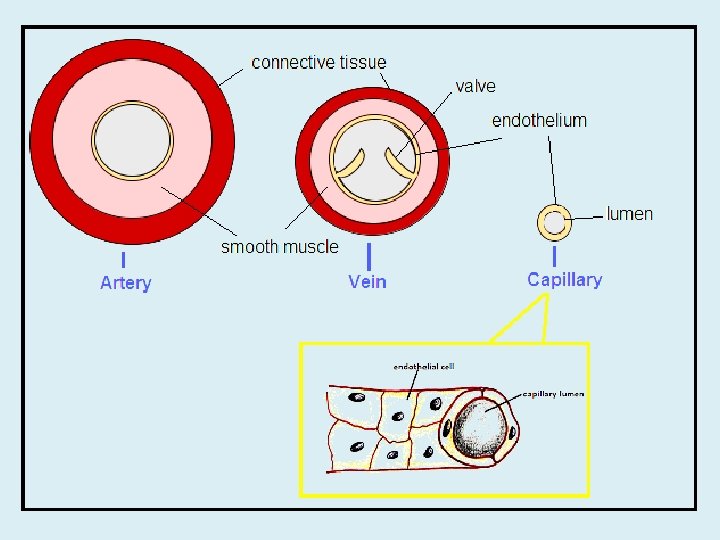
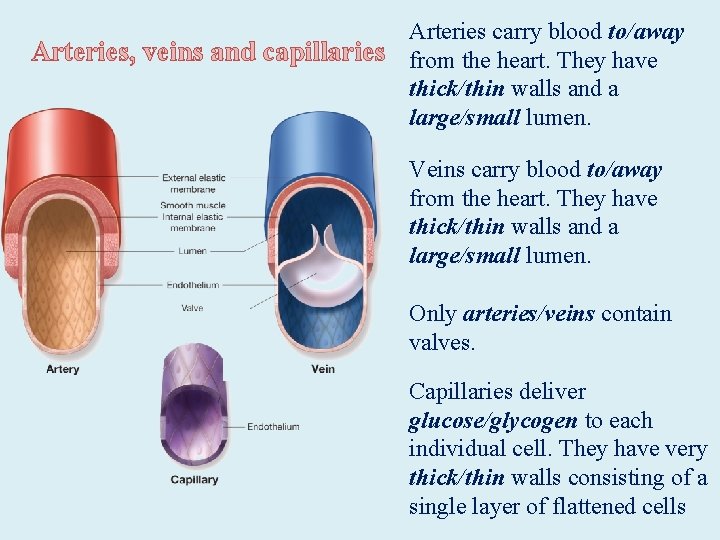
Arteries carry blood to/away Arteries, veins and capillaries from the heart. They have thick/thin walls and a large/small lumen. Veins carry blood to/away from the heart. They have thick/thin walls and a large/small lumen. Only arteries/veins contain valves. Capillaries deliver glucose/glycogen to each individual cell. They have very thick/thin walls consisting of a single layer of flattened cells
Learning objectives 1. Identify the components of blood 2. State the functions of the components of blood
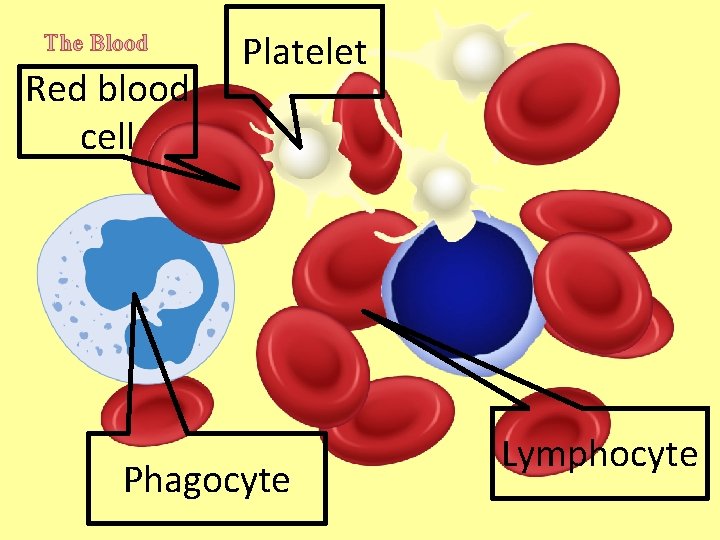
The Blood Red blood cell Platelet Phagocyte Lymphocyte
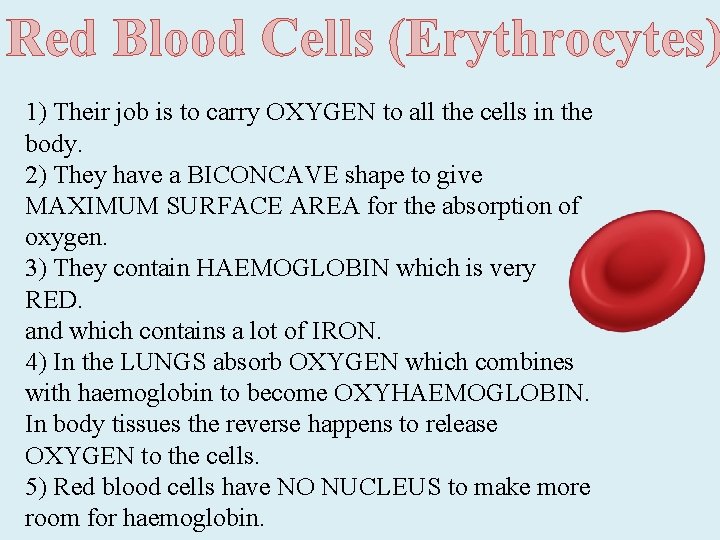
Red Blood Cells (Erythrocytes) 1) Their job is to carry OXYGEN to all the cells in the body. 2) They have a BICONCAVE shape to give MAXIMUM SURFACE AREA for the absorption of oxygen. 3) They contain HAEMOGLOBIN which is very RED. and which contains a lot of IRON. 4) In the LUNGS absorb OXYGEN which combines with haemoglobin to become OXYHAEMOGLOBIN. In body tissues the reverse happens to release OXYGEN to the cells. 5) Red blood cells have NO NUCLEUS to make more room for haemoglobin.
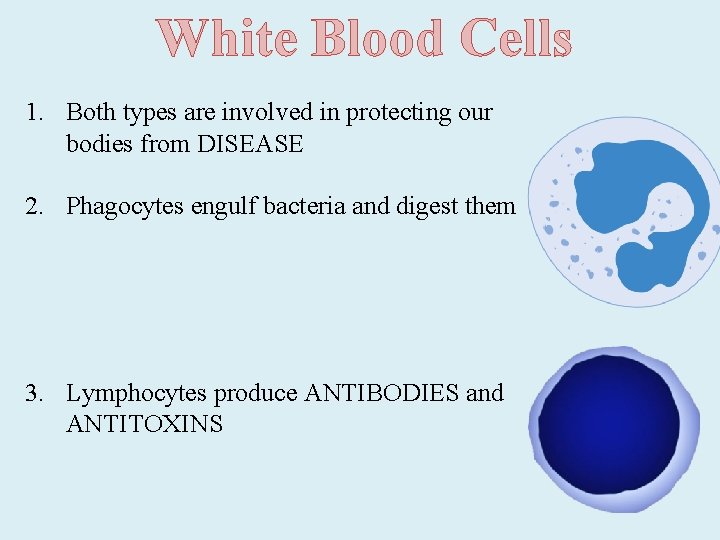
White Blood Cells 1. Both types are involved in protecting our bodies from DISEASE 2. Phagocytes engulf bacteria and digest them 3. Lymphocytes produce ANTIBODIES and ANTITOXINS
Plasma This is a pale straw-coloured liquid which carries just about everything 1) RED and WHITE BLOOD CELLS and PLATELETS. 2) Digested food products like GLUCOSE and AMINOACIDS. 3) CARBON DIOXIDE. 4) UREA. 5) HORMONES. 6) ANTIBODIES and ANTITOXINS produced by the white blood cells.
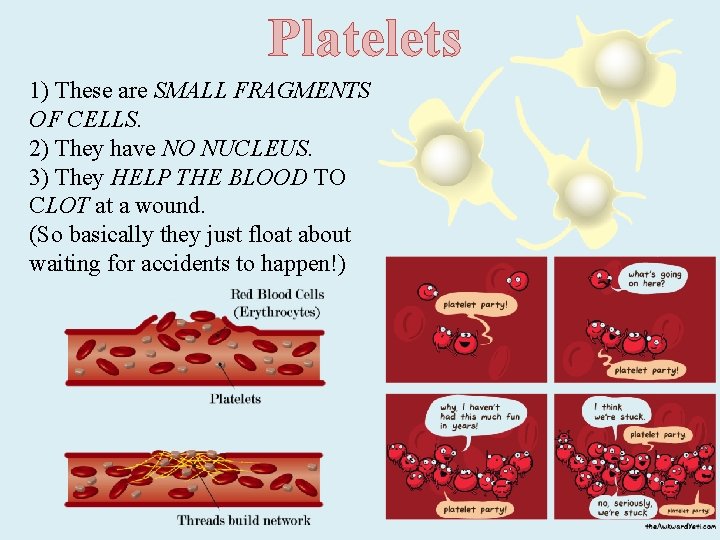
Platelets 1) These are SMALL FRAGMENTS OF CELLS. 2) They have NO NUCLEUS. 3) They HELP THE BLOOD TO CLOT at a wound. (So basically they just float about waiting for accidents to happen!)

The Blood Label the parts….
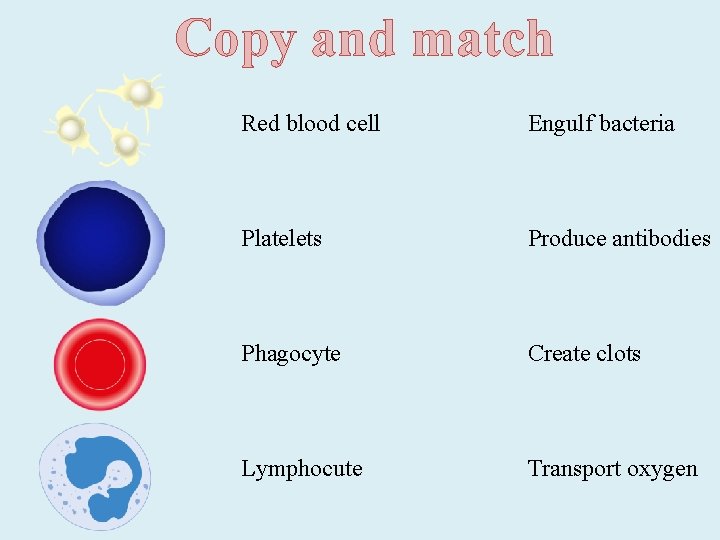
Copy and match Red blood cell Engulf bacteria Platelets Produce antibodies Phagocyte Create clots Lymphocute Transport oxygen
- Slides: 23