
The Heart as a Pump Cardiac Output Cardiac
- Slides: 17
The Heart as a Pump Cardiac Output Cardiac Reserve Factors that effect EDV and ESV Marieb 18
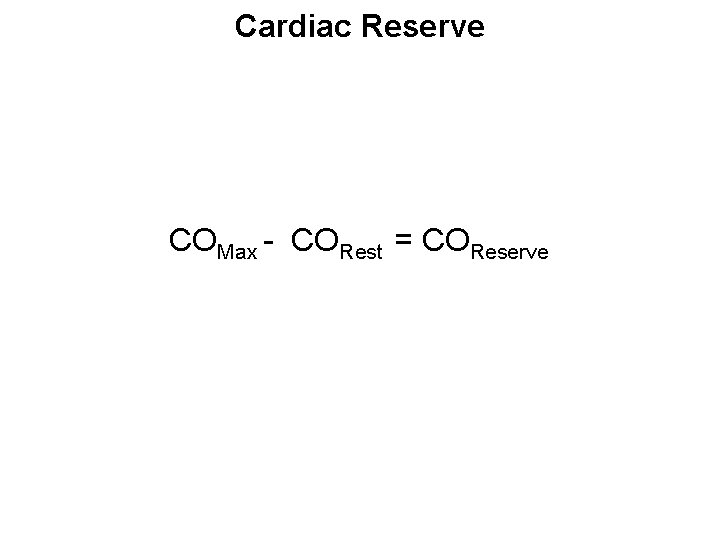
Cardiac Reserve COMax - CORest = COReserve
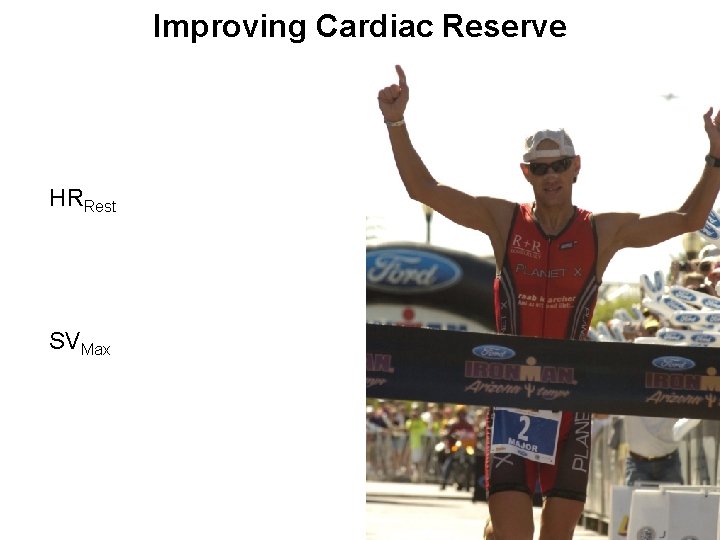
Improving Cardiac Reserve HRRest SVMax
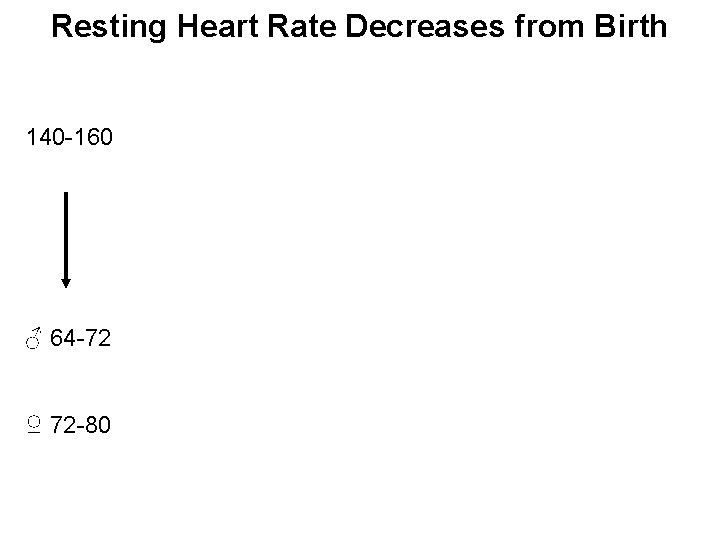
Resting Heart Rate Decreases from Birth 140 -160 ♂ 64 -72 ♀ 72 -80
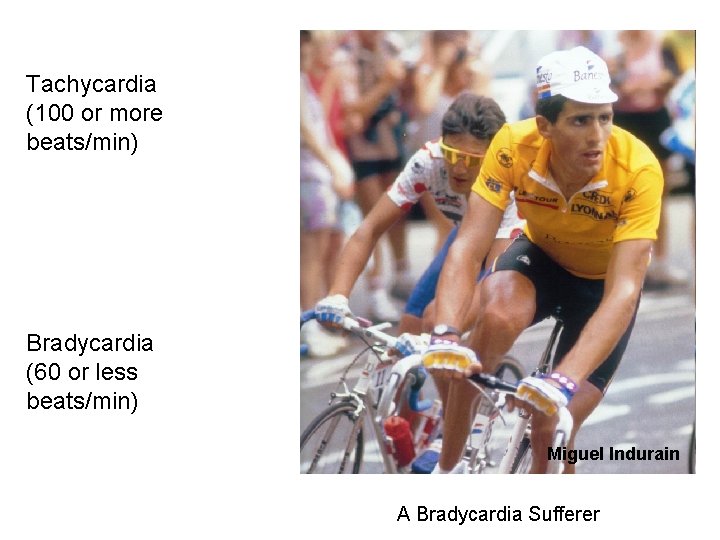
Tachycardia (100 or more beats/min) Bradycardia (60 or less beats/min) Miguel Indurain A Bradycardia Sufferer
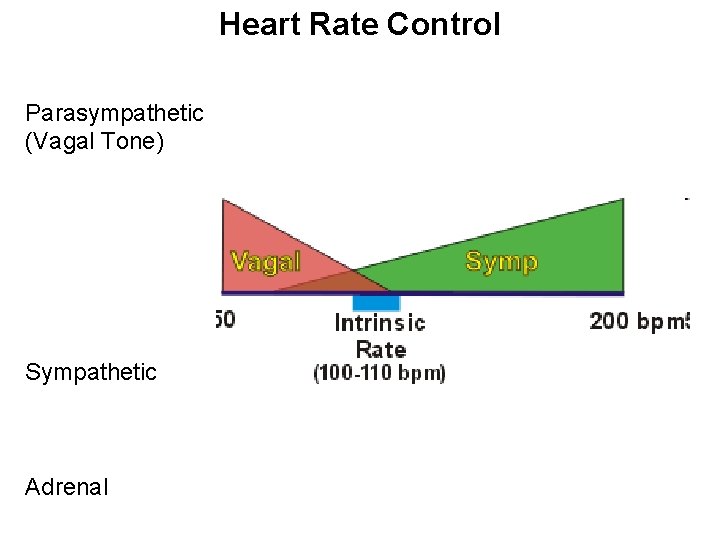
Heart Rate Control Parasympathetic (Vagal Tone) Sympathetic Adrenal
Changing Stroke Volume Increasing/Decreasing EDV Increasing/Decreasing ESV
Factors that Alter EDV and ESV Preload Contractility Afterload
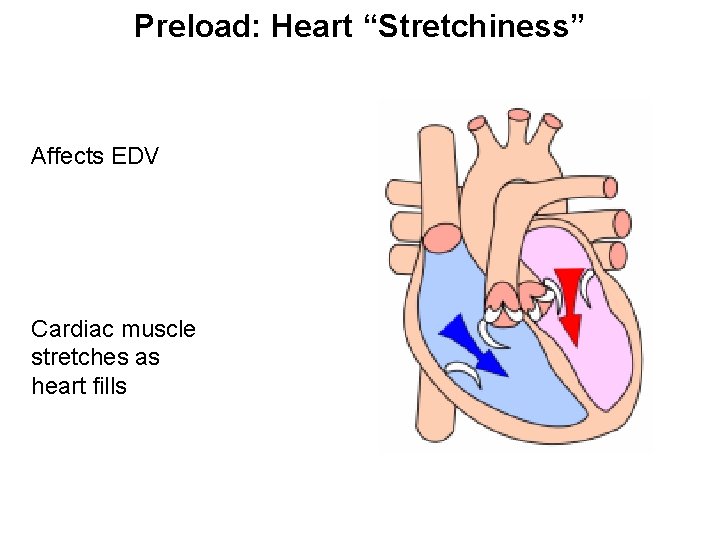
Preload: Heart “Stretchiness” Affects EDV Cardiac muscle stretches as heart fills
Frank-Starling Law of the Heart The volume of blood ejected from a ventricle during systole (contraction) depends on the volume present in the ventricle at the end of diastole (relaxation)
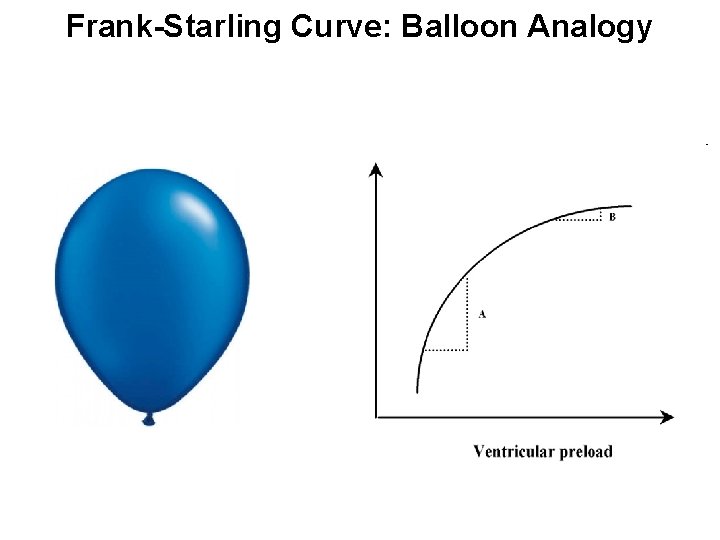
Frank-Starling Curve: Balloon Analogy
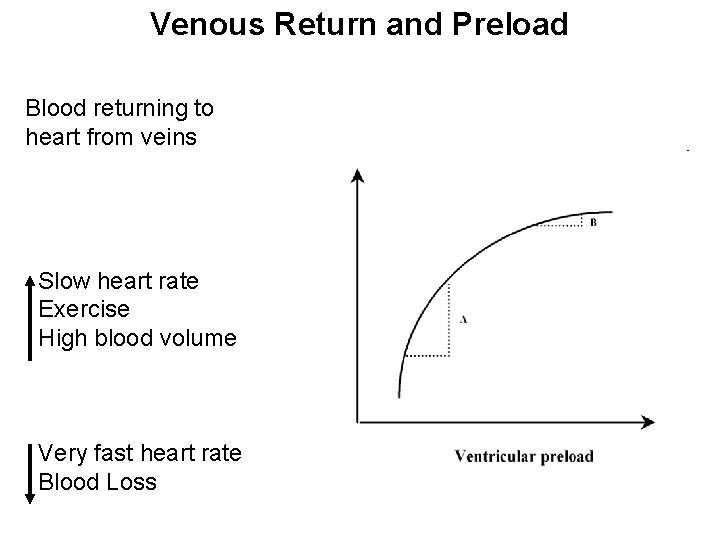
Venous Return and Preload Blood returning to heart from veins Slow heart rate Exercise High blood volume Very fast heart rate Blood Loss
Contractility increases SV Contractile strength at a given muscle length More Ca++ Less Ca++
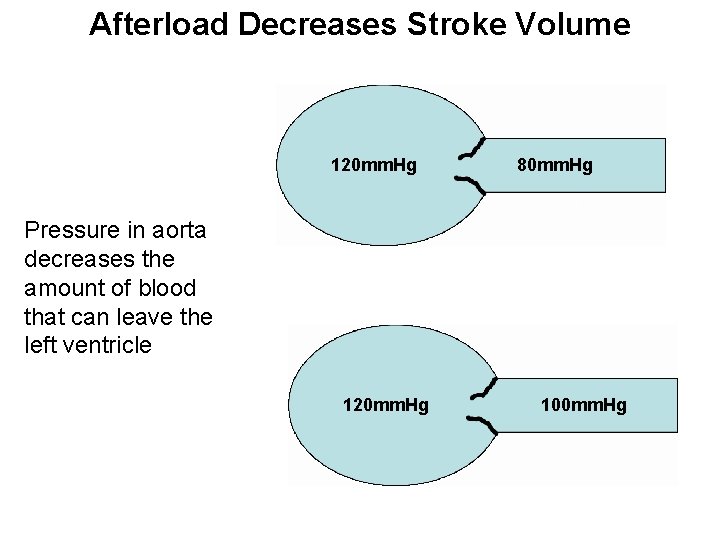
Afterload Decreases Stroke Volume 120 mm. Hg 80 mm. Hg Pressure in aorta decreases the amount of blood that can leave the left ventricle 120 mm. Hg 100 mm. Hg
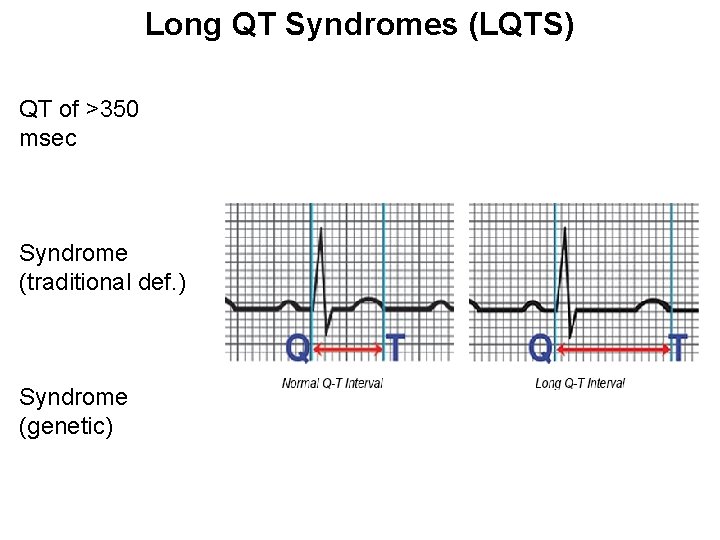
Long QT Syndromes (LQTS) QT of >350 msec Syndrome (traditional def. ) Syndrome (genetic)
LQTS Causes Hypokalcemia Drug interactions Genetic Disorders (LQT 1 -15)
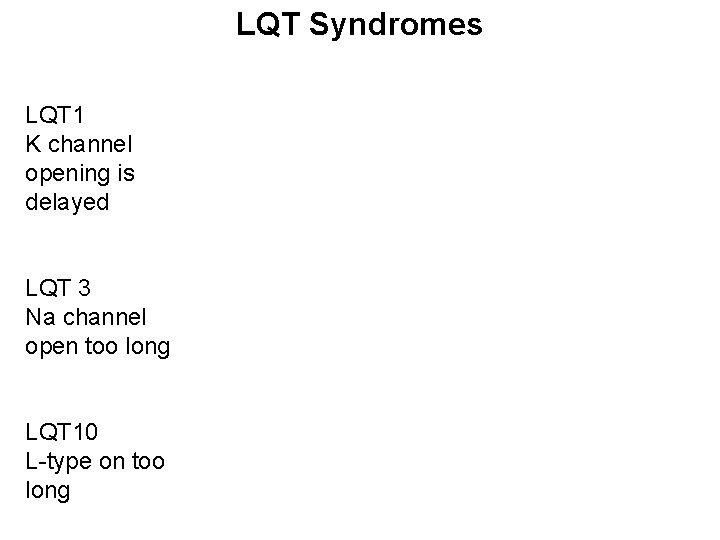
LQT Syndromes LQT 1 K channel opening is delayed LQT 3 Na channel open too long LQT 10 L-type on too long