
The Heart as a Pump Cardiac Output Cardiac
- Slides: 19
The Heart as a Pump Cardiac Output Cardiac Reserve Factors that effect EDV and ESV Marieb 18
The Heart as a Pump Stroke Volume Cardiac Output Cardiac Reserve
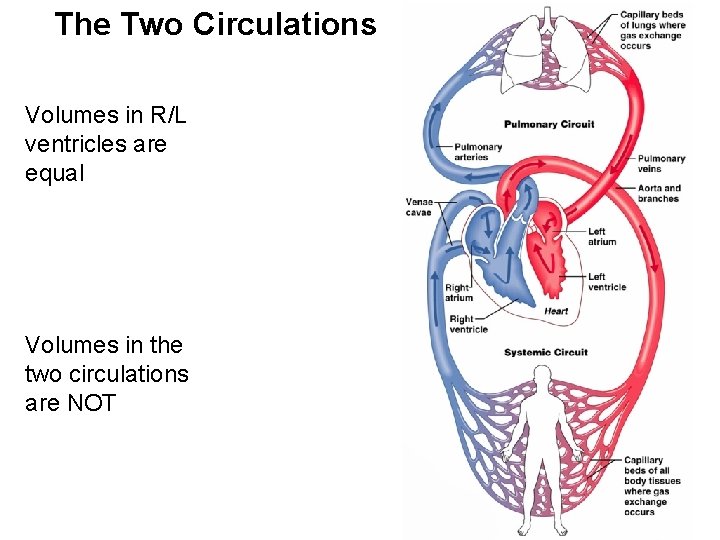
The Two Circulations Volumes in R/L ventricles are equal Volumes in the two circulations are NOT
Stroke Volume End Diastolic Volume (EDV) End Systolic Volume (ESV)
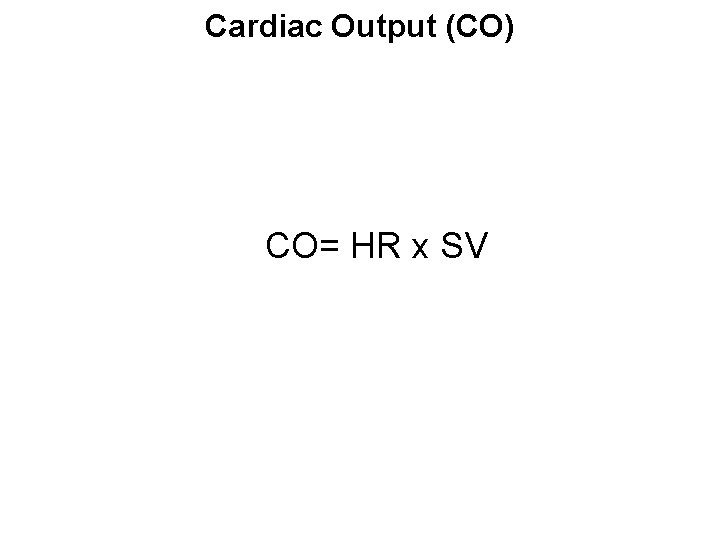
Cardiac Output (CO) CO= HR x SV
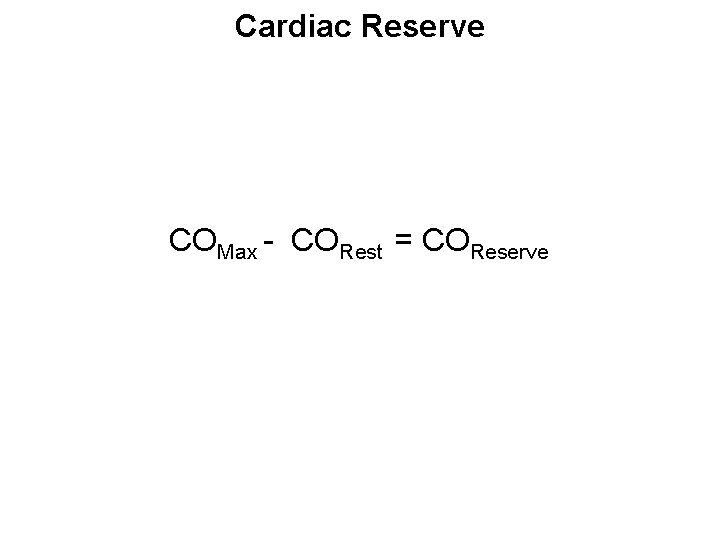
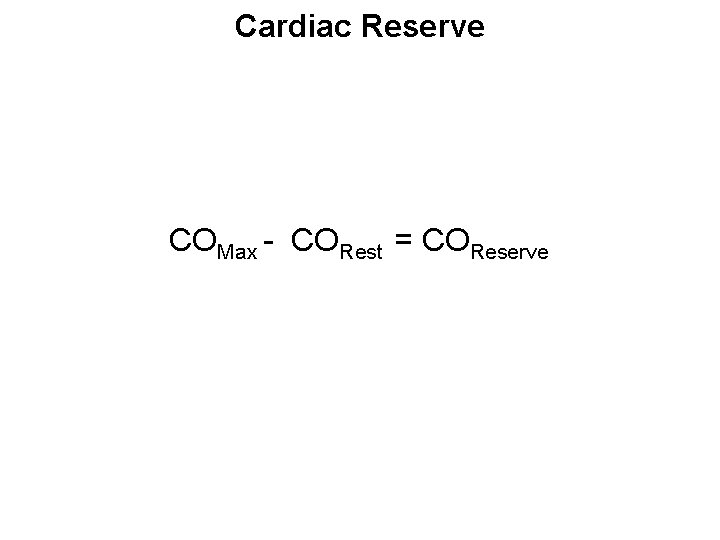
Cardiac Reserve COMax - CORest = COReserve
Cardiac Reserve COMax - CORest = COReserve
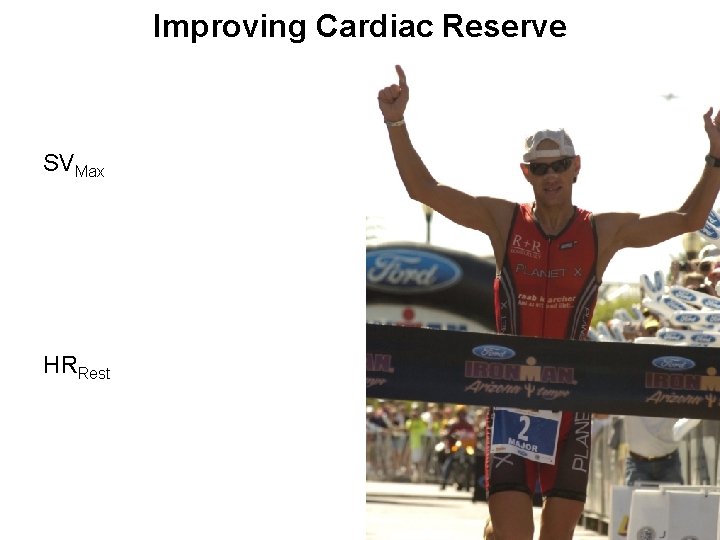
Improving Cardiac Reserve SVMax HRRest
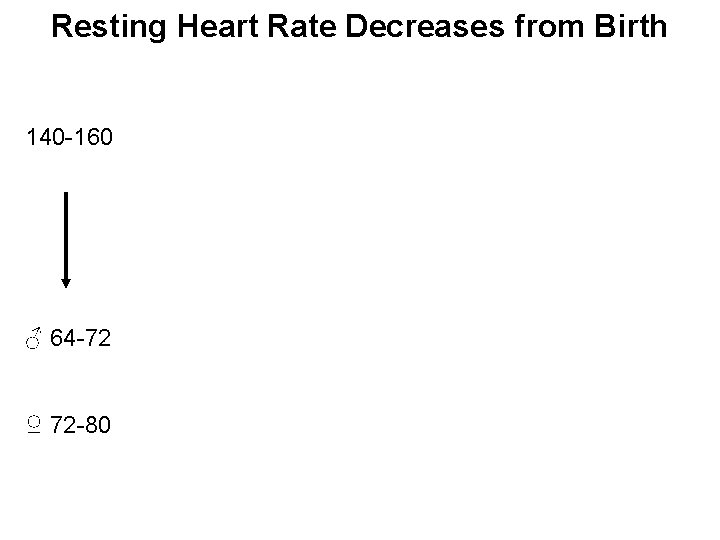
Resting Heart Rate Decreases from Birth 140 -160 ♂ 64 -72 ♀ 72 -80
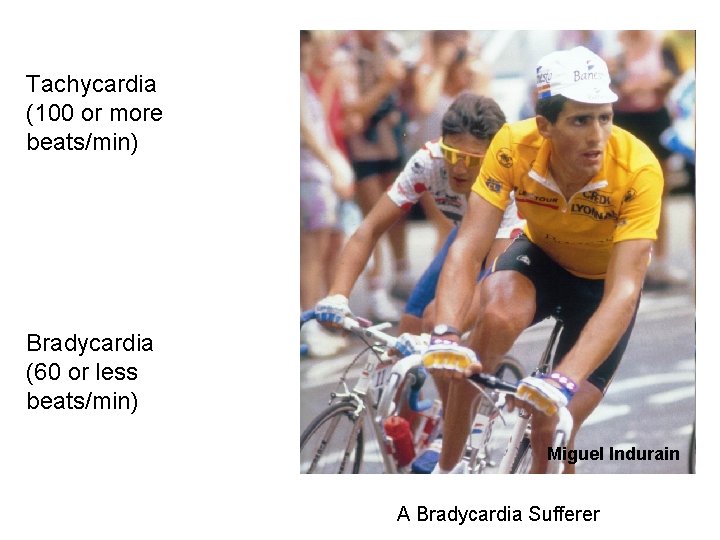
Tachycardia (100 or more beats/min) Bradycardia (60 or less beats/min) Miguel Indurain A Bradycardia Sufferer
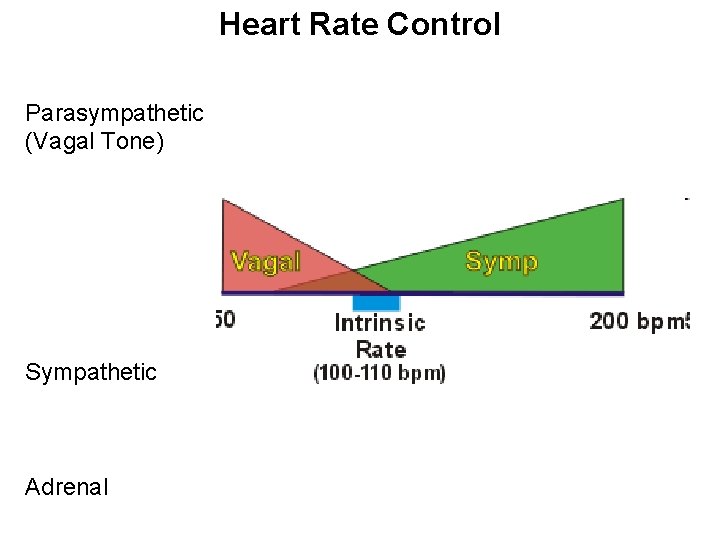
Heart Rate Control Parasympathetic (Vagal Tone) Sympathetic Adrenal
Changing Stroke Volume Increasing/Decreasing EDV Increasing/Decreasing ESV
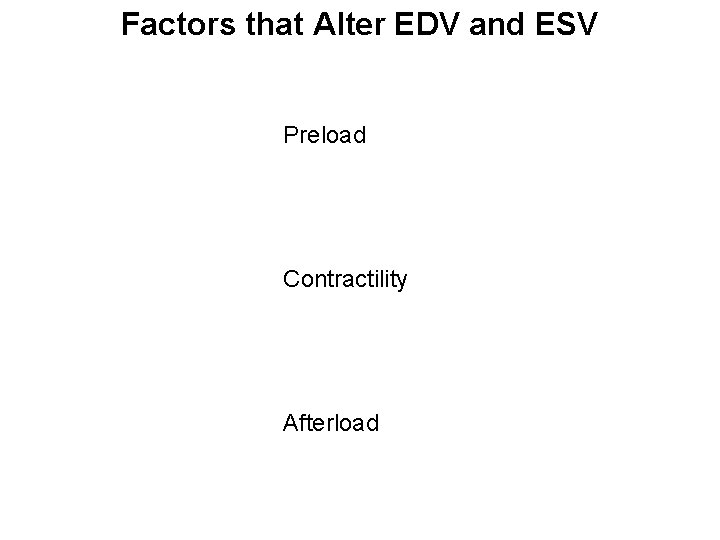
Factors that Alter EDV and ESV Preload Contractility Afterload
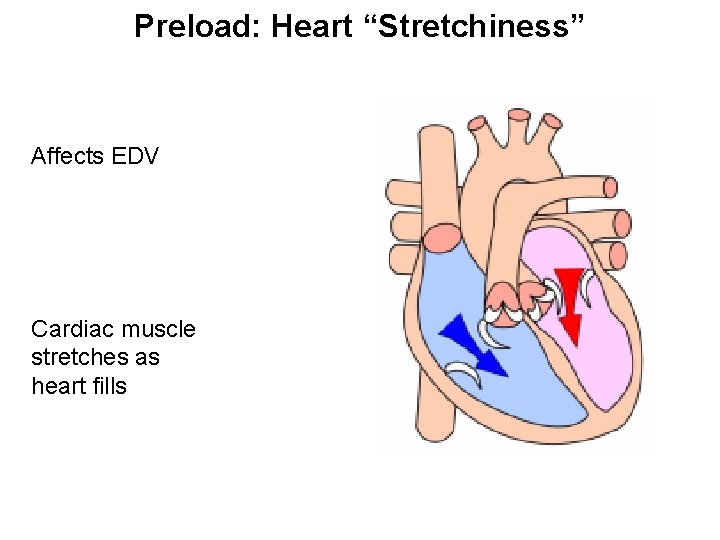
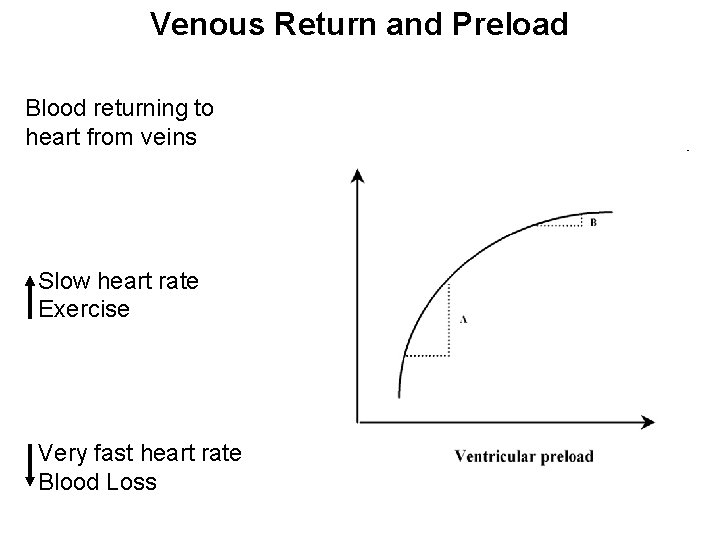
Preload: Heart “Stretchiness” Affects EDV Cardiac muscle stretches as heart fills
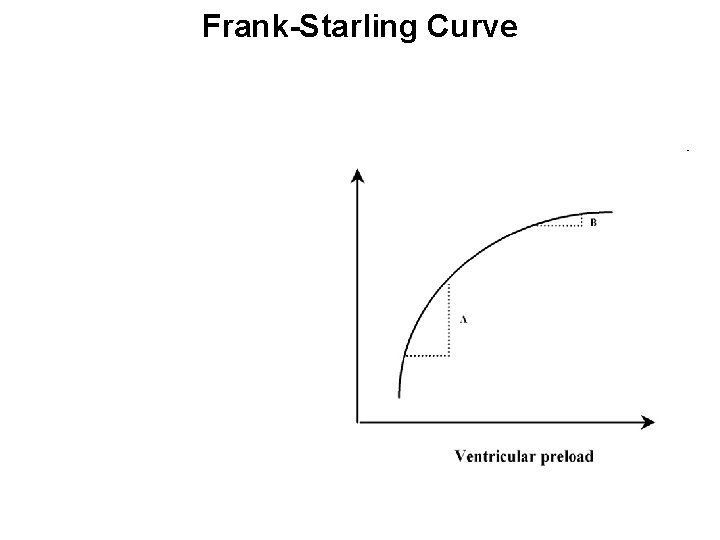
Frank-Starling Law of the Heart The volume of blood ejected from a ventricle during systole (contraction) depends on the volume present in the ventricle at the end of diastole (relaxation)
Frank-Starling Curve
Venous Return and Preload Blood returning to heart from veins Slow heart rate Exercise Very fast heart rate Blood Loss
Contractility increases SV Contractile strength at a given muscle length More Ca++ Less Ca++
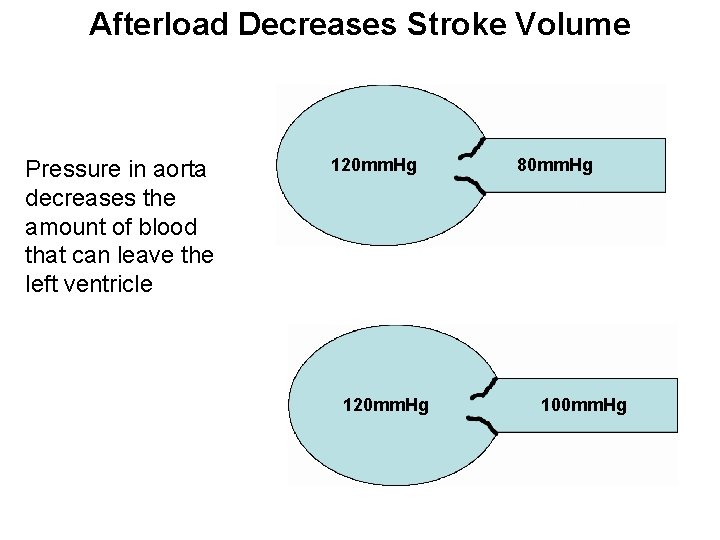
Afterload Decreases Stroke Volume Pressure in aorta decreases the amount of blood that can leave the left ventricle 120 mm. Hg 80 mm. Hg 100 mm. Hg