
The Health of the Environment Air and Water

- Slides: 31
The Health of the Environment
Air and Water • Air Pollution: Contamination of the earth’s atmosphere with substances that pose threats to human, plant and animal health. • Other than oxygen, there are several other dangerous, man made gasses that are in the air.
Gas Pollutants • Carbon Monoxide – A colorless gas caused by the burning of most substances. It prevents your body from utilizing hemoglobin, the oxygen carrying part of the blood. • Nitrogen Oxides and Sulfur Dioxides – Produced by the burning of fossil fuels. Can cause burning and tearing eyes. – This is also primarily responsible for Acid Rain.
Gas Pollutants • Carbon Dioxide – The burning of fossil fuels creates carbon dioxide. As we breathe we exhale carbon dioxide from our lungs. – This gas is what is primarily responsible for the Greenhouse Effect. – Global Warming is one of the most important agenda items in today’s political arena.
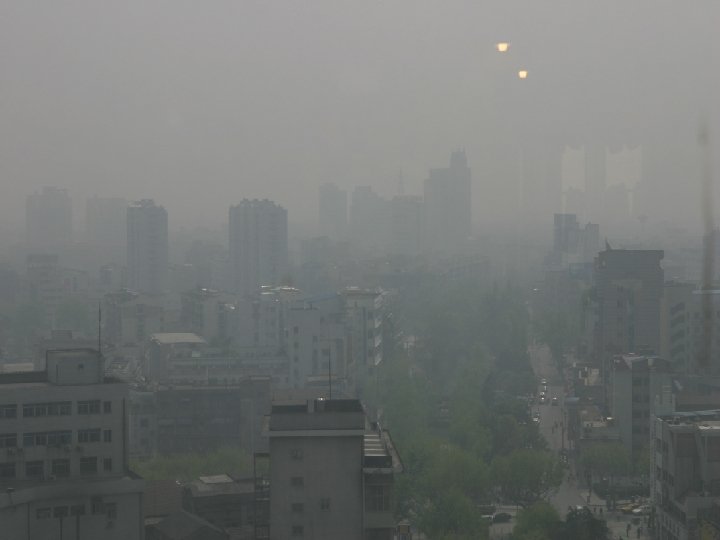
Gas Pollutants • Hydrocarbons – Incomplete burning of fossil fuels or the evaporation of solvents form a combo of hydrogen and carbon. – Hydrocarbons produced with nitric oxide in the presence of sunlight forms smog. Ah ha, this is why we have OZONE ACTION DAYS! – Motor vehicles are the prime source of hydrocarbons which have been linked to certain types of cancer and asthma.
Gas Pollutants • Chlorofluorocarbons: Known to the public as CFCs. It is a combo of chlorine, fluorine and carbon, which forms an invisible and odorless gas. • These chemicals, found mostly in refrigerants, are what cause the depletion of the OZONE layer in the atmosphere.
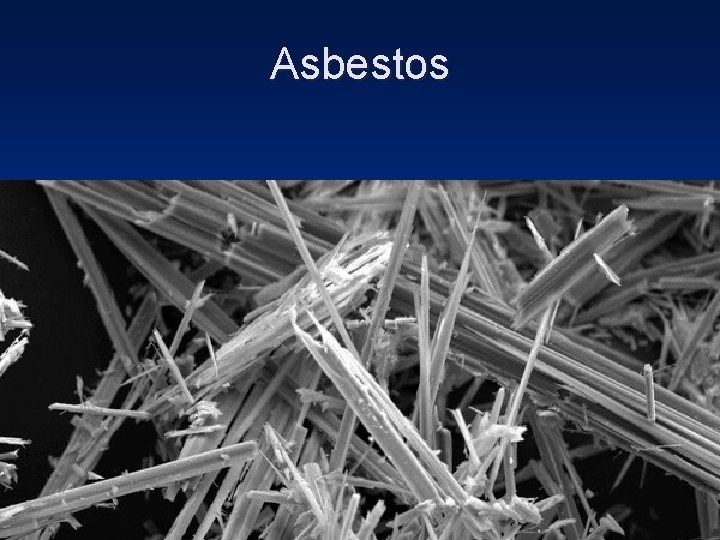
Particulates • Particulates can be defined as tiny particles suspended and moved through the air. These cause asthma and other health related problems. • Examples include: – Dust – Soot – Mold spores – Lead: mostly found in paint and pipes
Asbestos
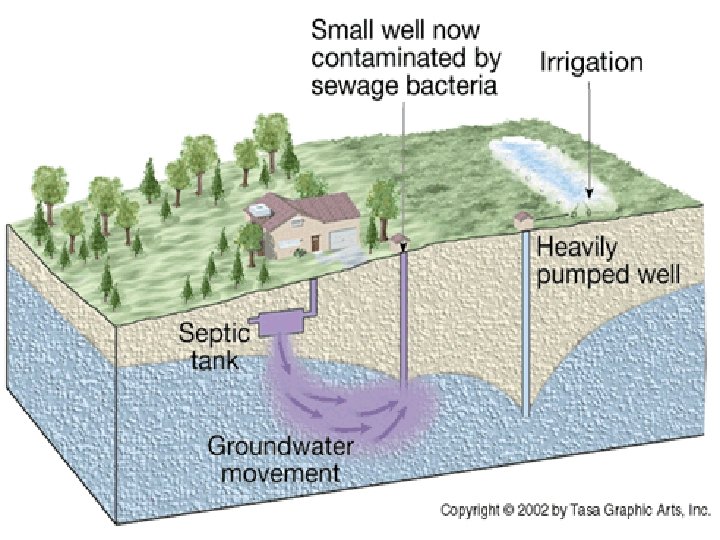
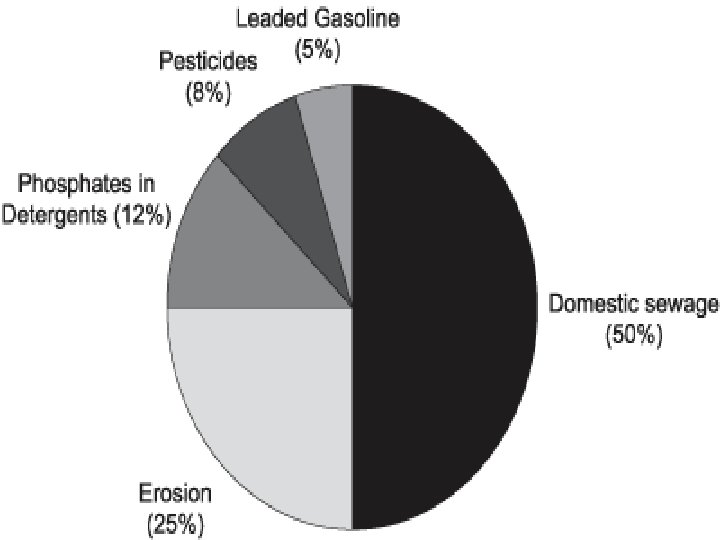
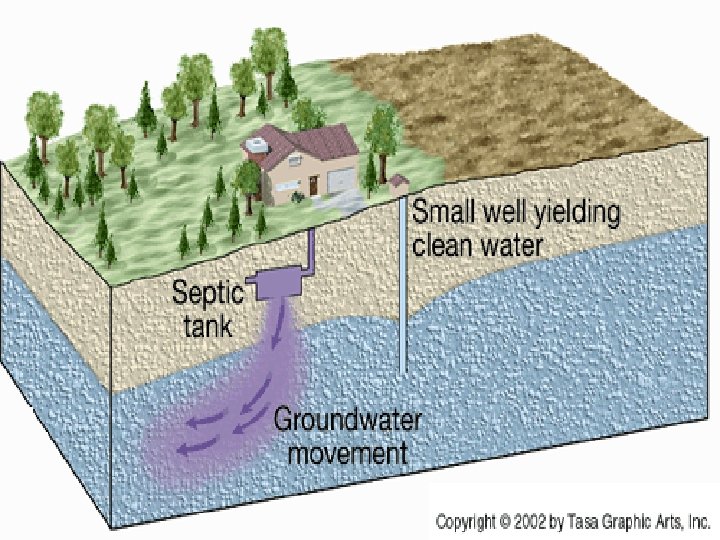
Water Pollution • Raw Sewage: Waste water dumped that is non-biodegradable contains harmful bacteria, viruses, chemicals and other dangerous substances. • Causes –Manufacturing –Chemical Plants –Mining
Chemicals in Water • Herbicides, Pesticides and Insecticides are spread by farmers and lawn owners. These can run off into water supplies and have been linked to cancer and birth defects. • Oil Spills can be caused by tank flushing, oil rig drilling and ships run aground.
Land Pollution • Every year BILLIONS of tons solid waste are buried or burned. • Landfill space is becoming limited. • The Environmental Protection Agency, or EPA, controls what and where things are buried and burned.
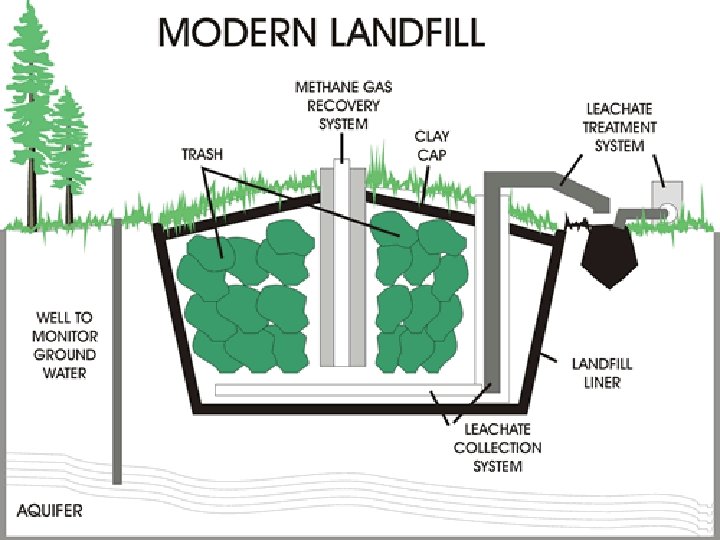
Land Pollution • Hazardous Waste: substances that are considered explosive, corrosive, flammable and toxic to human or other forms of life. • Once these wastes are buried gases and toxins can seep into the water system. Lining the landfills is one means of preventing this catastrophe.
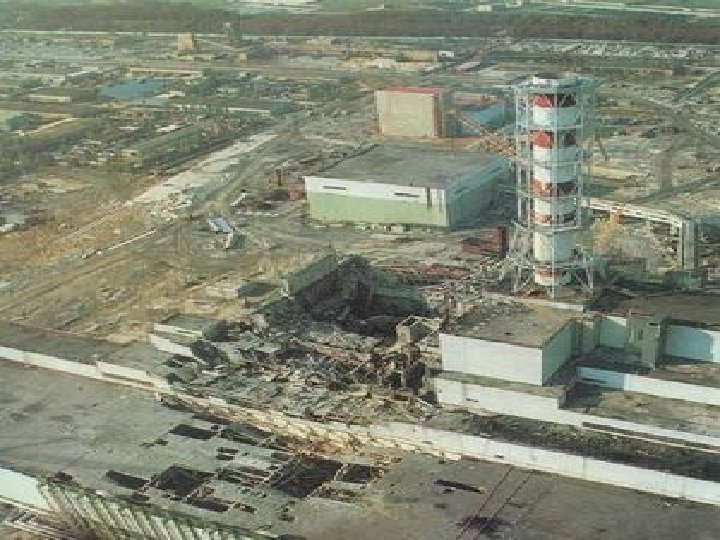
Land Pollution • NUCLEAR WASTE: Causes cancer and birth defects. With the increase in nuclear waste from power plants there becomes a problem of finding new ways and places to store the waste. • It can take up to 10, 000 years for the radioactive material to breakdown.
Expansion and Development • Because of population increase and overdevelopment, there has been a dramatic increase in the amount of waste stored in landfills.
Deforestation • Deforestation: The rapid removal of trees. This is done to create more agricultural land industrial profits. • Think about the Dust Bowl of the 30 s and how that affected the health of people in that area. • Deforestation affects rivers, lakes, natural species, oxygenation of the region and even the water cycle.
Desertification • Desertification is the clearing of grasslands, rain-fed cropland or irrigated cropland to desert like conditions. • This is mostly caused by overgrazing
MAKING A DIFFERENCE • Conservation: The act of preserving and protecting our natural resources found in the environment.
MAKING A DIFFERENCE • What can we do to make a difference? • Heating and cooling? • Water? • Lighting? • Cooking? • Driving? • Anything else?
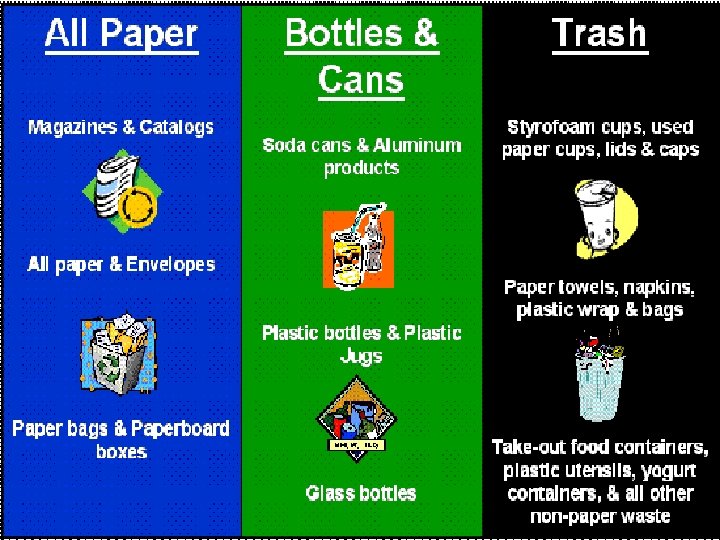
MAKING A DIFFERENCE • Recycling: the treating of waste so that it can be reused. • Can you name some items that can be recycled?
TAKE ACTION • What can you do to help preserve the environment? • What things in your environment could have a negative impact on your health? • Become an informed and EDUCATED citizen.
TAKE ACTION • Join environmentally conscious organizations. • Take action against local polluters. • Change your daily lifestyle and habits. • Purchase products wisely.