
The Harappan Civilization 3300 BCE 2400 BCE Citadel
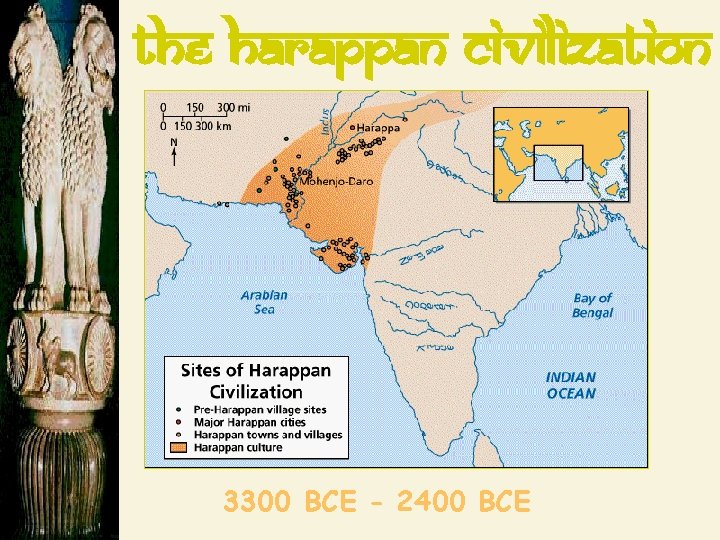
The Harappan Civilization 3300 BCE - 2400 BCE
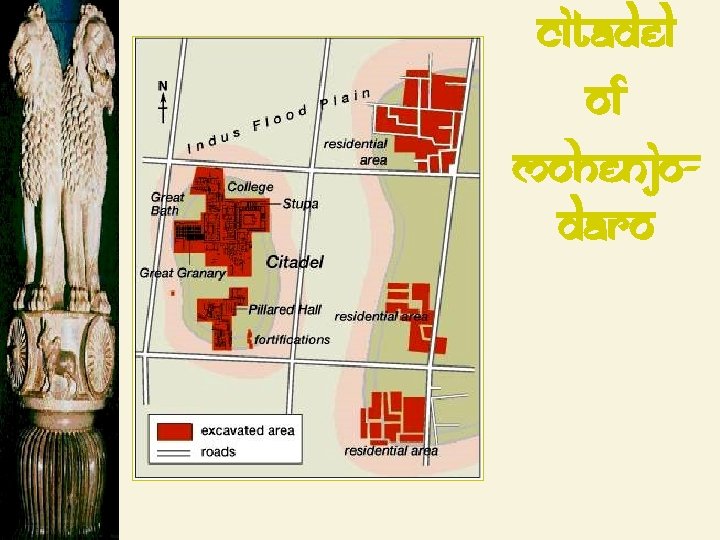
Citadel Of Mohenjo. Daro
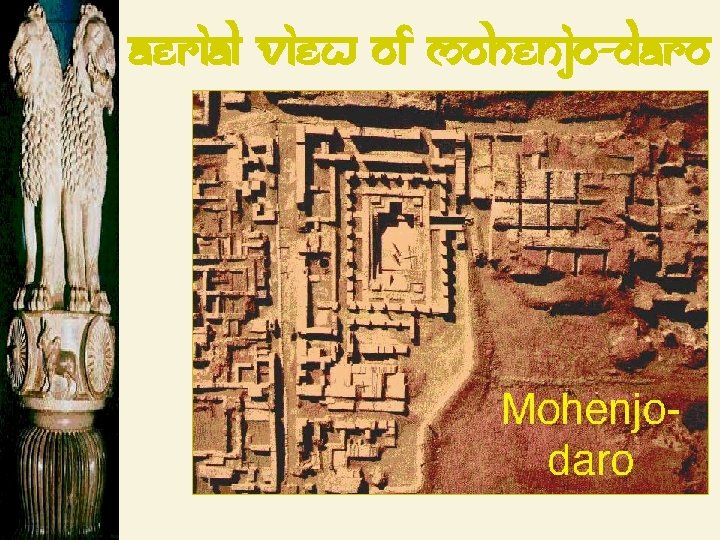
Aerial View of Mohenjo-Daro
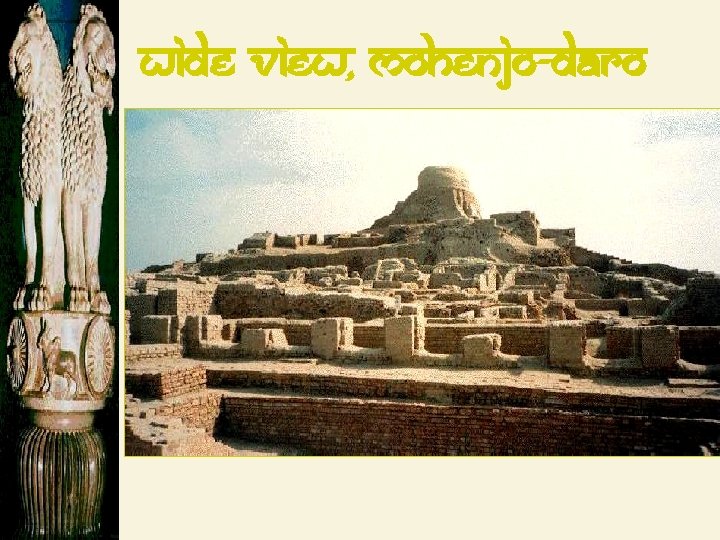
Wide View, Mohenjo-Daro
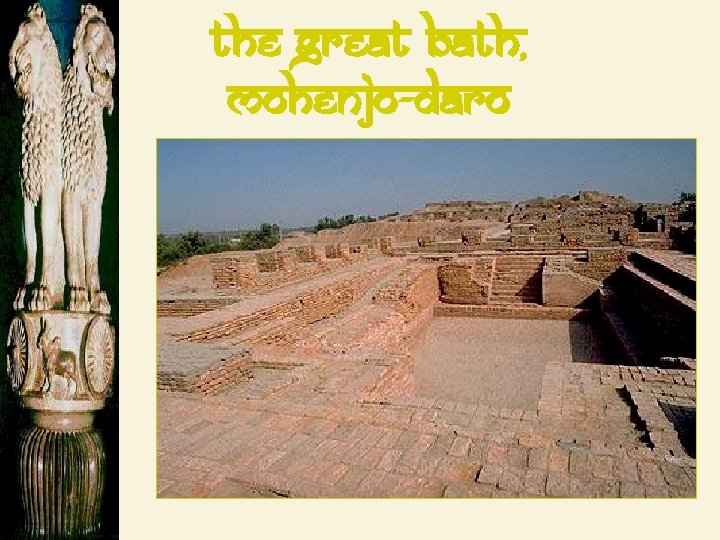
The Great Bath, Mohenjo-Daro
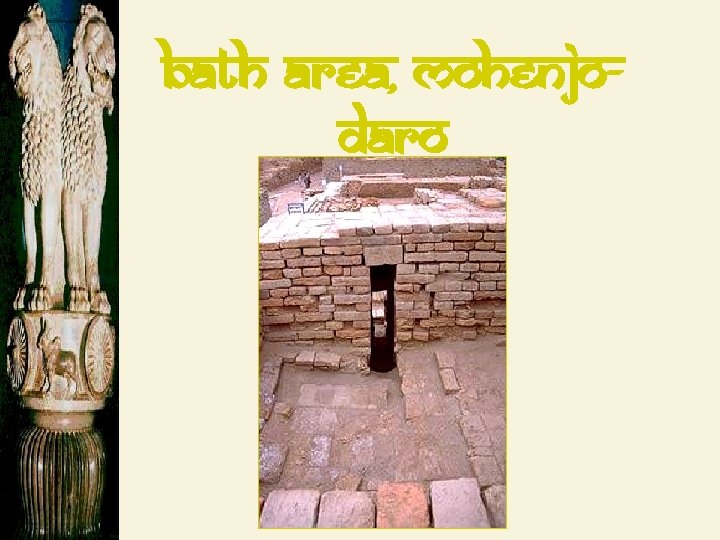
Bath Area, Mohenjo. Daro
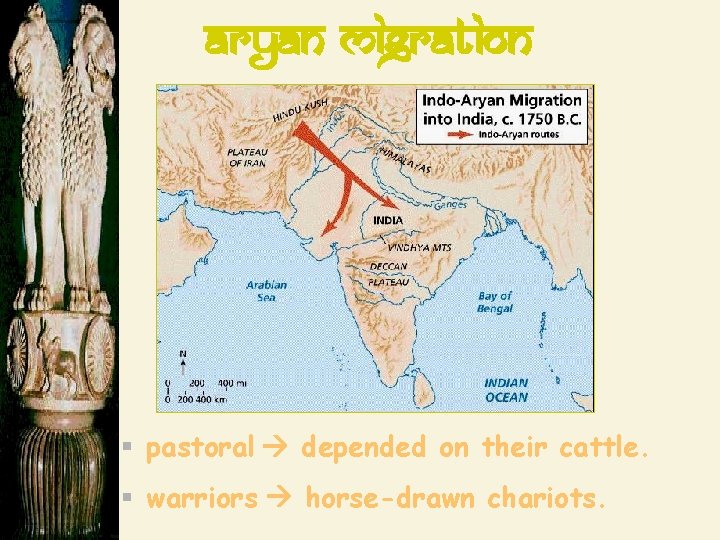
Aryan Migration § pastoral depended on their cattle. § warriors horse-drawn chariots.
![Varna (Social Hierarchy) Brahmins Kshatriyas Vaishyas Shudras Pariahs [Harijan] Untouchables](http://slidetodoc.com/presentation_image_h2/a8cb3a8eb02b7cf27f4ba5cc8379ba8a/image-10.jpg "Varna (Social Hierarchy) Brahmins Kshatriyas Vaishyas Shudras Pariahs [Harijan] Untouchables")
Varna (Social Hierarchy) Brahmins Kshatriyas Vaishyas Shudras Pariahs [Harijan] Untouchables
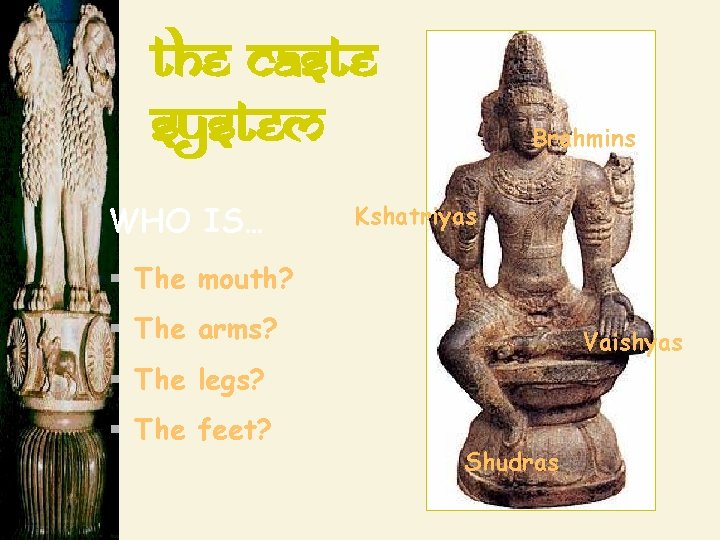
The Caste System WHO IS… Brahmins Kshatriyas § The mouth? § The arms? Vaishyas § The legs? § The feet? Shudras
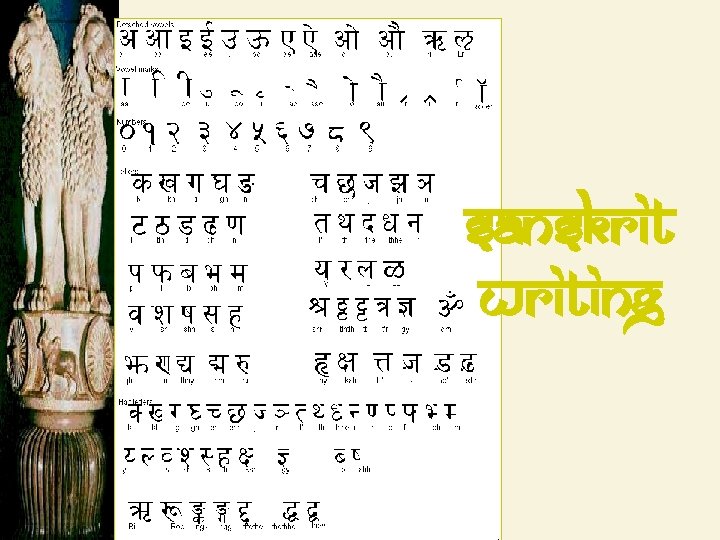
Sanskrit writing
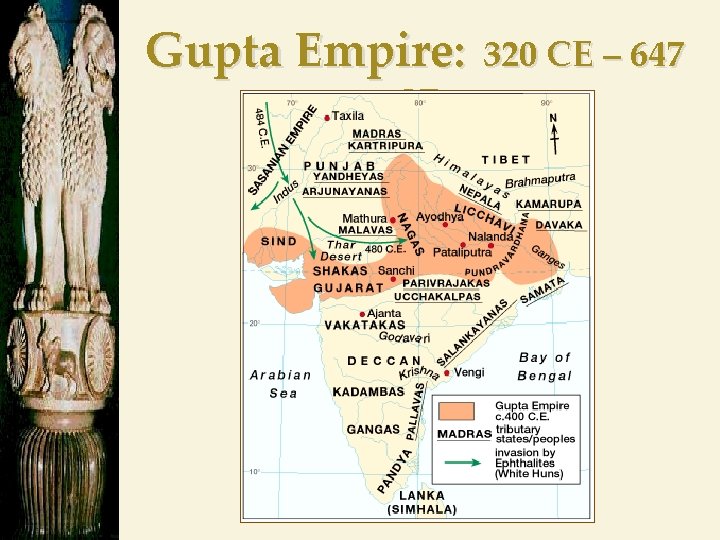
Gupta Empire: CE 320 CE – 647
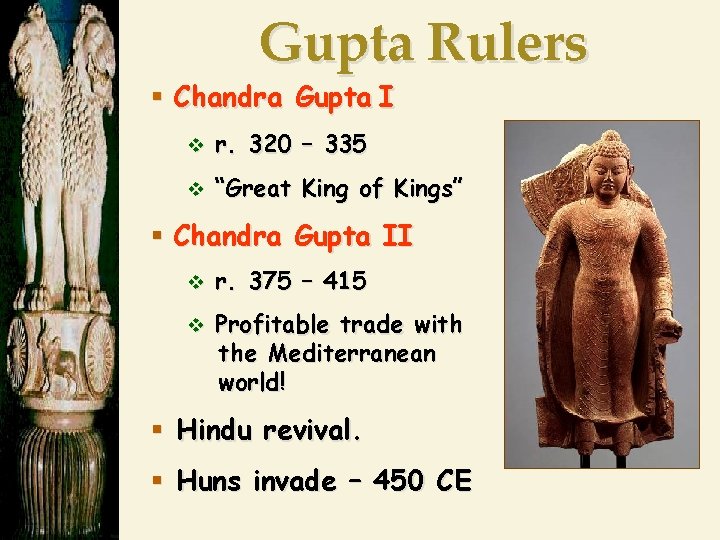
Gupta Rulers § Chandra Gupta I v r. 320 – 335 v “Great King of Kings” § Chandra Gupta II v r. 375 – 415 v Profitable trade with the Mediterranean world! § Hindu revival. § Huns invade – 450 CE
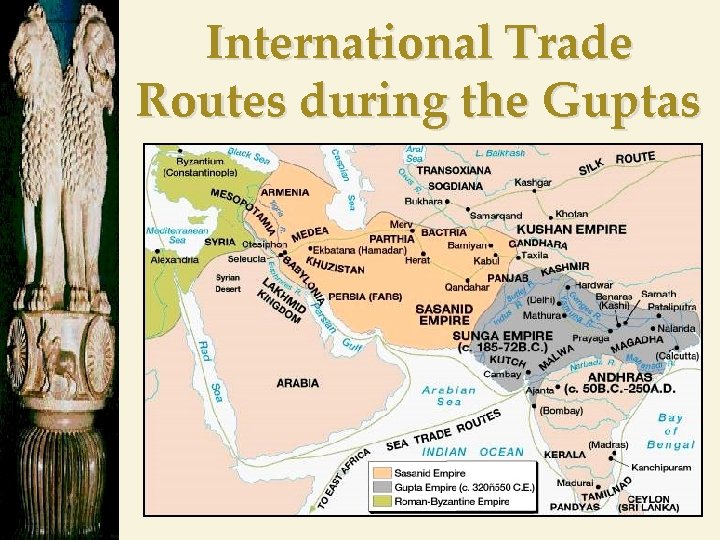
International Trade Routes during the Guptas
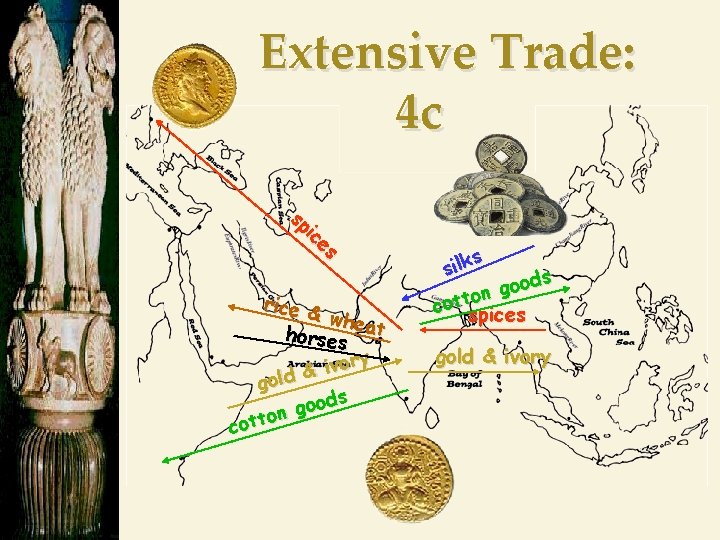
Extensive Trade: 4 c sp ic es rice & whea horses t vory i & gold ods o g on cott s silk ods o g on cottspices gold & ivory
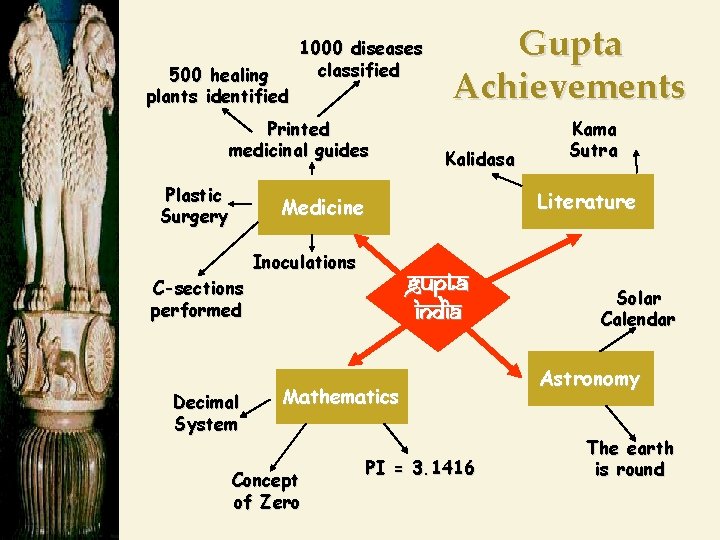
500 healing plants identified 1000 diseases classified Printed medicinal guides Plastic Surgery Gupta Achievements Kalidasa Literature Medicine Inoculations Gupta India C-sections performed Decimal System Mathematics Concept of Zero Kama Sutra PI = 3. 1416 Solar Calendar Astronomy The earth is round
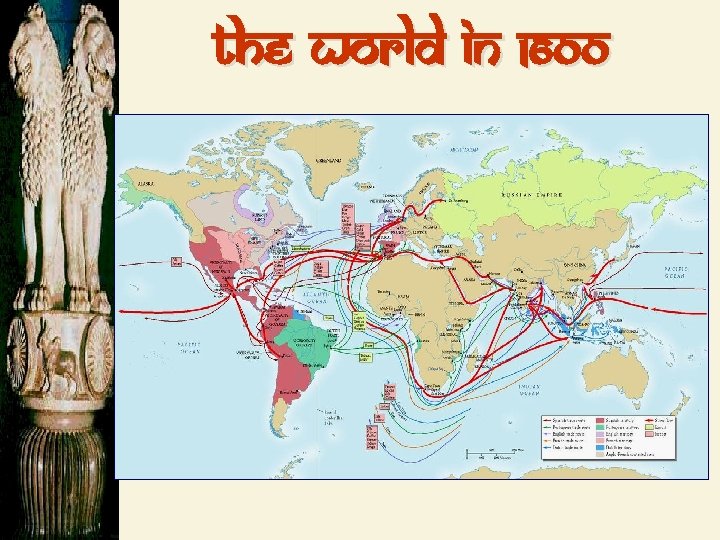
The World in 1600
British East India Company 1600 -1857 • A money making venture. • Trading in cotton, silk, indigo dye, saltpeter, tea and opium. 1 -E
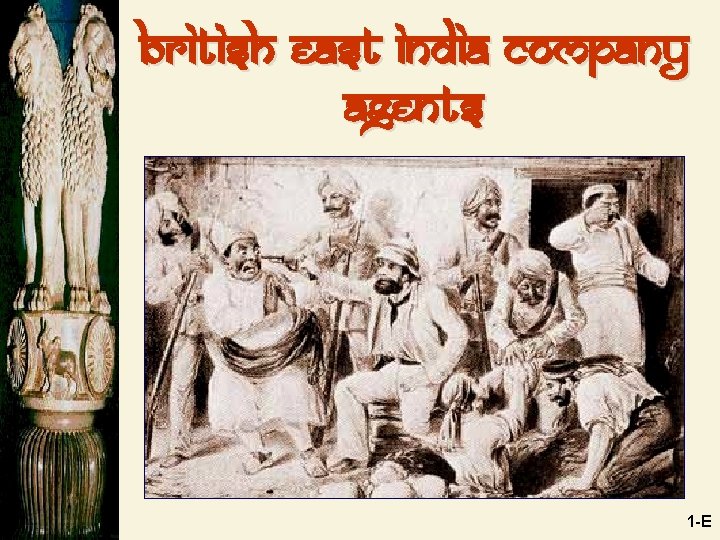
British East India Company Agents 1 -E
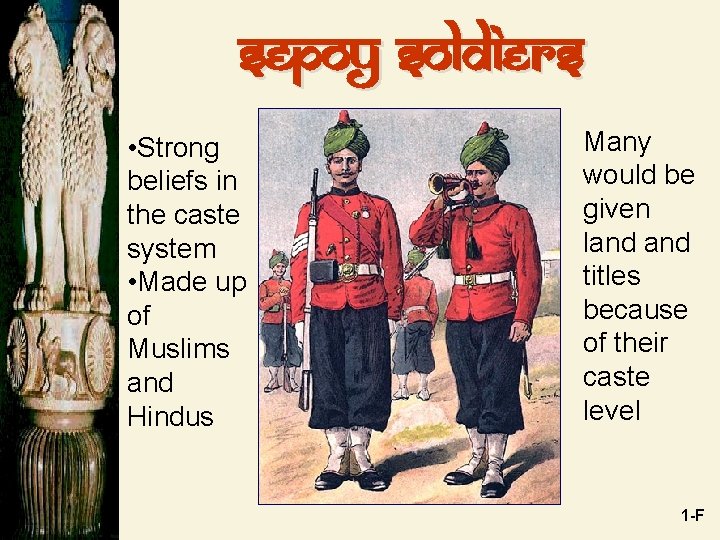
Sepoy soldiers • Strong beliefs in the caste system • Made up of Muslims and Hindus Many would be given land titles because of their caste level 1 -F
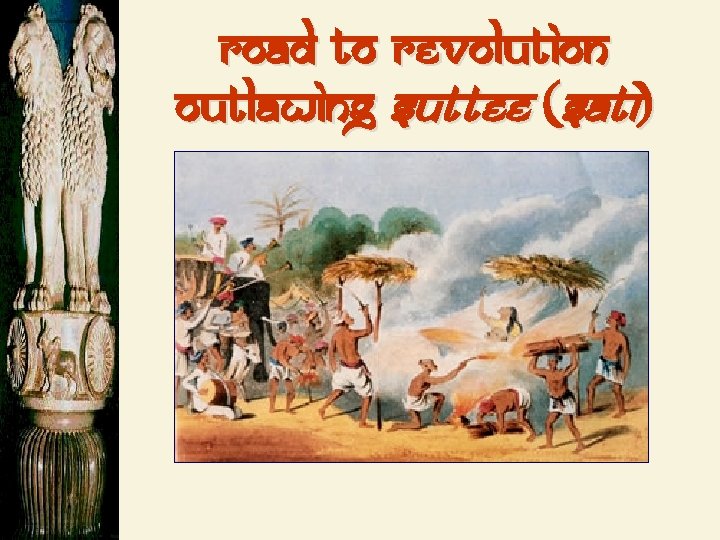
Road to revolution Outlawing Suttee (sati)
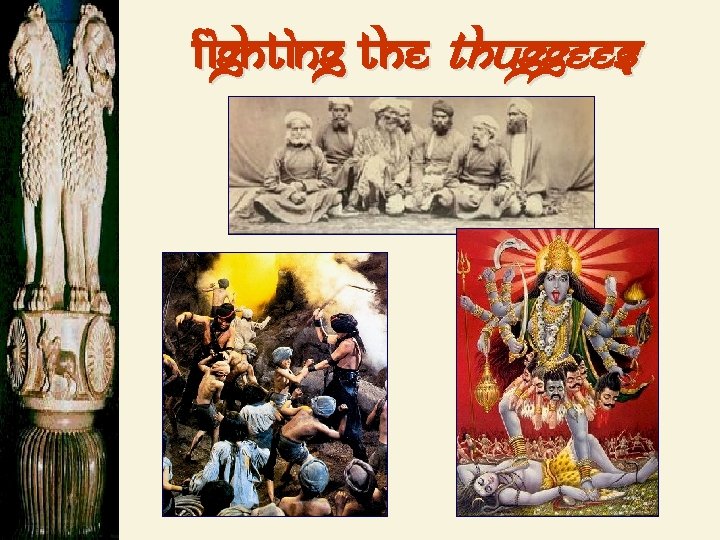
Fighting the Thuggees
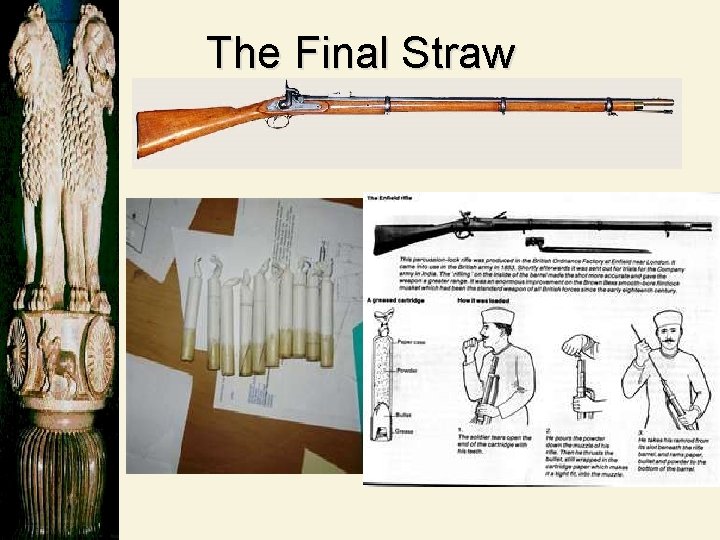
The Final Straw
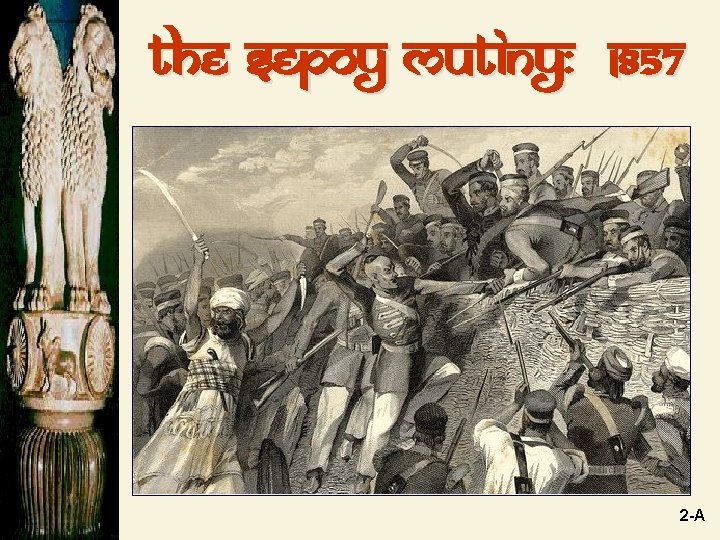
The Sepoy Mutiny: 1857 2 -A
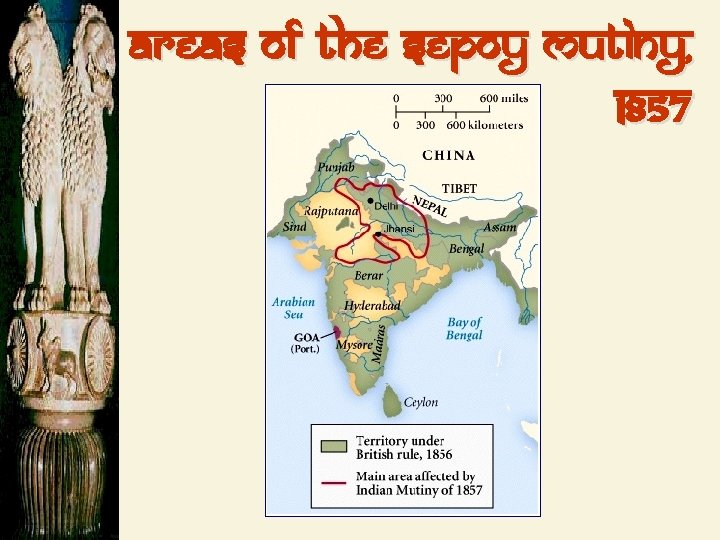
Areas of the Sepoy Mutiny, 1857
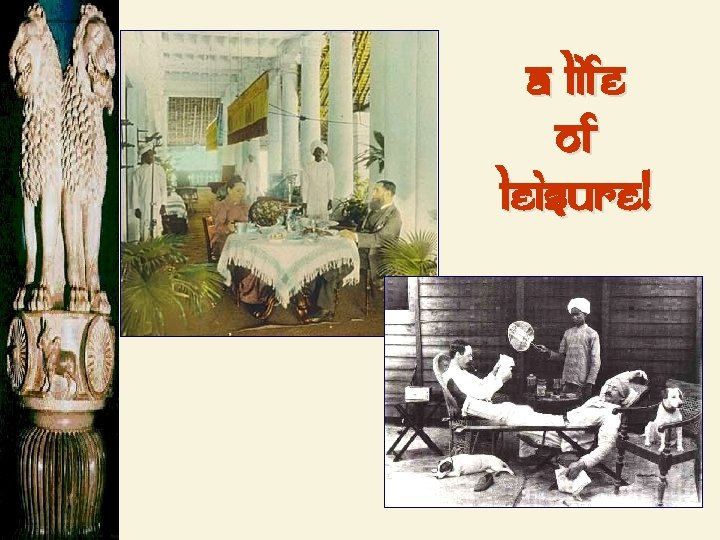
A Life of Leisure!
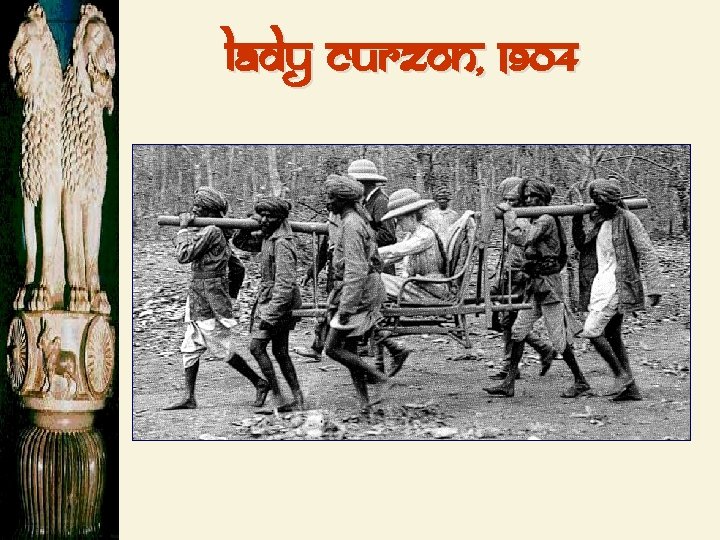
Lady Curzon, 1904
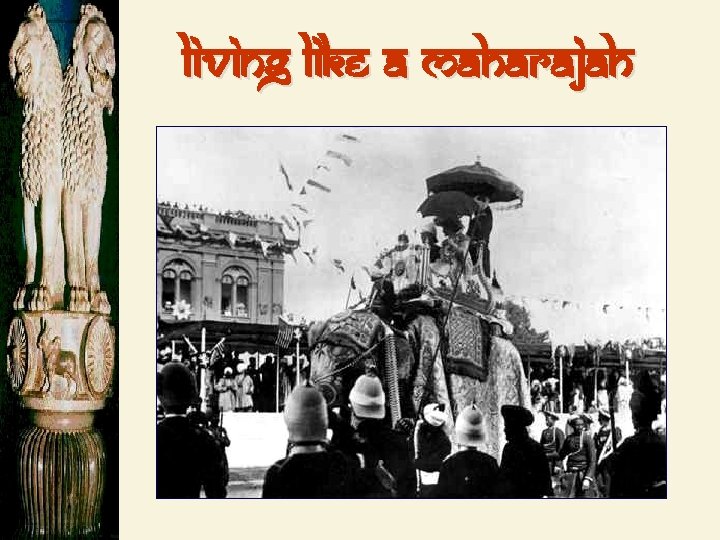
Living Like a Maharajah
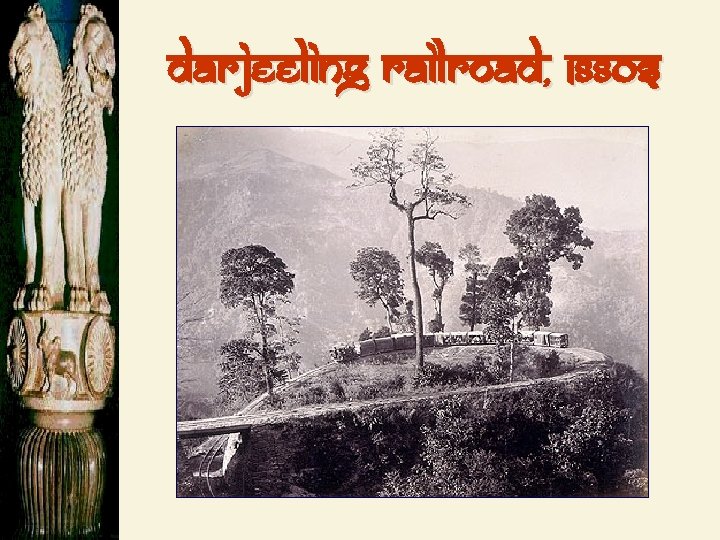
Darjeeling Railroad, 1880 s
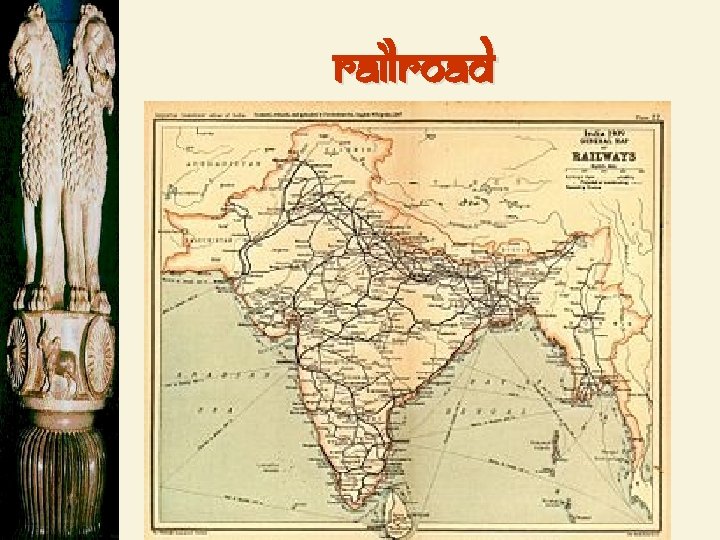
Railroad
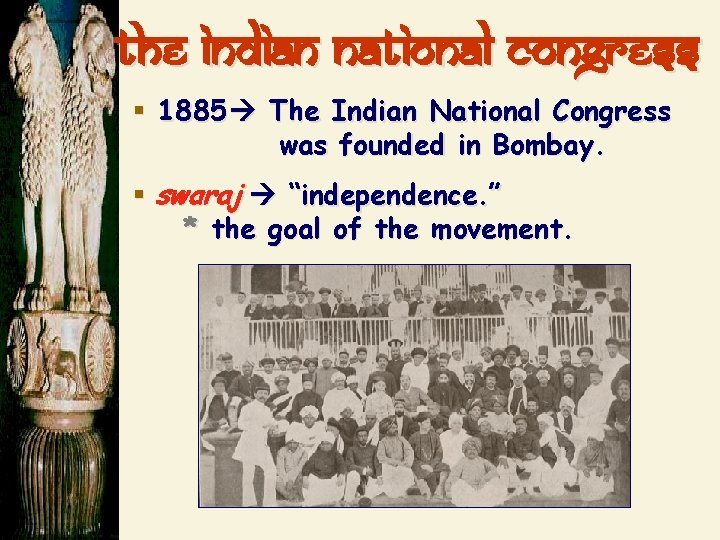
the Indian National Congress § 1885 The Indian National Congress was founded in Bombay. § swaraj “independence. ” * the goal of the movement.
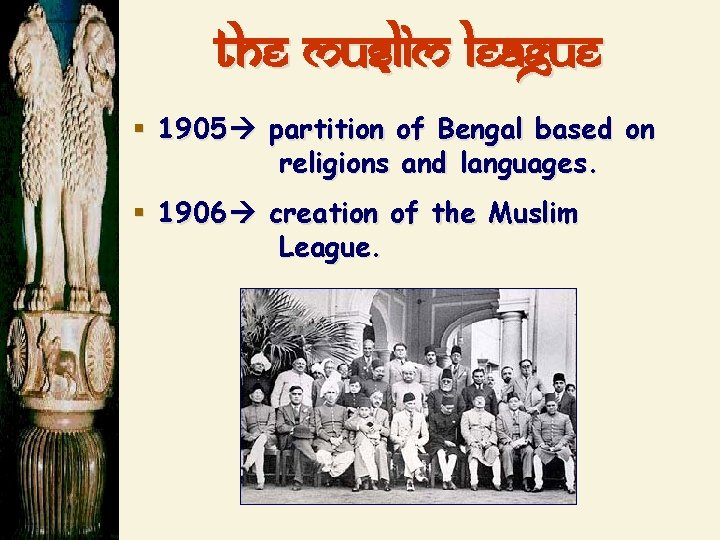
the Muslim League § 1905 partition of Bengal based on religions and languages. § 1906 creation of the Muslim League.
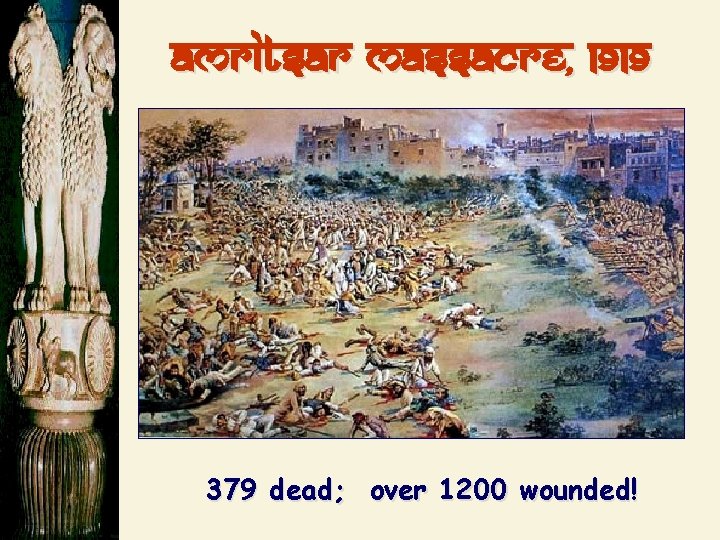
Amritsar Massacre, 1919 379 dead; over 1200 wounded!
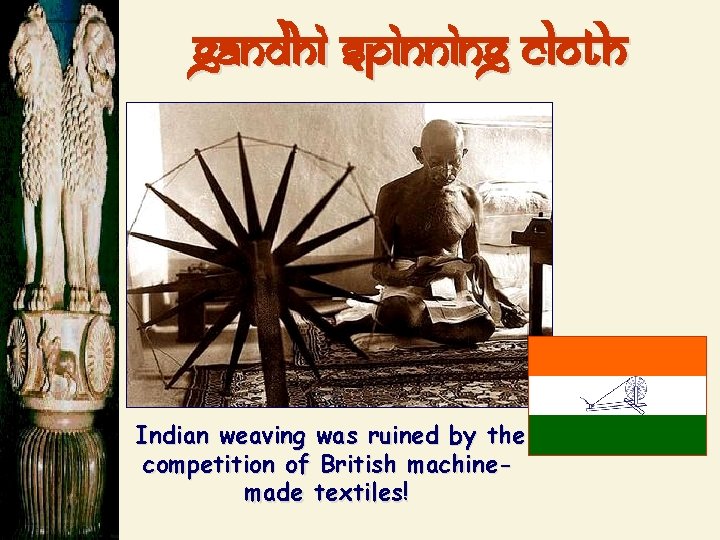
Gandhi spinning cloth Indian weaving was ruined by the competition of British machinemade textiles!
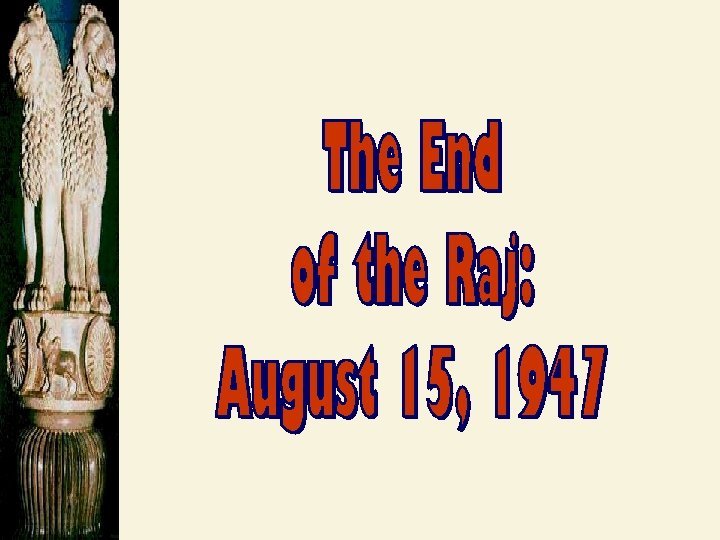
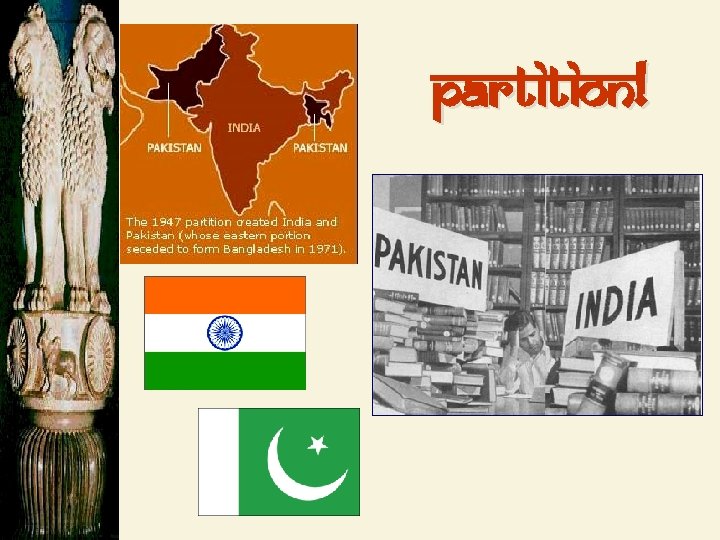
Partition!
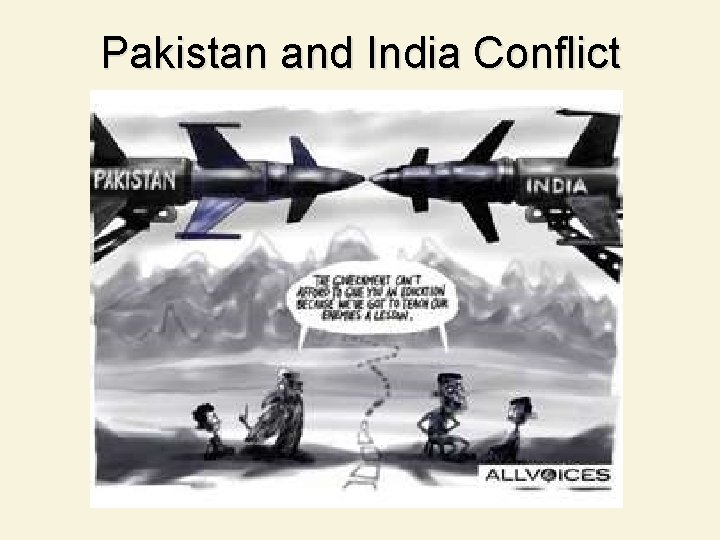
Pakistan and India Conflict
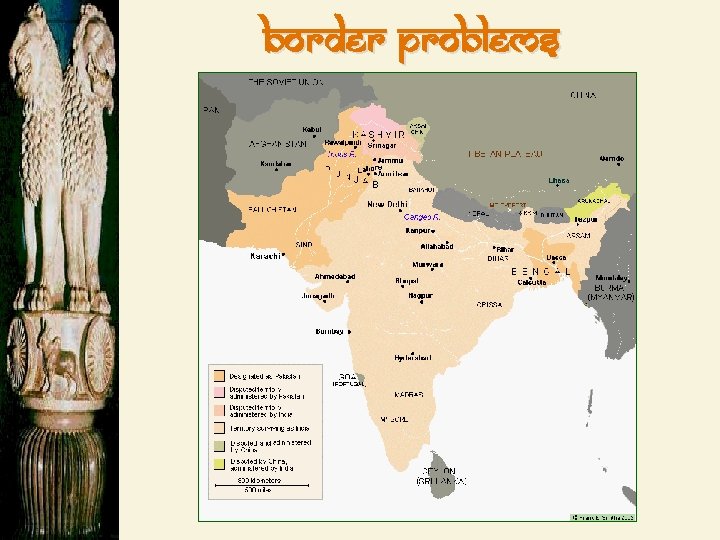
Border problems
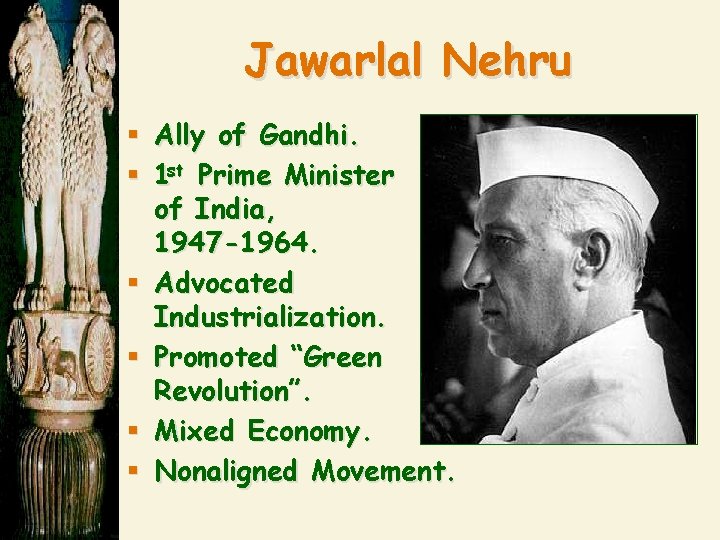
Jawarlal Nehru § Ally of Gandhi. § 1 st Prime Minister of India, 1947 -1964. § Advocated Industrialization. § Promoted “Green Revolution”. § Mixed Economy. § Nonaligned Movement.
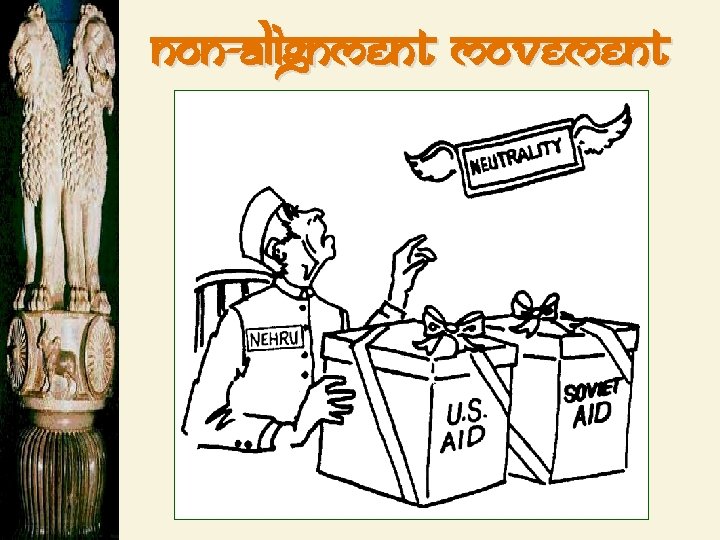
Non-Alignment Movement
India’s “mixed economy” § The “mix” refers to private and public ownership. § Foreign aid and foreign investment are crucial. § Urban areas have high-tech companies. § Three quarters of the population are farmers living in small villages. § India's "Green Revolution" allowed farmers to triple their crop by using modern science and technology.
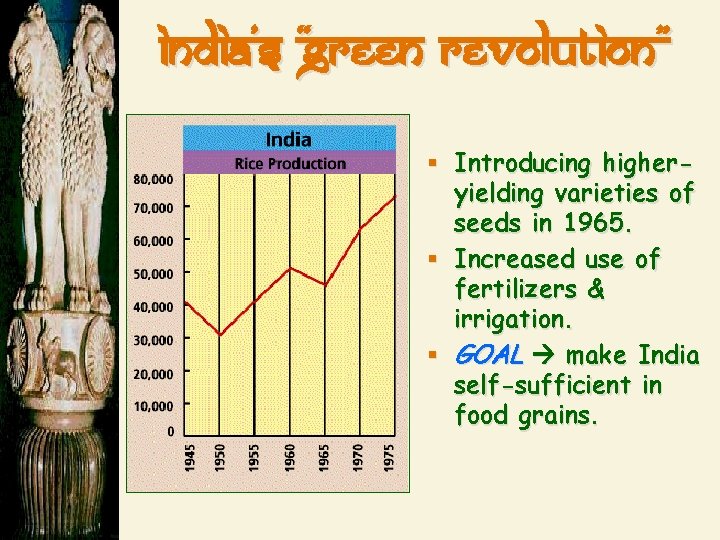
India’s “Green Revolution” § Introducing higheryielding varieties of seeds in 1965. § Increased use of fertilizers & irrigation. § GOAL make India self-sufficient in food grains.
Major problems & Issues in india today Overpopulation 1 billion & climbing. Economic development. Hindu-Muslim tensions. Gender issues dowry killings. Caste bias discrimination against untouchables continues. § The Kashmir dispute and nuclear weapons. § Political assassinations. § § §
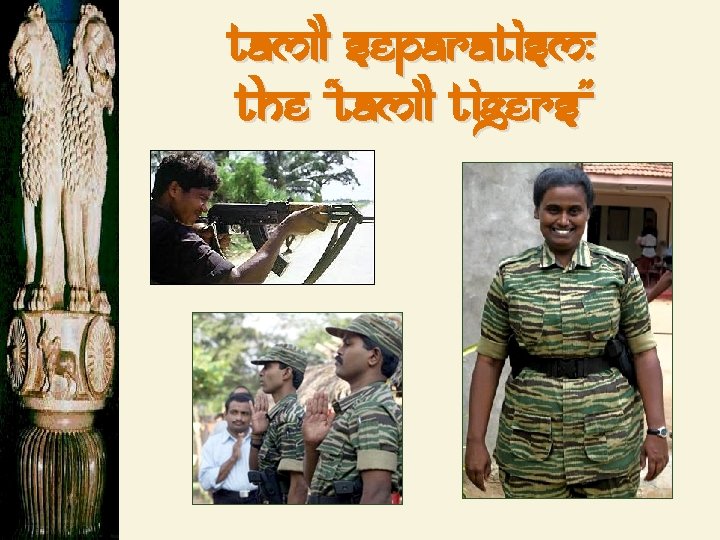
Tamil Separatism: The “tamil tigers”
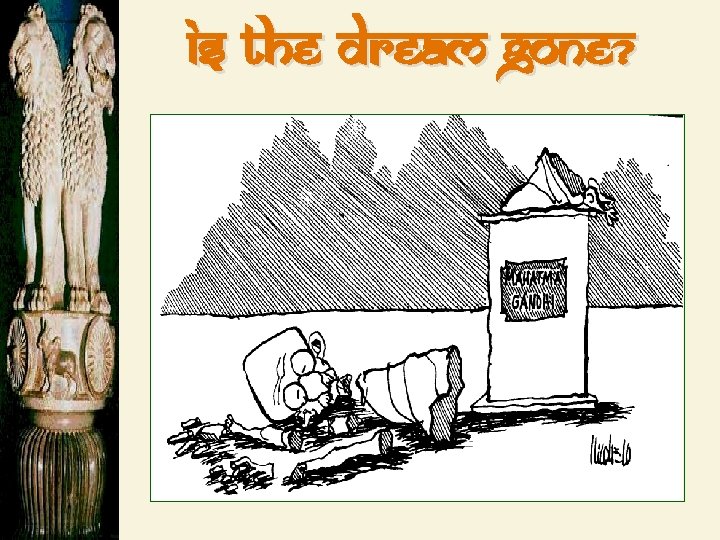
Is the dream gone?
Major problems & Issues in Pakistan today § Economic development. § Political instability/military dictatorship. § Hindu-Muslim tensions. § Gender issues honor killings. § Terrorism. § The Kashmir dispute and nuclear weapons.
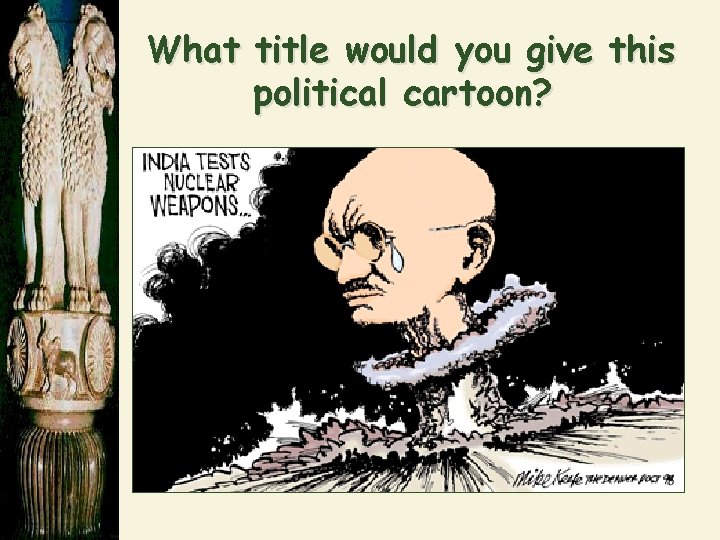
What title would you give this political cartoon?
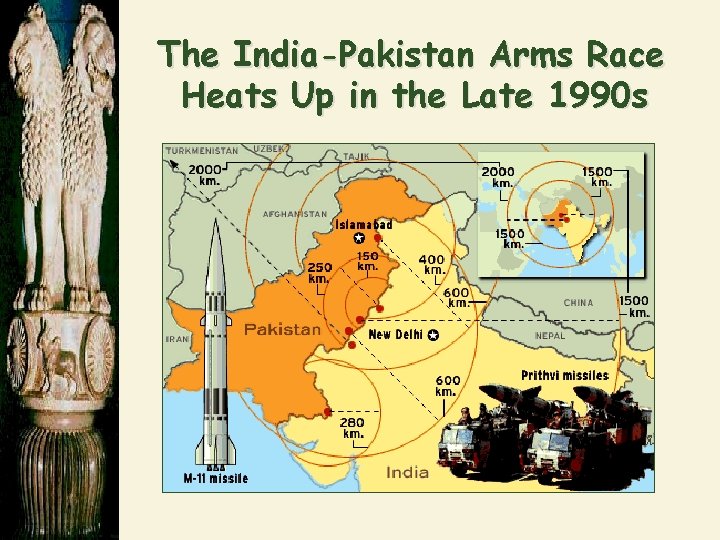
The India-Pakistan Arms Race Heats Up in the Late 1990 s
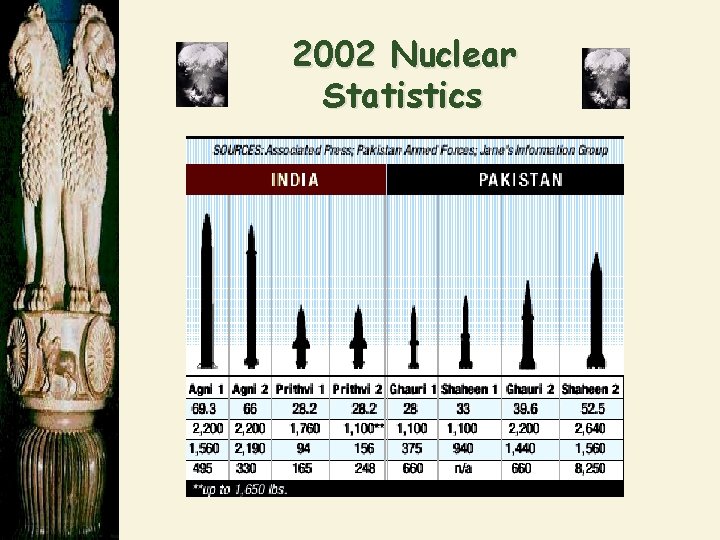
2002 Nuclear Statistics
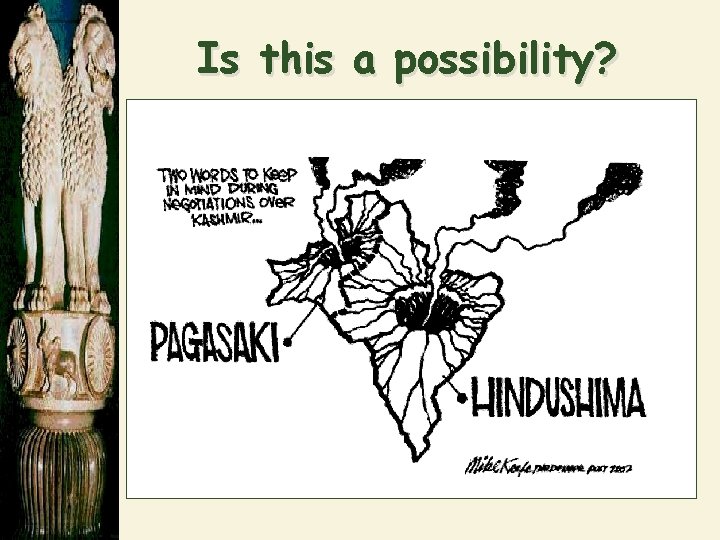
Is this a possibility?
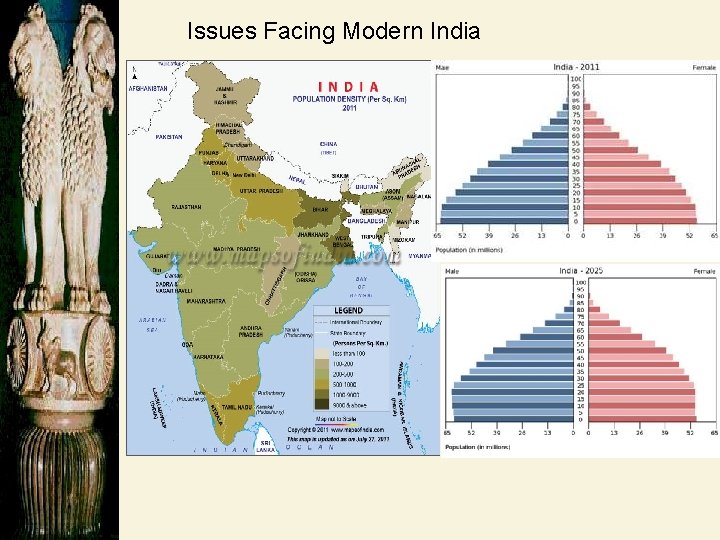
Issues Facing Modern India
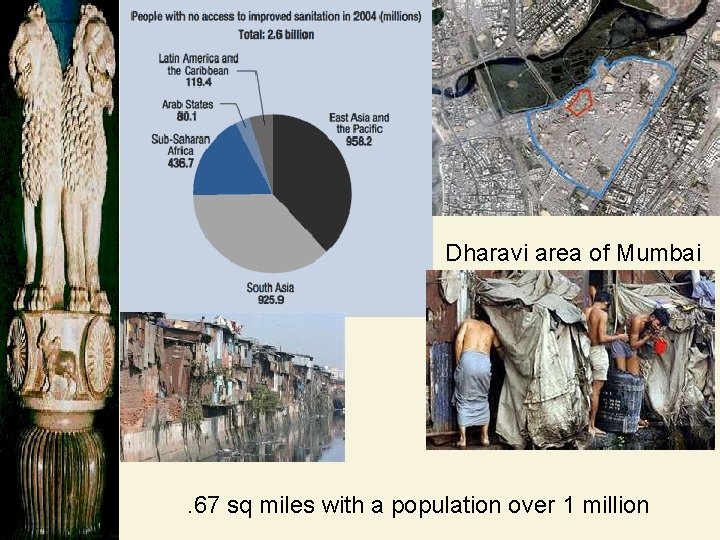
Dharavi area of Mumbai . 67 sq miles with a population over 1 million
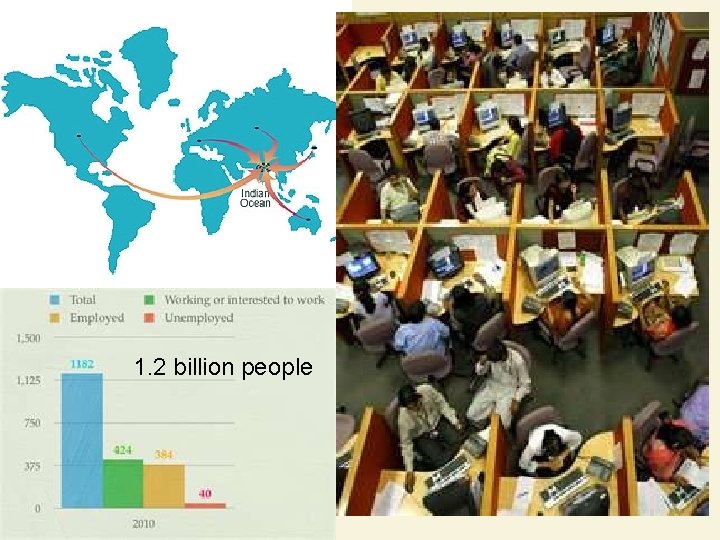
1. 2 billion people
- Slides: 60