
The Greeks Sculpture the Arts Greek Proportion Essential

- Slides: 63
The Greeks Sculpture & the Arts
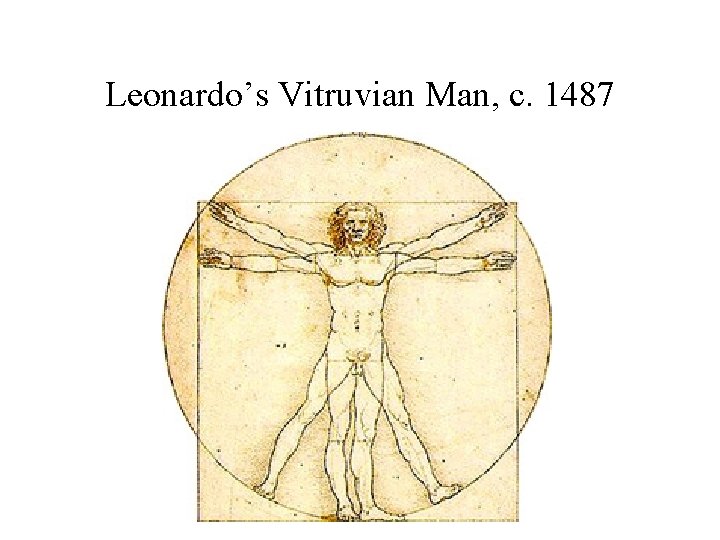
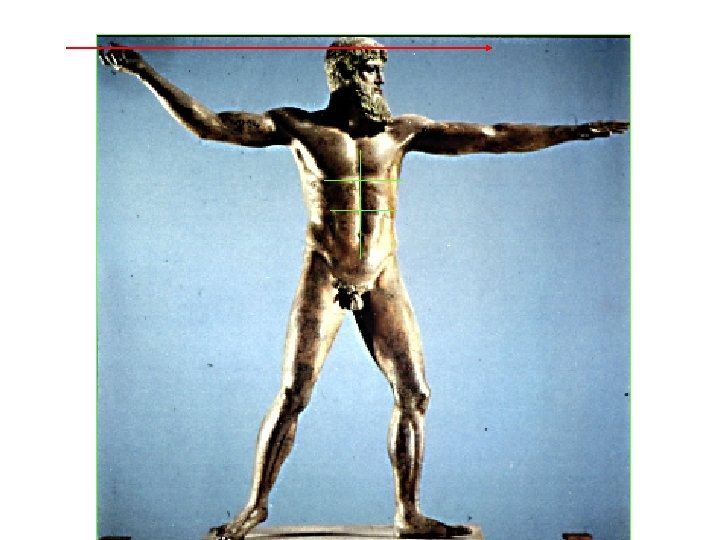
Greek Proportion • Essential in representations of the body and in architecture • Roman Vitruvius recorded Greek aesthetic principles • Vitruvius: Proportion= “a correspondence among the measures of the members of an entire work, and of the whole to a certain part selected as standard” (109).
Leonardo’s Vitruvian Man, c. 1487
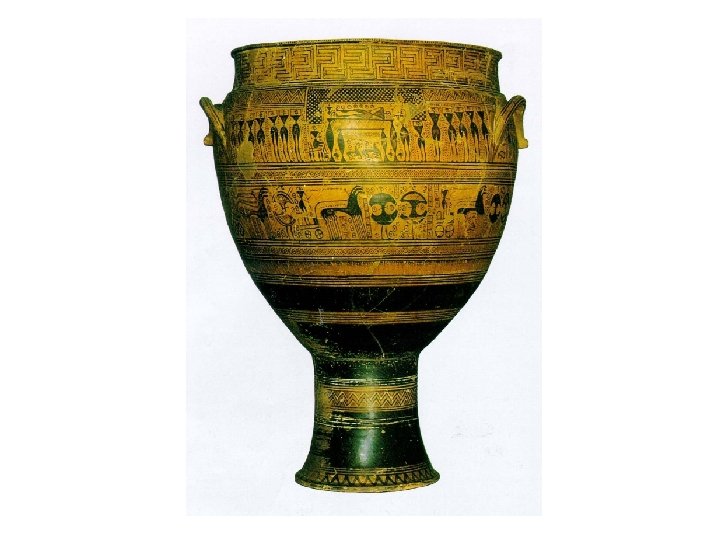
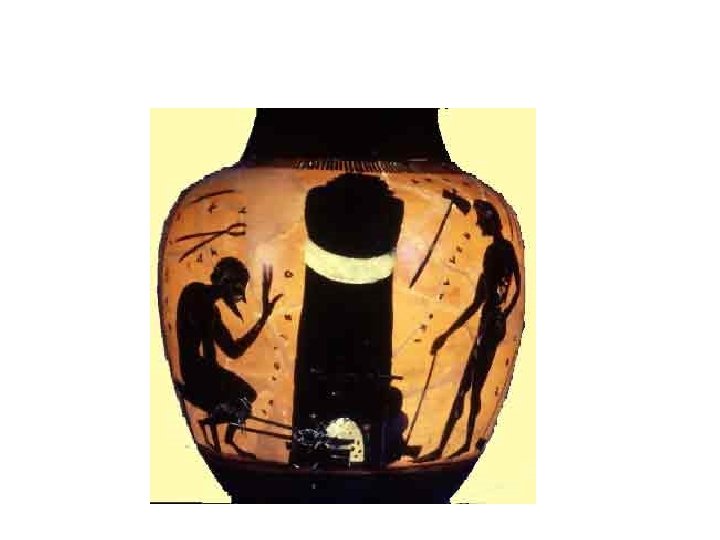
Greek Vases: Geometric Period • c. 1200 -700 BCE • “complex geometric patterns organized according to the shape of the vessel” (109) • Example: Krater, c. 750 BCE
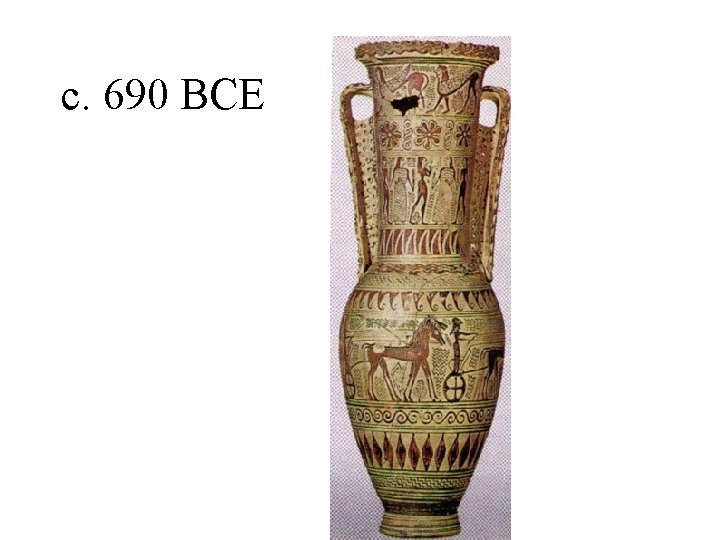
c. 690 BCE
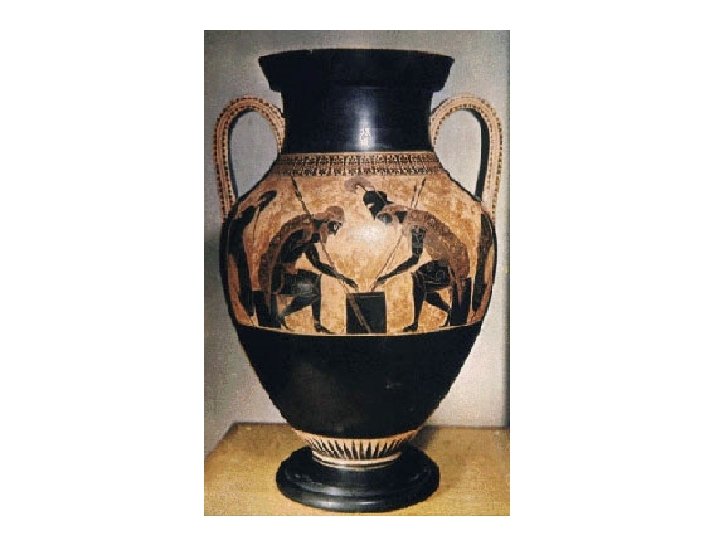
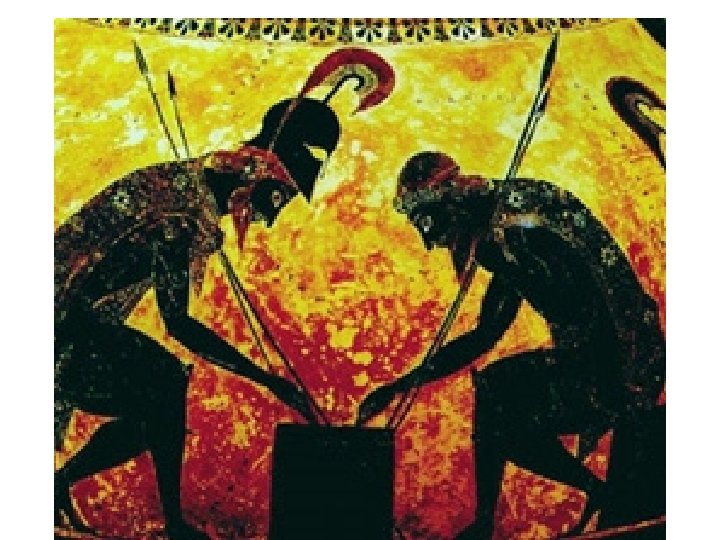
Greek Vases: Archaic Period • c. 700 -480 BCE • Black or brown figures painted in the central area of the vase—background is red color of clay • Scenes from everyday life, literature, mythology • Example: Achilles and Ajax Playing Dice, c. 530 BCE
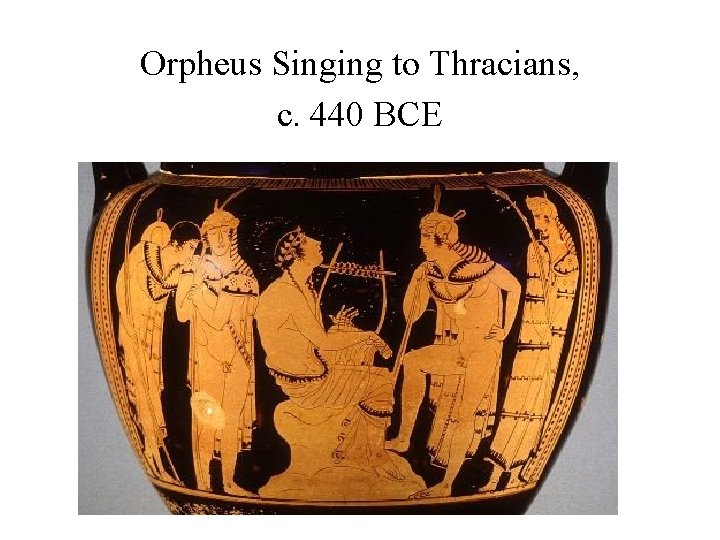
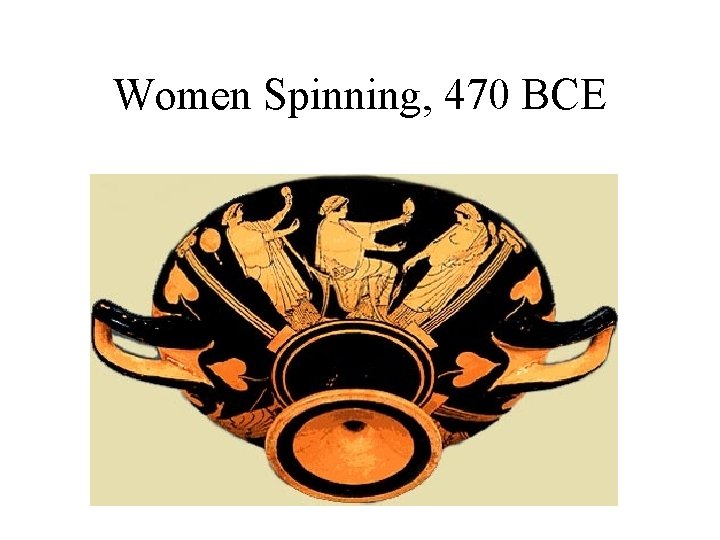
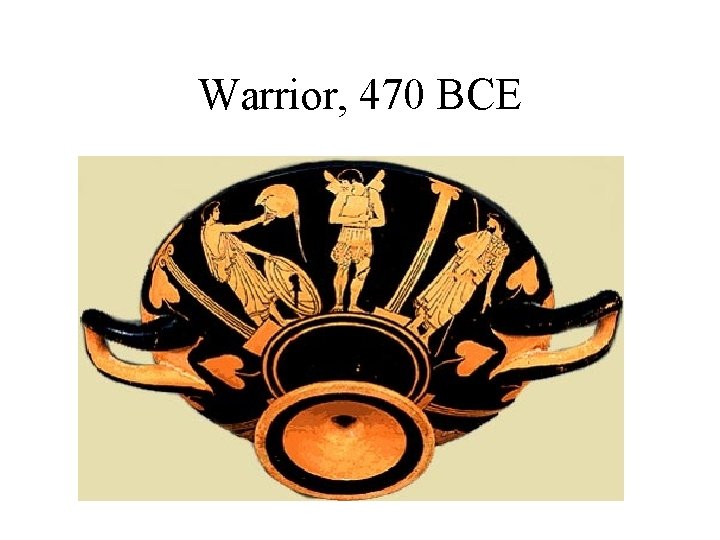
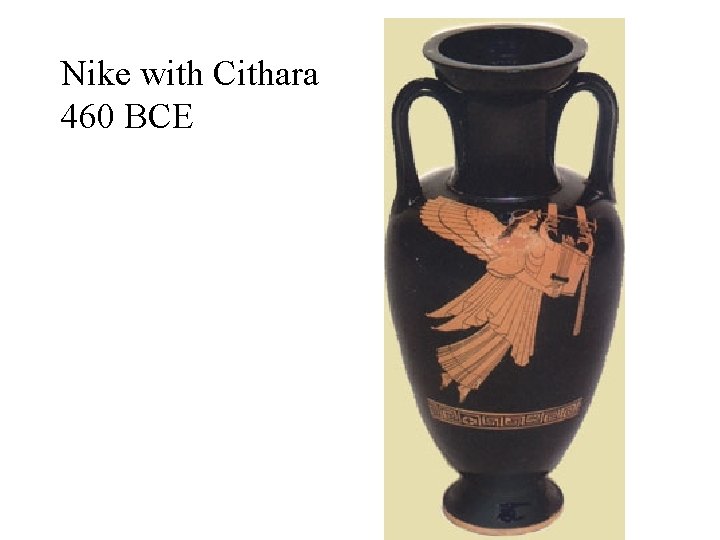
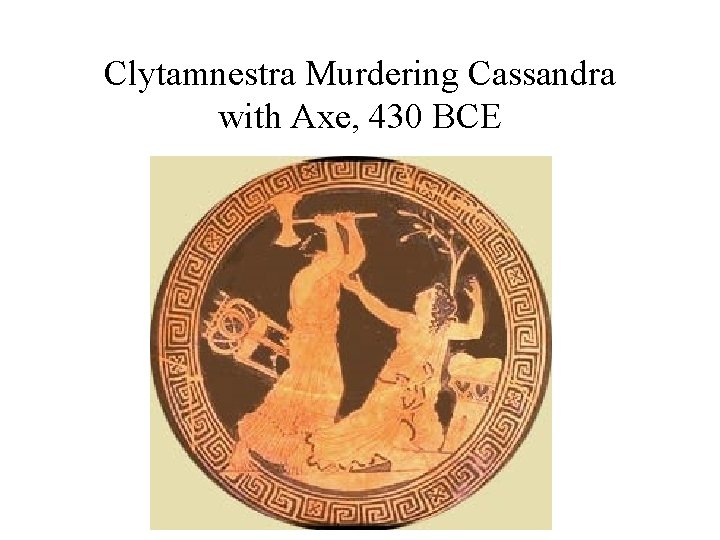
Greek Vases: Classical Period • c. 480 -323 BCE • Figures are represented by the red clay color; the background is painted black: this is the “negative” of the Archaic style • More life-like, more detail, and more natural poses than the Archaic • Combined real and ideal
Orpheus Singing to Thracians, c. 440 BCE
Women Spinning, 470 BCE
Warrior, 470 BCE
Nike with Cithara 460 BCE
Clytamnestra Murdering Cassandra with Axe, 430 BCE
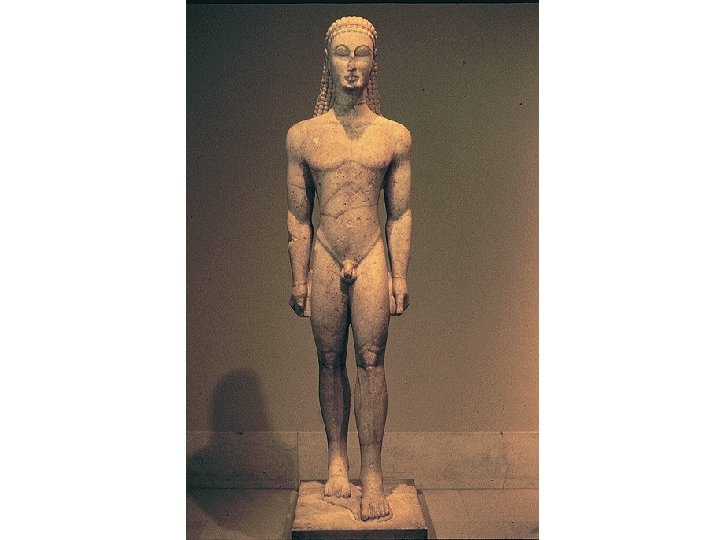
Greek Sculpture: Archaic Period • c. 700 -480 BCE • Freestanding male nude, for “cult statues, funerary monuments, memorials” (111) • Kouros (male youth) from 600 BCE • Rigid, block-like • Body weight distributed equally on both feet
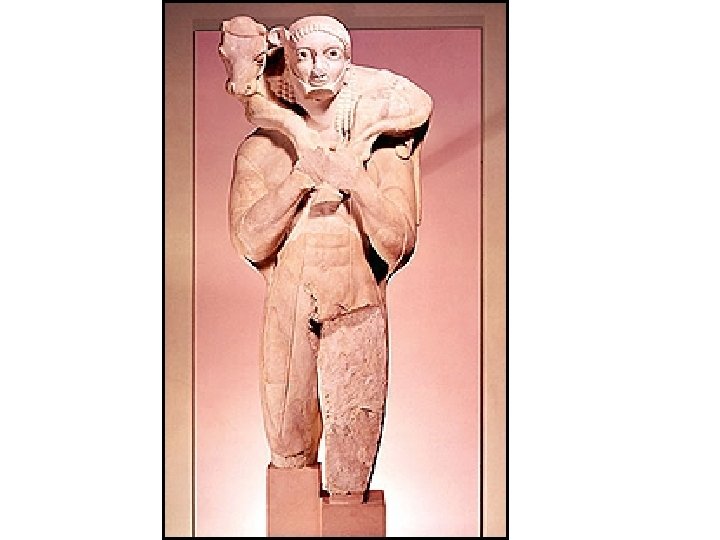
Archaic Period • Calf-Bearer, c. 575 -550 BCE – More realistic (muscles, and semi-precious stones for eyes) – smiling
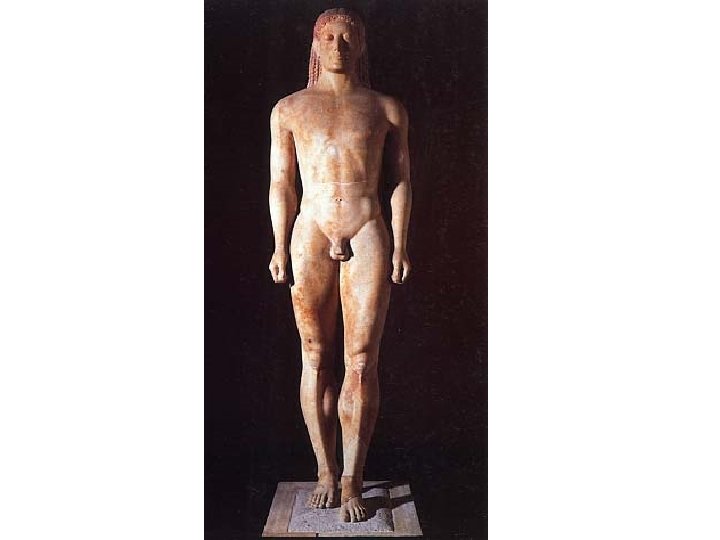
Archaic Period • Kroisos, c. 525 BCE – Body weight distributed equally on both feet – Forearms turned inward – Smiling even more
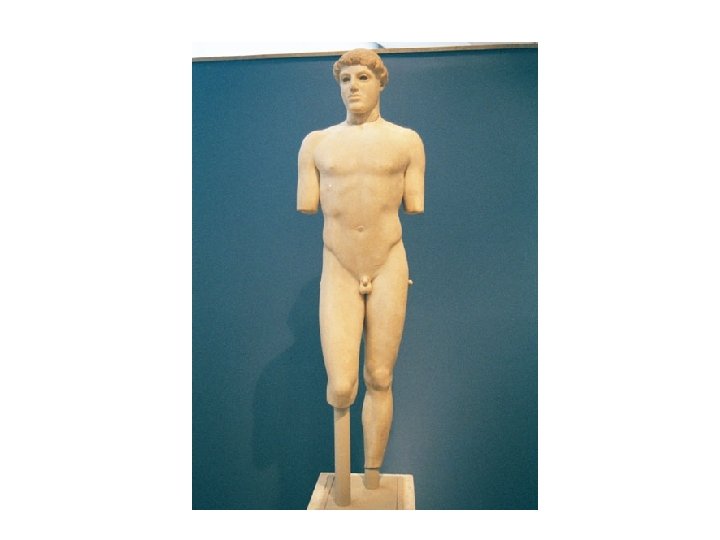
Greek Sculpture: Classical Period • Kritios Boy, c. 480 BCE – Turning torso – Greater weight on left leg: contrapposto – Solemn expression, not smiling
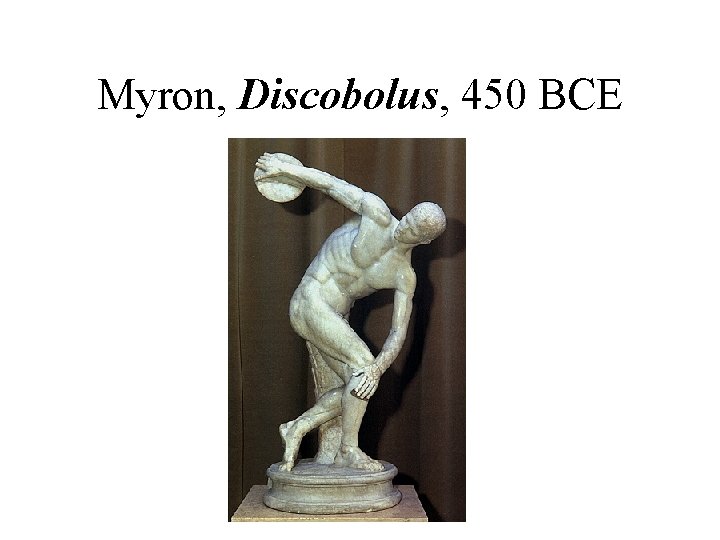
Myron, Discobolus, 450 BCE
Myron, Discobolus, 450 BCE • Captures “the decisive moment just before the action” (113) • The viewer can imagine from this moment what came before and what will follow
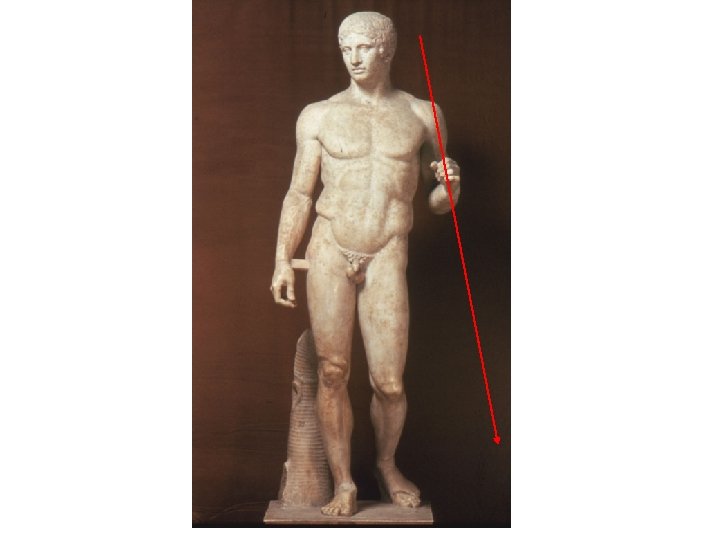
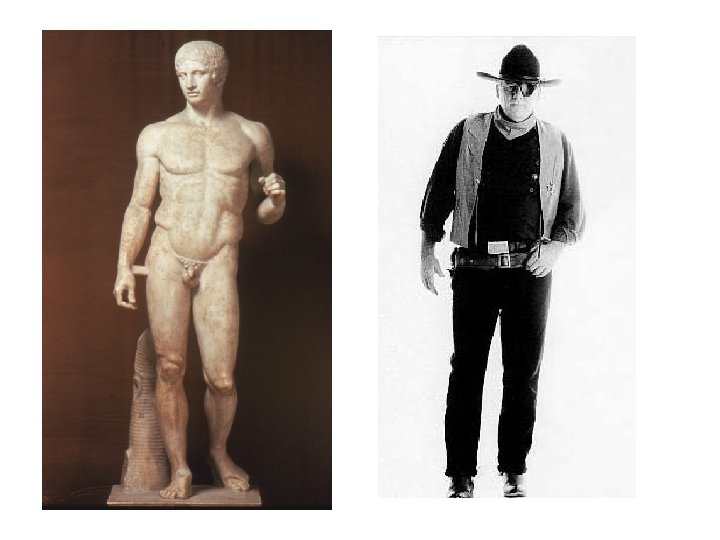
Classical Period • Polycleitus, Doryphorus (Spear-Bearer), c. 450 -440 BCE – Striding forward, weight on right leg – Once held a spear in left hand – Motion and repose combined
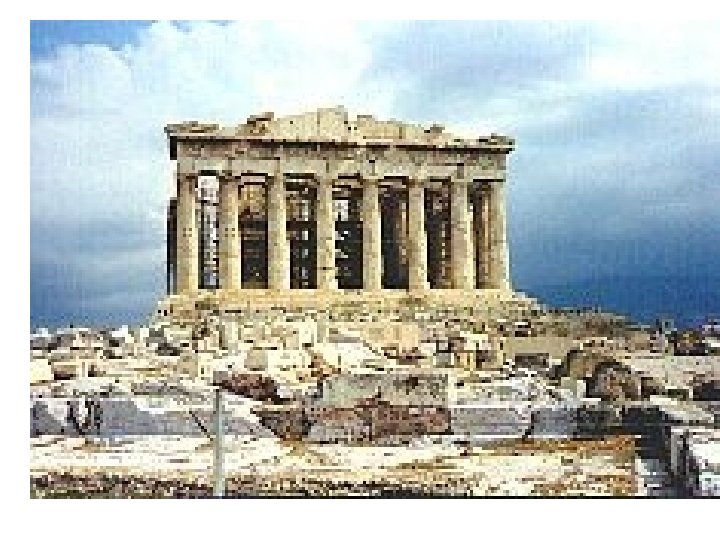
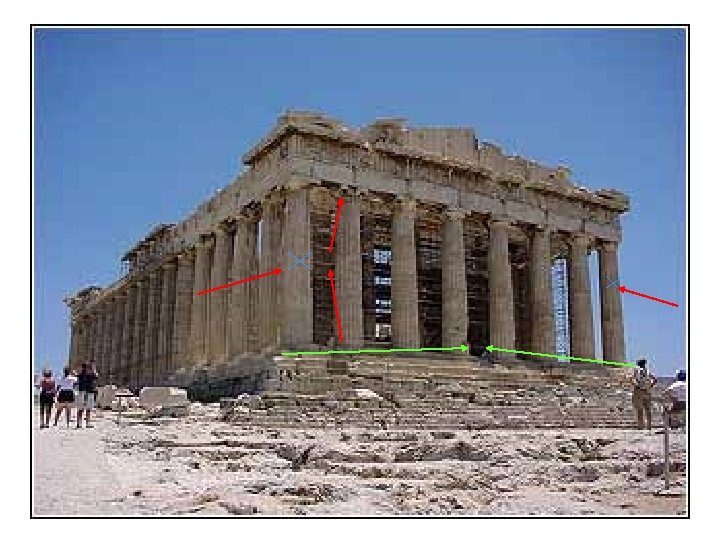
The Parthenon • • 448 -432 BCE Ictinus and Kallicrates, architects Phidias, artist Human scale: structured on proportions of the human body • Intended to be walked around and looked at • For the living, not the dead
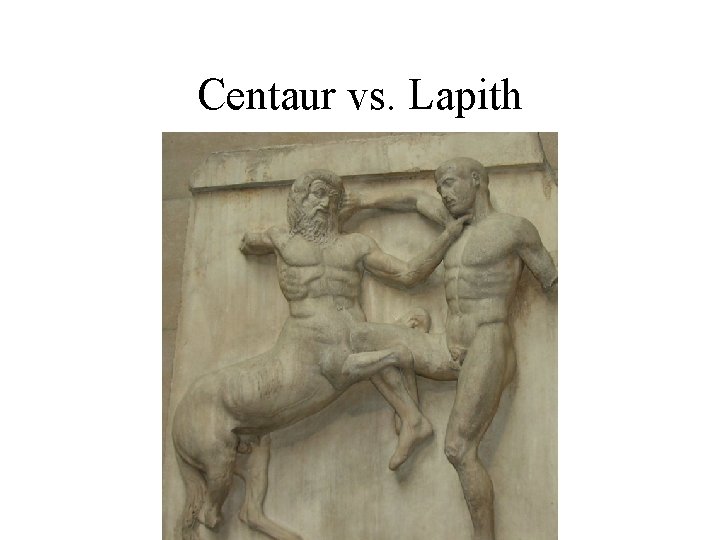
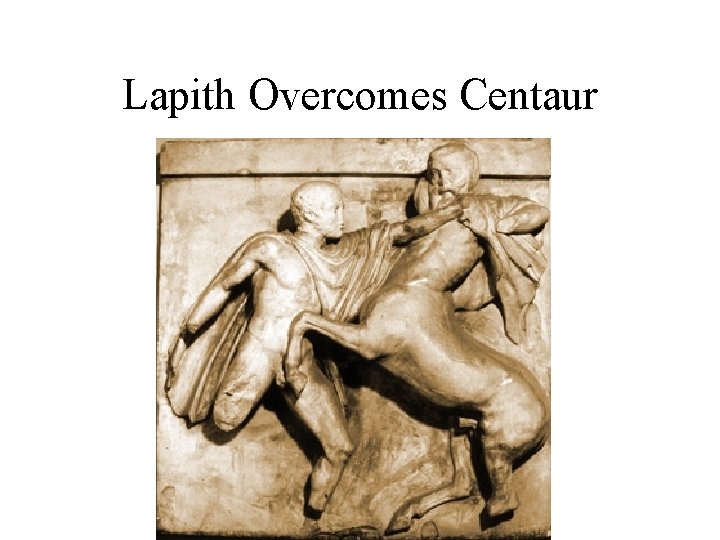
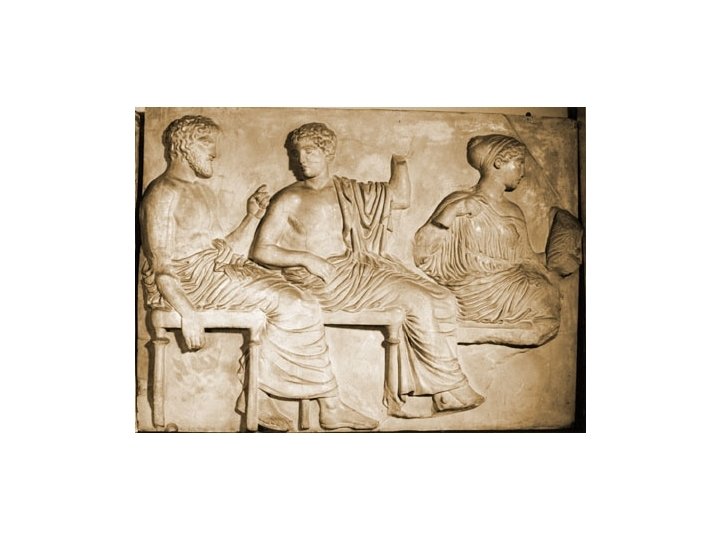
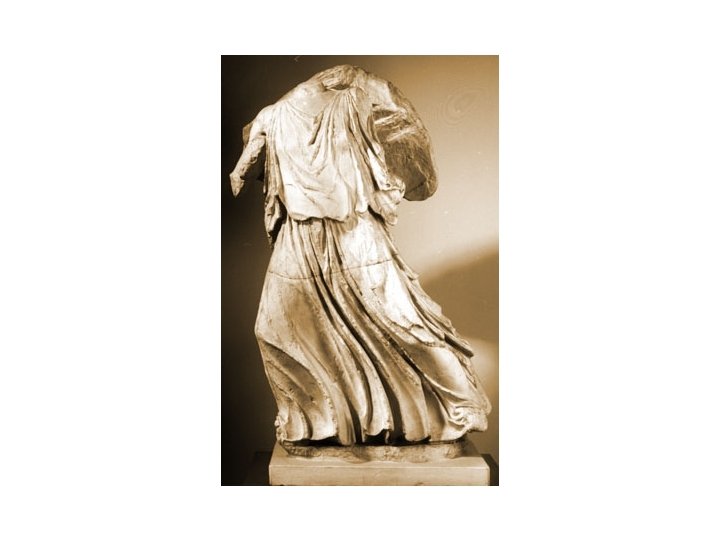
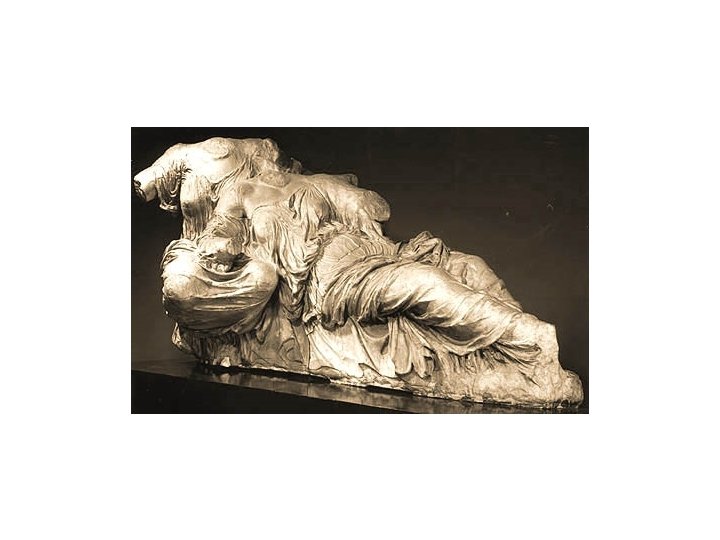
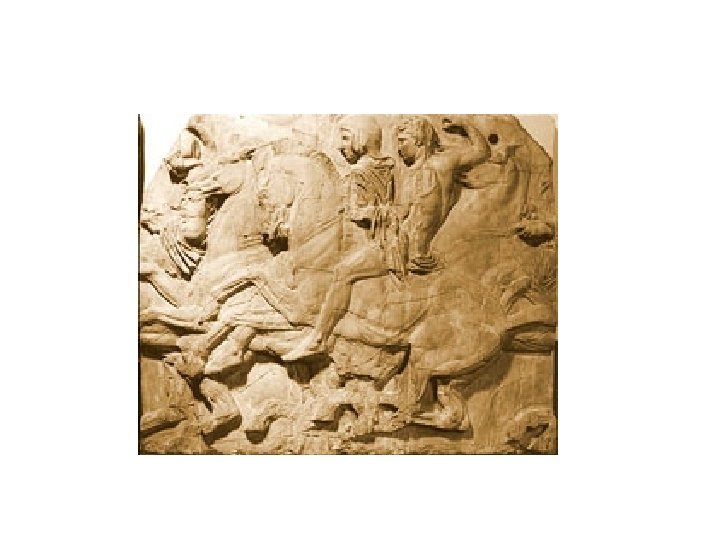
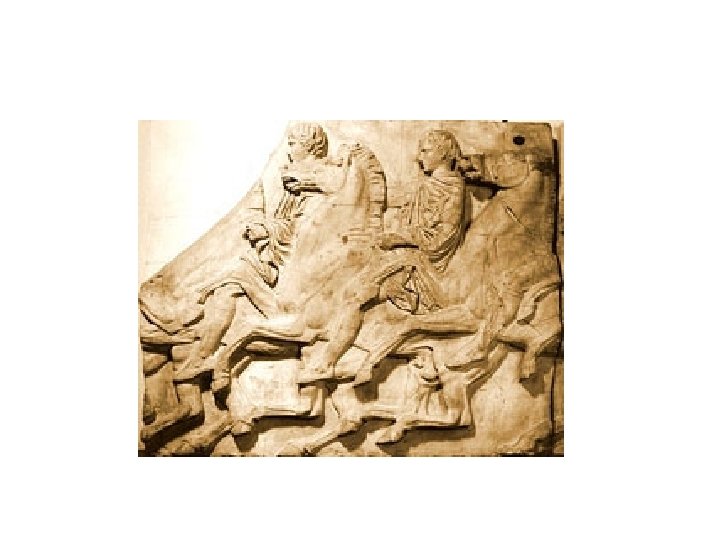
Parthenon Frieze (outer wall of cella) • Also known as Elgin Marbles • Thomas Bruce, 7 th Earl of Elgin, was the British official in Ottoman Athens; he ordered the frieze removed from the Parthenon • Moved to Britain in 1801 -05 • Today these sculptures are in British Museum
Lord Byron Dull is the eye that will not weep to see Thy walls defaced, thy mouldering shrines removed By British hands, which it had best behoved To guard those relics ne’er to be restored. —"Childe Harold's Pilgrimmage"
John Keats, “On Seeing the Elgin Marbles for the First Time, ” 1817 My spirit is too weak; mortality Weighs heavily on me like unwilling sleep, And each imagined pinnacle and steep Of godlike hardship tells me I must die Like a sick eagle looking at the sky.
Yet 'tis a gentle luxury to weep, That I have not the cloudy winds to keep Fresh for the opening of the morning's eye. Such dim-conceived glories of the brain Bring round the heart an indescribable feud;
So do these wonders a most dizzy pain, That mingles Grecian grandeur with the rude Wasting of old Time -with a billowy main, A sun, a shadow of a magnitude.
Centaur vs. Lapith
Lapith Overcomes Centaur
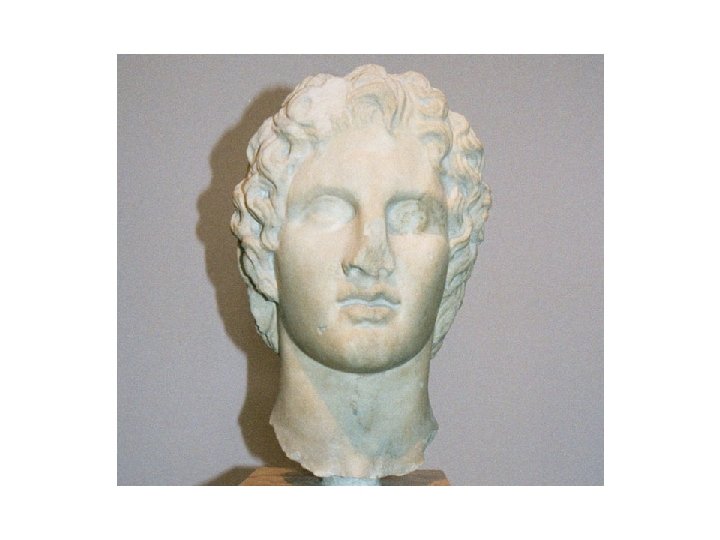
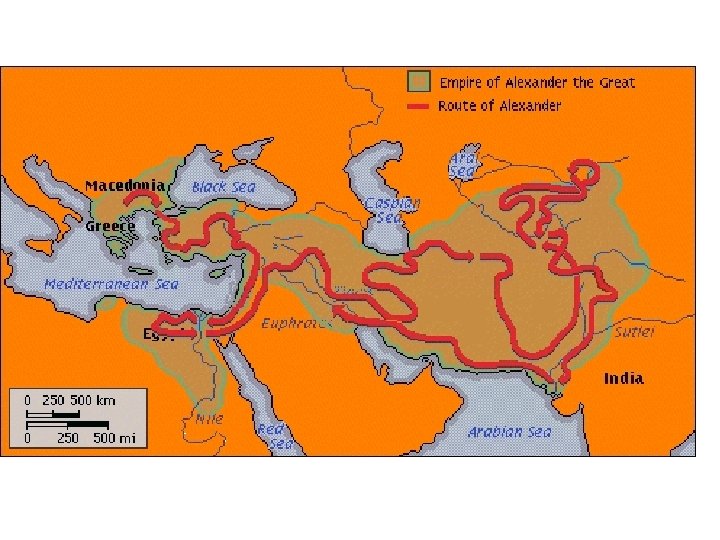
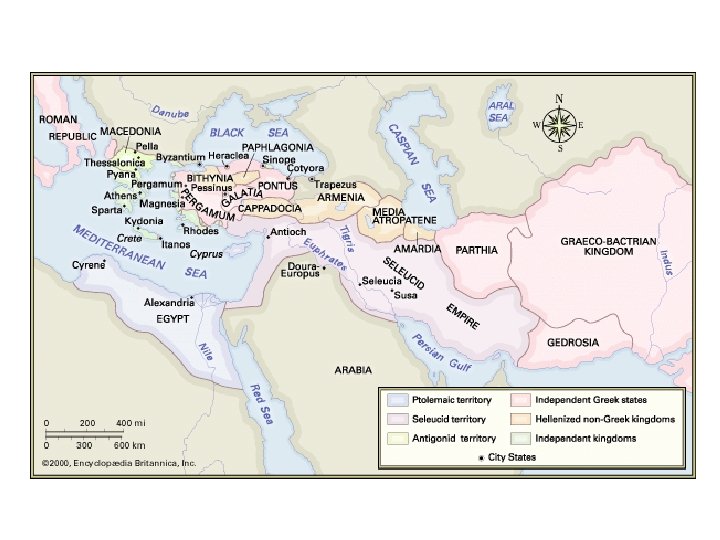
Alexander the Great (356 -323 BCE) • Son of Philip of Mecedonia, who defeated the Greeks in 338 BCE and was assassinated two years later • His conquests created an empire stretching from Greece and Egypt to India • He spread Greek language and culture into Asia
Hellenistic Age, 323 -30 BCE • Alexander, at age 32, died of illness while trying to conquer India • Hellenistic Age begins with his death • Empire split into three sections: Egypt, Persia, and Macedonia-Greece
Hellenistic Age, 323 -30 BCE • “cosmopolitanism, urbanism, and the blending of Greek, African, and Asian cultures” (125) • Great libraries at Alexandria and Pergamon
Hellenistic Philosophy • Skepticism, Cynicism, Epicureanism Stoicism • Philosophies for a cosmopolitan world • These schools “placed the personal needs and emotions of the individual over and above the good of the community at large” (127)
Skepticism • “denied the possibility of knowing anything with certainty” (127) • Modern words: skepticism, skeptical, skeptic
Cynicism • Founded by Diogenes of Sinope, called kynikos (“dog-like”) because of his strange and challenging behavior • “cynical, ” questioning attitude toward social values • Live for one’s own convictions and happiness, avoiding wealth & luxury
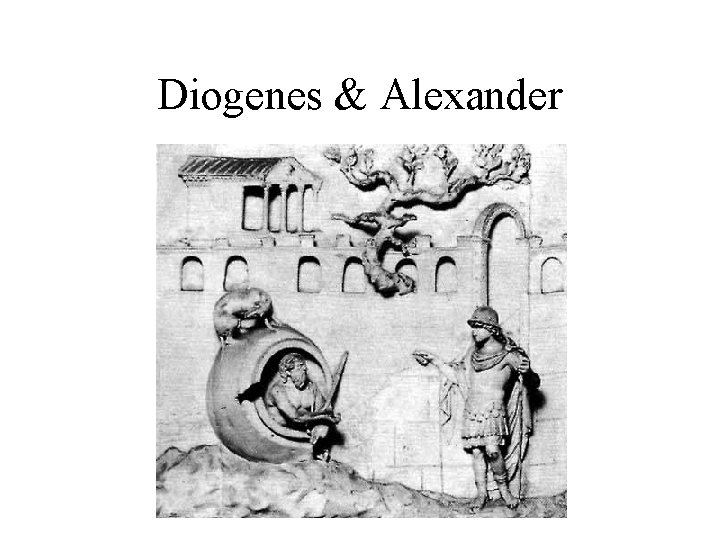
Diogenes & Alexander • According to legend, when Alexander the Great offered to grant Diogenes a wish, Diogenes replied: “Move a little out of my sunlight. ”
Diogenes & Alexander
Epicureanism • • Epicurus (342 -270 BCE) Avoid physical excess Attain intellectual detachment Everything consists of atoms—the body, the soul, the gods • The soul disappears at death—its atoms are rearranged
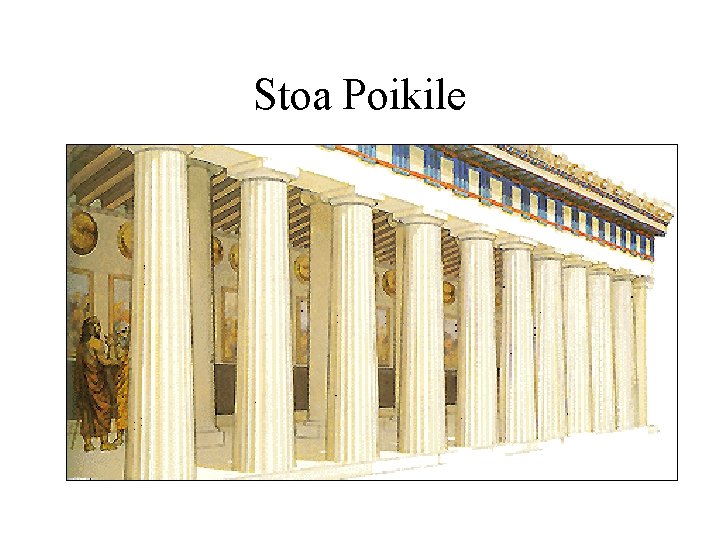
Stoicism • Founded by Zeno of Citium • The Stoics taught in Stoa Poikile, a public structure of long hallways for exhibiting paintings • Taught detachment, harmony with nature, universal equality, and attachment to the cosmopolitan world rather than the polis
Stoa Poikile
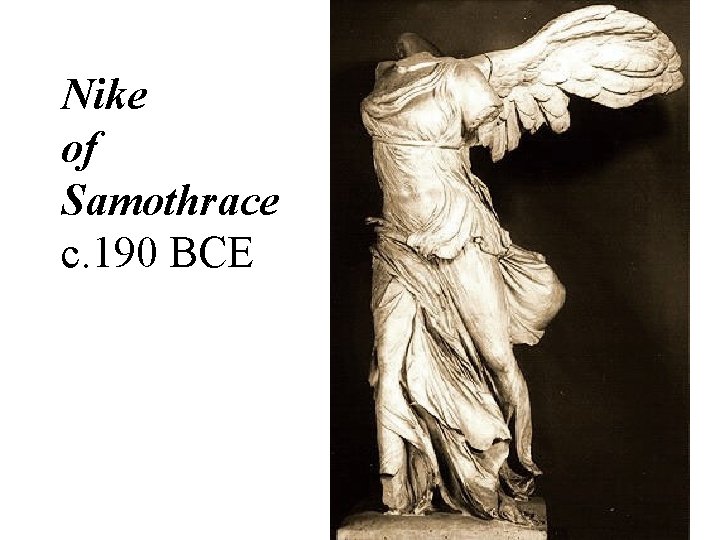
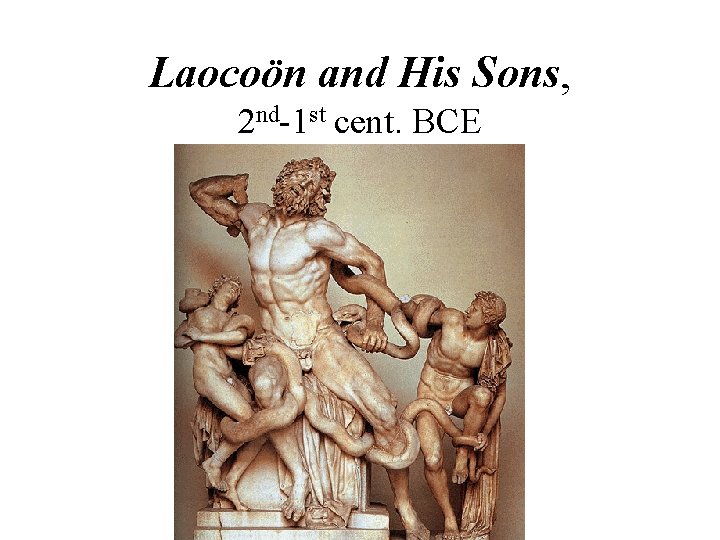
Hellenistic Sculpture • “fleeting mood and momentary expression” • More animated and passionate than High Classical • Greater range of subjects (young and old, ideal bodies but also “imperfect” bodies)
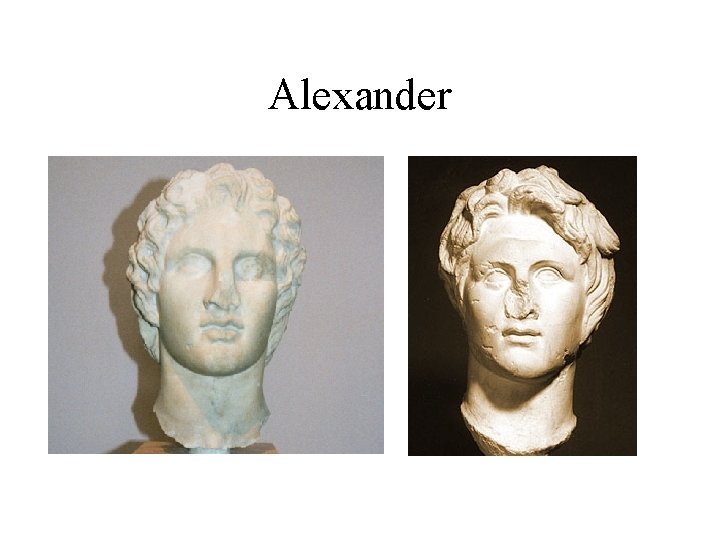
Alexander
Nike of Samothrace c. 190 BCE
Laocoön and His Sons, 2 nd-1 st cent. BCE