
The Great Transformation INDUSTRIALIZATION IN EUROPE Characteristics of

- Slides: 58
The Great Transformation INDUSTRIALIZATION IN EUROPE
Characteristics of this Great Transformation New sources of energy. New labor-saving technologies. Increased standard of living. New patterns of work. New social patterns. Urbanization.
The “Traditional” Economy Economic life dominated by “toil” Goal to secure food, warmth, and shelter Advancements made it “easier” but… Every activity was labor intensive Power…human capital French women and soil—terracing 8 out of 10 farmed and did soil with their own power
Traditional Economy and Manufacturing Small textile industry sprung up in the countrysides of Europe. Spend hours and hours spinning wool. They were paid by the “piece” (piece meal) Rural workers paid less than urban workers, more desirable. Merchants sought them out as they would profit more from them. (no guild restrictions as well) Life was dependent on human capital and the uncontrollable forces of nature.
“one of the great turning points in human history” England in 1750 -70% of people worked in agriculture. By 1850 -15%. Today 1. 5%. Economies were growing confident they could produce vast surplus. What do surpluses do again? Europe’s industrial transformation was a by product of massive changes in agriculture. These dual changes created the greatest change in the world since the Neolithic age.
Agricultural Revolution II Transfer from agriculture as a “communal occupation” to an individual one. People fought for new lands that became available. they competed. When agriculture was governed by the government or lords…potato example. More land was made available by deforestation, swamp drainage, and conquest. As many families gained more and more land…others did not and were forced into “cottage” industries.
Putting Out System Mobilized the resources of the rural work force that wasn’t farming as much as it needed. Raw materials purchased by powerful men and “put out” to rural workers which were then finished and sold for more materials to start again…rural industrialization. It required little skill and few tools
Back to Agriculture… Enclosure…wealthy families began consolidating their lands into larger farms. Common land was “consolidated” In the wake of a more “industrial” style farming run by those with the capital to make improvements. Lower middle and lower class farmers were left landless or with so little land they couldn’t earn a living. Result?
Agricultural Innovations Scientific Farming: Clover and Turnip Fertilization using manure Meadow floating Animal husbandry
Growth of Farming England: 1700: one farmer could produce enough food for 1. 6 people. 1800: one farmer could produce enough food for 2. 7 people.
Factors fueling Industrialization Factors promoting Industrialization Demographics Economic Technological
Causes of the British Industrial Revolution? Why England? Stable Government Middle and Business Classes Stable Banking Systems Island (preservation) Geography Colonies Agricultural Stability Abundant water Abundant coal
Demographic Factors Population Growth in England: Population was doubling every 25 years! Average was 3% per year.
Economic Factors Agricultural: the second Agricultural Revolution in the 17 th century. Necessity? Capital: money for investment, stock sales. Necessity?
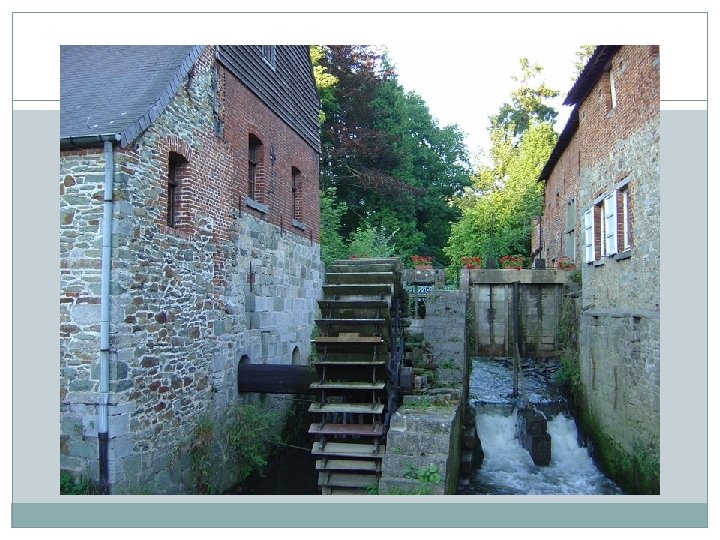
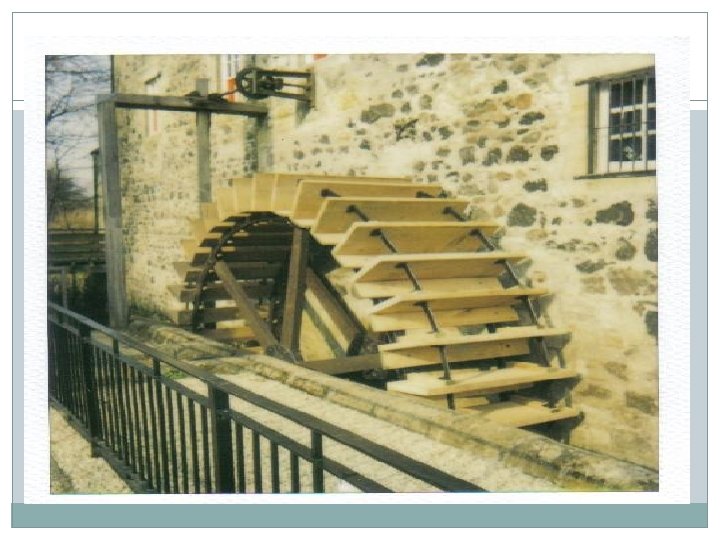
Technological Factors Power: power that can be controlled, outside of geography. Watermills are only useful near water.
Thought Question What innovations led to a revolution in power? Why was power the key to the Industrial Revolution? Who had the early lead?
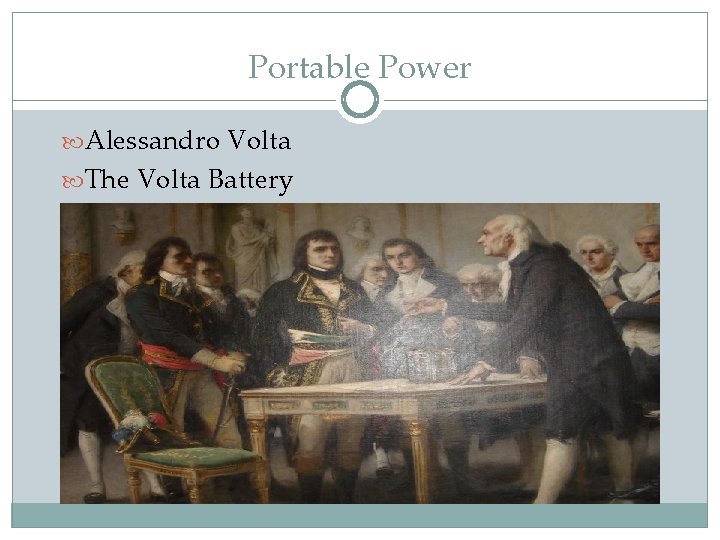
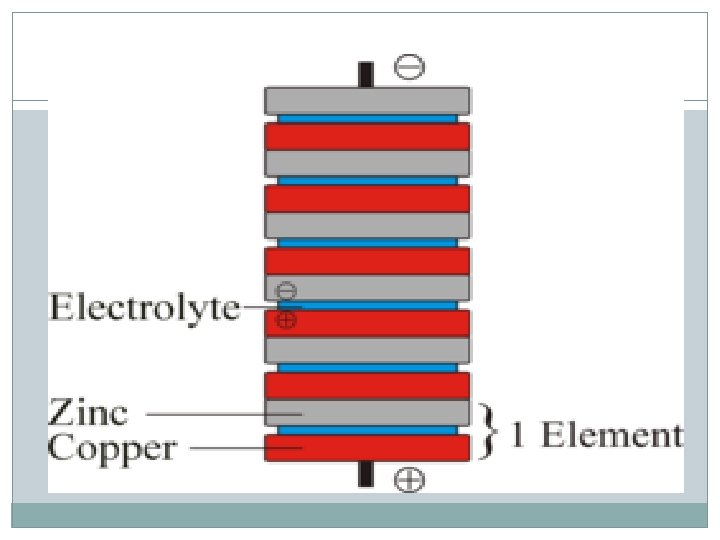
Portable Power Alessandro Volta The Volta Battery
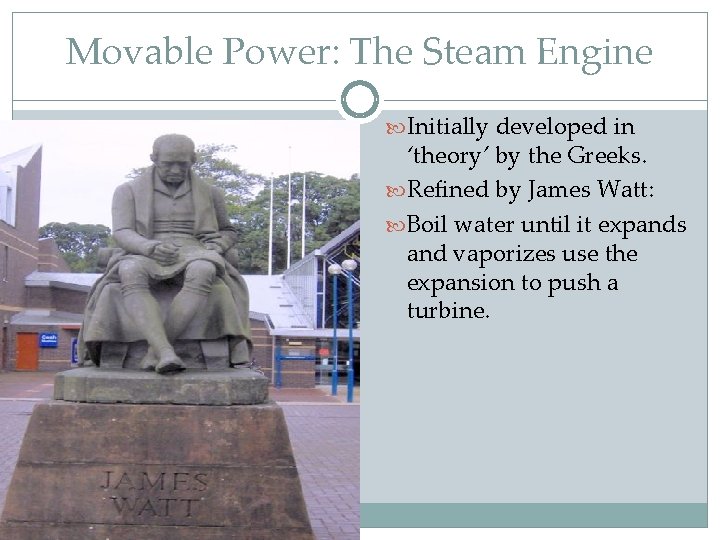
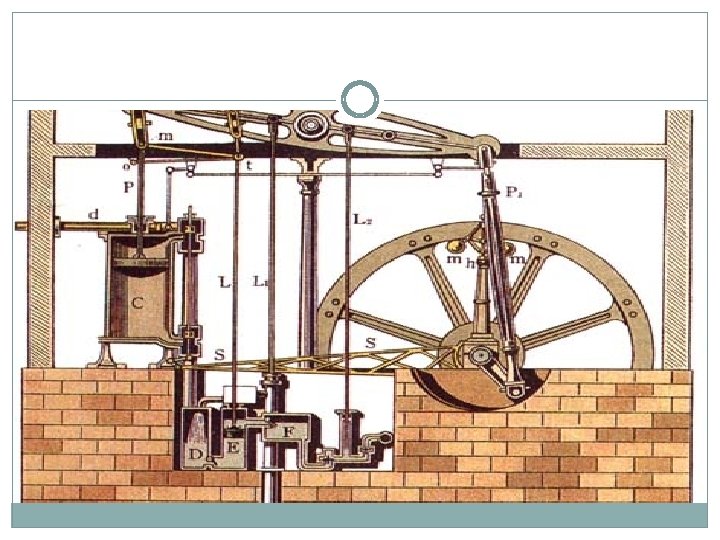
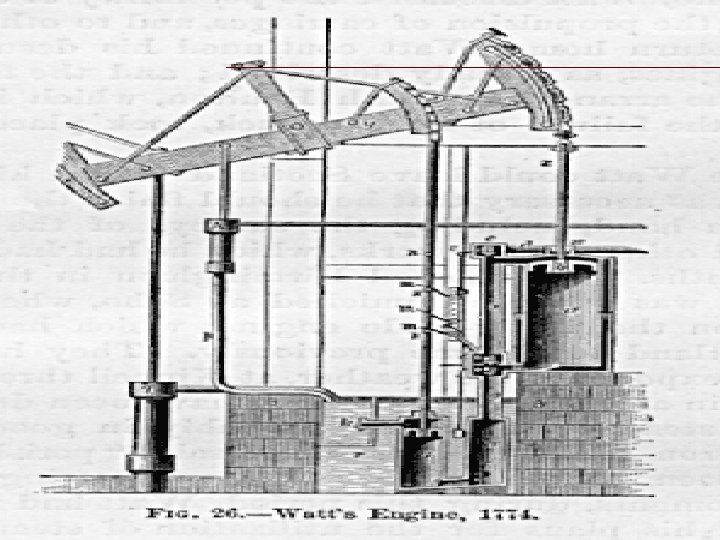
Movable Power: The Steam Engine Initially developed in ‘theory’ by the Greeks. Refined by James Watt: Boil water until it expands and vaporizes use the expansion to push a turbine.
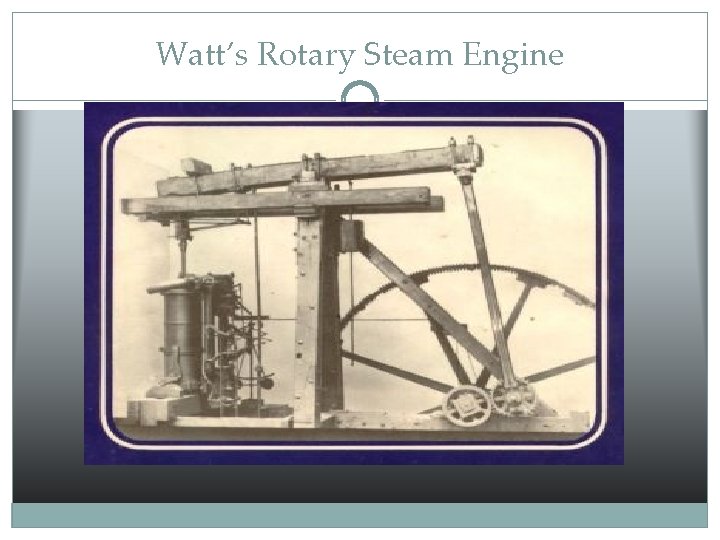
Watt’s Rotary Steam Engine
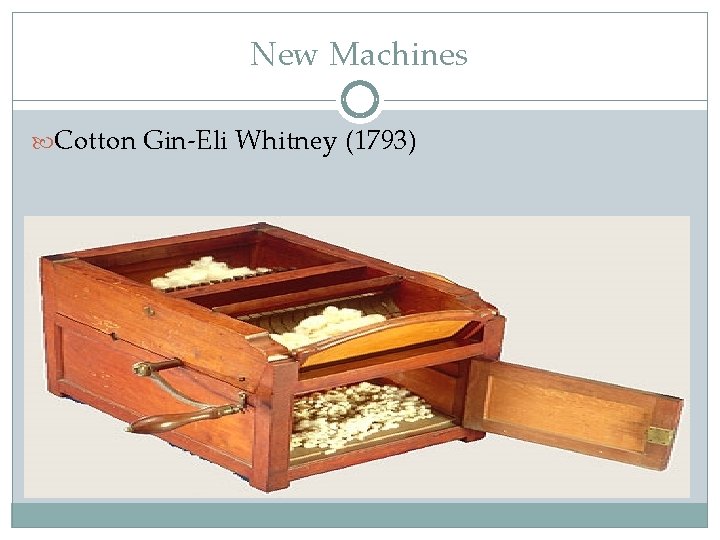
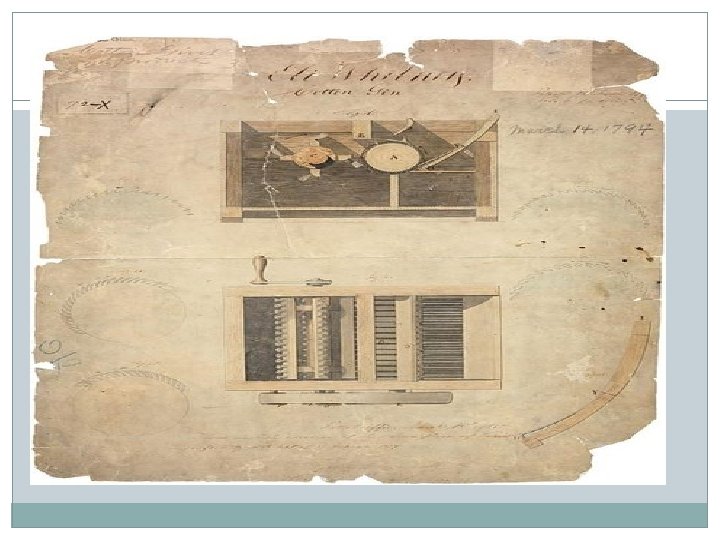
New Machines Cotton Gin-Eli Whitney (1793)
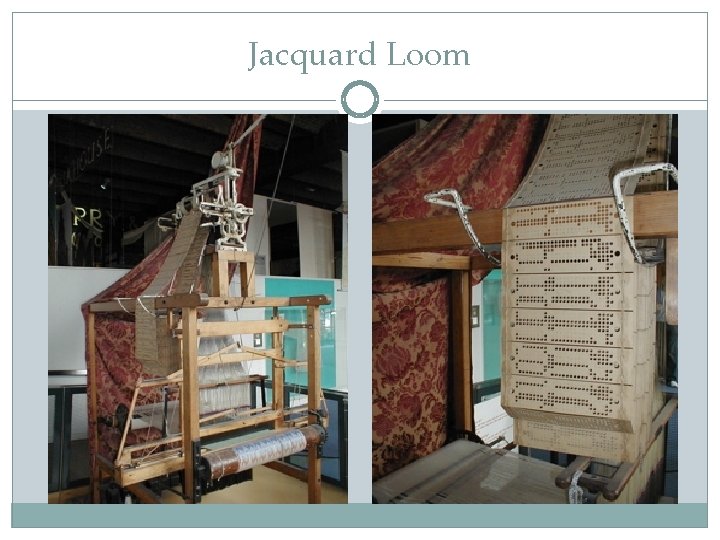
Jacquard Loom
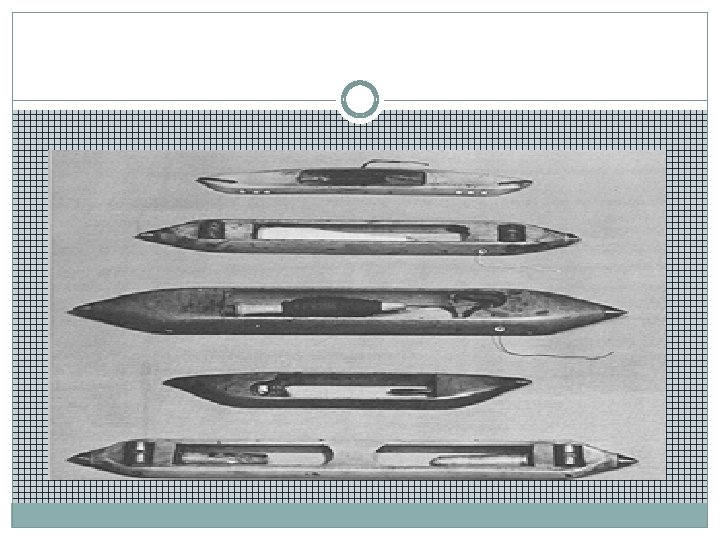
Flying Shuttle
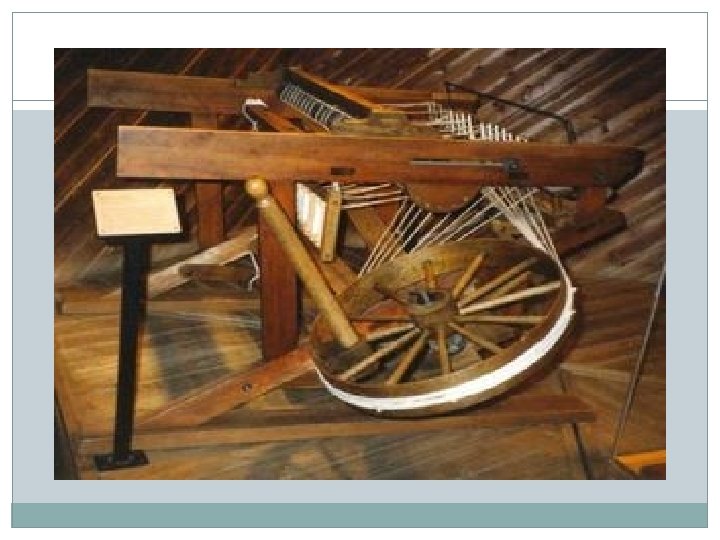
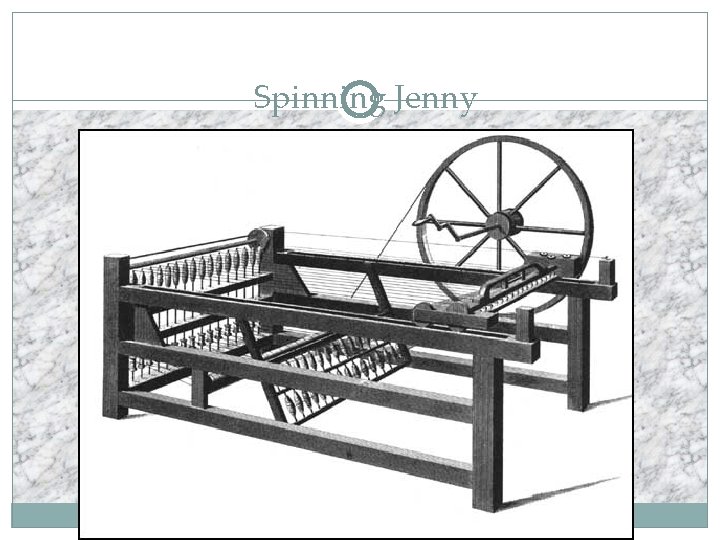
Spinning Jenny
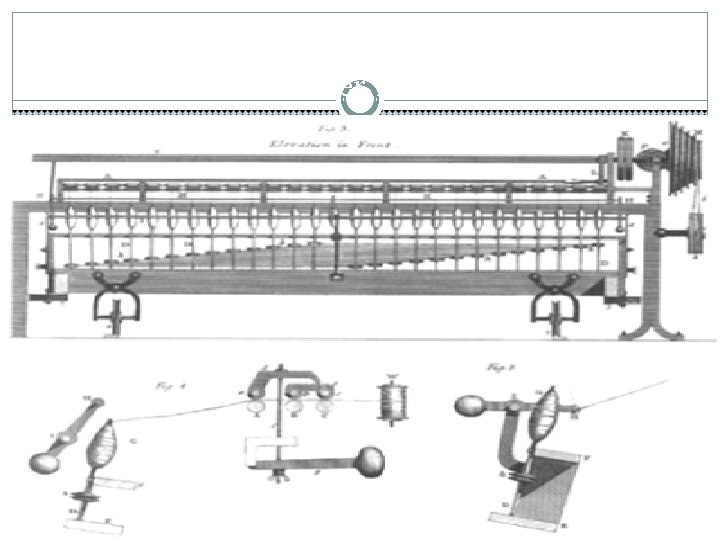
Power Loom
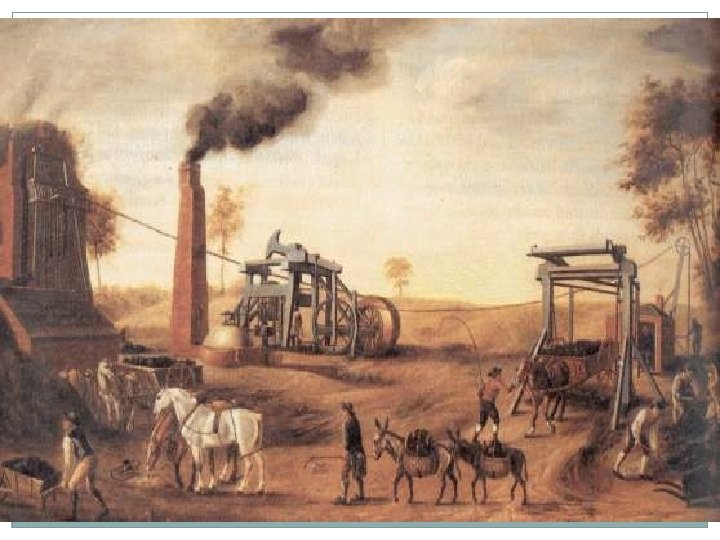
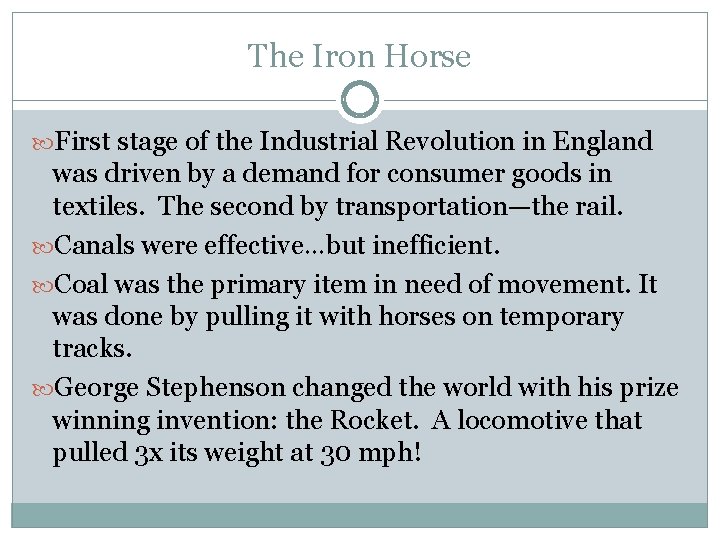
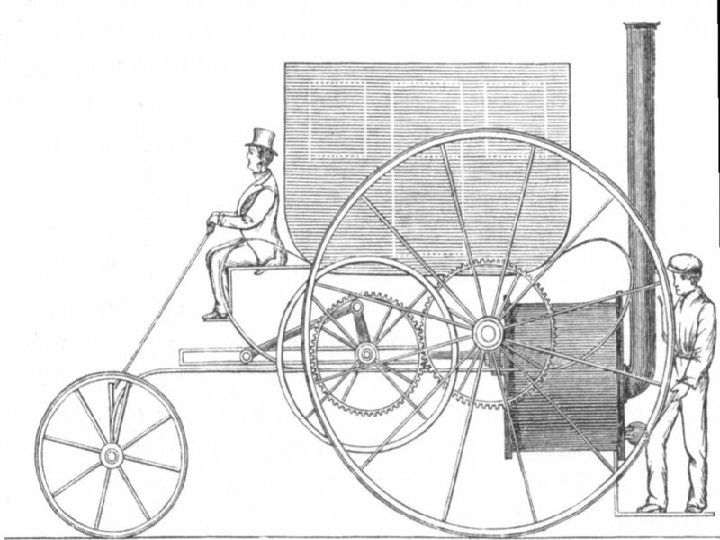
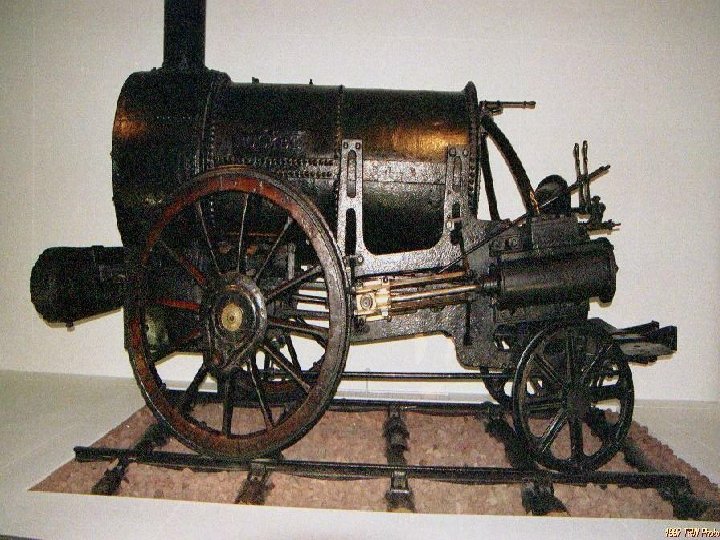
The Iron Horse First stage of the Industrial Revolution in England was driven by a demand for consumer goods in textiles. The second by transportation—the rail. Canals were effective…but inefficient. Coal was the primary item in need of movement. It was done by pulling it with horses on temporary tracks. George Stephenson changed the world with his prize winning invention: the Rocket. A locomotive that pulled 3 x its weight at 30 mph!
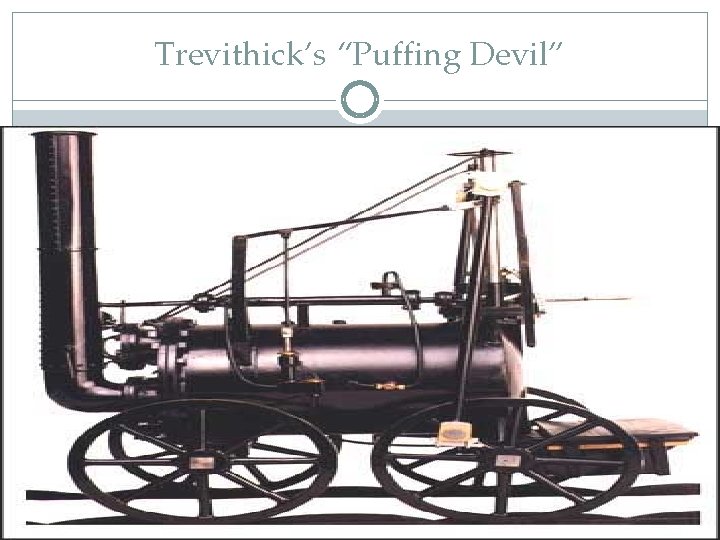
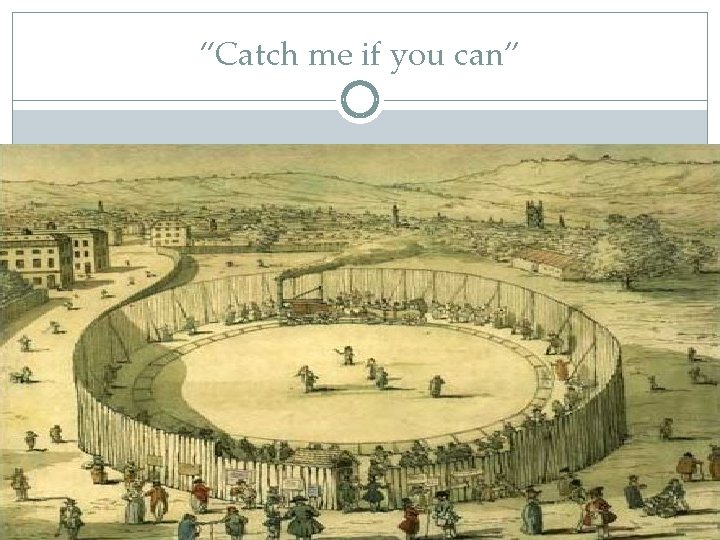
Trevithick’s “Puffing Devil”
“Catch me if you can”
Continental Europe Catches Up! Continental Europe changed after the Congress of Vienna in 1815. Great Britain had kept their technology under lock and key—Cockerill and Slater
Responding to Industrialization British goods creating a global dilemma as their ability to flood markets with cheap goods made it imperative for nations to “catch up”! Continental Europe changes after 1815
Continental Industrialization Three advantages: Rich tradition of small time (putting out/cottage) industry Skilled urban workers Motivated political systems eager to erase the industrial gap
• Agents of Industrialization 1. British exports Talented Entrepenuers: Fritz Harkort Governmental support and initiative (tariff production and industrial subsidies Support and growth of powerful banking interests in Europe
• Spread of Industrialization China: departs from Industrialization after the 1100’s? Islamic world-Ottoman industrialization thwarted by Europe and the capitulations Indian industrialization thwarted by European imperialism. African industrialization-non existent. Latin American industrialization-minimal
Only part of the picture… While India was not on the verge of an industrial revolution when the British arrived. Their contributions were great. Indian contributions to English industry: Shipbuilding “Forty years ago they had the largest ships in the World” British captain. Textiles/patterns “We have destroyed the manufactures of India” British textile merchant
Indian contributions British rockets were derived from Indian examples. Indian rockets could fire from 1 KM away. Metallurgy (Brass) “They produced the finest brass I have ever seen” Englishman John Wellesley
Chinese contributions Ploughs and farm implements taken by the Swedes. Bridge technology Chain technology
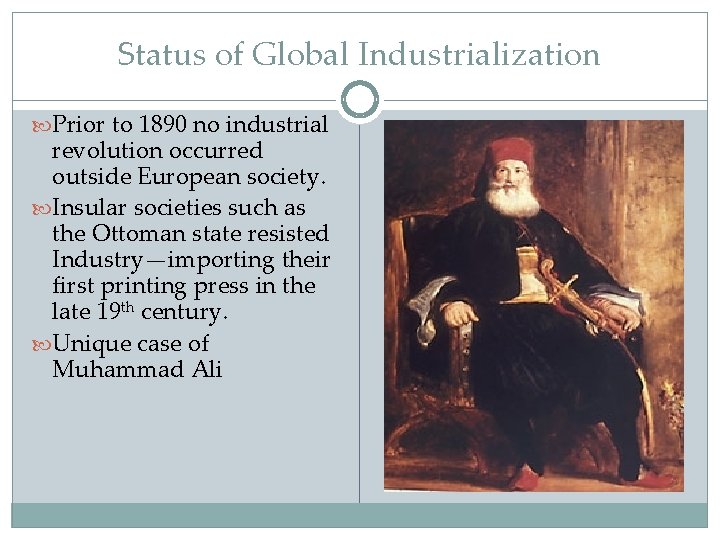
Status of Global Industrialization Prior to 1890 no industrial revolution occurred outside European society. Insular societies such as the Ottoman state resisted Industry—importing their first printing press in the late 19 th century. Unique case of Muhammad Ali
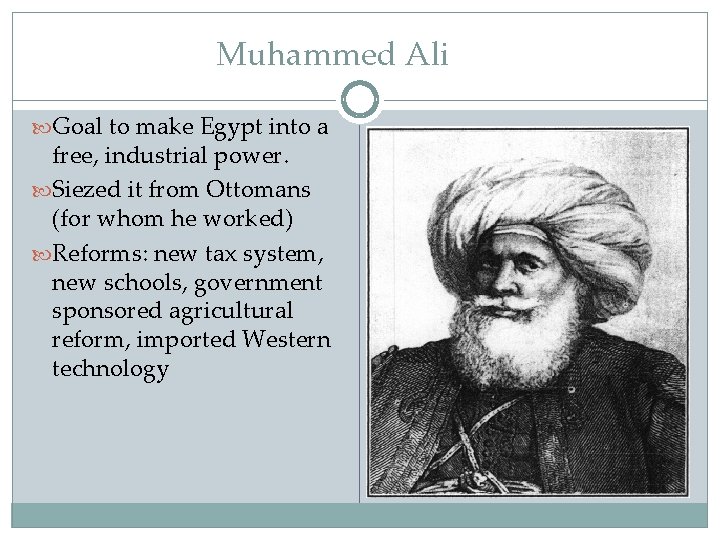
Muhammed Ali Goal to make Egypt into a free, industrial power. Siezed it from Ottomans (for whom he worked) Reforms: new tax system, new schools, government sponsored agricultural reform, imported Western technology
Late Ottoman reforms Inspired by Muhammed Ali, later Sultans of the Ottoman state began the process of westernization. Established a postal system in 1834, a telegraph system in 1855, and steamships and rail in 1855 -1866. Result? Made it easier for Europe to place Ottomans under “capitulations”.
To conclude “By the 1850’s a number of governments were clearly beginning to realize that some policy response to the industrial revolution was absolutely essential, lest Western influence become still more overwhelming. On balance, however, the principal results of very limited imitation tended to heighten the economic imbalance with Western Europe, a disparity that made it easier to focus on nonindustrial exports. ” Peter S. Stearns. Historian
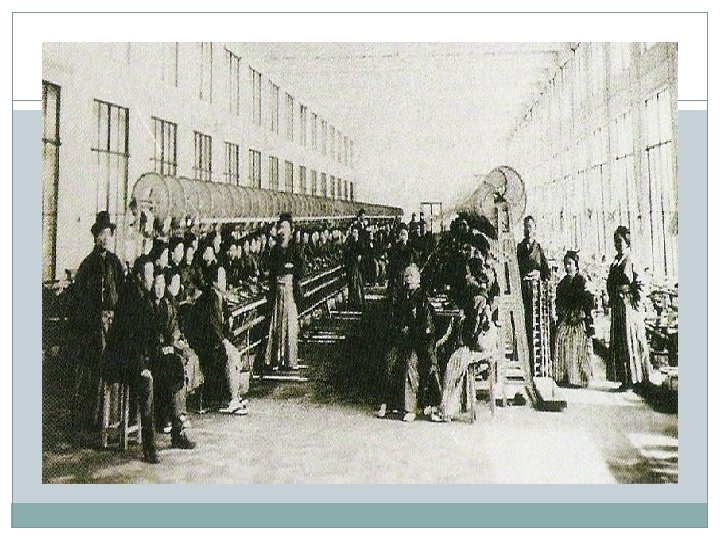
Japanese industrialization 1865 -1905 Part of the Meiji Restoration and reforms Realized necessity of program Used China as an example of what “may” happen. State run factories with large scale production (Zaibatsu) Intensive government regulation Government supported innovation and hired foreign experts when needed. High tariffs and tight restrictions of products entering Japan.
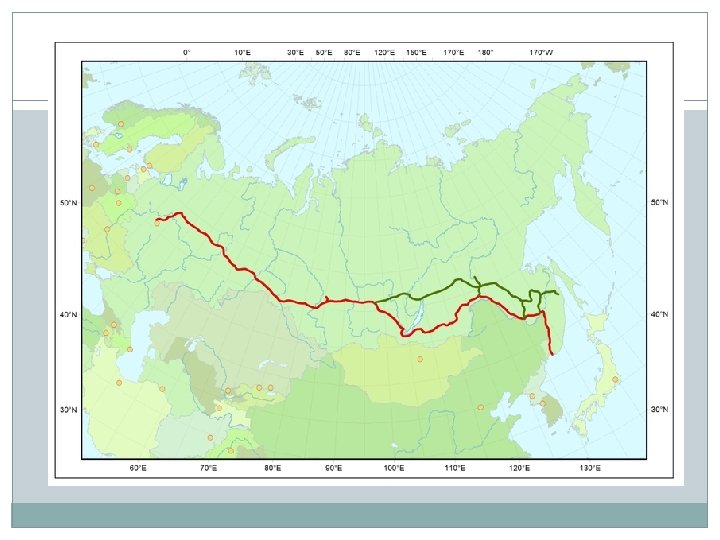
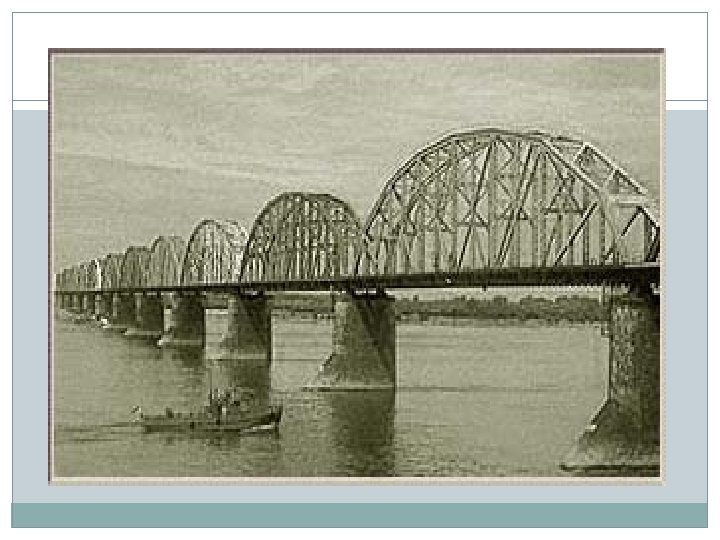
Russian Industrialization Witte System: Railway construction to stimulate other industries Remodel the state financial system, use tariffs and secure foreign loans and technology Heavy industry grew dramatically Trans-Siberian Railroad.
The Impacts of Global Industrialization The use of mechanized equipment to increase output and decrease labor costs of production The creation of the factory system Mass production and standardization A workplace that emphasized production with assembly lines Financing that often included shareholders and stock companies. An expanded labor force that included, women, immigrants, and children. A growing gap in economic prosperity between Europe and the rest of the world.
Philosophy of the Industrial Revolution New philosophical movements: Socialism-Karl Marx Owenism-Robert Owen Friedrich Nietzsche Utilitarianism Existentialism: Soren Kierkagaard
Philosophy and the Philosopher Karl Marx Evolution of Industrialization Built on the model of dialectic change as put forward by Georg Hegel. Socialism and Communism the results.