
The Grapes of Staph Modern Prokaryotic Classification Eubacteria
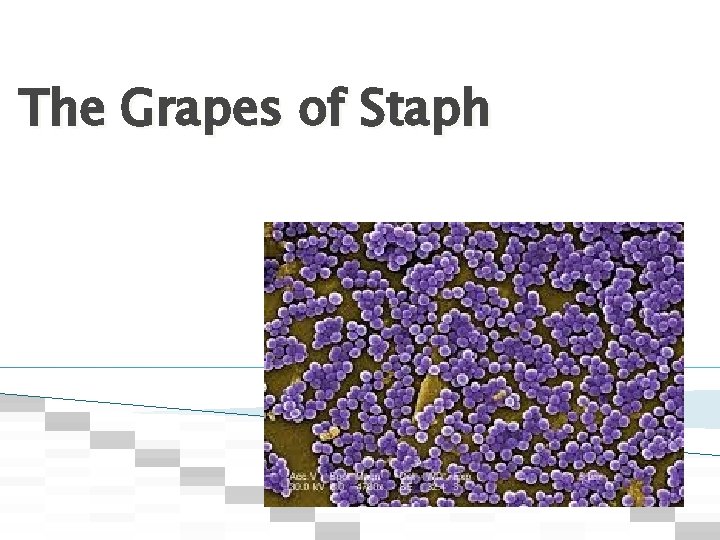
The Grapes of Staph
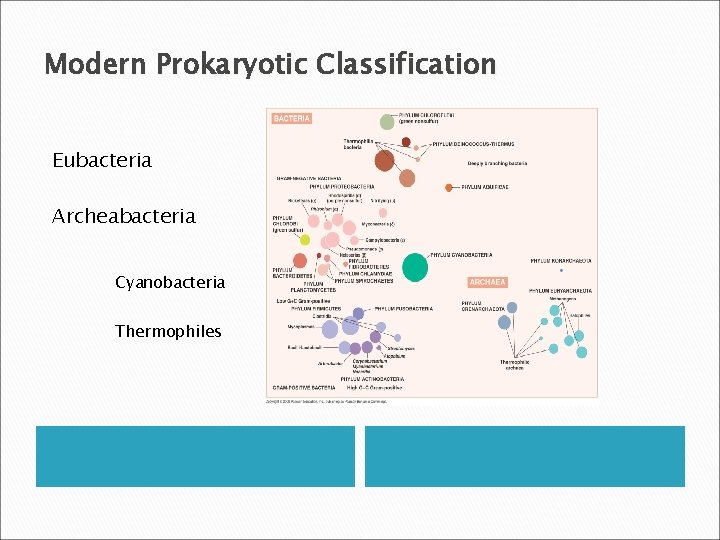
Modern Prokaryotic Classification Eubacteria Archeabacteria Cyanobacteria Thermophiles
Classification of Bacteria *Kingdom Phylum Class Order Family *Genus ( 1 st name) *Species ( 2 nd name identifier) Classification – ordering Nomenclature – naming Remember: King Philip Came Over For Good Spaghetti Often immortalizes the person who discovered it or its origin ◦ Escherichia coli Theodor Escherich ◦ coli from colon Distinguishing –identification
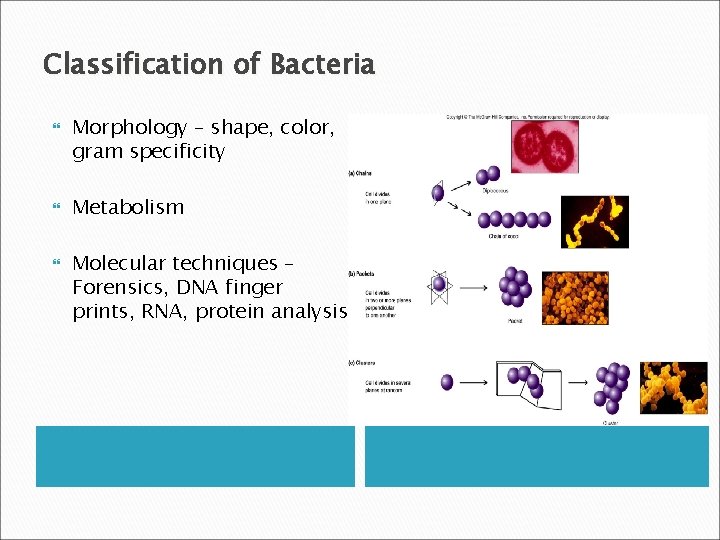
Classification of Bacteria Morphology – shape, color, gram specificity Metabolism Molecular techniques – Forensics, DNA finger prints, RNA, protein analysis
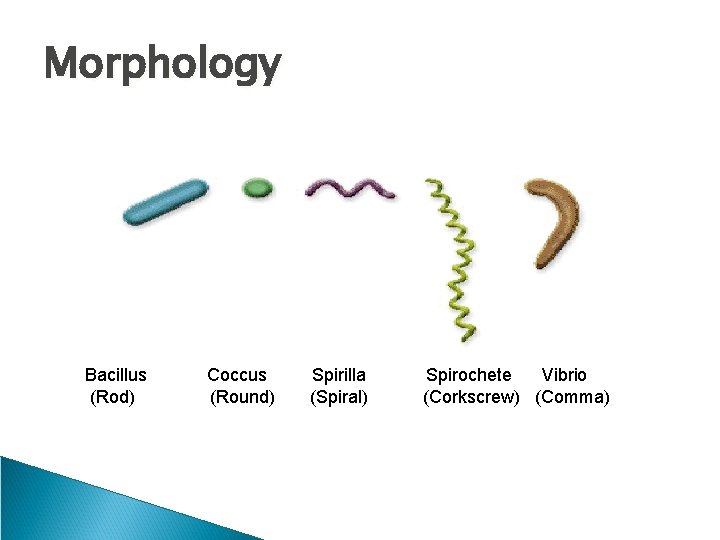
Morphology Bacillus (Rod) Coccus (Round) Spirilla (Spiral) Spirochete Vibrio (Corkscrew) (Comma)
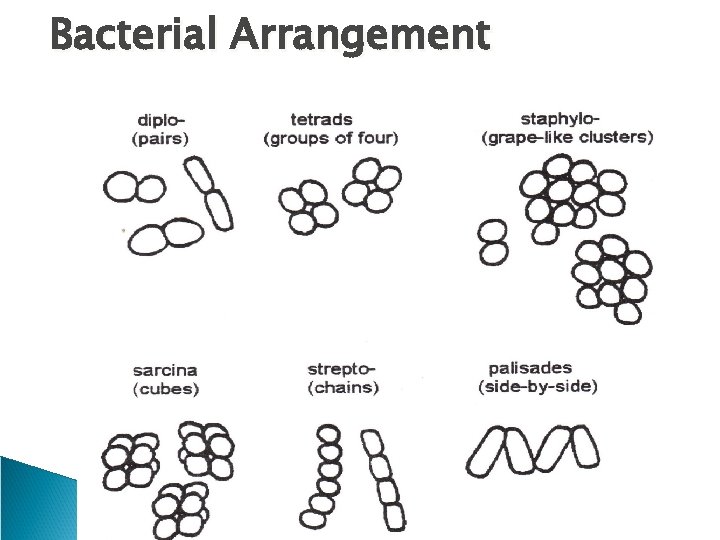
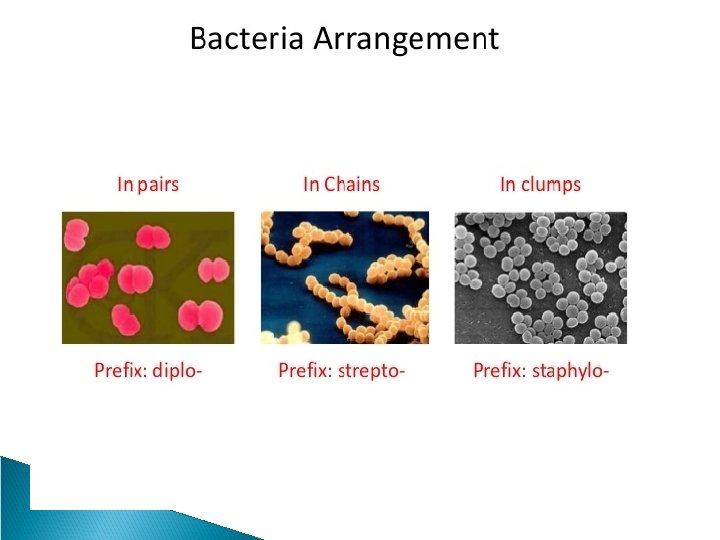
Bacterial Arrangement
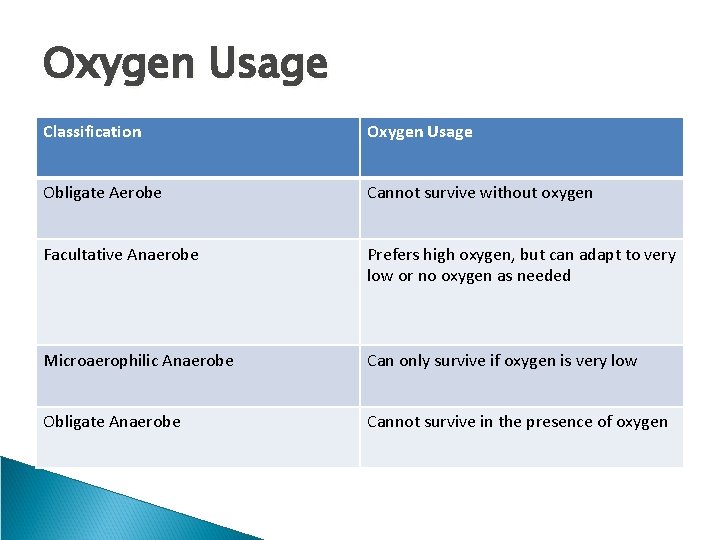
Oxygen Usage Classification Oxygen Usage Obligate Aerobe Cannot survive without oxygen Facultative Anaerobe Prefers high oxygen, but can adapt to very low or no oxygen as needed Microaerophilic Anaerobe Can only survive if oxygen is very low Obligate Anaerobe Cannot survive in the presence of oxygen

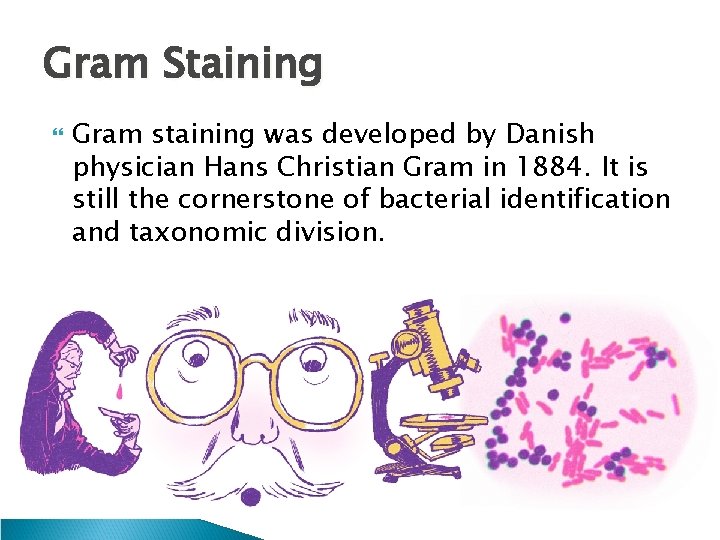
Gram Staining Gram staining was developed by Danish physician Hans Christian Gram in 1884. It is still the cornerstone of bacterial identification and taxonomic division.
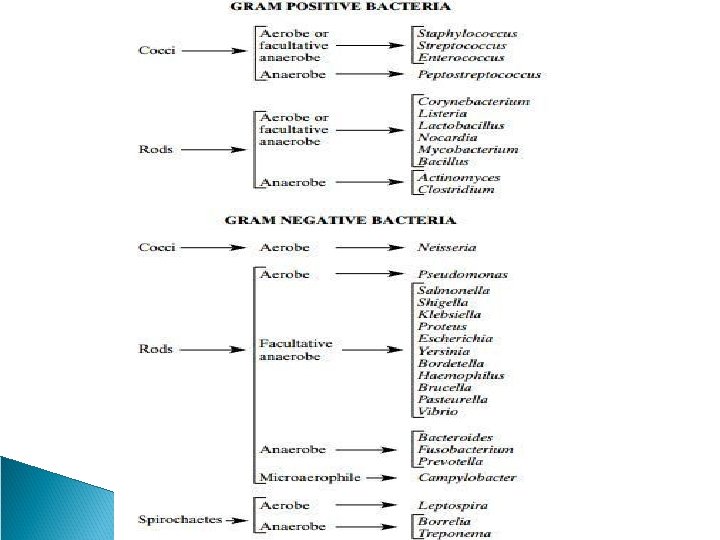
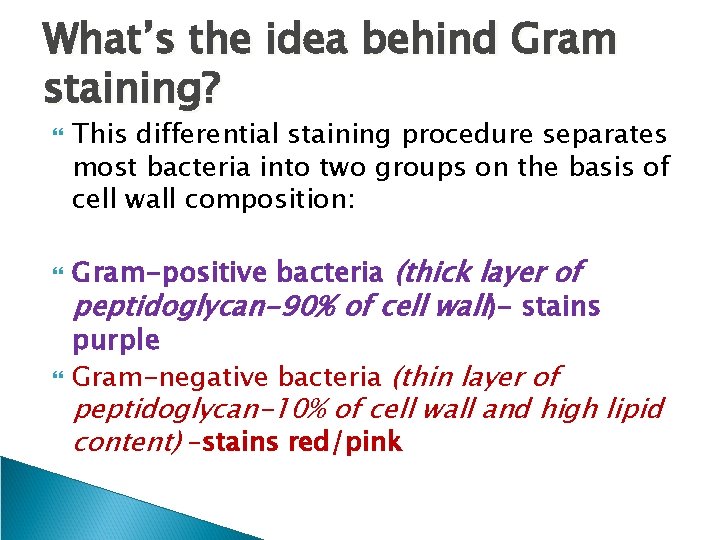
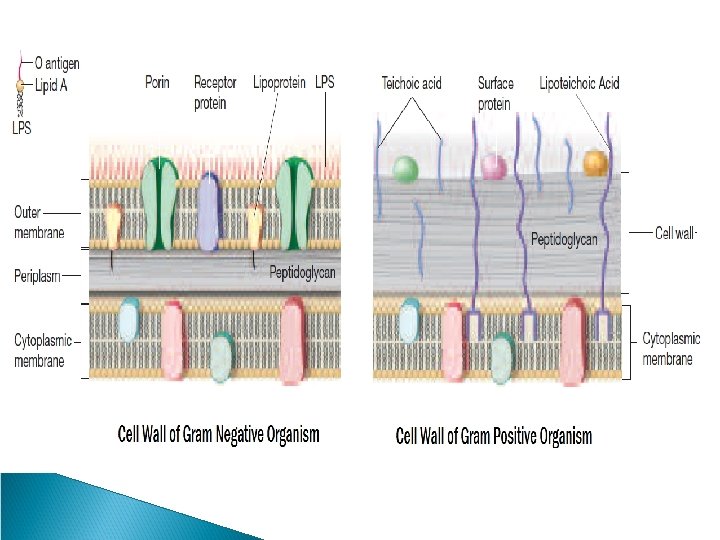
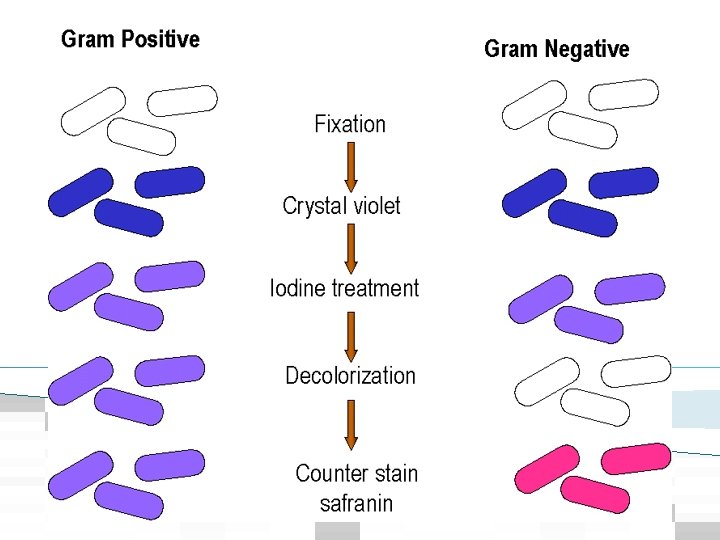
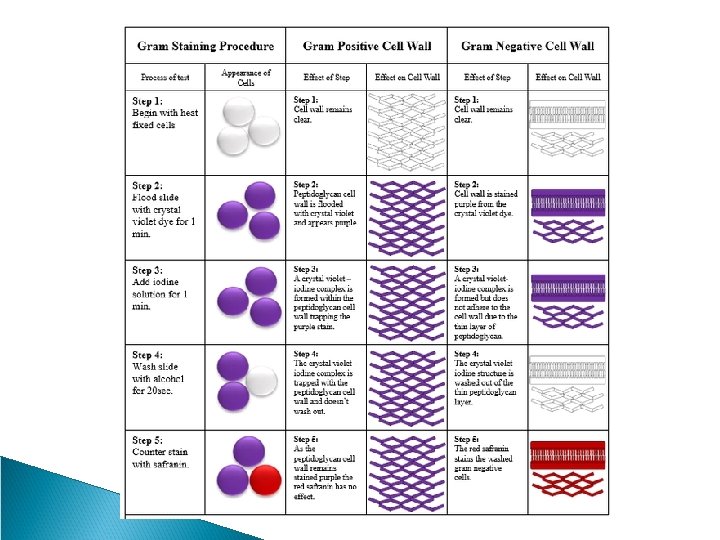
What’s the idea behind Gram staining? This differential staining procedure separates most bacteria into two groups on the basis of cell wall composition: Gram-positive bacteria (thick layer of peptidoglycan-90% of cell wall)- stains purple Gram-negative bacteria (thin layer of peptidoglycan-10% of cell wall and high lipid content) –stains red/pink
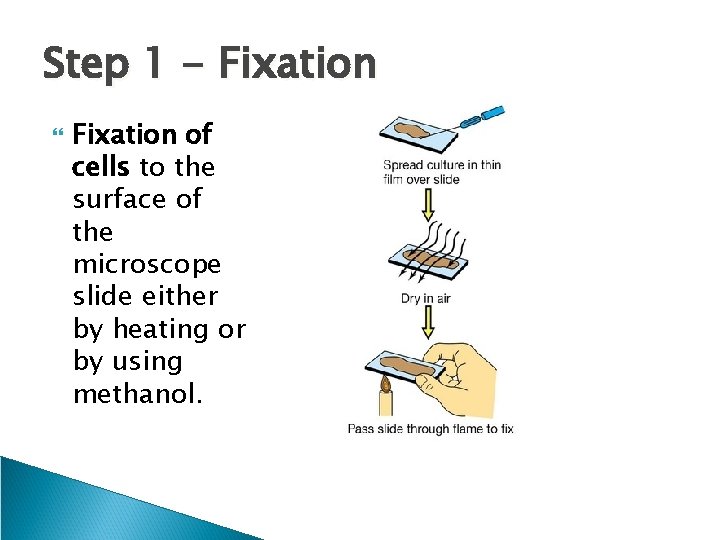
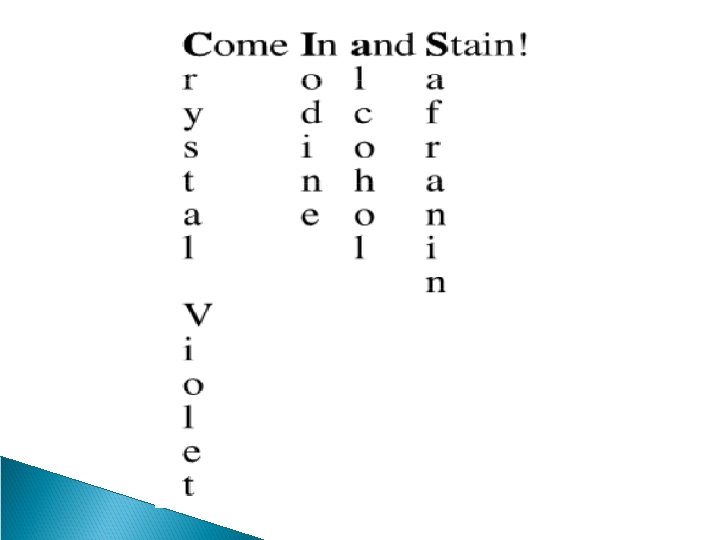
Step 1 - Fixation of cells to the surface of the microscope slide either by heating or by using methanol.

Step 2 - Staining Apply crystal violet to a fixed smear of a bacterial culture.
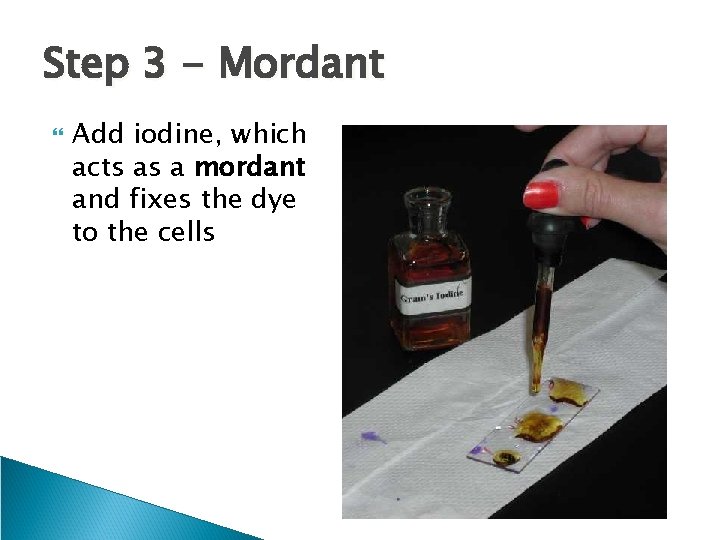
Step 3 - Mordant Add iodine, which acts as a mordant and fixes the dye to the cells
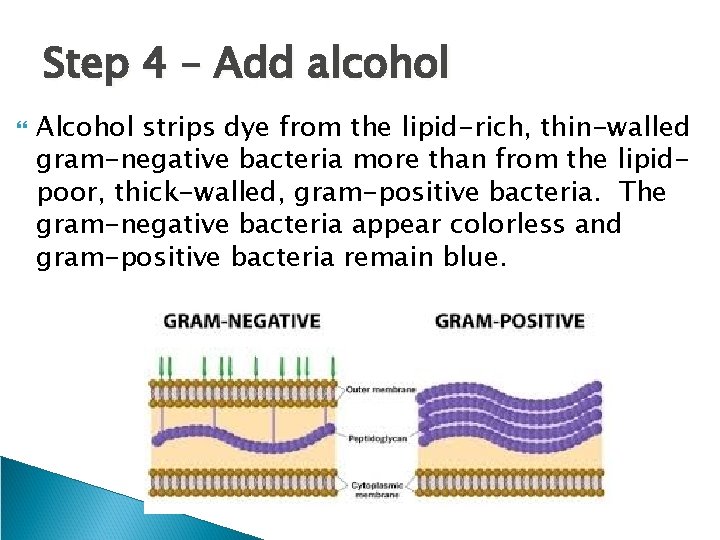
Step 4 – Add alcohol Alcohol strips dye from the lipid-rich, thin-walled gram-negative bacteria more than from the lipidpoor, thick-walled, gram-positive bacteria. The gram-negative bacteria appear colorless and gram-positive bacteria remain blue.
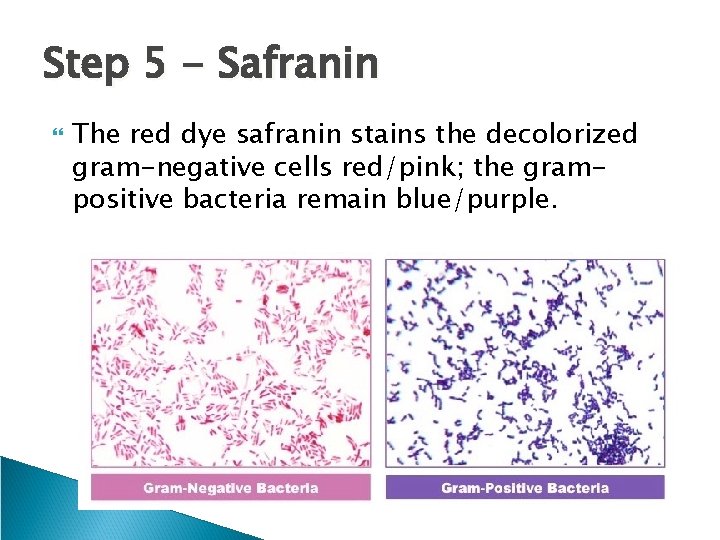
Step 5 - Safranin The red dye safranin stains the decolorized gram-negative cells red/pink; the grampositive bacteria remain blue/purple.
- Slides: 21