
THE GOOD THE BAD AND THE UGLY OF

THE GOOD, THE BAD, AND THE UGLY OF PRION MAN-SUN SY PROFESSOR OF PATHOLOGY SCHOOL OF MEDICINE CASE WESTERN RESERVE UNIVERSITY
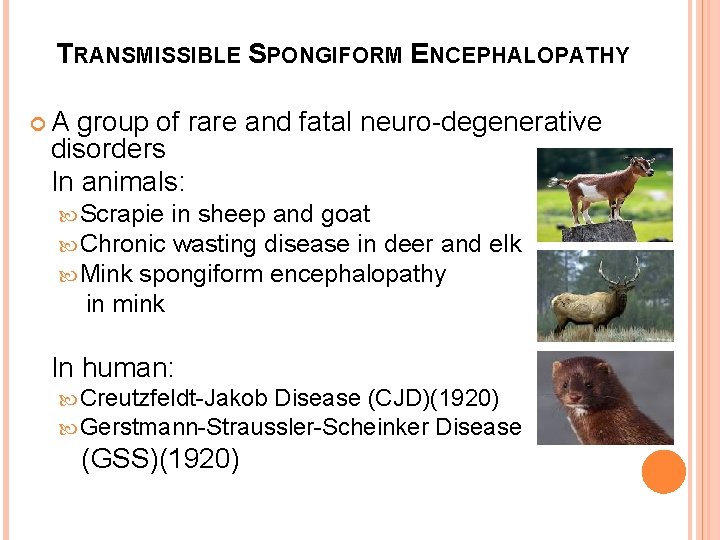
TRANSMISSIBLE SPONGIFORM ENCEPHALOPATHY A group of rare and fatal neuro-degenerative disorders In animals: Scrapie in sheep and goat Chronic wasting disease in deer and Mink spongiform encephalopathy elk in mink In human: Creutzfeldt-Jakob Disease (CJD)(1920) Gerstmann-Straussler-Scheinker Disease (GSS)(1920)

SCRAPIE The name is derived from one of the symptoms. The animals compulsively scrape off their fleece against rocks, trees or fences. Other symptoms include excessive lip-smacking, strange gaits, and convulsive collapse. In French, it is called 'La tremblante', for the shaking of the animal due to ataxia.

SCRAPIE Endemic in UK since 1700. Demonstrated to be transmissible since 1930. Some herds of sheep are susceptible while others are more resistant. Can be transmitted in a “strain” specific manner. Scrapie was first detected in the United States in 1947, entering the US through Canada and originating in Scotland. Sheep or goat farmers do not have a higher incidence of CJD.

SCRAPIE IS A TRANSMISSIBLE DISEASE It has been known since 1930 s that scrapie is a transmissible diseases, but the etiologic agent remains unknown for decades. Too small to carry nucleic acid. Unable to detect nucleic acid. Resistant to agents that destroy nucleic acids but sensitive to agents that destroy proteins. Infectivity co-purified with protein. Also known as slow virus, viroid, or simply as unconventional virus
S CRAPIE In 1966, Alper showed that the scrapie agent was very UVresistant, compared to viruses; perhaps scrapie was infectious without nucleic acid. In 1967, Griffith proposed three mechanisms by which this might happen. They were: A protein that turns on its own transcription. An altered form of a protein that catalyzes the conversion of the normal form into the same altered form through formation of an oligomer--a crystal seed. An antibody that stimulates its own production. In 1968, Dickinson identified a gene called Sinc, which affects scrapie incubation period in mice, but there was no suspicion at that time as to its role.
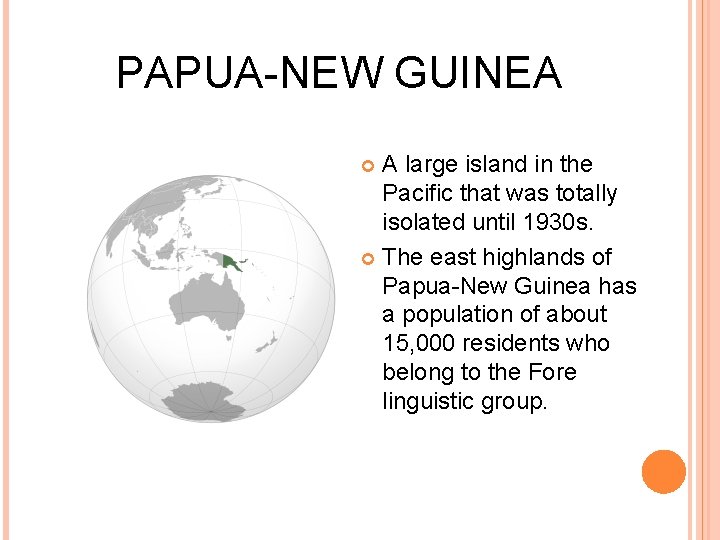
PAPUA-NEW GUINEA A large island in the Pacific that was totally isolated until 1930 s. The east highlands of Papua-New Guinea has a population of about 15, 000 residents who belong to the Fore linguistic group.
THE FIRST DESCRIPTION OF KURU In 1950, Dr. V. Zigas went to New Guinea as as an Australian Health Officer “On the ground in the far corner sat a woman of about 30. She looked odd, not ill, rather emaciated, looking up with blank eyes with a mask-like expression, there was an occasional fine tremor of her head and trunk, as if she was shivering from cold, though the day was very warm. ” (The Laughing Death by V. Zigas)
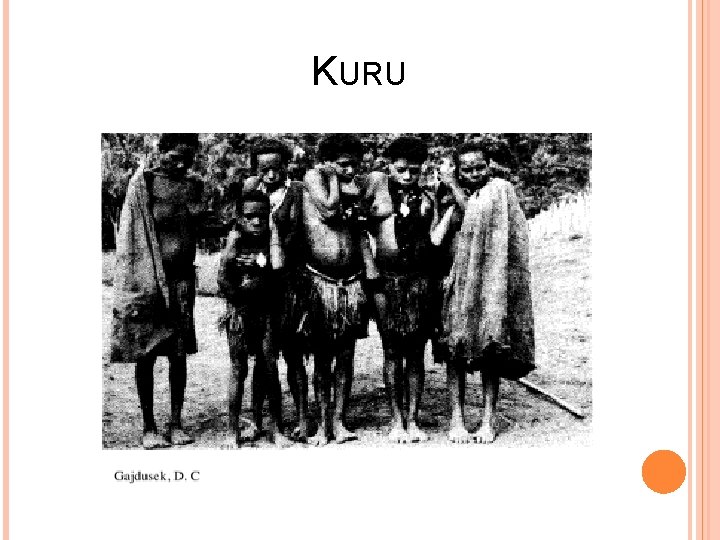
KURU In the Fore language Kuru means to shake The disease occurred mostly in female and children Insidious onset of muscular aches and pains, headache and other nonspecific complaints Progressive ataxia, with myoclonic jerks Display a marked emotionalism (Laughing Dead) There is no fever or other somatic symptom Dementia, muscular weakness and paralysis eventually occur and lead to death within 3 -24 months The disease was unknown to the region prior to 1920
KURU
KURU Gajdusek, D. C. , and V. Zigas (1957). Degenerative diseases of the central nervous system in New Guinea. The endemic occurrence of “kuru” in the native population N. E. J. Med. 257: 974 -978. “The peculiar sex and age distribution of cases, the high familial prevalence in a closely intermarried community, the phenomenon of anticipation and occasionally family histories in which several siblings have died of the disease on reaching approximately the same ages, along with the type of clinical pictures that the disease presents, all support the suspicion that strong genetic factors are operating the pathogenesis probably in association with as yet undetected ethnic-environment variables. ”
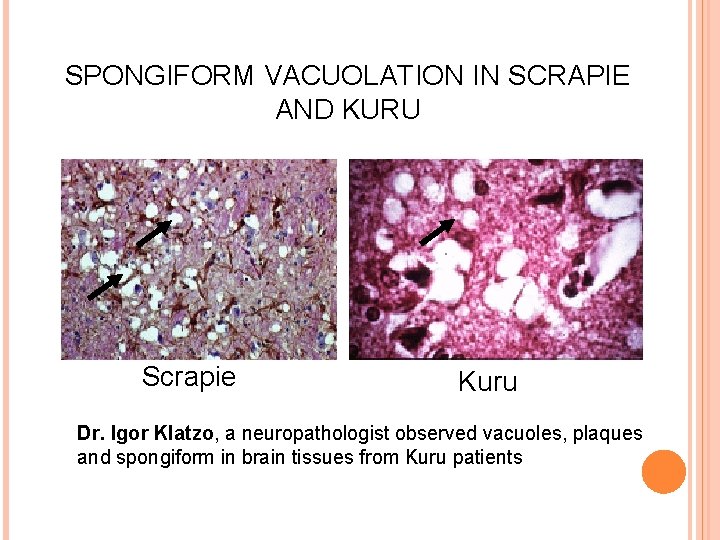
SPONGIFORM VACUOLATION IN SCRAPIE AND KURU Scrapie Kuru Dr. Igor Klatzo, a neuropathologist observed vacuoles, plaques and spongiform in brain tissues from Kuru patients

KURU AND SCRAPIE William Hadlow In a letter to Lancet suggested that Kuru might be related to Scrapie. ”In my opinion their overall resemblance is too impressive to be ignored”. R. W. Hornabrook suggested the cannibal connection. (Female, children and anticipation). Termination of cannibalism stop new disease. Gibbs and Gajdusek demonstrated the transmission of Kuru to Chimpanzees in 1976. (Prize) The last victim of kuru died in 1998. Therefore, the incubation period could be as long as 4 to 5 decades.

Kuru: cannibal connection
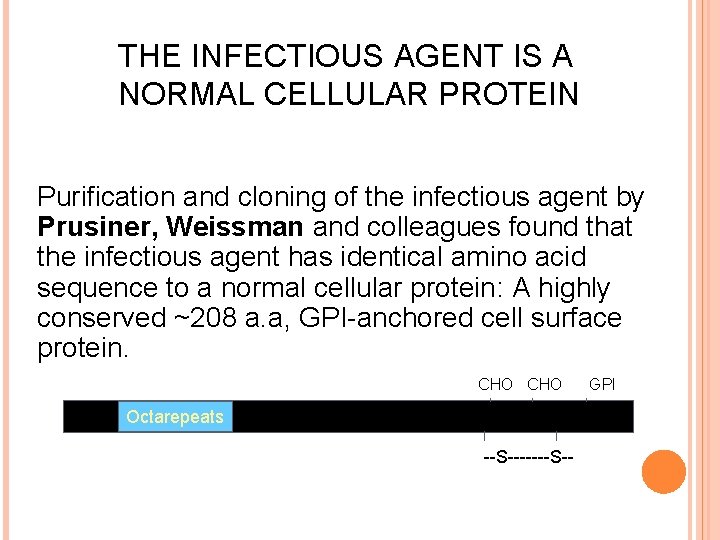
THE INFECTIOUS AGENT IS A NORMAL CELLULAR PROTEIN Purification and cloning of the infectious agent by Prusiner, Weissman and colleagues found that the infectious agent has identical amino acid sequence to a normal cellular protein: A highly conserved ~208 a. a, GPI-anchored cell surface protein. CHO Octarepeats --S-------S-- GPI
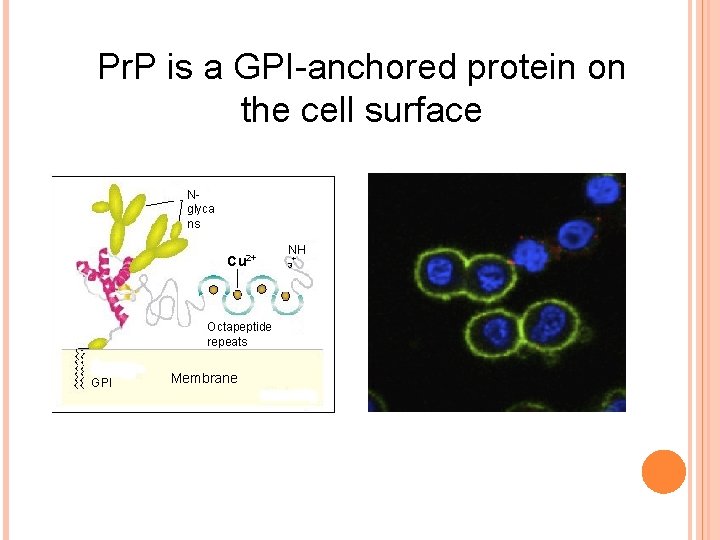
Pr. P is a GPI-anchored protein on the cell surface Nglyca ns Cu 2+ Octapeptide repeats GPI Membrane NH + 3
HOW DOES A NORMAL CELLULAR PROTEIN CAUSE DISEASES? PROTEIN ONLY HYPOTHESIS (FIRST PROPOSED BY GRIFFITH IN 1967) PRION: PROTEINACEOUS INFECTIOUS PARTICLE Prusiner proposed that the central event in the pathogenesis of prion diseases is the conversion of the normal cellular prion protein (Pr. P)(The Good) into an intermediate isoform (Pr. P*) (The Bad) and finally the pathological, protease-resistant and infectious, scrapie isoform (Pr. PSc) (The Ugly). (prize)
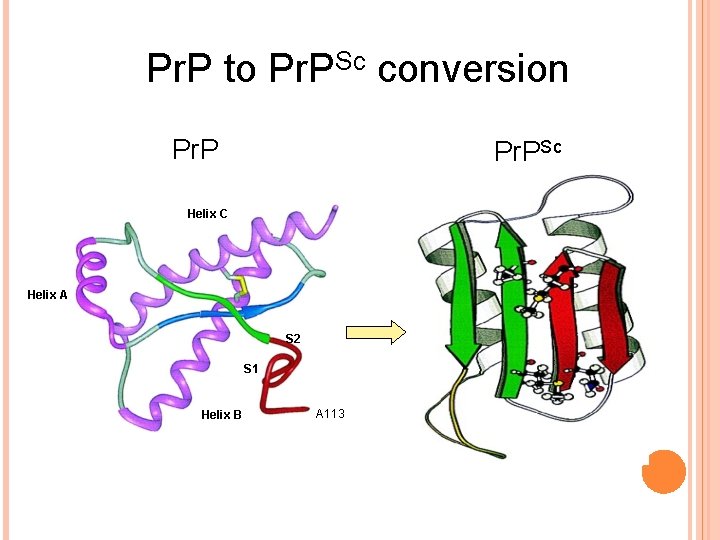
Pr. P to Pr. PSc conversion Pr. PSc Helix C Helix A S 2 S 1 Helix B A 113
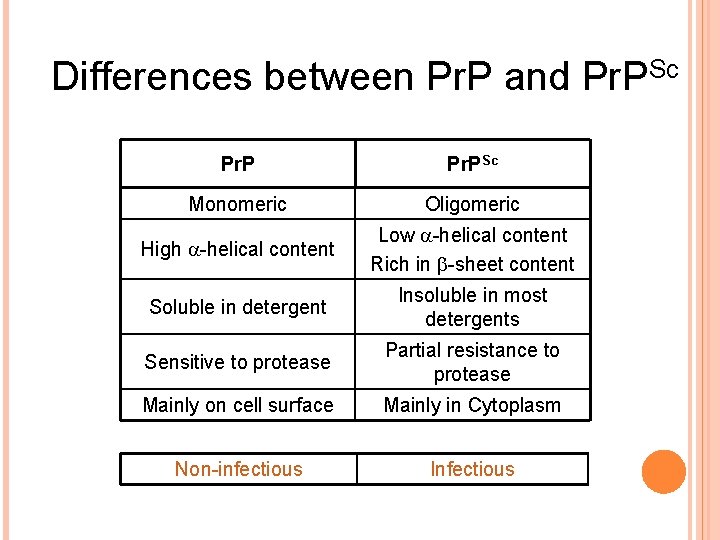
Differences between Pr. P and Pr. PSc Monomeric Oligomeric High -helical content Low -helical content Rich in -sheet content Soluble in detergent Insoluble in most detergents Sensitive to protease Partial resistance to protease Mainly on cell surface Mainly in Cytoplasm Non-infectious Infectious
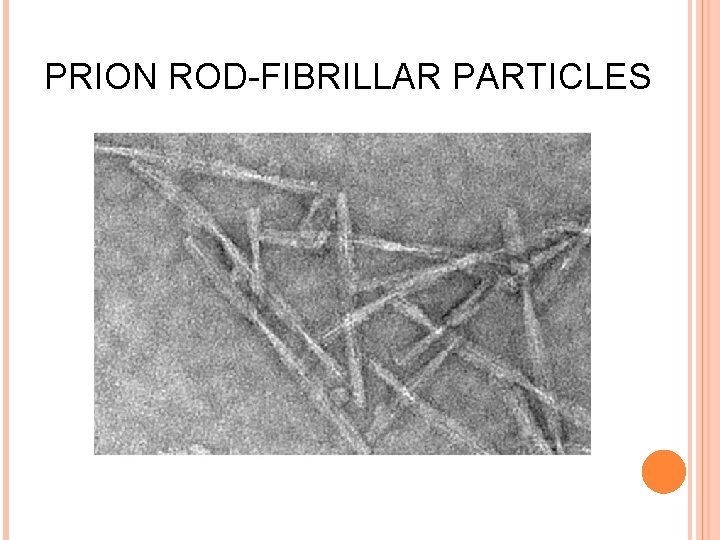
PRION ROD-FIBRILLAR PARTICLES
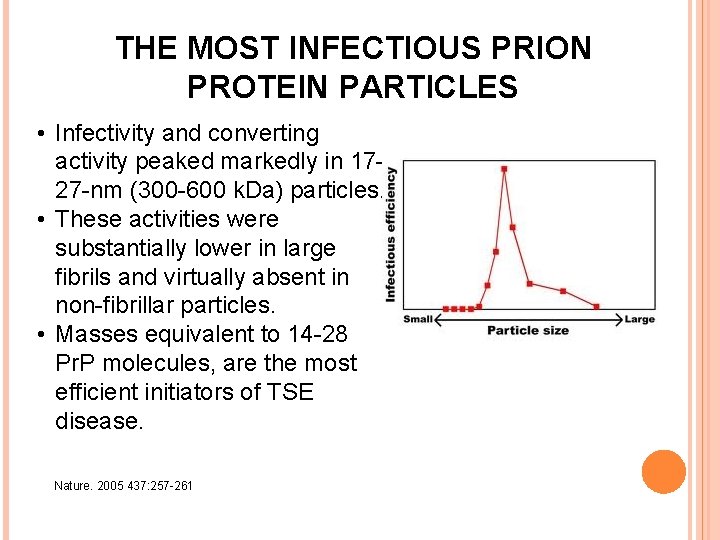
THE MOST INFECTIOUS PRION PROTEIN PARTICLES • Infectivity and converting activity peaked markedly in 1727 -nm (300 -600 k. Da) particles. • These activities were substantially lower in large fibrils and virtually absent in non-fibrillar particles. • Masses equivalent to 14 -28 Pr. P molecules, are the most efficient initiators of TSE disease. Nature. 2005 437: 257 -261
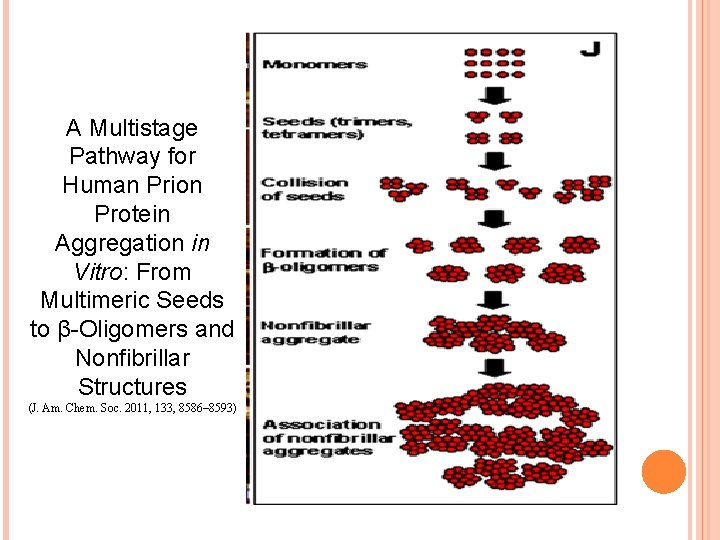
A Multistage Pathway for Human Prion Protein Aggregation in Vitro: From Multimeric Seeds to β-Oligomers and Nonfibrillar Structures (J. Am. Chem. Soc. 2011, 133, 8586– 8593)
THE UNDERLYING MECHANISM BY WHICH INFECTIOUS PRION CAUSES NEURODEGENERATION Lost of normal functions due to depletion of Pr. P. Gain of toxic functions: Pr. PSc is neurotoxic. Pr. PSc causes oxidative stress. Pr. PSc induces neuronal apoptosis. Both.
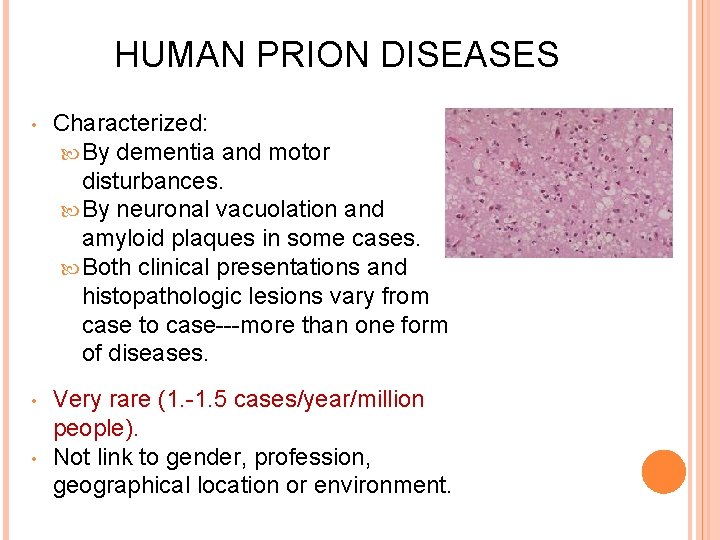
HUMAN PRION DISEASES • Characterized: By dementia and motor disturbances. By neuronal vacuolation and amyloid plaques in some cases. Both clinical presentations and histopathologic lesions vary from case to case---more than one form of diseases. • Very rare (1. -1. 5 cases/year/million people). Not link to gender, profession, geographical location or environment. •
THREE BASIC TYPES OF HUMAN PRION DISEASES Genetic: Mutation in the germ line PRNP gene. Infectious: Due to medical practices (Iatrogenic). Consumption of contaminated food, such as in the case of Kuru. Sporadic: Due to unknown reasons.
SPORADIC CJD Represents approximately 85% of human prion diseases. Occurs sporadically by unknown mechanisms. (Somatic mutation? )
IATROGENIC CJD In 1985, four cases of CJD were reported in patients who had received cadaver-sourced growth hormone in the UK. Further cases were reported from the USA, Europe and Australia. Of 1, 849 persons who received growth hormone in the UK between 1959 and 1985, 38 have developed CJD. One preparation was common to all patients who developed iatrogenic CJD. Patients with iatrogenic CJD due to administration of cadaver-sourced growth hormone during childhood are still being seen in the UK, 30 years after cessation of this treatment in 1985.
Managing the risk of iatrogenic transmission of Creutzfeldt-Jakob Disease in the UK In total, 77 cases of likely iatrogenic CJD in UK: Human-derived growth hormone (64 cases) Dura mater grafts (8 cases) Blood transfusions (4 cases) Plasma products (1 case) Around 6, 000 asymptomatic individuals have been informed they are at increased risk of CJD. The rarity of transmission events could indicate that incident-related exposures present negligible transmission risks, or--given the prolonged incubation and subclinical phenotypes of CJD--infections could be yet to occur or have been undetected. J Hosp Infect. 2014 Sep; 88(1): 22 -7
INHERITED FORM OF HUMAN PRION DISEASES Approximately 15% of human prion diseases are inherited in an autosomal dominant manner. GSS CJD Fatal familial insomnia (FII) More than 50 pathogenic mutations in the coding sequence of the prion gene have been identified. Point mutations. Insertion mutations in the octapeptide repeat region.
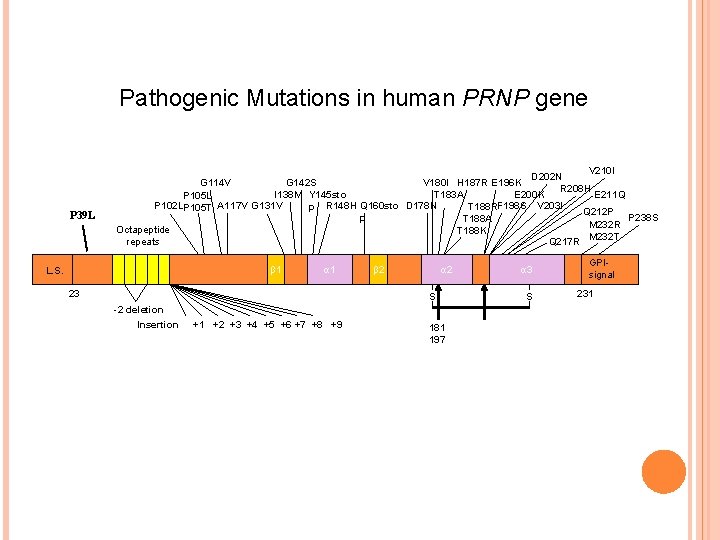
Pathogenic Mutations in human PRNP gene P 39 L V 210 I D 202 N G 114 V G 142 S V 180 I H 187 R E 196 K R 208 H I 138 M Y 145 sto T 183 A E 200 K E 211 Q P 105 L P 102 LP 105 T A 117 V G 131 V p R 148 H Q 160 sto D 178 N T 188 RF 198 S V 203 I Q 212 P P 238 S p T 188 A M 232 R Octapeptide T 188 K Q 217 R M 232 T repeats β 1 L. S. α 1 23 β 2 α 2 S -2 deletion Insertion +1 +2 +3 +4 +5 +6 +7 +8 +9 181 197 α 3 S GPIsignal 231
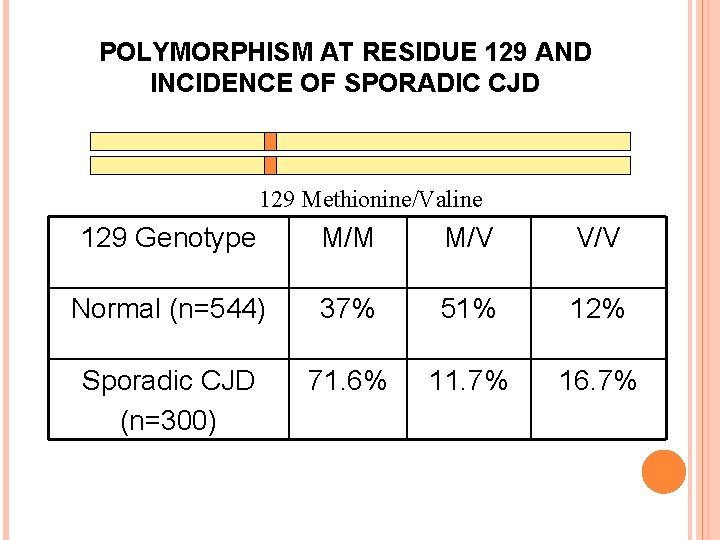
POLYMORPHISM AT RESIDUE 129 AND INCIDENCE OF SPORADIC CJD 129 Methionine/Valine 129 Genotype M/M M/V V/V Normal (n=544) 37% 51% 12% Sporadic CJD (n=300) 71. 6% 11. 7% 16. 7%

BALANCING SELECTION AT THE PRION PROTEIN GENE CONSISTENT WITH PREHISTORIC KURU LIKE EPIDEMICS SCIENCE. 2003 APR 25; 300(5619): 640 -3 Kuru imposed strong balancing selection on the Fore, essentially eliminating PRNP 129 (M/M) homozygotes Worldwide PRNP haplotype diversity and coding allele frequencies suggest that strong balancing selection at this locus occurred during the evolution of modern humans and may be linked to cannibalism
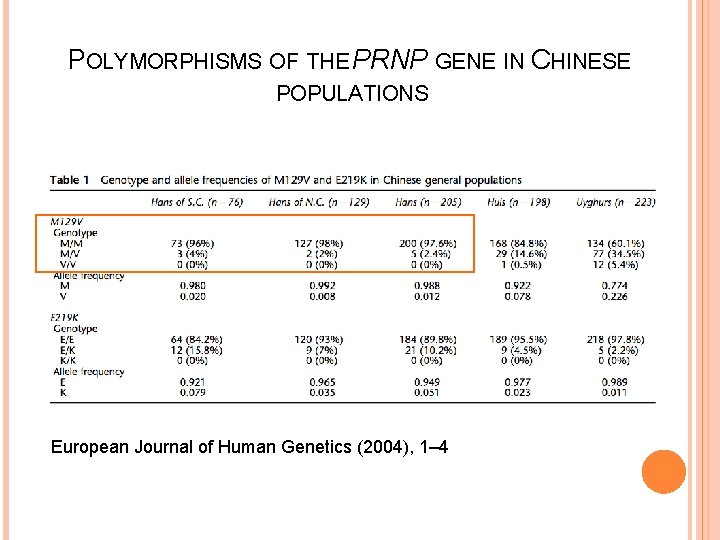
POLYMORPHISMS OF THE PRNP GENE IN CHINESE POPULATIONS European Journal of Human Genetics (2004), 1– 4
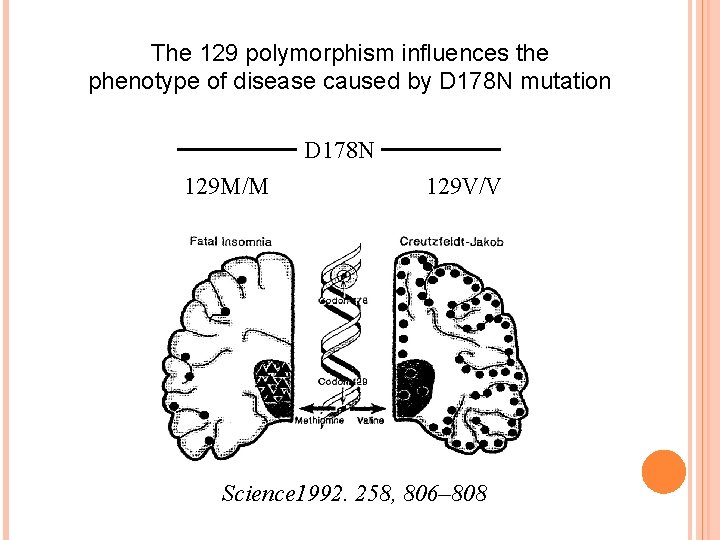
The 129 polymorphism influences the phenotype of disease caused by D 178 N mutation D 178 N 129 M/M 129 V/V Science 1992. 258, 806– 808
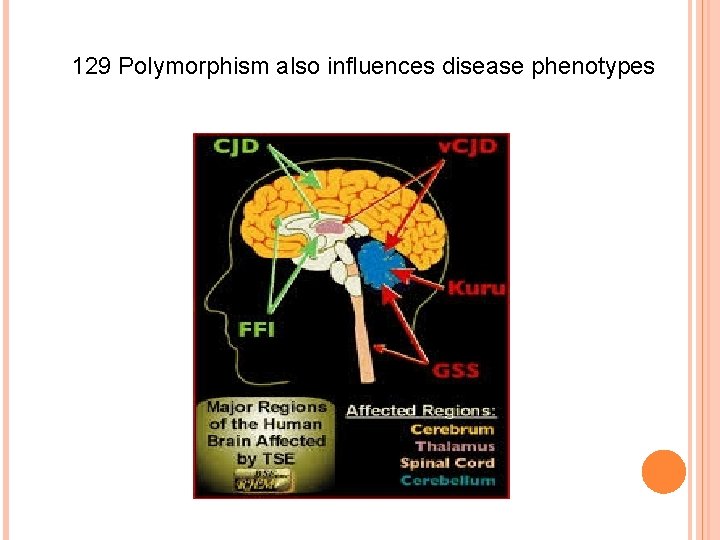
129 Polymorphism also influences disease phenotypes
CLINICAL DIAGNOSIS OF PRION DISEASES Clinical presentation: cognitive deficits including psychiatric and behavior abnormalities. Histopathological findings: Spongiform vacuolation. Astrocytic proliferation. Neuronal loss. Immunoblots of proteinase K resistant Pr. PSc.
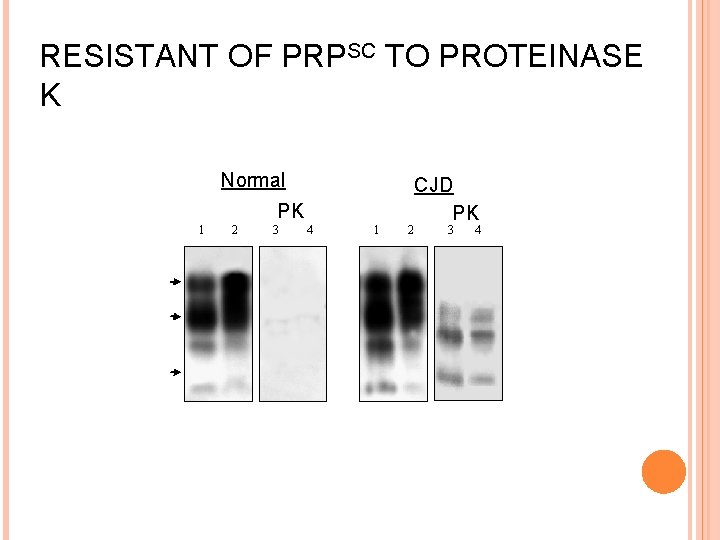
RESISTANT OF PRPSC TO PROTEINASE K Normal PK 1 2 3 4 1 2 CJD PK 3 4
THE BEGINNING OF BOVINE SPONGIFORM ENCEPHALOPATHY (BSE) In April of 1985, in Kent , South England, farmer Green found a cow with symptoms looked like rabies. Affected cow exhibited anxiety, nervousness and initially hyperactivity, followed by lethargy. Dying within a few days. Presence of vacuoles and astrocytic infiltration in the brain. More than 500 cases in 1988
OFFICIAL GOVERNMENT RESPONSES In December 1988, Dr. Keith Meldrum, the Chief Veterinary Officer of the U. K. was asked “whether BSE is transmissible to humans ” “Jesus, man, how can you ever utter such a thing? ” British Prime Minster John Major declared that “there was absolutely no connection between BSE and diseases in human.
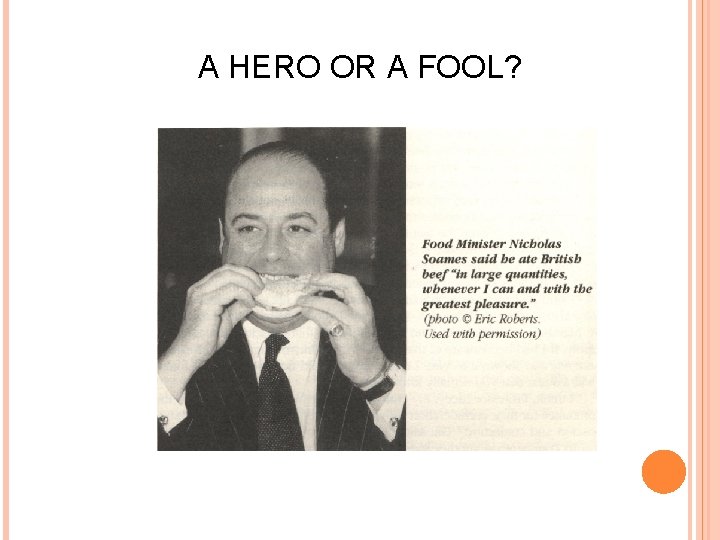
A HERO OR A FOOL?
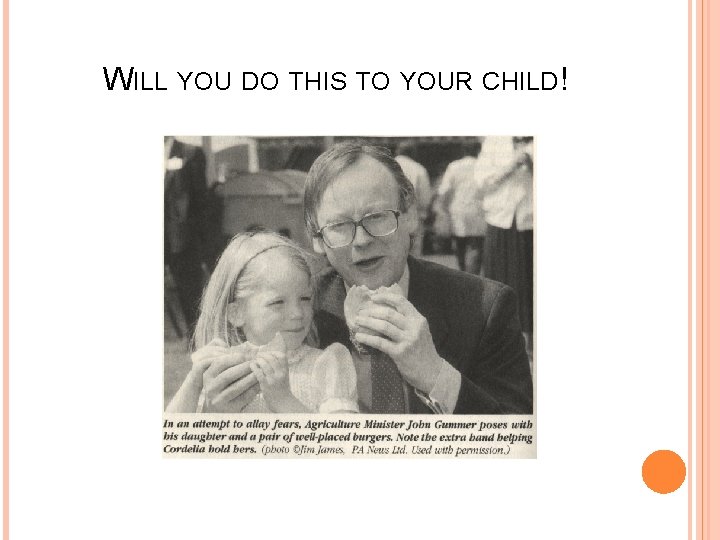
WILL YOU DO THIS TO YOUR CHILD!
EPIDEMIOLOGY AND THE CAUSE OFBSE Epidemiological investigations indicated that BSE was caused by consumption of infected feeds, probably due originally to the inclusion in cattle feed of protein derived from scrapie infected sheep, but exacerbated by recycling infection from cattle to cattle feed.
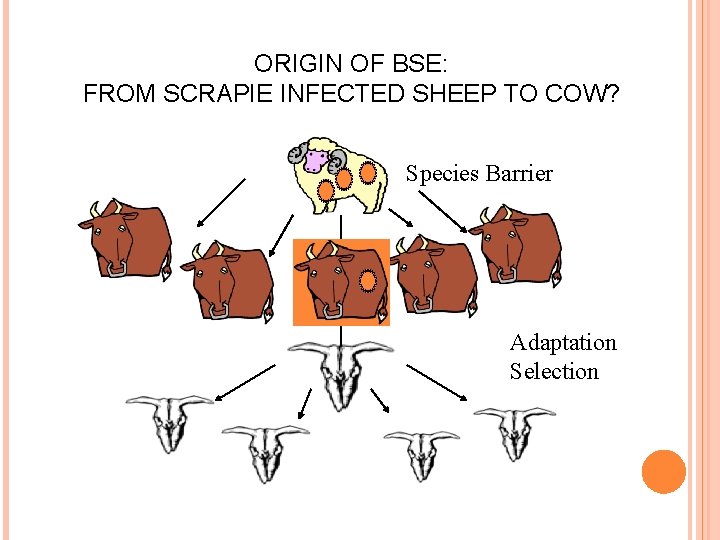
ORIGIN OF BSE: FROM SCRAPIE INFECTED SHEEP TO COW? Species Barrier Adaptation Selection

THE FEED BAN In 1988 and 1990 the British Government banned all mammalian meat and bone meal (MMBM) in animal feed. But they continue to export MMBM to other countries.

THE EXPORT BAN IMPOSED BY THE EUROPEAN COMMISSION The European Commission in March 27 1996 banned the export from England of: Live bovine animals, bovine semen and embryos. Beef from animals slaughtered in the U. K. Products obtained from bovine animals slaughtered in the UK for food, feed, cosmetic, medical or pharmaceutical uses, and mammalian meat and bone meal (MMBM).

BSE CASES IN U. K.
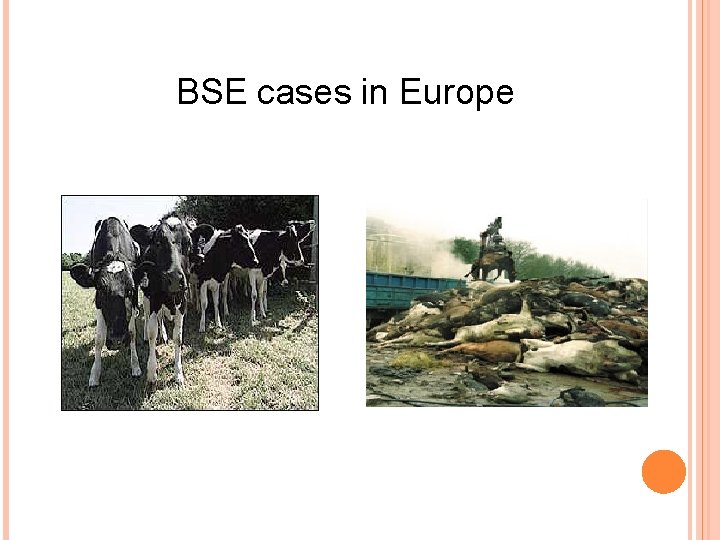
BSE cases in Europe
BSE AND NEW VARIANT CREUTZFELDT-JAKOB DISEASE (VCJD) In August of 1993, fifteen year old Victoria Rimmer was the first unofficial victim of a new disease: v. CJD. May 15, 1995, 19 year old Stephen Churchill became the first official victim of v. CJD. Followed by another 21 year old victim in two months. “Occurred fewer than five times in world history. ”
VCJD CAME FROM BSE The origin of the infection in v. CJD has not been firmly established but considerable evidence points to BSE. The outbreak of v. CJD with a time delay form, and in the same geographical location as the BSE epidemic. The distinct clinical features that set this disease a part from s. CJD. The similar histopathological lesion profiles in mice inoculated with BSE or with v. CJD preparations. Similar molecular signatures. (similarity in size and glycoform ratio of the Pr. PSc fragments resistant to protease, similar strain of prion).
The fact that the epidemiology of the disease coincided with an epidemic of BSE led to the hypothesis that consumption of BSE-infected beef caused the disease. Despite the consumption of contaminated beef in the UK being reckoned to be quite high, v. CJD has infected a comparatively small cohort of people.
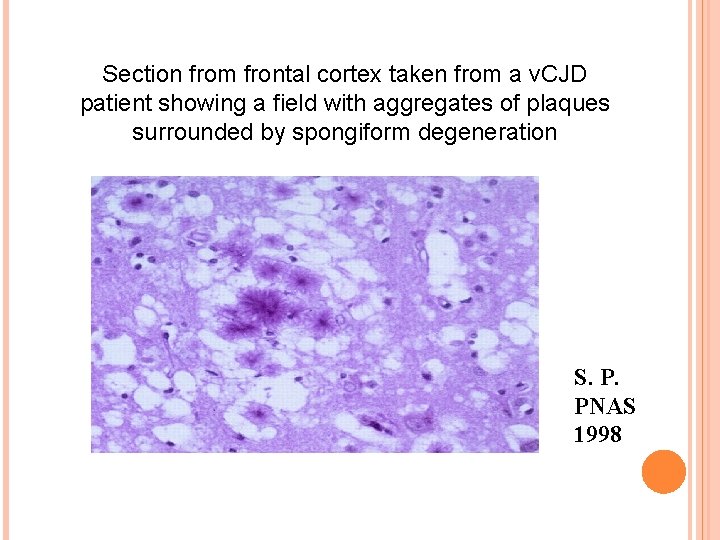
Section from frontal cortex taken from a v. CJD patient showing a field with aggregates of plaques surrounded by spongiform degeneration S. P. PNAS 1998
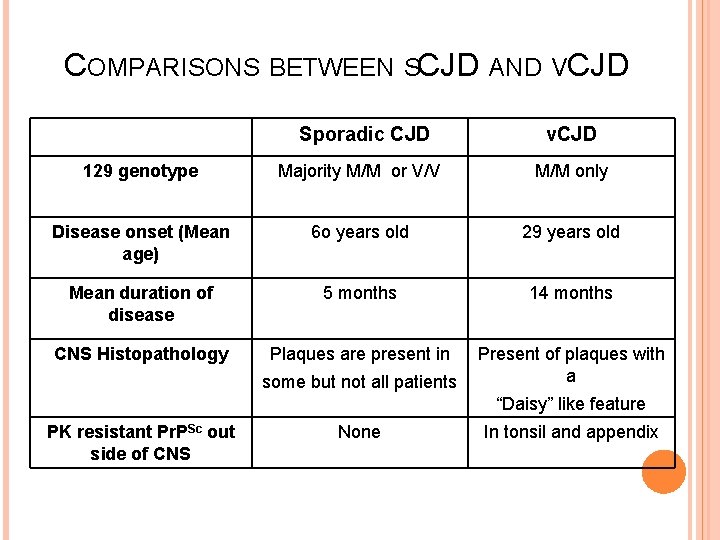
COMPARISONS BETWEEN SCJD AND VCJD Sporadic CJD v. CJD 129 genotype Majority M/M or V/V M/M only Disease onset (Mean age) 6 o years old 29 years old Mean duration of disease 5 months 14 months CNS Histopathology Plaques are present in Present of plaques with a some but not all patients “Daisy” like feature PK resistant Pr. PSc out side of CNS None In tonsil and appendix
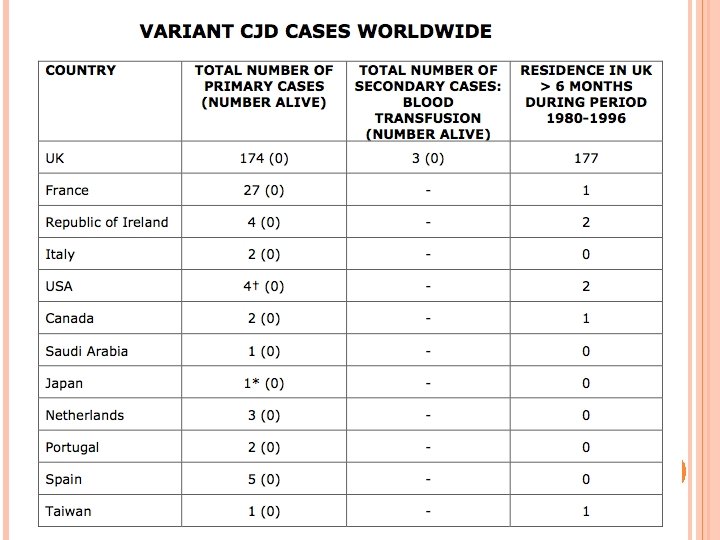
POSSIBLE TRANSMISSION OF VARIANT CREUTZFELDT-JAKOB DISEASE BY BLOOD TRANSFUSION LANCET. 2004 FEB 7; 363(9407): 417 -21 48 individuals were identified as having received a labile blood component from a total of 15 donors who later became v. CJD cases and appeared on the surveillance unit's register. One of these recipients was identified as developing symptoms of v. CJD 6. 5 years after receiving a transfusion of red cells donated by an individual 3. 5 years before the donor developed symptoms of v. CJD.
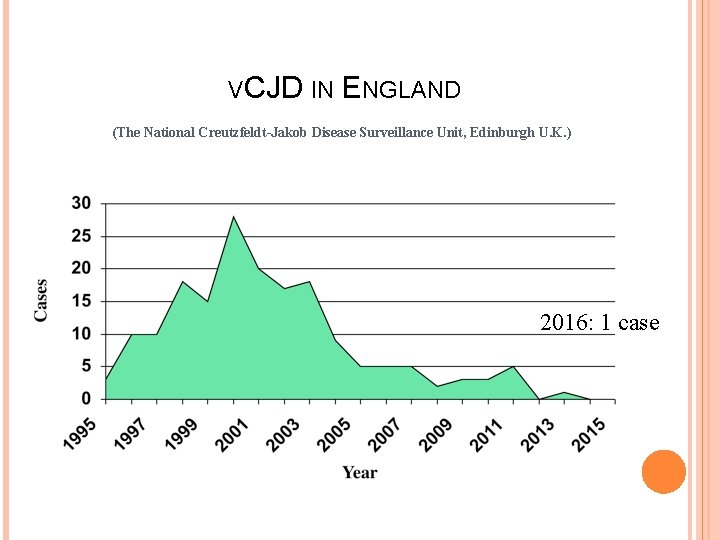
VCJD IN ENGLAND (The National Creutzfeldt-Jakob Disease Surveillance Unit, Edinburgh U. K. ) 2016: 1 case
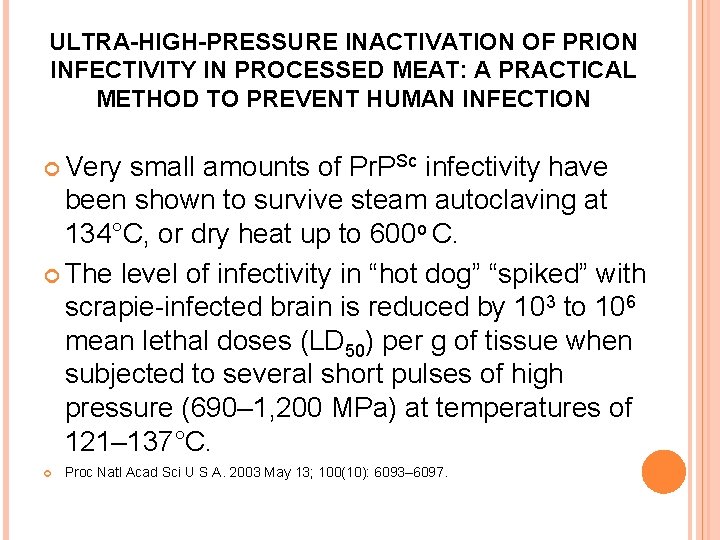
ULTRA-HIGH-PRESSURE INACTIVATION OF PRION INFECTIVITY IN PROCESSED MEAT: A PRACTICAL METHOD TO PREVENT HUMAN INFECTION Very small amounts of Pr. PSc infectivity have been shown to survive steam autoclaving at 134°C, or dry heat up to 600 o C. The level of infectivity in “hot dog” “spiked” with scrapie-infected brain is reduced by 103 to 106 mean lethal doses (LD 50) per g of tissue when subjected to several short pulses of high pressure (690– 1, 200 MPa) at temperatures of 121– 137°C. Proc Natl Acad Sci U S A. 2003 May 13; 100(10): 6093– 6097.
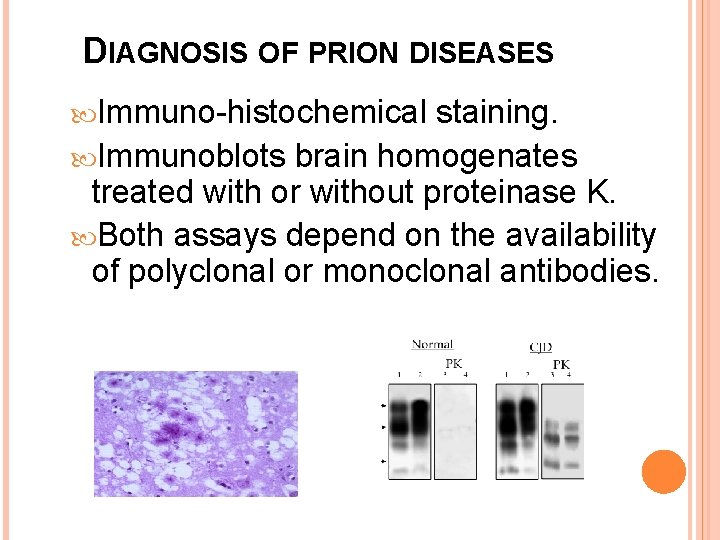
DIAGNOSIS OF PRION DISEASES Immuno-histochemical staining. Immunoblots brain homogenates treated with or without proteinase K. Both assays depend on the availability of polyclonal or monoclonal antibodies.
SENSITIVE DETECTION OF PATHOLOGICAL PRION PROTEIN BY CYCLIC AMPLIFICATION OF PROTEIN MISFOLDING SABORIO GP, PERMANNE B, SOTO C. NATURE. 2001; 411: 810– 813
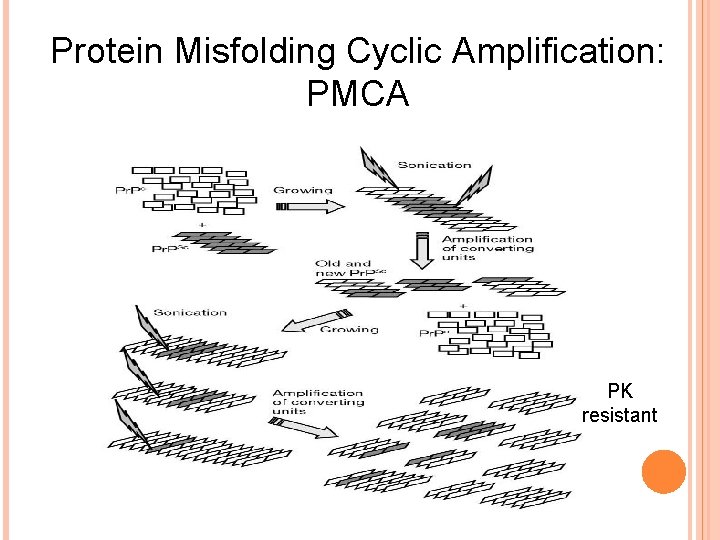
Protein Misfolding Cyclic Amplification: PMCA PK resistant
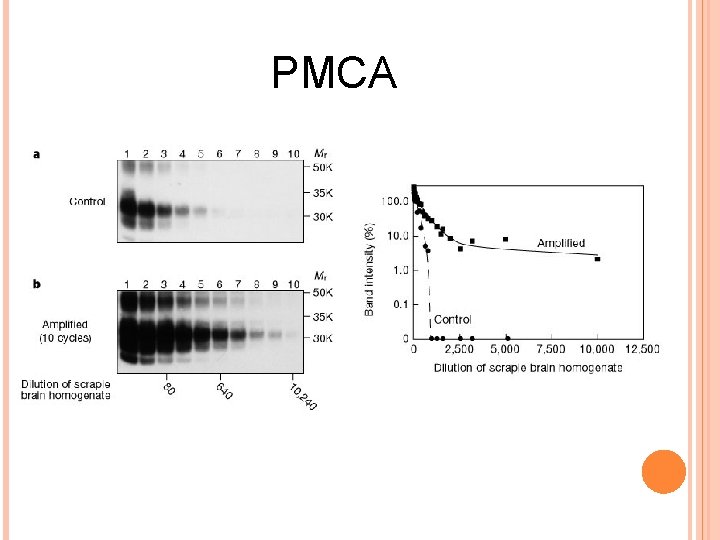
PMCA
Simplified ultrasensitive prion detection by recombinant Pr. P conversion with shaking Nature Methods - 5, 211 - 212 (2008) • To improve the speed and practicality of prion detection assays, we recently developed a cell-free conversion reaction that supports sustained Pr. PSc-seeded conversion of recombinant Pr. P-sen (r. P-sen) to specific protease-resistant (r. P-res) forms. • This method, called r. P-PMCA, uses periodic sonication and serial reaction rounds of the PMCA method, but is faster 6. To circumvent problems associated with sonication in the PMCA and r. P-PMCA methods.

• A new prion assay, abbreviated QUIC for quaking-induced conversion, which uses r. P-sen as a substrate and automated tube shaking rather than sonication. • This assay can detect about one lethal prion dose within a day, and is faster and simpler than previous described PMCA and r. P-PMCA assays.
A TEST FOR CREUTZFELDT-JAKOB DISEASE USING NASAL BRUSHINGS. N ENGL J MED. 2014 AUG 7; 371(6): 519 -29. • Ofactory epithelium brushings and CSF samples from patients with and patients without sporadic CJD and tested them using RT-Qu. IC, an ultrasensitive, multi-well platebased fluorescence assay involving Pr. P(CJD)-seeded polymerization of recombinant Pr. P into amyloid fibrils. • The RT-Qu. IC assays seeded with nasal brushings were positive in 30 of 31 patients with CJD (15/15 with definite sporadic CJD, 13/14 with probable sporadic CJD, and 2/2 with inherited CJD) but were negative in 43/43 patients without CJD • Indicating a sensitivity of 97% and specificity of 100% for the detection of CJD.
SUMMARY CJD remains a very rare disease and the incidence has not changed for decades. Although it is infectious the transmission efficiency is very low. Less invasive and more quantitative diagnostic tools are being developed.
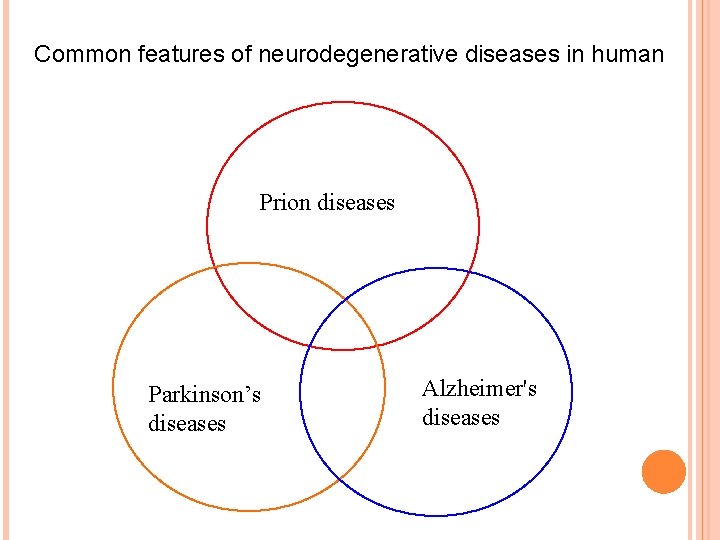
Common features of neurodegenerative diseases in human Prion diseases Parkinson’s diseases Alzheimer's diseases
EVIDENCE FOR HUMAN TRANSMISSION OF AMYLOIDΒ PATHOLOGY AND CEREBRAL AMYLOID ANGIOPATH Unexpectedly, in an autopsy study of eight individuals with i. CJD, aged 36 -51 years, in four we found moderate to severe grey matter and vascular amyloid- (A ) pathology. The A deposition in the grey matter was typical of that seen in Alzheimer's disease and A in the blood vessel walls was characteristic of cerebral amyloid angiopathy. Nature. 2015 Sep 10; 525(7568): 247 -50 https: //pubpeer. com/featured

THANK YOU FOR YOUR ATTENTION
- Slides: 67