
The Globalization of Japan Tatemae Honne Suzanne T
The Globalization of Japan Tatemae & Honne Suzanne T. Bell Jonathan B. Cox Clifton G. Ganyard Igor E. Klyukanov Anthony R. Paquin

Outline History Business Practices Aesthetics Communication Research Tools
Nihon no Rekishi History of Japan
An Undiscovered Country? Master Narrative Mysterious Orient Isolation Homogeneity Nihonjinron 2 Themes Global Connections Social Conflict
Japan and the World Tokugawa China, Dutch Meiji Perry & Westernization Imperial Japan Mirror to the West? Postwar Japan Security Treaty, Economic “Miracle”
Social Conflict Tokugawa Urbanization, Sangaku Meiji Restoration Satsuma Rebellion, Democracy Taisho in Crisis Democracy, Socialism, Feminism, Modernism Postwar Japan AMPO, Miike, Vietnam, Tokyo U. , Narita
1989, End of the “Shining Peace” Death of Showa (Shining Peace) Ascension of Heisei (Attaining Peace) Economic Bubble Burst The Japanese “Disease”? Materialism, Birthrate, Education Global Power? Okinawa, Article 9
Nihonteki Keiei Japanese Style Management
Tatemae Productivity Boom The 4 Sacred Treasures Kaizan Constant Improvement Kanban-hoshiki, etc. JIT Inventory, Taguchi Method, SQC Wa & Gambare!!! Harmony & “Don’t give up!” Ouichi’s Theory Z Organizations
Honne “Z” Japanese Organization Ijime & Karoshi Bullying & Death from overwork Dark Side of Kanban-hoshiki, etc. Kaizan? The 4 Lost Treasures Productivity growth: A Closer Look
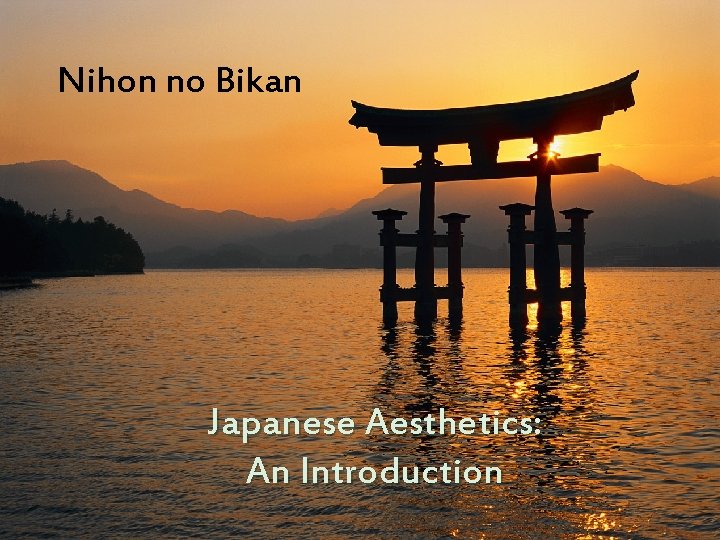
Nihon no Bikan Japanese Aesthetics: An Introduction

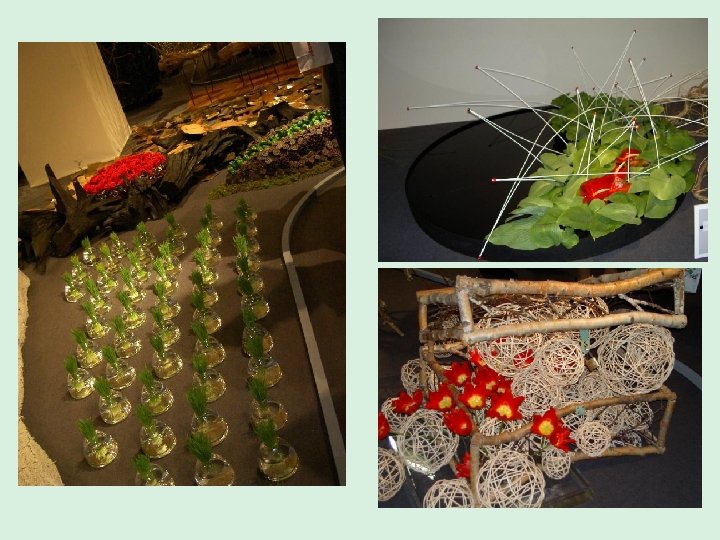
Ikebana The Principles of 3 D Design in Living Materials
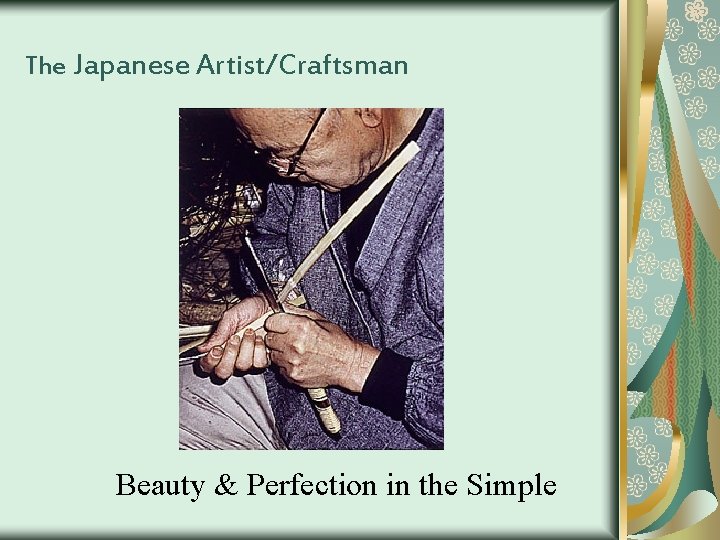
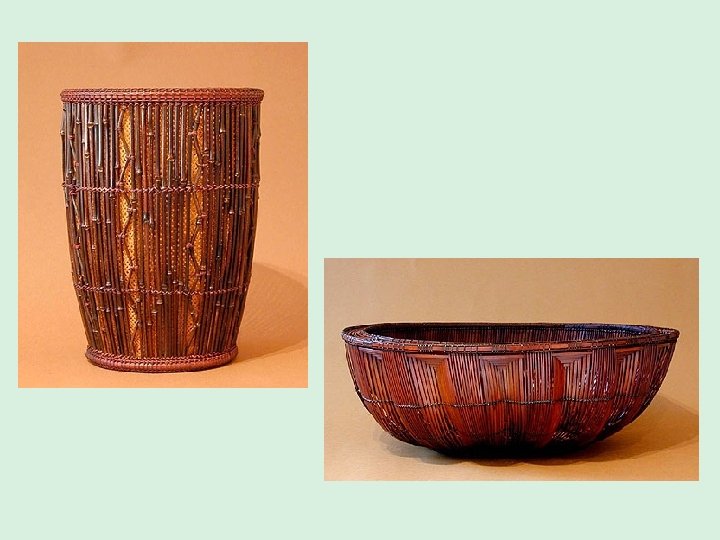
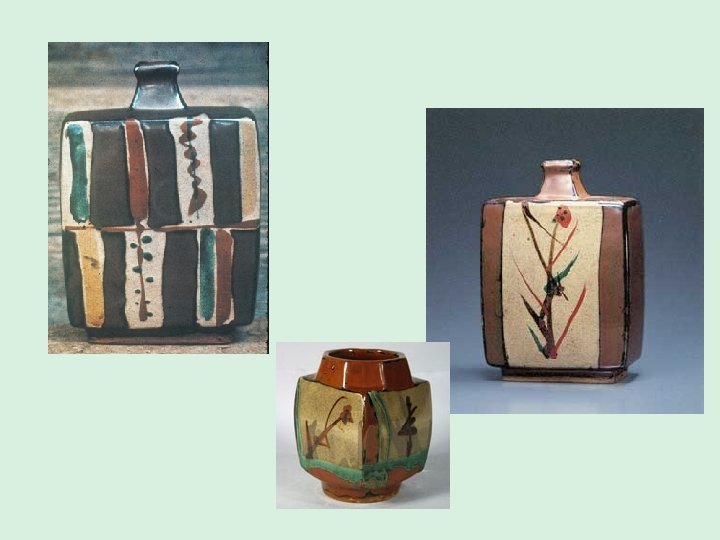
The Japanese Artist/Craftsman Beauty & Perfection in the Simple

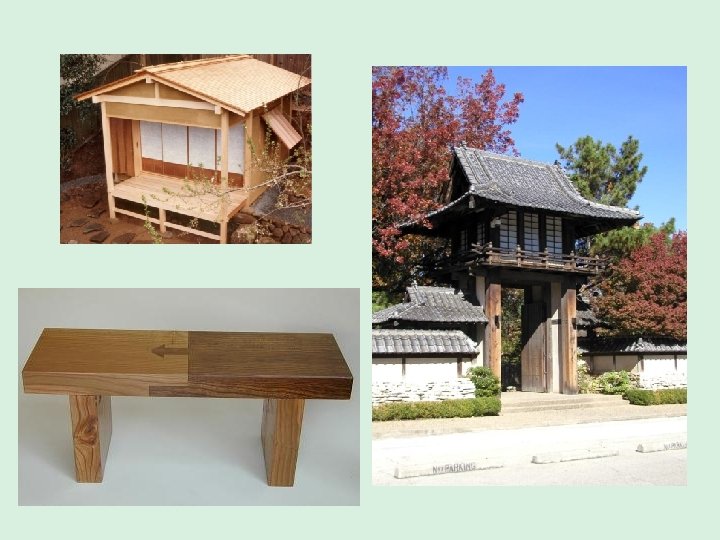
Japanese Joinery & Woodcraft Applications in Architecture & Furniture

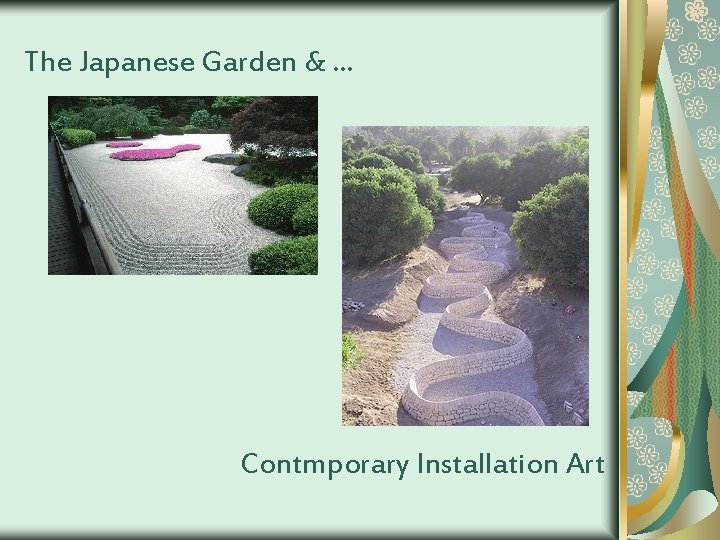
The Japanese Garden & … Contmporary Installation Art
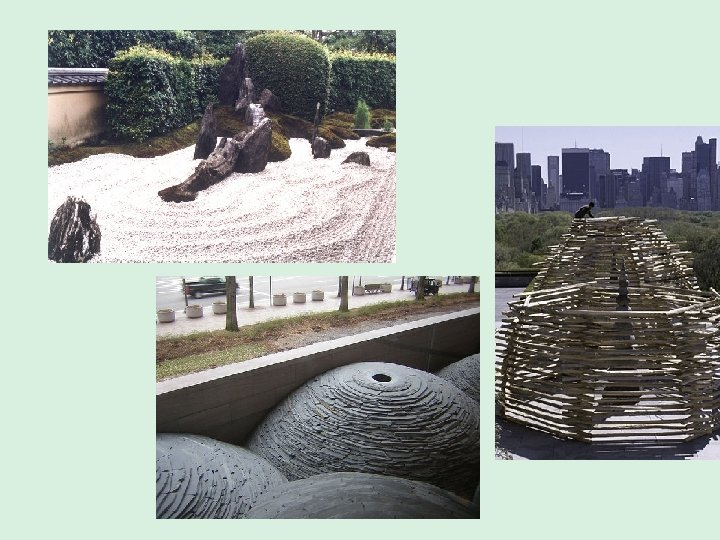
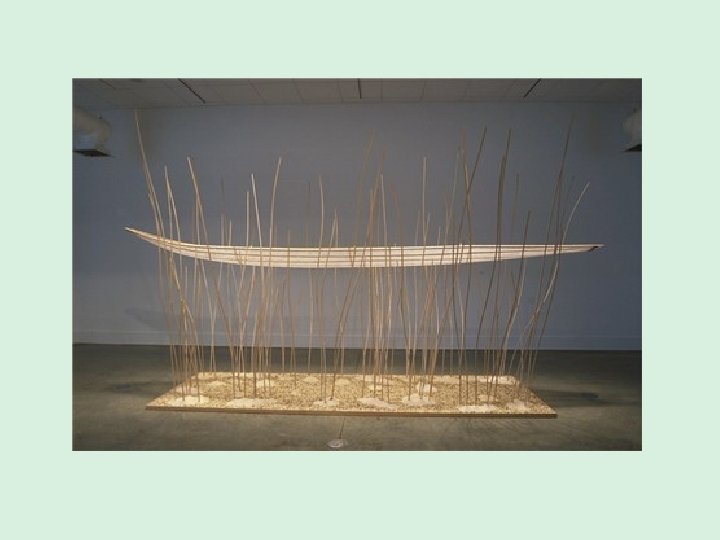
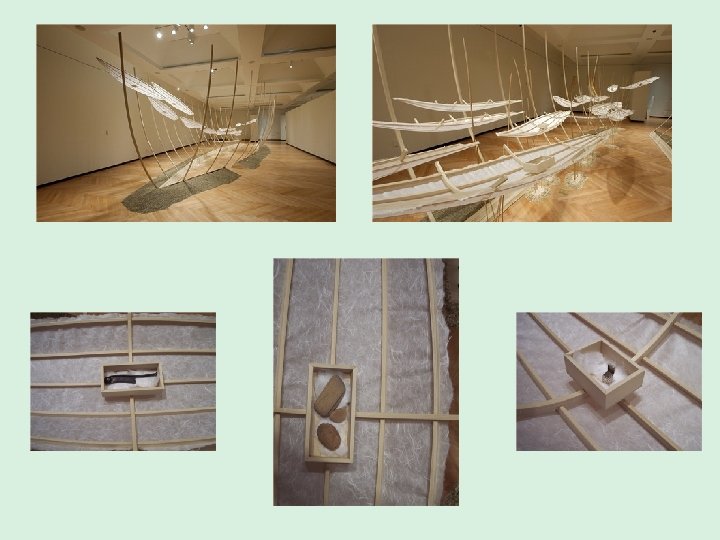
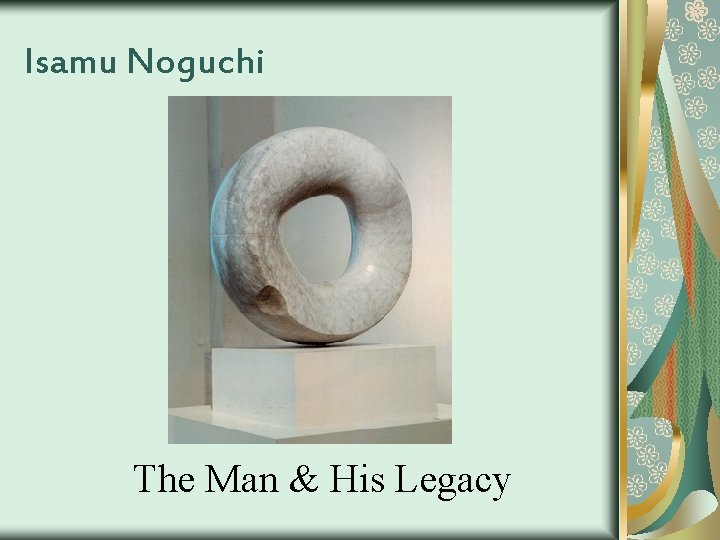
Isamu Noguchi The Man & His Legacy
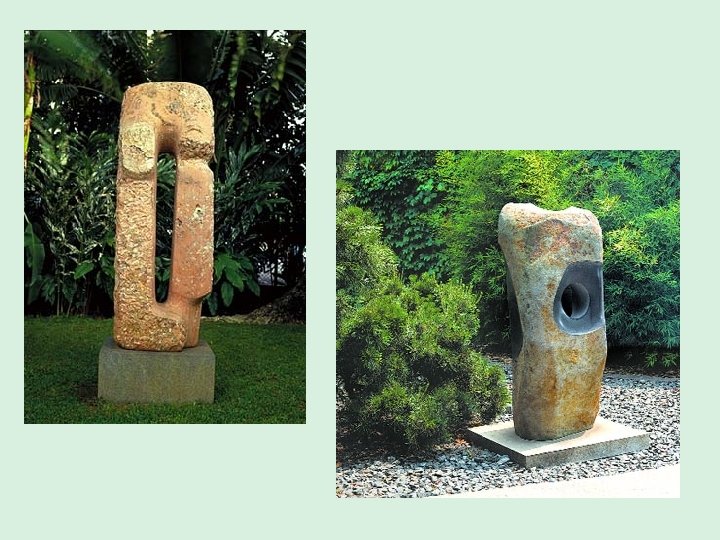
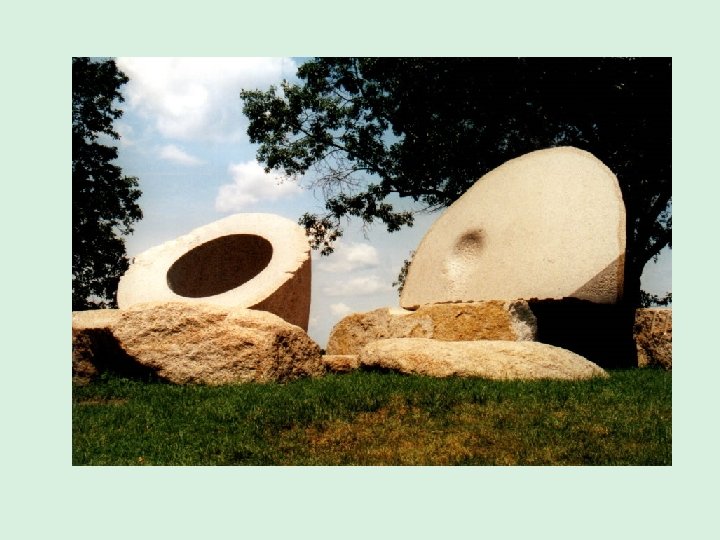
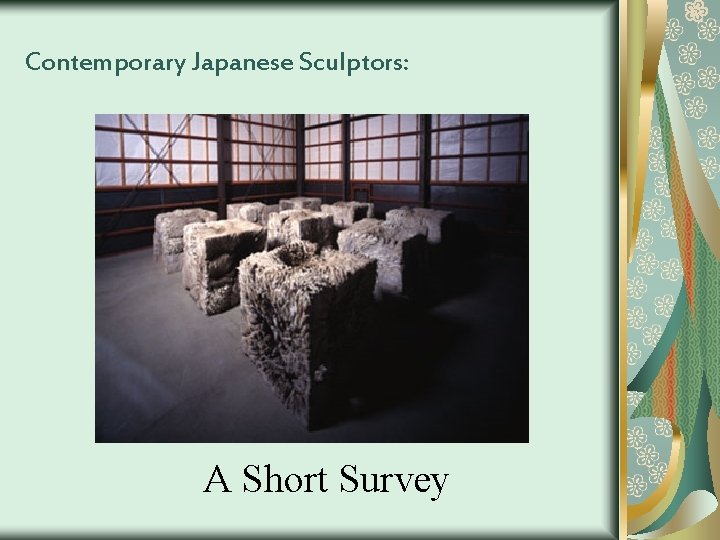
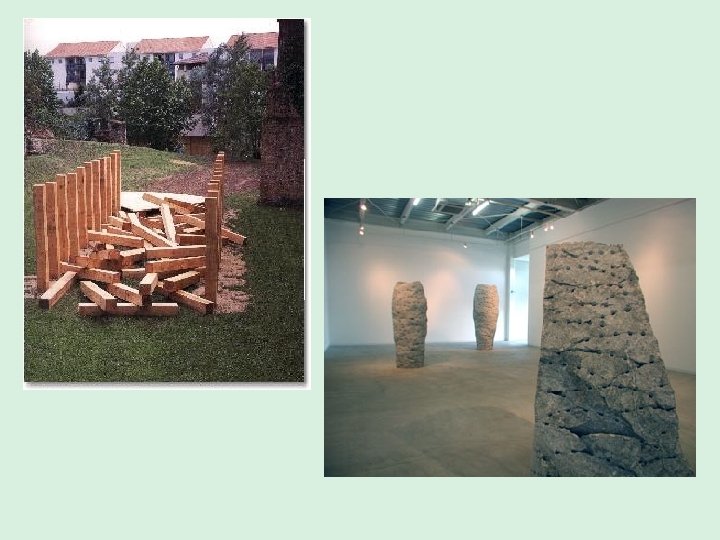
Contemporary Japanese Sculptors: A Short Survey
Japan As/And the Other Breaking the (Invisible) Wall
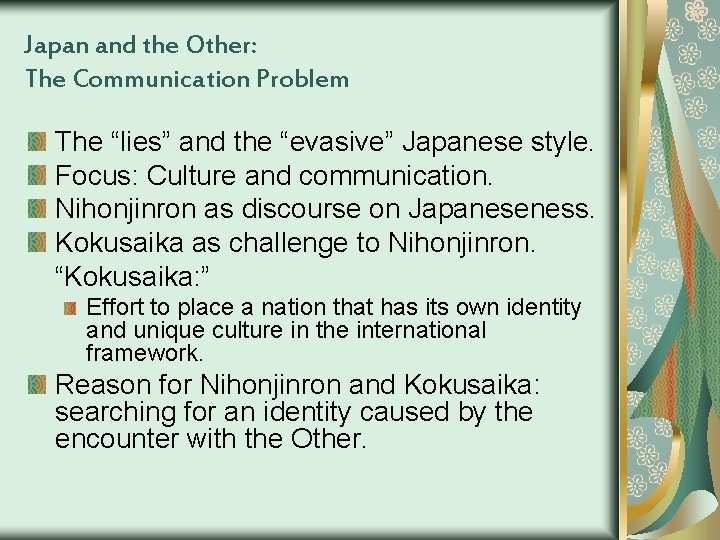
Japan and the Other: The Communication Problem The “lies” and the “evasive” Japanese style. Focus: Culture and communication. Nihonjinron as discourse on Japaneseness. Kokusaika as challenge to Nihonjinron. “Kokusaika: ” Effort to place a nation that has its own identity and unique culture in the international framework. Reason for Nihonjinron and Kokusaika: searching for an identity caused by the encounter with the Other.
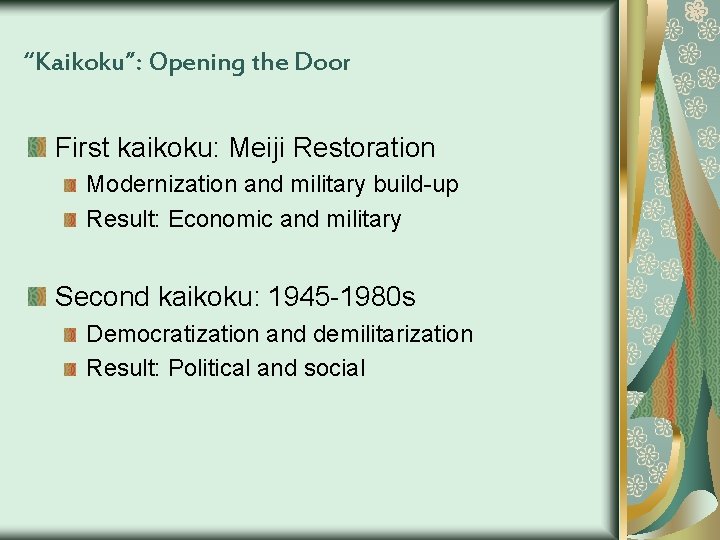
“Kaikoku”: Opening the Door First kaikoku: Meiji Restoration Modernization and military build-up Result: Economic and military Second kaikoku: 1945 -1980 s Democratization and demilitarization Result: Political and social
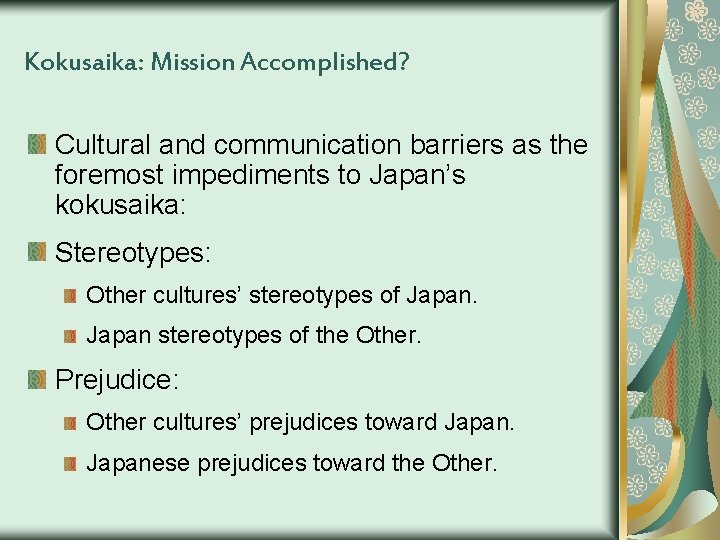
Kokusaika: Mission Accomplished? Cultural and communication barriers as the foremost impediments to Japan’s kokusaika: Stereotypes: Other cultures’ stereotypes of Japan stereotypes of the Other. Prejudice: Other cultures’ prejudices toward Japanese prejudices toward the Other.
Breaking the (Invisible) Wall Oe’s 1994 Nobel Prize acceptance speech: “Ambiguous Japan and I” Third Kaiku: “Kokoro no kokusaika: ” Internationalization of the mind. Cultural knowledge and communication skills as keys to successful interactions between Japan and the world.
Toshokan Globalization & Information Access
University of Guam Website Map Library Mission Orientation Library of Congress Periodicals
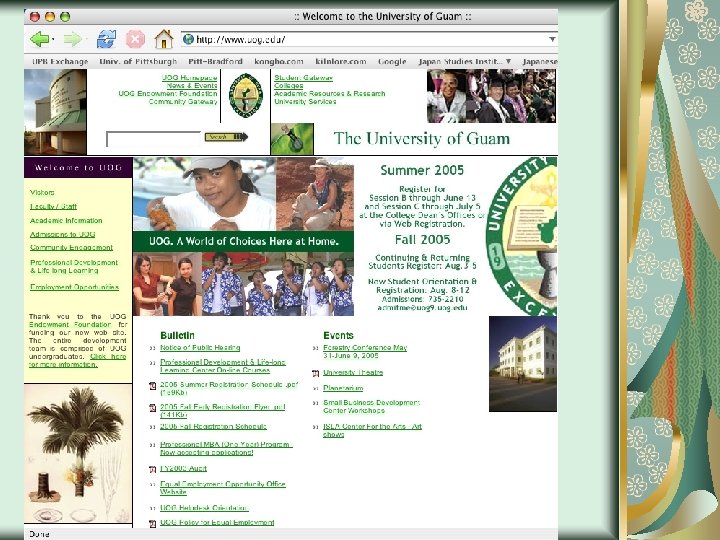
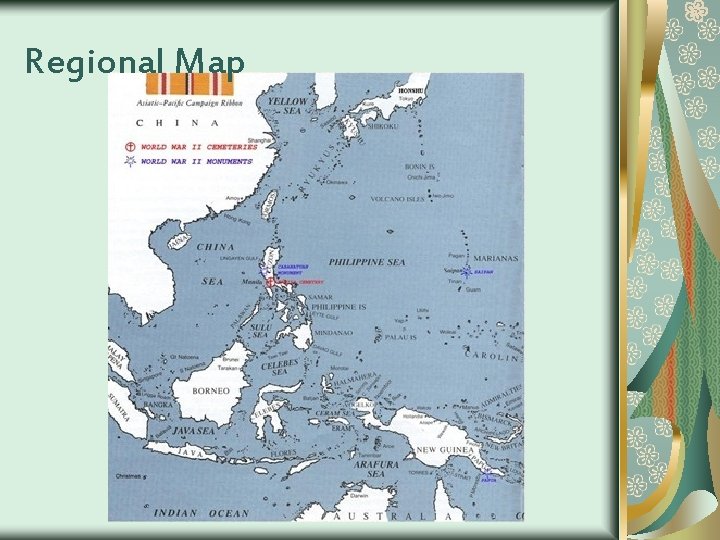
Regional Map


Periodicals Serials Magazines Academic Journals
Globalization & Technology Interlibrary Loan (ILL) Electronic Databases World Wide Web Resources List of readings (handout) List of websites
What I’m Taking Home Enhanced regional perspective SDSU Japan resources Collection development Displays Handout
Honne Tatemae
- Slides: 42