
The Gilded Age What does gilded mean technique


- Slides: 36
The Gilded Age
What does gilded mean? • technique of applying gold to less valuable metal
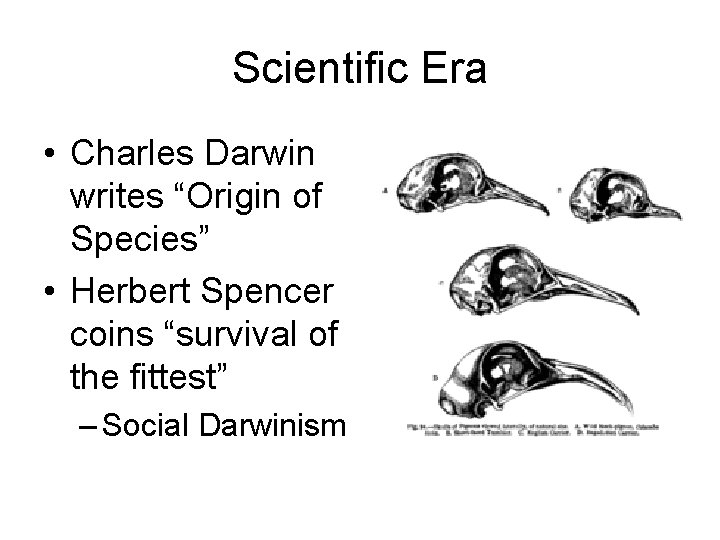
Scientific Era • Charles Darwin writes “Origin of Species” • Herbert Spencer coins “survival of the fittest” – Social Darwinism
4 Lifestyles • Laborers • Captains of Industry • Farmers • Immigrants
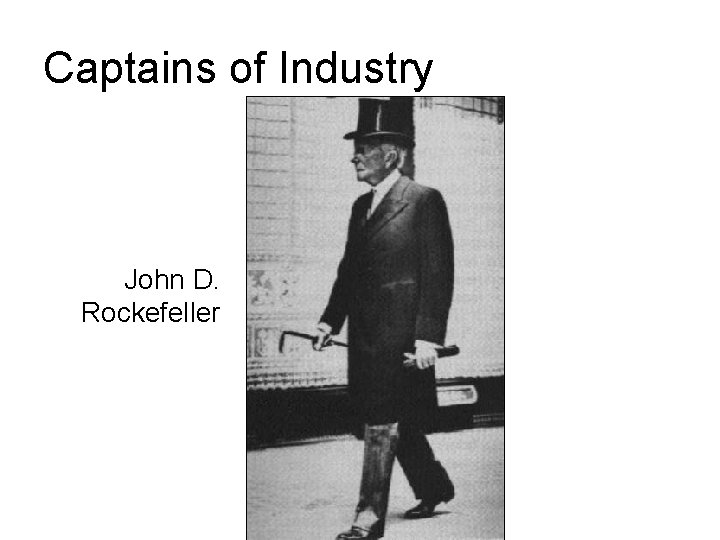
Captains of Industry John D. Rockefeller
Ideologies • Pursuit of Happiness (Jefferson) – Greatest social good for greatest number • Pursuit of Property (Locke) – Search for greater material of wealth
Happiness • Farmers lifestyle best • Untrustworthy of businessman • Need healthy competition (no corporations!) vs Property • Survival of the fittest • Laissez-faire economy (gov’t hands off business) • Profits improve material and spiritual wealth of nation
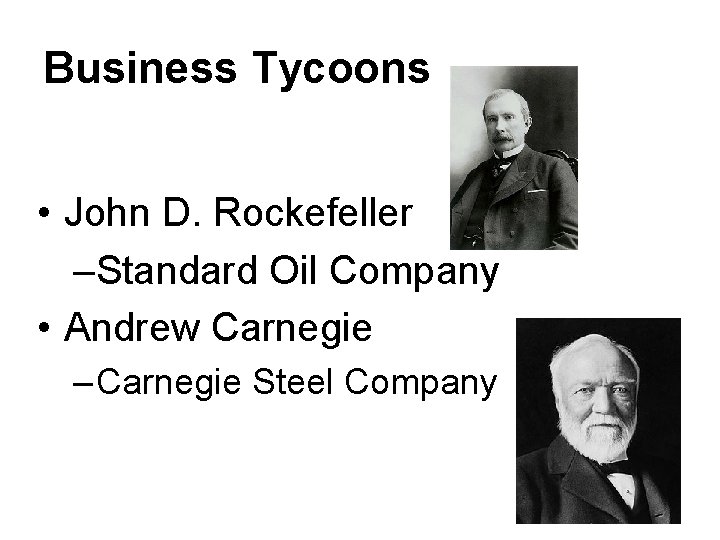
Business Tycoons • John D. Rockefeller –Standard Oil Company • Andrew Carnegie – Carnegie Steel Company
Robber Baron vs. Captain of Industry • What’s the difference? Look to page 192
Creating a Business • • Corporation: Stocks Monopoly: Horizontal and Vertical Business (page 197)
• Pacific Railway Act 1862: construction of transcontinental railroad by two corporations – Union Pacific – Central Pacific – JP Morgan: financial captain of industry • Helps finance railroads • Helps US during 1890 depression
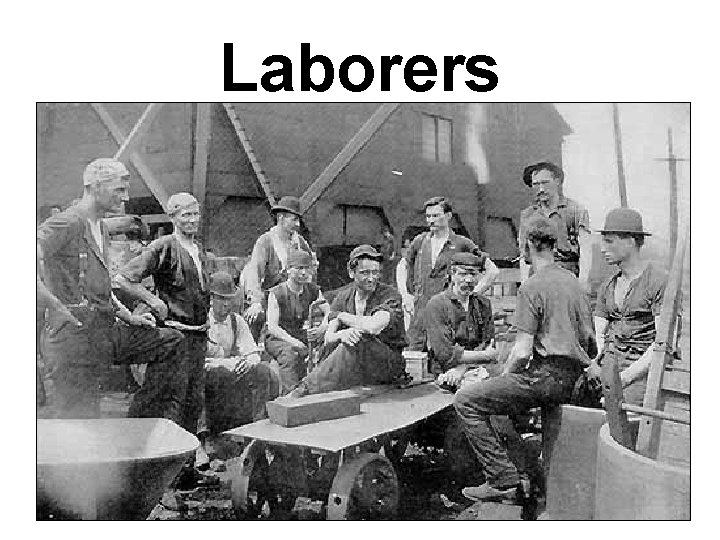
Laborers
Problems • Keep wages low – Higher profit for business – Moral reasons (no $$ for alcohol, gambling. . ) Hours: work 16 -18 hour days
Unions • American Federation of Labor 1886 – Strikes, boycotts – Collective bargaining – Better wages – Skilled workers – Samuel Gompers is first president of union
Strikes • 1877: Great Railroad Strike – Wages cut • 1886: Haymarket Riot – Clash between police and strikers • 1894: Pullman Strike – Company cuts wages/ court ordered to stop strike
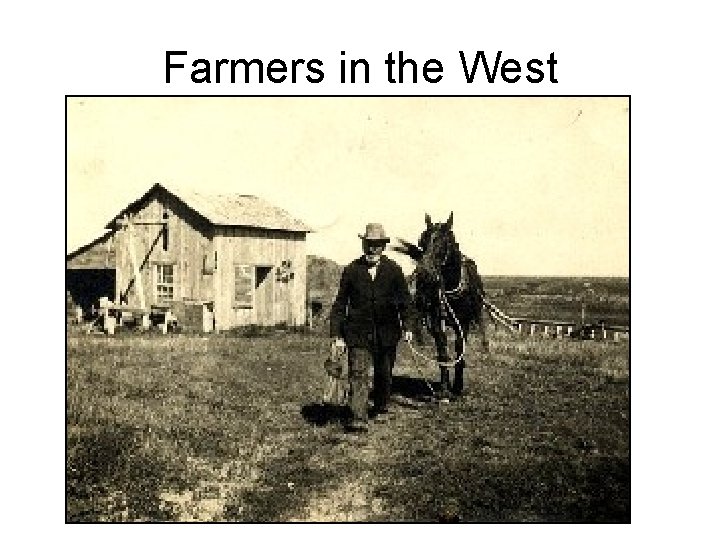
Farmers in the West
Homestead Act 1862 • Homestead: area of public land available for settlement • Wheat Belt – Bonanza farms (big profit) • New technologies: – Allow dry farming
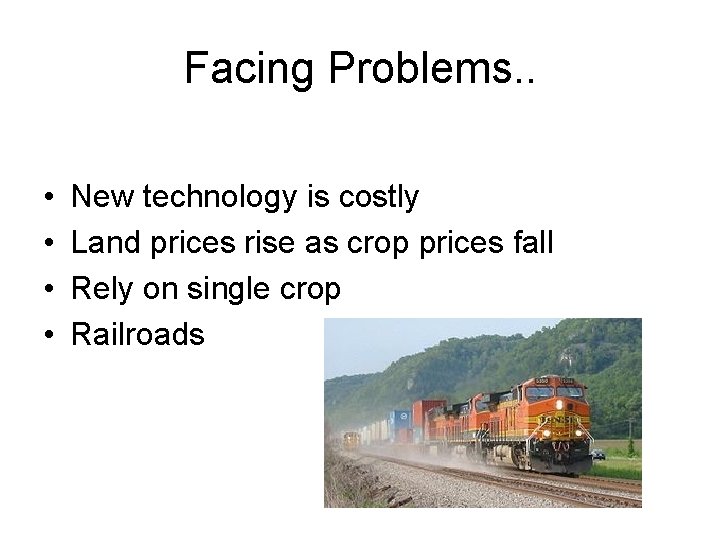
Facing Problems. . • • New technology is costly Land prices rise as crop prices fall Rely on single crop Railroads
Solution • The Grange: agricultural organization – Pro farm legislation – Wanted insurance, purchase supplies, gov’t regulate railroads
Populists, or People’s Party • Interests: – Union of working class – Wealth for all workers – Farmers: create sub treasuries so price goes up – Coinage of silver – Conflict with democratic party Presidential candidate: – James Be Weaver
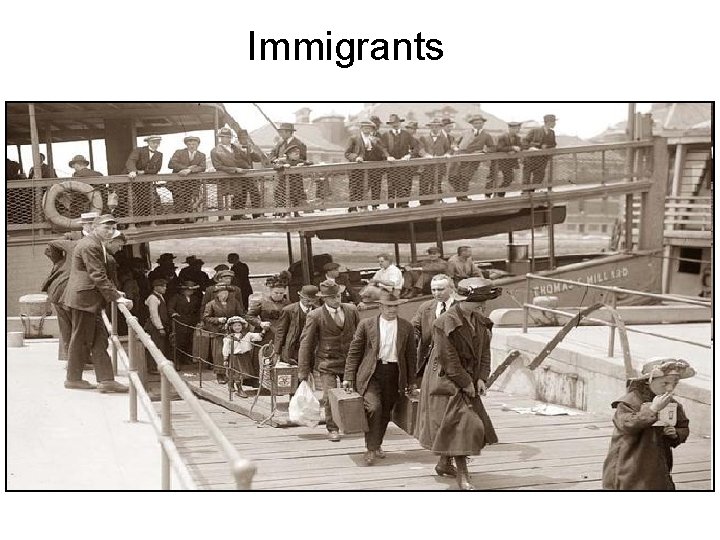
Immigrants
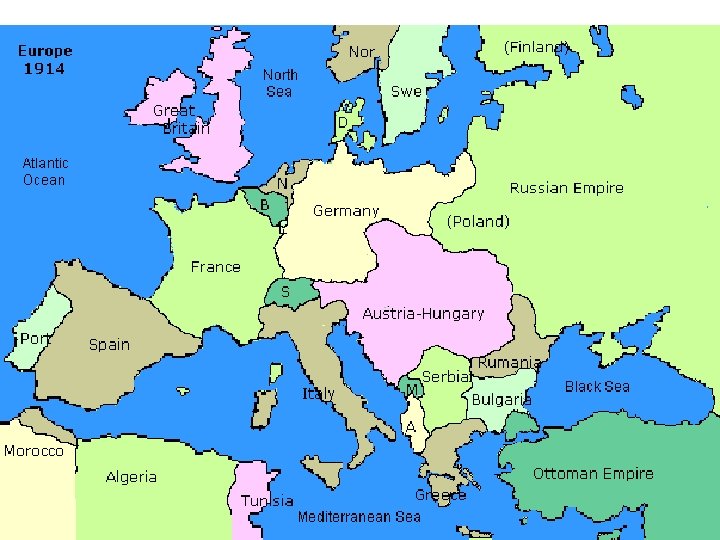
Immigrants (Before 1890): Western and Northern Europe (1890’s to 1920’s) Southern and Eastern Europe
Why did they come? » poverty » Industrialization and new technologies » religious prosecution » Rising population » Autocratic rule/freedom
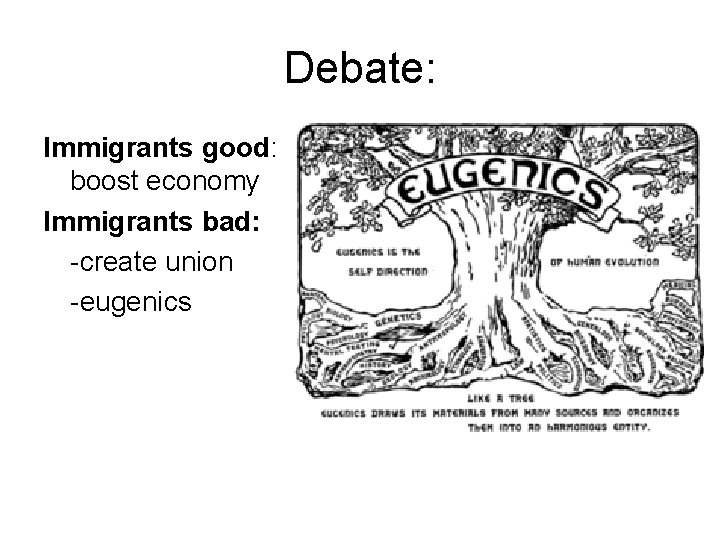
Debate: Immigrants good: boost economy Immigrants bad: -create union -eugenics
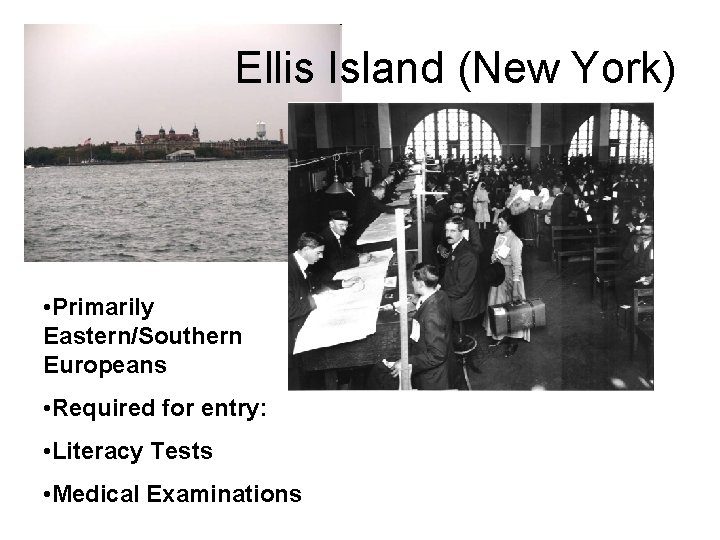
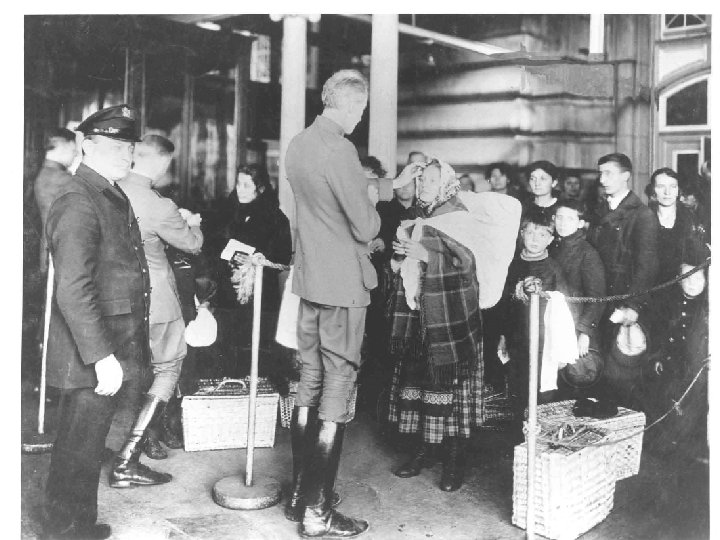
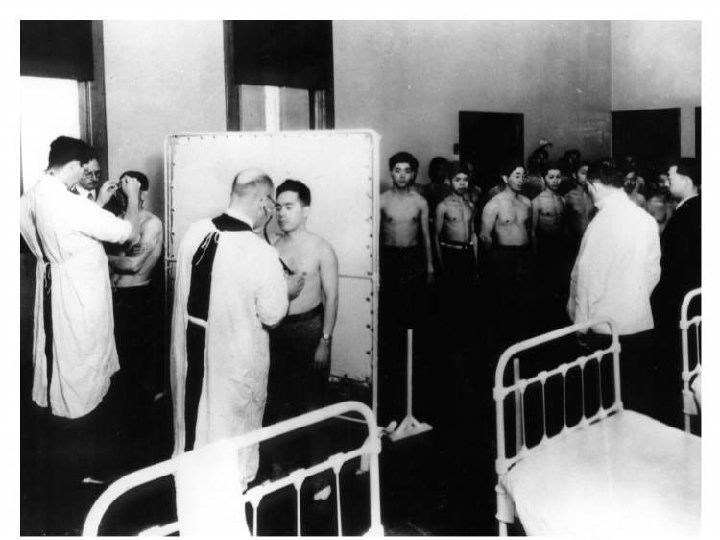
Ellis Island (New York) • Primarily Eastern/Southern Europeans • Required for entry: • Literacy Tests • Medical Examinations
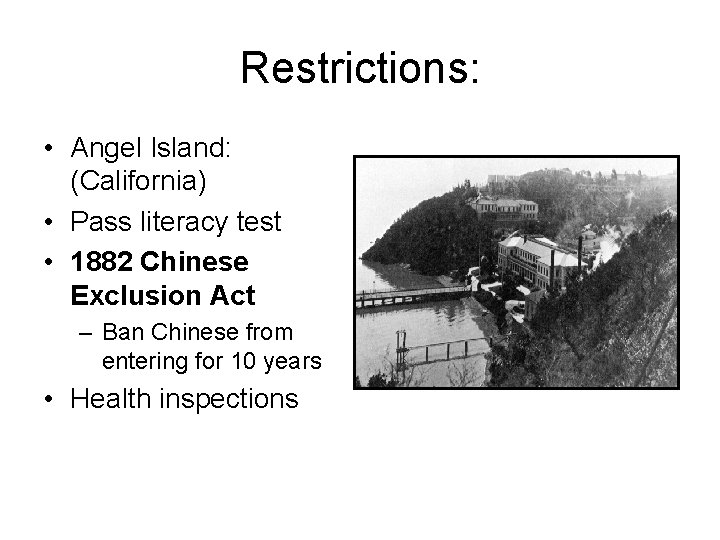
Restrictions: • Angel Island: (California) • Pass literacy test • 1882 Chinese Exclusion Act – Ban Chinese from entering for 10 years • Health inspections
But what about US citizens and Social Darwinism? Consider: Segregation
Plessey v Ferguson 1896 • “Separate but Equal” • Plessey argued he was “denied equal protection under law” • The Ruling: Separate but equal facilities for blacks and whites did not violate the Constitution
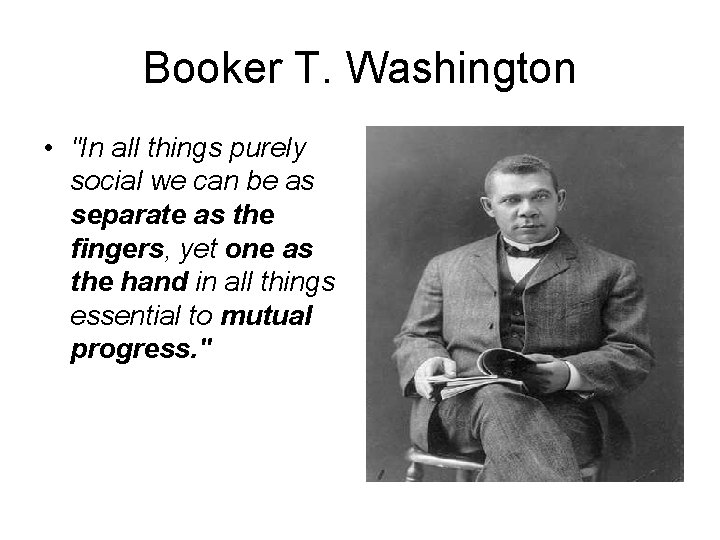
Booker T. Washington • "In all things purely social we can be as separate as the fingers, yet one as the hand in all things essential to mutual progress. "
Booker T. Washington • Washington – Born enslaved – Graduated from Virginia’s Hampton Institute – 1881 headed Tuskegee Normal and Industrial Institute • skills in agricultural, domestic, or mechanical work – Believe in “gradual process”
African American Education • Avoided the “Race Problem. " – more time for hard work and effort. ” – counseled patience, decency, self-respect and character
Jim Crow Laws • Enforced the idea of “separate but equal” • -required that public schools, public places and public transportation have separate buildings, toilets, and restaurants for whites and blacks.
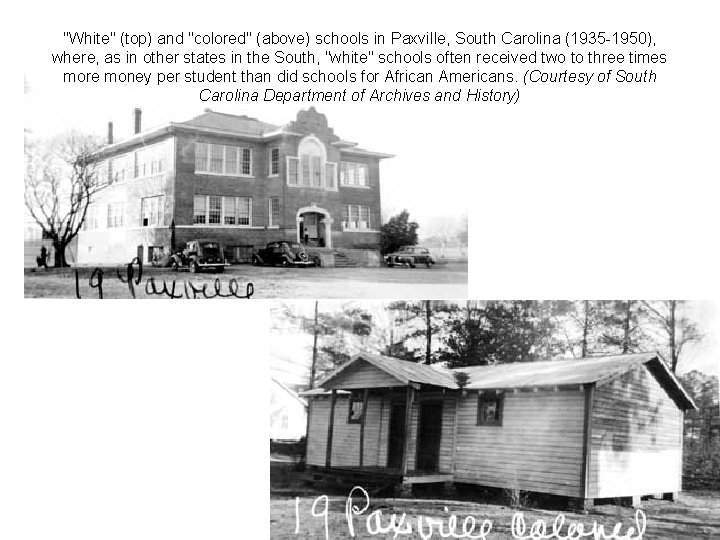
"White" (top) and "colored" (above) schools in Paxville, South Carolina (1935 -1950), where, as in other states in the South, "white" schools often received two to three times more money per student than did schools for African Americans. (Courtesy of South Carolina Department of Archives and History)