
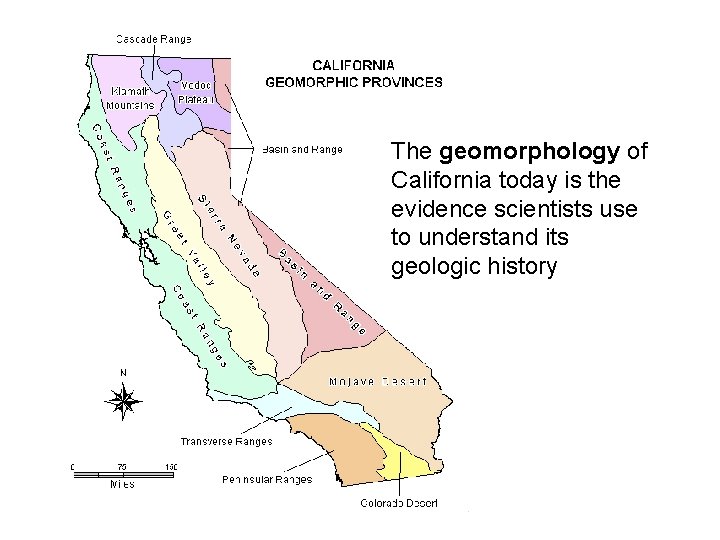
The geomorphology of California today is the evidence

- Slides: 17
The geomorphology of California today is the evidence scientists use to understand its geologic history
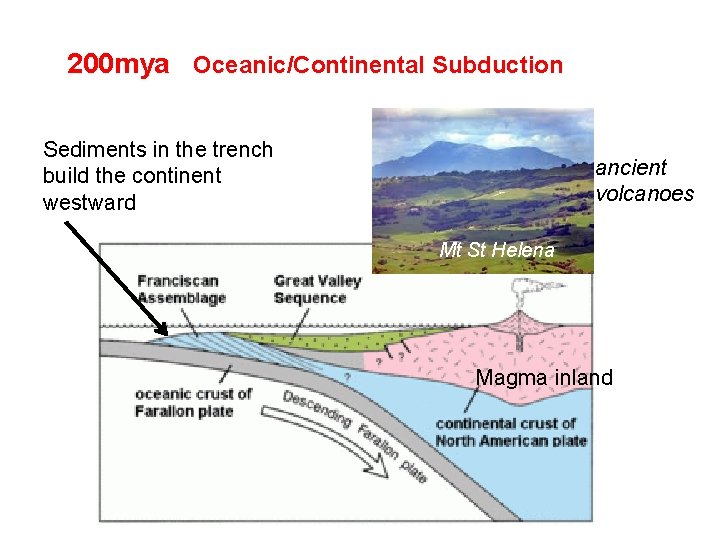
200 mya Oceanic/Continental Subduction Sediments in the trench build the continent westward ancient volcanoes Mt St Helena Magma inland
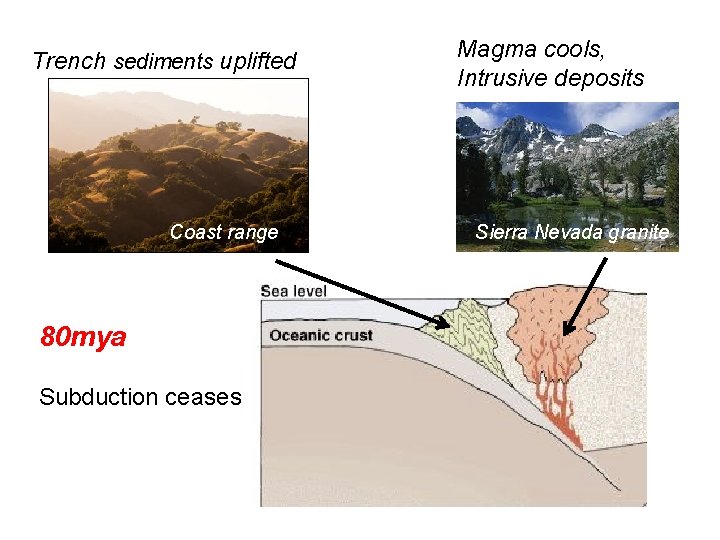
Trench sediments uplifted Coast range 80 mya Subduction ceases Magma cools, Intrusive deposits Sierra Nevada granite
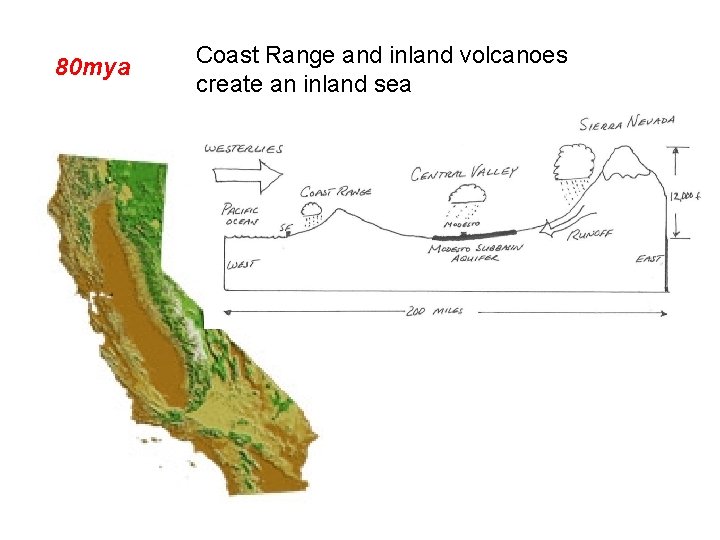
80 mya Coast Range and inland volcanoes create an inland sea
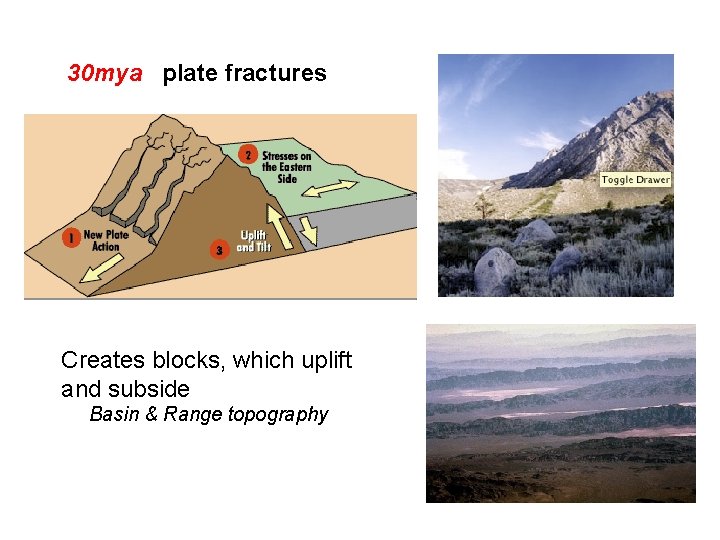
30 mya plate fractures Creates blocks, which uplift and subside Basin & Range topography
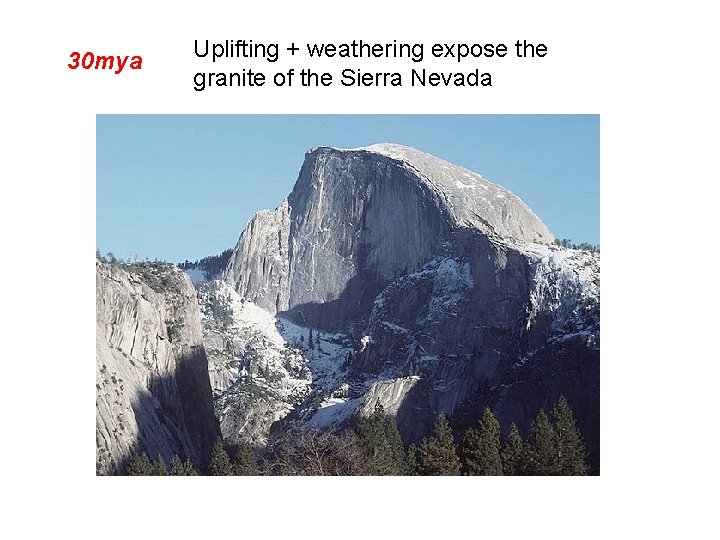
30 mya Uplifting + weathering expose the granite of the Sierra Nevada
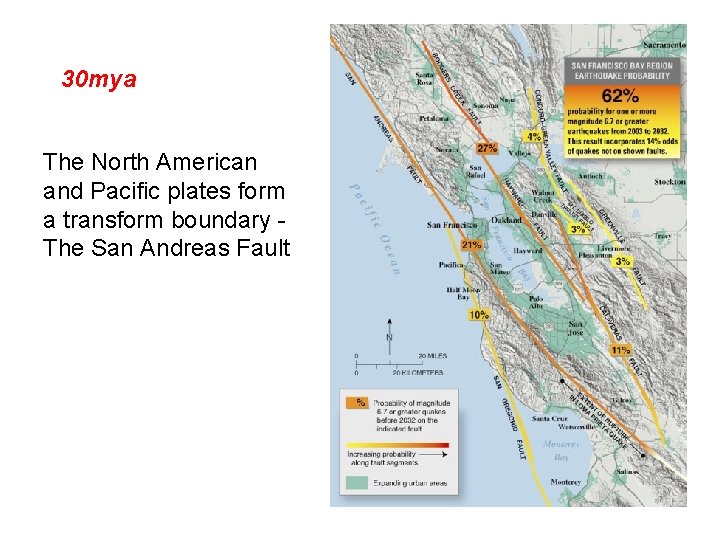
30 mya The North American and Pacific plates form a transform boundary The San Andreas Fault
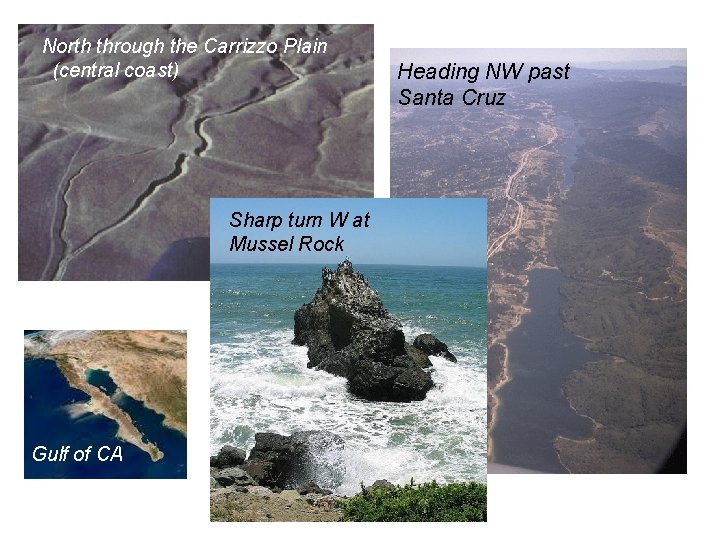
North through the Carrizzo Plain (central coast) Sharp turn W at Mussel Rock Gulf of CA Heading NW past Santa Cruz
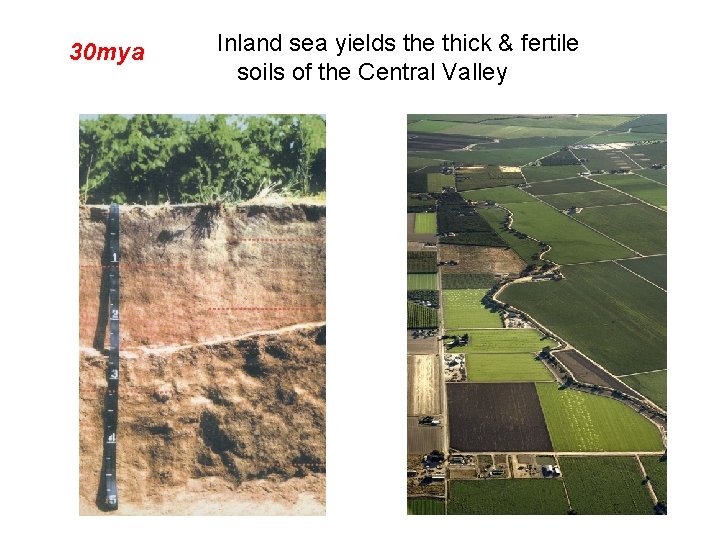
30 mya Inland sea yields the thick & fertile soils of the Central Valley
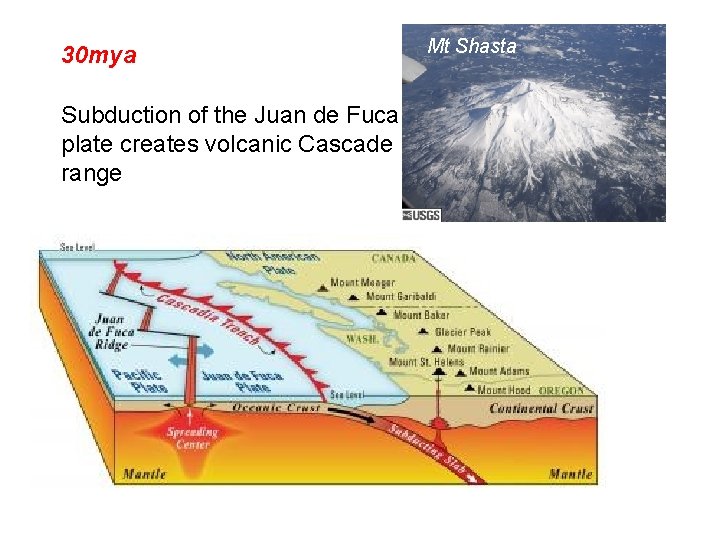
30 mya Subduction of the Juan de Fuca plate creates volcanic Cascade range Mt Shasta
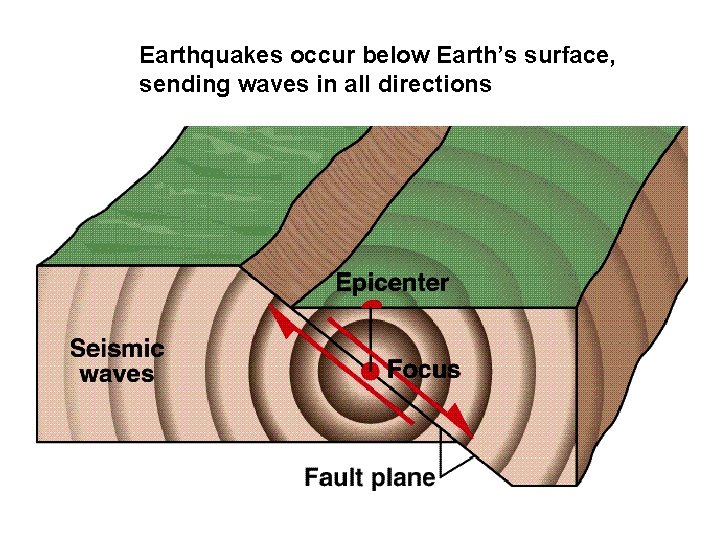
Earthquakes occur below Earth’s surface, sending waves in all directions
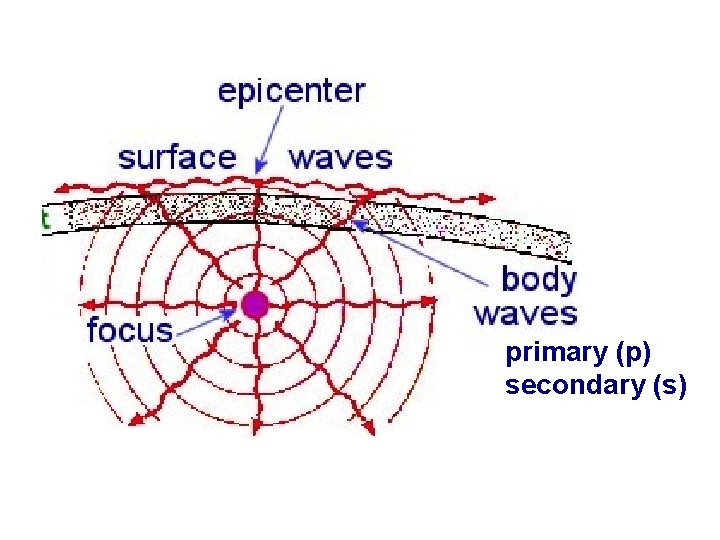
primary (p) secondary (s)
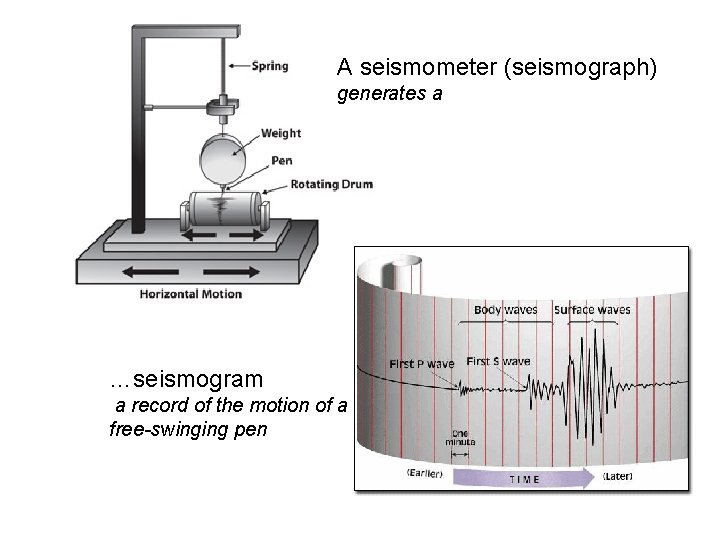
A seismometer (seismograph) generates a …seismogram a record of the motion of a free-swinging pen
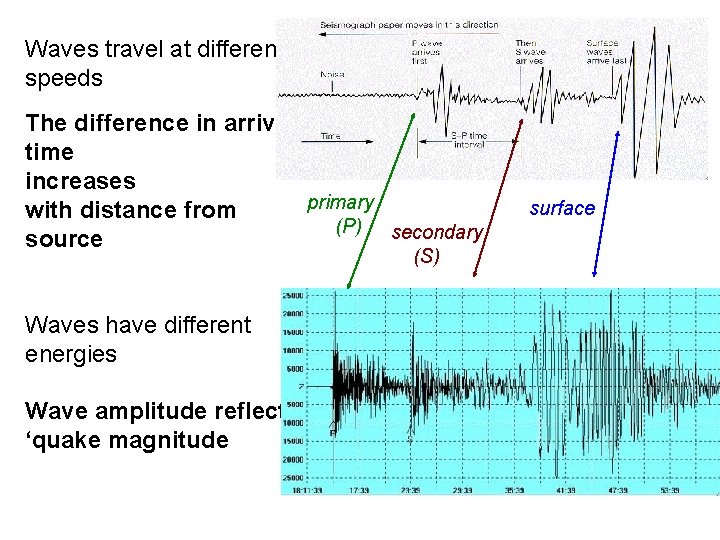
Waves travel at different speeds The difference in arrival time increases primary with distance from (P) secondary source (S) Waves have different energies Wave amplitude reflects ‘quake magnitude surface
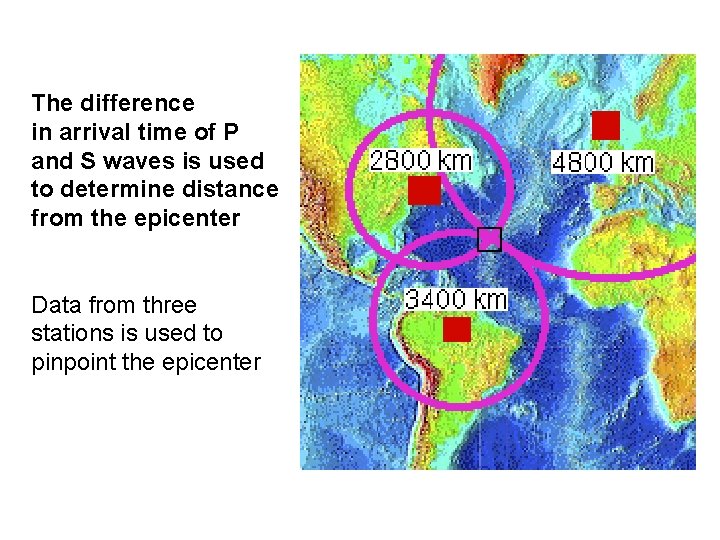
The difference in arrival time of P and S waves is used to determine distance from the epicenter Data from three stations is used to pinpoint the epicenter
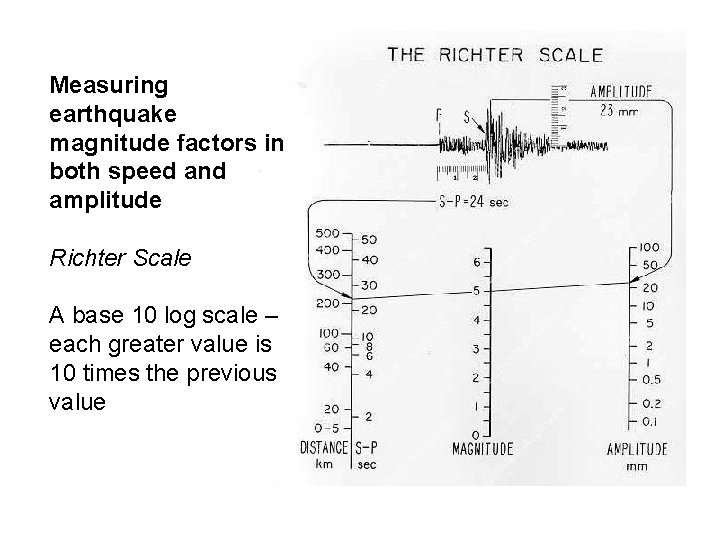
Measuring earthquake magnitude factors in both speed and amplitude Richter Scale A base 10 log scale – each greater value is 10 times the previous value