
The Geography of Diversity in the United States
- Slides: 28
The Geography of Diversity in the United States A. P. Human Geography
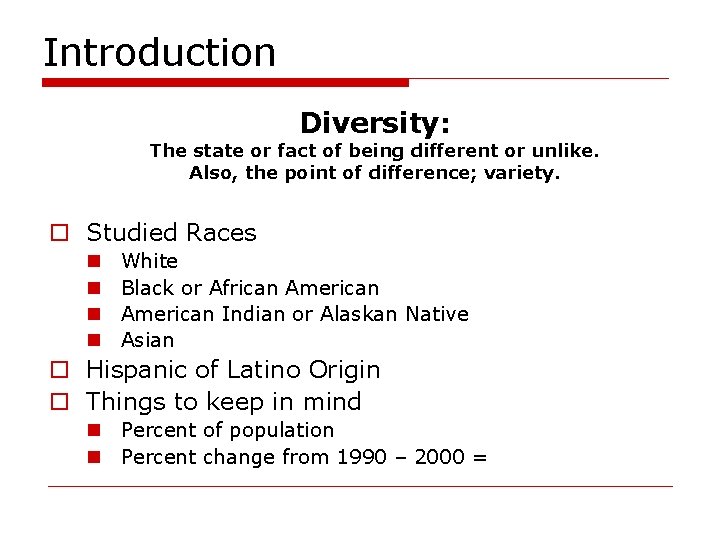
Introduction Diversity: The state or fact of being different or unlike. Also, the point of difference; variety. o Studied Races n n White Black or African American Indian or Alaskan Native Asian o Hispanic of Latino Origin o Things to keep in mind n Percent of population n Percent change from 1990 – 2000 =
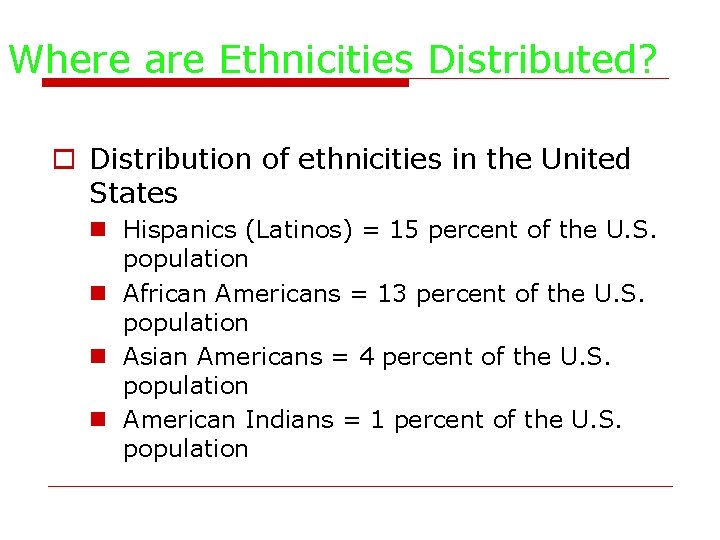
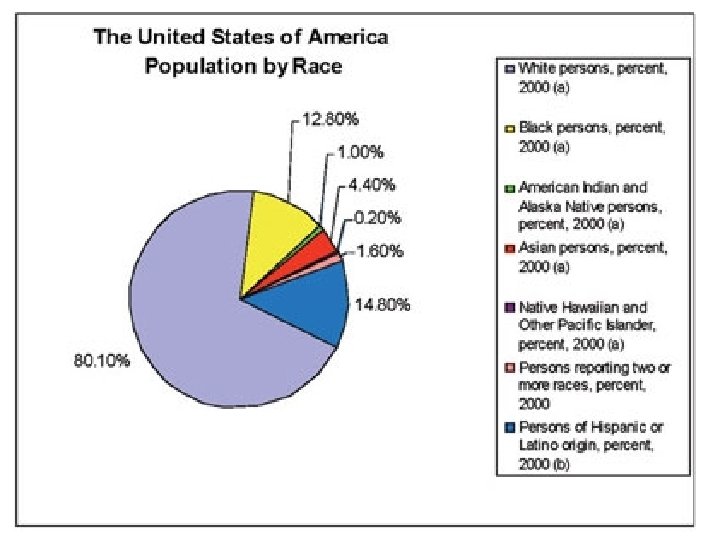
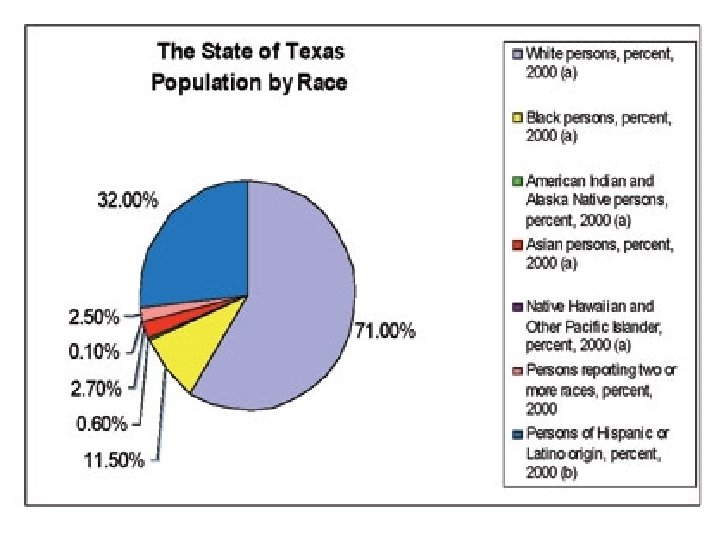
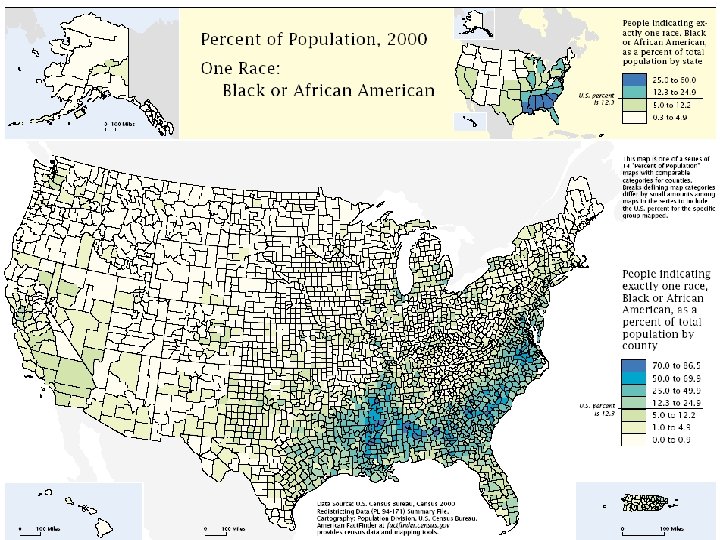
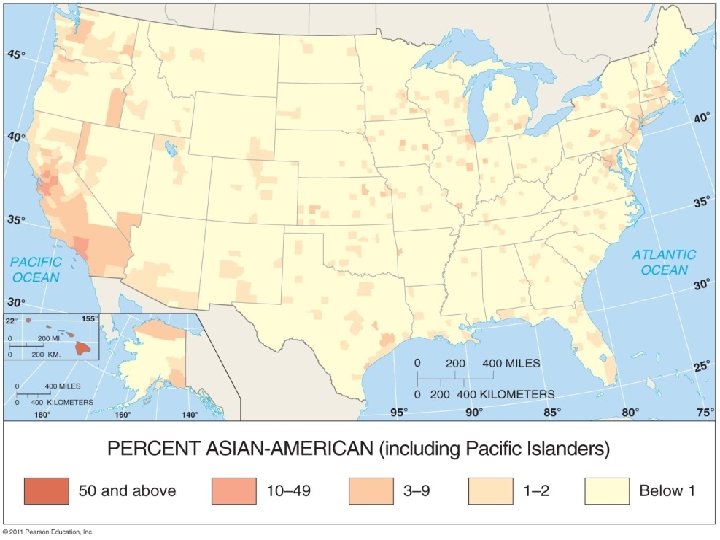
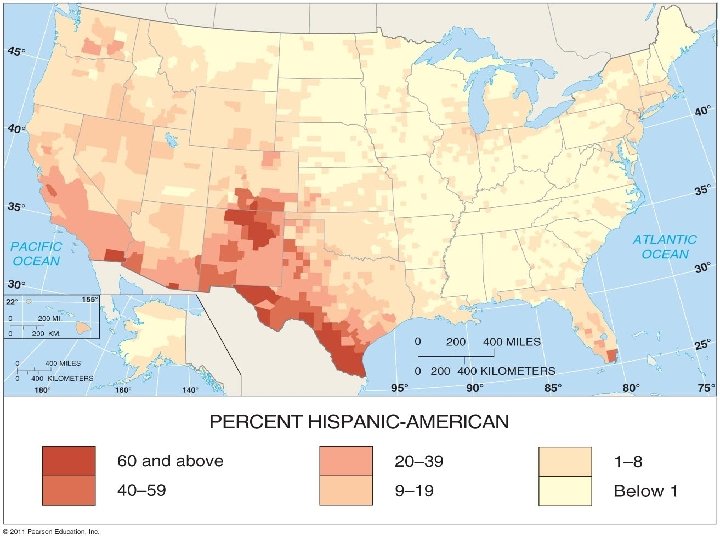
Where are Ethnicities Distributed? o Distribution of ethnicities in the United States n Hispanics (Latinos) = 15 percent of the U. S. population n African Americans = 13 percent of the U. S. population n Asian Americans = 4 percent of the U. S. population n American Indians = 1 percent of the U. S. population
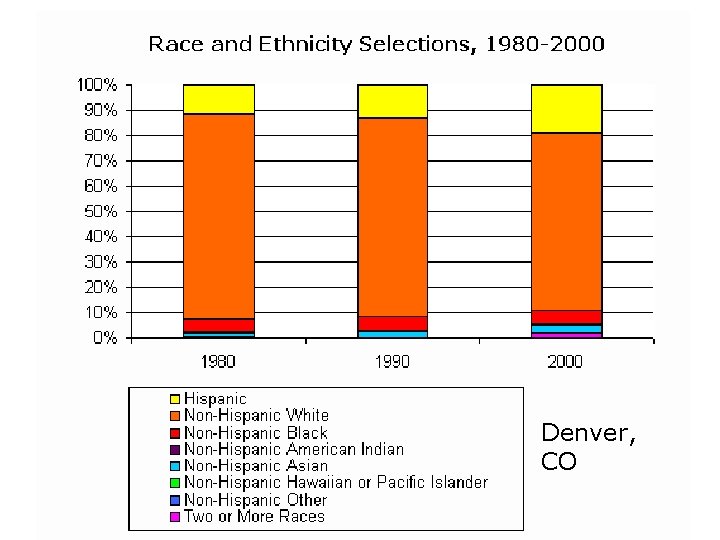
Denver, CO
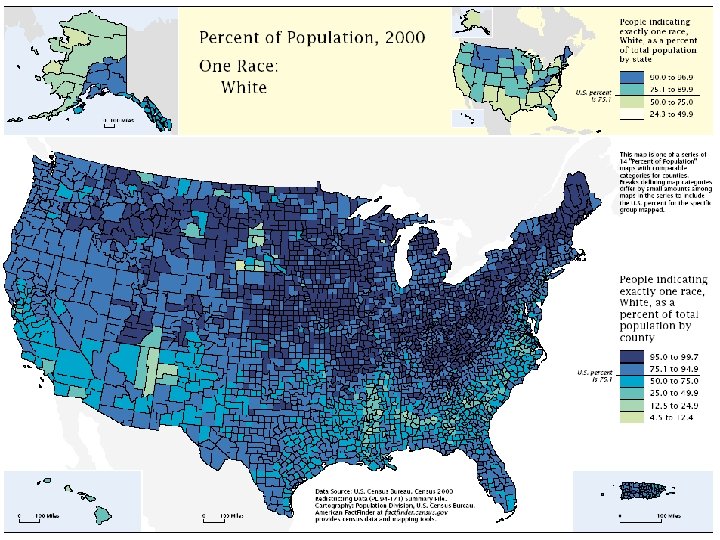
White o Dominant in the North o Slightly less in South o Highest concentrations outside major urban areas n Suburbanization
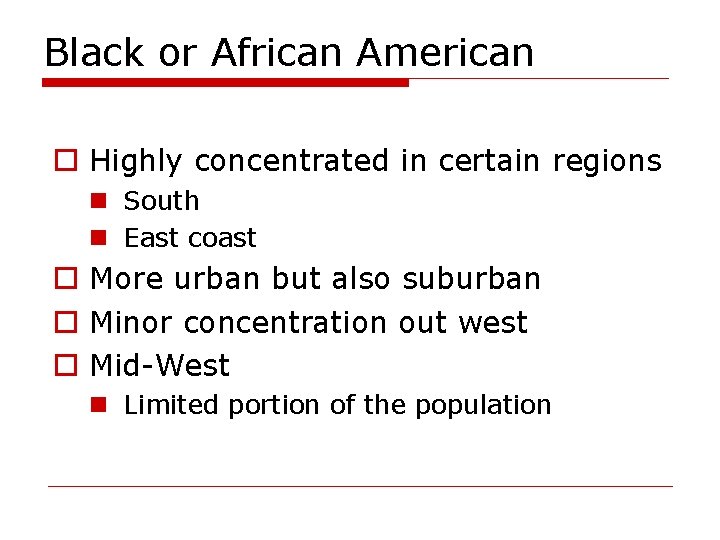
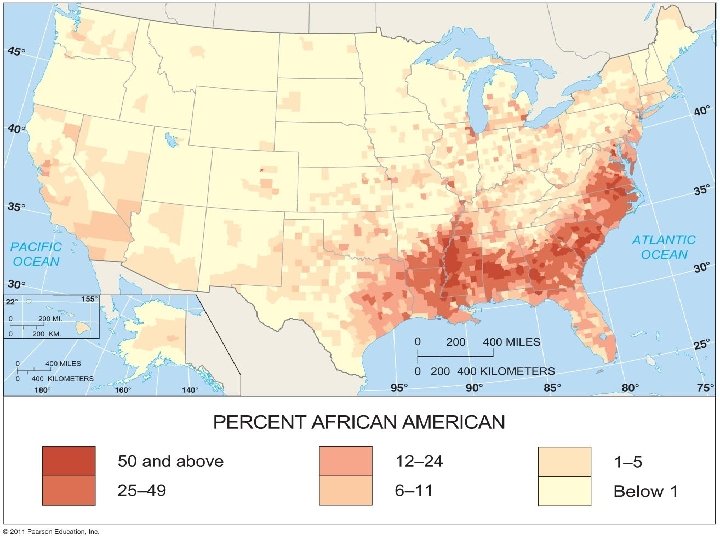
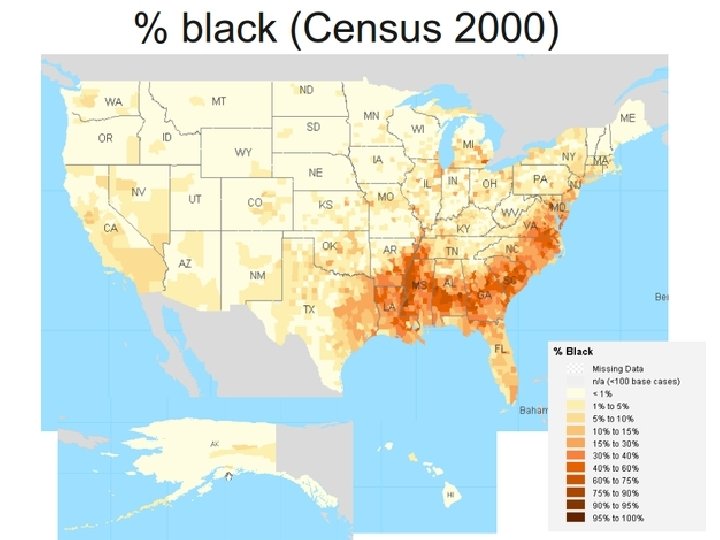
Black or African American o Highly concentrated in certain regions n South n East coast o More urban but also suburban o Minor concentration out west o Mid-West n Limited portion of the population
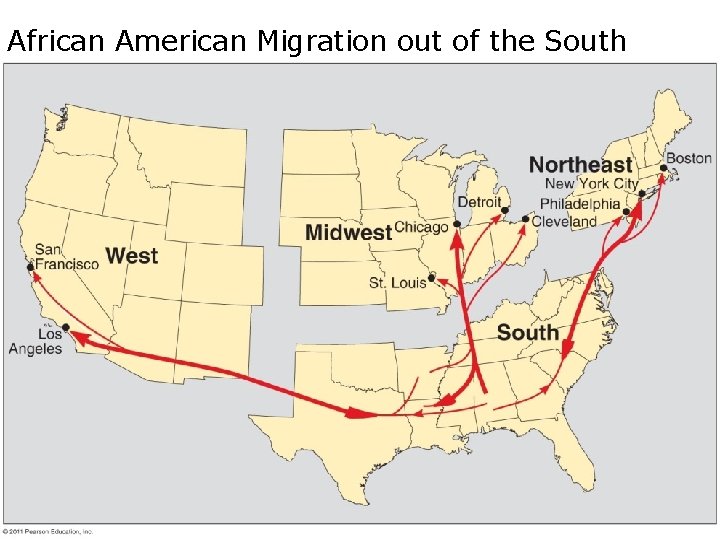
African American Migration out of the South
Black or African American
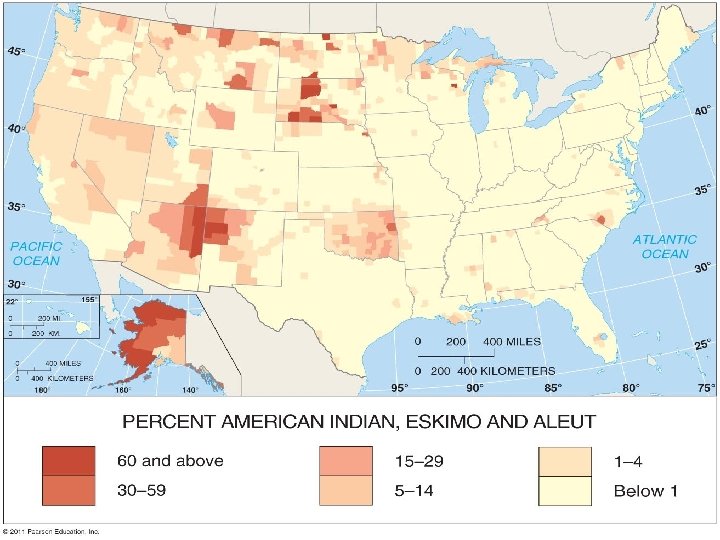
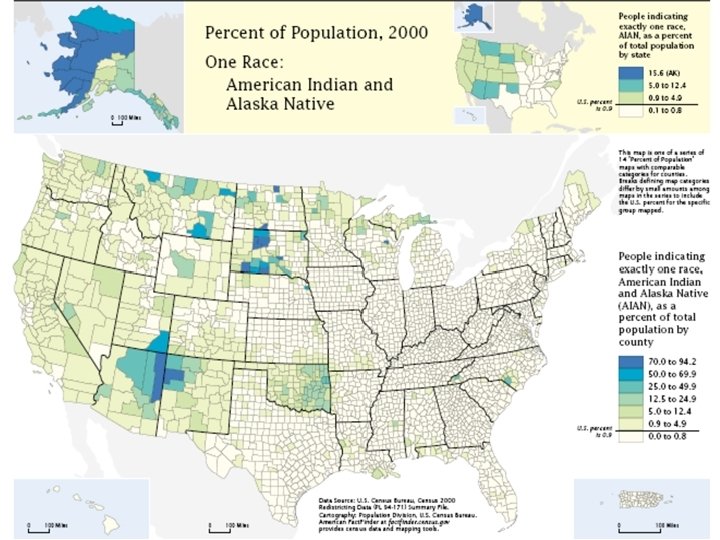
American Indian or Alaskan Native o Little or no concentration east of the Mississippi n Settlers n Manifest Destiny o High concentrations in South Dakota and Arizona o Largest concentration in Alaska n Inuit o Limited migration over time
American Indian or Alaskan Native
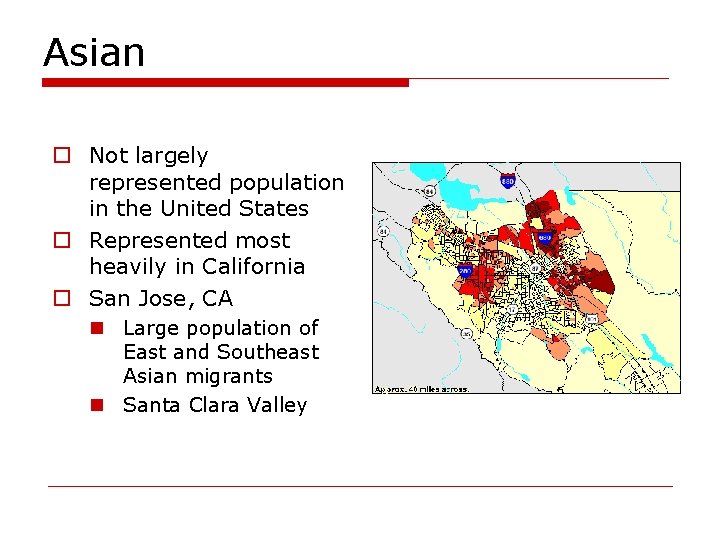
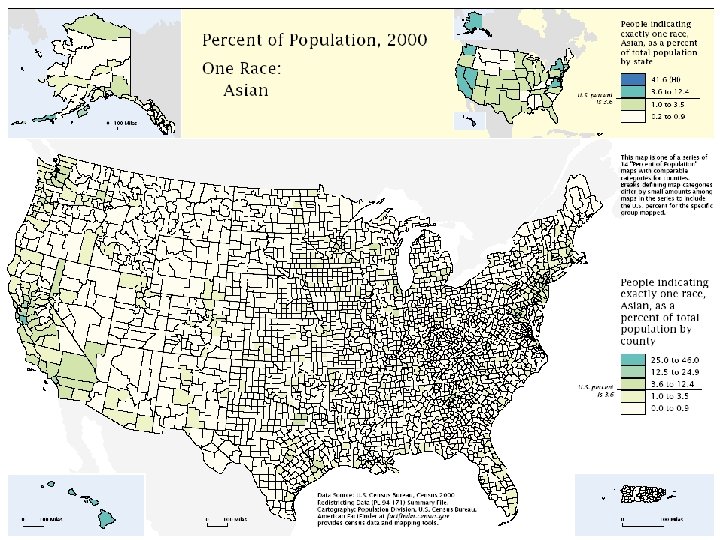
Asian o Not largely represented population in the United States o Represented most heavily in California o San Jose, CA n Large population of East and Southeast Asian migrants n Santa Clara Valley
Asian
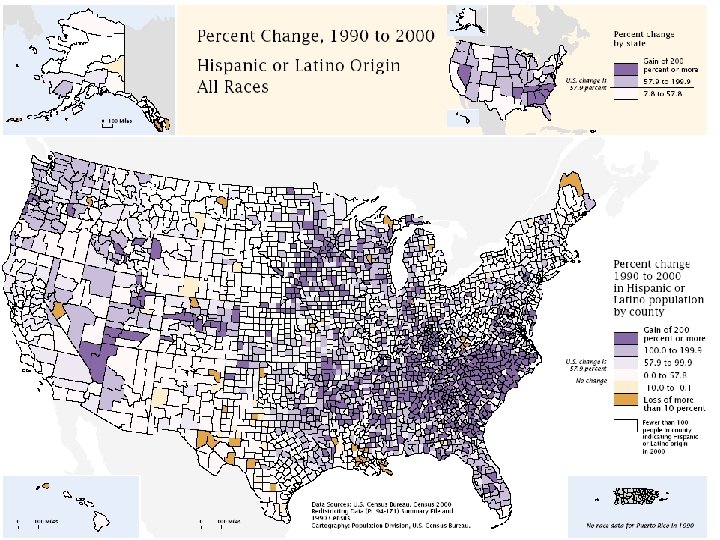
Hispanic or Latino Origin o High areas of change n Mid-Atlantic States n Southern States n Northwest States o Possible relationship to the increase in poultry plants o Chain migration to certain areas n Family and friends are happy with the possible job opportunities
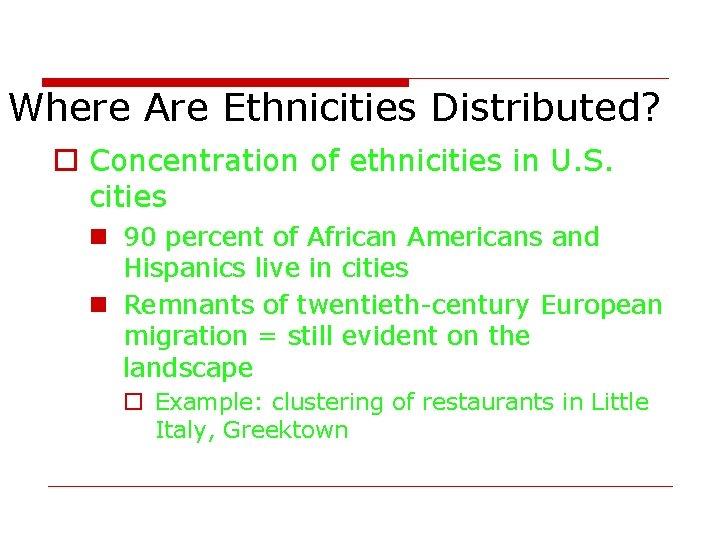
Where Are Ethnicities Distributed? o Concentration of ethnicities in U. S. cities n 90 percent of African Americans and Hispanics live in cities n Remnants of twentieth-century European migration = still evident on the landscape o Example: clustering of restaurants in Little Italy, Greektown
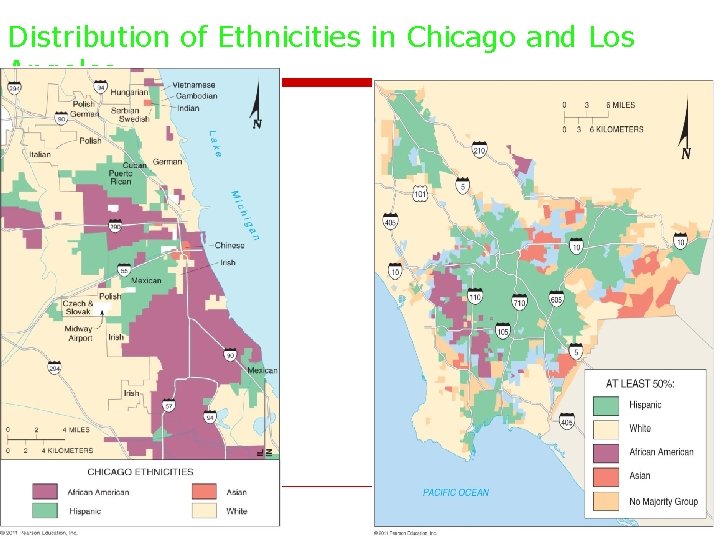
Distribution of Ethnicities in Chicago and Los Angeles
Where Are Ethnicities Distributed? o African American migration patterns n Three major migration patterns o Forced migration from Africa (eighteenth century) n The triangular slave trade o Immigration from the South to northern cities (first half of the twentieth century) n Identifiable paths of migration o Immigration out of inner cities to other urban areas (second half of the twentieth century to present) n The ghetto
Where Are Ethnicities Distributed? o Differentiating ethnicity and race n Often confusing n Race = traits that are shared genetically o Biological features within one racial group are highly variable n Biological classification of people into distinct racial groups is meaningless o Spatial effects of racism n “Separate but equal” n “White flight” § Blockbusting n Apartheid in South Africa
Conclusion o Magnitude of Diversity o Answers questions of immigration/migration o Explains History o Helps resolve conflicts
Works Cited o http: //www. census. gov/population/www/cen 2000/atla s. html o http: //upload. wikimedia. org/wikipedia/commons/a/ab /San_Jose%2 C_California_-_map. gif o http: //dictionary. reference. com/browse/diversity o http: //images. google. com/imgres? imgurl=http: //www. sonoma. edu/socsci/images/diverse_group. gif&imgrefu rl=http: //www. sonoma. edu/socsci/&h=249&w=250&s z=42&hl=en&start=2&tbnid=XWnrbw 1 S 8 u. NKt. M: &tbn h=111&tbnw=111&prev=/images%3 Fq%3 Ddiverse% 2 Bgroup%2 Bof%2 Bpeople%26 gbv%3 D 2%26 svnum% 3 D 10%26 hl%3 Den