
The Geographers Tools Chp 1 Section 2 ONLY


- Slides: 23
The Geographer’s Tools Chp. 1 Section 2
ONLY WRITE WHAT IS
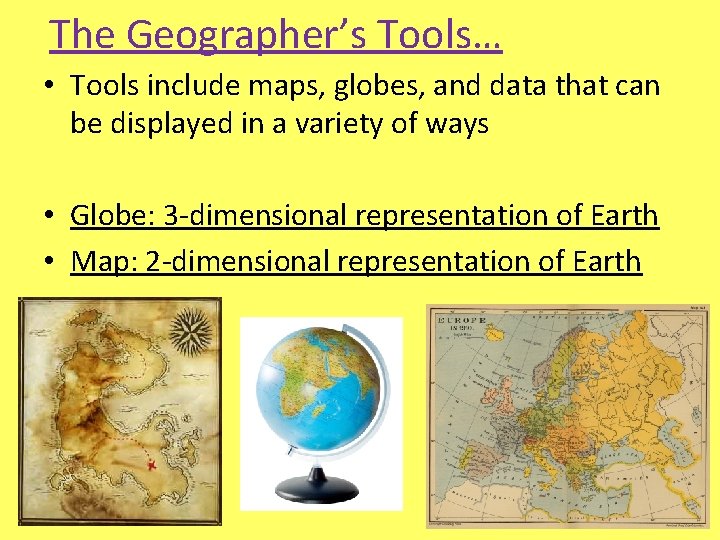
The Geographer’s Tools… • Tools include maps, globes, and data that can be displayed in a variety of ways • Globe: 3 -dimensional representation of Earth • Map: 2 -dimensional representation of Earth
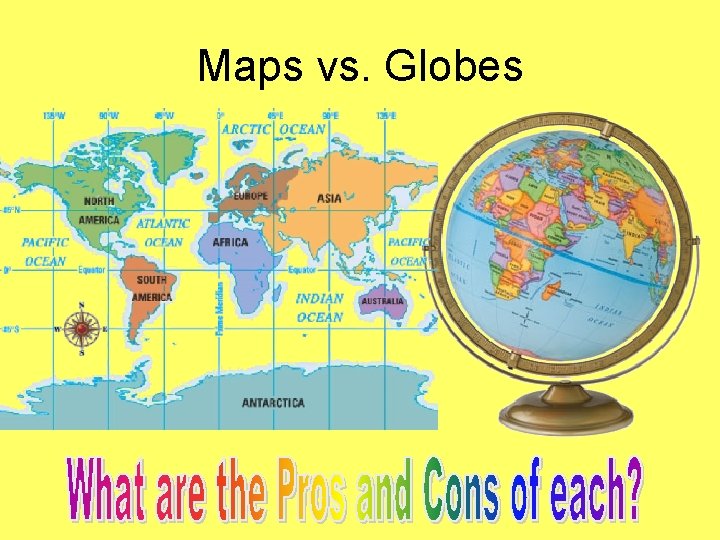
Maps vs. Globes
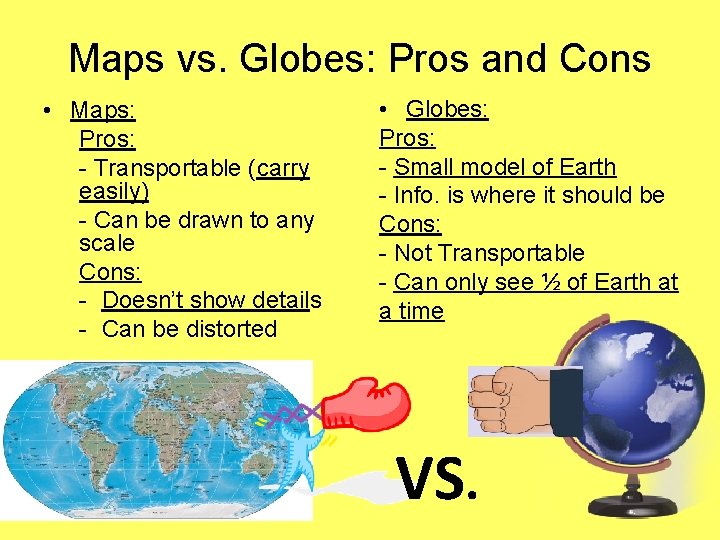
Maps vs. Globes: Pros and Cons • Maps: Pros: - Transportable (carry easily) - Can be drawn to any scale Cons: - Doesn’t show details - Can be distorted • Globes: Pros: - Small model of Earth - Info. is where it should be Cons: - Not Transportable - Can only see ½ of Earth at a time VS.
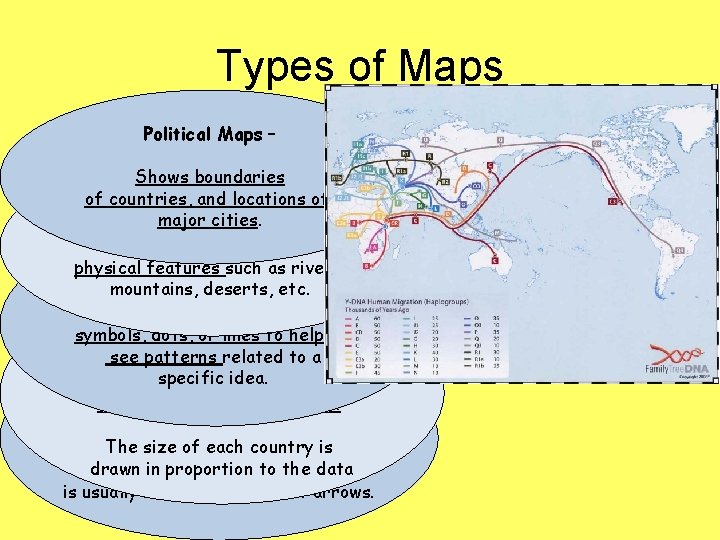
Types of Maps Political Maps – Shows boundaries of countries, and. Maps locations of Physical – major cities. Shows landforms and physical. Qualitative features such as–rivers, Maps mountains, deserts, etc. Uses colors, – Cartograms symbols, dots, or lines to help you see patterns related to a Geographers present information specific based idea. about a. Flow-line country maps –on a set of data other than land area. Illustrate movement sizegoods, of each country is of The people, ideas, animals, drawn proportion to the data or eveninglaciers information is usually shown in a series of arrows.
Types of Maps Physical Maps – Qualitative Maps – Shows landforms and physical features such as rivers, mountains, deserts, etc. Uses colors, symbols, dots, or lines to help you see patterns related to a specific idea. Cartograms – Geographers present information about a country based on a set of data other than land area. The size of each country is drawn in proportion to the data Flow-line maps – Illustrate movement of people, goods, ideas, animals, or even glaciers information is usually shown in a series of arrows.
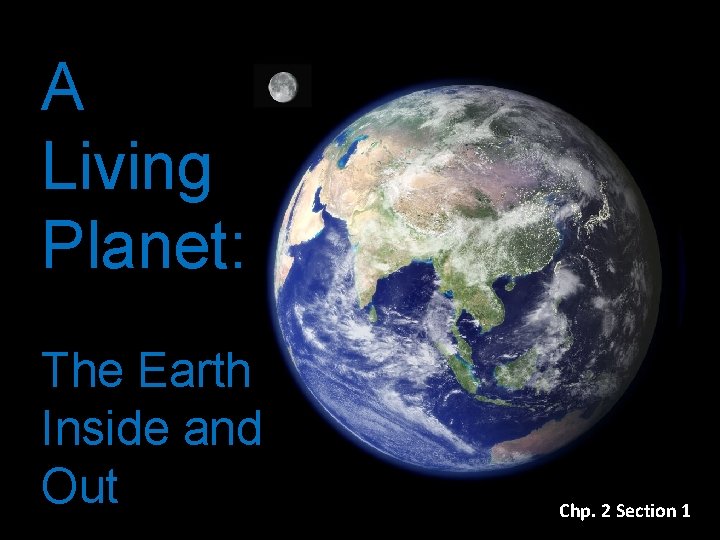
A Living Planet: The Earth Inside and Out Chp. 2 Section 1
Main Ideas… • The Earth is the only habitable planet in the sun’s solar system • The drifting of the continents shaped the world we live in today.
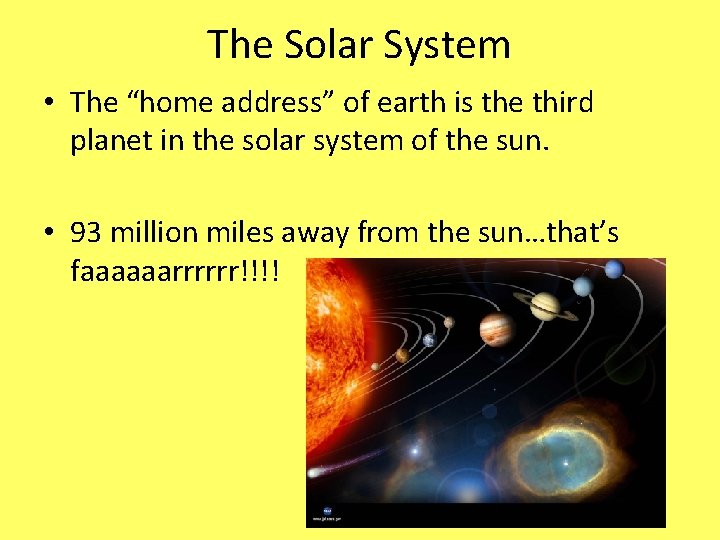
The Solar System • The “home address” of earth is the third planet in the solar system of the sun. • 93 million miles away from the sun…that’s faaaaaarrrrrr!!!!
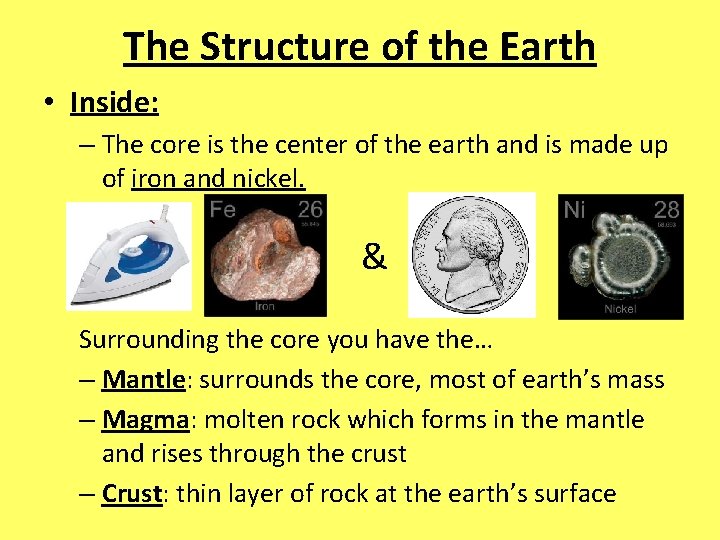
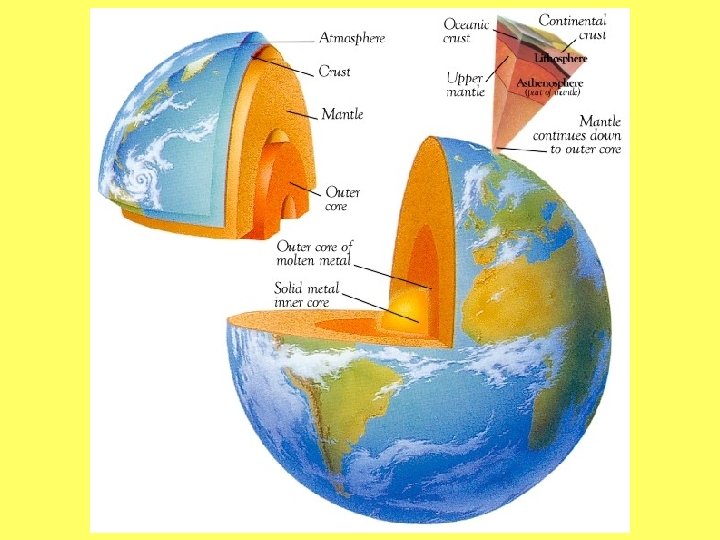
The Structure of the Earth • Inside: – The core is the center of the earth and is made up of iron and nickel. &. Surrounding the core you have the… – Mantle: surrounds the core, most of earth’s mass – Magma: molten rock which forms in the mantle and rises through the crust – Crust: thin layer of rock at the earth’s surface
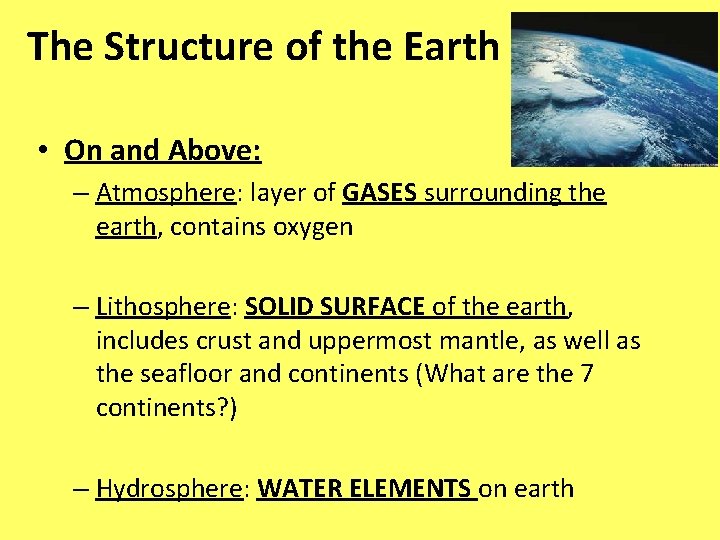
The Structure of the Earth • On and Above: – Atmosphere: layer of GASES surrounding the earth, contains oxygen – Lithosphere: SOLID SURFACE of the earth, includes crust and uppermost mantle, as well as the seafloor and continents (What are the 7 continents? ) – Hydrosphere: WATER ELEMENTS on earth
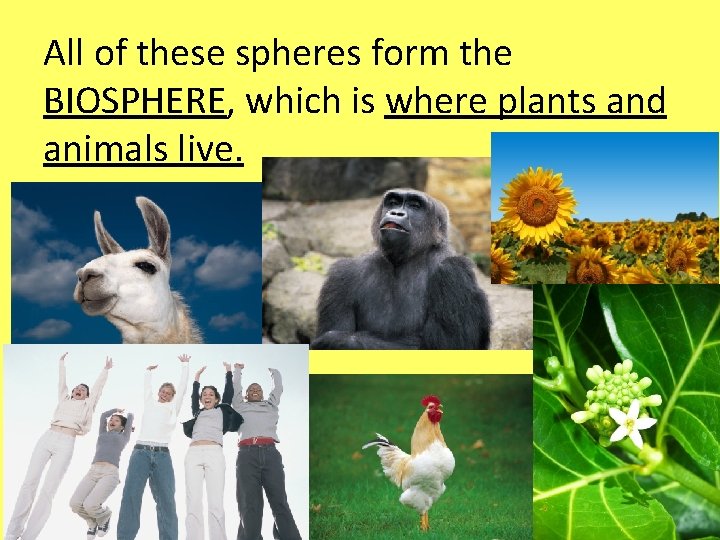
All of these spheres form the BIOSPHERE, which is where plants and animals live.
Bodies of Water and Landforms Chp. 2 Section 2
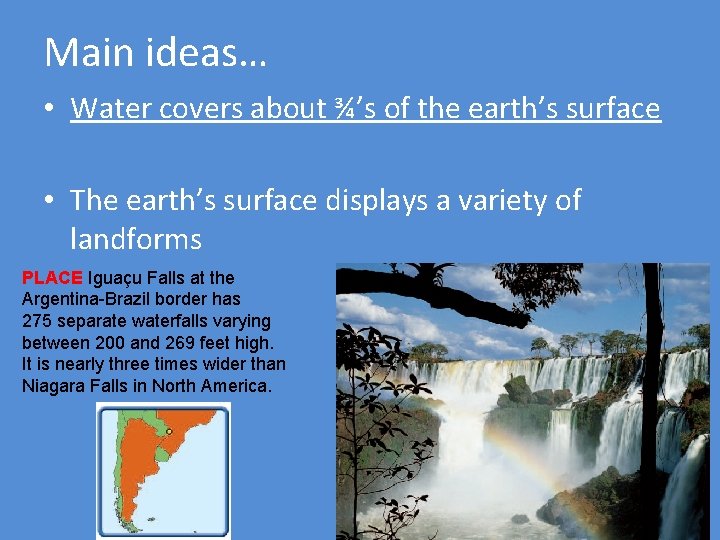
Main ideas… • Water covers about ¾’s of the earth’s surface • The earth’s surface displays a variety of landforms PLACE Iguaçu Falls at the Argentina-Brazil border has 275 separate waterfalls varying between 200 and 269 feet high. It is nearly three times wider than Niagara Falls in North America.
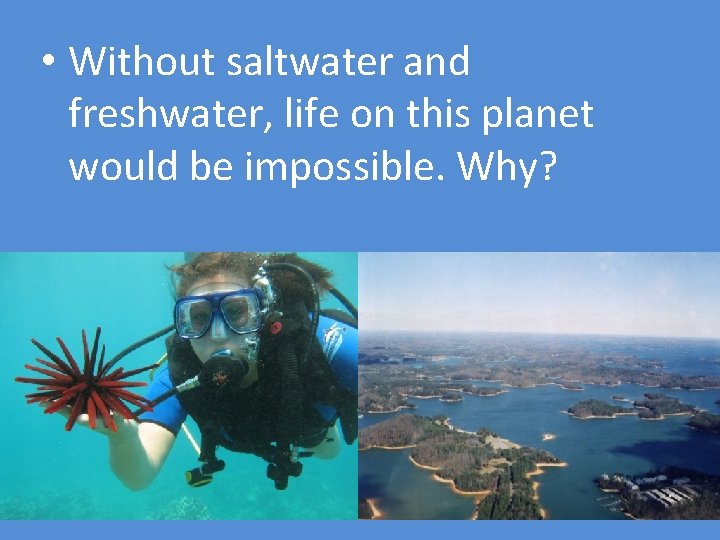
• Without saltwater and freshwater, life on this planet would be impossible. Why?
• Oceans and Seas – Ocean: interconnected body of salt water, covers 71% of planet – Name the 4 oceans… Which do you think is the largest? PACIFIC OCEAN!
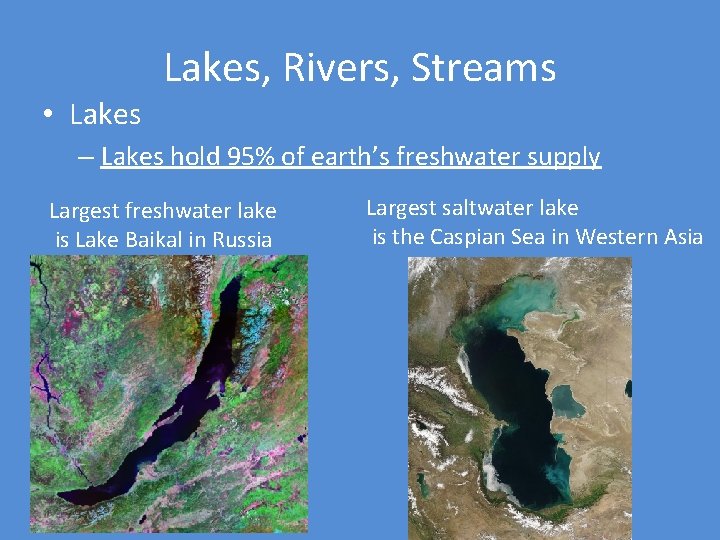
• Lakes, Rivers, Streams – Lakes hold 95% of earth’s freshwater supply Largest freshwater lake is Lake Baikal in Russia Largest saltwater lake is the Caspian Sea in Western Asia
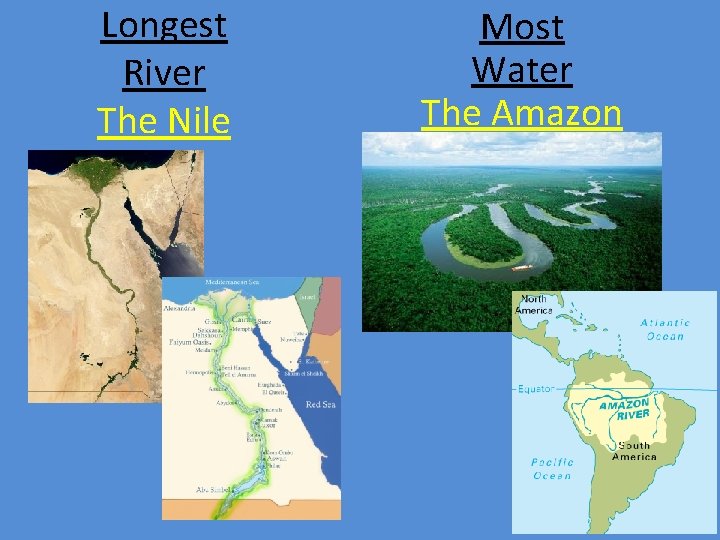
Longest River The Nile Most Water The Amazon
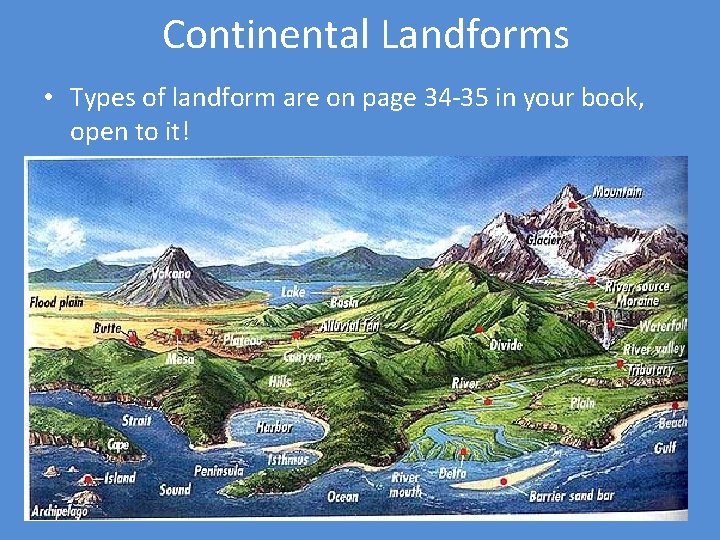
Continental Landforms • Types of landform are on page 34 -35 in your book, open to it!
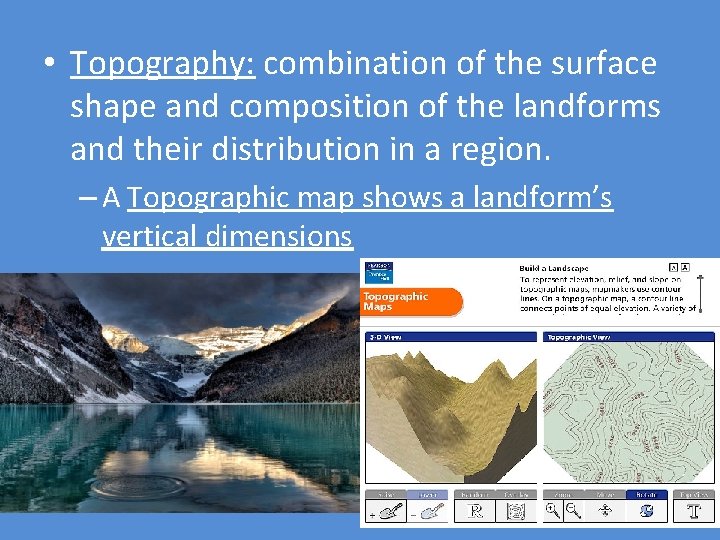
• Topography: combination of the surface shape and composition of the landforms and their distribution in a region. – A Topographic map shows a landform’s vertical dimensions
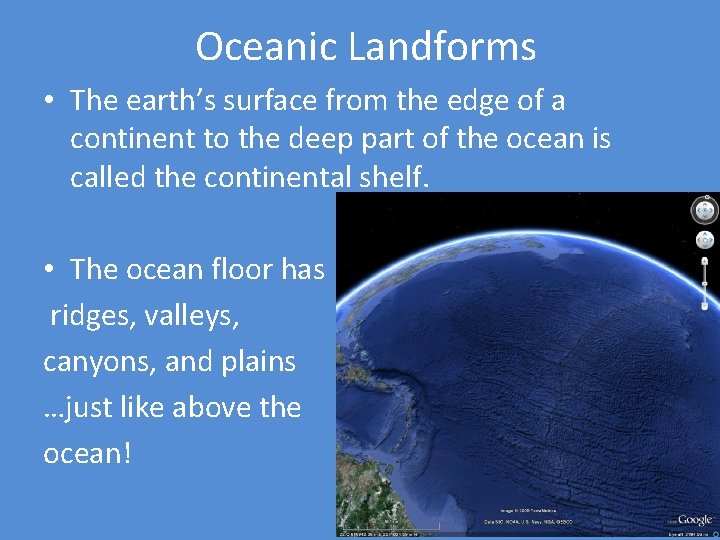
Oceanic Landforms • The earth’s surface from the edge of a continent to the deep part of the ocean is called the continental shelf. • The ocean floor has ridges, valleys, canyons, and plains …just like above the ocean!