
The genetic information that results in plants and
- Slides: 16
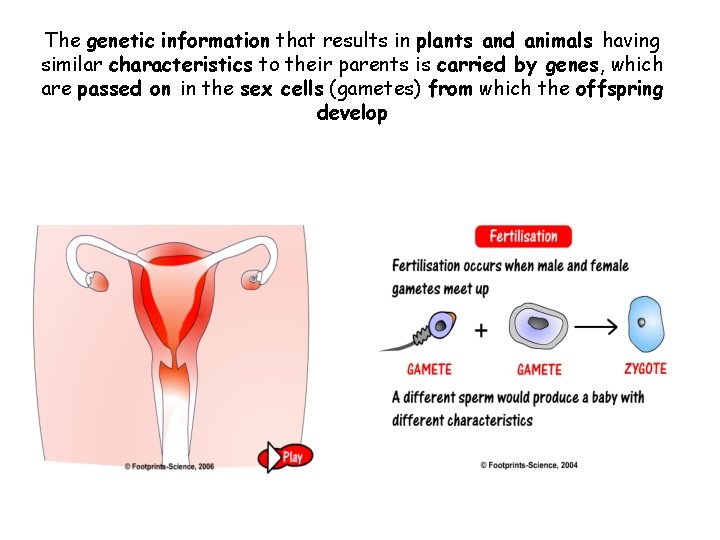
The genetic information that results in plants and animals having similar characteristics to their parents is carried by genes, which are passed on in the sex cells (gametes) from which the offspring develop
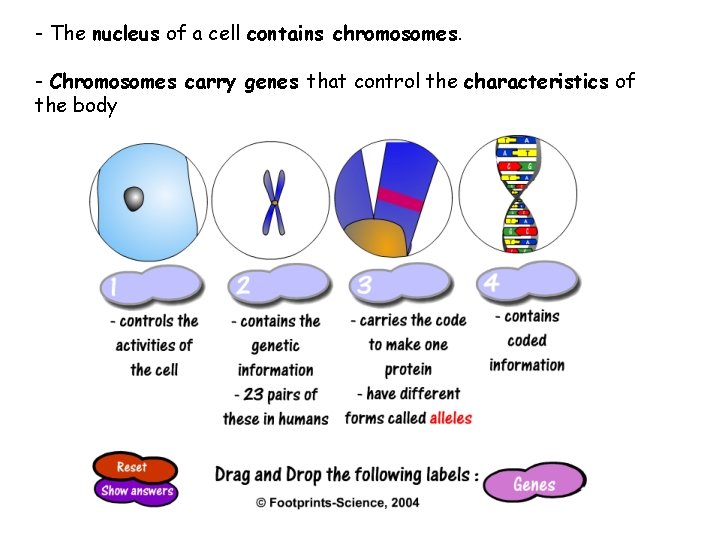
- The nucleus of a cell contains chromosomes. - Chromosomes carry genes that control the characteristics of the body
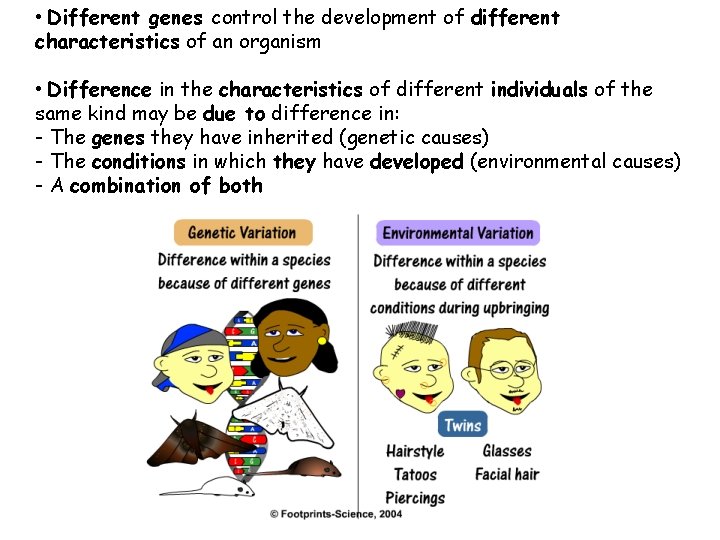
• Different genes control the development of different characteristics of an organism • Difference in the characteristics of different individuals of the same kind may be due to difference in: - The genes they have inherited (genetic causes) - The conditions in which they have developed (environmental causes) - A combination of both
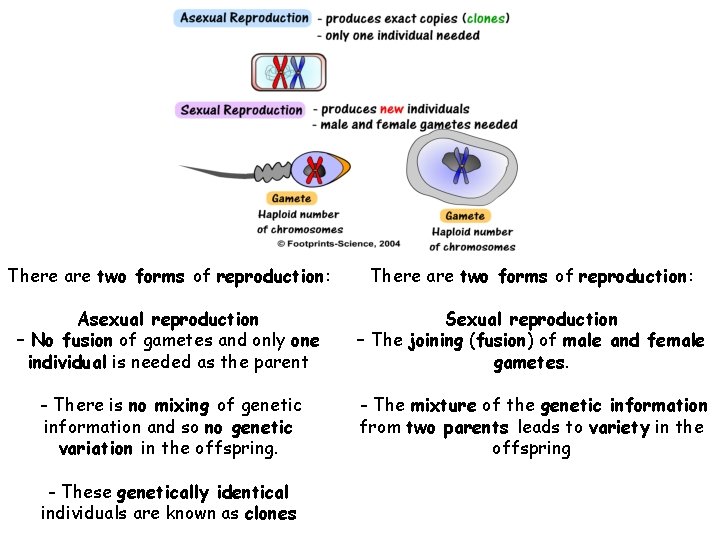
There are two forms of reproduction: Asexual reproduction – No fusion of gametes and only one individual is needed as the parent Sexual reproduction – The joining (fusion) of male and female gametes. - There is no mixing of genetic information and so no genetic variation in the offspring. - The mixture of the genetic information from two parents leads to variety in the offspring - These genetically identical individuals are known as clones
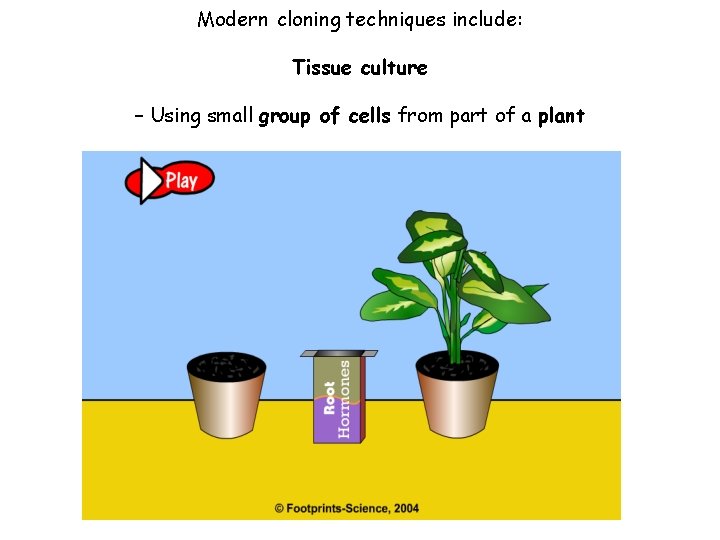
Modern cloning techniques include: Tissue culture – Using small group of cells from part of a plant
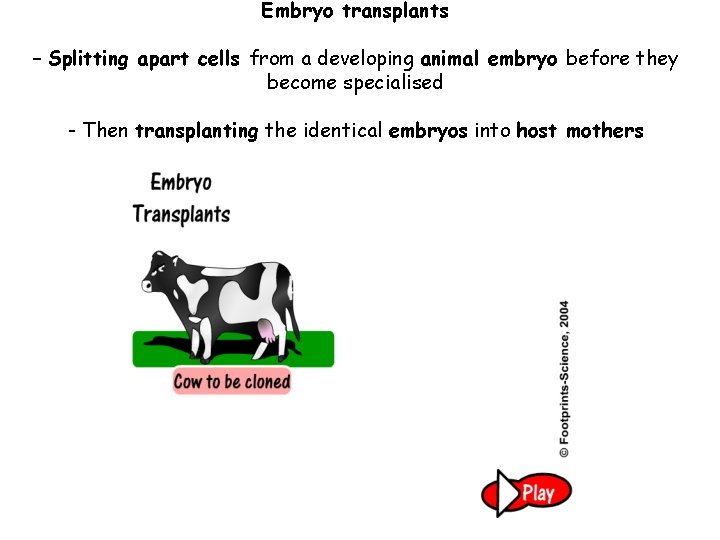
Embryo transplants – Splitting apart cells from a developing animal embryo before they become specialised - Then transplanting the identical embryos into host mothers
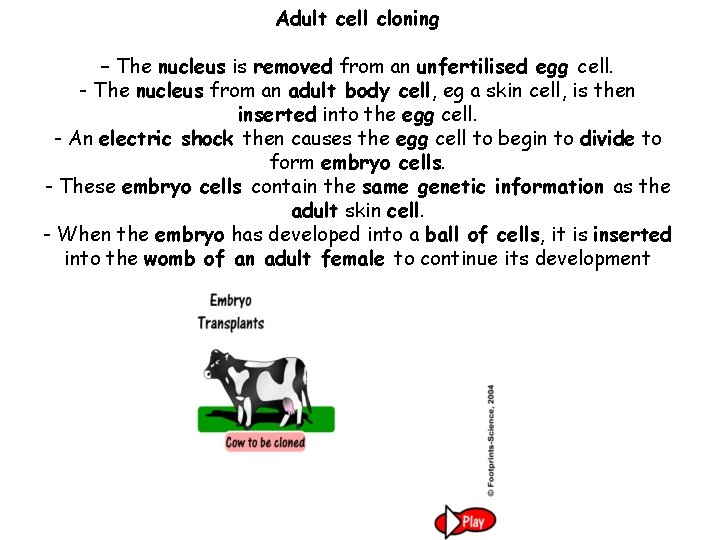
Adult cell cloning – The nucleus is removed from an unfertilised egg cell. - The nucleus from an adult body cell, eg a skin cell, is then inserted into the egg cell. - An electric shock then causes the egg cell to begin to divide to form embryo cells. - These embryo cells contain the same genetic information as the adult skin cell. - When the embryo has developed into a ball of cells, it is inserted into the womb of an adult female to continue its development
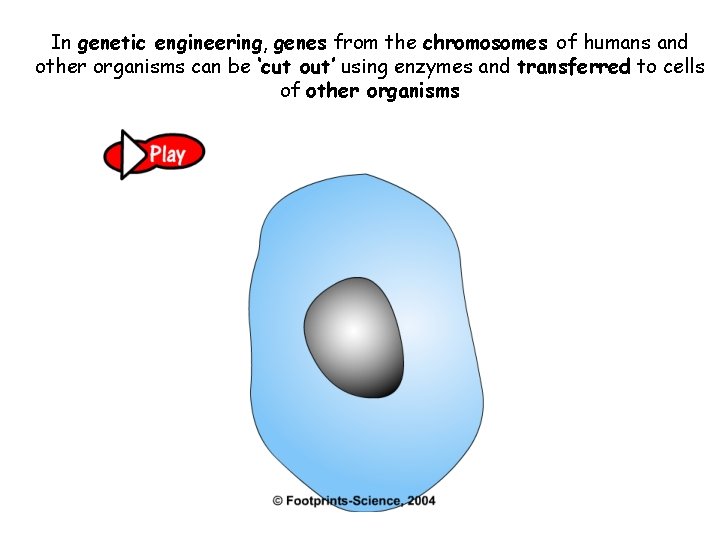
In genetic engineering, genes from the chromosomes of humans and other organisms can be ‘cut out’ using enzymes and transferred to cells of other organisms
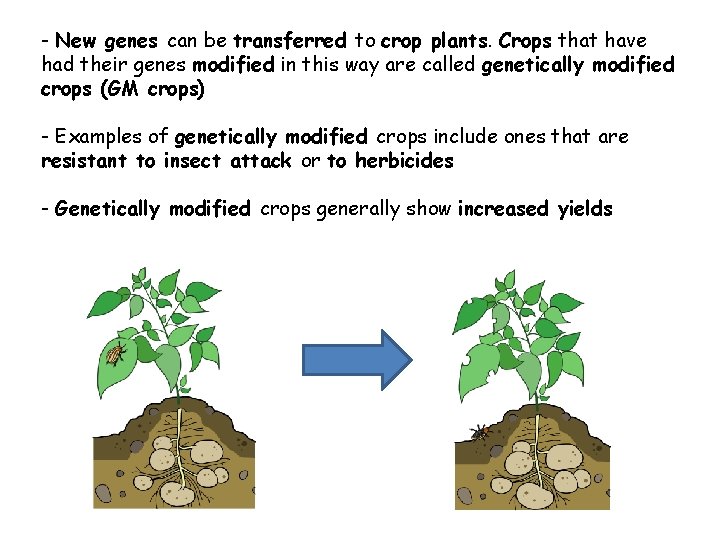
- New genes can be transferred to crop plants. Crops that have had their genes modified in this way are called genetically modified crops (GM crops) - Examples of genetically modified crops include ones that are resistant to insect attack or to herbicides - Genetically modified crops generally show increased yields
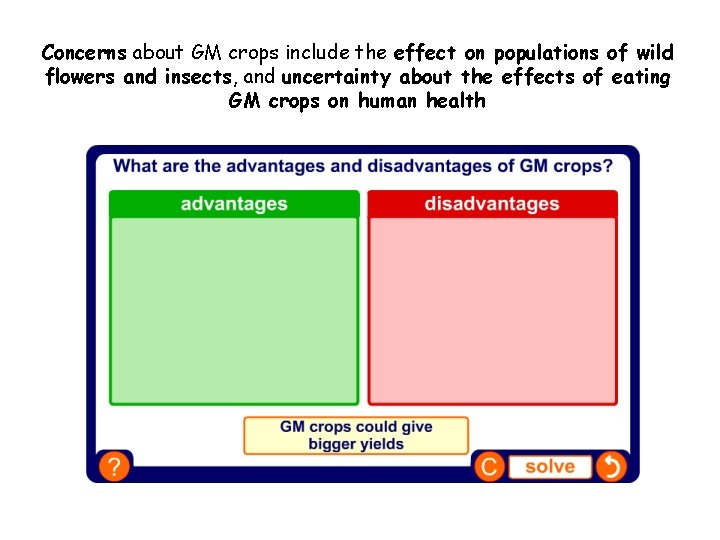
Concerns about GM crops include the effect on populations of wild flowers and insects, and uncertainty about the effects of eating GM crops on human health
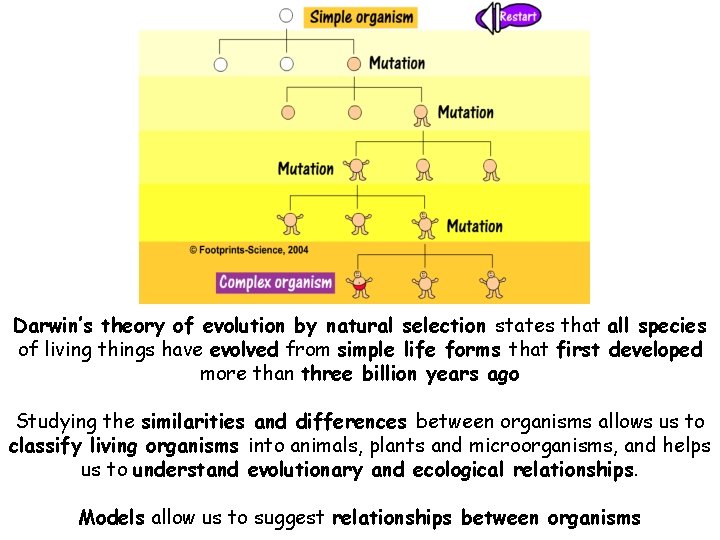
Darwin’s theory of evolution by natural selection states that all species of living things have evolved from simple life forms that first developed more than three billion years ago Studying the similarities and differences between organisms allows us to classify living organisms into animals, plants and microorganisms, and helps us to understand evolutionary and ecological relationships. Models allow us to suggest relationships between organisms
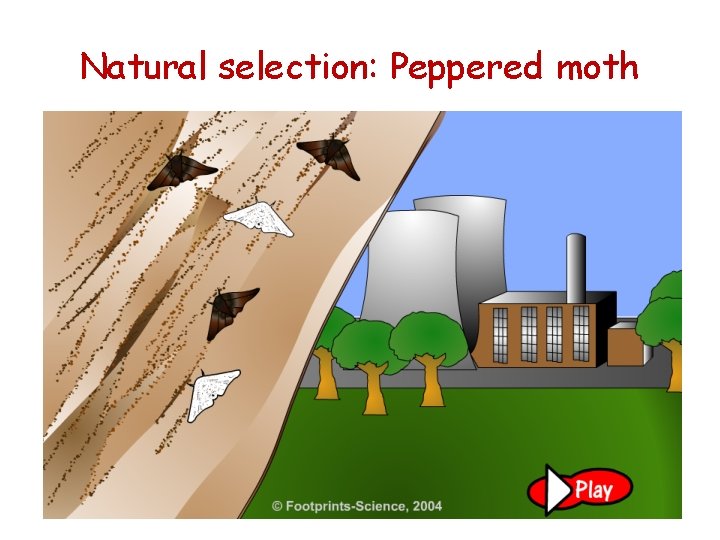
Natural selection: Peppered moth
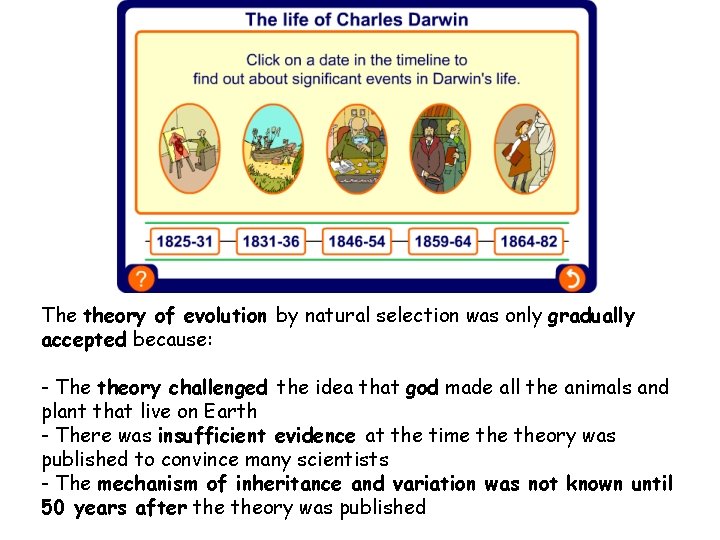
The theory of evolution by natural selection was only gradually accepted because: - The theory challenged the idea that god made all the animals and plant that live on Earth - There was insufficient evidence at the time theory was published to convince many scientists - The mechanism of inheritance and variation was not known until 50 years after theory was published
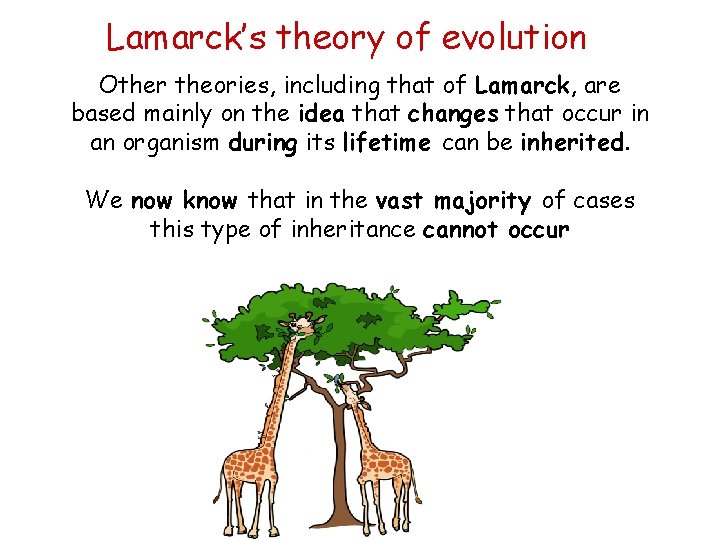
Lamarck’s theory of evolution Other theories, including that of Lamarck, are based mainly on the idea that changes that occur in an organism during its lifetime can be inherited. We now know that in the vast majority of cases this type of inheritance cannot occur
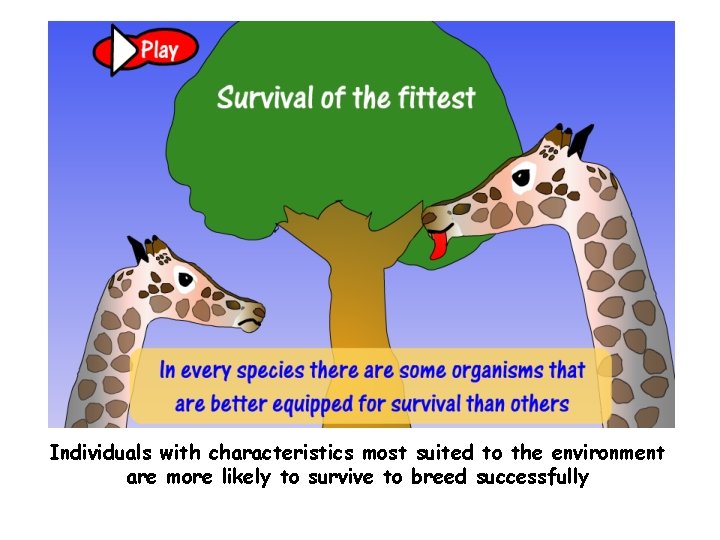
Individuals with characteristics most suited to the environment are more likely to survive to breed successfully
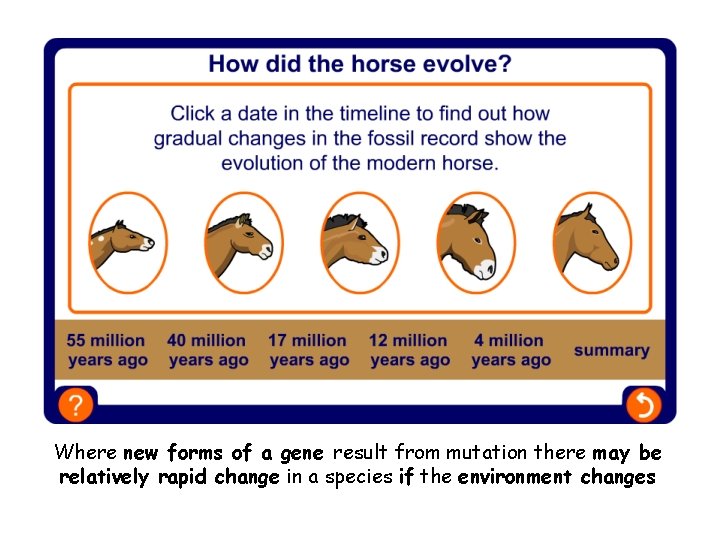
Where new forms of a gene result from mutation there may be relatively rapid change in a species if the environment changes