
The French Indian War Chapter 8 Lesson 1
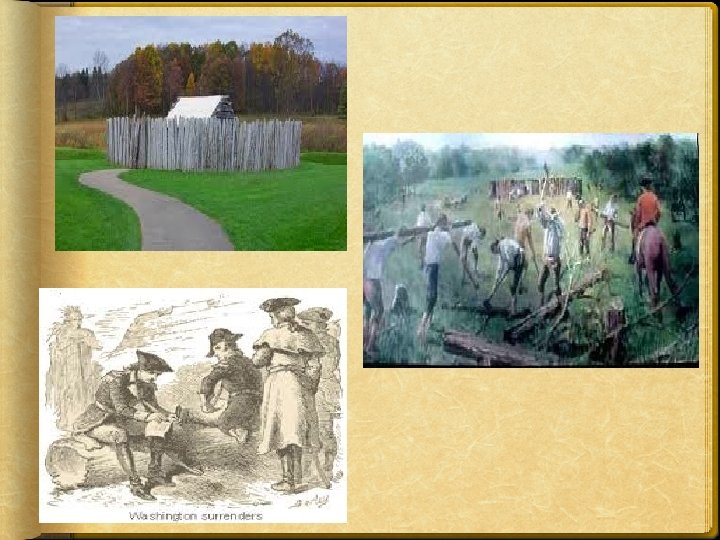
- Slides: 35
The French & Indian War Chapter 8 Lesson 1
FYI The events that led to the American Revolution began about 20 years before the 13 colonies cut ties with England
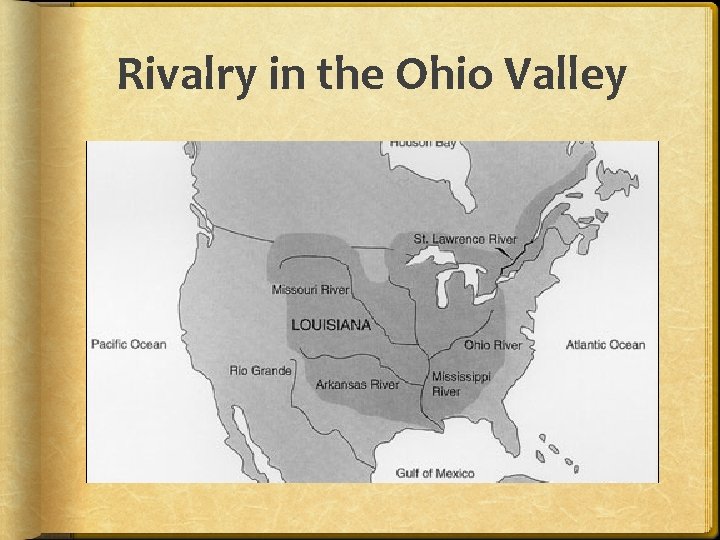
Rivalry in the Ohio Valley
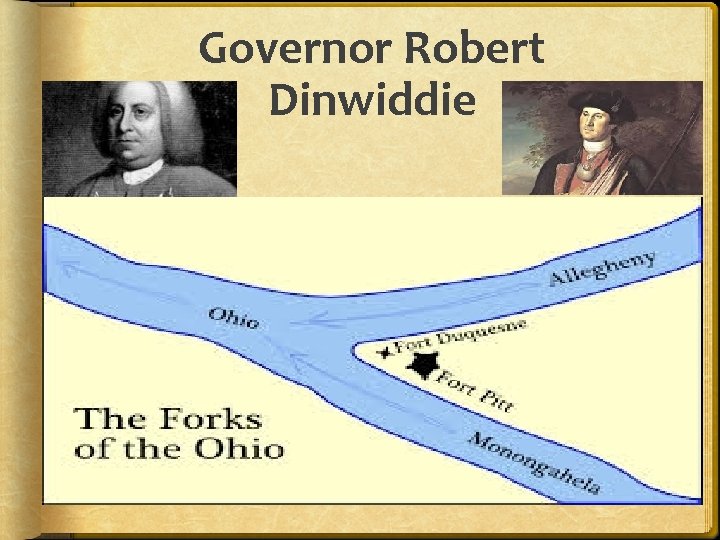
Governor Robert Dinwiddie
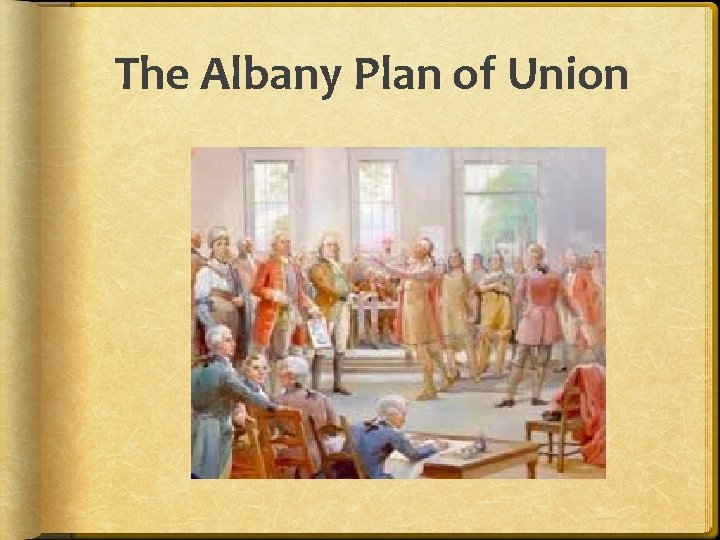
The Albany Plan of Union
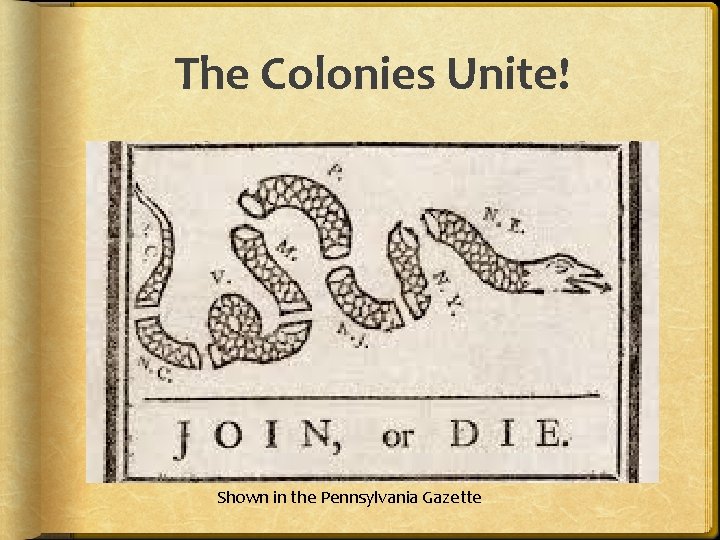
The Colonies Unite! Shown in the Pennsylvania Gazette
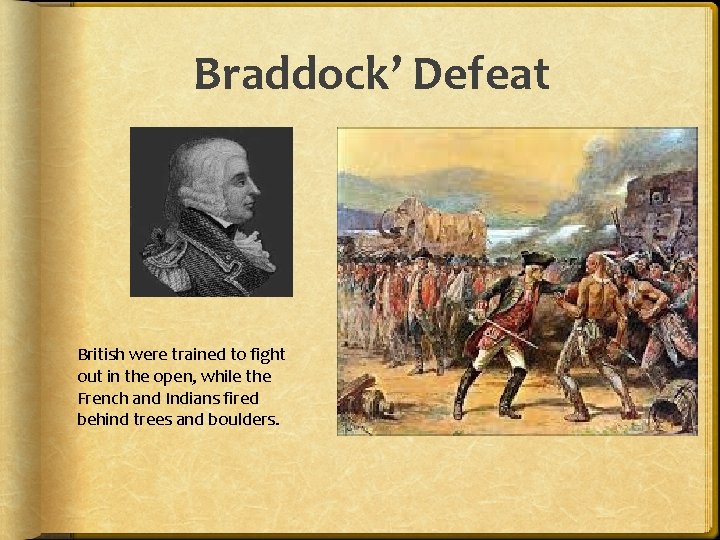
Braddock’ Defeat British were trained to fight out in the open, while the French and Indians fired behind trees and boulders.
Britain Wins North America Chapter 8, Lesson 2
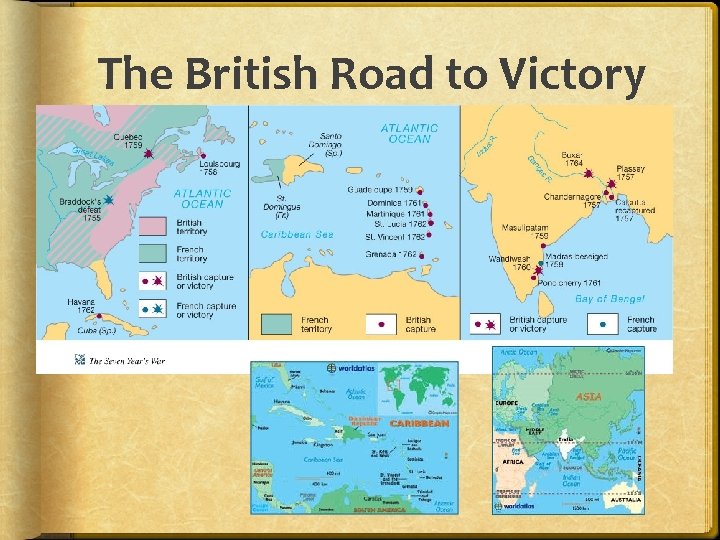
The British Road to Victory
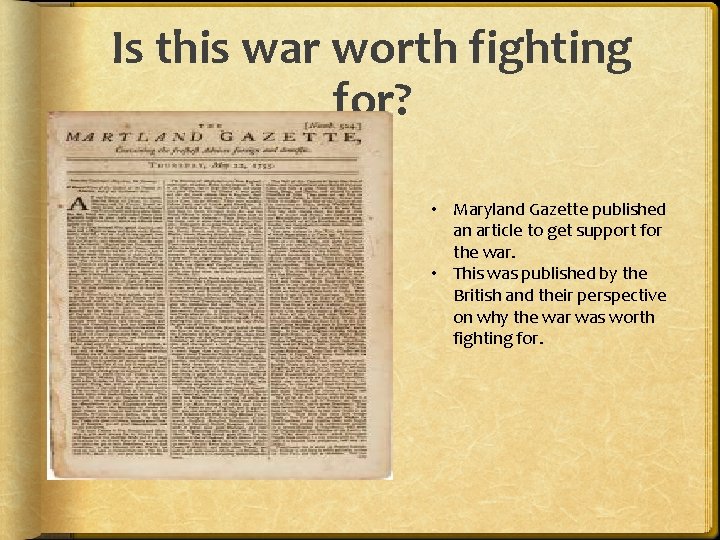
Is this war worth fighting for? • Maryland Gazette published an article to get support for the war. • This was published by the British and their perspective on why the war was worth fighting for.
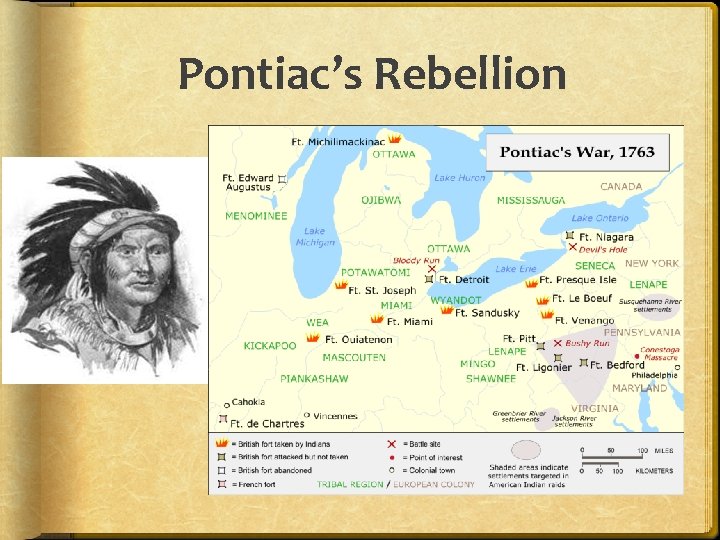
Pontiac’s Rebellion
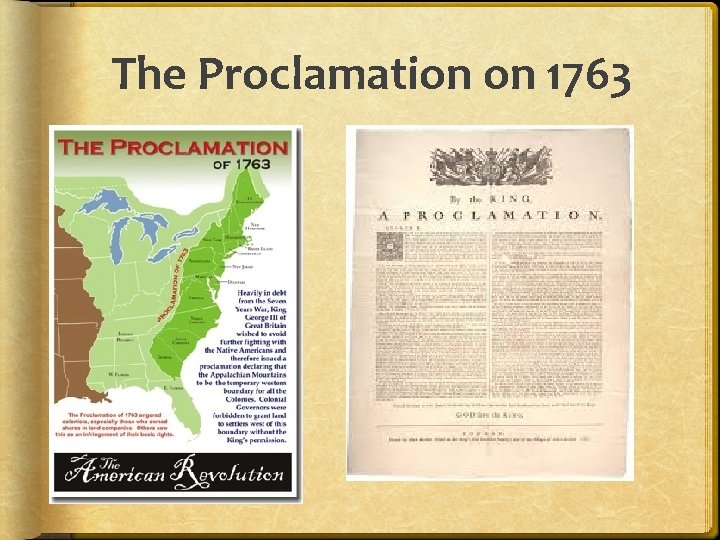
The Proclamation on 1763
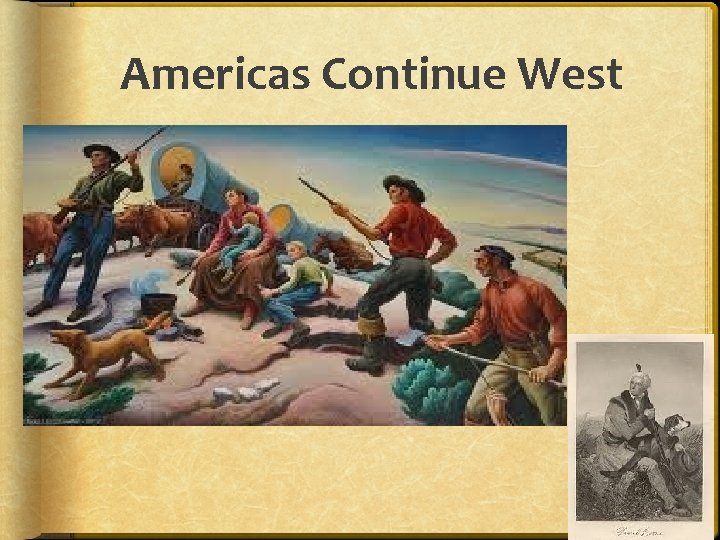
Americas Continue West
Colonists Speak Out Chapter 8, Lesson 3
The Sugar Act • Parliament begins to pass new tax laws. • Added a tax on sugar and other goods coming into the colonies. • No voice on the new tax laws. • James Otis spoke out while others sided with the British.
The Stamp Act Placed a tax on newspapers, almanacs, pamphlets etc. Colonists were hired as tax collectors Colonists did not have any representation Protest started.
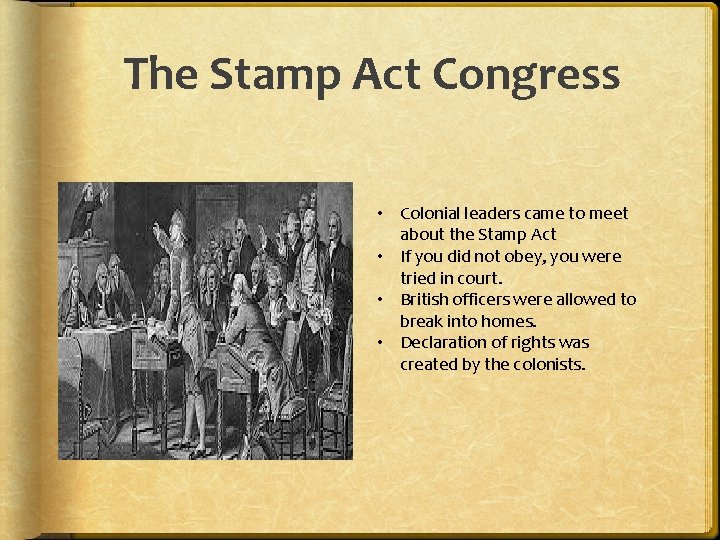
The Stamp Act Congress • Colonial leaders came to meet about the Stamp Act • If you did not obey, you were tried in court. • British officers were allowed to break into homes. • Declaration of rights was created by the colonists.
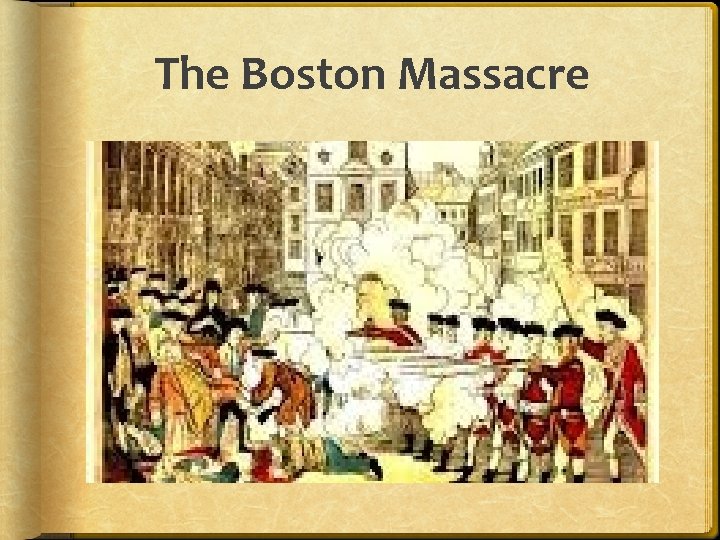
The Boston Massacre
Boston Massacre More than 9, 000 soldiers in the 13 colonies (sent by Parliament) Having British Soldiers angered the colonists. Colonists made up nicknames for the British (Lobsters, Redcoats, Bloodybacks) Many fights broke out Massacre resulted in 5 colonists dead.
The Road to War Chapter 8, Lesson 4
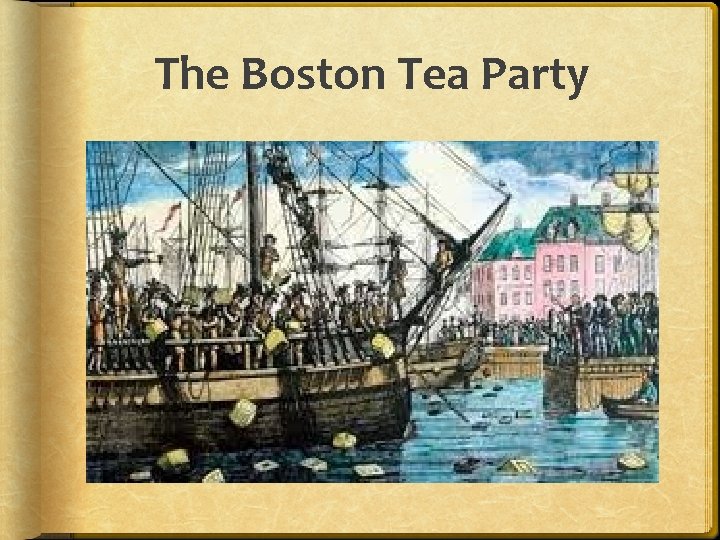
The Boston Tea Party
The Boston Tea Party British repealed all taxes except for tea tax. British had a “Monopoly” on tea, it was called the East India Company. Colonists could no longer make money on tea because the British tea was so cheap. Colonists boycotted tea. Colonists broke into ships disguised as indians and threw all of the tea into the harbor.
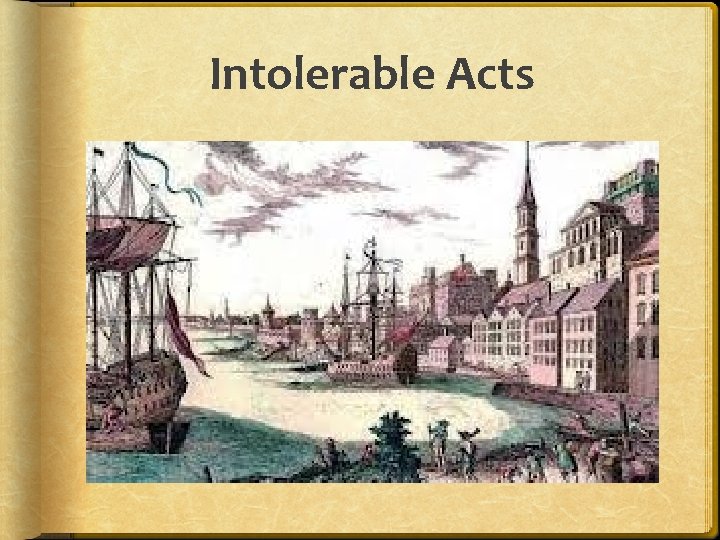
Intolerable Acts
Intolerable Acts Parliament was mad about Boston Tea Party. Passed new laws to punish colonists: 1. Closed port until colonists clean up tea. 2. Passed Gov. Act- Colonists in Massachusetts could not hold town meetings. 3. Had to “Quarter” British Soldiers (feed and provide shelter) Intolerable Acts was how the colonists felt about unfair laws.
First Continental Congress Colonists met to figure out how to deal with the British. They first met in September of 1774 at Philadelphia’s Carpenter Hall. Since it was the first type of meeting in North America they later called it the “First Continental Congress”. 56 delegates were there to represent the colonies. Stated that the Colonists have the rights to “Life, Liberty and Property”
Lexington & Concord Colonists organize a militia unit. “Sons of Liberty” - > Paul Revere who rode his horse to Lexington to warn two important colonists (Hancock and Adams) that the British were coming. British get to Concord and there is fighting. After they go to Lexington and fighting continues. Begins the long bitter war between the colonists and the British.
The Second Continental Congress Chapter 8 Lesson 5
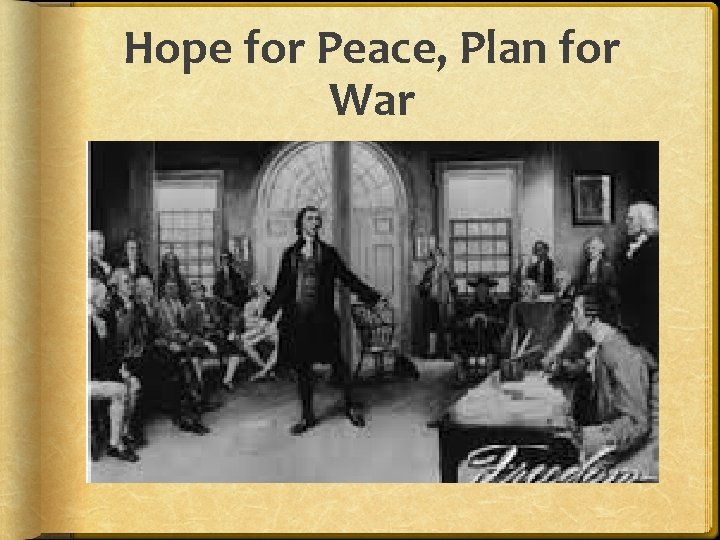
Hope for Peace, Plan for War Congress believed that the colonies should begin planning for war against the British. 1 st step was to form an army. The “Continental Army” was the first united colonial army. Congress asked George Washington to lead the new Continental army. George Washington accepted the role as “Commander in Chief”. The colonies contributed money for guns, bullets, food and uniforms.
Hope for Peace, Plan for War
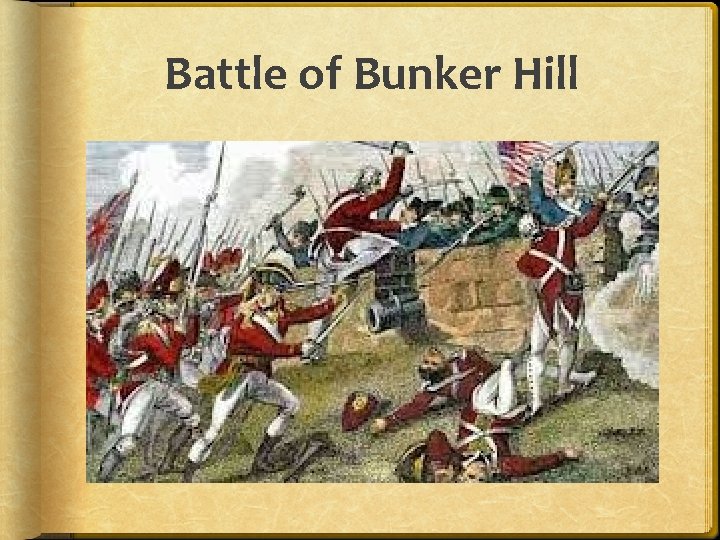
Battle of Bunker Hill After the fight in Lexington and Concord, citizens of Massachusetts began to build Earthworks to help defend themselves in battle. Boston became the only safe place for the British. The only way out or in was to travel by sea. June 16 th, 1775 British ships were ordered to open fire on colonists. Soldiers were sent to capture Breed’s Hill. Colonists fought back and drove the British back twice before running out of gun powder. Almost ½ of the British soldiers died, but finally took the hill.
Battle of Bunker Hill
A Foreign War Second Continental Congress sent another petition to King George III- known as the Olive Branch Petition. The Battle of Bunker Hill was considered to be a foreign war. King George III promised to “bring the traitors to justice” King George formed an army of British, German Mercenaries & other Native American Allies.
A Foreign War Second Continental Congress also prepared for war. Established an “Army of the Sea”- Navy. A committee was also established to seek out Native American allies. The Continental Congress finally stood for all 13 colonies.
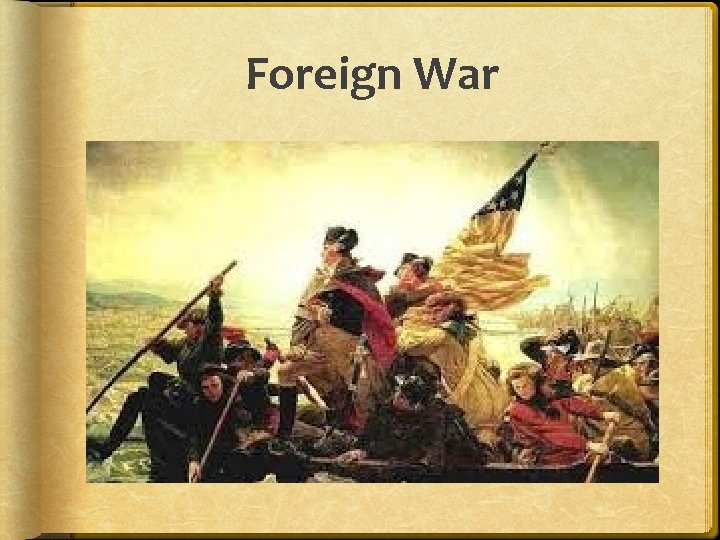
Foreign War