
The Foundations of Chinese Philosophy The Confucian Ethos

- Slides: 30
The Foundations of Chinese Philosophy: The Confucian Ethos San-pao Li, Ph. D. Department of Asian and Asian American Studies California State University, Long Beach California, U. S. A. February 19, 2004
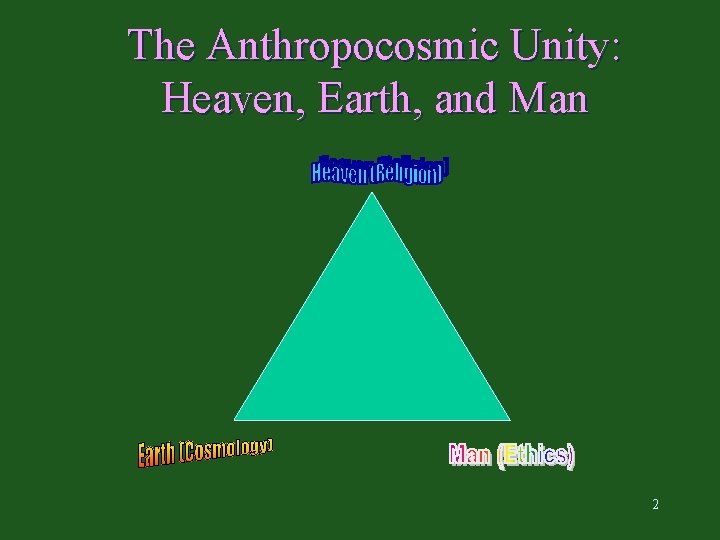
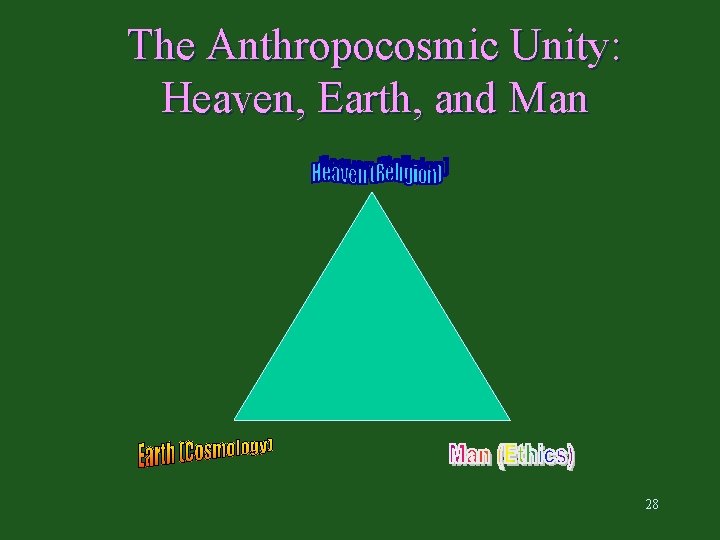
The Anthropocosmic Unity: Heaven, Earth, and Man 2
Ethos The characteristic and distinguishing attitudes, habits, beliefs, etc. of an individual or of a group 3
The Confucian Ethos For nearly 2, 500 years Confucianism remained both a dominant intellectual force and a forceful ethical system that molded and conditioned many aspects of Chinese culture. 4
An Outline n Intellectual Flowering in Early China: The “Hundred Schools” (520 B. C. -220 B. C. ) n Confucius as a “paradigmatic individual” n Confucianism 5
An Outline n Intellectual Flowering in Early China: The “Hundred Schools” (520 B. C. -220 B. C. ) n Confucius as a “paradigmatic individual” n Confucianism 6
Yu-lan Fung, History of Chinese Philosophy êPeriod of the Philosophers: The Classical Period êPeriod of Classical Learning 7
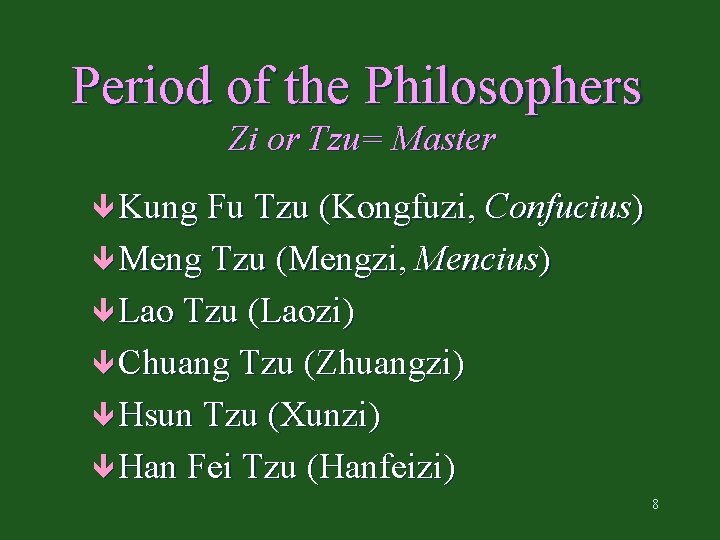
Period of the Philosophers Zi or Tzu= Master ê Kung Fu Tzu (Kongfuzi, Confucius) ê Meng Tzu (Mengzi, Mencius) ê Lao Tzu (Laozi) ê Chuang Tzu (Zhuangzi) ê Hsun Tzu (Xunzi) ê Han Fei Tzu (Hanfeizi) 8
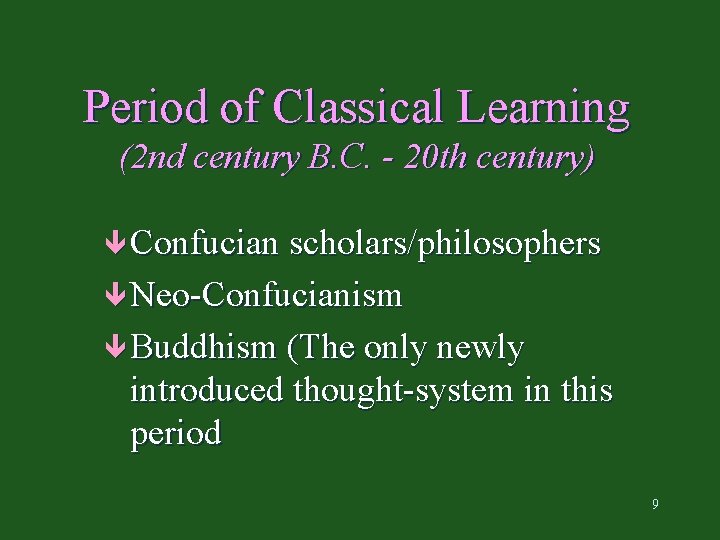
Period of Classical Learning (2 nd century B. C. - 20 th century) ê Confucian scholars/philosophers ê Neo-Confucianism ê Buddhism (The only newly introduced thought-system in this period 9
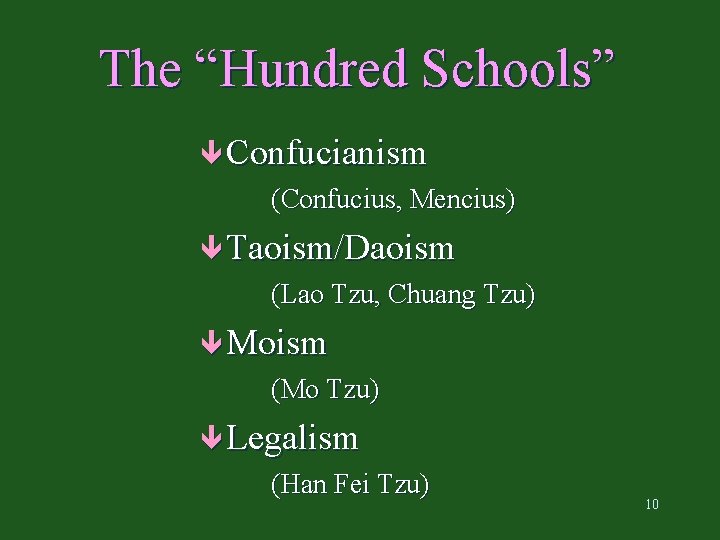
The “Hundred Schools” ê Confucianism (Confucius, Mencius) ê Taoism/Daoism (Lao Tzu, Chuang Tzu) ê Moism (Mo Tzu) ê Legalism (Han Fei Tzu) 10
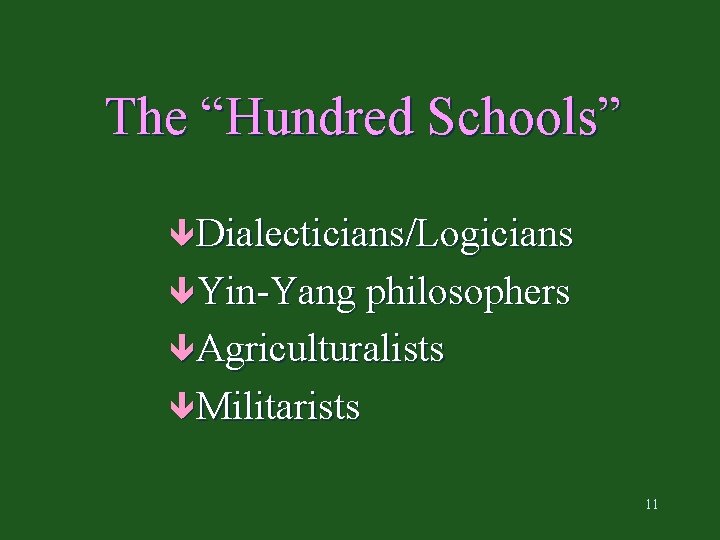
The “Hundred Schools” êDialecticians/Logicians êYin-Yang philosophers êAgriculturalists êMilitarists 11
An Outline n Intellectual Flowering in Early China: The “Hundred Schools” n Confucius as a “paradigmatic individual” n Confucianism 12
Karl Jaspers, The Great Philosophers The four “paradigmatic individuals” êSocrates êBuddha êConfucius êJesus 13
Karl Jaspers, The Great Philosophers The four “paradigmatic individuals” By being what they were, did more than other men to determine the history of man ê Their influence extends through two millennia down to our own day ê They became the foundations of powerful philosophical movements ê Not philosophers themselves, but they have had extraordinary impact for all philosophies 14 ê
Michael H. Hart The 100: A Ranking of the Most Influential Persons in History See transparency 15
An Outline n Intellectual Flowering in Early China: The “Hundred Schools” n Confucius as a “paradigmatic individual” n Confucianism 16
Confucianism 17
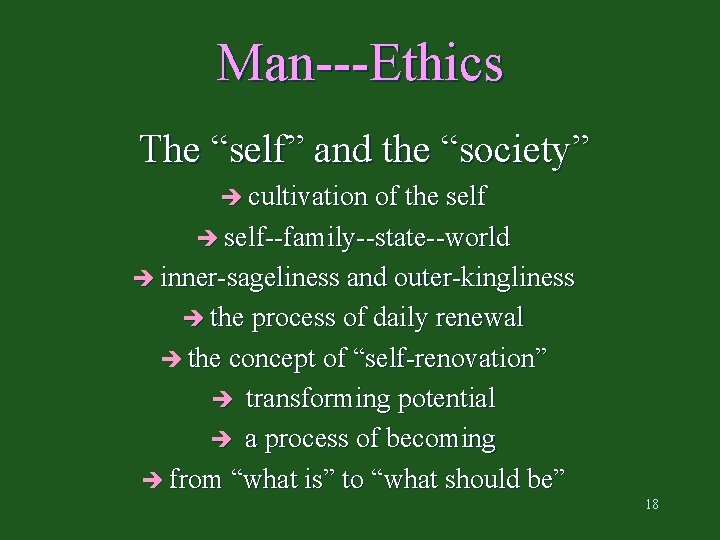
Man---Ethics The “self” and the “society” è cultivation of the self è self--family--state--world è inner-sageliness and outer-kingliness è the process of daily renewal è the concept of “self-renovation” transforming potential è a process of becoming è from “what is” to “what should be” è 18
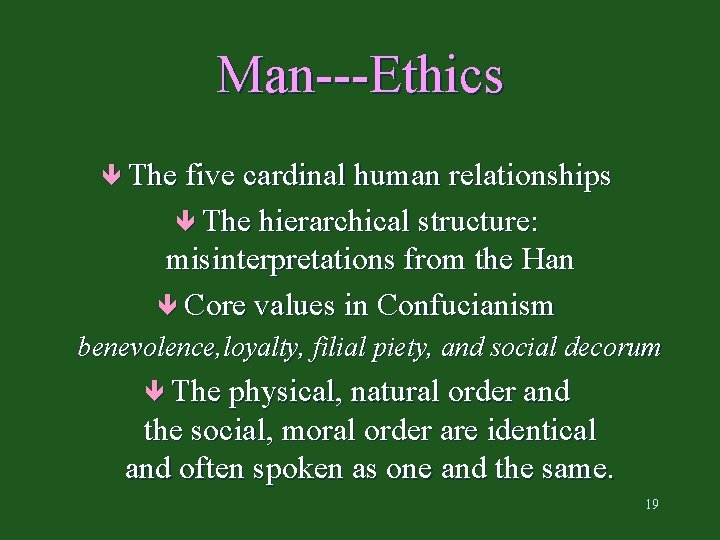
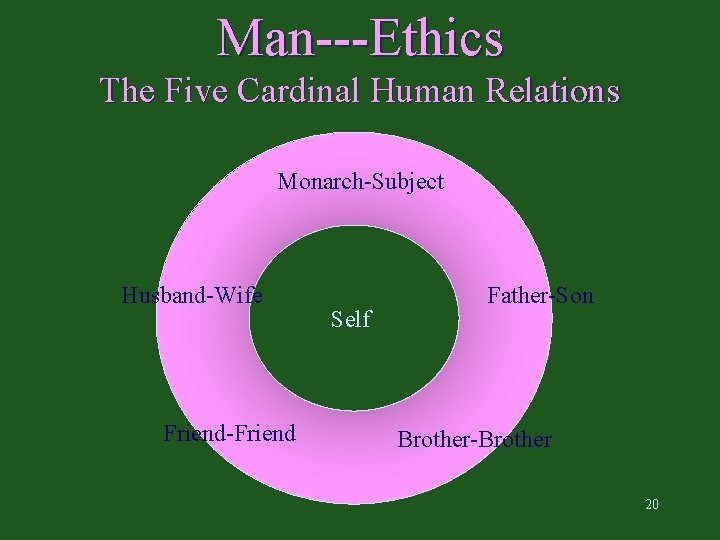
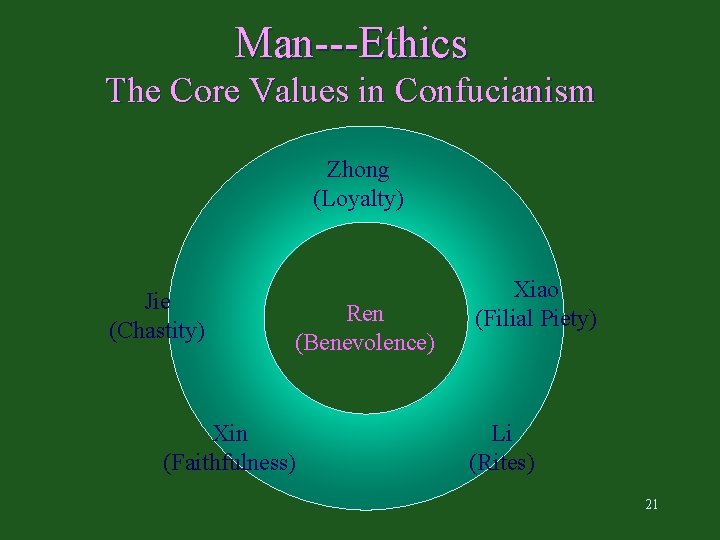
Man---Ethics ê The five cardinal human relationships ê The hierarchical structure: misinterpretations from the Han ê Core values in Confucianism benevolence, loyalty, filial piety, and social decorum ê The physical, natural order and the social, moral order are identical and often spoken as one and the same. 19
Man---Ethics The Five Cardinal Human Relations Monarch-Subject Husband-Wife Friend-Friend Self Father-Son Brother-Brother 20
Man---Ethics The Core Values in Confucianism Zhong (Loyalty) Jie (Chastity) Ren (Benevolence) Xin (Faithfulness) Xiao (Filial Piety) Li (Rites) 21
Man---Ethics The concept of “filial piety” Complete devotion, honor, respect, and obedience to one’s parents, living and deceased. 22
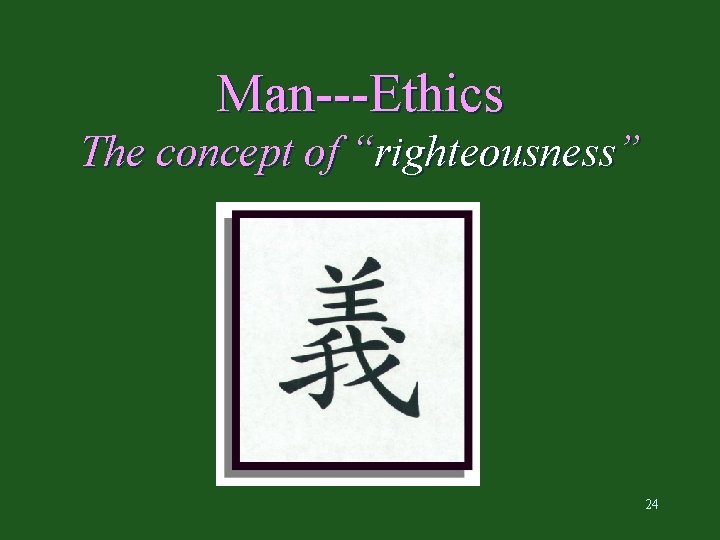
Man---Ethics The concept of “righteousness” è A universal and “holistic” expression of all the general virtues in the Confucian system è Any failure to actualize a potential virtue and any infraction against or nonfulfillment of loyalty, filial piety, chastity, or even the principle of faithfulness among friends disqualifies a person from being considered “righteous. ” è The attainment of it represents a summarum or moral completion. 23
Man---Ethics The concept of “righteousness” 24
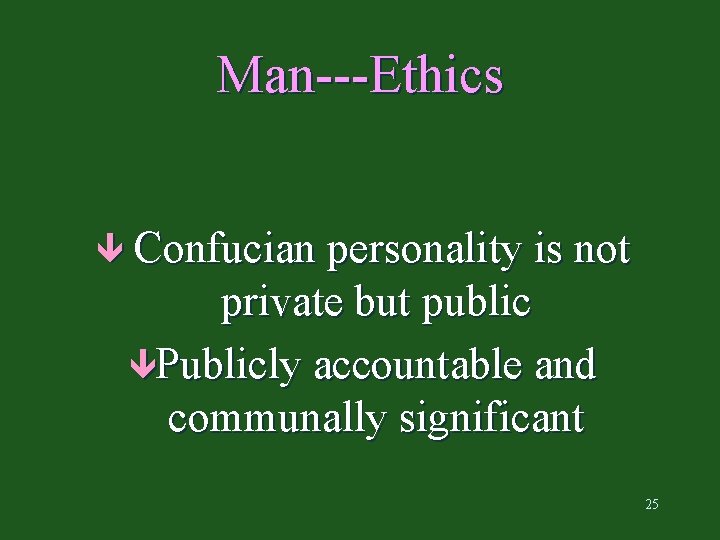
Man---Ethics ê Confucian personality is not private but public êPublicly accountable and communally significant 25
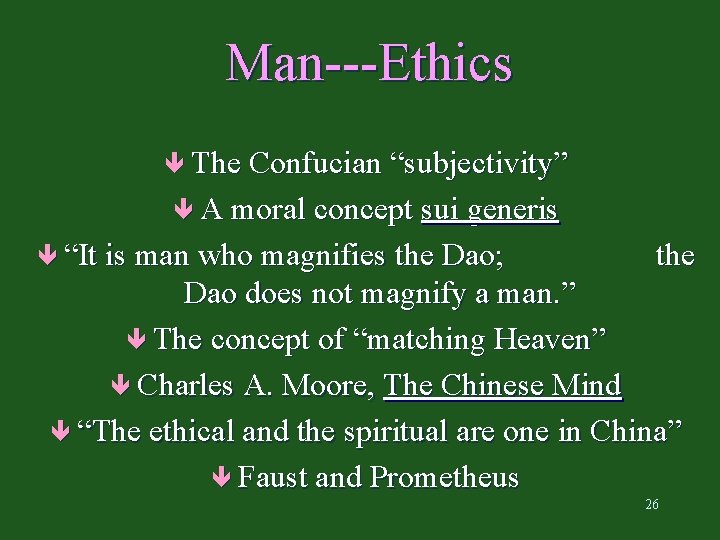
Man---Ethics ê The Confucian “subjectivity” ê A moral concept sui generis ê “It is man who magnifies the Dao; the Dao does not magnify a man. ” ê The concept of “matching Heaven” ê Charles A. Moore, The Chinese Mind ê “The ethical and the spiritual are one in China” ê Faust and Prometheus 26
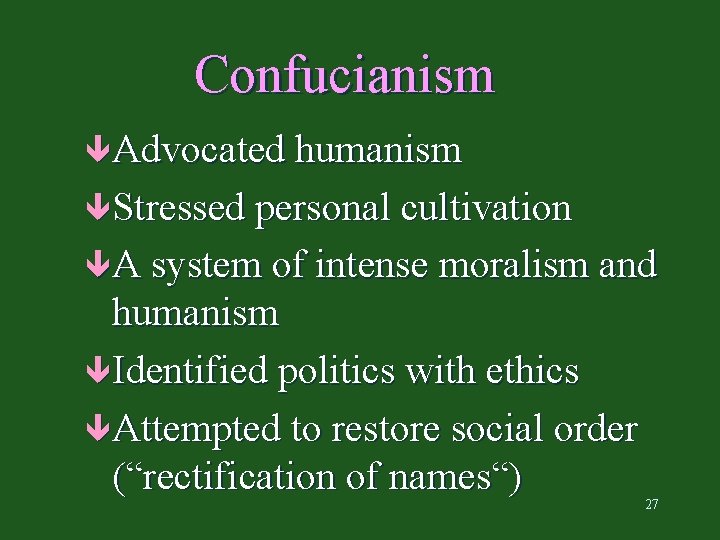
Confucianism êAdvocated humanism êStressed personal cultivation êA system of intense moralism and humanism êIdentified politics with ethics êAttempted to restore social order (“rectification of names“) 27
The Anthropocosmic Unity: Heaven, Earth, and Man 28
The Foundations of Chinese Philosophy: The Confucian Ethos San-pao Li, Ph. D. Department of Asian and Asian American Studies California State University, Long Beach California, U. S. A. February 19, 2004
Thank you! Your comments and questions are welcome! 30