
The formation of hydrogen flakes during fabrication of
The formation of hydrogen flakes during fabrication of the reactor pressure vessel. dr. ir. Jan Peirs Prof. dr. ing. René Boonen 13/04/2018 INRAG Fachtagung
Overview • Location and distribution of flakes • Hypothesis of Electrabel • Test hypothesis: calculate hydrogen balance
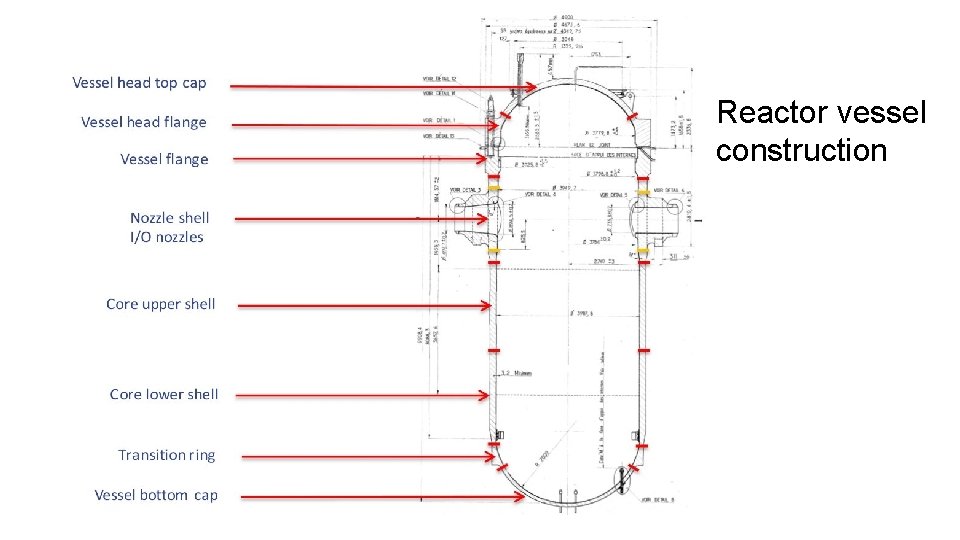
Reactor vessel construction
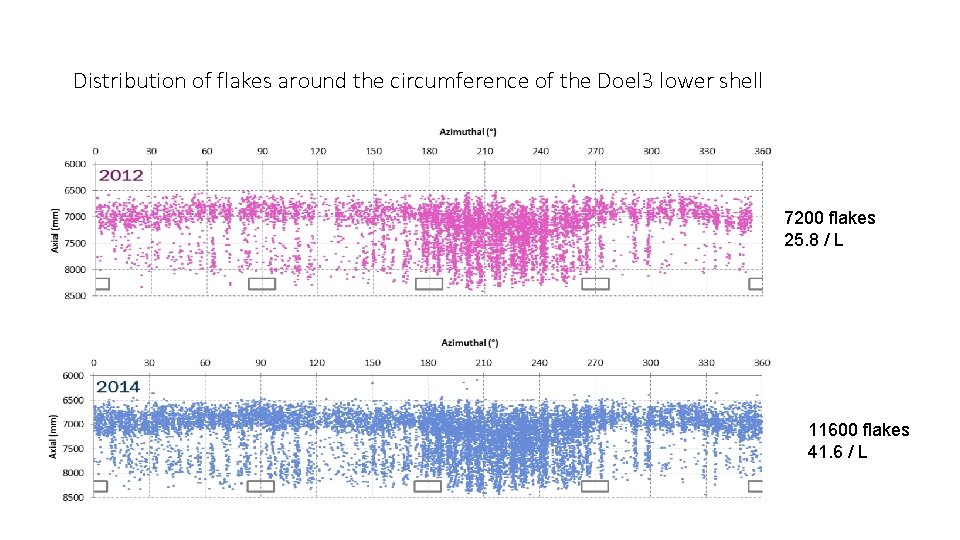
Distribution of flakes around the circumference of the Doel 3 lower shell 7200 flakes 25. 8 / L 11600 flakes 41. 6 / L
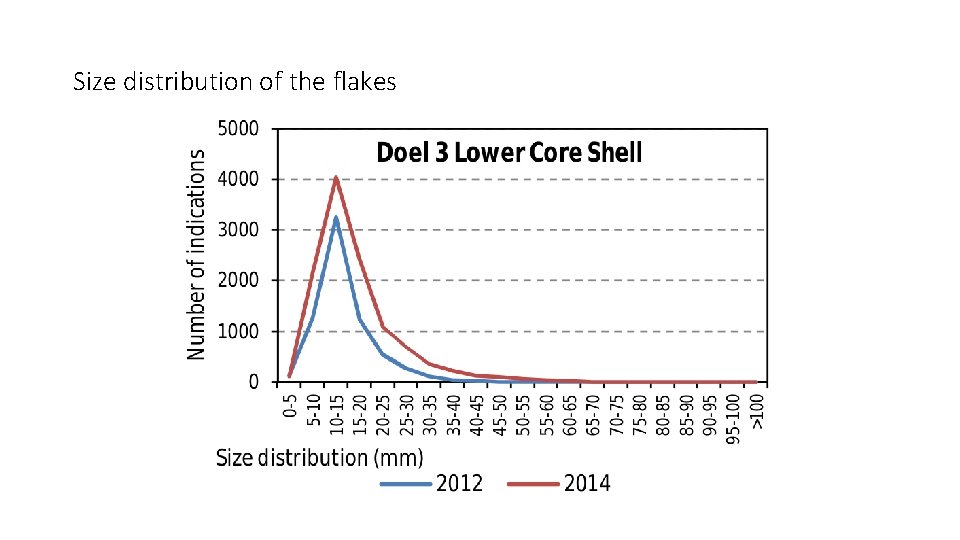
Size distribution of the flakes
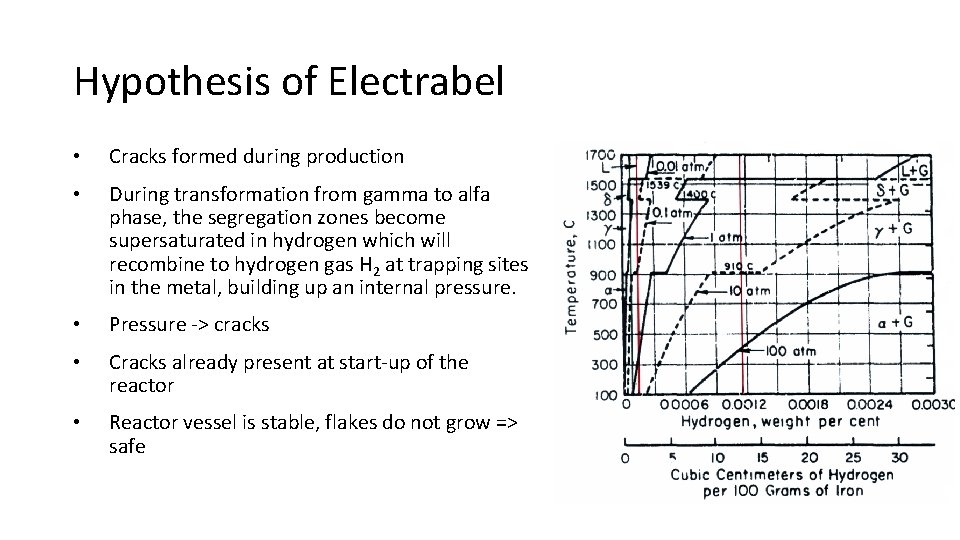
Hypothesis of Electrabel • Cracks formed during production • During transformation from gamma to alfa phase, the segregation zones become supersaturated in hydrogen which will recombine to hydrogen gas H 2 at trapping sites in the metal, building up an internal pressure. • Pressure -> cracks • Cracks already present at start-up of the reactor • Reactor vessel is stable, flakes do not grow => safe
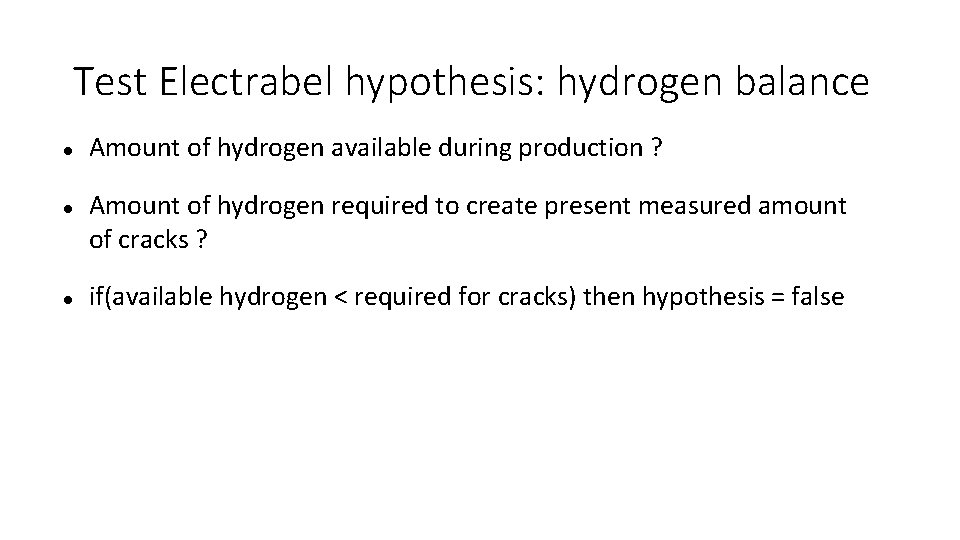
Test Electrabel hypothesis: hydrogen balance Amount of hydrogen available during production ? Amount of hydrogen required to create present measured amount of cracks ? if(available hydrogen < required for cracks) then hypothesis = false
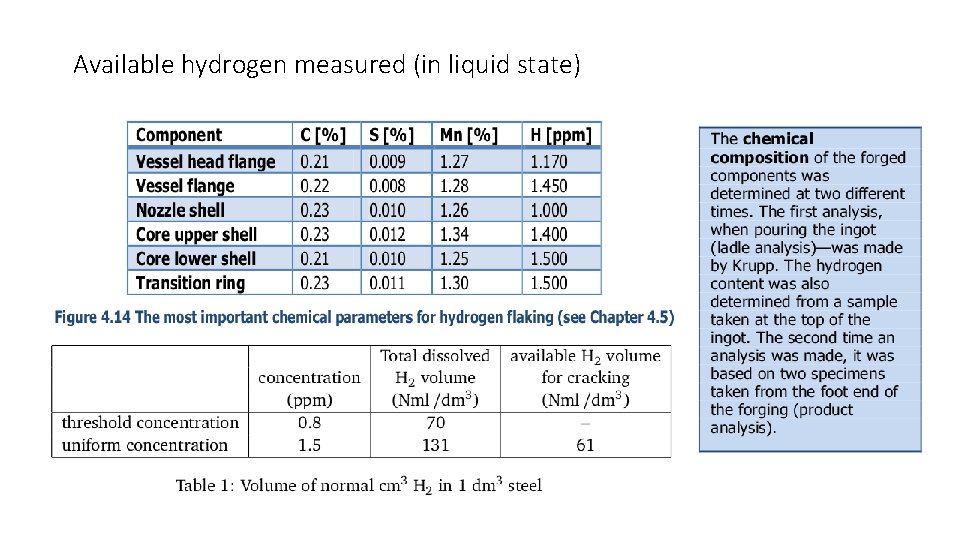
Available hydrogen measured (in liquid state)
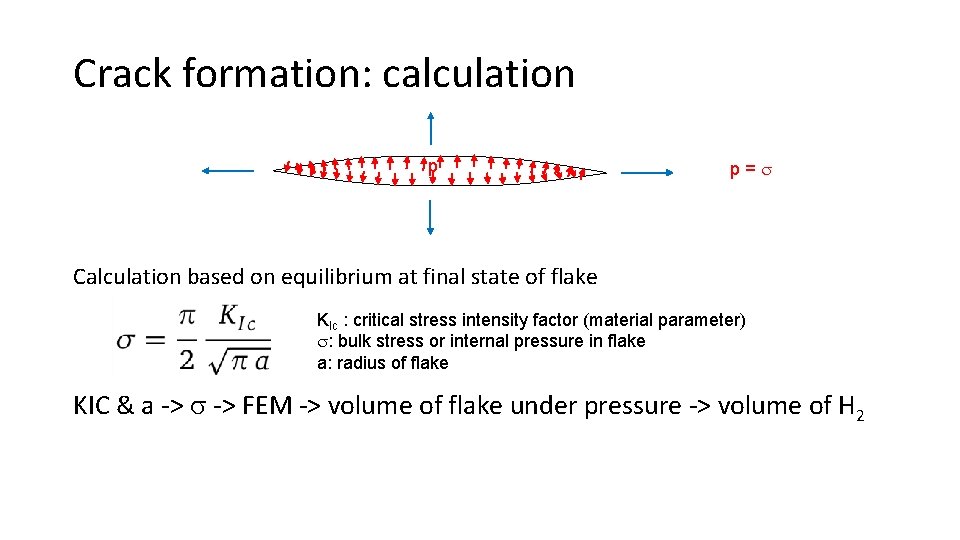
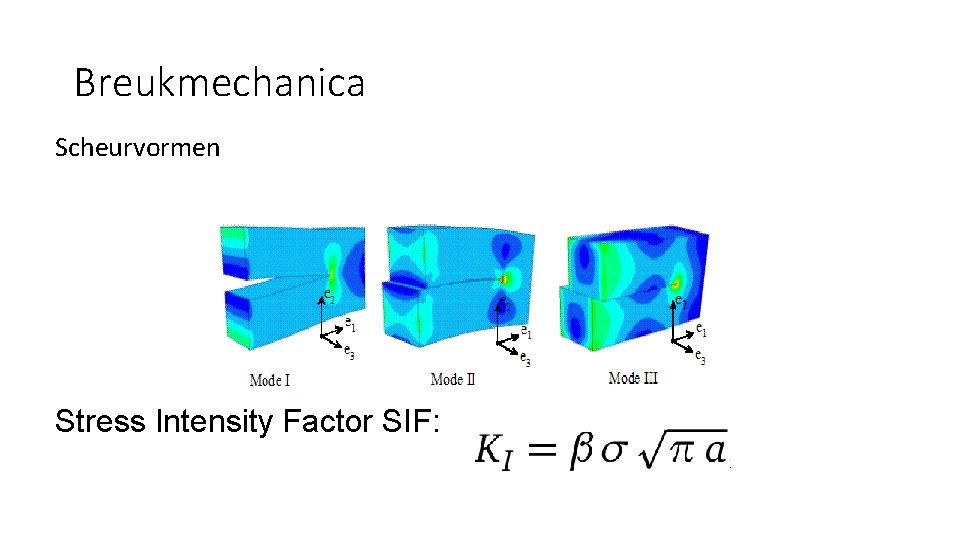
Crack formation: calculation p p= Calculation based on equilibrium at final state of flake KIc : critical stress intensity factor (material parameter) : bulk stress or internal pressure in flake a: radius of flake KIC & a -> FEM -> volume of flake under pressure -> volume of H 2
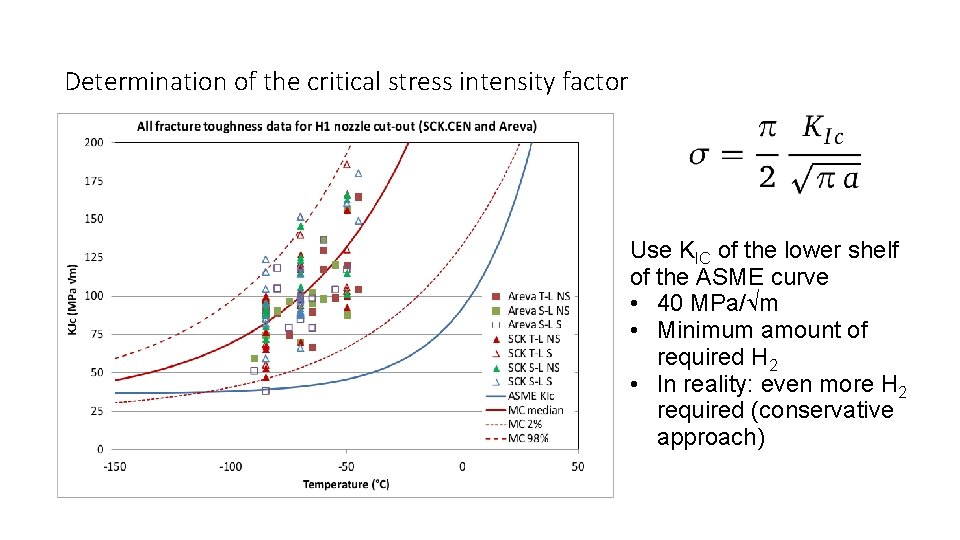
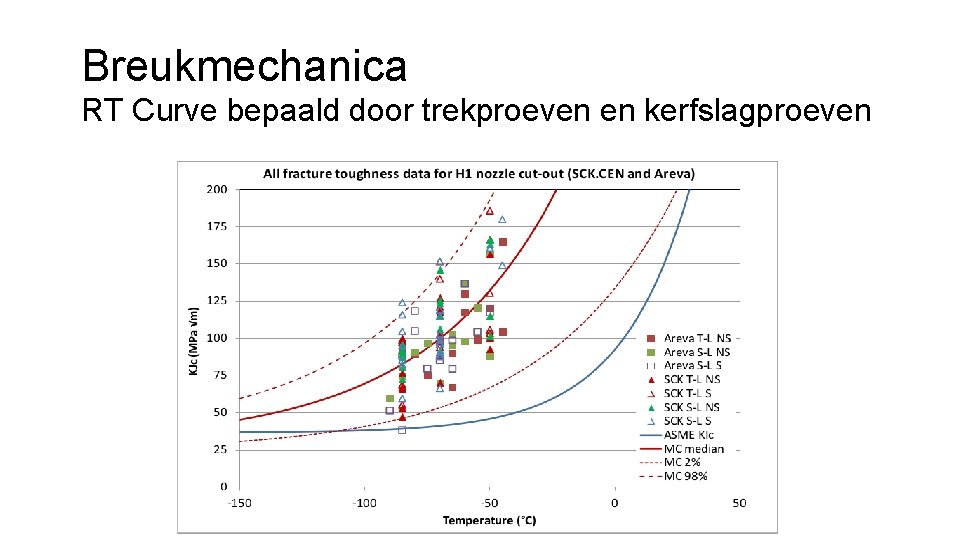
Determination of the critical stress intensity factor Use KIC of the lower shelf of the ASME curve • 40 MPa/ m • Minimum amount of required H 2 • In reality: even more H 2 required (conservative approach)
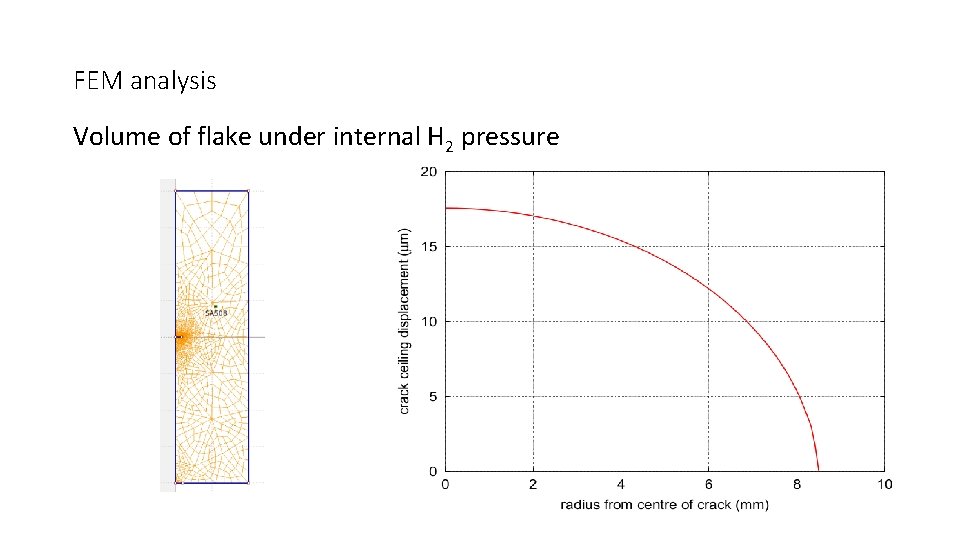
FEM analysis Volume of flake under internal H 2 pressure

Crack formation: volume Crack grows Equilibrium, crack stops growing H 2 has disappeared, crack closes again } d. V x p
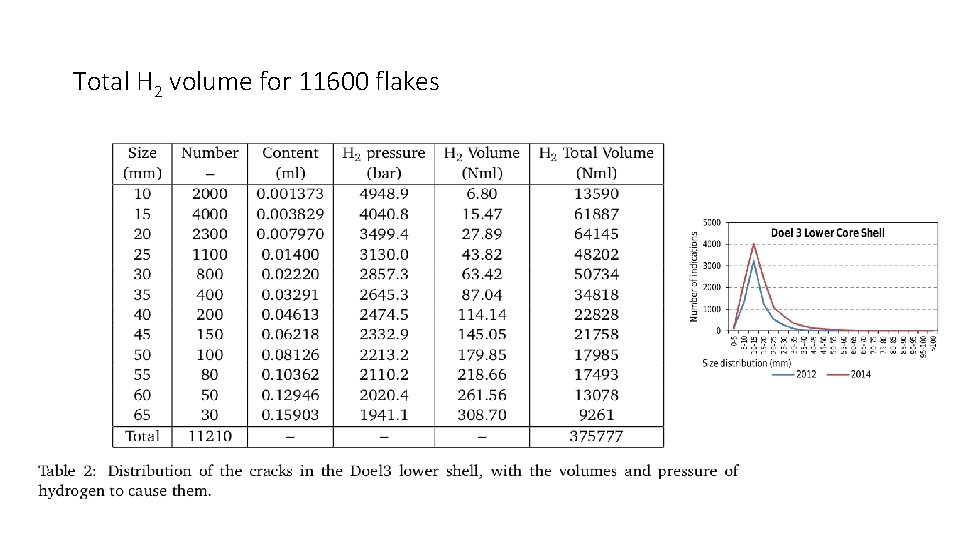
Total H 2 volume for 11600 flakes
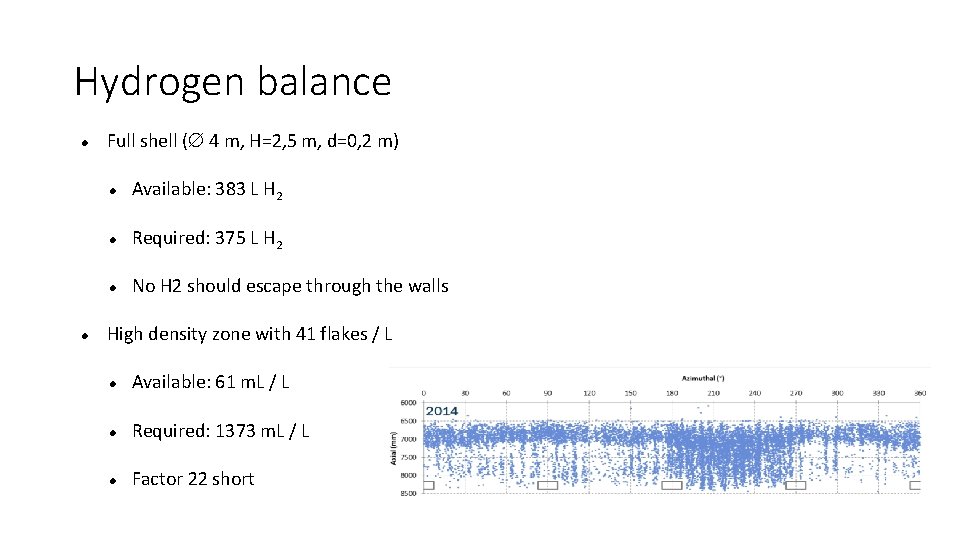
Hydrogen balance Full shell ( 4 m, H=2, 5 m, d=0, 2 m) Available: 383 L H 2 Required: 375 L H 2 No H 2 should escape through the walls High density zone with 41 flakes / L Available: 61 m. L / L Required: 1373 m. L / L Factor 22 short
Conclusion • Our calculations show that there is not sufficient hydrogen available during production to form all the flakes. • Only limited number of flakes can be explained by this mechanism • Hypothesis of Electrabel does not explain 11600 flakes.
Apparently, Electrabel has not investigated the volumetric hydrogen balance. Electrabel should recalculate the hydrogen balance using their extensive dataset which they have at their disposal.
Einladung Part 2 of this study: • Prof. dr. -ing. René Boonen • Saturday 10: 45 • “Ungelöste Probleme der Materialstruktur des Reaktordruckbehälters von Tihange 2“ • Extended calculation for different KIC at room temperature • Upper and lower shells

Breukmechanica - Scheuren hebben energie nodig om te groeien. - 4 soorten energie: - elastische energie (leverancier) - plastische energie - oppervlakte-energie (scheurgroei) - kinetische energie (materiaalverplaatsing, kraakgeluid) -Scheuren groeien onder cyclische belasting.
Breukmechanica Scheurvormen Stress Intensity Factor SIF:
Breukmechanica RT Curve bepaald door trekproeven en kerfslagproeven
Breukmechanica
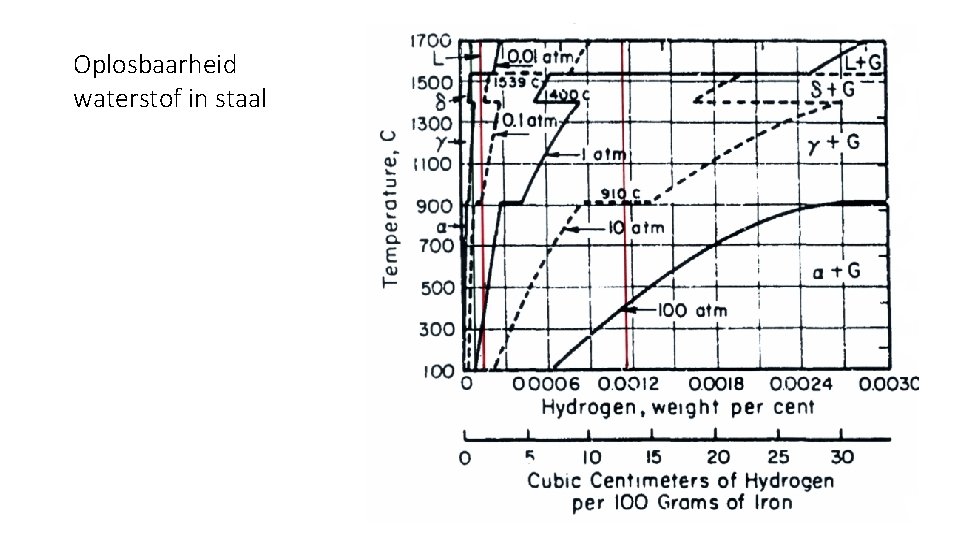
Oplosbaarheid waterstof in staal
- Slides: 23