
The First Scientific Revolution and the Beginnings of
The First Scientific Revolution and the Beginnings of Astrophysics Gheorghe Stratan JINR Dubna and NIPNE Bucharest Studying the past to understand the present and foresee the future
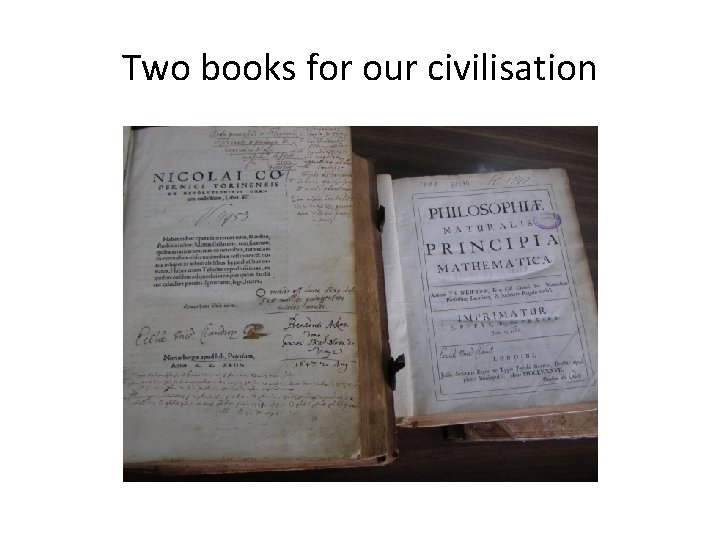
Two books for our civilisation
THE FIRST SCIENTIFIC REVOLUTION: What, When and Why • • When Science was born? The meaning of REVOLUTION in Science. Revolution, or Evolution? How the new Science replaces the old one? Mathematics and Science. The role of personalities. New notions, new language, new problems.
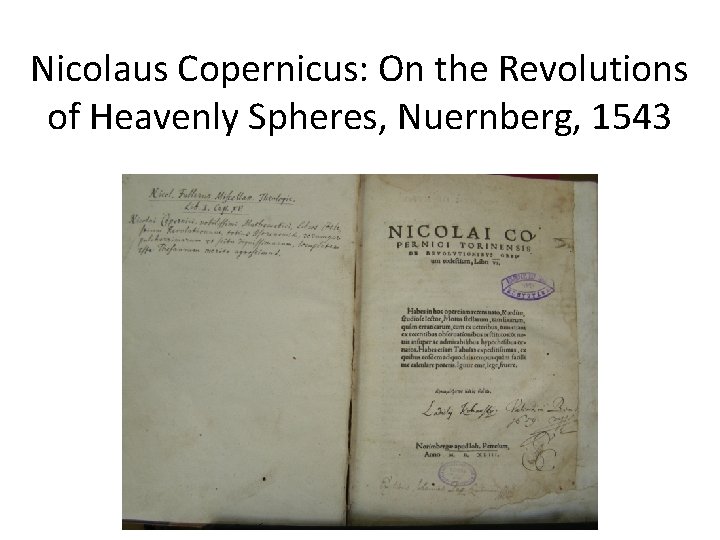
Nicolaus Copernicus: On the Revolutions of Heavenly Spheres, Nuernberg, 1543
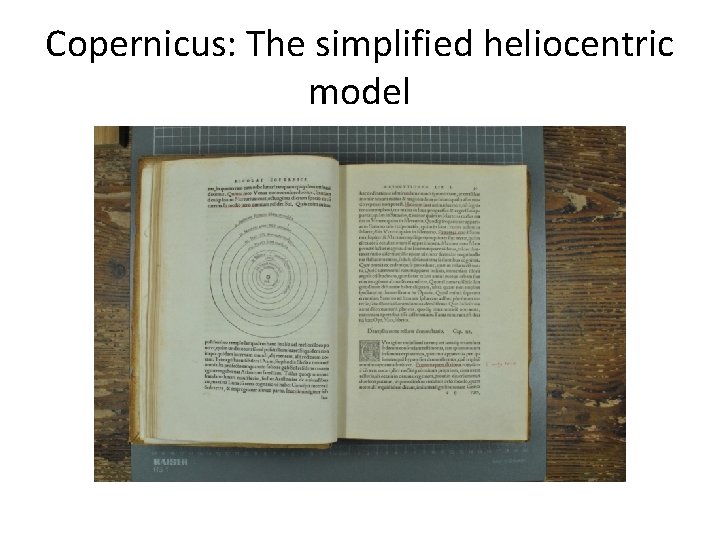
Copernicus: The simplified heliocentric model

Details of Book of Revolutions
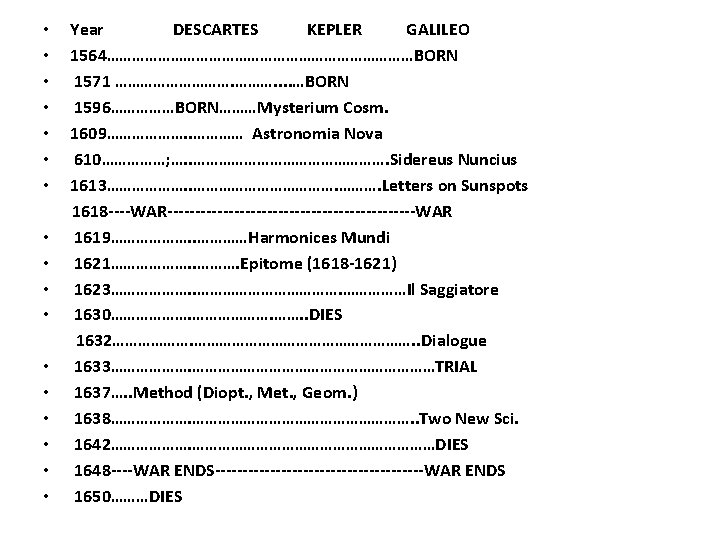
• • • • • Year DESCARTES KEPLER GALILEO 1564………………………………BORN 1571 ……………. . …BORN 1596……………BORN………Mysterium Cosm. 1609………………. . ………… Astronomia Nova 610……………; …. . ……………………. Sidereus Nuncius 1613………………. Letters on Sunspots 1618 ----WAR-----------------------WAR 1619………………. . …………Harmonices Mundi 1621………………. Epitome (1618 -1621) 1623………………. ……………Il Saggiatore 1630………………. ……. . DIES 1632………………………. . Dialogue 1633…………………………TRIAL 1637…. . Method (Diopt. , Met. , Geom. ) 1638………………………. . Two New Sci. 1642…………………………DIES 1648 ----WAR ENDS-------------------WAR ENDS 1650………DIES
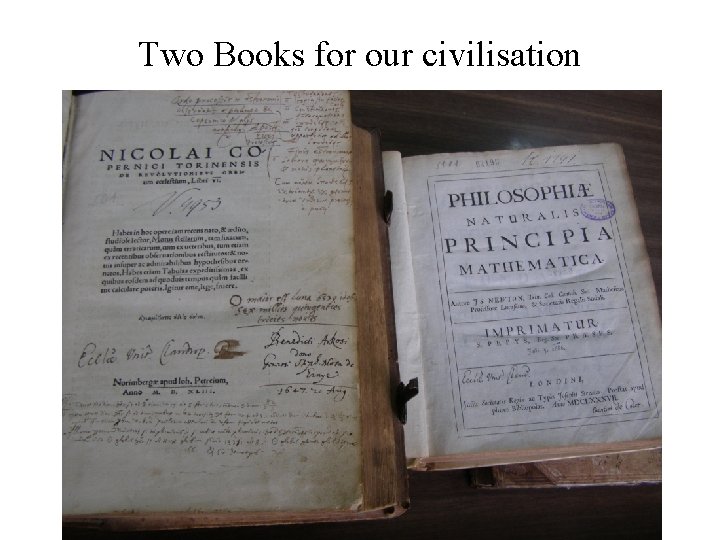
Two Books for our civilisation
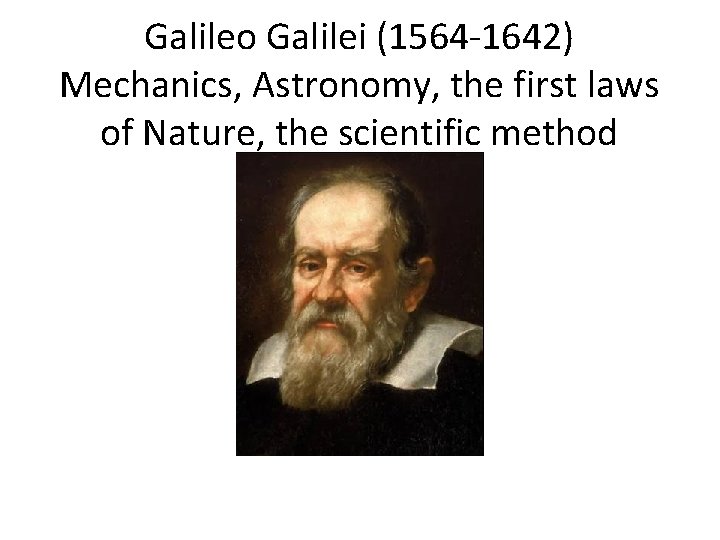
Galileo Galilei (1564 -1642) Mechanics, Astronomy, the first laws of Nature, the scientific method
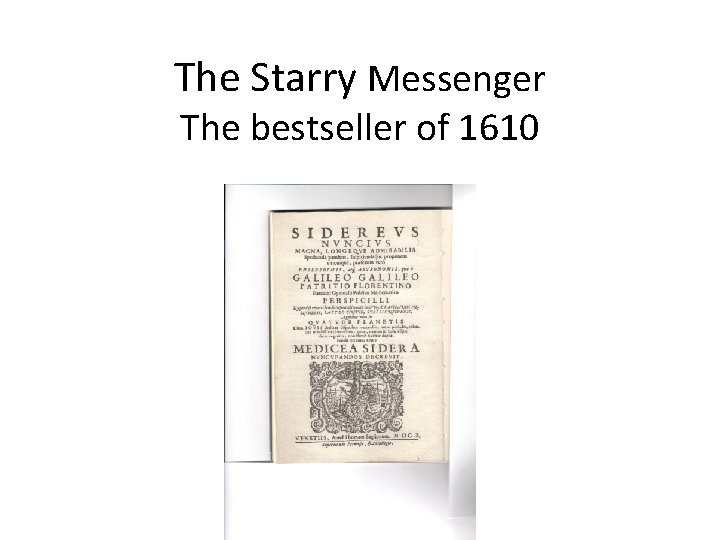
The Starry Messenger The bestseller of 1610
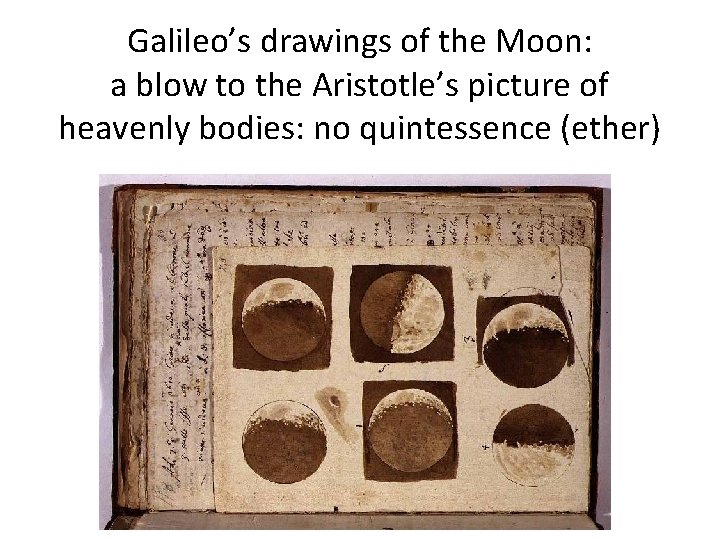
Galileo’s drawings of the Moon: a blow to the Aristotle’s picture of heavenly bodies: no quintessence (ether)
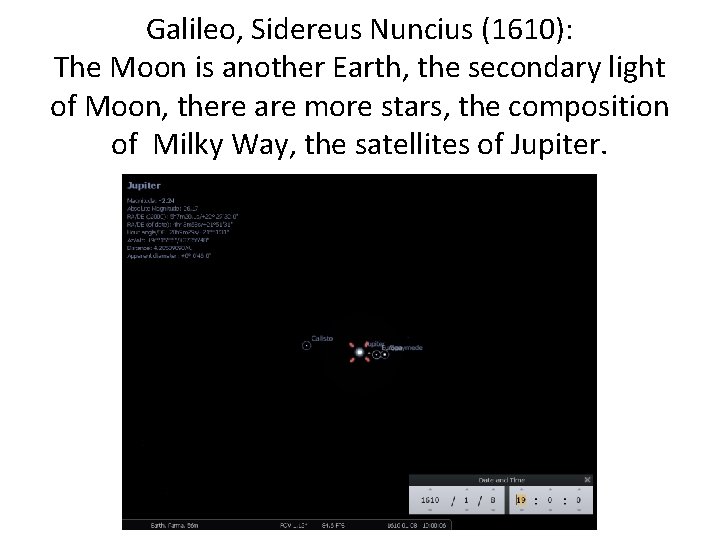
Galileo, Sidereus Nuncius (1610): The Moon is another Earth, the secondary light of Moon, there are more stars, the composition of Milky Way, the satellites of Jupiter.
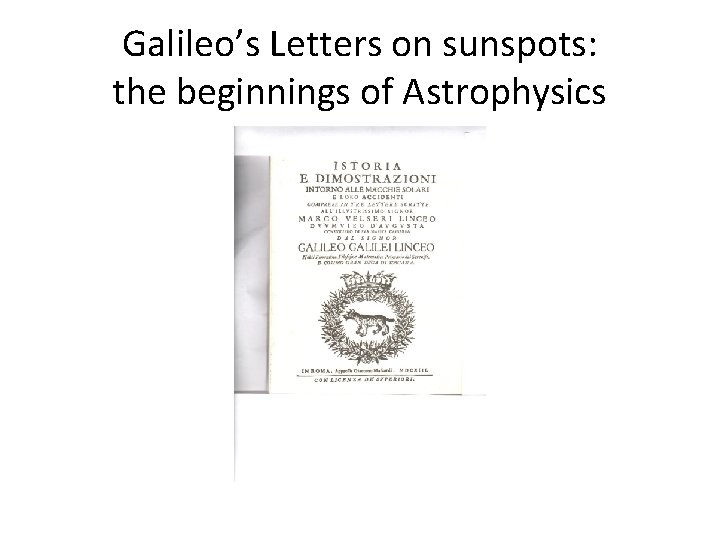
Galileo’s Letters on sunspots: the beginnings of Astrophysics
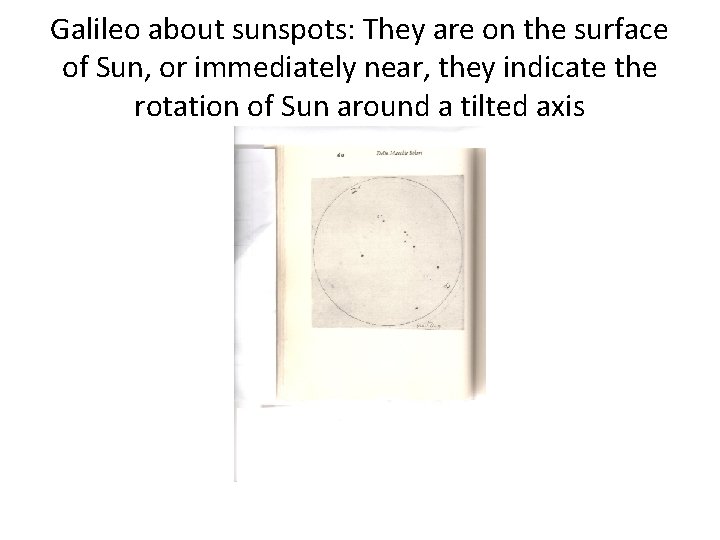
Galileo about sunspots: They are on the surface of Sun, or immediately near, they indicate the rotation of Sun around a tilted axis
Galileo about Mathematics The Book of Nature is written in Mathematical Language… The Assayer (1623) But no mystics of numerology, no believe in the magic of numbers, like Pythagoras’ followers
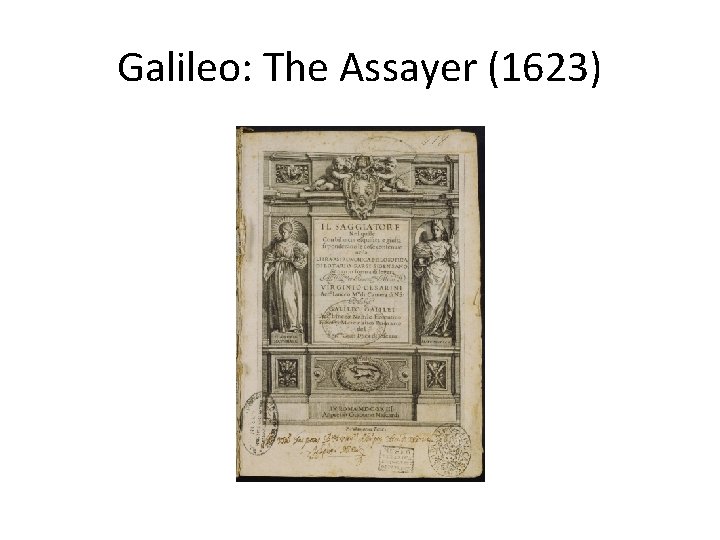
Galileo: The Assayer (1623)
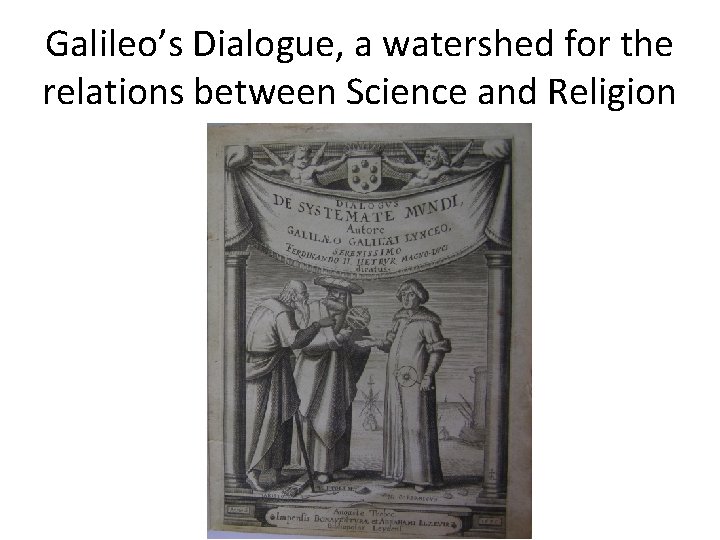
Galileo’s Dialogue, a watershed for the relations between Science and Religion
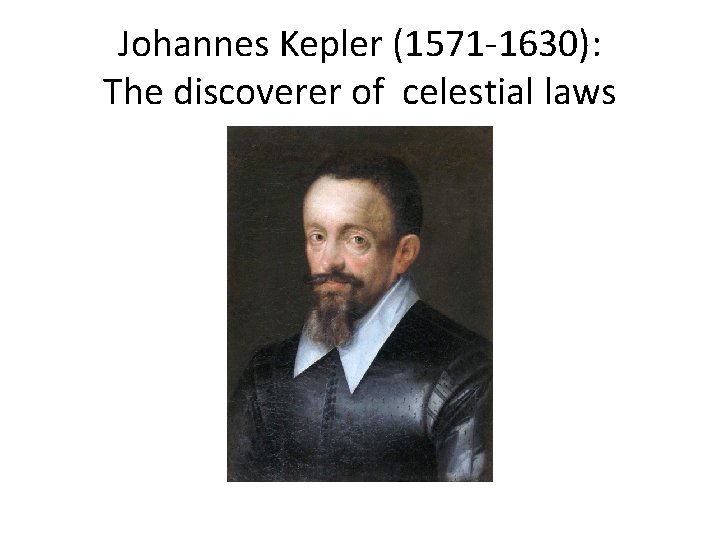
Johannes Kepler (1571 -1630): The discoverer of celestial laws
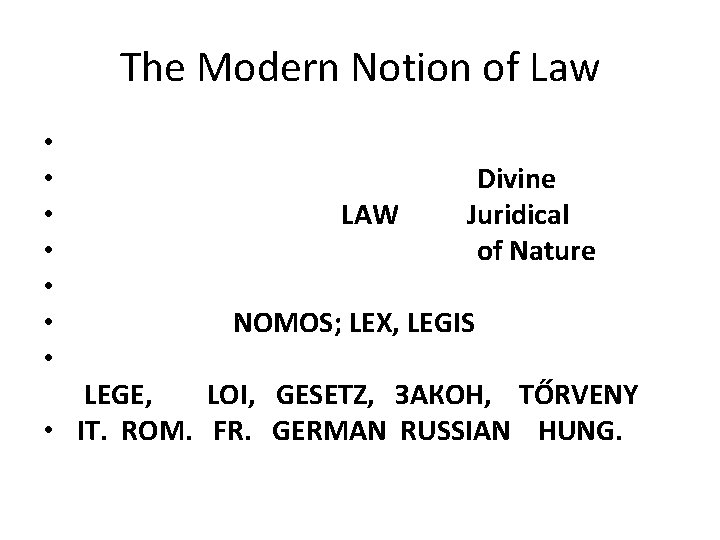
The Modern Notion of Law • • LAW Divine Juridical of Nature NOMOS; LEX, LEGIS LEGE, LOI, GESETZ, ЗАКОН, TŐRVENY • IT. ROM. FR. GERMAN RUSSIAN HUNG.
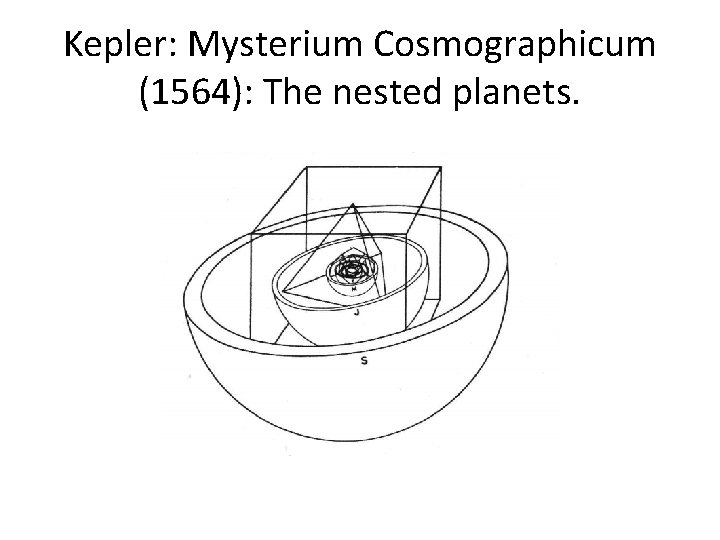
Kepler: Mysterium Cosmographicum (1564): The nested planets.
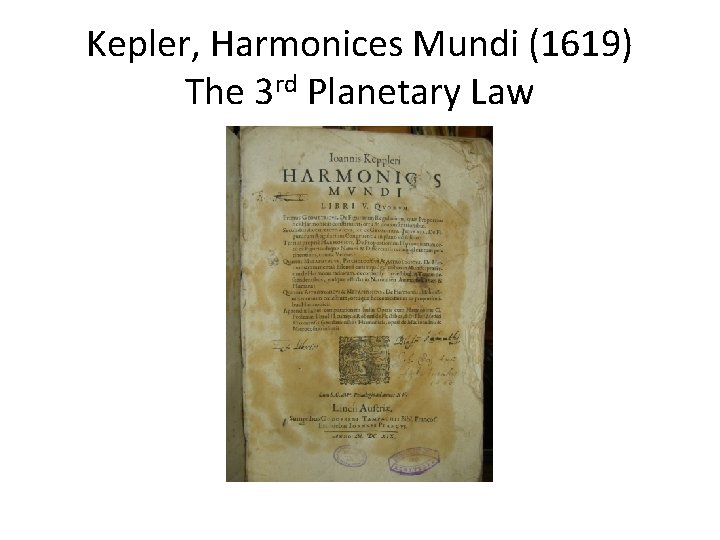
Kepler, Harmonices Mundi (1619) The 3 rd Planetary Law
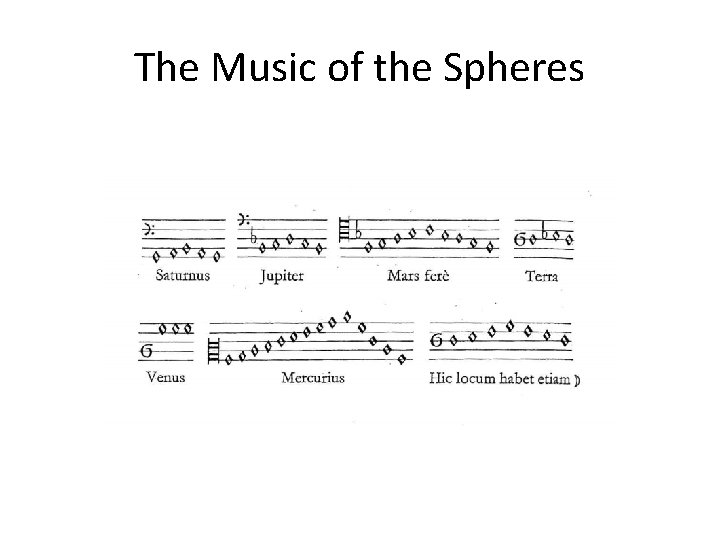
The Music of the Spheres
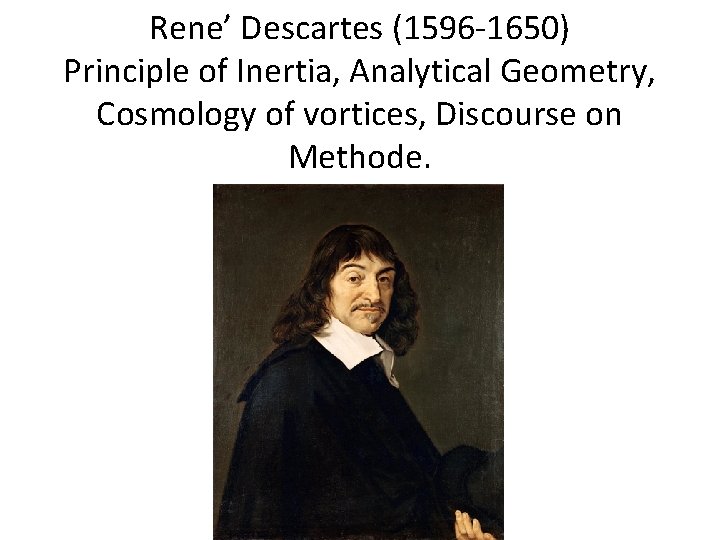
Rene’ Descartes (1596 -1650) Principle of Inertia, Analytical Geometry, Cosmology of vortices, Discourse on Methode.
Descartes on Mathematics • Exiger de moy des demonstrations Geometriques en une matiere qui depend de la Physique, c’est vouloir que je fasse des choses impossibles. (Pretending from me Geometrical demonstrations in a matter which depends on Physics means asking me to do impossible things). Letter of Descartes to Marin Mersenne (May 17, 1638)
Astrophysics was forbidden Cesare Cremonini (1550 -1631) professor of Philosophy at Padova University about Galileo: Si et esset ligneum, non curat. (Even if [the skies] were of wood [he] shouldn’t care). Cremonini refused to look at the skies through the Galileo’s telescope, pretending that he will get headache.
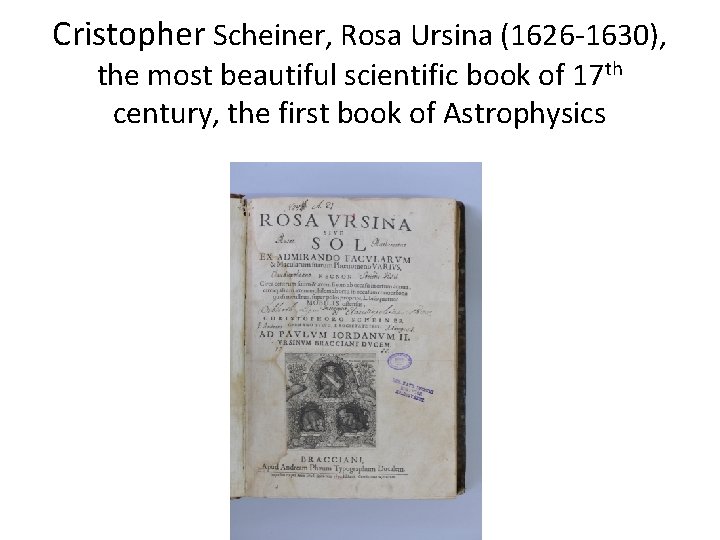
Cristopher Scheiner, Rosa Ursina (1626 -1630), the most beautiful scientific book of 17 th century, the first book of Astrophysics
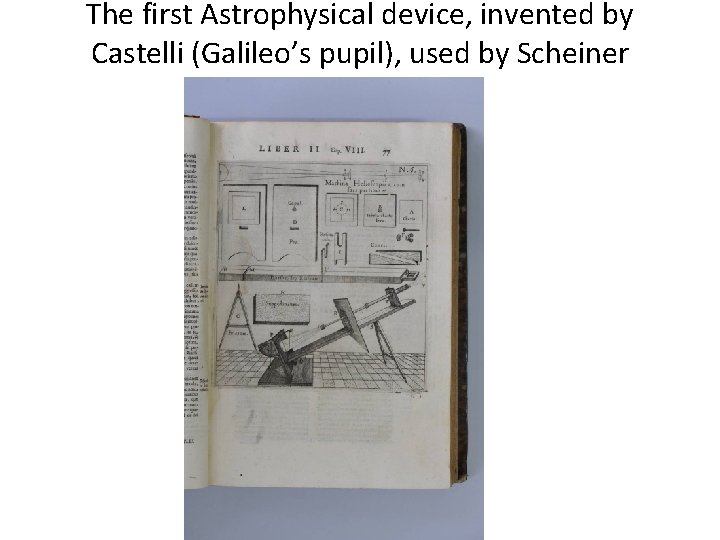
The first Astrophysical device, invented by Castelli (Galileo’s pupil), used by Scheiner
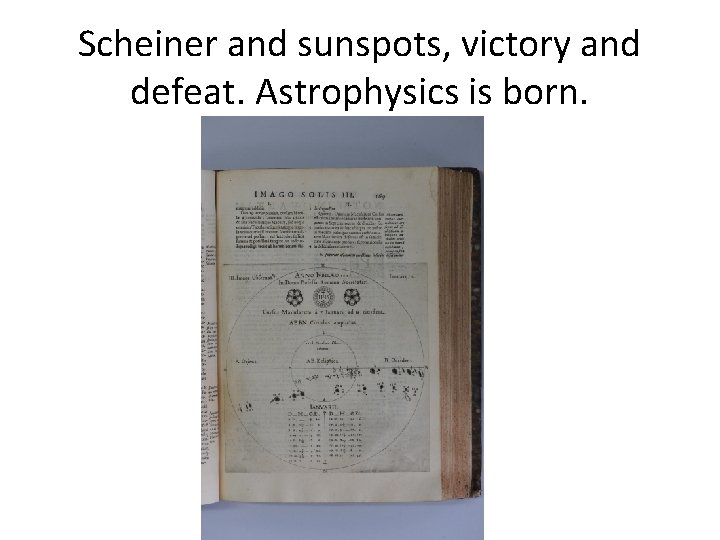
Scheiner and sunspots, victory and defeat. Astrophysics is born.
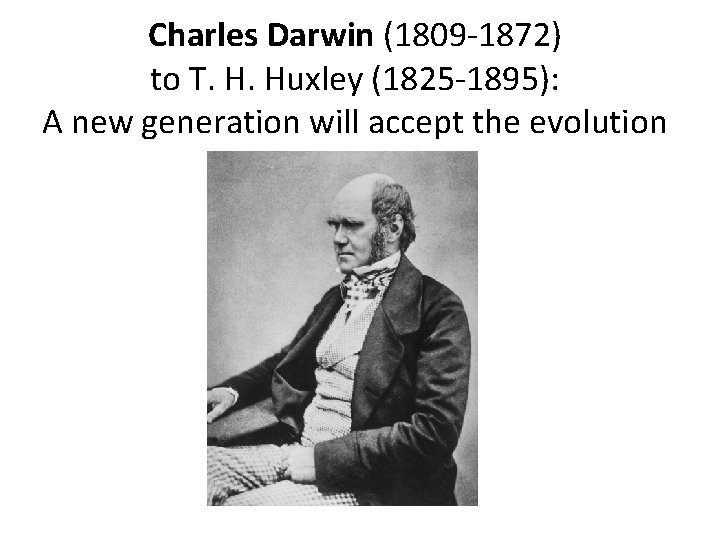
Charles Darwin (1809 -1872) to T. H. Huxley (1825 -1895): A new generation will accept the evolution
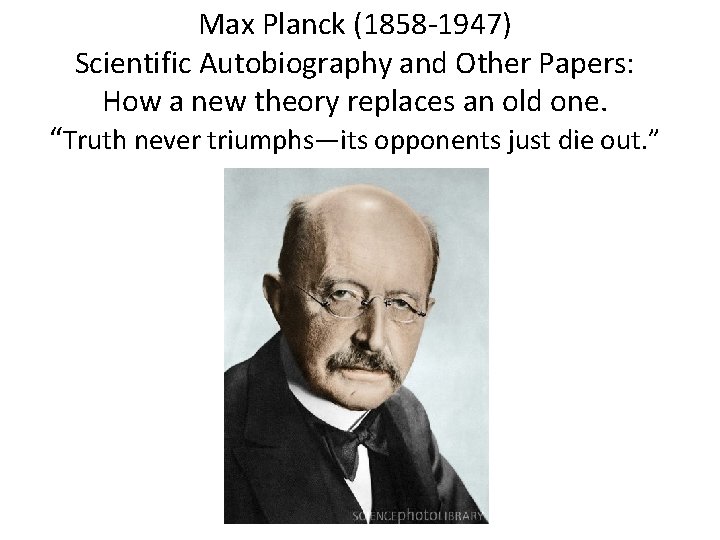
Max Planck (1858 -1947) Scientific Autobiography and Other Papers: How a new theory replaces an old one. “Truth never triumphs—its opponents just die out. ”
- Slides: 30