
THE FIRST RIVER CIVILIZATIONS MESOPOTAMIA NILE INDUS AND




- Slides: 19
THE FIRST RIVER CIVILIZATIONS: MESOPOTAMIA, NILE, INDUS, AND YELLOW RIVER CIVILIZATIONS a Mr. Bocco Production
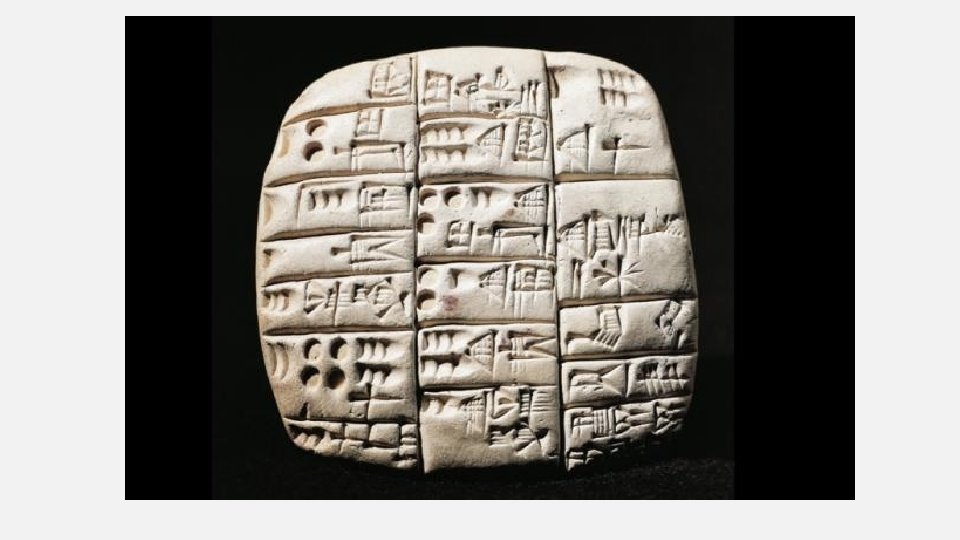
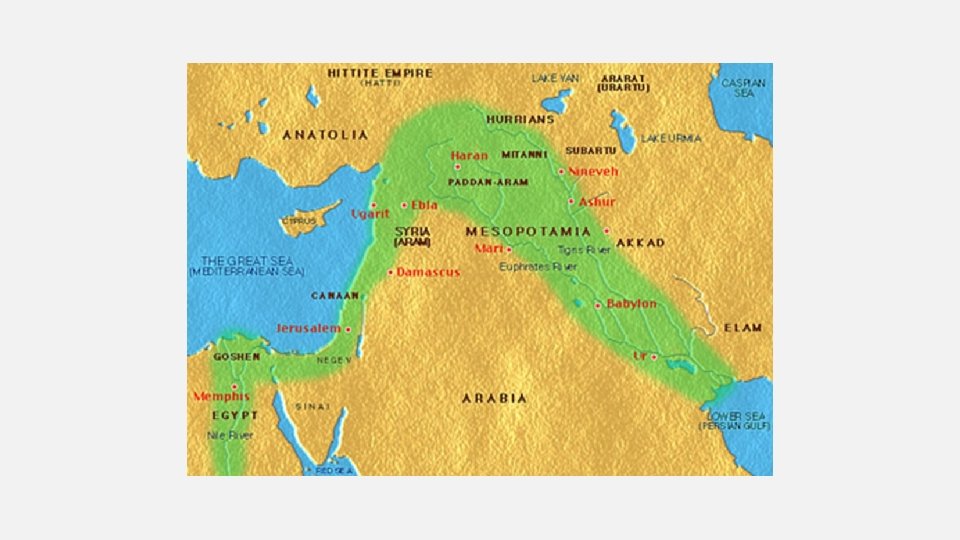
MESOPOTAMIA • Mesopotamia was where the world’s 1 st civilization occurred in 3500 B. C. • The region was located at the Fertile Crescent’s eastern region. • The two rivers that flowed were the Euphrates and Tigris. • In 3000 B. C. some city-states appeared in the region known as Sumer. • Priest-kings managed the economy which was fueled off crop supply. • Land water were fought regularly over between city-states in Sumer. • The Sumerians were known for the wedge-shaped style writing system called Cuneiform.
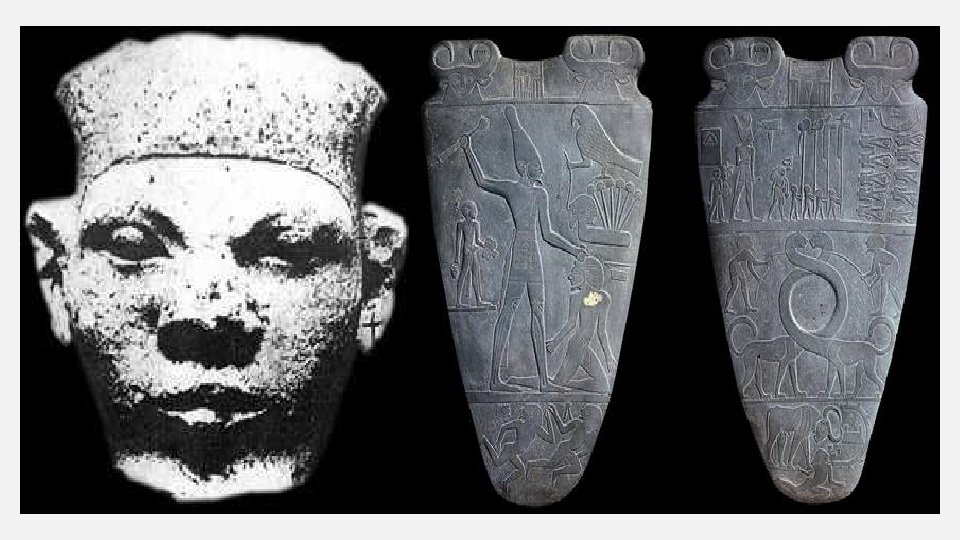
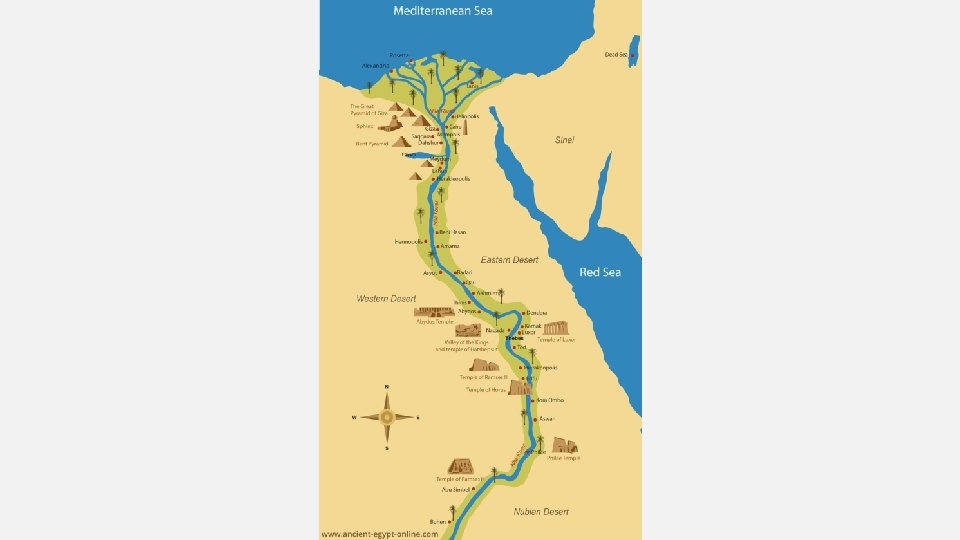
EGYPT • Egypt was known for its Nile River Valley where after 5000 B. C. agriculture appeared along the Nile River. • Increased food production resulted in the population growing dramatically. Farm villages became into cities by late 3000 B. C. • Main cities would be in the lower Egypt region where the Nile was split into branches. • It is upper Egypt where leaders competed for power. Menes/Narmer would take control of the country in 3100 B. C. making Egypt united for the first time. Menes/Narmer created Egypt’s 1 st dynasty.
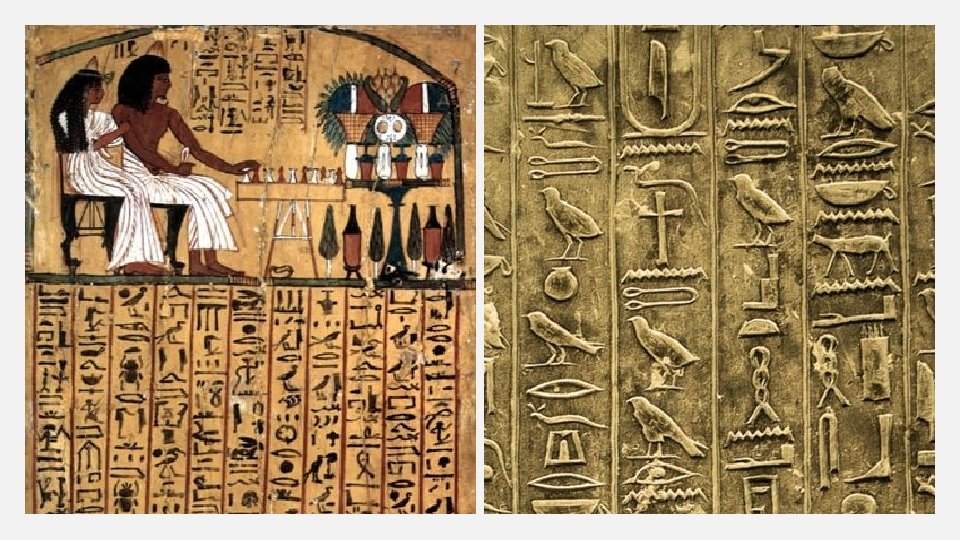
MORE ABOUT EGYPT • When Menes/Narmer took control of Egypt, the writing system of hieroglyphics (created by priests) first surfaced. Scribes were the specialists of this form of writing. Hieroglyphics was written on papyrus. • Egyptian kings were known as pharaohs. • Pharaohs had absolute monarch power meaning their ruling power was unlimited. The people believed the pharaohs were living gods (Horus). • Crops from farmers were used as a form of taxes, government officials would use surplus gains to be given to non-farmers and for large publicwork projects (like building the pyramids). • By 2500 B. C. the first stone pyramids in Giza appeared.
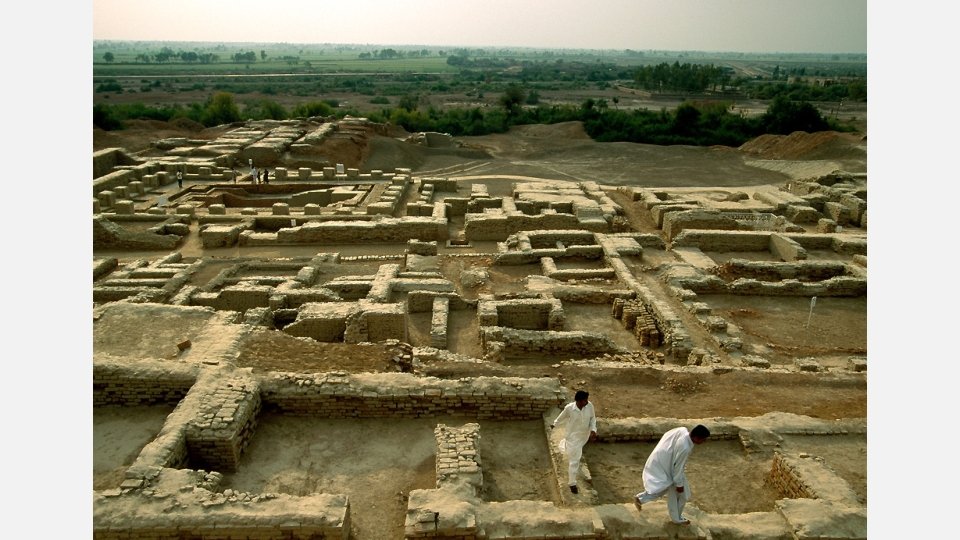
INDUS RIVER VALLEY • It is present day Pakistan where in after 3000 B. C. the Indus River Civilization developed. It was surrounded by the Himalayan mountains and the Arabian Sea. The Indus River would flood each summer and it gave fertile silt that made it easy for the soil to till. • The river floodplain made the civilization bigger than Egypt and Mesopotamia. • Settlements were built on high ground and farmers planted barley and wheat. Cotton was also grown as well. • Strangely the Indus River civilization’s writing system was so hard to decode that there is very little known about this civilization.
CHINA • China had two major river systems. The first being Huang He in the north side. It is known as the Yellow River. • The second being the Chang Jiang, which is known as the Yangtze River in the south side. • The Yellow River was known for its yellow soil which was very fertile. • The settlements started to appear around 2000 B. C. with defensive walls being built at the centers. These settlements would be known for revolving around hierarchy.
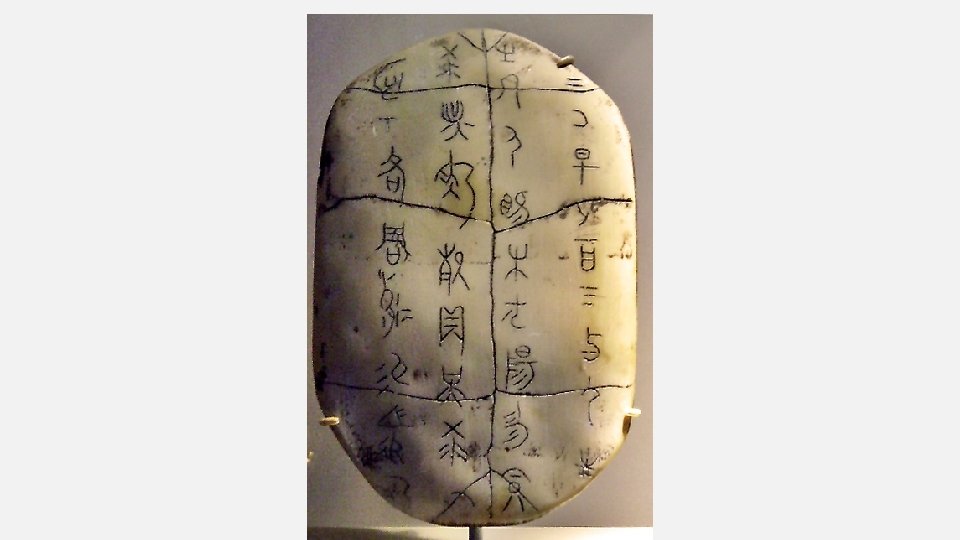
CHINA • In 1600 B. C. the Shang Dynasty were put into power at the Yellow River Valley. It was China’s 1 st historical state. • The Shang Dynasty used a formal writing system with pictographs, which showed ideas and objects. • In the Yangtze River Valley, there walled cities surrounded by an agricultural setting. Rice was cultivated in this south region and water from the rivers was used to irrigate the crops. • The most notable city during this time was Sanxingdui. It had a huge market place where artisans crafted many objects made of bronze, jade, clay, ivory, and turquoise.
REFLECTION • Please discuss with a classmate which of these river civilizations you find the most interesting and why? What do you think these civilizations might have in common? • We will present our findings in class.