
The First Global Age Europe and Asia 1415
The First Global Age: Europe and Asia 1415 -1796
The Search for Spices Europeans Explore the Seas • The Crusades introduced Europeans to many luxury goods from Asia. • When the Mongol empire united much of Asia, Asian goods flowed to Europe along overland trade routes. • The Black Death and the breakup of the Mongol empire destroyed trade. • The most valued items were spices, such as cinnamon, cloves, nutmeg, and pepper. • Spices were used to preserve food, add flavor to dried or salted foods, and make medicines and perfumes.
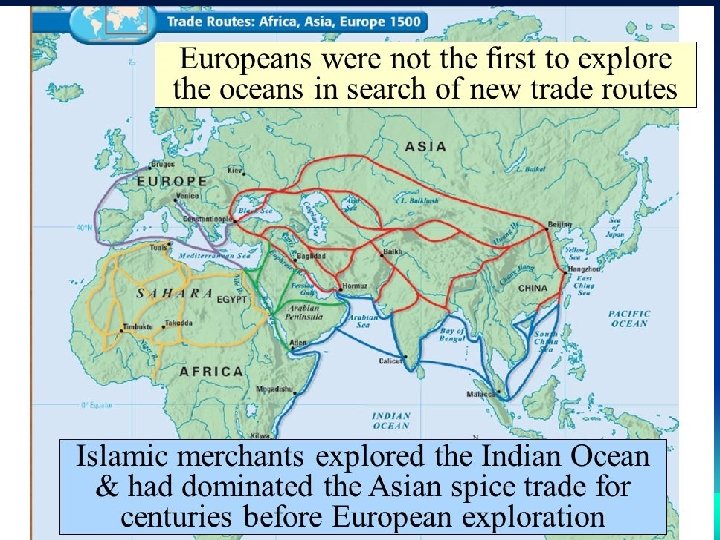
The Search for New Trade Routes • In the 1400 s, Muslim and Italian merchants controlled most trade between Asia and Europe. • To gain direct access to the riches of Asia, Portugal and Spain, sought a route to Asia that bypassed the Mediterranean. • Improvements in technology helped Europeans conquer the vast oceans of the world.
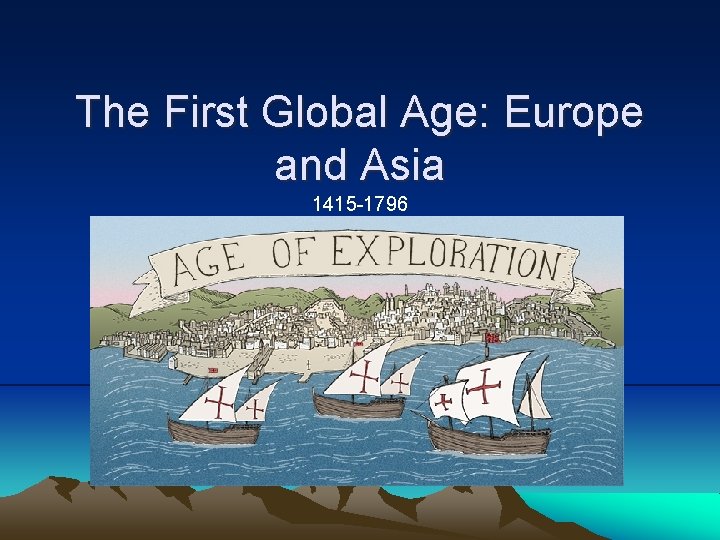
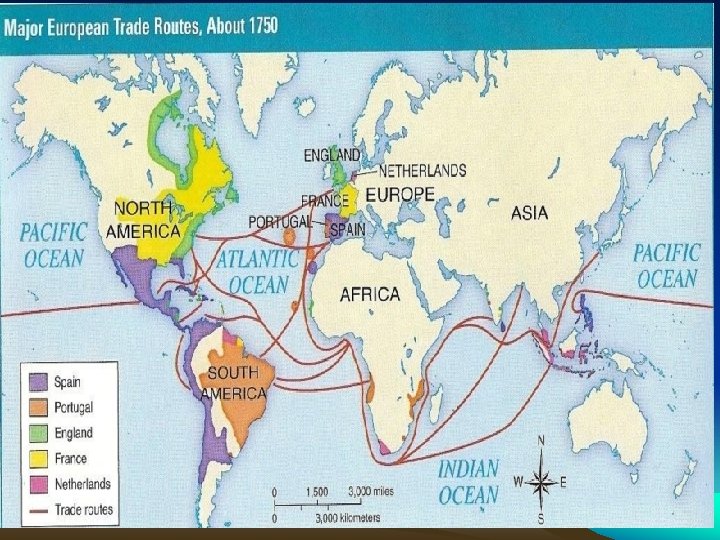
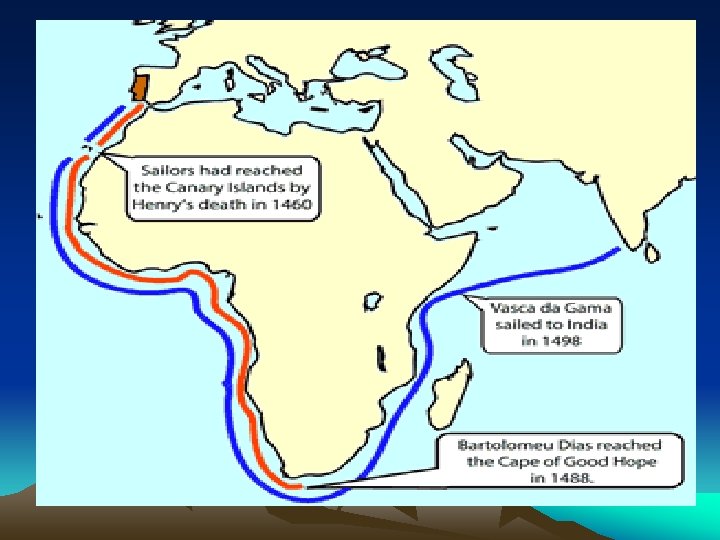
Portugal Starts Exploration Portugal Sails Eastward • Portugal led the way in exploration. • Henry the Navigator gathered many sea experts for an exploration of the western coast of Africa. • After Henry died, Bartholomeu Dias continued Henry’s journey and rounded the southern tip of Africa. • The tip became known as the Cape of Good Hope, it opened the way for a sea route to Asia. • In 1497, Vasco da Gama led four ships that reached the great spice port of Calicut on the west coast of India. • As a result, the Portuguese seized key ports around the Indian Ocean to create a vast trading empire.
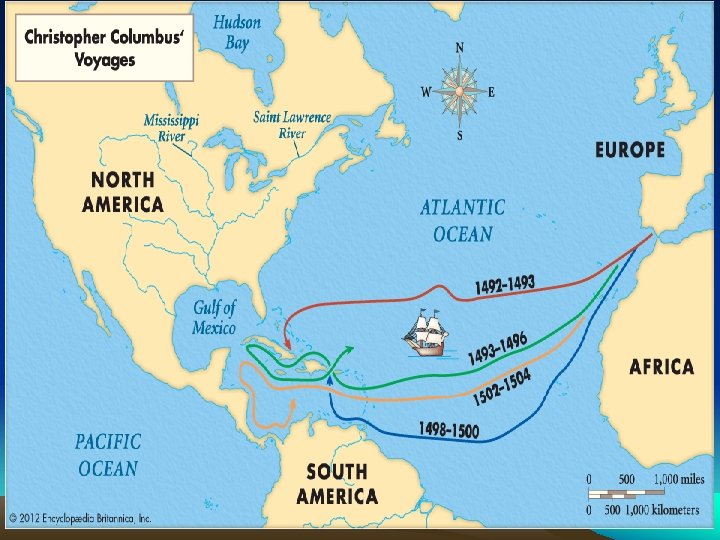
Columbus Sails to the West • In 1492, Columbus sailed west with three ships: the Pinta, the Nina, and the Santa Maria. • Columbus found a route to continents previously unknown to them.
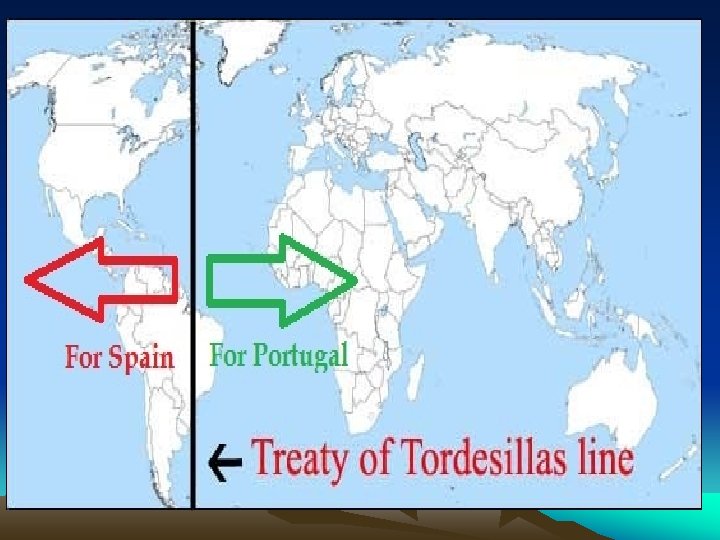
Treaty of Tordesillas • Spain and Portugal pressed rival claims to the land Columbus explored. • Pope Alexander IV created the Line of Demarcation, dividing the non-European world into two zones (Eastern and Western)
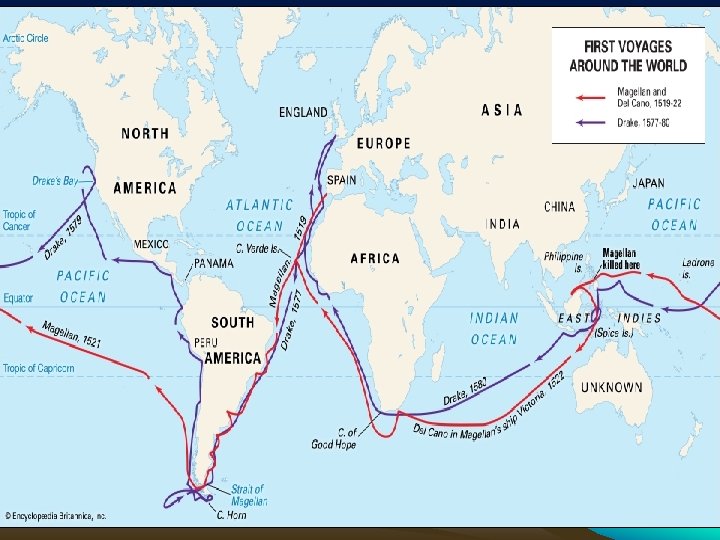
The Search Continues • Ferdinand Magellan charted a passage known as the Strait of Magellan. • He renamed the Balboa’s South Sea, the Pacific Ocean. • The Spanish hailed Magellan’s crew the first people to sail around the world when they reached Seville.
The Beginning of Colonization • The European Age of Exploration set off a period of growing global interdependence that still continues today. • As trade increased, conflicts between Europe and other civilizations would become more pronounced. • Many conflicts emerged in Asia.
Diverse Traditions of Southeast Asia Geography of Southeast Asia • Separated from the rest of Asia by mountains and high plateaus. • Island Southeast Asia is a seaborne trade between China and India. • Monsoons, shaped trading patterns in the southern seas. • Southeast Asian ports became important centers of trade and culture. • International trade network linked India, Southeast Asia, and China to East Africa and the Middle East.
Impact of European Exploration Impact of India • Trade brought prosperity as merchants exchanged products. • Indians carried a third religion after Hinduism and Buddhism, that Asians were introduced to, that was Islam. • Traders spread Islamic beliefs and Muslim civilization throughout the islands of Indonesia and as far east as the Philippines. • The prevalence of Islam in lands surrounding the Indian Ocean contributed to the growth of a stable, thriving trade network.
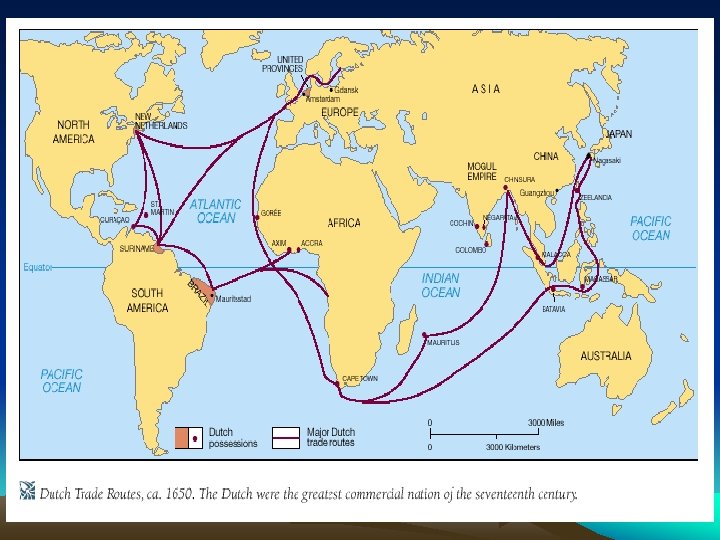
Rise of the Dutch • The Dutch were the first Europeans to challenge Portuguese domination in Asia. • The Dutch used their sea power to set up colonies and trading posts around the world. • In 1602, a group of wealthy Dutch merchants formed the Dutch East India Company.
Spain in the Philippines Spain Seizes the Philippines • While the Portuguese and Dutch set up bases on the fringes of Asia, Spain took over the Philippines. • Within about 50 years, Spain had conquered and colonized the islands. • The Philippines became a key link in Spain’s overseas trading empire.
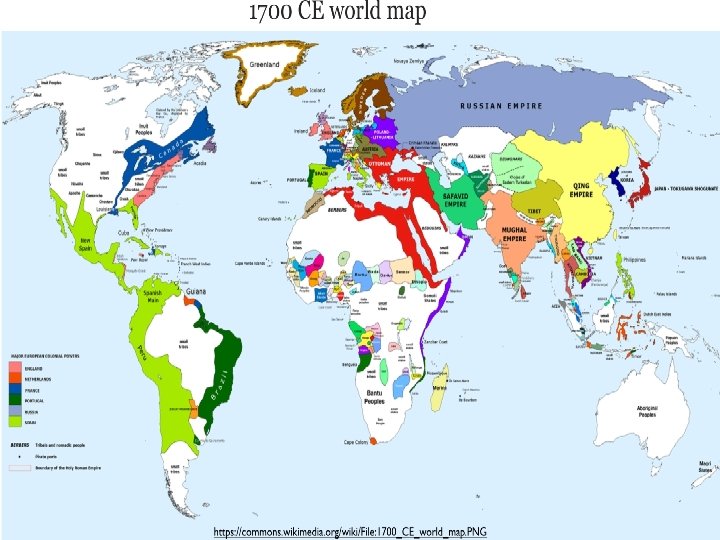
Mughal India and European Traders • Besides producing spices, India was the world leader in textile manufacturing. • It exposed large quantities of silk and cotton cloth. • The Mughal empire was larger, richer, and more powerful than any kingdom in Europe. • Both the English and French East India Companies made alliances with local officials and independent rajahs. • By the mid-1700 s, the British and the French had become locked in a bitter struggle for global power. • In 1756, war between Britain and France erupted in Europe. • The fighting soon spread, involving both nations’ lands in Asia and the Americas.
Japan and Foreign Traders • In 1543, the Portuguese reached Japan. • A growing number of Japanese adopted Christianity. • By 1638, the Tokugawas had barred all western merchants and forbidden Japanese to travel abroad. • Japan maintained its policy of strict isolation for more than 200 years. • Isolation had a profound effect on Japan. • Without outside influence, Japanese culture turned inward. • In 1853, Japan was forced to reopen contacts with the western world. • Renewed relations unleashed an extraordinary period of change that helped Japan emerged as a major world power.
- Slides: 22