
THE FIFTH DISCIPLINE A Presentation by ABBAS HUSAIN
THE FIFTH DISCIPLINE A Presentation by ABBAS HUSAIN Senior Associate TRAINING SOLUTIONS NIPA DECEMBER 5, 2006
INTRODUCTION/S • Participants • Trainer • Today’s Subject
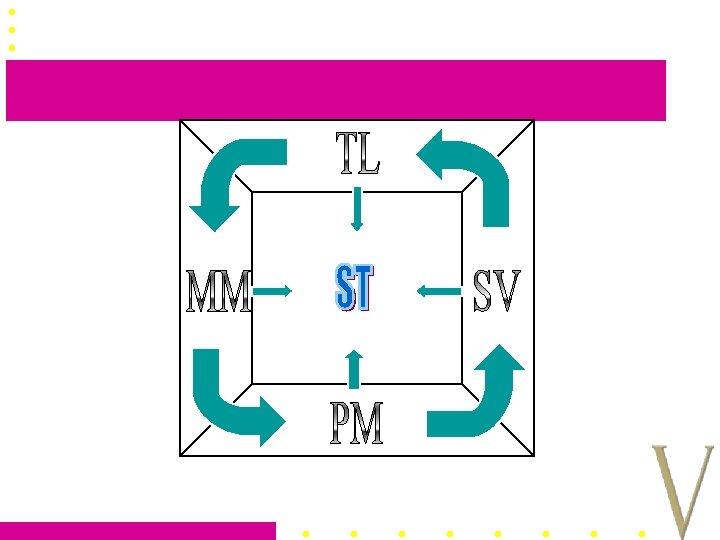
TL ST
COMPONENTS OF LEARNING ORGANIZATION 1. 2. 3. 4. 5. Mental models Personal mastery Building shared vision Team learning Systems thinking The Fifth Discipline is SYSTEMS THINKING
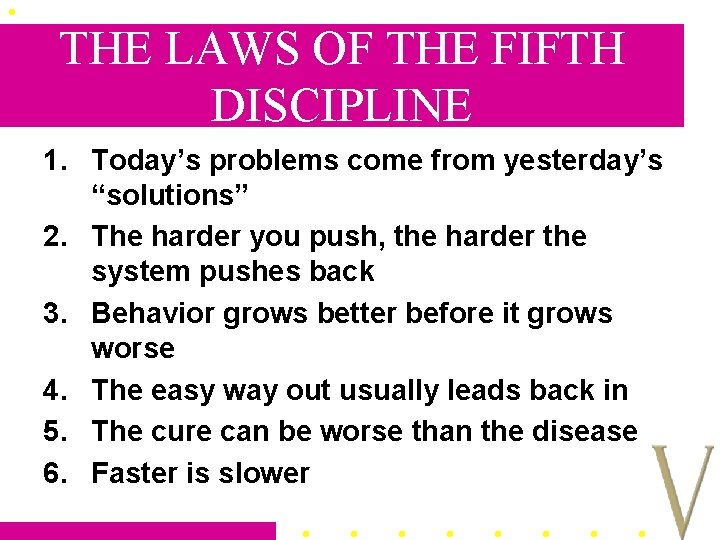
THE LAWS OF THE FIFTH DISCIPLINE 1. Today’s problems come from yesterday’s “solutions” 2. The harder you push, the harder the system pushes back 3. Behavior grows better before it grows worse 4. The easy way out usually leads back in 5. The cure can be worse than the disease 6. Faster is slower
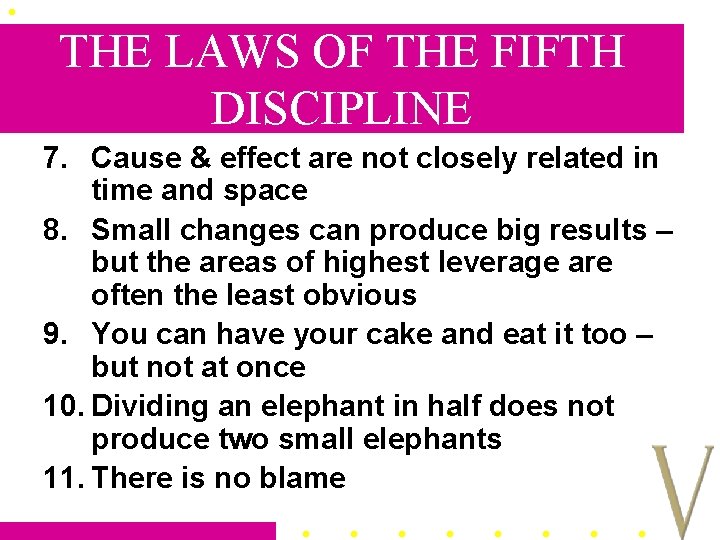
THE LAWS OF THE FIFTH DISCIPLINE 7. Cause & effect are not closely related in time and space 8. Small changes can produce big results – but the areas of highest leverage are often the least obvious 9. You can have your cake and eat it too – but not at once 10. Dividing an elephant in half does not produce two small elephants 11. There is no blame

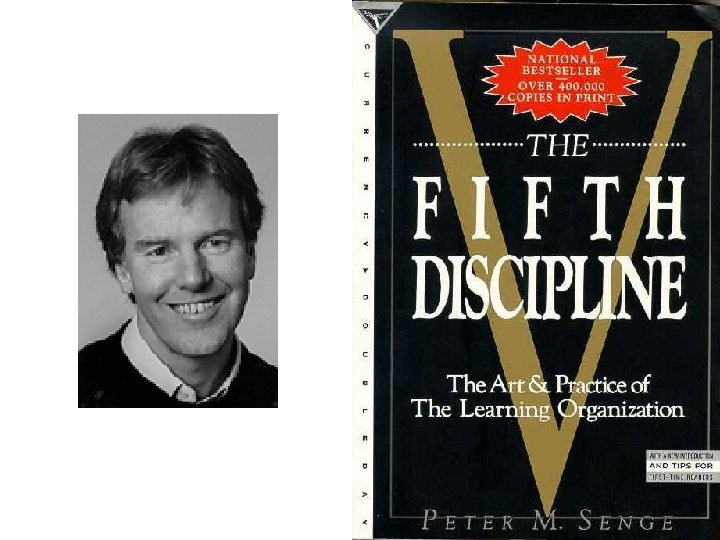
LEARNING ORGANIZATIONS The Fifth Discipline by Peter Senge (1990) • “A learning organization is a place where people are continually discovering how they create their reality. ” Innovate an invention to replicate at a meaningful scale and cost.
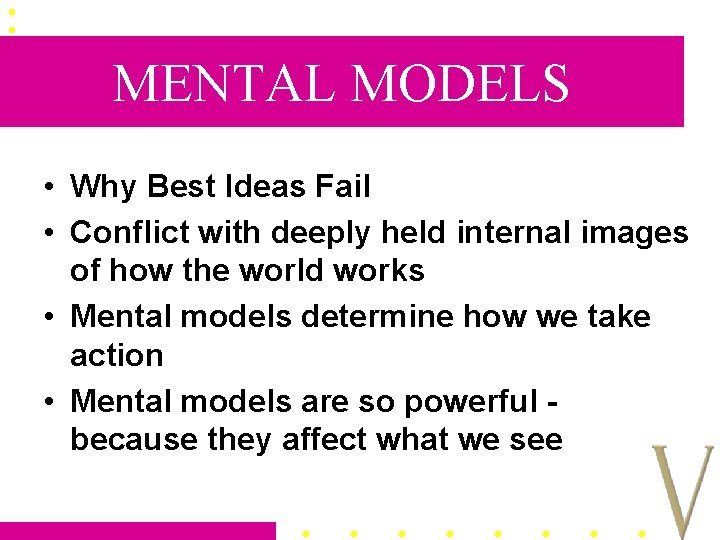
MENTAL MODELS • Why Best Ideas Fail • Conflict with deeply held internal images of how the world works • Mental models determine how we take action • Mental models are so powerful because they affect what we see

LADDER OF INFERENCE
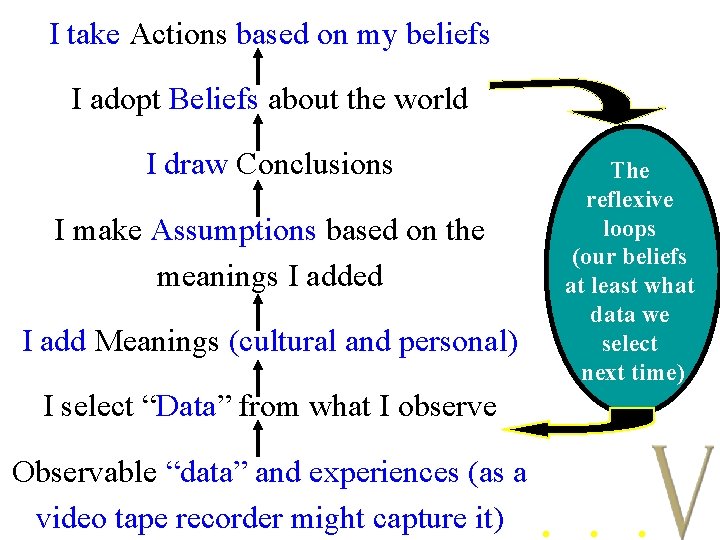
I take Actions based on my beliefs I adopt Beliefs about the world I draw Conclusions I make Assumptions based on the meanings I added I add Meanings (cultural and personal) I select “Data” from what I observe Observable “data” and experiences (as a video tape recorder might capture it) The reflexive loops (our beliefs at least what data we select next time)

The Left Hand Column Exercise: See page 10 of the Manual
PERSONAL MASTERY • The Spirit of the Learning Organization • Organizations learn only through individuals who learn • Individual learning does not guarantee organizational learning, but without it no organizational learning can occur • Personal Vision

CREATIVE TENSION
SHARED VISION • A Common Caring • A shared vision is a vision that many people are truly committed to and it reflects their own personal vision • Helps establish overarching goals • Provides a rudder to keep the learning process on course when stresses develop
THROUGH LEARNING, WE CAN… • Re-create ourselves • Become able to do things we never were able to do before • Re-perceive the world and our relationship to it • Extend our capacity to create, to be part of the generative process of life
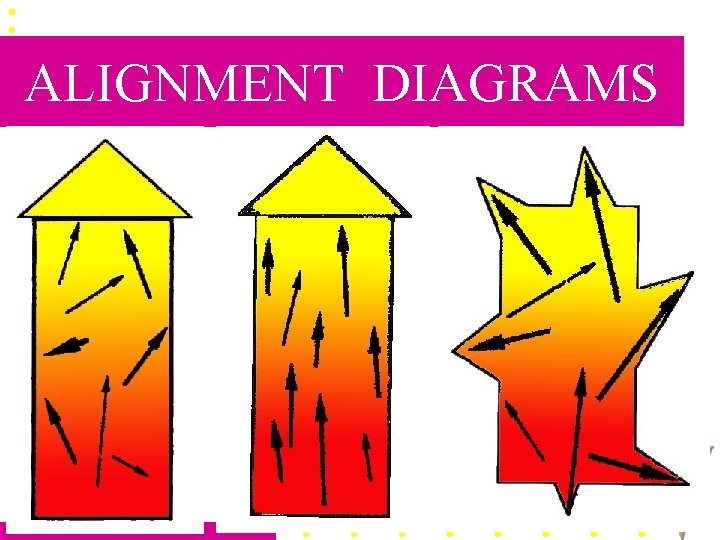
TEAM LEARNING • The fundamental learning unit • Alignment - necessary condition before empowering the individual will empower the whole team
Seven Principles of Learning 1. Learning is fundamentally social. Successful learning is often socially constructed and also requires even slight changes in one's identity, which makes the process both challenging and powerful.
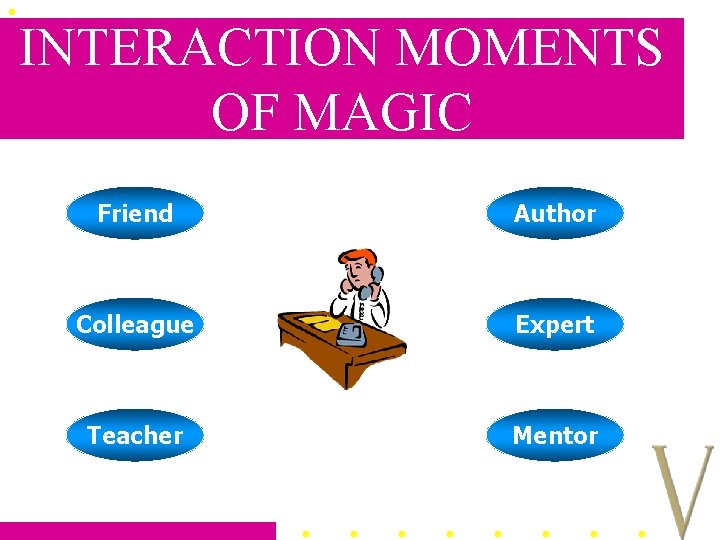
INTERACTION MOMENTS OF MAGIC Friend Author Colleague Expert Teacher Mentor
TEAM LEARNING Exercise: PROJECTOR AND SCREENS
Seven Principles of Learning 2. Knowledge is integrated in the life of communities. When we develop and share values, perspectives, and ways of doing things, we create a community of practice.

Seven Principles of Learning 3. Learning is an act of participation. The motivation to learn is the desire to participate in a community of practice.
Seven Principles of Learning 4. Knowing depends on engagement in practice. We often glean knowledge from observations of, and participation in, many different situations and activities. The depth of our knowing depends in turn on the depth of our engagement.
Seven Principles of Learning 5. Engagement is inseparable from empowerment. We perceive our identities in terms of our ability to contribute and to affect the life of communities in which we are or want to be a part.
Seven Principles of Learning 6. "Failure" to learn is often the result of exclusion from participation. Learning requires access and the opportunity to contribute.
Seven Principles of Learning 7. We are all natural lifelong learners. All of us, no exceptions. Learning is a natural part of being human. We all learn what enables us to participate in the communities of practice of which we wish to be a part.
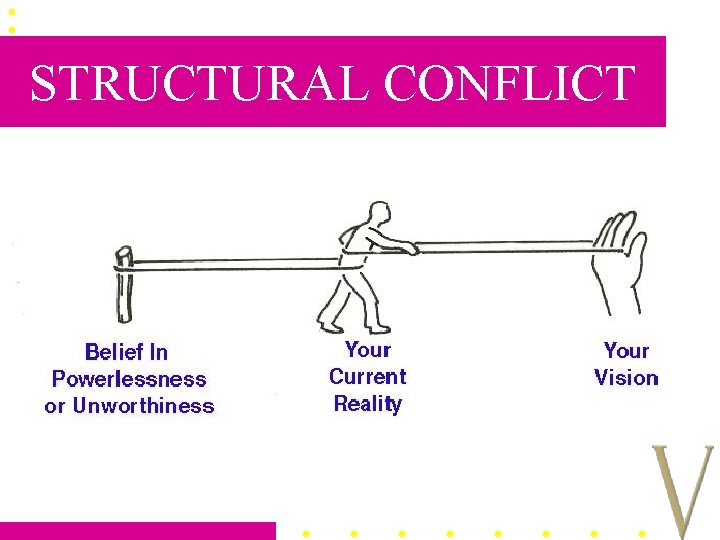
STRUCTURAL CONFLICT
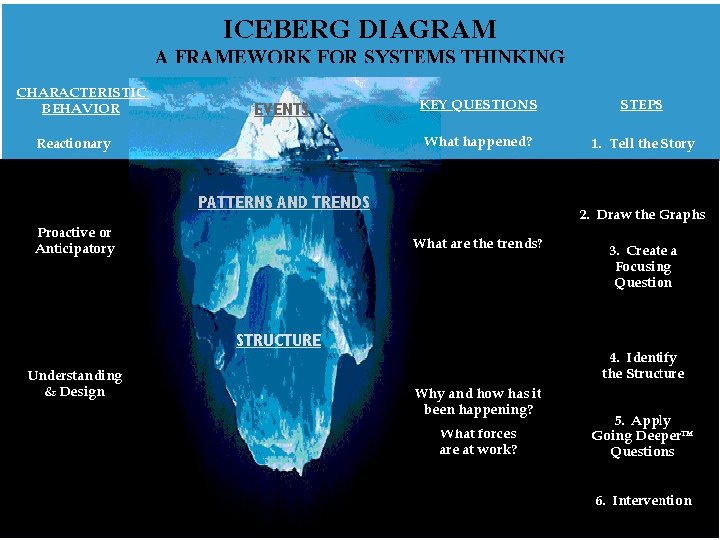
SYSTEMS THINKING • The conceptual cornerstone that underlies all of the five learning disciplines • A discipline for seeing wholes • Seeing structures that underlie complex situations • Seeing interrelationships rather than linear cause and effect chains. • Seeing processes of change rather than snapshots
A brilliant example of systems thinking • “Then let man look at his food. We poured down water in abundance, then cleft the earth asunder, then caused to grow in it corn and grapes and vegetables and olives and dates and thick gardens and fruits of every kind and fodder as a means of sustenance for you and for your cattle. ” --- The Holy Quran: Sura Abasa 80: 24 -32
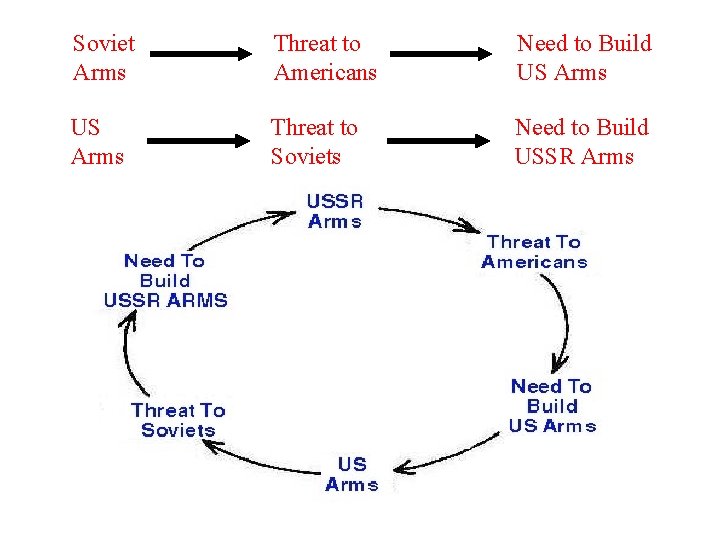
Soviet Arms Threat to Americans Need to Build US Arms Threat to Soviets Need to Build USSR Arms
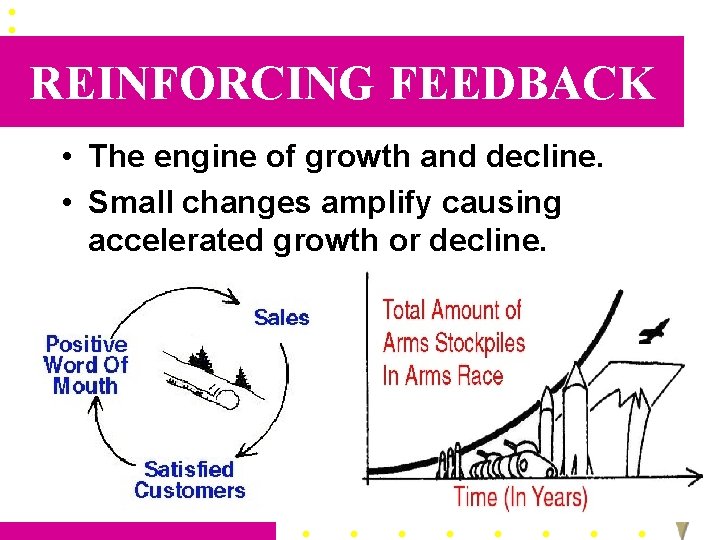
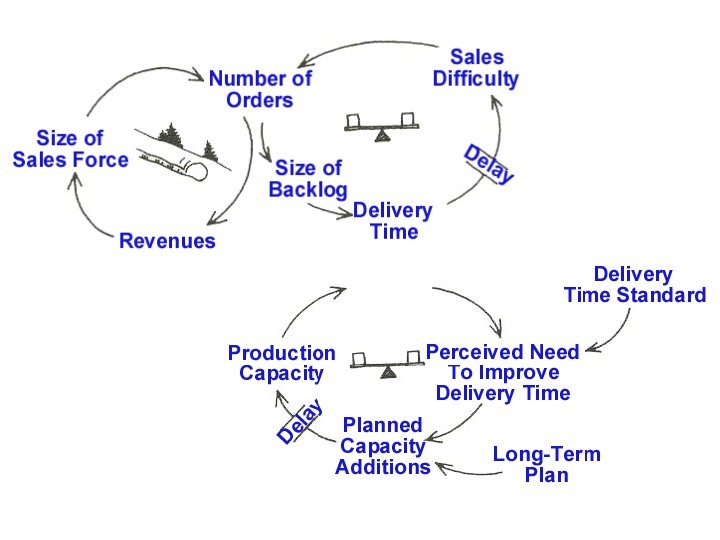
REINFORCING FEEDBACK • The engine of growth and decline. • Small changes amplify causing accelerated growth or decline.
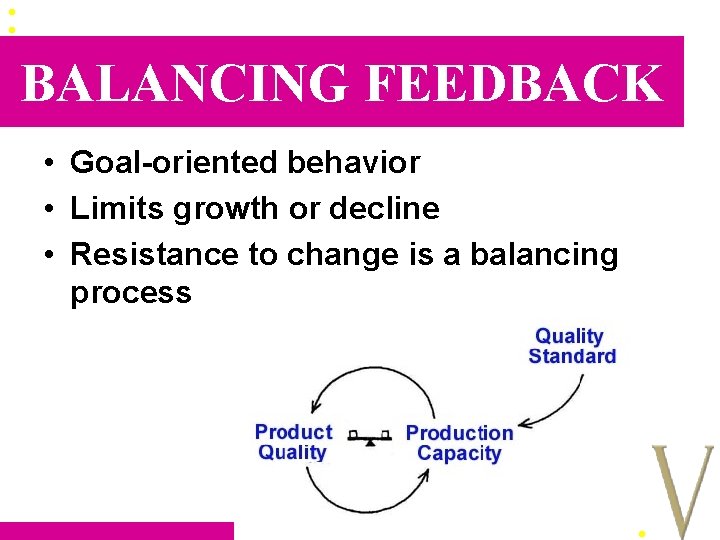
BALANCING FEEDBACK • Goal-oriented behavior • Limits growth or decline • Resistance to change is a balancing process
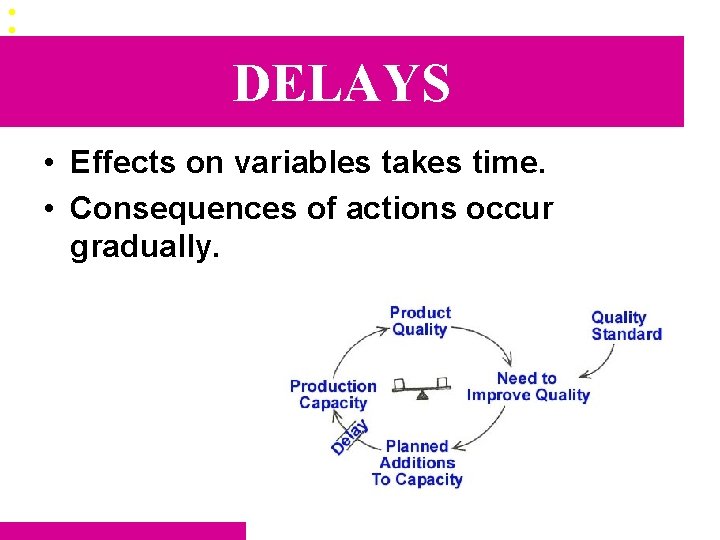
DELAYS • Effects on variables takes time. • Consequences of actions occur gradually.
SYSTEMS THINKING THE FIVE WHYS
ALIGNMENT DIAGRAMS
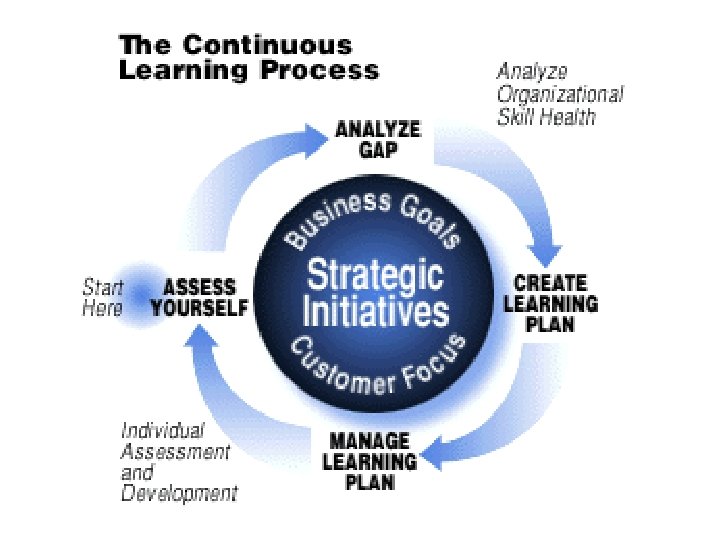
CONCLUSIONS Learning is distributed & self-directed
LASTLY GENTLEMEN: • The only question that we all have to answer is: If not me - who? If not now - when?

THANK YOU For copies of this presentation email: info@tdc. edu. pk
- Slides: 41