
The Female Reproductive System Year 7 8 The
- Slides: 19
The Female Reproductive System Year 7 / 8
The Female Reproductive System You will learn about: 1. the different parts of human female reproductive system; 2. the specific functions of these organs.
What are the main functions of the female reproductive system?
The main functions of the female reproductive system are: - producing hormones - producing of egg cells - receiving sperm cells - protecting and feeding the developing child - providing powerful contractions during child birth
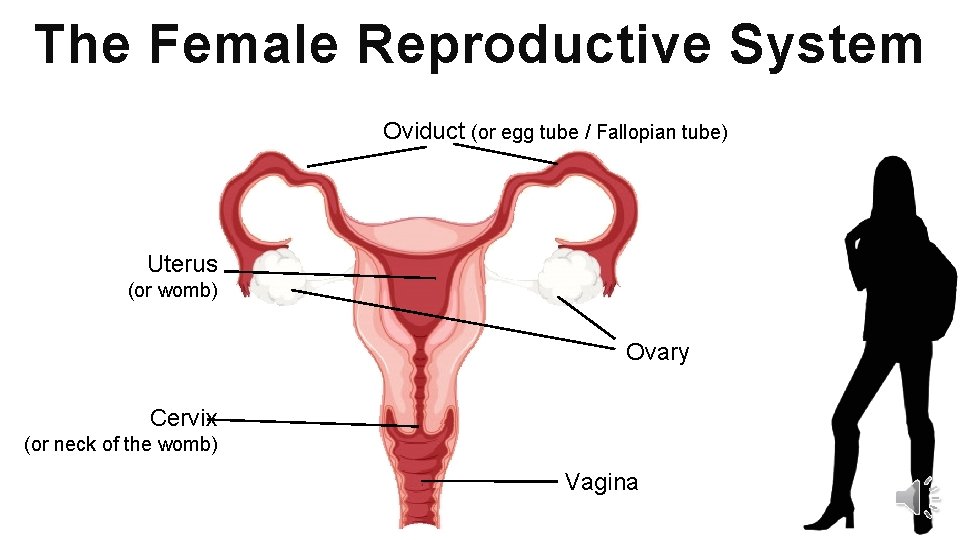
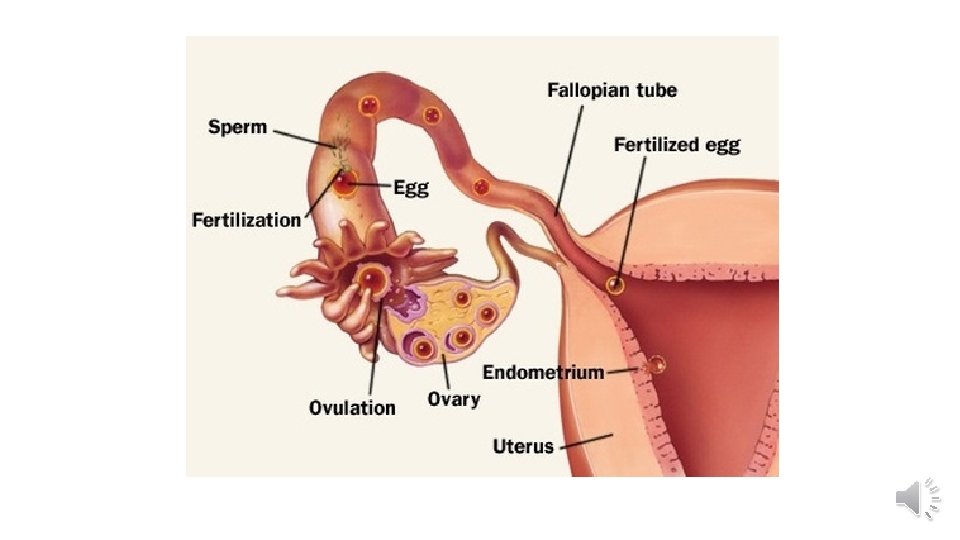
The Female Reproductive System Oviduct (or egg tube / Fallopian tube) Uterus (or womb) Ovary Cervix (or neck of the womb) Vagina
Let us focus on the formation of the female reproductive cells - egg cells or ova.
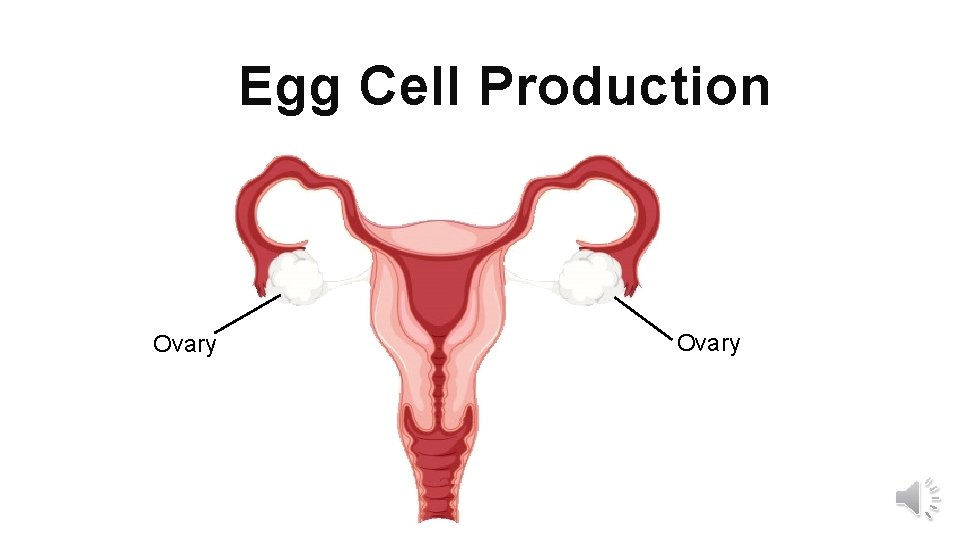
Which part of the female reproductive system produces egg cells?
Egg Cell Production Ovary
When do girls start producing egg cells?
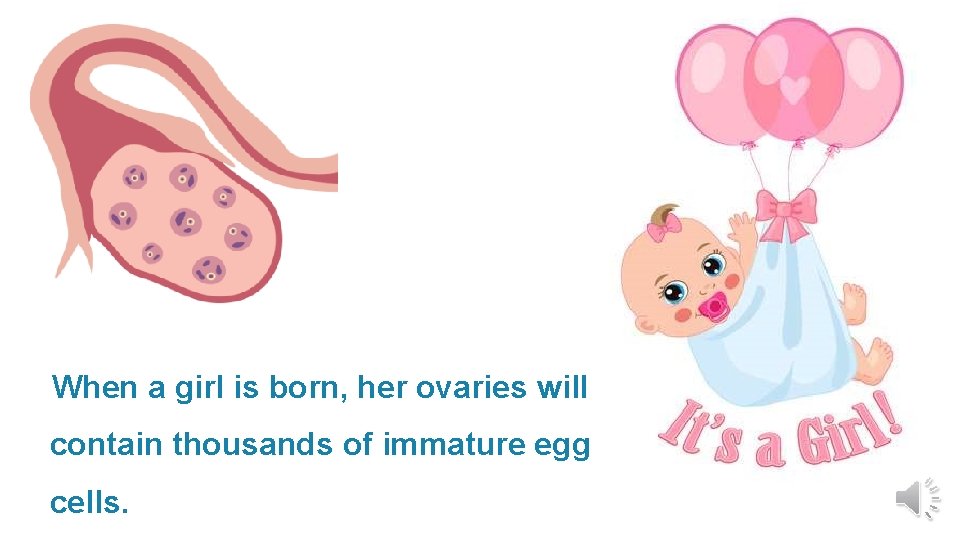
When a girl is born, her ovaries will contain thousands of immature egg cells.
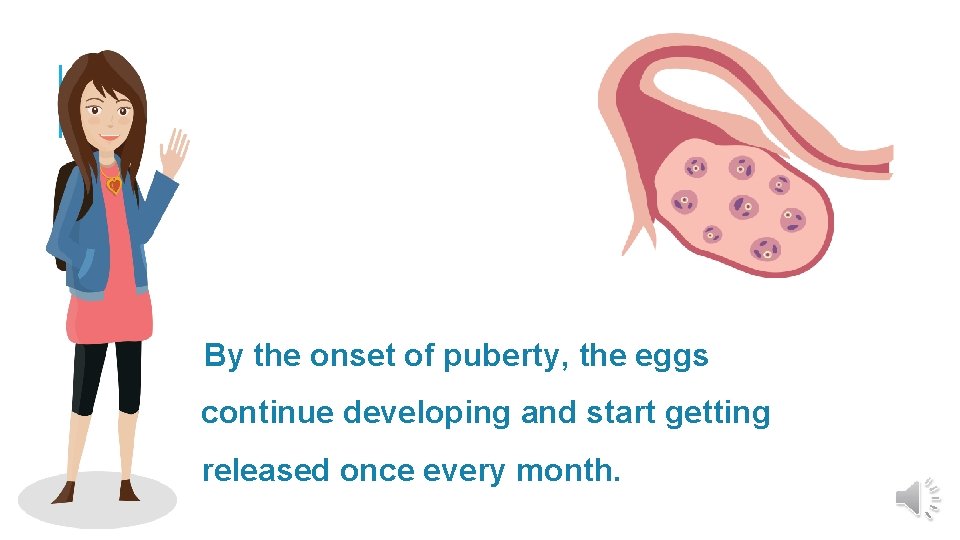
By the onset of puberty, the eggs continue developing and start getting released once every month.
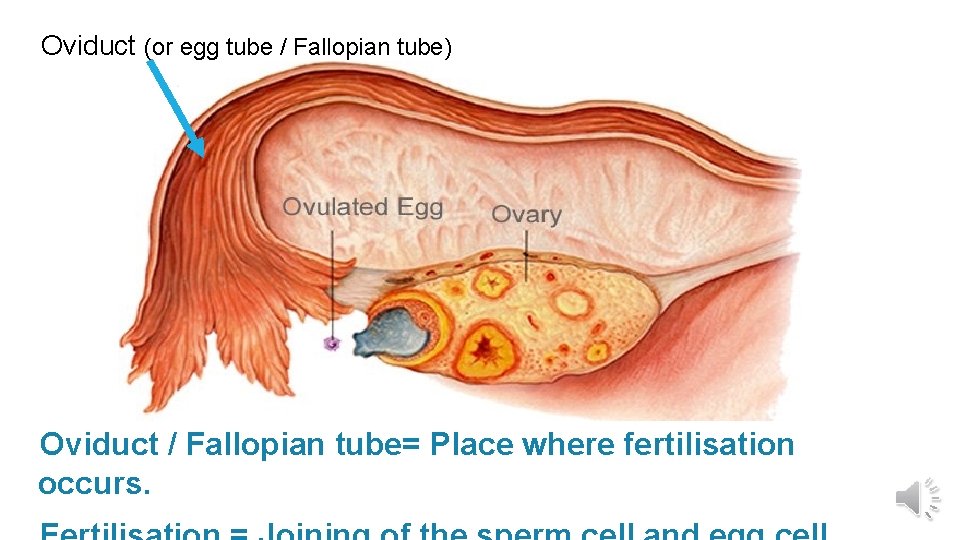
Oviduct (or egg tube / Fallopian tube) Oviduct / Fallopian tube= Place where fertilisation occurs.
How do the sperm cells reach the egg cells in the Fallopian tube?
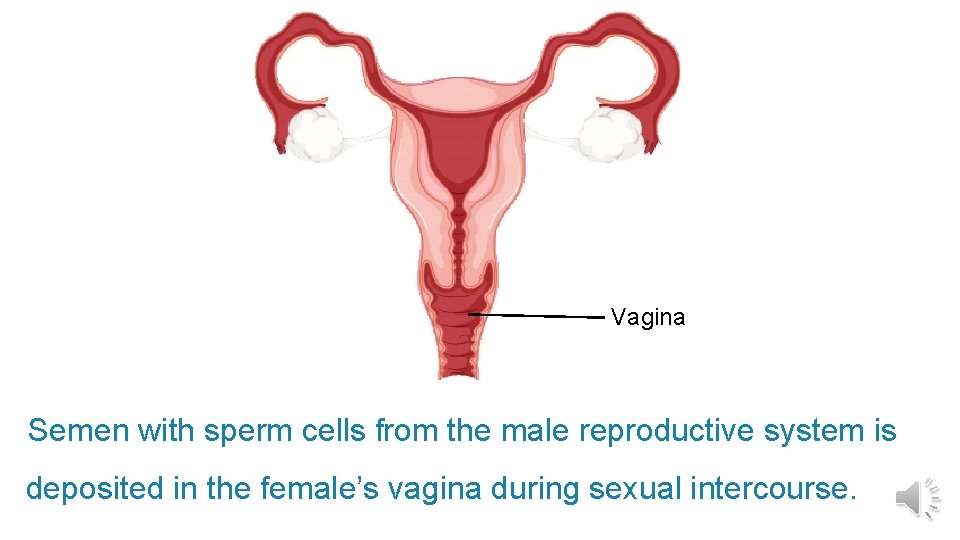
Vagina Semen with sperm cells from the male reproductive system is deposited in the female’s vagina during sexual intercourse.
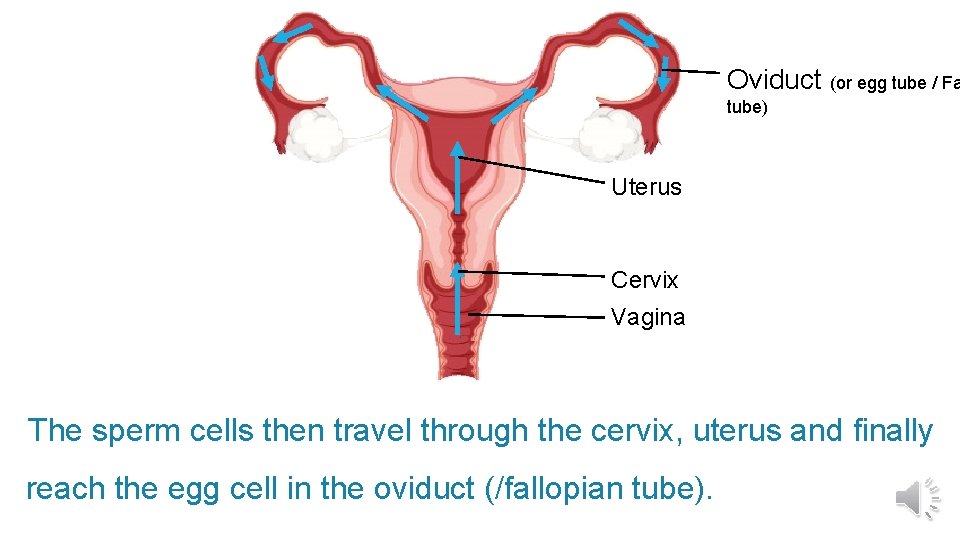
Oviduct (or egg tube / Fa tube) Uterus Cervix Vagina The sperm cells then travel through the cervix, uterus and finally reach the egg cell in the oviduct (/fallopian tube).
What happens after fertilisation?
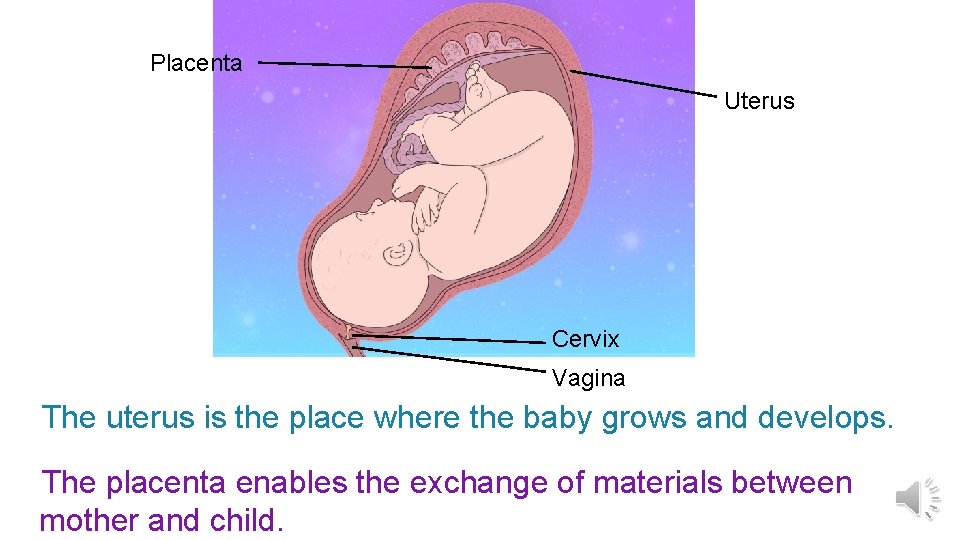
Placenta Uterus Cervix Vagina The uterus is the place where the baby grows and develops. The placenta enables the exchange of materials between mother and child.
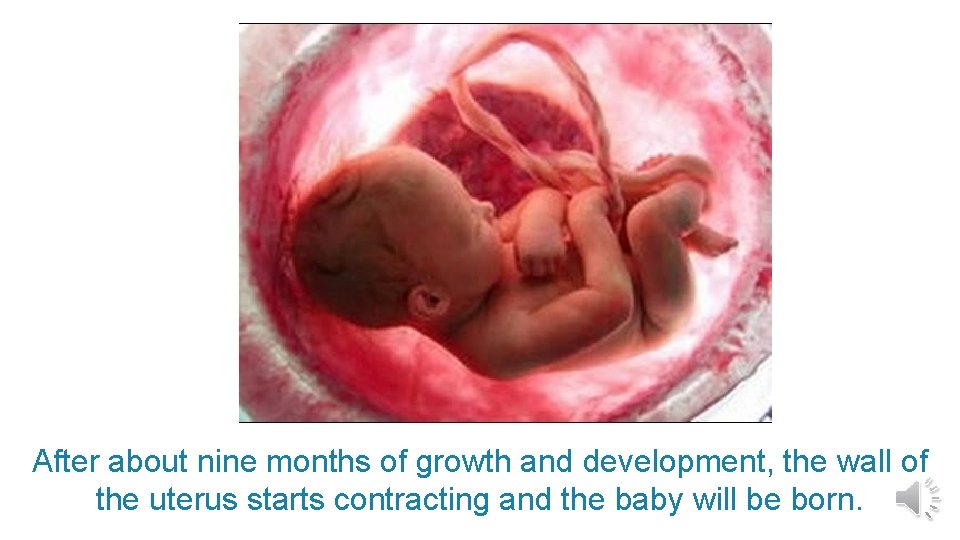
After about nine months of growth and development, the wall of the uterus starts contracting and the baby will be born.