
THE FEDERAL BUREACRACY Examining the Fourth Branch bureaucracy
THE FEDERAL BUREACRACY Examining the “Fourth Branch”
bureaucracy • literally means “rule by desks” • government by clerks
bureaucracy Definition: an administrative system, especially in a government, that divides work into specific categories carried out by special departments of nonelected officials
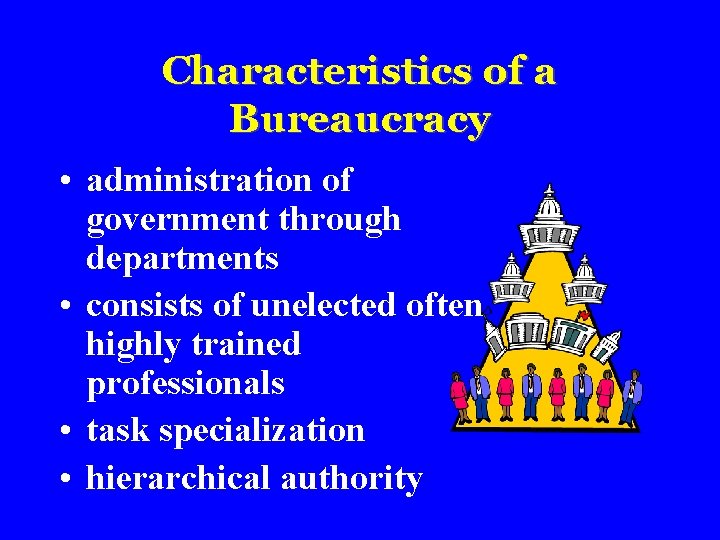
Characteristics of a Bureaucracy • administration of government through departments • consists of unelected often highly trained professionals • task specialization • hierarchical authority
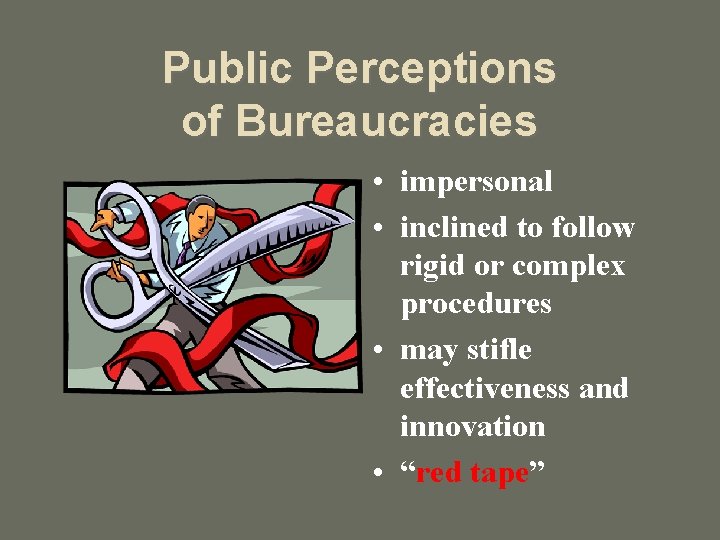
Public Perceptions of Bureaucracies • impersonal • inclined to follow rigid or complex procedures • may stifle effectiveness and innovation • “red tape”
What is the federal bureaucracy? The Federal Bureaucracy
The Federal Bureaucracy is: v 4 million employees; 2. 8 million are civilians or “civil servants” v President only appoints 3% (patronage or political appointments) v 15 cabinet level departments v 200+ independent agencies with 2, 000+ bureaus, divisions, branches, etc. v Biggest - Dept. of Defense, U. S. Postal Service, Veterans Administration
What does the federal bureaucracy do? The Federal Bureaucracy
Functions of the Federal Bureaucracy 1. • • 1. Implementation - carry out laws of Congress, executive orders of the President Administration - routine administrative work; provide services (ex: SSA sends social security checks to beneficiaries) Regulation - issue rules and regulations that impact the public (ex: EPA sets clean air standards) Source: http: //www. pinkmonkey. com/studyguides/subjects/am_gov/chap 6/a 0606401. asp
How is the federal bureaucracy organized? The Federal Bureaucracy
The Federal Bureaucracy Consists of 1. Cabinet Departments • Independent Executive Agencies • Independent Regulatory Commissions 1. Government Corporations
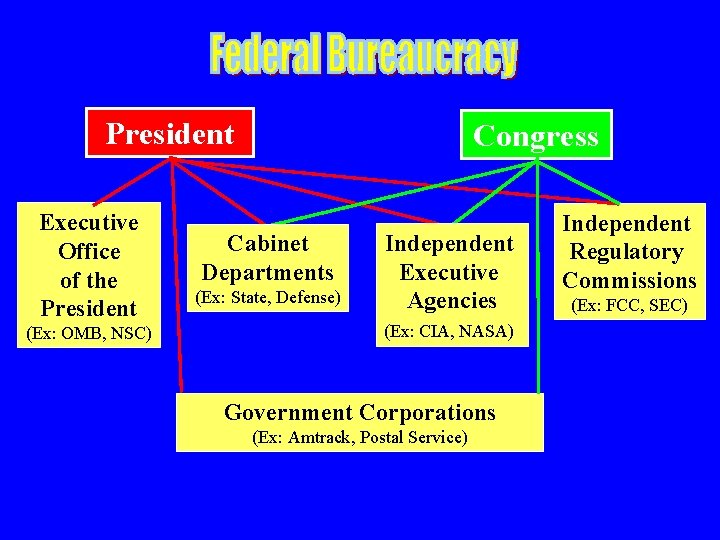
Federal Bureaucracy President Executive Office of the President (Ex: OMB, NSC) Congress Cabinet Departments (Ex: State, Defense) Independent Executive Agencies (Ex: CIA, NASA) Government Corporations (Ex: Amtrack, Postal Service) Independent Regulatory Commissions (Ex: FCC, SEC)
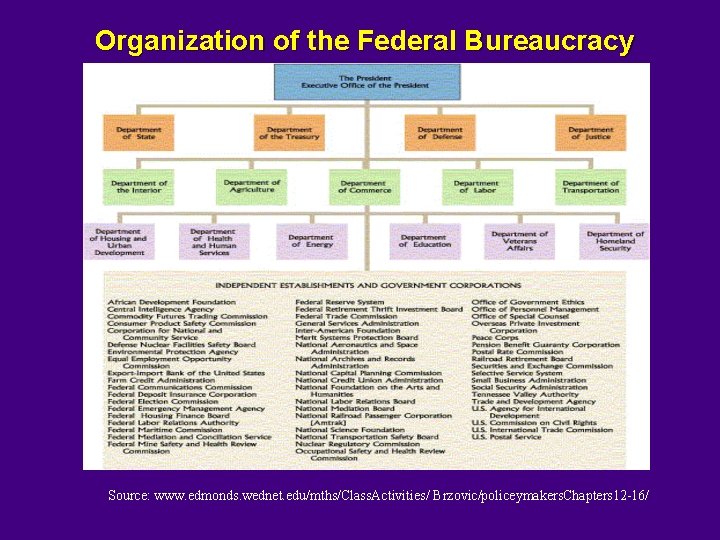
Organization of the Federal Bureaucracy Source: www. edmonds. wednet. edu/mths/Class. Activities/ Brzovic/policeymakers. Chapters 12 -16/
The Cabinet Departments • The 15 cabinet departments headed by a cabinet secretary appointed by the president and approved by the Senate • Each department “expert” in specific policy area • Each department has its own budget • Department of Homeland Security, created in 2002, is newest department
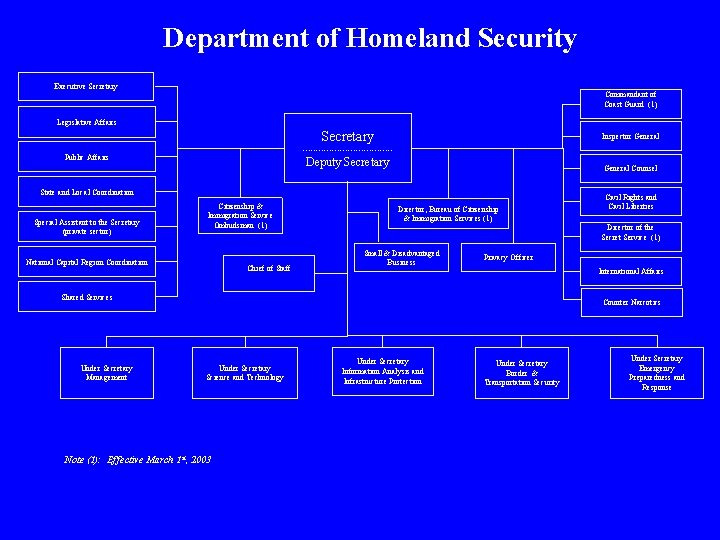
Department of Homeland Security Executive Secretary Commandant of Coast Guard (1) Legislative Affairs Secretary Inspector General ----------------- Public Affairs Deputy Secretary General Counsel State and Local Coordination Special Assistant to the Secretary (private sector) Citizenship & Immigration Service Ombudsman (1) National Capital Region Coordination Chief of Staff Director, Bureau of Citizenship & Immigration Services (1) Director of the Secret Service (1) Small & Disadvantaged Business Privacy Officer International Affairs Shared Services Under Secretary Management Civil Rights and Civil Liberties Counter Narcotics Under Secretary Science and Technology Note (1): Effective March 1 st, 2003 Under Secretary Information Analysis and Infrastructure Protection Under Secretary Border & Transportation Security Under Secretary Emergency Preparedness and Response
Independent Executive Agencies • Established by Congress with separate status outside the executive branch • Given a specific mandate and generally perform a service function, not a regulator one. • Some examples include: Social Security Administration, CIA, NASA, EPA.
Independent Regulatory Commissions • IRCs exist to regulate a specific economic activity or interest such as the Federal Communications Commission (public air waves) or Federal Reserve Board (banking system, money supply) • IRCs operate independently from Congress and the President • Once appointed and seated, members cannot be removed without cause
Government Corporations • Government owned businesses created by Congress • May or may not be profitable, but serve a public need • Ex: U. S. Postal Service, Amtrak, Tennessee Valley Authority, Corporation for Public Broadcasting
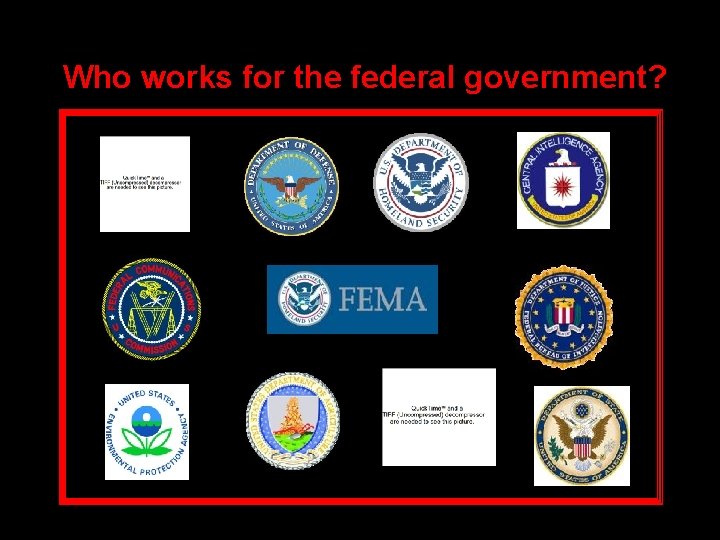
Who works for the federal government?
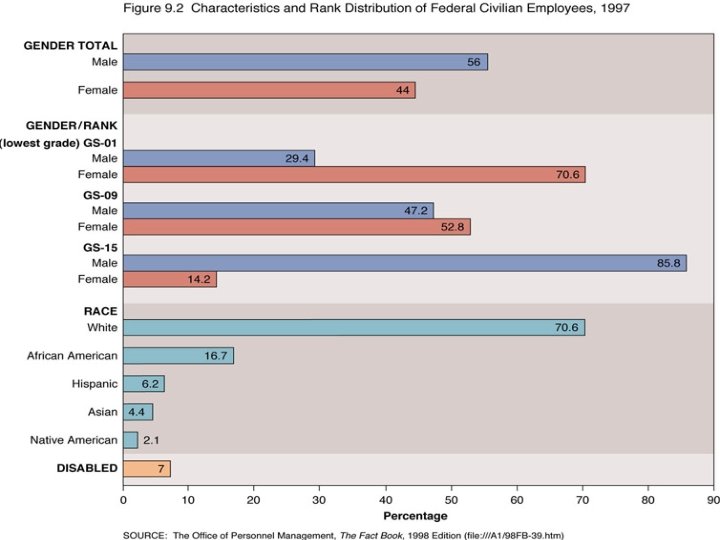
Who are the “Bureaucrats? ” • • 97% are career government employees Only 10% live in the D. C. area 30% work for the D. O. D. Less than 15% work for social welfare agencies • Most are white collar workers: secretaries, clerks, lawyers, inspectors & engineers • Civil employees more diverse demographically than Congress
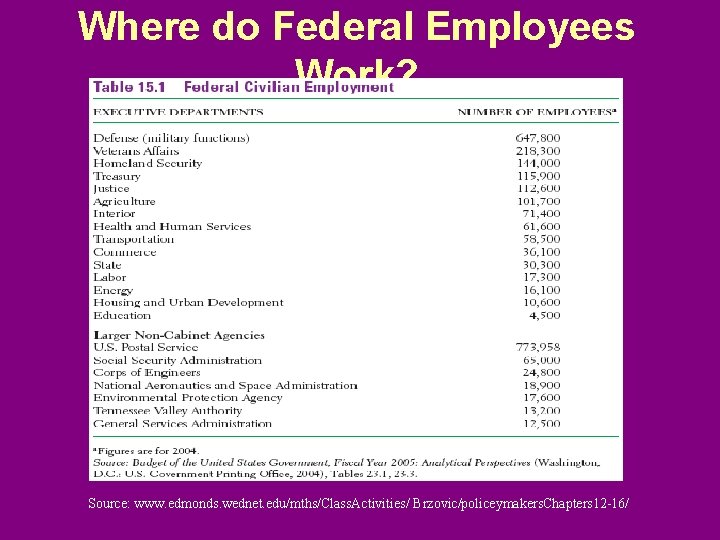
Where do Federal Employees Work? Source: www. edmonds. wednet. edu/mths/Class. Activities/ Brzovic/policeymakers. Chapters 12 -16/
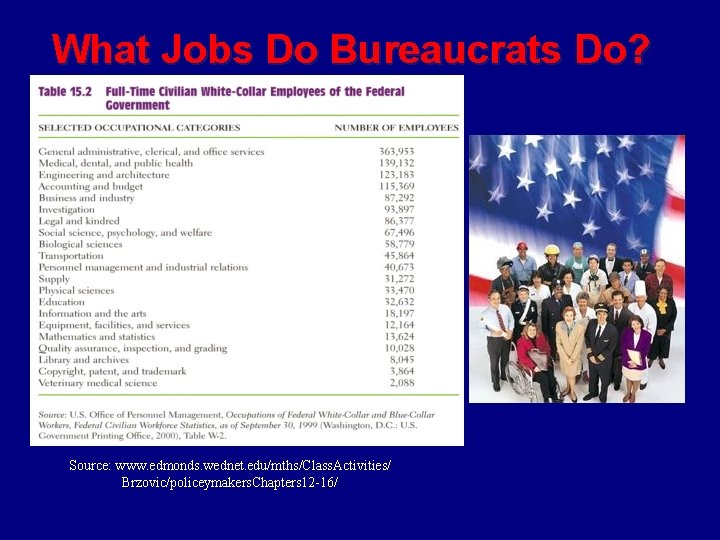
What Jobs Do Bureaucrats Do? Source: www. edmonds. wednet. edu/mths/Class. Activities/ Brzovic/policeymakers. Chapters 12 -16/
Who supervises the federal bureaucracy?
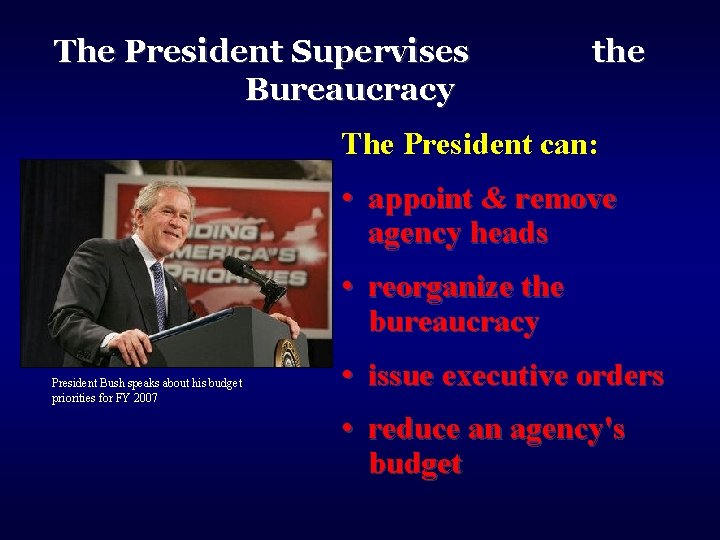
The President Supervises Bureaucracy the The President can: • appoint & remove agency heads • reorganize the bureaucracy President Bush speaks about his budget priorities for FY 2007 • issue executive orders • reduce an agency's budget
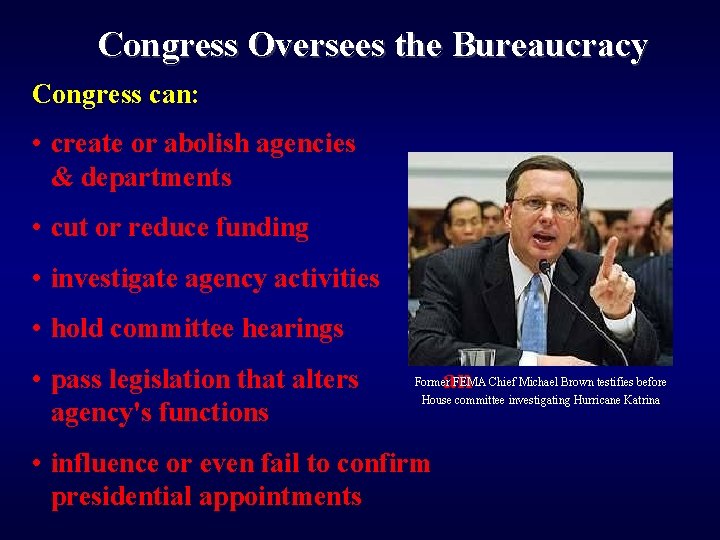
Congress Oversees the Bureaucracy Congress can: • create or abolish agencies & departments • cut or reduce funding • investigate agency activities • hold committee hearings • pass legislation that alters agency's functions an Former FEMA Chief Michael Brown testifies before House committee investigating Hurricane Katrina • influence or even fail to confirm presidential appointments
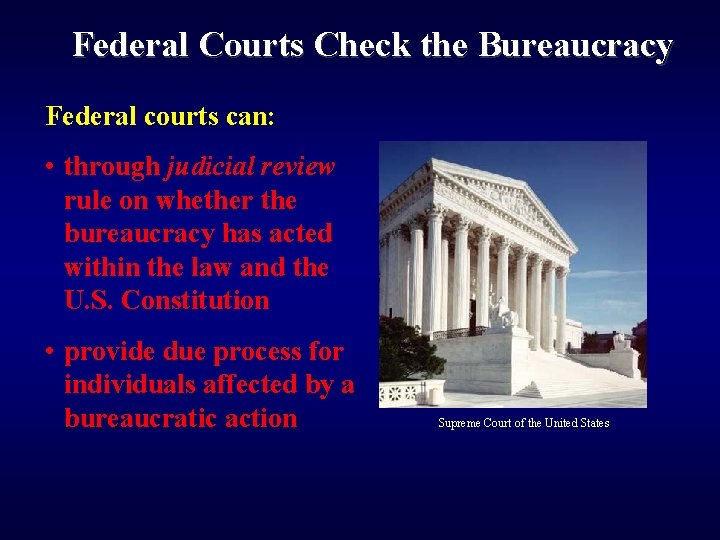
Federal Courts Check the Bureaucracy Federal courts can: • through judicial review rule on whether the bureaucracy has acted within the law and the U. S. Constitution • provide due process for individuals affected by a bureaucratic action Supreme Court of the United States
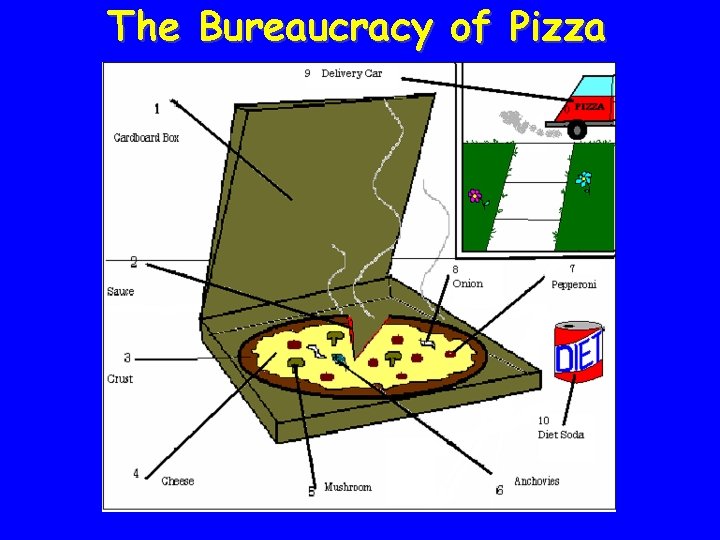
The Bureaucracy of Pizza
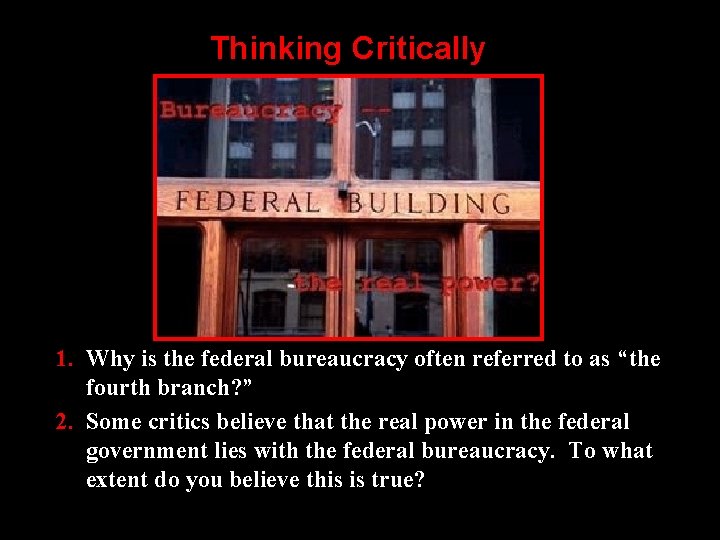
Thinking Critically 1. Why is the federal bureaucracy often referred to as “the fourth branch? ” 2. Some critics believe that the real power in the federal government lies with the federal bureaucracy. To what extent do you believe this is true?
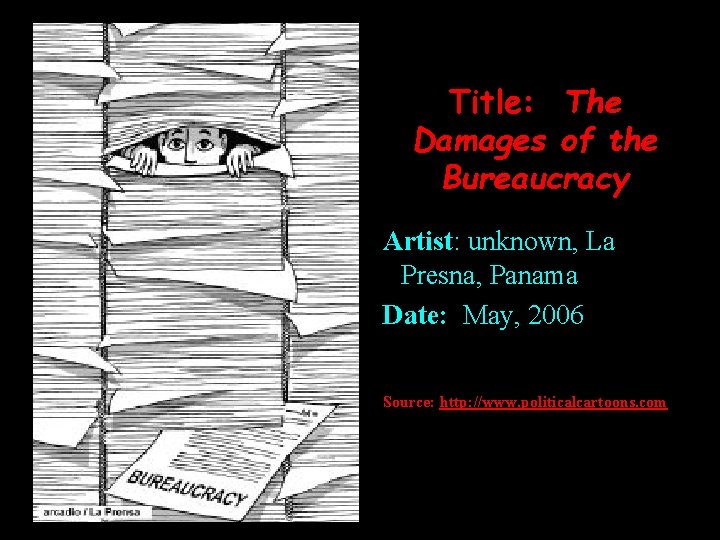
Title: The Damages of the Bureaucracy Artist: unknown, La Presna, Panama Date: May, 2006 Source: http: //www. politicalcartoons. com
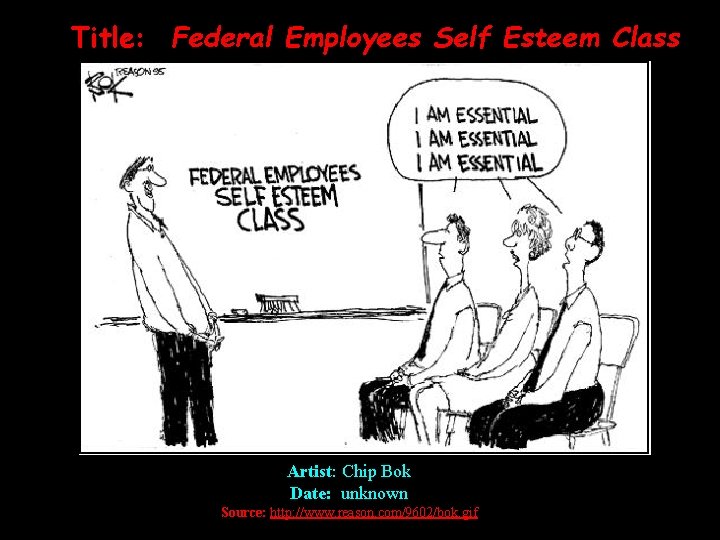
Title: Federal Employees Self Esteem Class Artist: Chip Bok Date: unknown Source: http: //www. reason. com/9602/bok. gif
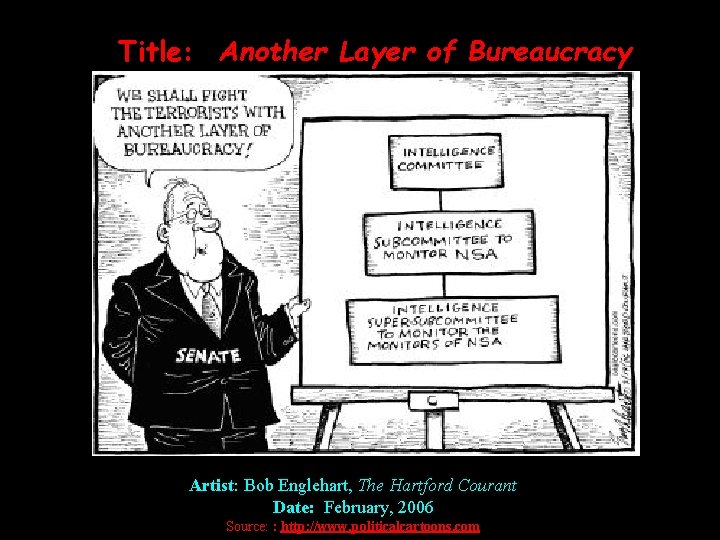
Title: Another Layer of Bureaucracy Artist: Bob Englehart, The Hartford Courant Date: February, 2006 Source: : http: //www. politicalcartoons. com
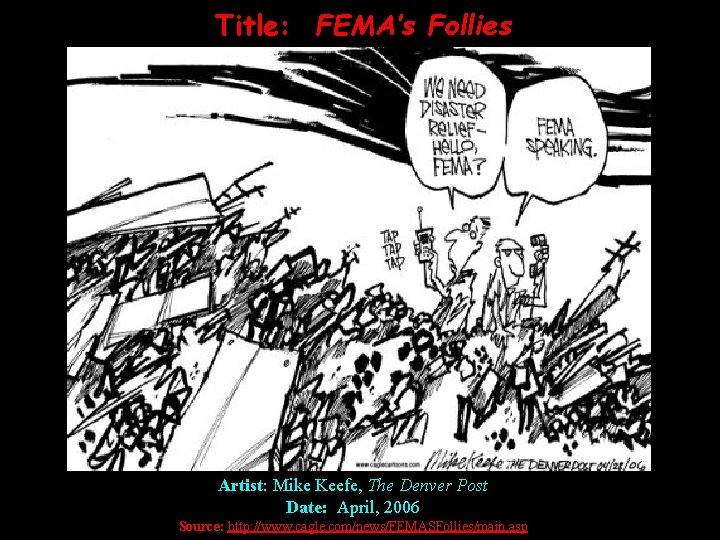
Title: FEMA’s Follies Artist: Mike Keefe, The Denver Post Date: April, 2006 Source: http: //www. cagle. com/news/FEMASFollies/main. asp
- Slides: 33