
The Fall of the Roman Empire Centralized Government
- Slides: 37
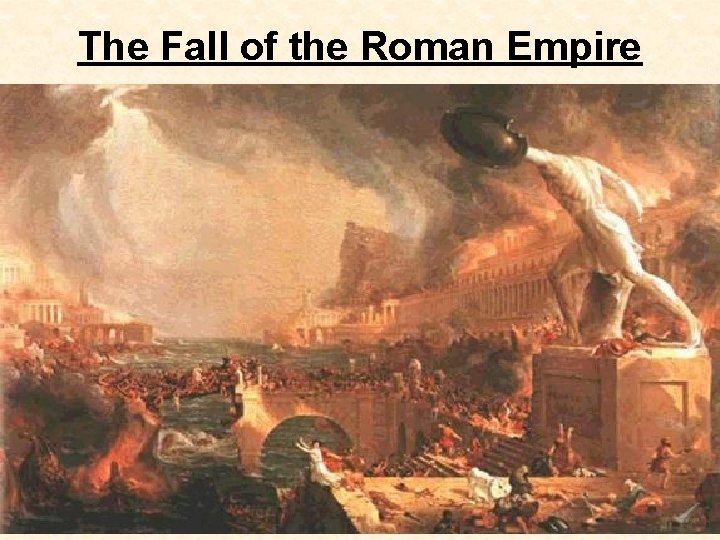
The Fall of the Roman Empire
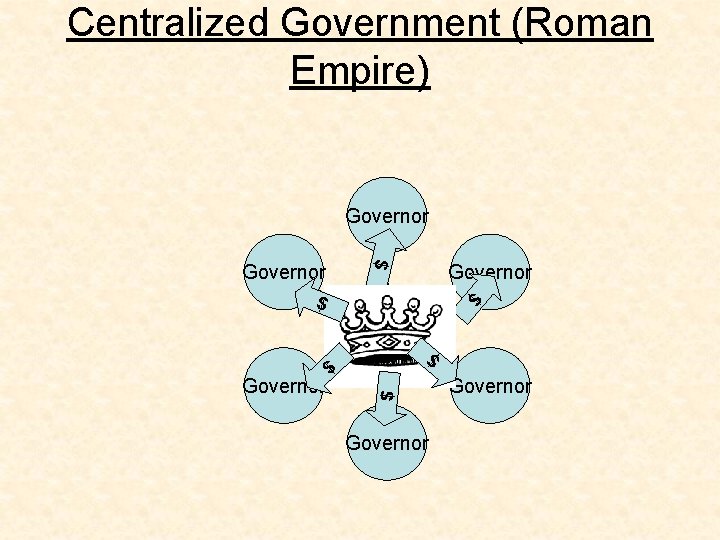
Centralized Government (Roman Empire) Governor $ $ Governor
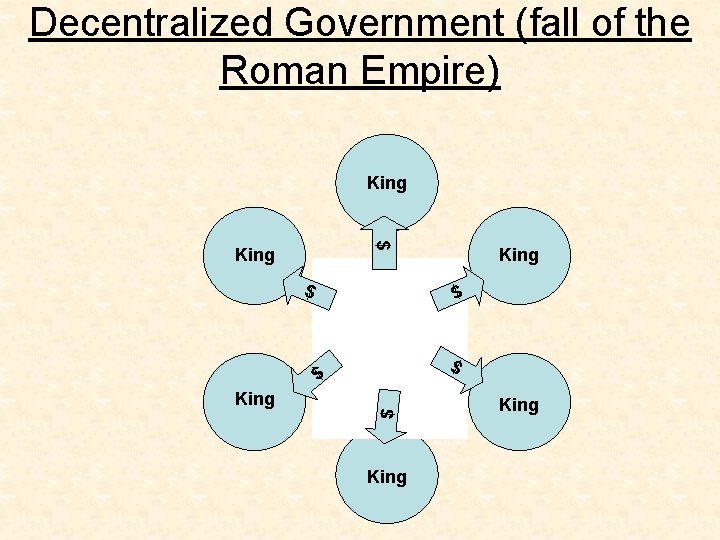
Decentralized Government (fall of the Roman Empire) King Governor $ $ $ King Governor King
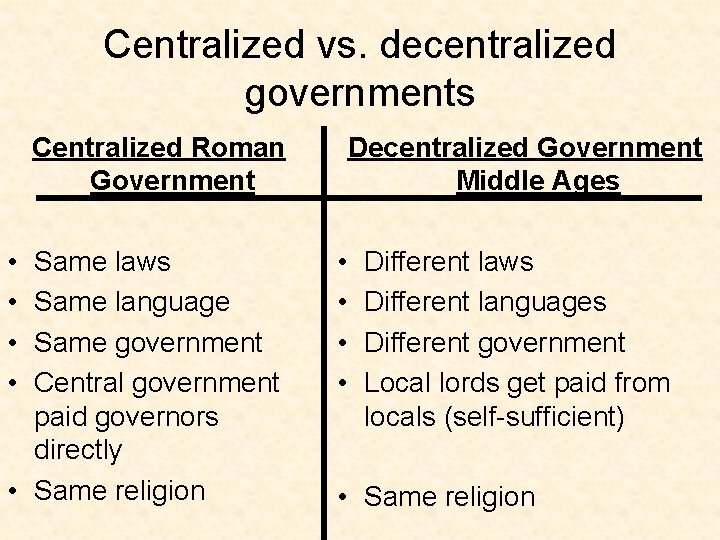
Centralized vs. decentralized governments Centralized Roman Government • • Same laws Same language Same government Central government paid governors directly • Same religion Decentralized Government Middle Ages • • Different laws Different languages Different government Local lords get paid from locals (self-sufficient) • Same religion
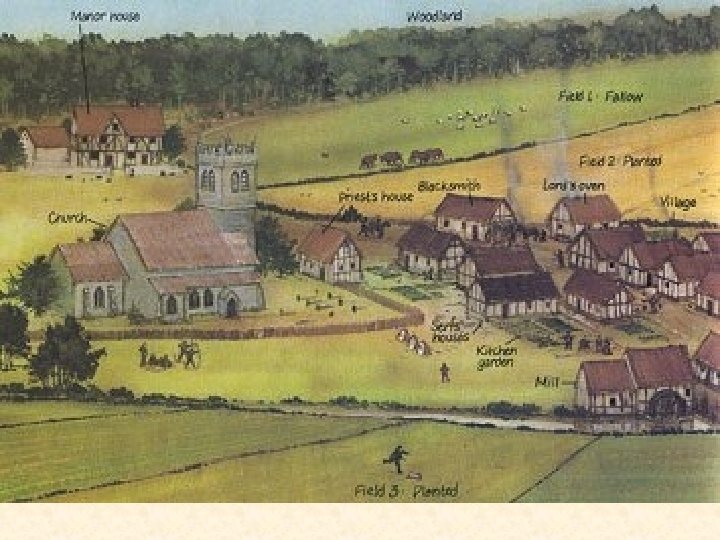
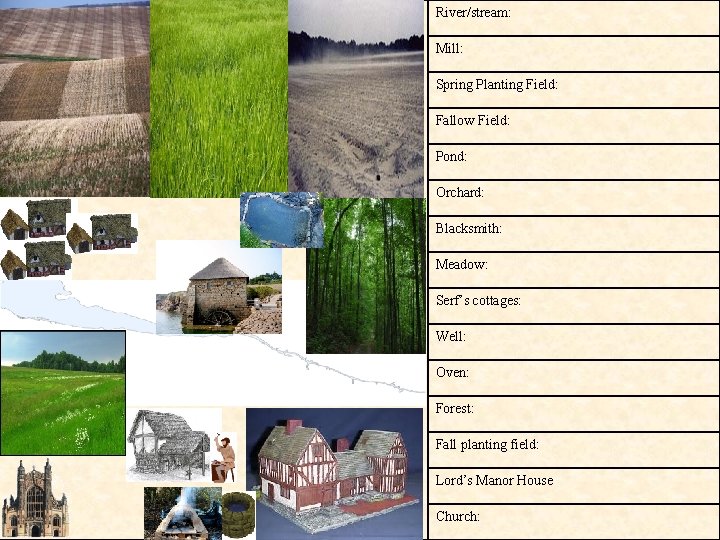
River/stream: Mill: Spring Planting Field: Fallow Field: Pond: Orchard: Blacksmith: Meadow: Serf’s cottages: Well: Oven: Forest: Fall planting field: Lord’s Manor House Church:
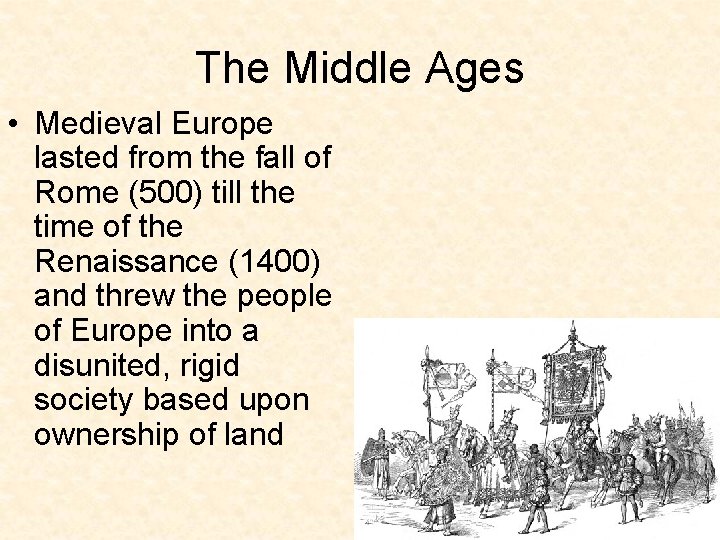
The Middle Ages • Medieval Europe lasted from the fall of Rome (500) till the time of the Renaissance (1400) and threw the people of Europe into a disunited, rigid society based upon ownership of land
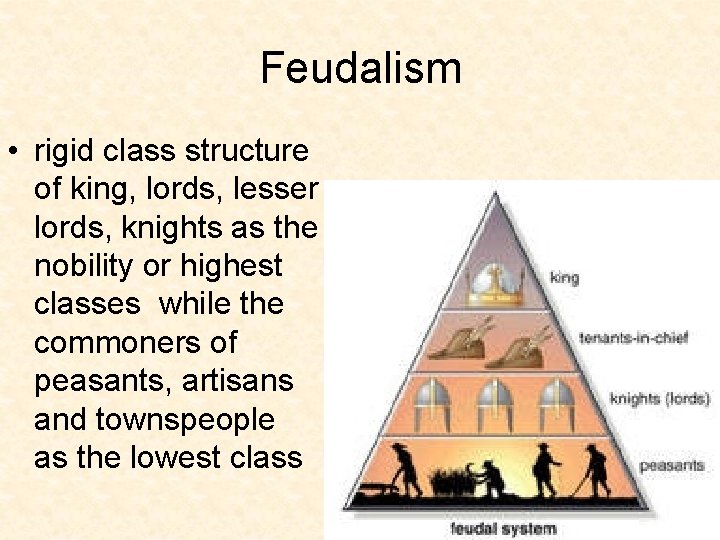
Feudalism • rigid class structure of king, lords, lesser lords, knights as the nobility or highest classes while the commoners of peasants, artisans and townspeople as the lowest class
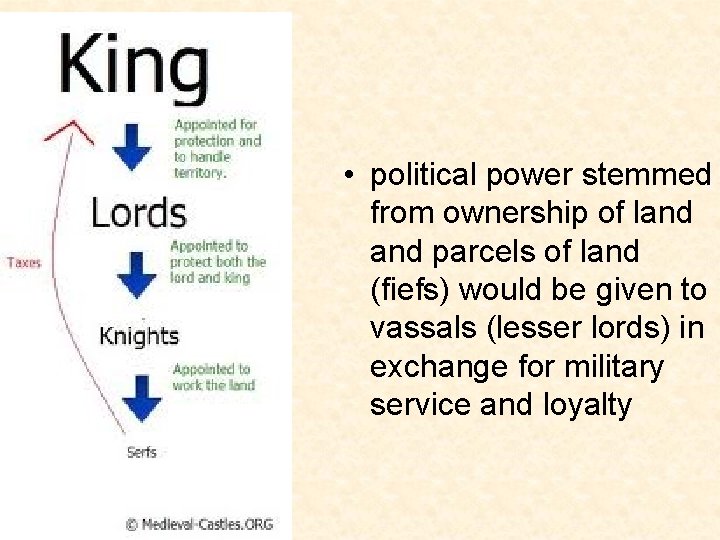
• political power stemmed from ownership of land parcels of land (fiefs) would be given to vassals (lesser lords) in exchange for military service and loyalty
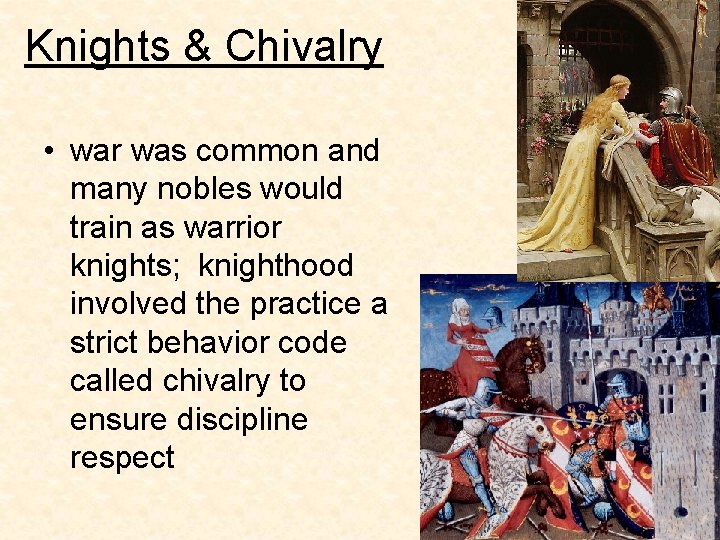
Knights & Chivalry • war was common and many nobles would train as warrior knights; knighthood involved the practice a strict behavior code called chivalry to ensure discipline respect
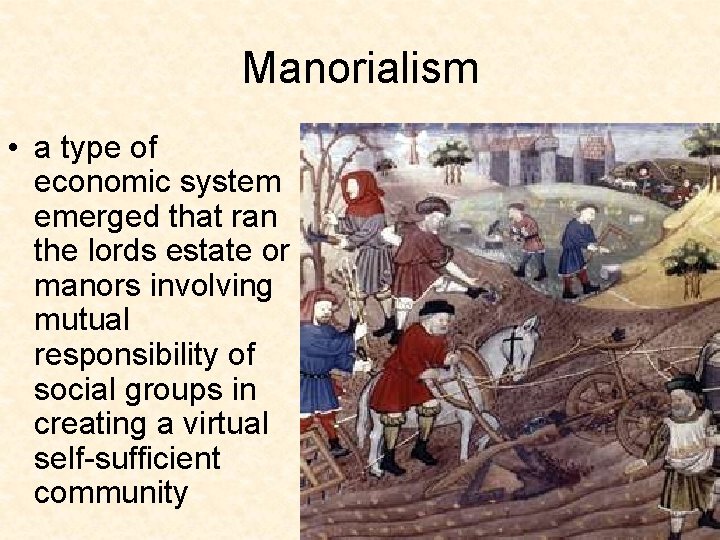
Manorialism • a type of economic system emerged that ran the lords estate or manors involving mutual responsibility of social groups in creating a virtual self-sufficient community
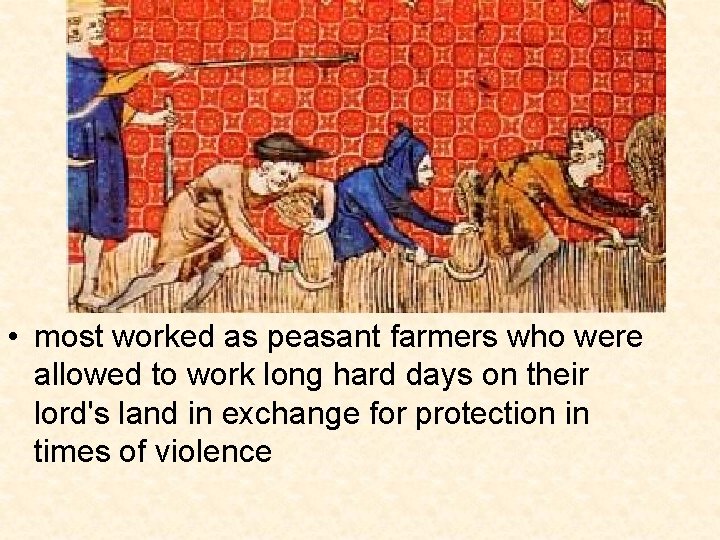
• most worked as peasant farmers who were allowed to work long hard days on their lord's land in exchange for protection in times of violence
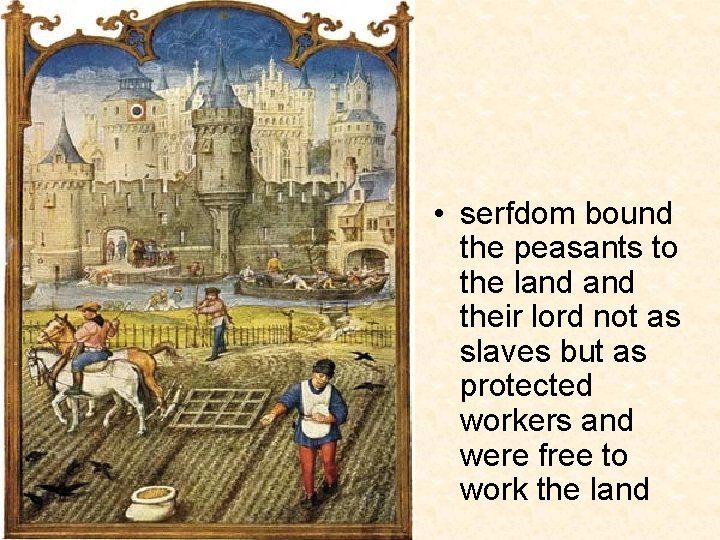
• serfdom bound the peasants to the land their lord not as slaves but as protected workers and were free to work the land
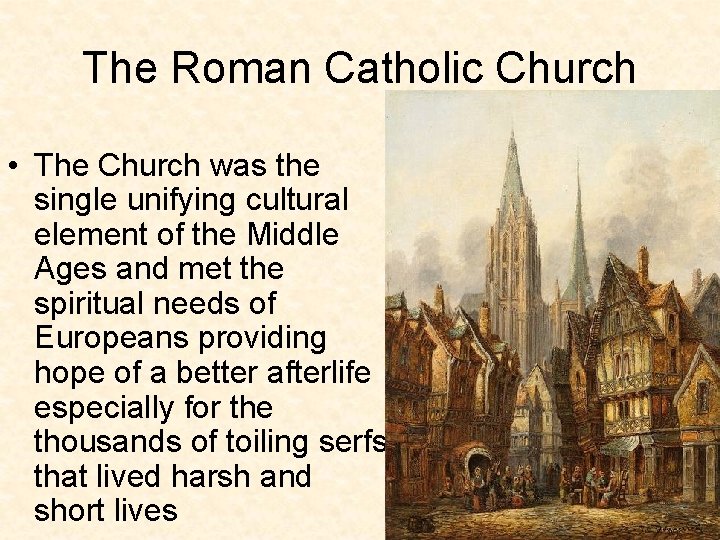
The Roman Catholic Church • The Church was the single unifying cultural element of the Middle Ages and met the spiritual needs of Europeans providing hope of a better afterlife especially for the thousands of toiling serfs that lived harsh and short lives
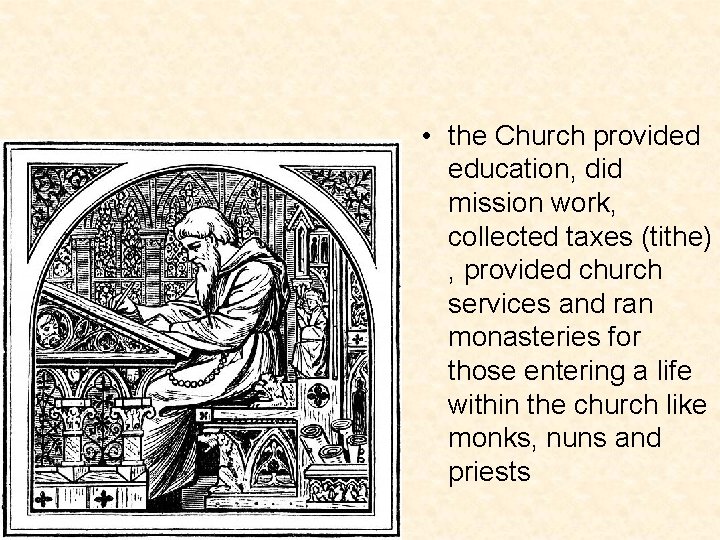
• the Church provided education, did mission work, collected taxes (tithe) , provided church services and ran monasteries for those entering a life within the church like monks, nuns and priests
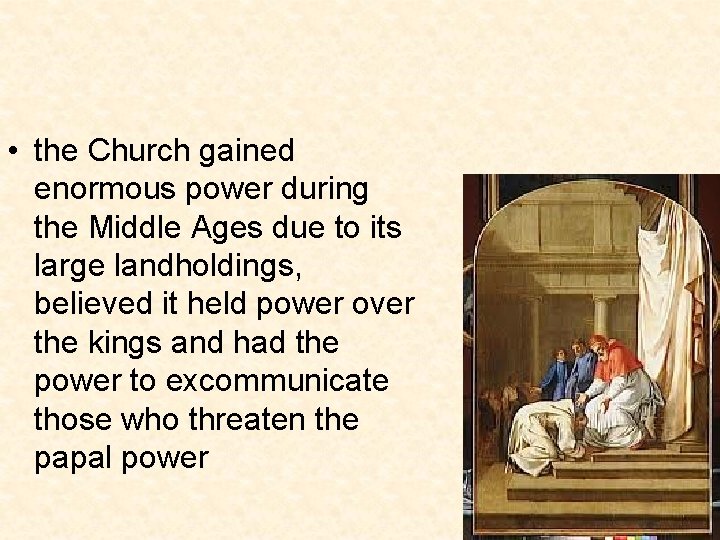
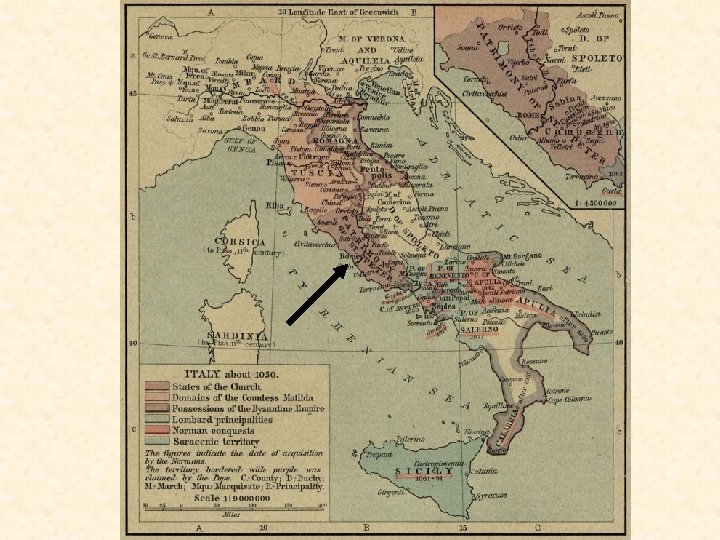
• the Church gained enormous power during the Middle Ages due to its large landholdings, believed it held power over the kings and had the power to excommunicate those who threaten the papal power
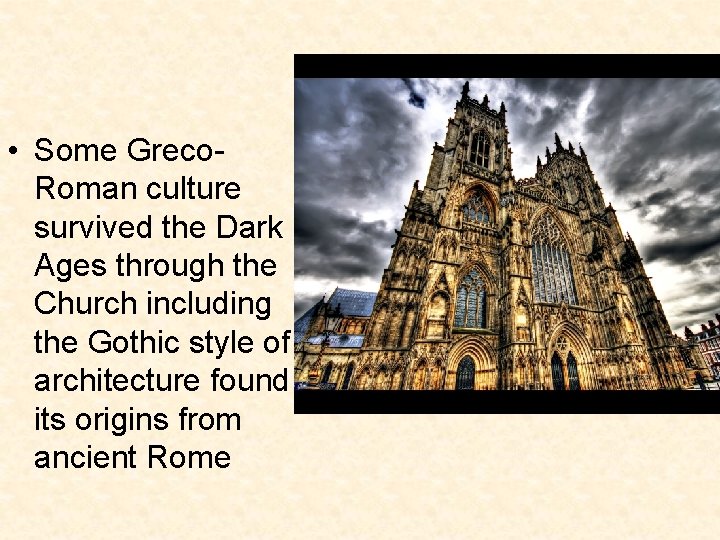
• Some Greco. Roman culture survived the Dark Ages through the Church including the Gothic style of architecture found its origins from ancient Rome
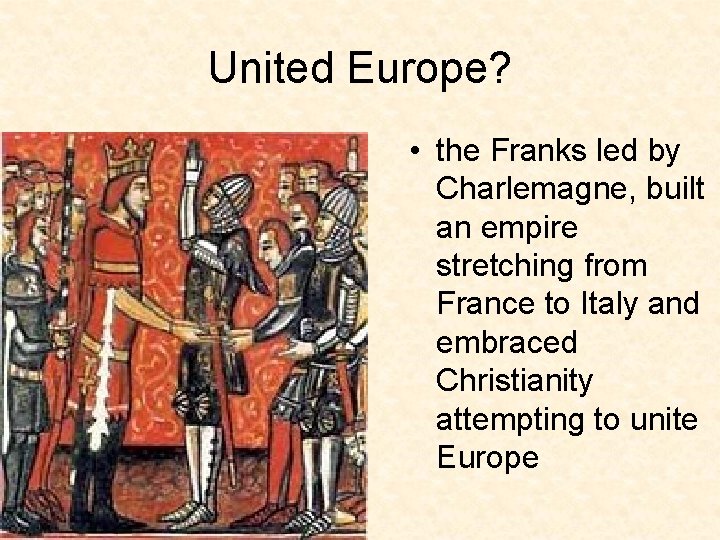
United Europe? • the Franks led by Charlemagne, built an empire stretching from France to Italy and embraced Christianity attempting to unite Europe
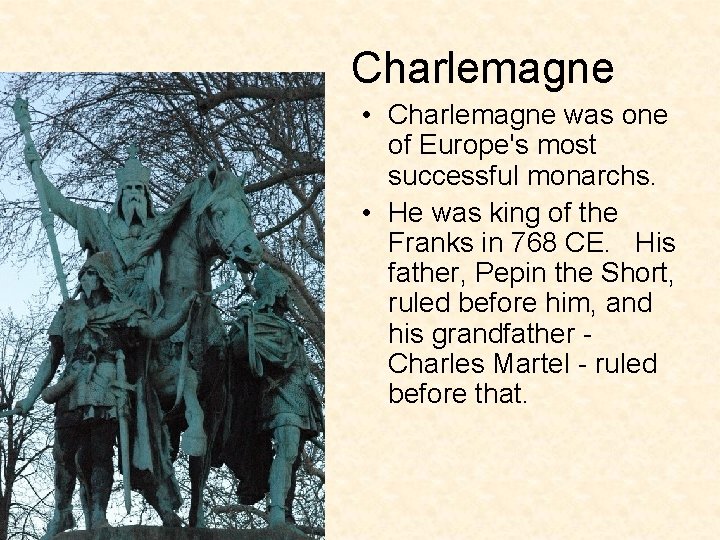
Charlemagne • Charlemagne was one of Europe's most successful monarchs. • He was king of the Franks in 768 CE. His father, Pepin the Short, ruled before him, and his grandfather Charles Martel - ruled before that.
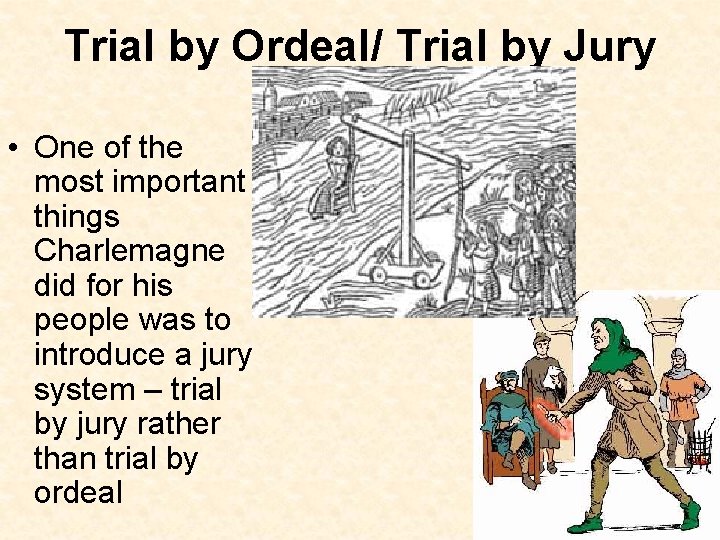
Trial by Ordeal/ Trial by Jury • One of the most important things Charlemagne did for his people was to introduce a jury system – trial by jury rather than trial by ordeal
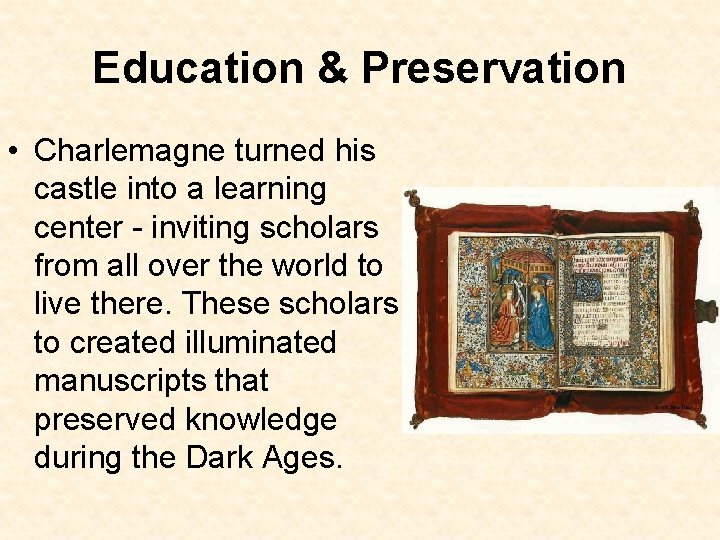
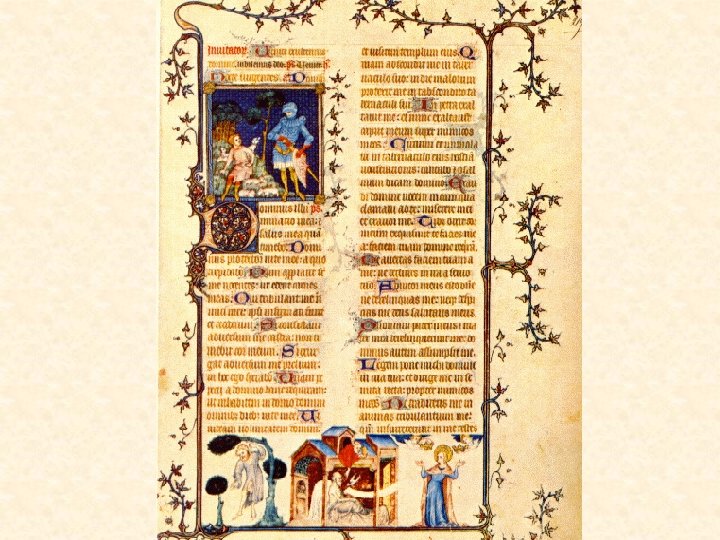
Education & Preservation • Charlemagne turned his castle into a learning center - inviting scholars from all over the world to live there. These scholars to created illuminated manuscripts that preserved knowledge during the Dark Ages.
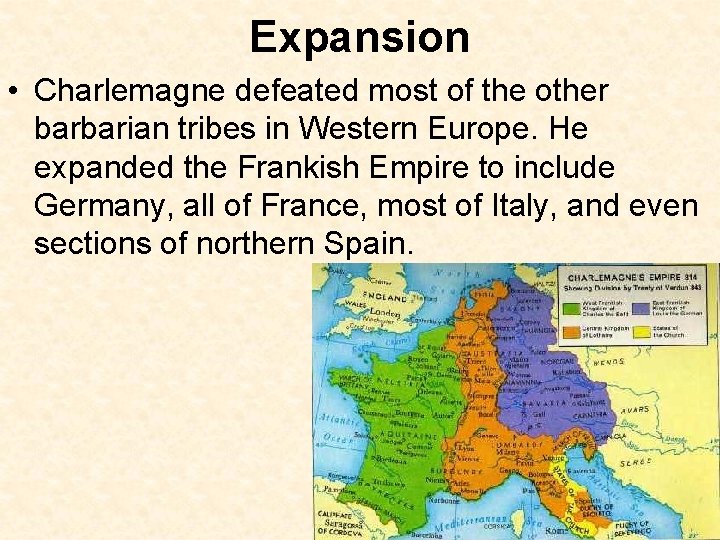
Expansion • Charlemagne defeated most of the other barbarian tribes in Western Europe. He expanded the Frankish Empire to include Germany, all of France, most of Italy, and even sections of northern Spain.
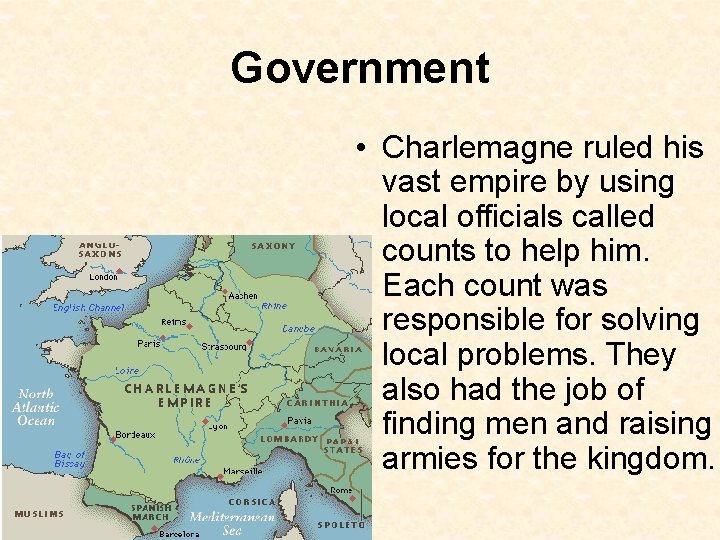
Government • Charlemagne ruled his vast empire by using local officials called counts to help him. Each count was responsible for solving local problems. They also had the job of finding men and raising armies for the kingdom.
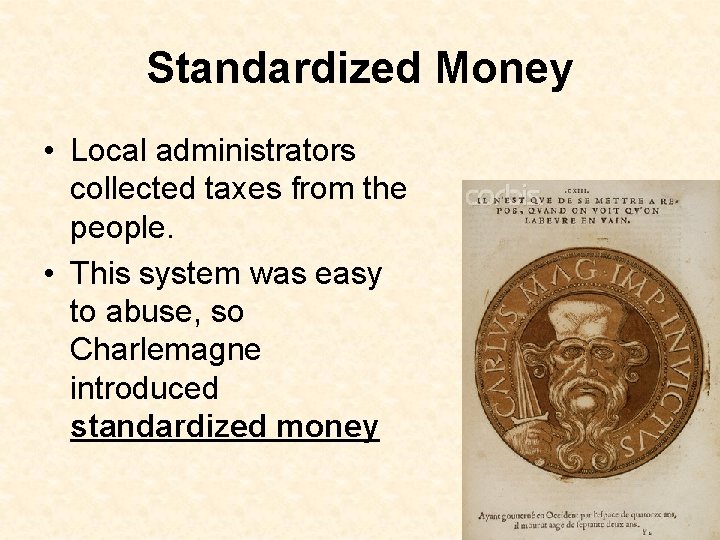
Standardized Money • Local administrators collected taxes from the people. • This system was easy to abuse, so Charlemagne introduced standardized money
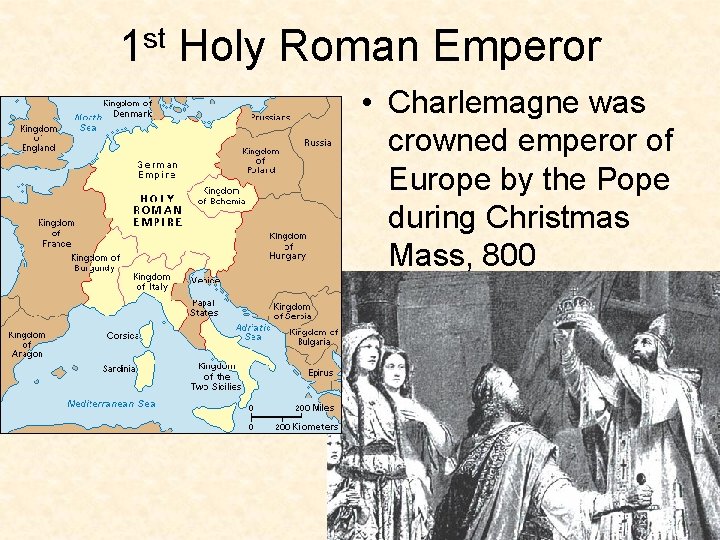
1 st Holy Roman Emperor • Charlemagne was crowned emperor of Europe by the Pope during Christmas Mass, 800
A Christian Kingdom • Charlemagne was able to create a Christian kingdom under a powerful secular leader • Charlemagne was the greatest European king of the Middle Ages • The possibility of a unified Europe died with Charlemagne
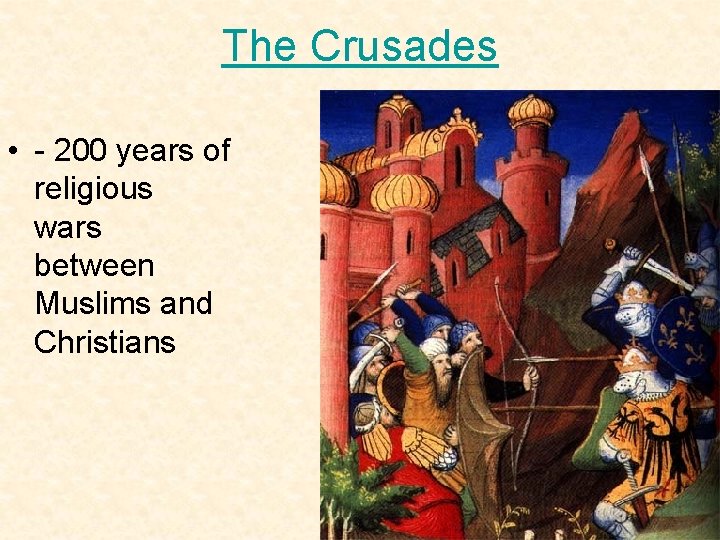
The Crusades • - 200 years of religious wars between Muslims and Christians
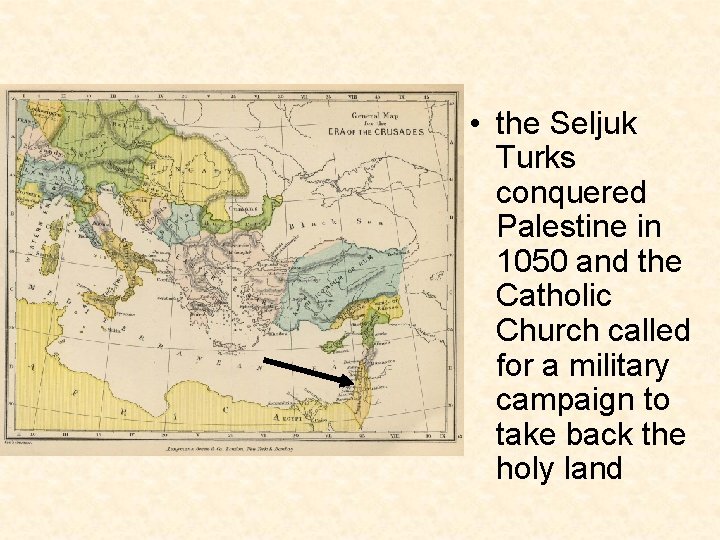
• the Seljuk Turks conquered Palestine in 1050 and the Catholic Church called for a military campaign to take back the holy land
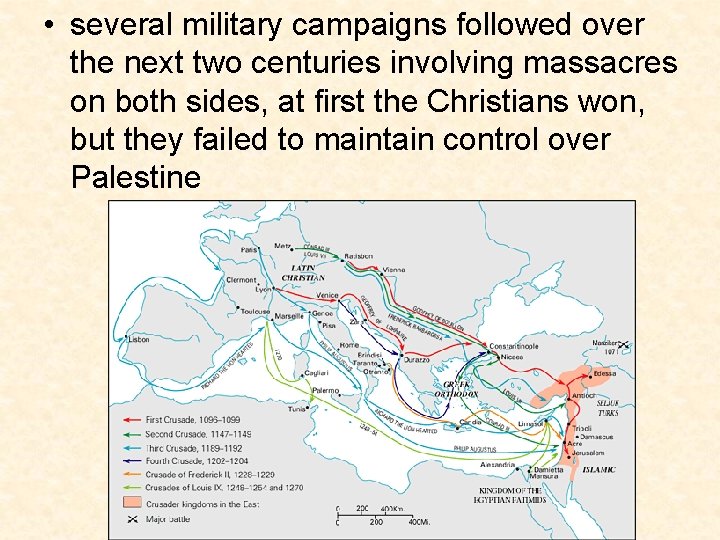
• several military campaigns followed over the next two centuries involving massacres on both sides, at first the Christians won, but they failed to maintain control over Palestine
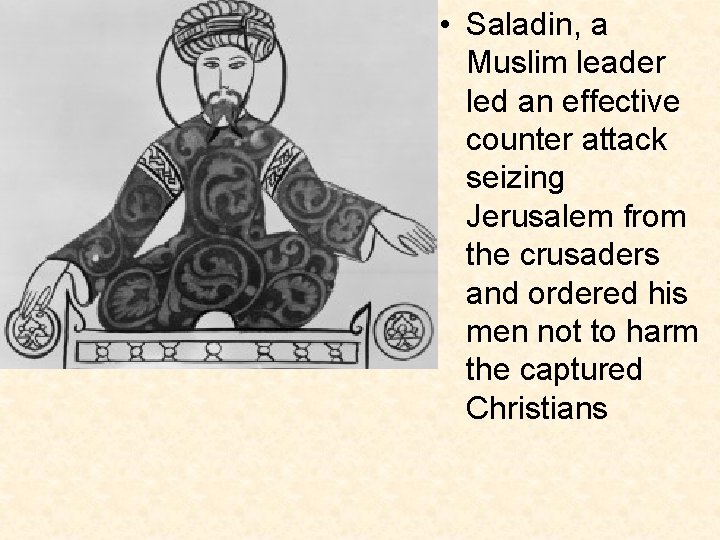
• Saladin, a Muslim leader led an effective counter attack seizing Jerusalem from the crusaders and ordered his men not to harm the captured Christians
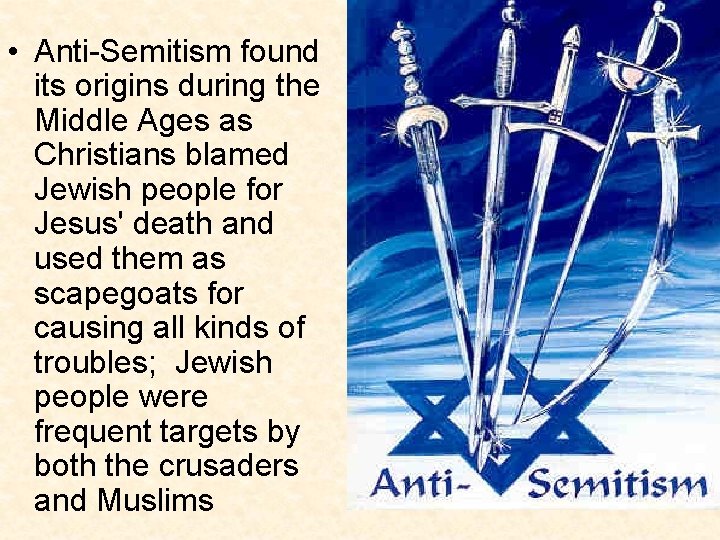
• Anti-Semitism found its origins during the Middle Ages as Christians blamed Jewish people for Jesus' death and used them as scapegoats for causing all kinds of troubles; Jewish people were frequent targets by both the crusaders and Muslims
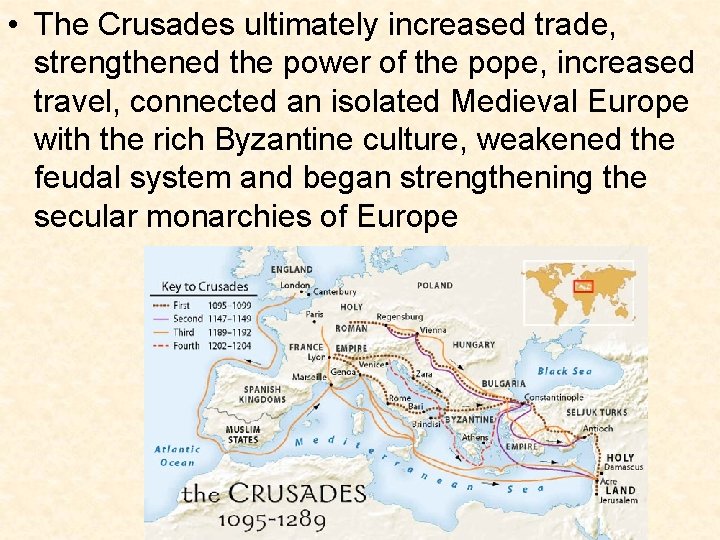
• The Crusades ultimately increased trade, strengthened the power of the pope, increased travel, connected an isolated Medieval Europe with the rich Byzantine culture, weakened the feudal system and began strengthening the secular monarchies of Europe
The Crusades: A successful failure: • Failures: • Successes