
The Excretory System Excretion To eliminate unwanted substances
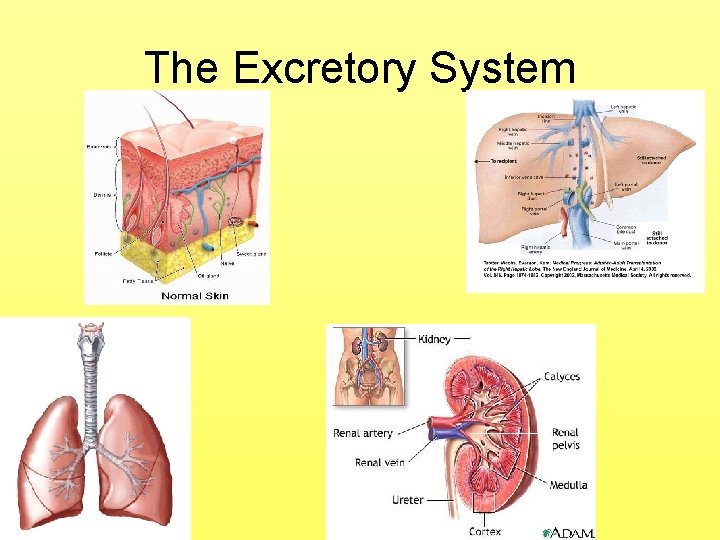
The Excretory System
Excretion • To eliminate unwanted substances from the body e. g. – – CO 2 from lungs Urea from kidneys Urea from liver Heat from the skin
• These unwanted substances are the byproducts of metabolism (cells produce energy from nutrients) and are toxic to keep in the body.
• Excretion is needed in order to achieve homeostasis- the balance of everything in the body
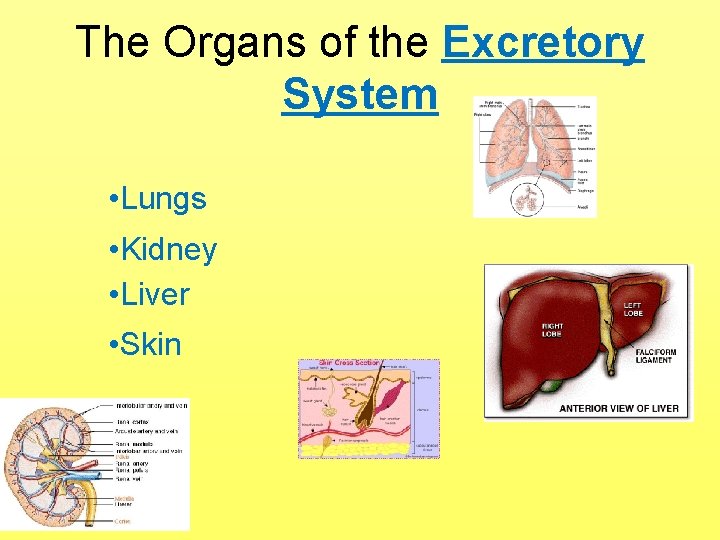
The Organs of the Excretory System • Lungs • Kidney • Liver • Skin
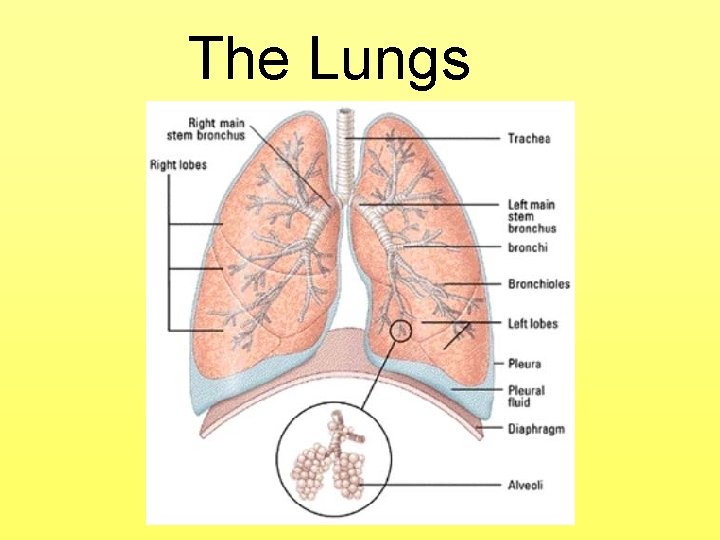
The Lungs
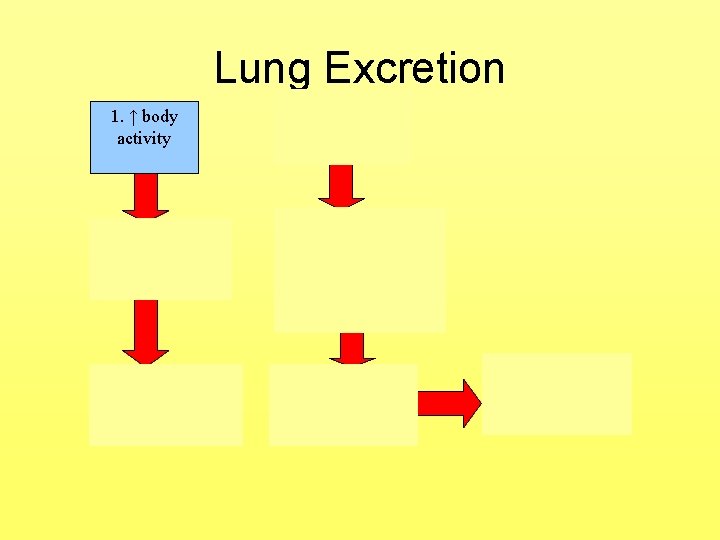
Lung Excretion 1. ↑ body activity 2. ↑ cellular metabolism 3. ↑ production CO 2 4. ↑ CO 2 in blood 5. CO 2 detected by nerves in brain (medulla oblongata) 6. ↑ respiration rate 7. ↓ CO 2 in blood
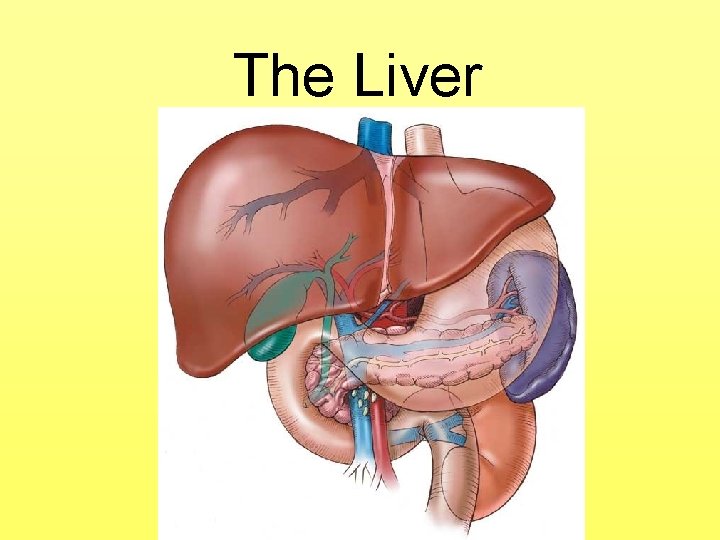
The Liver
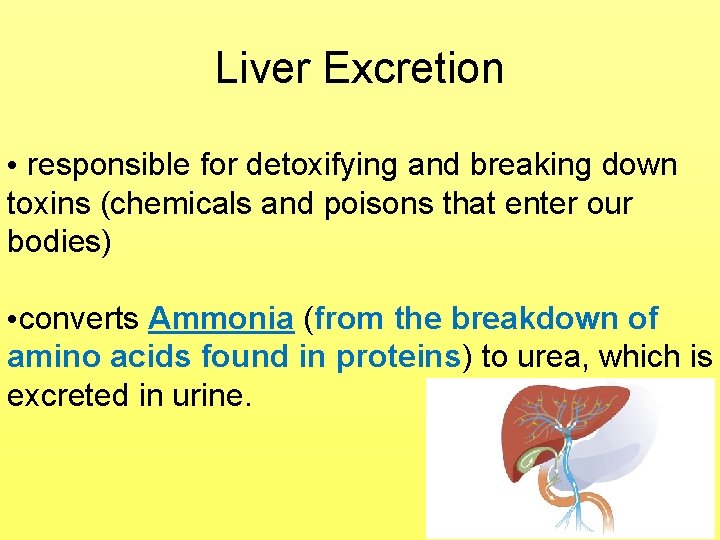
Liver Excretion • responsible for detoxifying and breaking down toxins (chemicals and poisons that enter our bodies) • converts Ammonia (from the breakdown of amino acids found in proteins) to urea, which is excreted in urine.
Liver: Links to Digestion and Circulation • Produces bile: stored in the gallbladder, small intestine uses bile to break down acidic waste (ammonia, fats, ethanol) by converting into less harmless waste (emulsification) • Maintains glucose levels in the blood: using the blood’s insulin levels, the liver regulates how much glucose should be in the blood
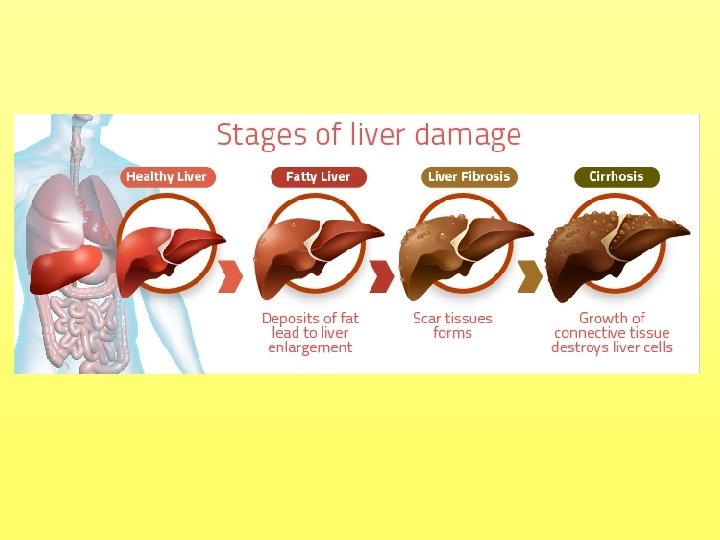
Effects of Alcohol • Alcohol interferes with the functions of the liver and can cause an inflammation of the liver’s cells – this leads to a buildup of fat in the liver • Oxidative Stress: this is when the liver is working too hard to break down the alcohol and results in cellular damage and scar tissue • Toxins from gut bacteria: if alcohol damages the intestines, the resulting toxins will enter the liver and can cause damage and scar tissue
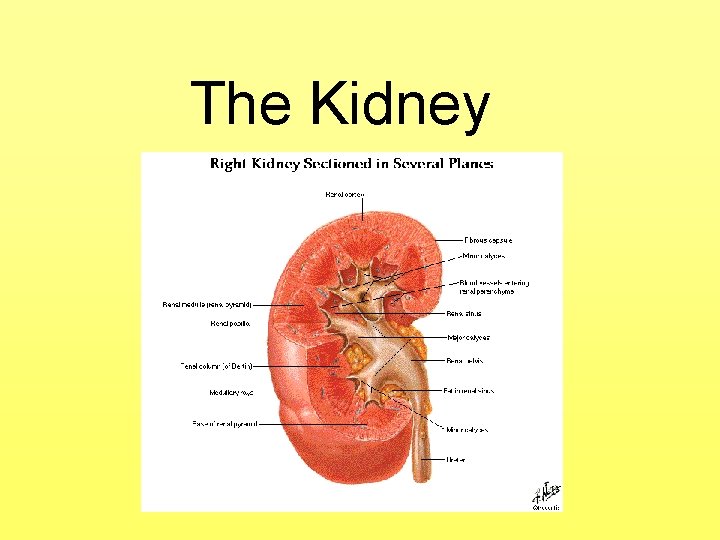
The Kidney
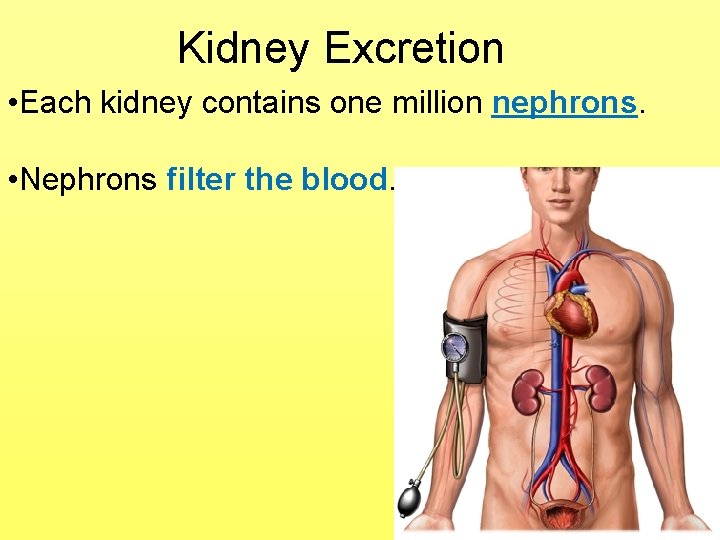
Kidney Excretion • Each kidney contains one million nephrons. • Nephrons filter the blood.
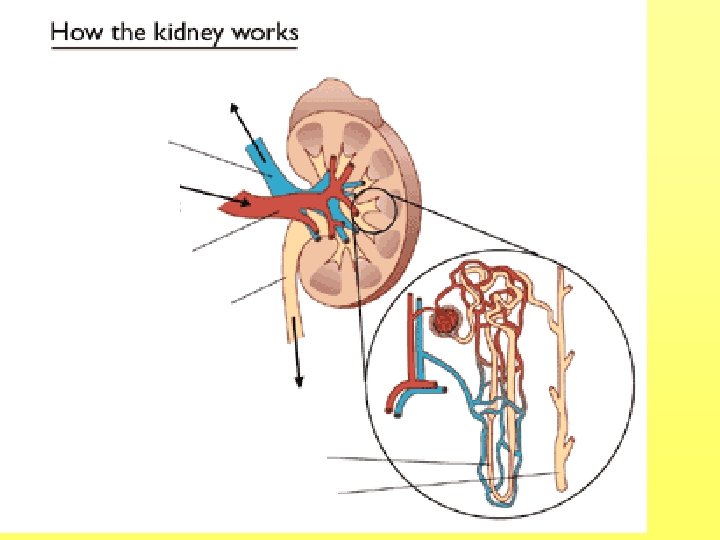
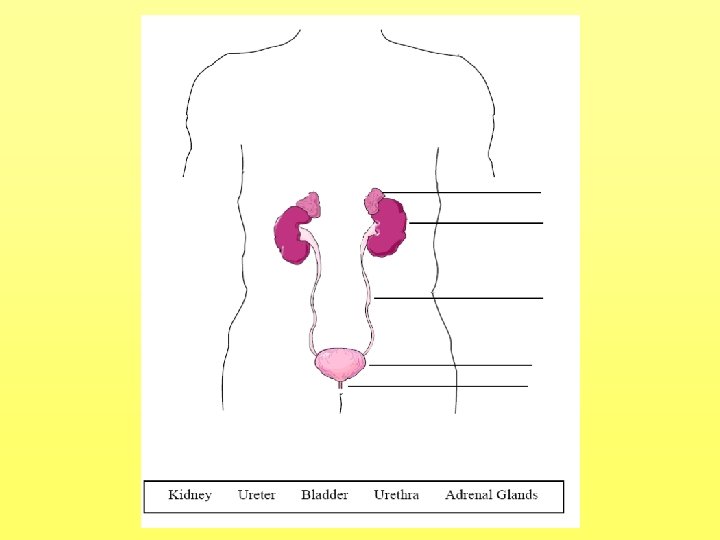
Kidney Excretion • Wastes (urea, uric acid) and excess substances (e. g. sugar, salts) are removed from blood and excreted into the ureters (tubes from kidney to bladder) • Return purified blood to the renal vein (vein from kidney to heart) • This regulates the water and mineral content of the blood
The Bladder • Urine is collected in the bladder, resembles an expandable bag • Urine is excreted from bladder via the urethra (from bladder out of body)
Components of Urine • 95% of urine is water • 5% is solutes (chemicals dissolved in water e. g. urea, uric acid, salts, etc. )
Urine should be: • Clear to dark amber in colour depending on hydration of the body. Unusual colours can indicate different problems. • Usually odourless (except after certain foods e. g. asparagus)
• Clear. Turbid (cloudy) urine can be due to infections or crystals • Neutral. A p. H of around 7. • 1 -2 L a day • Have a density or specific gravity of 1. 003 to 1. 035 g/ml
YIKES! • Proteinuria- the protein albumin, in urine can occur if the kidneys or blood vessels are damaged. This can be caused by infection, diabetes, or cardiovascular disease. • Diabetes- glucose in urine can be caused when the body does not produce enough insulin and the excess blood sugar is excreted
• Hyperuricosuria- too much uric acid in urine would produce a p. H less than 7. This could be a sign of gout, or kidney stones.
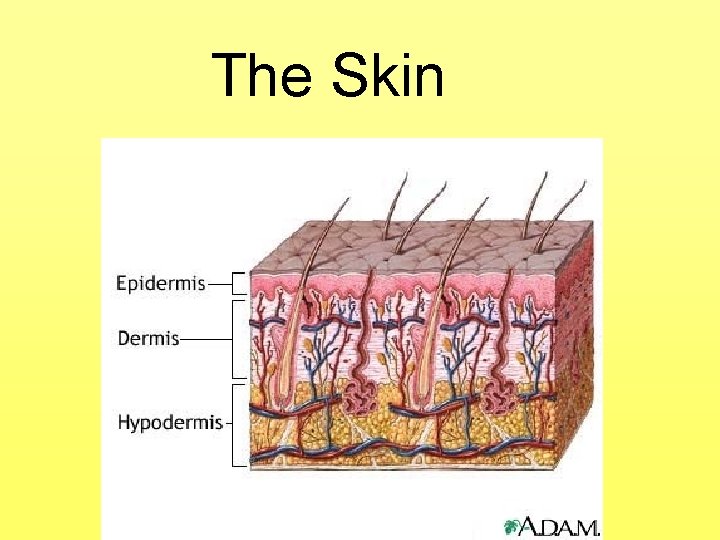
The Skin
Skin Excretion Heat regulation: • Dilated (increase in diameter) blood vessels increase blood flow to surface and excrete heat (e. g. flushed face when hot) • constricted (decrease in diameter) vessels reduce blood flow and conserve heat. (e. g. bluish lips when cold)

Skin Excretion • Excreted sweat contains a small amount of urea • sweating is a secondary function to temperature regulation.
- Slides: 26