
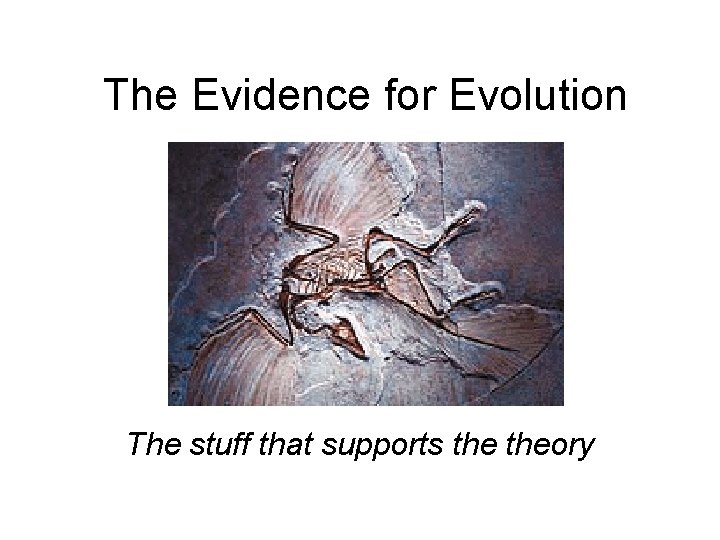
The Evidence for Evolution The stuff that supports
![DNA “Molecular Biology” • A common genetic code • ]](https://slidetodoc.com/presentation_image_h2/1eccaf79f595021165a6a011613203d8/image-26.jpg "DNA “Molecular Biology” • A common genetic code • ]")
- Slides: 35
The Evidence for Evolution The stuff that supports theory
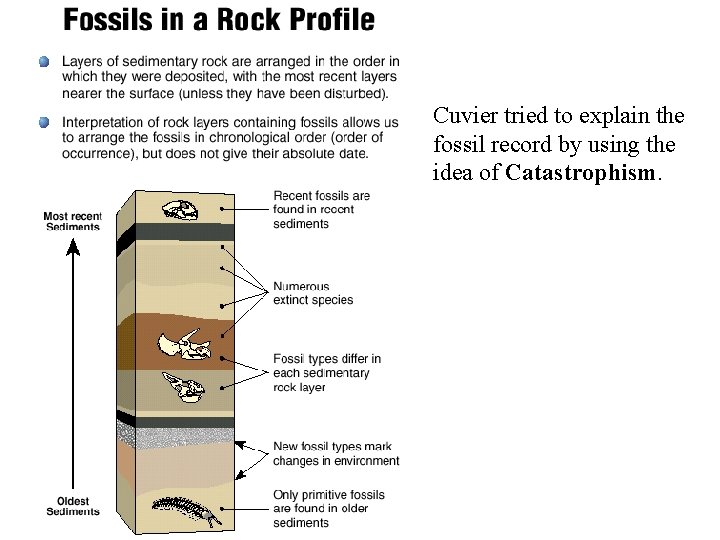
Cuvier tried to explain the fossil record by using the idea of Catastrophism.
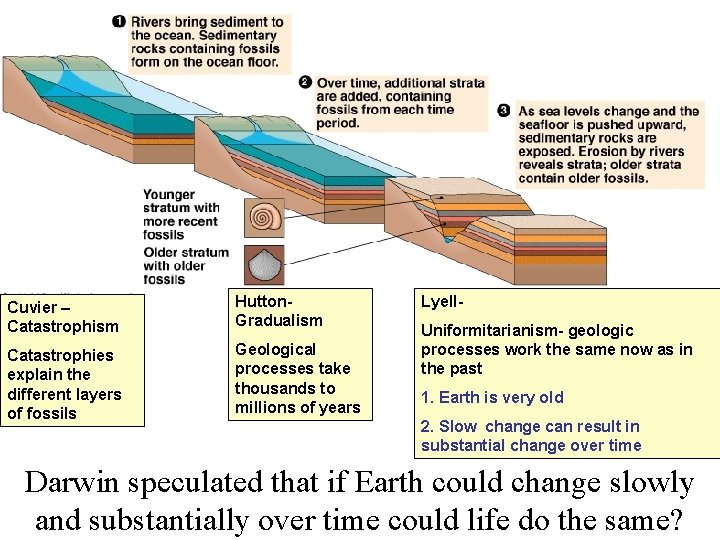
Cuvier – Catastrophism Hutton. Gradualism Catastrophies explain the different layers of fossils Geological processes take thousands to millions of years Lyell. Uniformitarianism- geologic processes work the same now as in the past 1. Earth is very old 2. Slow change can result in substantial change over time Darwin speculated that if Earth could change slowly and substantially over time could life do the same?
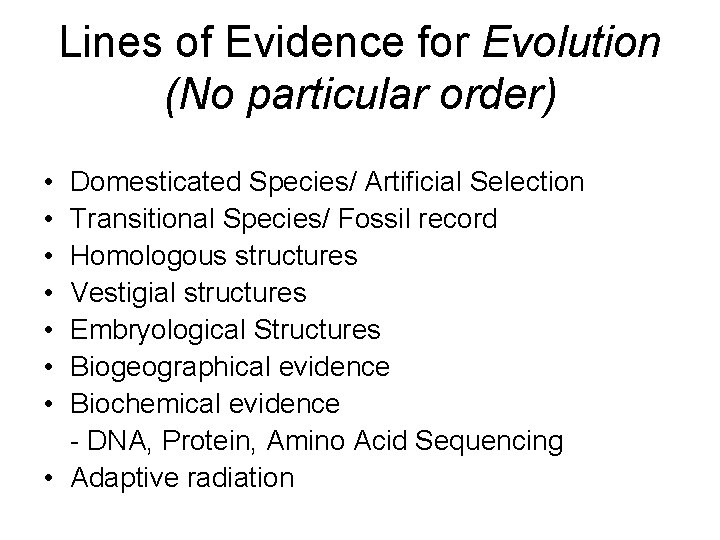
Lines of Evidence for Evolution (No particular order) • • Domesticated Species/ Artificial Selection Transitional Species/ Fossil record Homologous structures Vestigial structures Embryological Structures Biogeographical evidence Biochemical evidence - DNA, Protein, Amino Acid Sequencing • Adaptive radiation
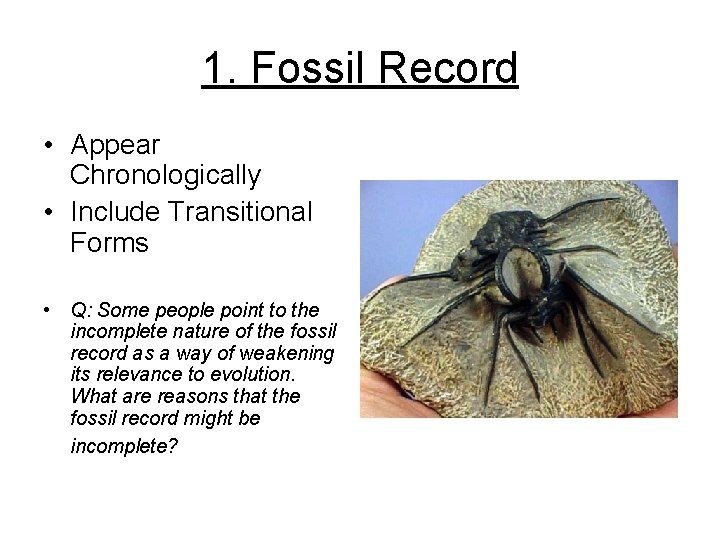
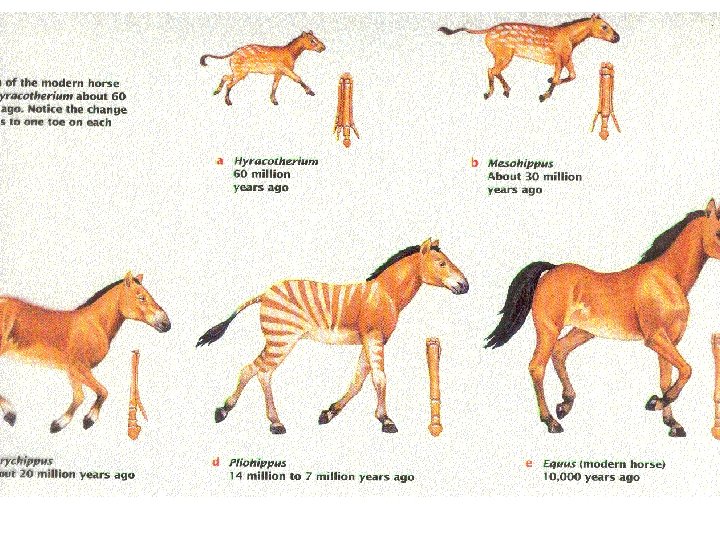
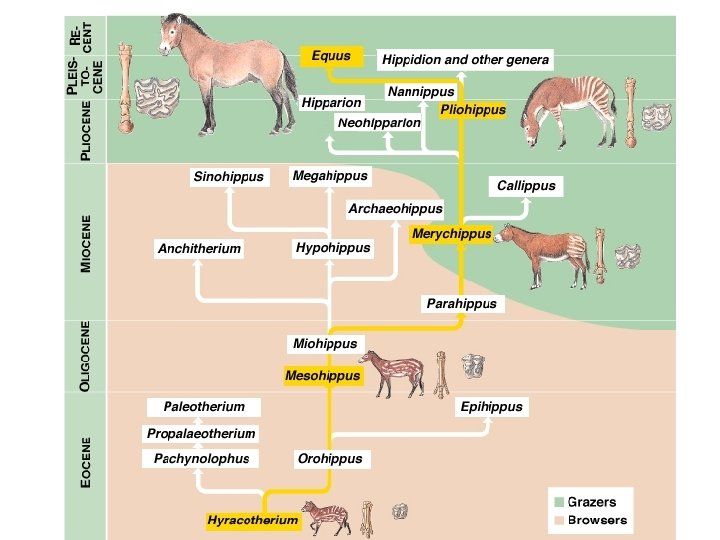
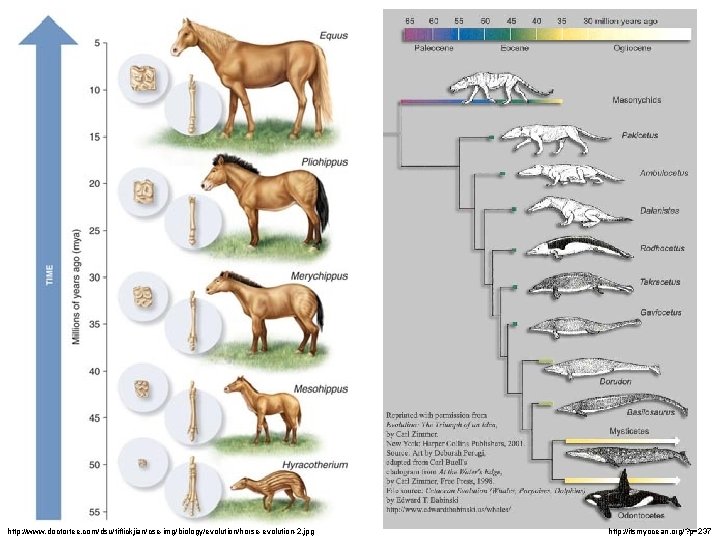
1. Fossil Record • Appear Chronologically • Include Transitional Forms • Q: Some people point to the incomplete nature of the fossil record as a way of weakening its relevance to evolution. What are reasons that the fossil record might be incomplete?
http: //www. doctortee. com/dsu/tiftickjian/cse-img/biology/evolution/horse-evolution-2. jpg http: //itsmyocean. org/? p=237
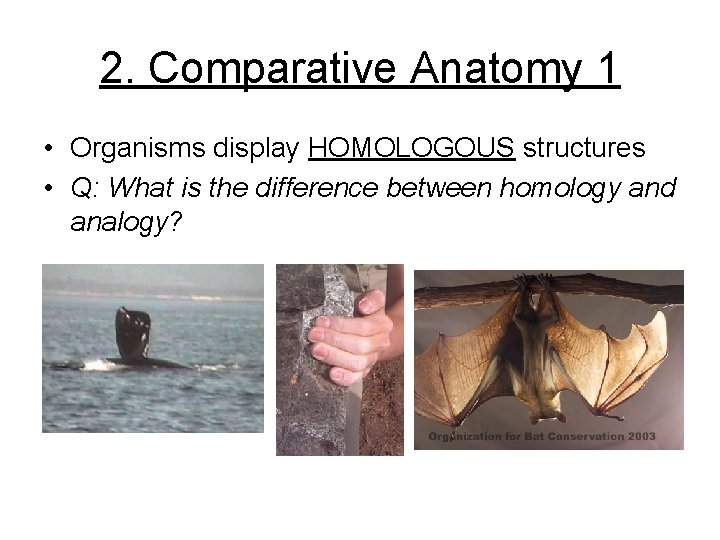
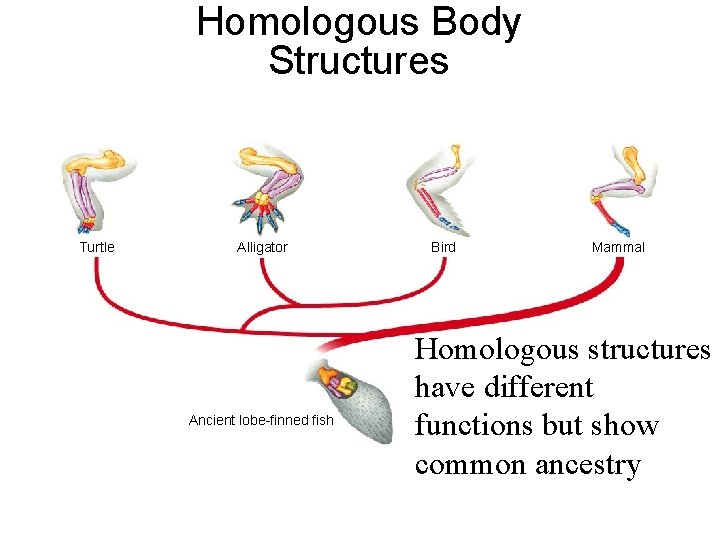
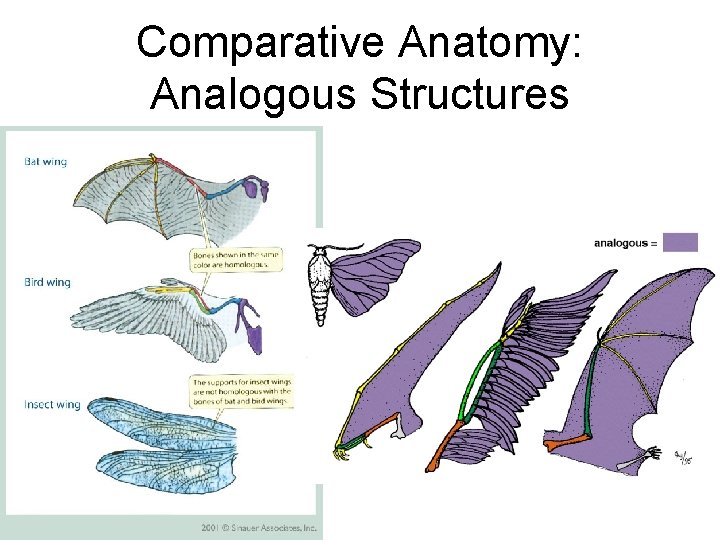
2. Comparative Anatomy 1 • Organisms display HOMOLOGOUS structures • Q: What is the difference between homology and analogy?
Section 15 -3 Turtle Homologous Body Structures Alligator Ancient lobe-finned fish Bird Mammal Homologous structures have different functions but show common ancestry
Comparative Anatomy: Analogous Structures
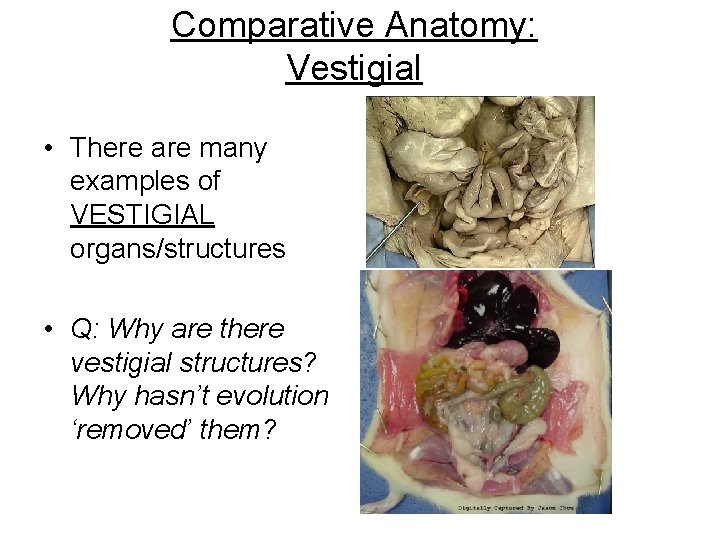
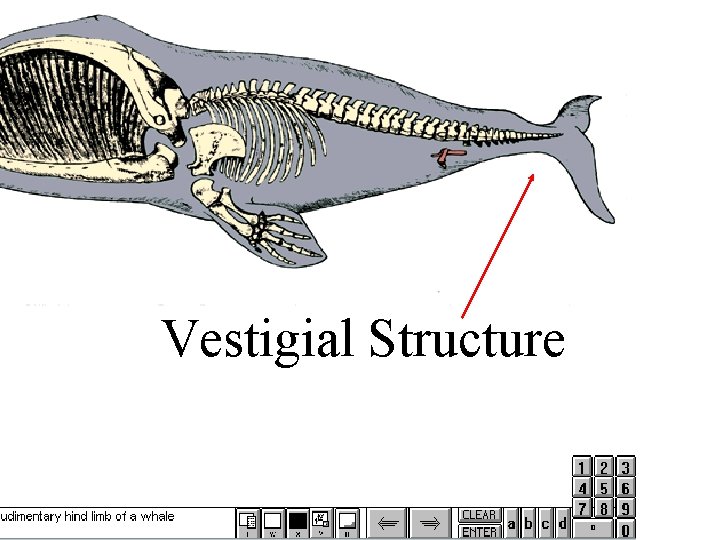
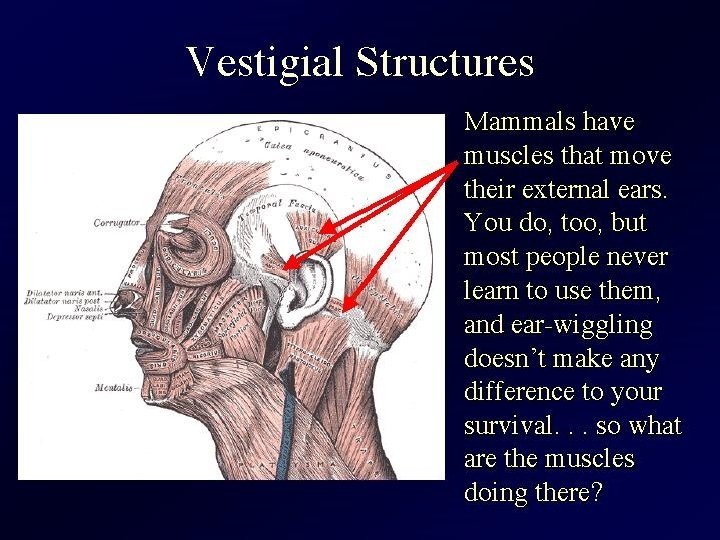
Comparative Anatomy: Vestigial • There are many examples of VESTIGIAL organs/structures • Q: Why are there vestigial structures? Why hasn’t evolution ‘removed’ them?
Vestigial Structure
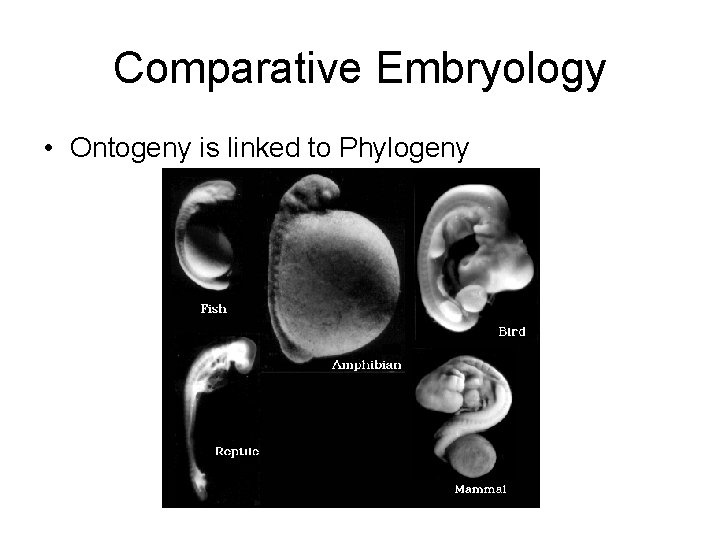
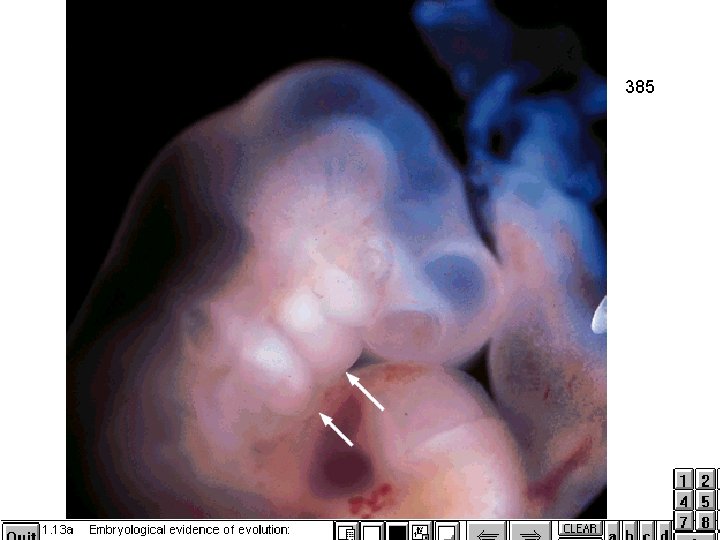
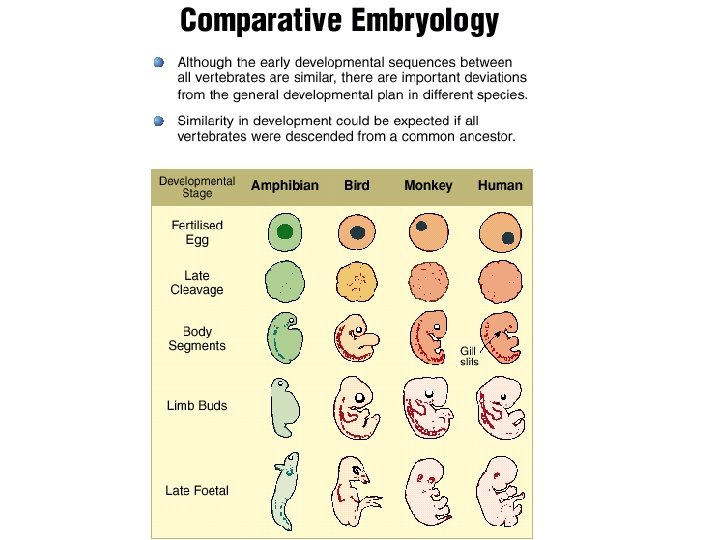
Comparative Embryology • Ontogeny is linked to Phylogeny
385
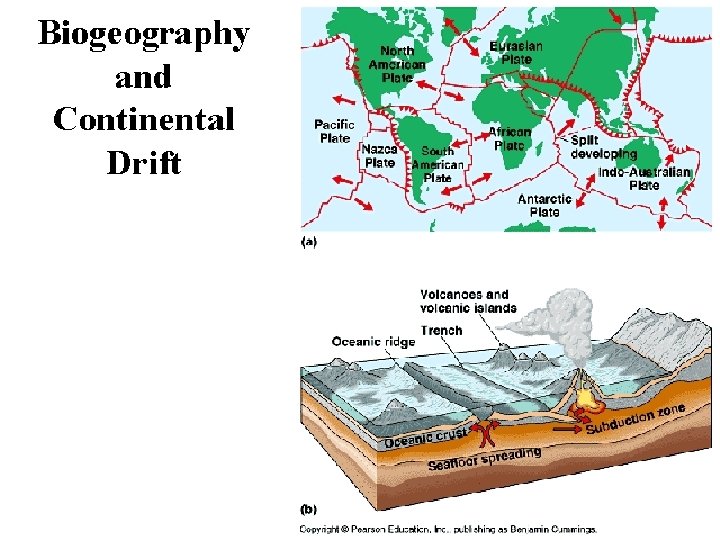
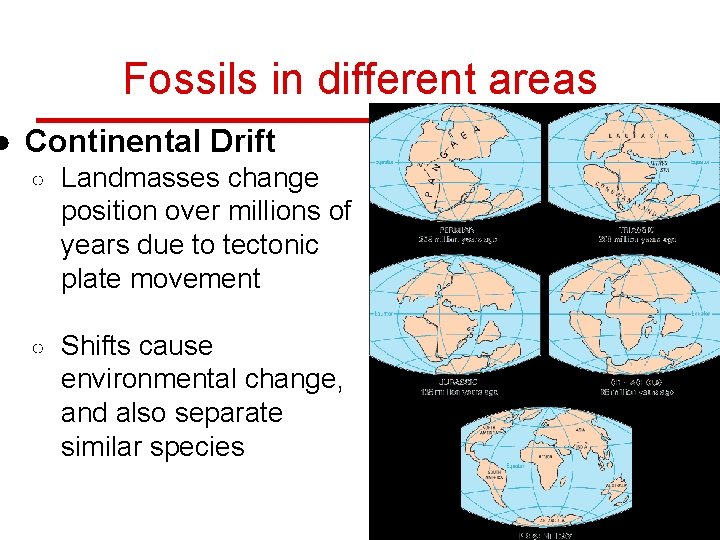
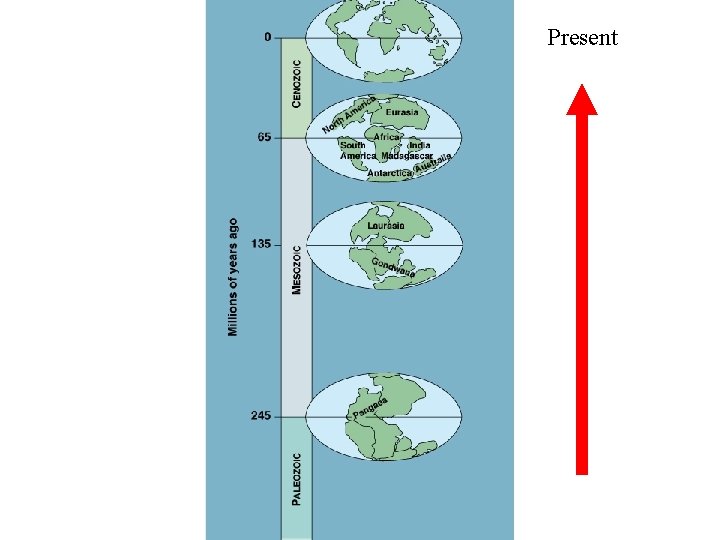
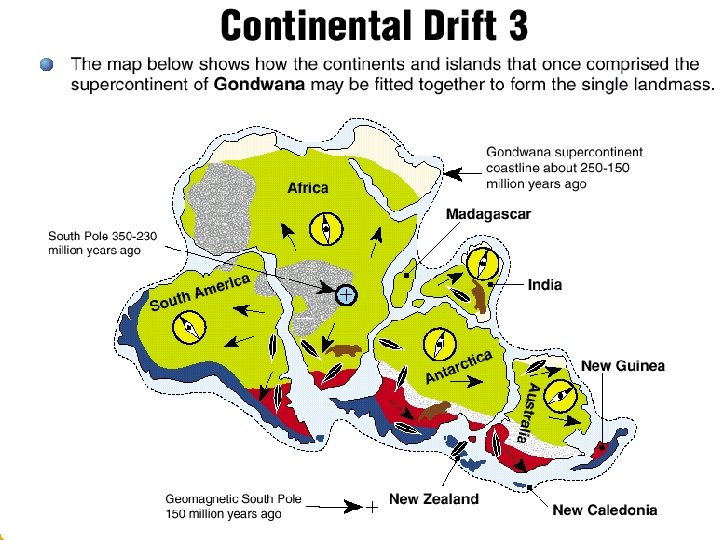
Fossils in different areas ● Continental Drift ○ Landmasses change position over millions of years due to tectonic plate movement ○ Shifts cause environmental change, and also separate similar species
Present
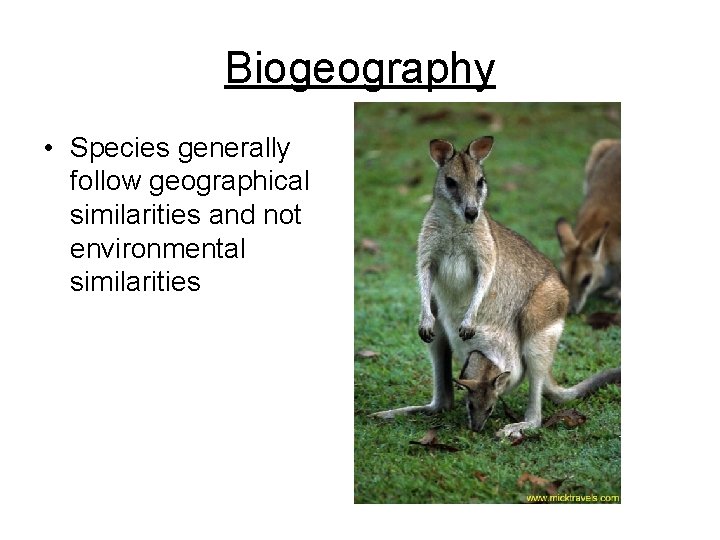
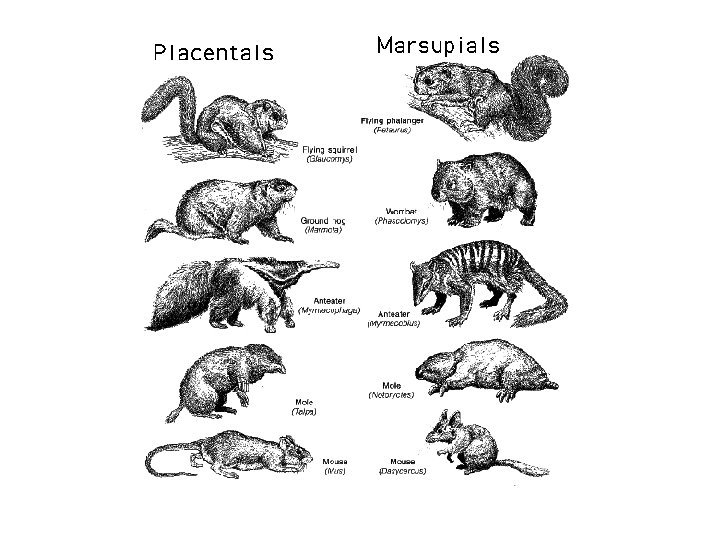
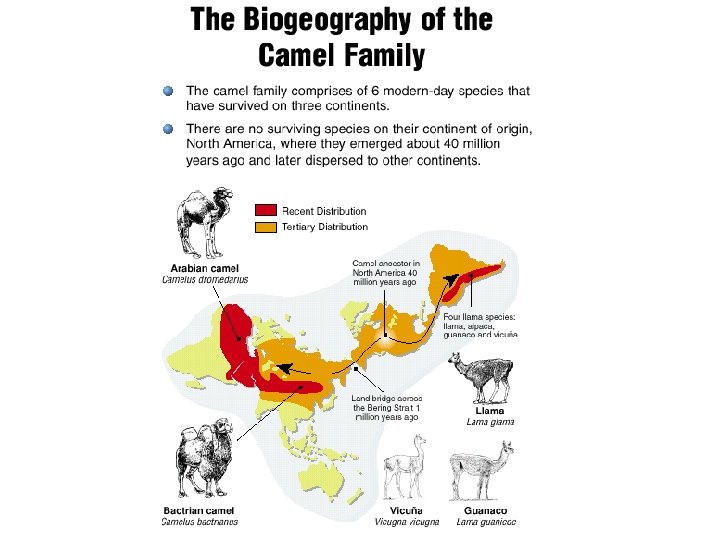
Biogeography • Species generally follow geographical similarities and not environmental similarities
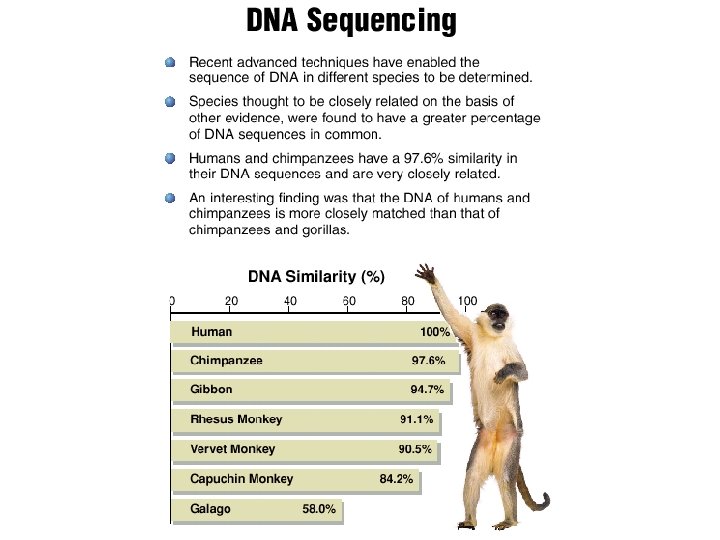
DNA “Molecular Biology” • A common genetic code • ]
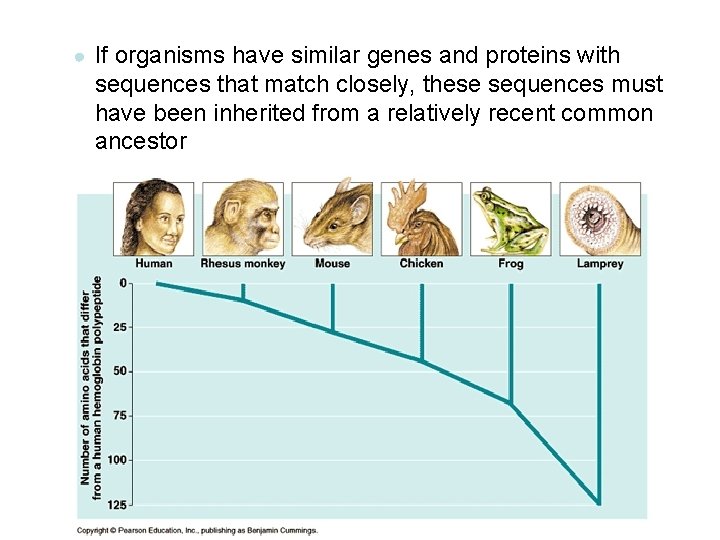
● If organisms have similar genes and proteins with sequences that match closely, these sequences must have been inherited from a relatively recent common ancestor
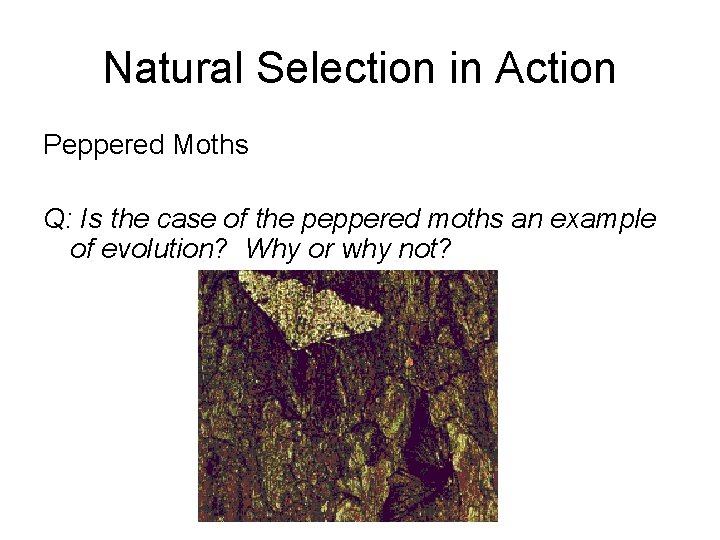
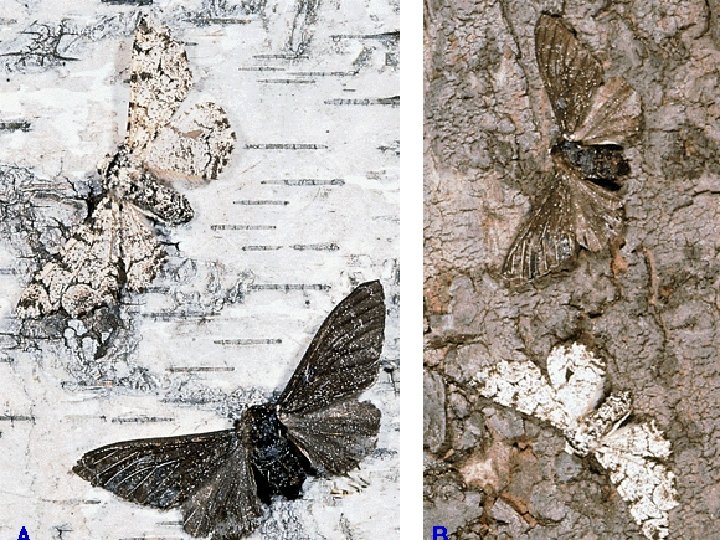
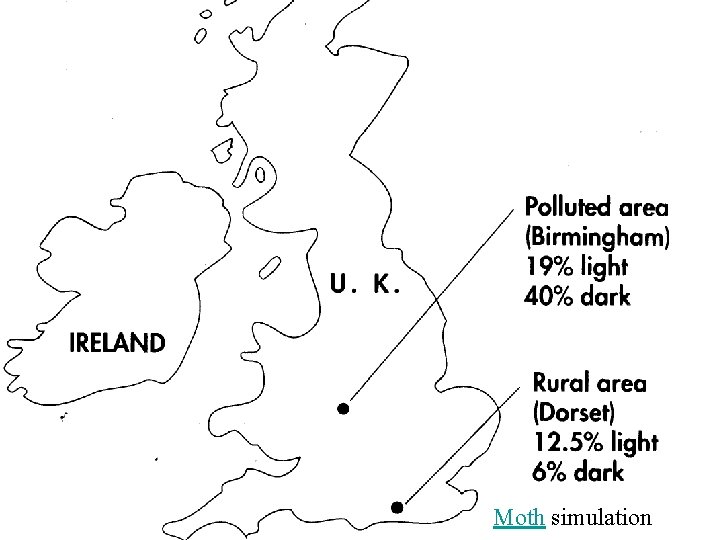
Natural Selection in Action Peppered Moths Q: Is the case of the peppered moths an example of evolution? Why or why not?
Moth simulation
Writing exercise • When people are prescribed antibiotics (bacteria-killing drugs) to cure a bacterial infection, the prescription always says to take the antibiotics for about 10 days, even if the symptoms disappear right away. 1) Explain why, in terms of natural selection, it’s important to take the antibiotics for the entire 10 days. 2) Explain what would happen if someone repeatedly used antibiotics incorrectly. (only for two or three days each time) – Discuss the implications for both the individual and all other species involved.
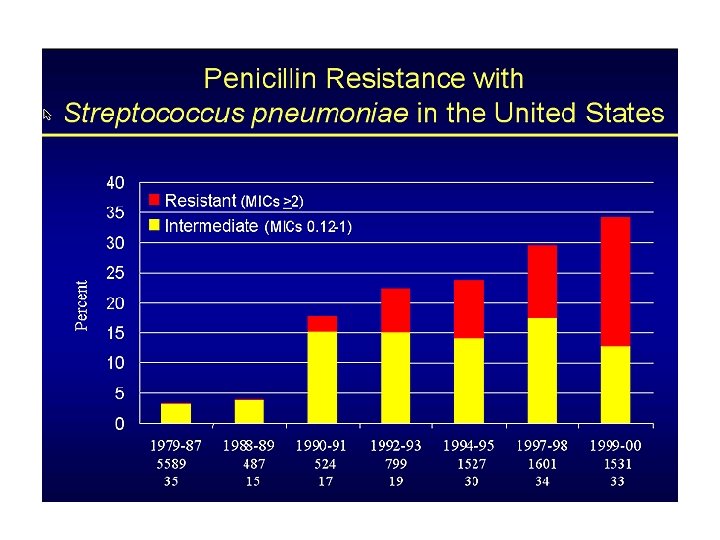
Something to think about • What is bacterial antibiotic resistance? • How does it relate to natural selection and evolution? • Be able to use this stuff! Really!