
THE EUKARYOTES Eukaryotes Generally larger than prokaryotic cells

- Slides: 16
THE EUKARYOTES
Eukaryotes Generally larger than prokaryotic cells Contains a nucleus and other organelles bound by a membrane
Eukaryotes The mitochondria and chloroplast: � In terms of cellular organelles, what makes the mitochondria and chloroplast unique?
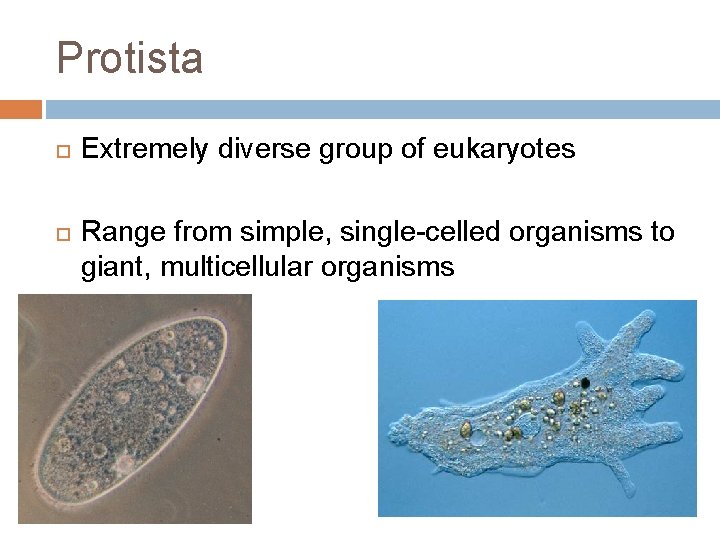
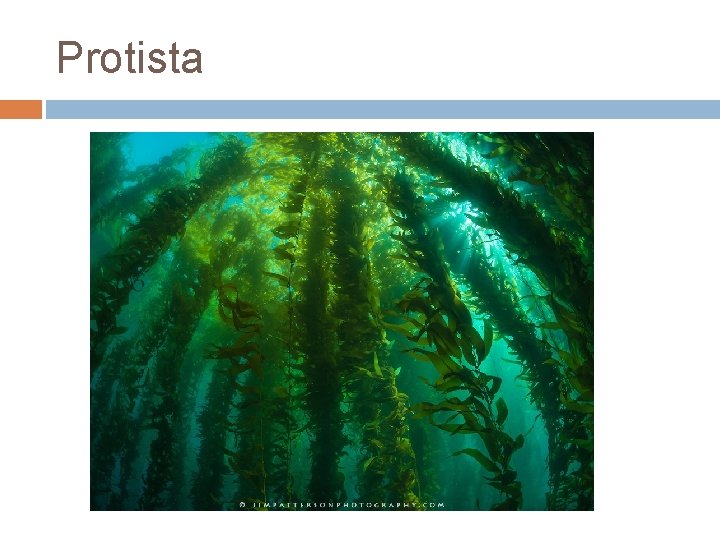
Protista Extremely diverse group of eukaryotes Range from simple, single-celled organisms to giant, multicellular organisms
Protista
Protists Mainly aquatic organisms � Some are autotrophs � Others are heterotrophs Many are symbiotic organisms � Know examples!
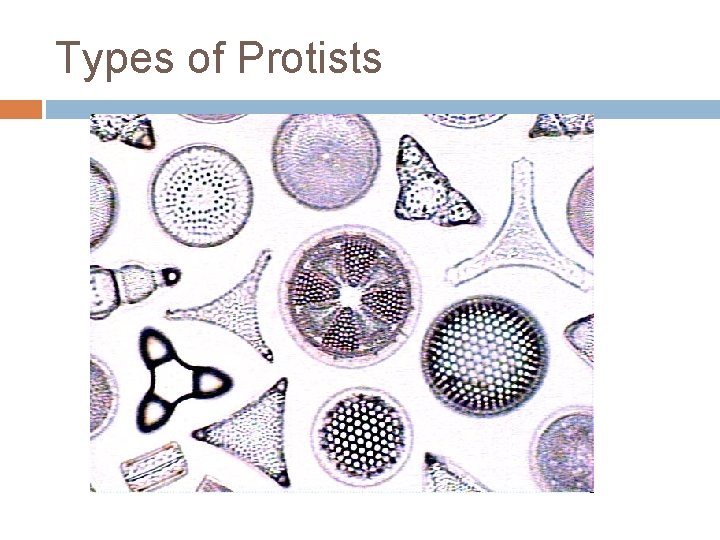
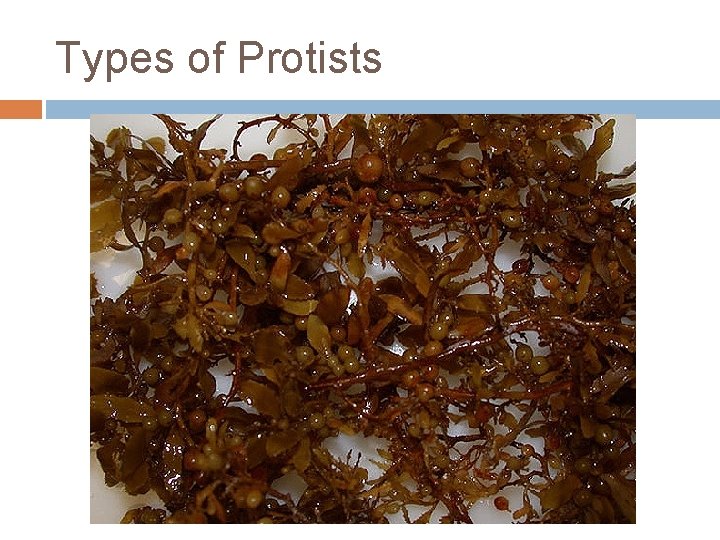
Types of Protists Autotrophs: Undergo photosynthesis similar to plants � Algae (Red, Green, or Brown) � Diatoms: Single-cellular
Types of Protists
Types of Protists
Types of Protists Heterotrophs � Ciliates: � Flagellates � Amoebas: Move by deforming cell
Types of Protists Heterotrophs � Apicomplexa: All Unicellular parasitize animals Examples:
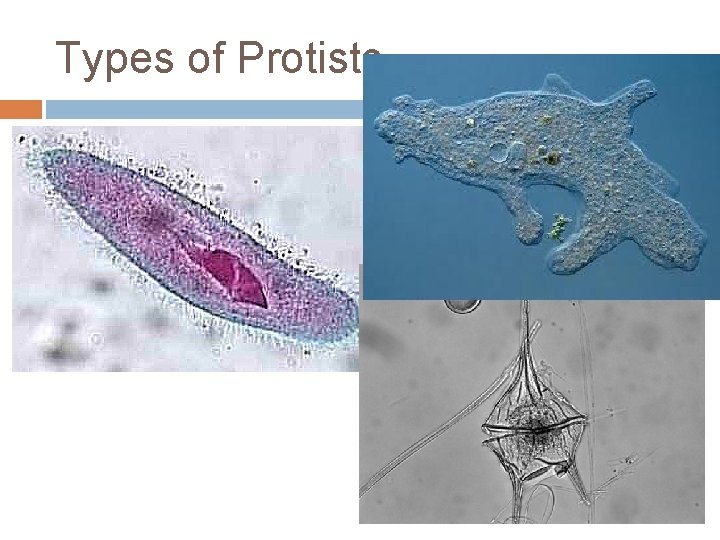
Types of Protists
Protist life cycles Simple unicellular organisms � Describe the process by which these organisms undergo reproduction and a process that results in increased genetic diversity.
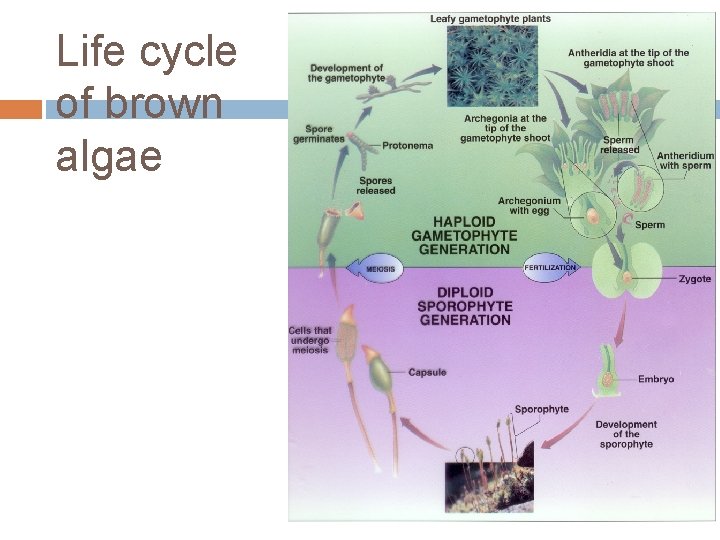
Protist life cycles Multicellular organisms and parasitic organisms � Usually have more complex life cycles � Alternation of generation
Life cycle of brown algae
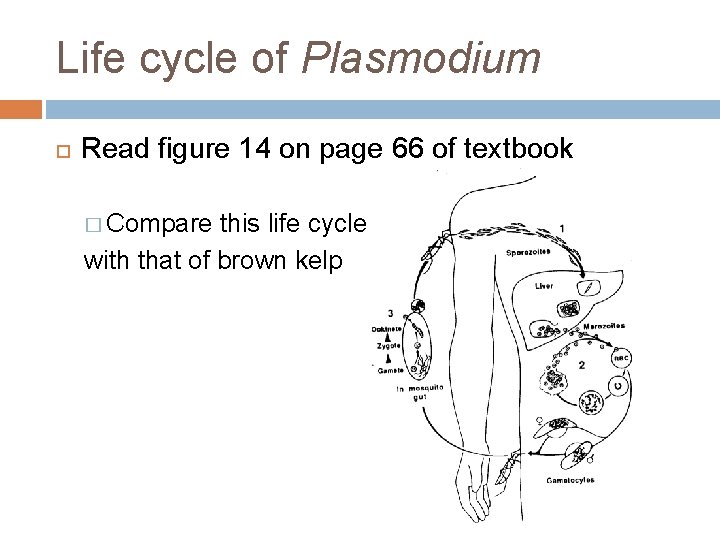
Life cycle of Plasmodium Read figure 14 on page 66 of textbook � Compare this life cycle with that of brown kelp