
The Endocrine System The Endocrine System https www
- Slides: 28
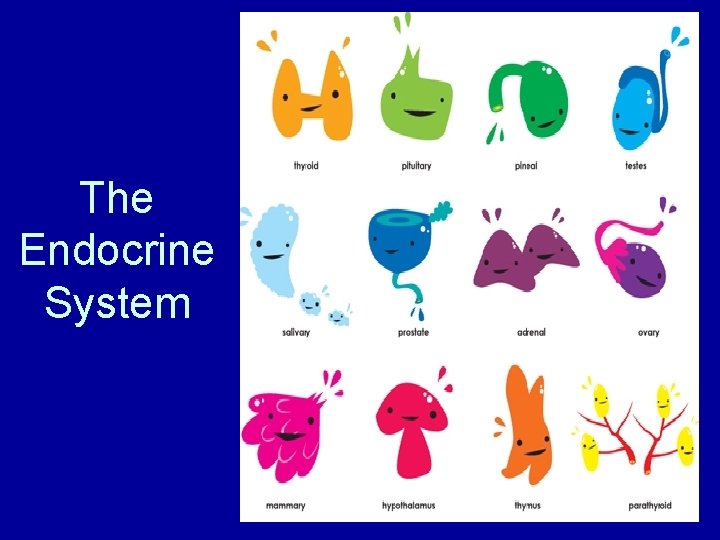
The Endocrine System
The Endocrine System • https: //www. youtube. com/watch? v=t. N 78 h Yn 3 ehc&feature=youtu. be • 5: 07
The Endocrine System • A system containing many glands that secrete hormones that send messages in order to maintain homeostasis • A group of glands that work together with the nervous system to coordinate all body functions.
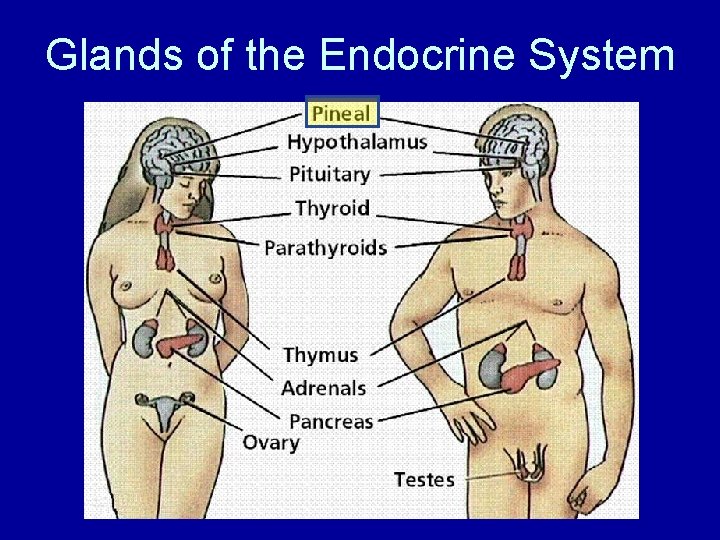
Glands of the Endocrine System
An Overview of the functions of the Endocrine Glands
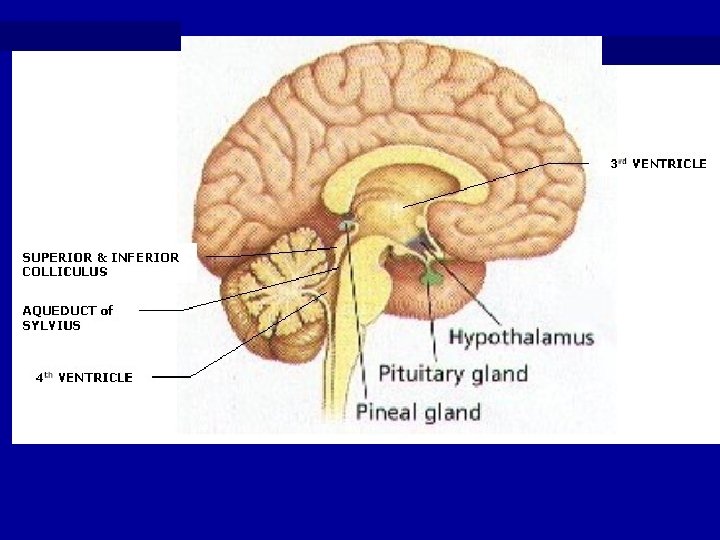
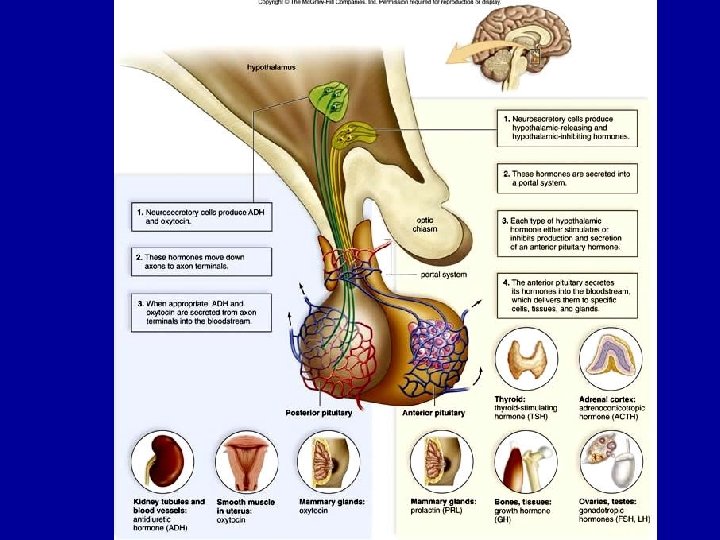
• Pituitary Gland – the master gland. Called this b/c it controls all other endocrine glands and b/c it produces the highest number of different hormones compared to all other endocrine glands. • Hypothalamus – senses the hormone levels in the blood, then tells the pituitary what to do with either hormones it produces or by direct nerve stimulation.
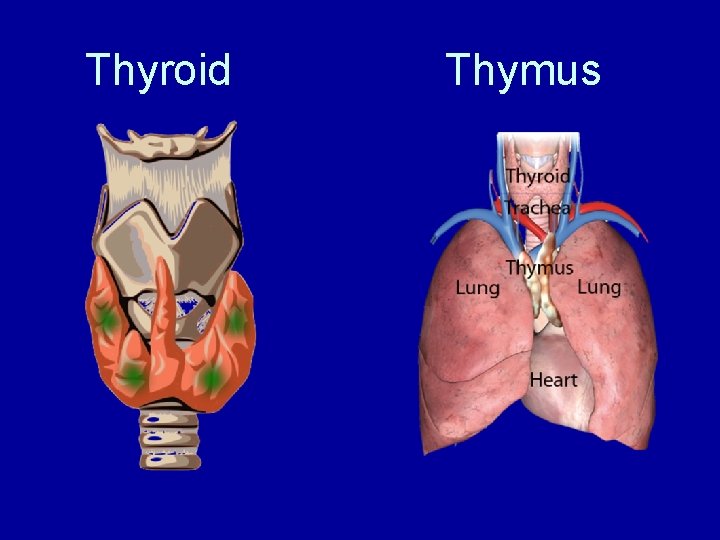
• Pineal Gland – produces a hormone (melatonin) that helps you go to sleep. • Thyroid Gland – produces hormones that influence metabolic rate, decrease blood calcium and increase bone calcium levels. • Parathyroid Glands – produces a hormone that increases blood and decreases bone calcium levels. • Thymus Gland – produces a hormone that stimulates the immune response in children.
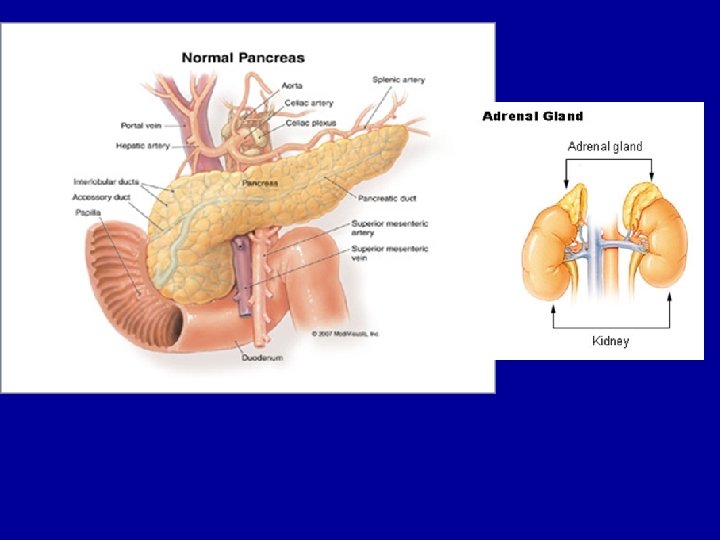
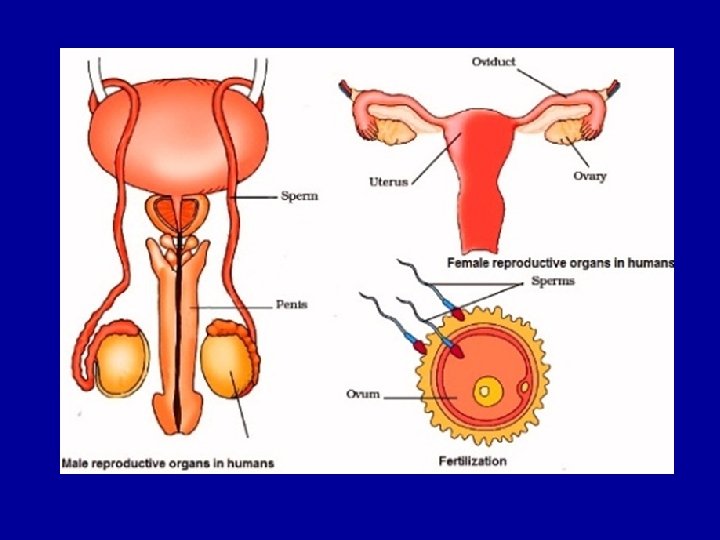
• Adrenal Glands – produces hormones help prepare the body for stress and control blood pressure. • Pancreas – produces hormones that control BSL (blood sugar level). • Ovaries – produces hormones that control female characteristics and menstrual cycle. • Testes – produces a hormone that control male characteristics and sperm production.
Thyroid Thymus
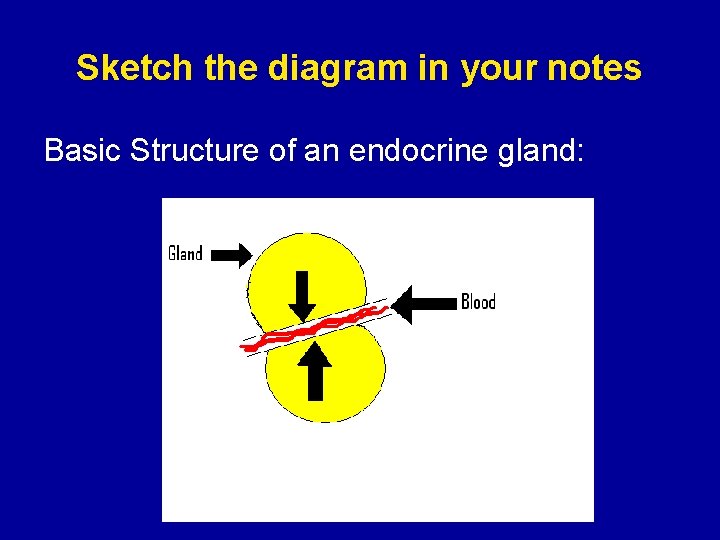
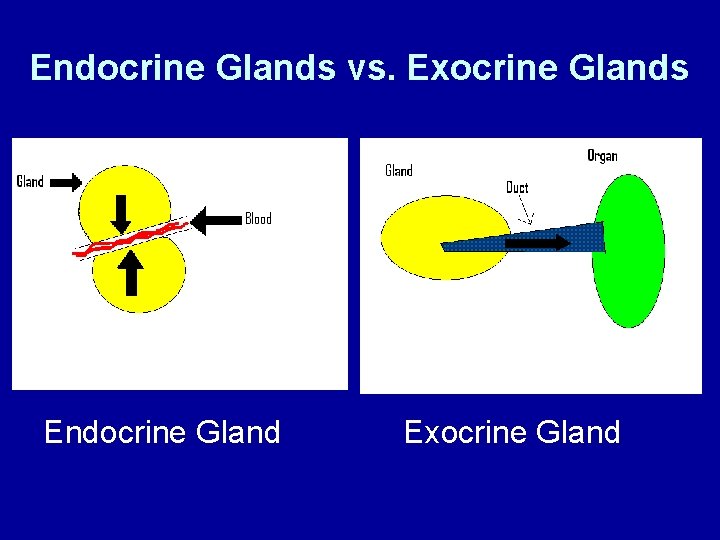
The Endocrine System Endocrine gland: • a group of cells organized into a ductless gland (no tubes) that secretes molecular messengers (hormones) directly into the bloodstream. Examples: pituitary, adrenal and thyroid
Sketch the diagram in your notes Basic Structure of an endocrine gland:
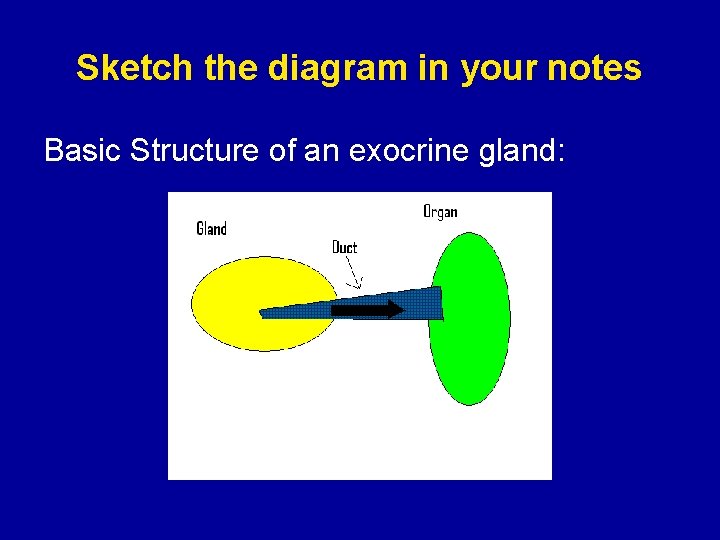
Exocrine gland: • a gland that dumps molecules (ex. enzymes or tears - not hormones) into ducts that generally lead out of the body or into another organ. It is a ducted gland (has tubes). Exocrine glands are NOT part of the endocrine system Examples: salivary, milk, and sweat glands
Sketch the diagram in your notes Basic Structure of an exocrine gland:
Endocrine Glands vs. Exocrine Glands Endocrine Gland Exocrine Gland
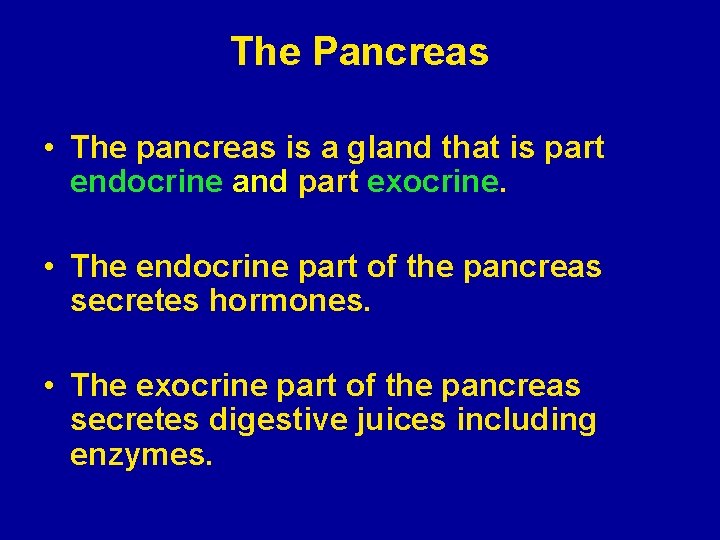
The Pancreas • The pancreas is a gland that is part endocrine and part exocrine. • The endocrine part of the pancreas secretes hormones. • The exocrine part of the pancreas secretes digestive juices including enzymes.
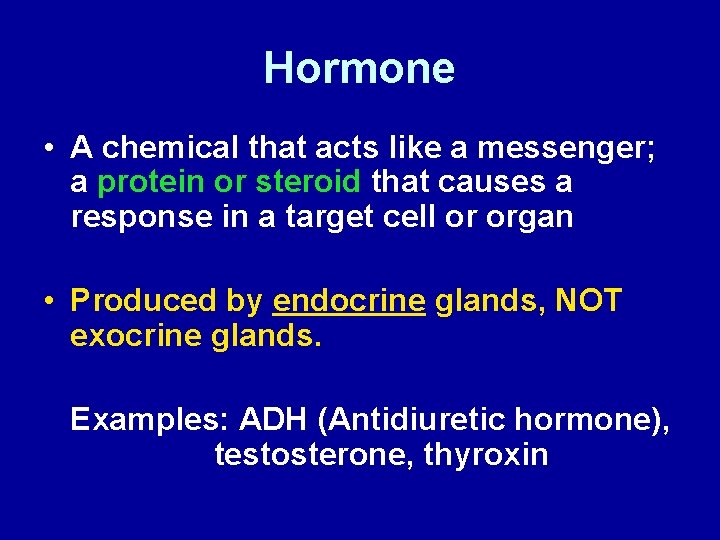
Hormone • A chemical that acts like a messenger; a protein or steroid that causes a response in a target cell or organ • Produced by endocrine glands, NOT exocrine glands. Examples: ADH (Antidiuretic hormone), testosterone, thyroxin
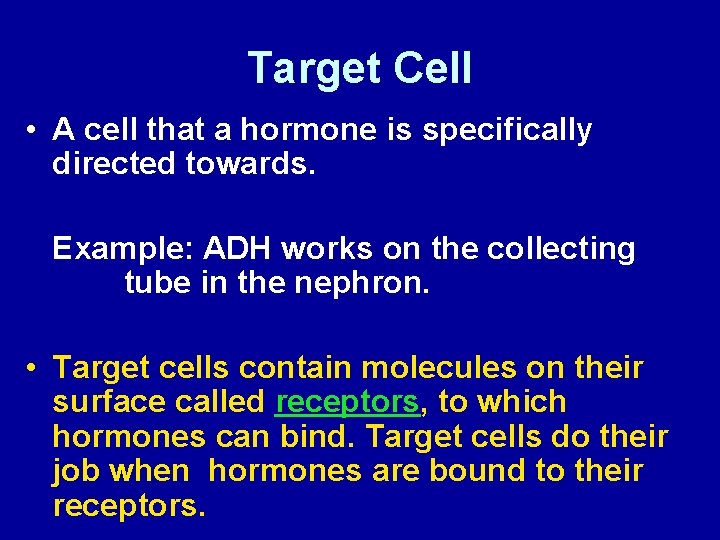
Target Cell • A cell that a hormone is specifically directed towards. Example: ADH works on the collecting tube in the nephron. • Target cells contain molecules on their surface called receptors, to which hormones can bind. Target cells do their job when hormones are bound to their receptors.
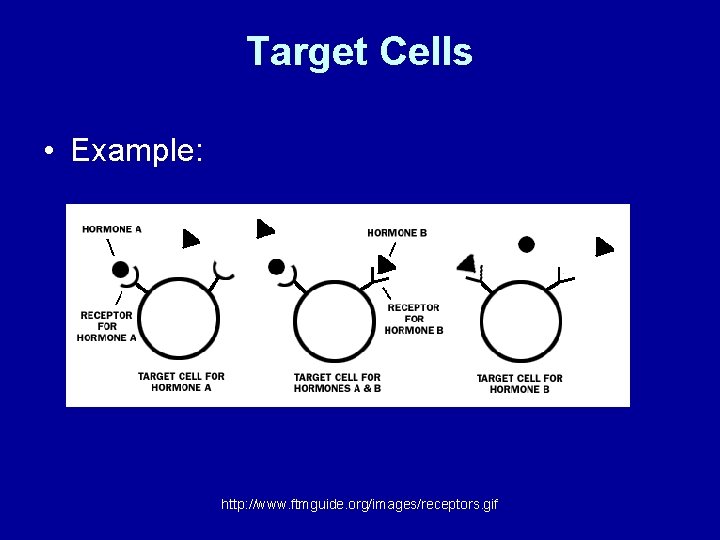
Target Cells • In order for a hormone to cause a response, its’ shape must match the shape of its’ target cell’s receptors. • If the hormone and the cell’s receptors do not match, the cell will not be affected and no response by the cell will occur. • It’s like the lock and key model
Target Cells • Example: http: //www. ftmguide. org/images/receptors. gif
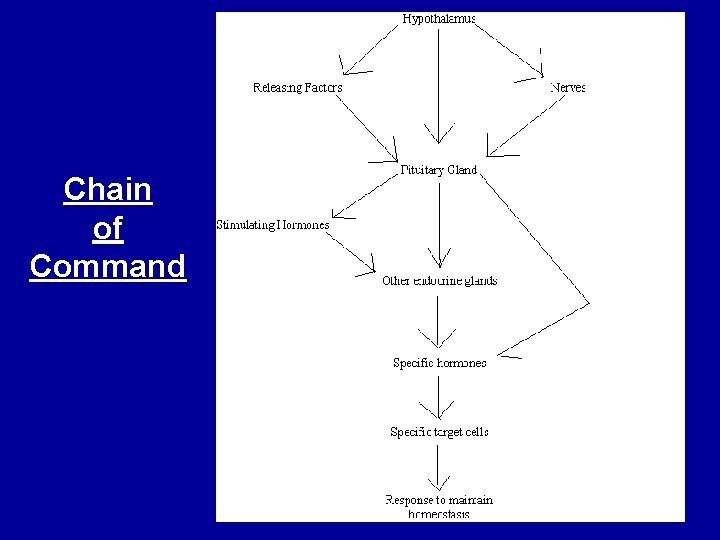
Master Gland • The hypothalamus and pituitary gland in the brain both work together to control all secretions by all endocrine glands. • The pituitary is called the “MASTER GLAND” because it is near the top of the chain of command, telling other glands what to do, and because it produces a large number of different hormones • The endocrine glands are essential in helping the body to maintain Homeostasis.
Chain of Command
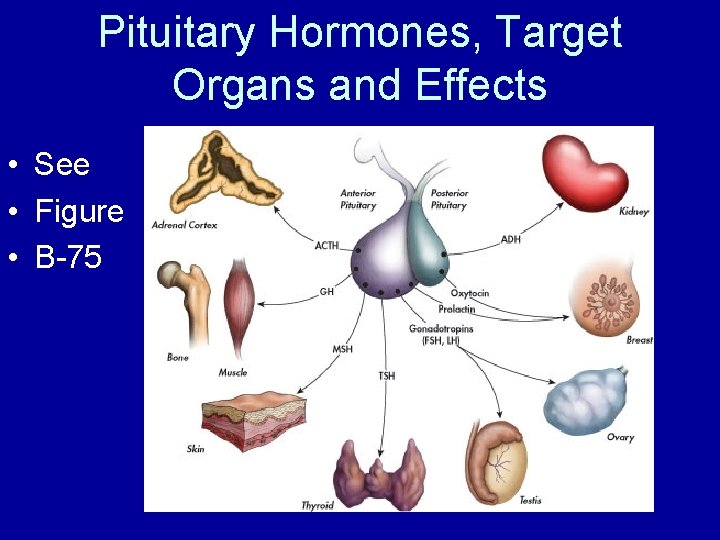
Pituitary Hormones, Target Organs and Effects • See • Figure • B-75
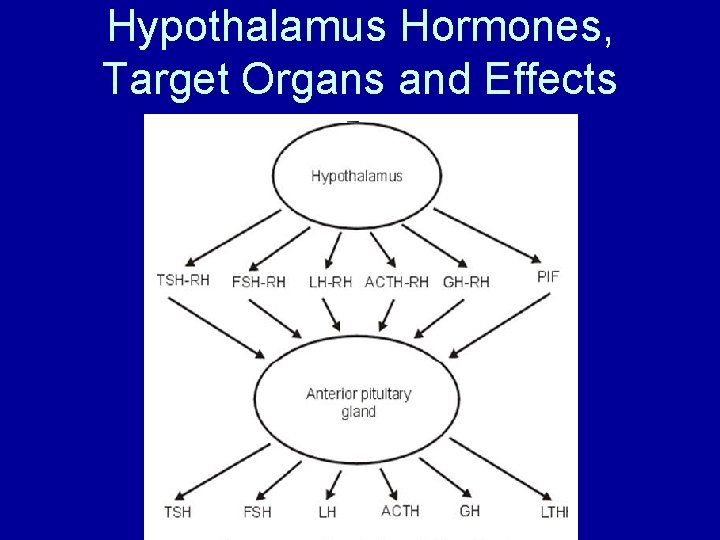
Hypothalamus Hormones, Target Organs and Effects
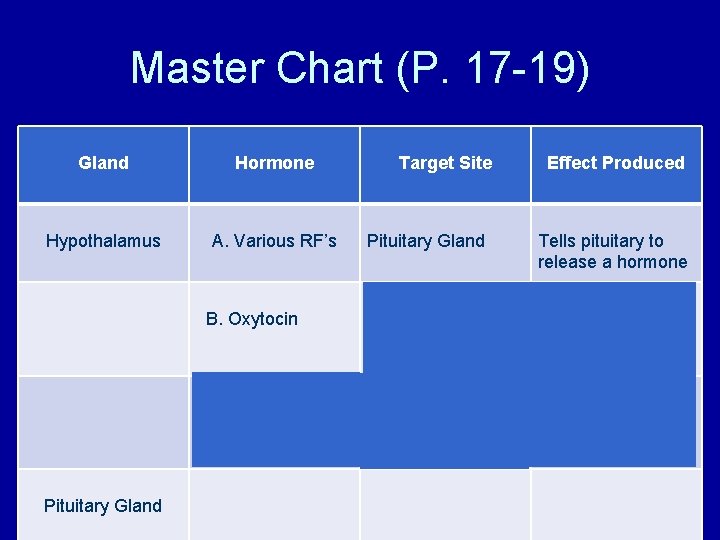
Master Chart (P. 17 -19) Gland Hormone Hypothalamus A. Various RF’s Target Site Pituitary Gland Tells pituitary to release a hormone 1. Uterus Tells it to contract (child birth) Tells them to secrete milk B. Oxytocin 2. Breasts C. ADH Pituitary Gland Effect Produced PCT, DCT and CT of the nephron in the kidney Tells water to go back to blood (increases reabsorption)