
The Endocrine System Chapter 46 Hormones Chemical Messengers
- Slides: 29
The Endocrine System Chapter 46
Hormones • Chemical Messengers • Released by “endocrine glands” – Some organs release hormones as well • The liver • The Kidney – Some Neurons release Neurohormones • Pheremones are also hormones
Regulation of Hormones • Most regulated by the Nervous system • Some exceptions – Insulin from the pancreas – Aldosterone from the Adrenal Cortex
Types of Chemical Messengers • Endocrine – Hormones relased into blood • Paracrine – Released within organ • GFs • NO • Prostaglandins – Muscle Contraction – Inflamation » Aspirin- cox 1 vs cox 2 • Neural • Special case- Exocrine
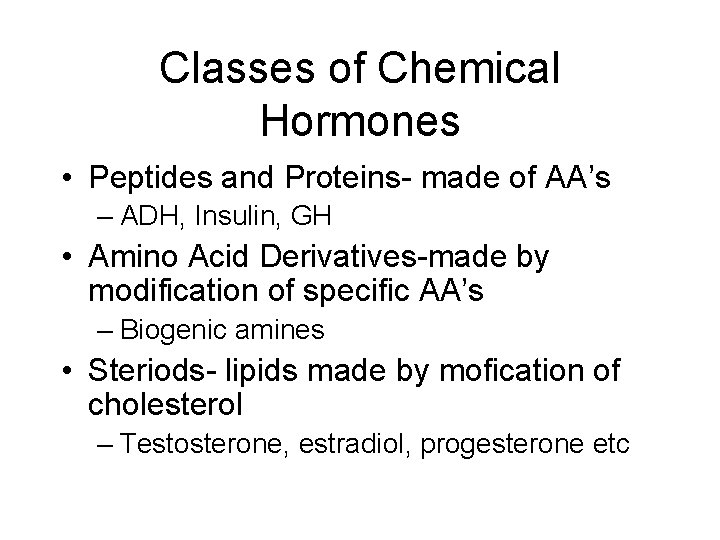
Classes of Chemical Hormones • Peptides and Proteins- made of AA’s – ADH, Insulin, GH • Amino Acid Derivatives-made by modification of specific AA’s – Biogenic amines • Steriods- lipids made by mofication of cholesterol – Testosterone, estradiol, progesterone etc
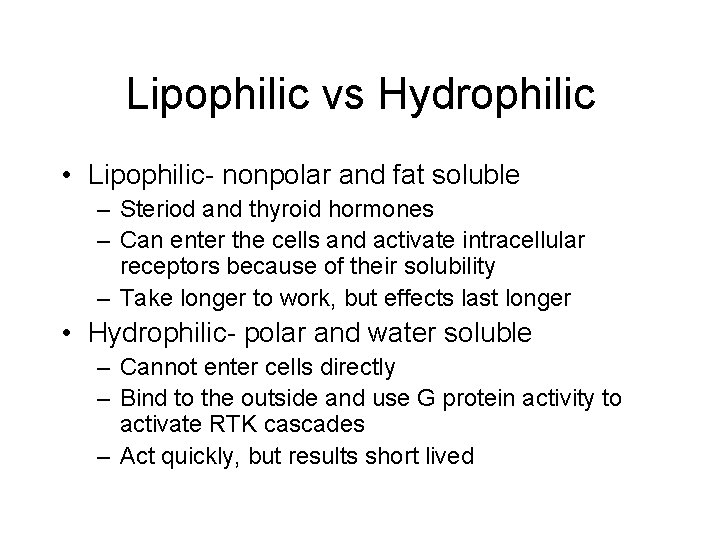
Lipophilic vs Hydrophilic • Lipophilic- nonpolar and fat soluble – Steriod and thyroid hormones – Can enter the cells and activate intracellular receptors because of their solubility – Take longer to work, but effects last longer • Hydrophilic- polar and water soluble – Cannot enter cells directly – Bind to the outside and use G protein activity to activate RTK cascades – Act quickly, but results short lived
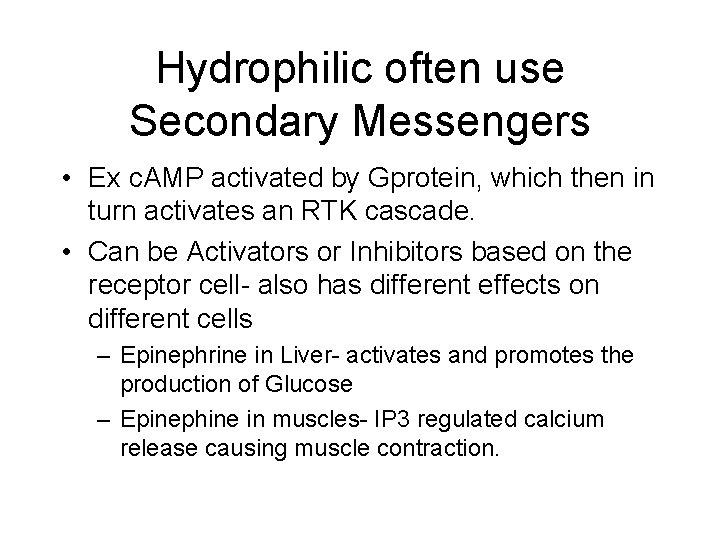
Hydrophilic often use Secondary Messengers • Ex c. AMP activated by Gprotein, which then in turn activates an RTK cascade. • Can be Activators or Inhibitors based on the receptor cell- also has different effects on different cells – Epinephrine in Liver- activates and promotes the production of Glucose – Epinephine in muscles- IP 3 regulated calcium release causing muscle contraction.
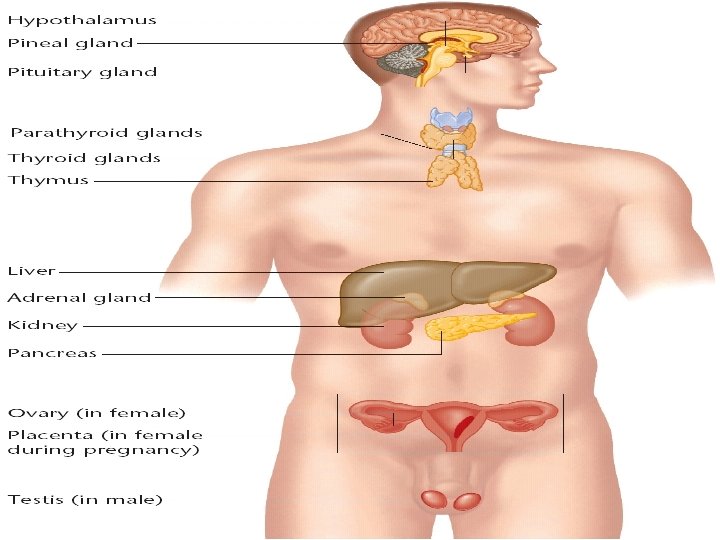
Parts of the Endocrine System • http: //scienceblogs. com/clock/upload/20 06/06/endocrine%20 system. jpg
Pituitary- Street Name Hypophysis • Anterior Pituitary aka Adenohypophysis • Posterior Pituitary aka Neruophpophsis
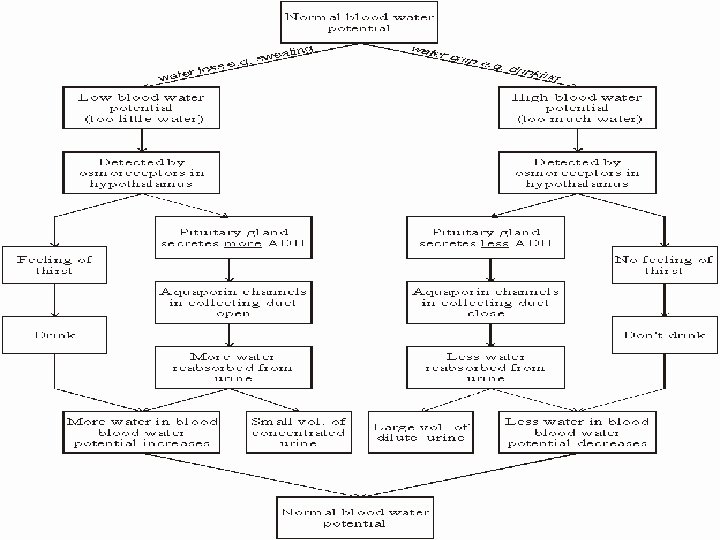
Neurophpophysis (Posterior) • Contains axons that originate in the hypothalamus • Antidiuretic Hormone- Stimulates water reabsorption by the kidneys • Oxytocin- stimulates milk ejection and uterus contraction • Actually Neruoendocrine because hormones are made in the hypothalamus and stured in the PP.
• http: //www. mrothery. co. uk/module 4/web notes/Image 15. gif
Adenohypophysis ( Anterior) • Not part of the nervous system! • Releases many tropic hormones 1. Adrenocorticotropic Hormone(ACTH) stimulate the adrenal cortex to produce cortisol- regulates glucose 2. Melanocyte Stimulating Hormone (MSH) - stimulates the dispersion of melanin pigment
AP hormones continued 3. Growth Hormone- stimulates growth and metabolic regulation 4. Prolactive- Milk production 5. Thyroid-stimulating hormone(TSH)stimulates release of thyroxine which regulates development and metabolism 6. Luteinizing hormone(LH) stimulates production of estrogen and progesterone in the ovaries, as well as testosterone in the testis.
AP Hormones Continued 7. Follicle-stimulating hormone (FSH)Required for development of ovarian follicles in females, and sperm in males -FSH and LH are gonadotropins
Hypothalmic Neurohomes regulate the Anterior Pituitary • Releasers- signal the release of different hormones from the adenohypophesis ex TRH • Inhibitors- Inhibits the release of adenohypophesis hormones ex GHIH • Why doesn’t the neurohypophysis need to be regulated by hormones from the Hypothalamus?
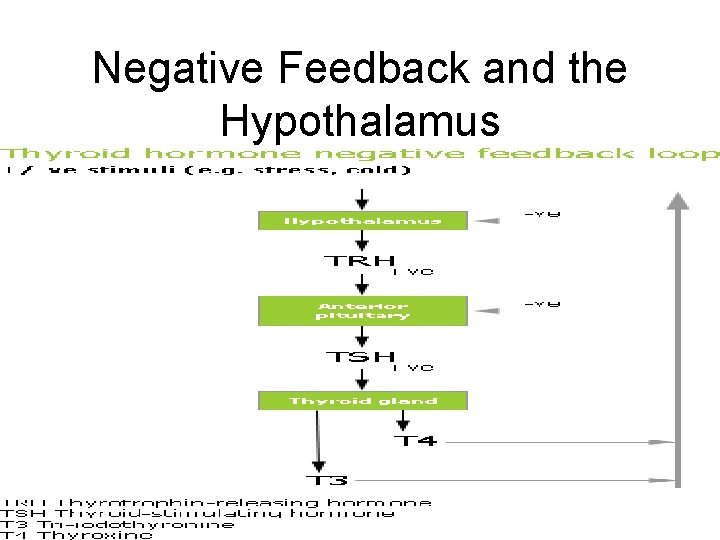
Negative Feedback and the Hypothalamus • http: //ec. europa. eu/environment/endocri ne/library/images/graph/negative_feedb ack. gif
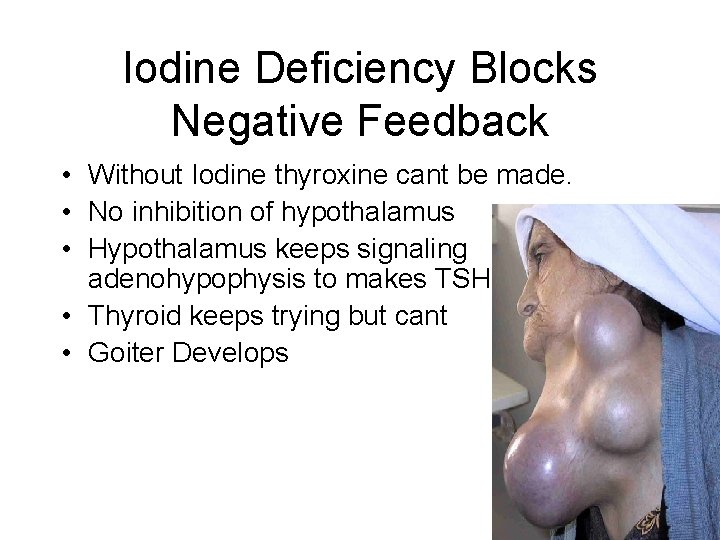
Iodine Deficiency Blocks Negative Feedback • Without Iodine thyroxine cant be made. • No inhibition of hypothalamus • Hypothalamus keeps signaling adenohypophysis to makes TSH • Thyroid keeps trying but cant • Goiter Develops
Positive Feedback and the Hypothalamus • Ovulation – Increased Estrogen – Surge of LH – Egg Released – Stops when the ovarian follicle is destroyed by the LH surge
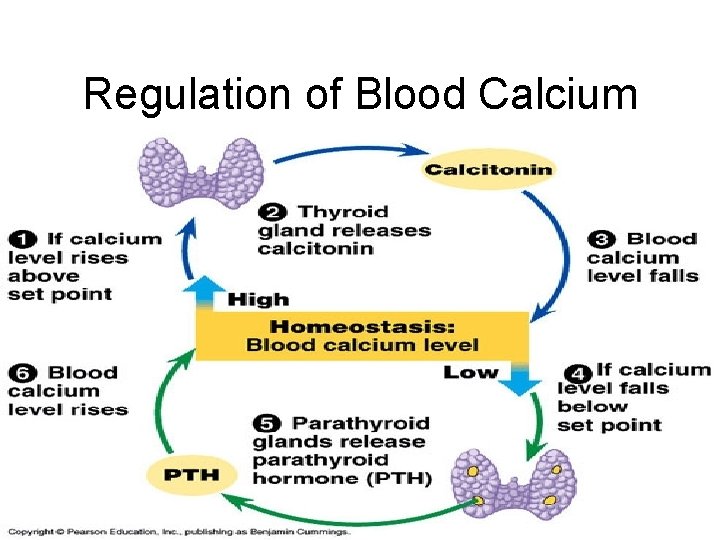
Thyroid Gland • Thyroxine and Triiodothyroninestimulates metabolic rate and essential to normal growth and development – Constant in humans cycles in reptiles amphibians and fish • Higher during times of metamorphisis • Calcitonin-maintains proper levels of Calcium
Parathyroid • Behind the thyroid • Releases Parathyriod Hormone(PTH)stimulates dissolution of bone and reabsorption of Calcium by the kidneys. Indirectly stimulates intestinal absorbtion of Calcium by activating Vitamin D • Why do we need vitamin D?
Regulation of Blood Calcium
Adrenal Glands • Located abone each kidney • Inner portion is the Adrenal Medulla • Outer Potrion is the Adrenal Cortex
Adrenal Medulla • Receives Nerual Input from the Sympathetic Nervous System • Along with the Autonomic Nervous system will release epinephrine and norepinephine
Adrenal Cortex • Corticosteroids ex cortisol- maintains glucose homeostasis – Regulated by the anterior pituitary • Glucocorticoids- stimulate breakdown of muscle protein into AA’s. Stimulates liver to release enzymes needed to convert AA’s into glucose – Also play a role in immune respones • Aldosterone- regulates mineral balance- stimulates didneys to absorb excess Na+ maintains K+ Na+ balance.
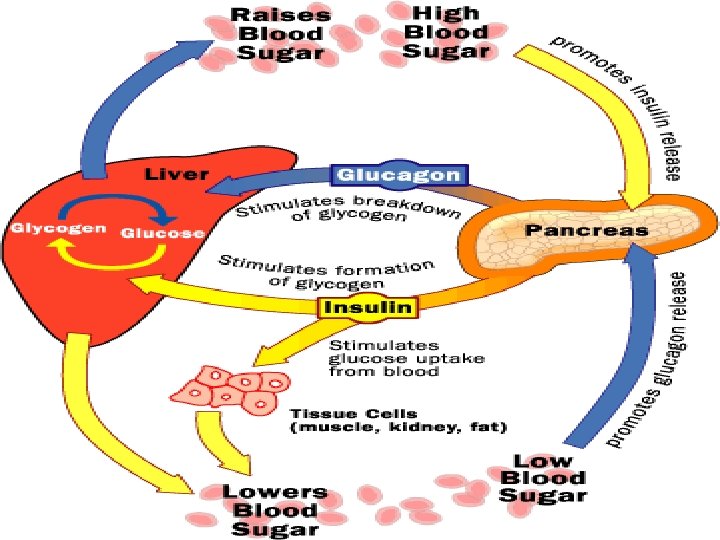
Pancreatic Hormones • Insulin-Lowers blood glucose levels, stimulates glycogen, fat, and protein synthesis • Glucagon- raises blood glucose levels, stimulates the breakdown of glycogen in the liver – Both produced by the islets of Langerhans
• http: //www. geneticsrus. org/DNA/diabete s-glucose-regulation. gif
Sex Steriods • Ovaries – Estradoil- development of female sex characteristics – Progesterone-preparation for pregnancy as well as milk production • Testis – Testosterone- secondary male sex characteristis and spermatogenesis
Pineal Gland • Melatonin- regulates biological rythms
Insect Hormones • Prothoracicotropic Hormone stimulates molting hormone ecdysone. – High levels of Ecdysone cause molting • Juvenile Hormone- high levels prevent metamorphsis