
The Endocrine System Chapter 13 Overview Adrenal Glands
- Slides: 95
The Endocrine System Chapter 13
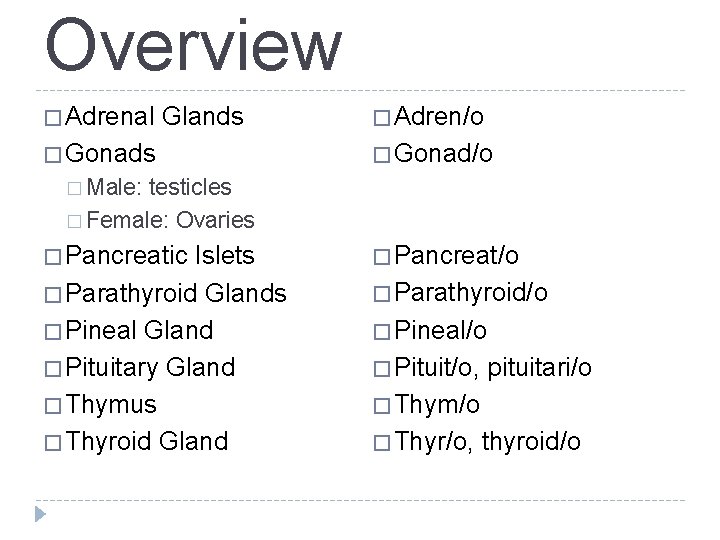
Overview � Adrenal Glands � Gonads � Adren/o � Gonad/o � Male: testicles � Female: Ovaries � Pancreatic Islets � Parathyroid Glands � Pineal Gland � Pituitary Gland � Thymus � Thyroid Gland � Pancreat/o � Parathyroid/o � Pineal/o � Pituit/o, pituitari/o � Thym/o � Thyr/o, thyroid/o
Objectives �Describe the role of the endocrine glands in maintaining homeostasis �Name and describe the functions of the primary hormones secreted by each of the endocrine glands �Recognize, define, spell, and pronounce terms relating to the pathology and the diagnostic and treatment procedures of the endocrine system
Functions of the Endocrine System
�Primary fxn: to produce hormones that work together to maintain homeostasis (a constant internal environment) �Hormones – chemical messenger secreted directly into the blood stream that have specialized functions in regulating the activities of specific cells, organs or both
Structures of the Endocrine System
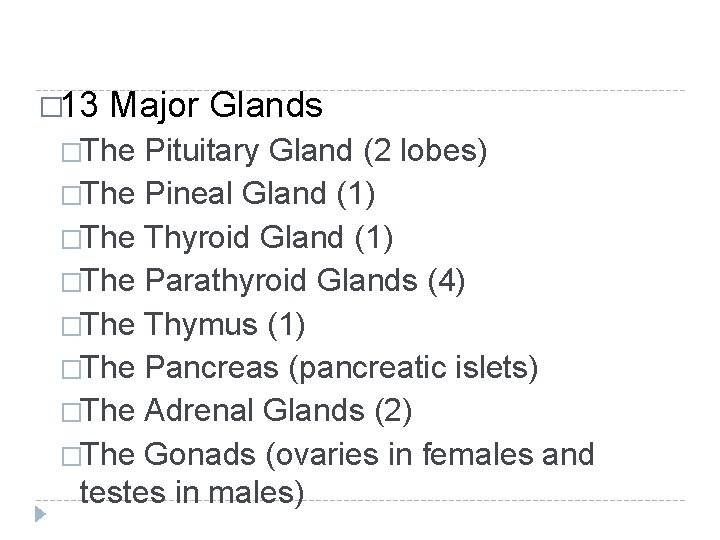
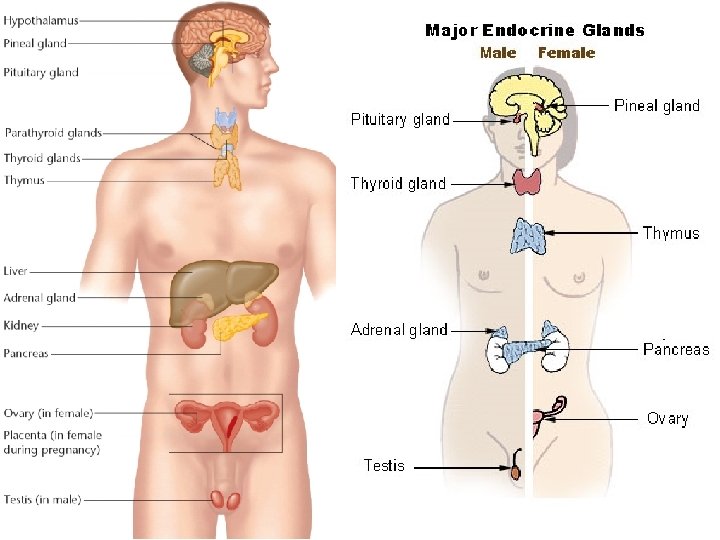
� 13 Major Glands �The Pituitary Gland (2 lobes) �The Pineal Gland (1) �The Thyroid Gland (1) �The Parathyroid Glands (4) �The Thymus (1) �The Pancreas (pancreatic islets) �The Adrenal Glands (2) �The Gonads (ovaries in females and testes in males)
Specialized Types of Hormones � Steroids � Any one of the large number of hormone-like substances secreted by endocrine glands or artificially produced as medicine � Anabolic Steroids – chemically related to the male sex hormone testosterone; often used by athletes to increase strength and muscle mass � Hormones Secreted by Fat Cells � Fat is not a part of the endocrine system, but does secrete at least one hormone, possibly more � Leptin – the hormone; acts to control the balance of food intake and energy expenditure � Neurohormones � Secreted by specialized cells of the brain
Medical Specialties Related to the Endocrine System Endocrinologist – APWSIDAT diseases and malfunctions of the endocrine glands
Pathology of the Endocrine System
�Endocrinopathy – any disease caused by a disorder of the endocrine system �Hypercrinism – a condition due to excessive secretion of any gland, especially an endocrine gland �Hypocrinism – a condition caused by deficient secretion of any gland, especially an endocrine
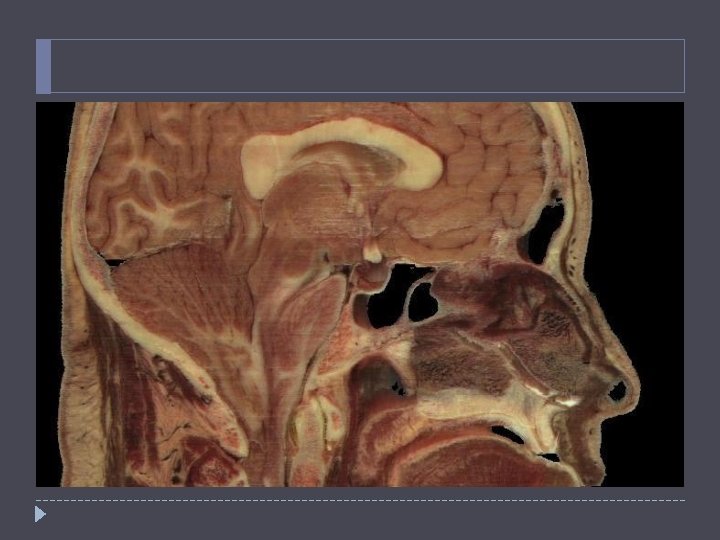
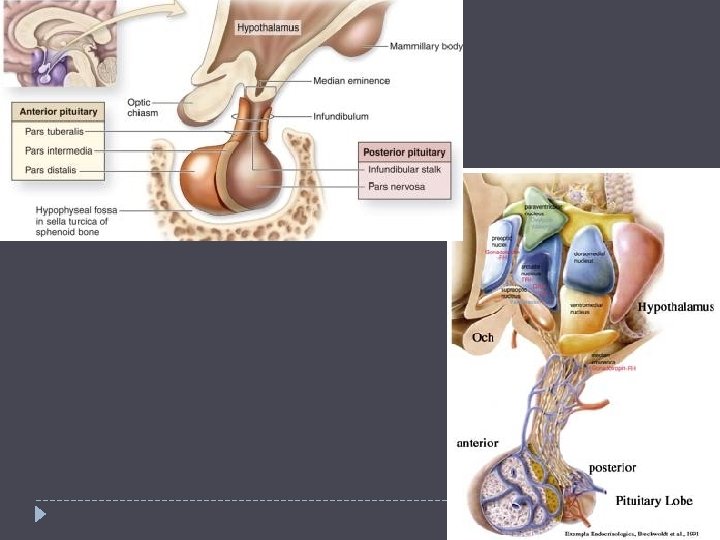
The Pituitary Gland Pea-sized; comprised of an anterior and posterior lobe; hangs from below the hypothalamus
Functions of the Pituitary Gland �Primary fxn: to secrete hormones that control the activity of other endocrine glands �Acts in response to stimuli from the hypothalamus
Secretions of the Pituitary Gland: Anterior Lobe �Adrenocorticotropic Hormone (ACTH) – stimulates the adrenal cortex to secrete cortisol �Follicle-stimulating Hormone (FSH) – stimulates the secretion of estrogen and the growth of ova (eggs) in the ovaries; in males it stimulate the production of sperm in the testicles �Growth Hormone (GH) – regulates the growth of bone, muscle, and other body tissues �Interstitial Cell-stimulating Hormone (ICSH) – stimulates ovulation in females and the secretion of testosterone in males
� Lactogenic Hormone (LTH) – prolactin; stimulates and maintains the secretion of breast milk in the mother p childbirth � Lutenizing Hormone (LH) – stimulates ovulation and the production of the female sex hormone progesterone; in males it stimulates the secretion of testosterone � Melanocyte-stimulating Hormone (MSH) – increases the production of melanin in melanocytes (causing darker pigmentation of the skin) � Thyroid-stimulating Hormone (TSH) – stimulates the growth and secretions of the thyroid gland
Secretions of the Pituitary Gland: Posterior Lobe �Antidiuretic Hormone – maintains the water balance within the body by promoting the reabsorption of water through the kidneys �Oxytocin (OXT) – stimulates uterine contractions during childbirth; p childbirth, it stimulates the flow of milk from the mammary glands �Pitocin – a synthetic form of oxytocin used to induce or speed up labor
Pathology of the Pituitary Gland �Acromegaly – abnormal enlargement of the extremities caused by excessive growth hormone after puberty �Gigantism – abnormal overgrowth of the entire body that is cause by excessive growth hormone before puberty �Hyperpituitarism – pathology resulting in the excessive secretion by the anterior lobe of the pituitary gland �Hypopituitarism – a condition of reduced secretion due to the partial or complete loss of the fxn of the anterior lobe of the pituitary gland
�Pituitarism – any disorder of pituitary fxn �Pituitary Adenoma – pituitary tumor; slow growing, benign tumor �Prolactinoma – a benign tumor of the pituitary gland that causes it to prodice too much prolactin. �In females this causes infertility and changes menstruation �In males it causes impotence
�Diabetes �Caused Insipidus by insufficient production of the antidiuretic hormone or by the inability of the kidneys to respond appropriately to this hormone �Insufficient ADH causes too much fluid to be excreted by the kidneys causing extreme thirst and excessive urination
Treatment Procedures of the Pituitary Gland �Human Growth Hormone (HGH) – recombinant GH; a synthetic version of the growth hormone �Administered to stimulate growth when the natural supply of growth hormone is insufficient for normal development
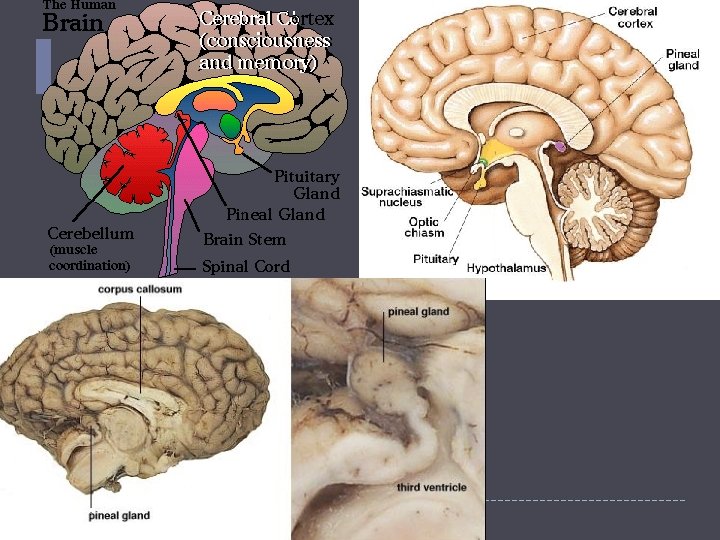
The Pineal Gland A very small endocrine gland that is located in the central portion of the brain
Functions of the Pineal Gland � Influences sleepwakefulness cycle
Secretion of the Pineal Gland �Secretes the hormone melatonin �Influences the sleep and wakefulness portions of the circadian cycle �Circadian Cycle – the biological fxns that occur c/in a 24 hr pd
Pathology and Treatment of the Pineal Gland �Pinealoma – a tumor of the pineal gland that can disrupt the production of melatonin (can cause insomnia) �Pinealectomy – the surgical removal of the pineal gland
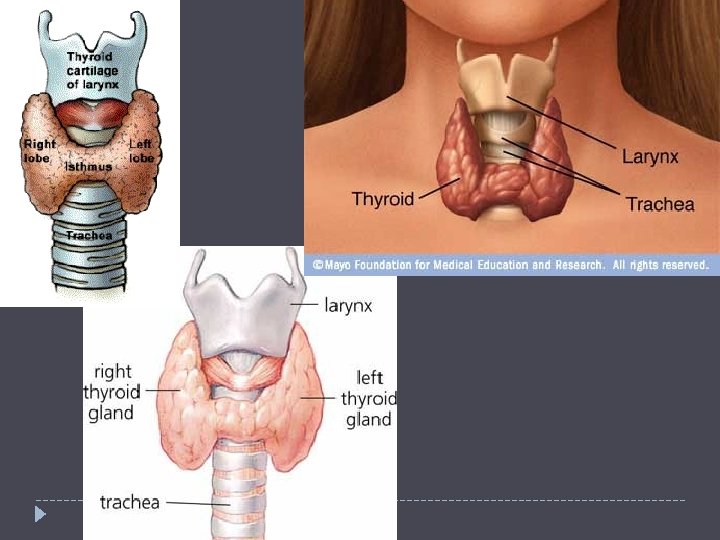
The Thyroid Gland Butterfly-shaped on either side of the larynx
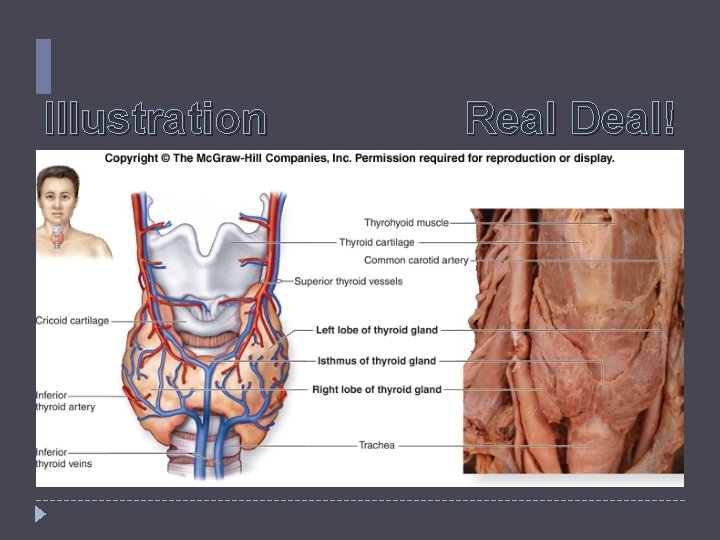
Illustration Real Deal!
Functions of the Thyroid Gland �Regulates the body’s metabolism �Metabolism – all of the processes include in the body’s use of nutrient, including the rate at which they are utilized �Also influence growth and the functioning of the nervous
Secretions of the Thyroid Gland � 2 primary hormones �Thyroxine and Triiodothyronine �Influence the rate of metabolism �Thyroid-stimulating hormone, from the Pituitary gland, controls the rate of secretion of these two hormones �Calcitonin – works with the parathyroid hormone to regulate the calcium levels in the blood and tissues
Pathology of the Thyroid Gland �Insufficient Thyroid Secretion � Hashimoto’s Thyroiditis – chronic lymphocytic thyroiditis; an autoimmune disease in which the body’s own antibodies attack and destroy the cells of the thyroid gland � Hypothyroidism – caused by a deficiency of the thyroid gland causing fatigue, depression, sensitivity to cold, and a decreased metabolic rate � Cretinism – a congenital form of hypothyroidism; if tx starts soon p birth, physical and mental arrests can be stopped � Myxedema – adult hypothyroidism; caused by extreme deficiency of thyroid secretion causing swelling around the eyes and cheeks, fatigue, and subnormal temperature
�Excessive Thyroid Secretion �Hyperthyroidism – thyrotoxicosis; an imbalance of metabolism caused by overproduction of the thyroid hormone �Symptoms: increased metabolic rate, sweating, nervousness, and wt loss �A thyroid storm – thyrotoxicosis crisis; relatively rare, life-threatening condition caused by exaggerated hyperthyroidism �Pt’s may c/o fever, chest p!, palpitations, SOB, tremors, increased sweating, disorientation and fatigue
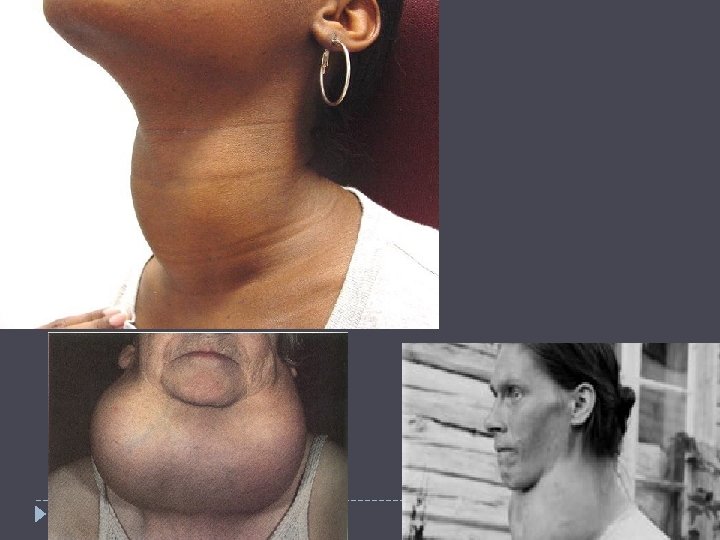
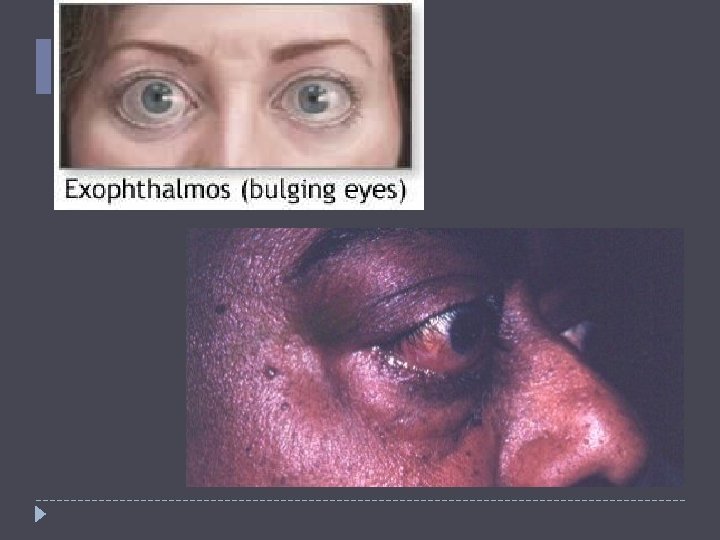
�Grave’s Disease �An autoimmune disorder that is caused by hyperthyroidism and is characterized by goiter and/or exophthalmos �Goiter – thyromegaly; an abnormal nonmalignant enlargement or the thyroid gland Produces a swelling of the front of the neck �Exophthalmos – an abnormal protrusion of the eyeball out of the orbit
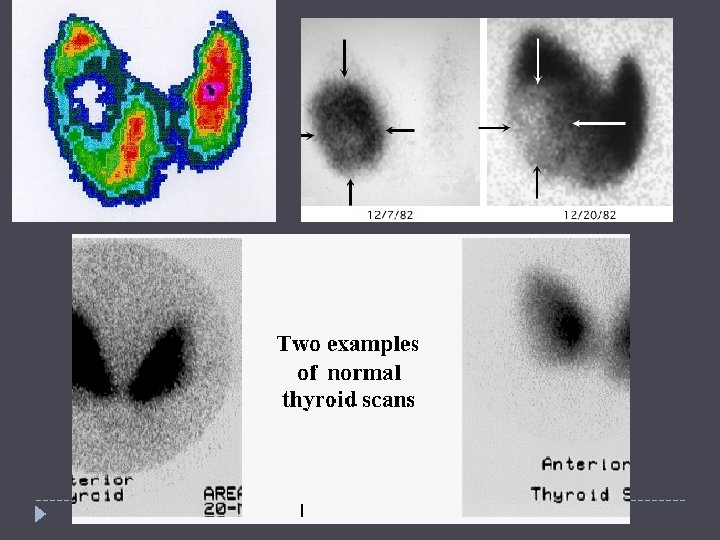
Diagnostic and Treatment Procedures Related to the Thyroid Gland �Thyroid-stimulating Hormone Assay – a diagnostic test to measure the circulating blood level of thyroidstimulating hormone �Thyroid Scan – measures thyroid fxn �Antithyroid Drug – medication to slow the ability of the thyroid gland to produce thyroid hormones
�Chemical Thyroidectomy – radioactive iodine therapy; the administration of radioactive iodine to destroy thyroid cells �Lobectomy – the surgical removal of one lobe of the thyroid gland �Synthetic Thyroid Hormones – administered to replace lost thyroid fxn
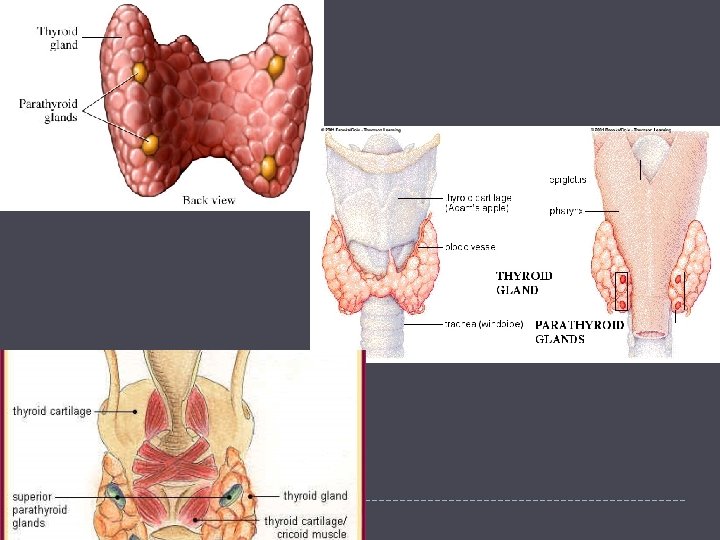
The Parathyroid Glands 4 glands; about the size of a grain of rice; embedded in the posterior surface of the thyroid gland
Functions of the Parathyroid Glands � Regulates calcium levels throughout the body �Important in smooth functioning of the muscles and the nerves
Secretions of the Parathyroid Glands �Parathyroid Hormone – works with calcitonin from the thyroid gland �They regulate calcium levels in the blood and tissues �Parathyroid Hormone increases calcium levels where as calcitonin decreases calcium levels
Pathology and Treatment of the Parathyroid Glands �Hyperparathyroidism – and overproduction of the parathyroid hormone; causes hypercalcemia �Hypercalcemia – characterized by abnormally high concentrations of calcium circulating in the blood instead of being stored in the bones; causes weak bones and possibly kidney stones
�Hypocalcemia – characterized by abnormally low levels of calcium in the blood �Hypoparathyroidism – caused by an insufficient or absent secretion of the parathyroid hormone �Parathyroidectomy – the surgical removal of one or more of the parathyroid glands
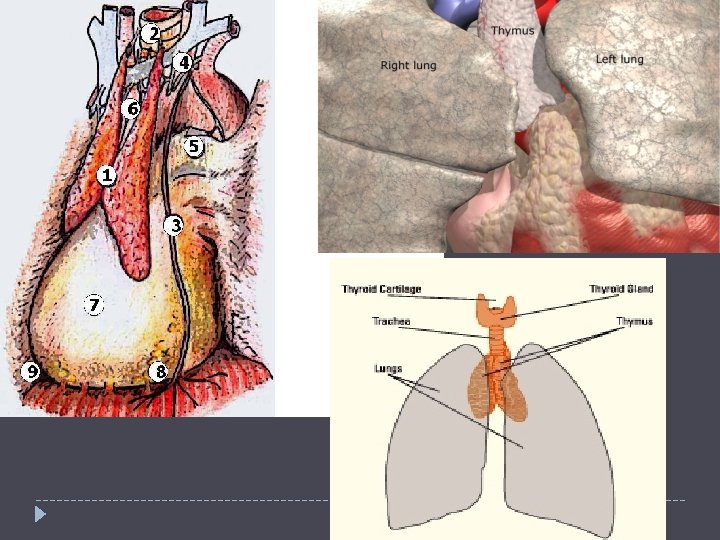
The Thymus Located near the midline in the anterior portion of the thoracic cavity; posterior to the sternum and slightly superior to the heart
Functions of the Thymus Gland � Secretes a hormone that functions as part of the immune system
Secretions of the Tymus Gland �Thymosin – stimulates the maturtion of lymphocytes into T cells of the immune system �Important in coordinating immune defenses
Pathology and Treatment of the Thymus �Thymitis – inflammation of the thymus gland �Thymectomy – the surgical removal of the thymus gland
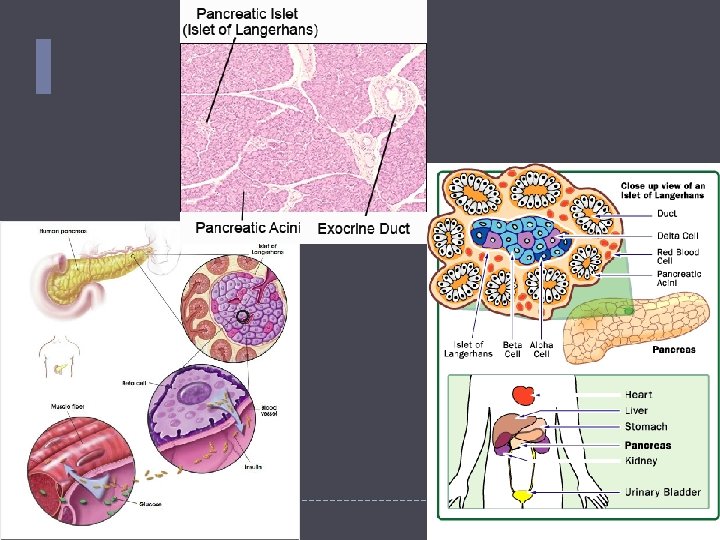
The Pancreatic Islets The pancreas is a feather-shaped organ located posterior to the stomach that functions as past of both the digestive and endocrine systems The pancreatic islets are those parts that have endocrine functions
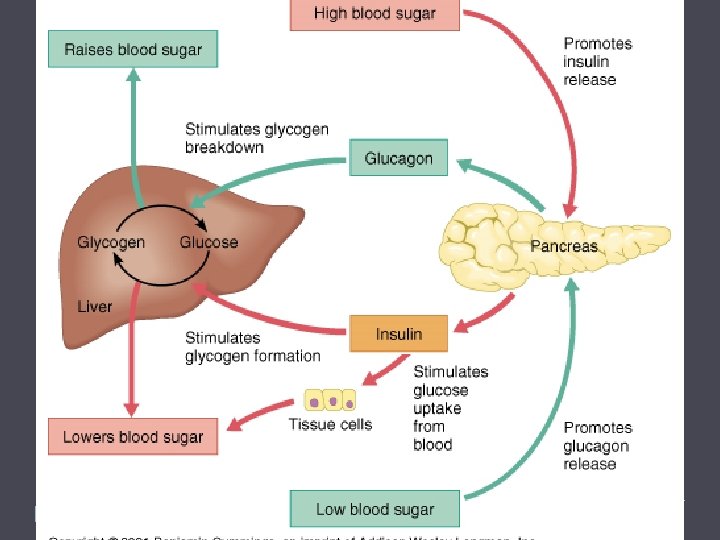
Functions of the Pancreatic Islets �They control blood sugar levels and glucose metabolism �Glucose – blood sugar; the basic form of energy used by the body �Glycogen – the form in which the liver stored the excess glucose
Secretions of the Pancreatic Islets �Glucagon – hormone secreted by alpha cells of the pancreatic islets in response to low blood sugar levels � It increases the glucose levels by stimulating the lever to convert glycogen into glucose for release into the bloodstream �Insulin – the hormone secreted by the beta cells of the pancreatic islets in response to high blood sugar levels � First, insulin allows glucose to enter the cells for use as energy � When additional glucose is not needed, insulin stimulated the liver to convert glucose into glycogen for
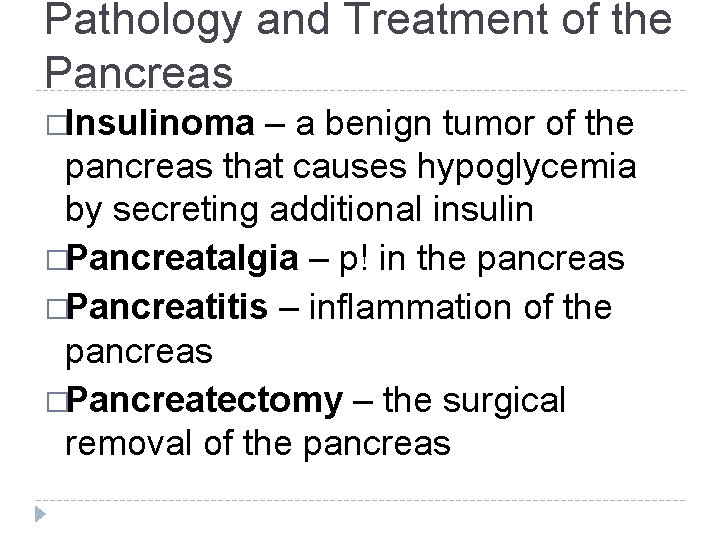
Pathology and Treatment of the Pancreas �Insulinoma – a benign tumor of the pancreas that causes hypoglycemia by secreting additional insulin �Pancreatalgia – p! in the pancreas �Pancreatitis – inflammation of the pancreas �Pancreatectomy – the surgical removal of the pancreas
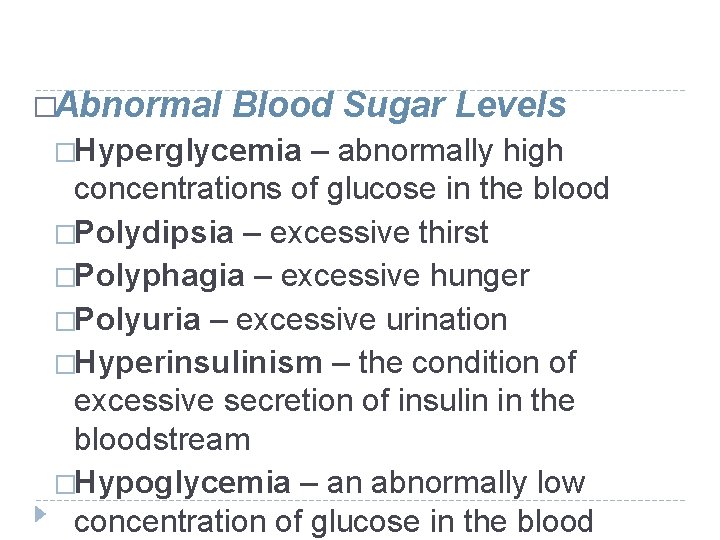
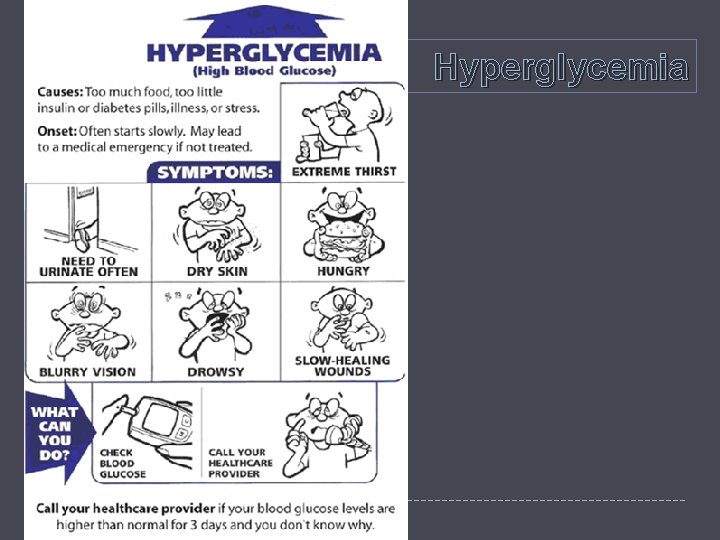
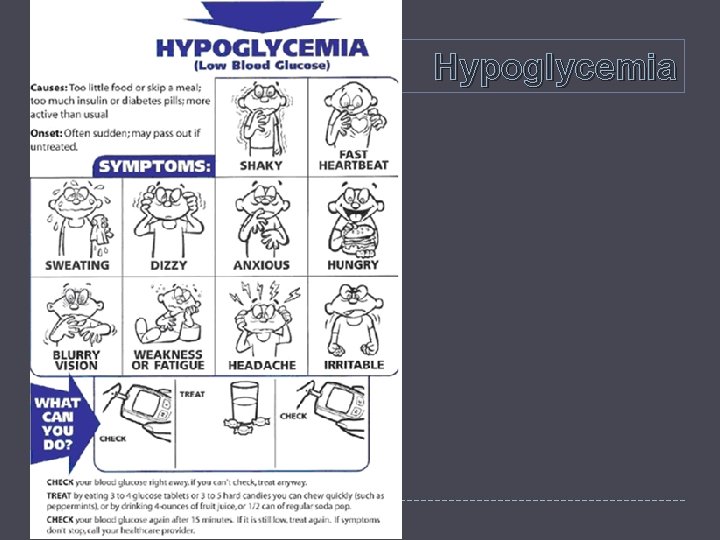
�Abnormal Blood Sugar Levels �Hyperglycemia – abnormally high concentrations of glucose in the blood �Polydipsia – excessive thirst �Polyphagia – excessive hunger �Polyuria – excessive urination �Hyperinsulinism – the condition of excessive secretion of insulin in the bloodstream �Hypoglycemia – an abnormally low concentration of glucose in the blood
Hyperglycemia
Hypoglycemia
�Diabetes Mellitus – a group of metabolic disorders characterized by hyperglycemia resulting from defects in insulin secretion, insulin action or both �Described as type 1 and type 2 �Many patients present with symptoms of both types of diabetes, and therefore their tx must be modified accordingly
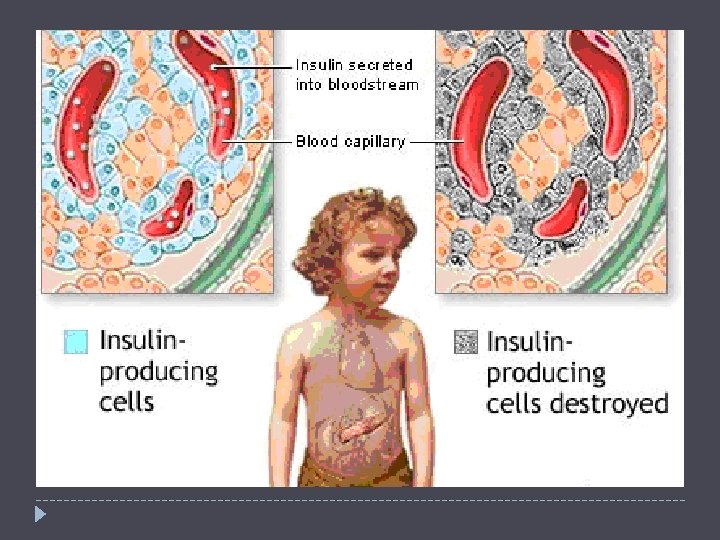
�Type 1 Diabetes – an autoimmune insulin deficiency disorder caused by the destruction of pancreatic islet beta cells �Insulin Deficiency means that the pancreatic beta cells do not secrete enough insulin �Symptoms of type 1 include polydipsia, polyphagia, polyuria, weight loss, blurred vision, extreme fatigue and slow healing �Treated with diet and exercise as well as carefully regulated insulin replacement therapy administered by injection or pump
�Type 2 Diabetes – is an insulin resistance disorder �Insulin Resistance means that insulin is being produced, but the body does not use it effectively �Increasing as childhood obesity increases �Prediabetes – a condition in which the blood sugar level is higher than normal, but not high enough to be classified as type 2 diabetes �They can have no symptoms for years. When they do occur, they’re similar to Type 1 plus recurring infections, irritability, and a tingling sensation in the hands and feet �Treated with diet and exercise
�Gestational �Is Diabetes a form of diabetes mellitus that occurs during some pregnancies �Usually develops after delivery; however, many of these women later develop type 2 diabetes
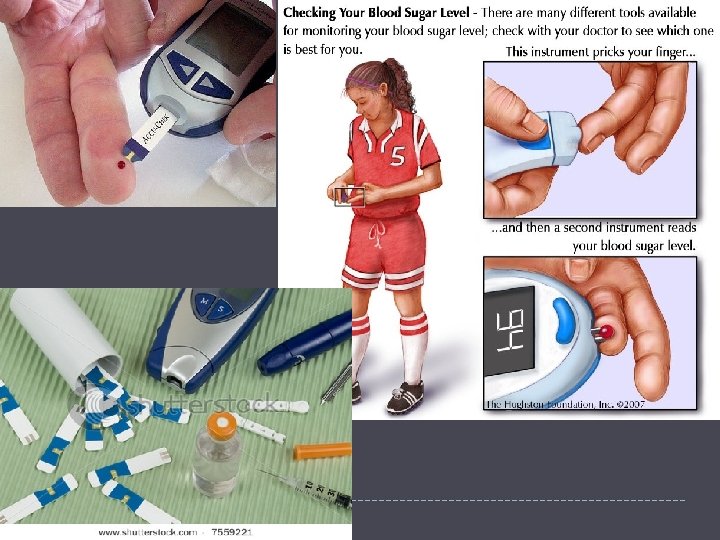
�Diabetes Mellitus Diagnostic Procedures �Fasting Blood Sugar Test – measures the glucose levels after the patient has not eaten for 8 -12 hours �Oral Glucose Tolerance Test – performed to confirm a dx of diabetes mellitus and to aid in dx’ing hypoglycemia �Home Blood Glucose Monitoring – measures the current blood sugar level (requires a drop of blood, performed by pt)
�Fructosamine Test – measures average glucose levels over the past 3 weeks �Hemoglobin A 1 c Testing – Hb. A 1 c (H-B A-one-C); a blood test that measures the average blood glucose level over the previous 3 -4 months
�Diabetic Emergencies – due to eithe rtoo much or too little blood sugar �Insulin Shock – caused by very low blood sugar (hypoglycemia) �Oral Glucose can be quickly absorbed into the bloodstream and is administered orally to rapidly raise blood sugar levels �Diabetic Coma – caused by very high blood sugar (hyperglycemia); Diabetic Ketoacidosis; treated by the prompt administration of insulin
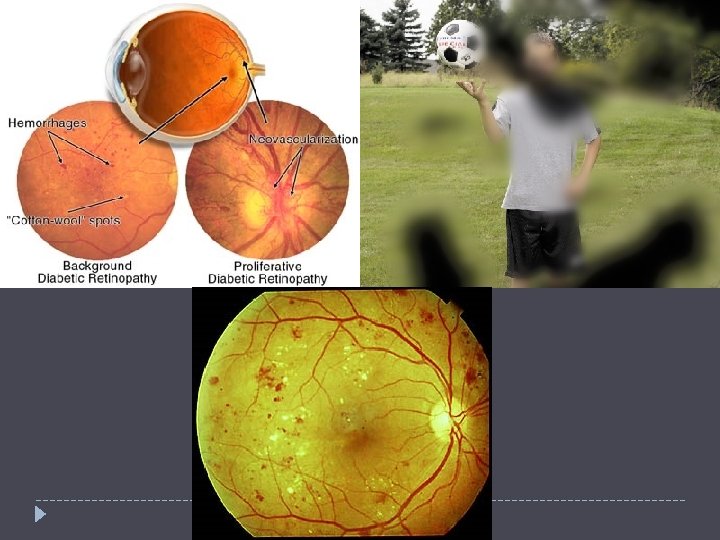
�Diabetic Complications – most complications result from damage to capillaries and other blood vessels due to long-term exposure to excessive sugar � Diabetic Retinopathy – occurs when diabetes damages the tiny blood vessels in the retina, causing blood to leak into the posterior segment of the eyeball; can cause loss of vision � Heart Disease – occurs because excess blood sugar makes the walls of the blood vessels sticky and rigid � Kidney Disease – can lead to renal failure because damage to the blood vessels reduces blood flow through the kidneys � Peripheral Neuropathy – damage to the nerves
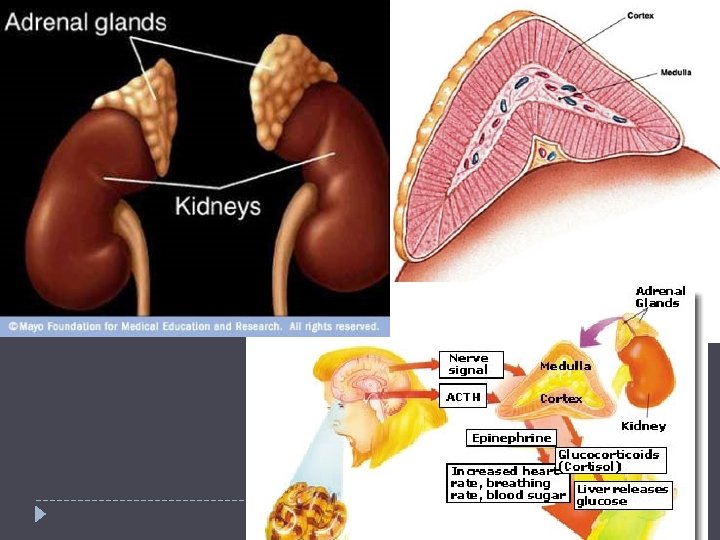
The Adrenal Glands Known as the suprarenals because they are located with one on top of each kidney Each has a outer portion, the adrenal cortex, and a middle portion, the adrenal medulla; each has a specialized fxn and the entire gland is surrounded by an adrenal capsule
Functions of the Adrenal Glands �One of the primary fxns is to control electrolyte levels within the body �Electrolytes – mineral substances, such as sodium and potassium, that are normally found in the blood �Other important fxns include helping to regulate metabolism and interacting with the sympathetic nervous system in response to stress
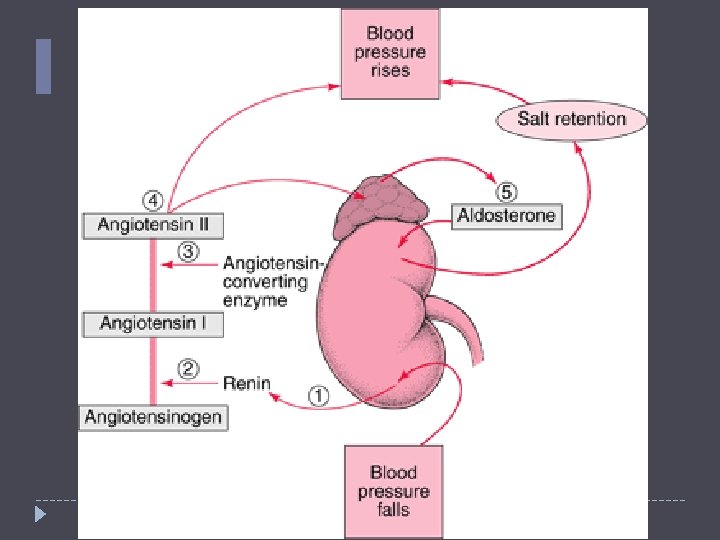
Secretions of the Adrenal Cortex �Corticosteroids – steroid hormones produced by the adrenal cortex � Aldosterone – regulated the salt and water levels in the body by increasing sodium reabsorption and potassium excretion by the kidneys � Androgens – hormones that influence sex-related characteristics �In adults its minimal production, most of these hormones are produced in the male and female gonads � Cortisol – hydrocortisone; has an anti-inflammatory action, and regulates the metabolism or carbohydrates, fats, and proteins
Secretions of the Adrenal Medulla �Epinephrine – adrenaline; stimulates the sympathetic nervous system in response to stress or other stimuli �Makes the heart beat faster and can raise blood pressure �Norepinepherine – both a hormone and a neurohormone �Plays an important role in the “fight-or-flight” response by raising blood pressure, strengthening the heart beat, and stimulating muscle contractions
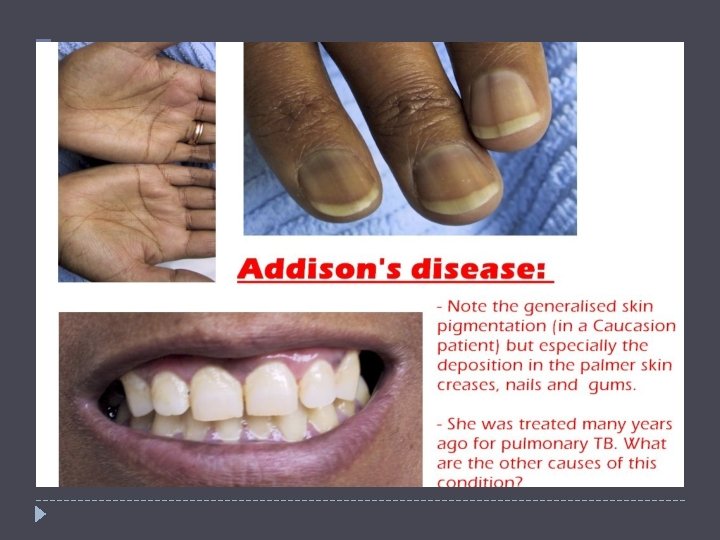
Pathology of the Adrenal Glands �Addison’s Disease – occurs when the adrenal glands do not produce enough cortisol or aldosterone � Characterized by chronic, worsening fatigue and muscle weakness, loss of appetite, and weight loss �Adrenalitis – inflammation of the adrenal glands �Aldosteronism – an abnormal electrolyte balance caused by excessive aldosterone secretion �Conn’s Syndrome – a disorder of the adrenals due to excessive aldosterone production �Pheochromocytoma – a benign tumor of the adrenal medulla that causes the gland to produce too much epinepherine
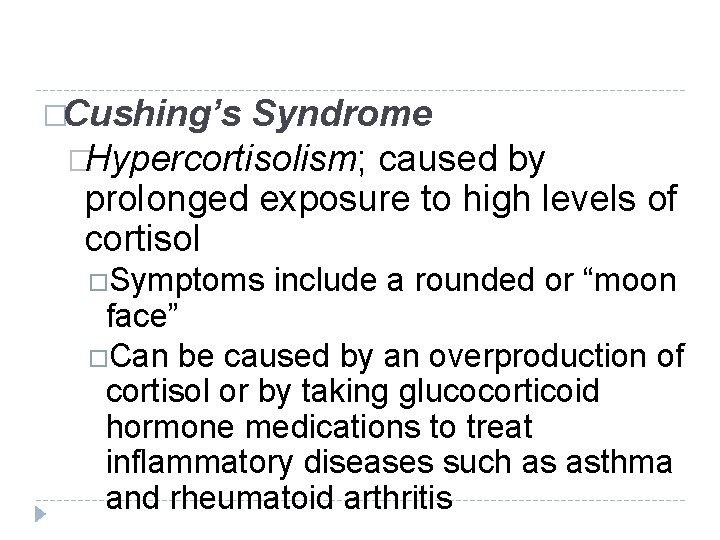
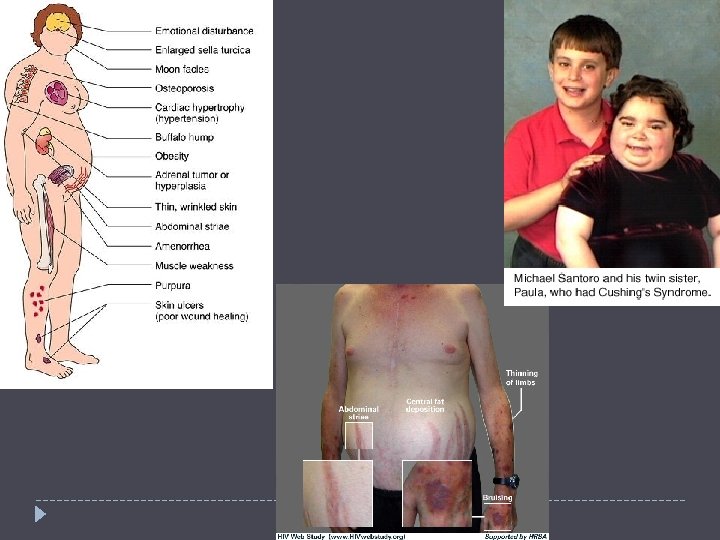
�Cushing’s Syndrome �Hypercortisolism; caused by prolonged exposure to high levels of cortisol Symptoms include a rounded or “moon face” Can be caused by an overproduction of cortisol or by taking glucocorticoid hormone medications to treat inflammatory diseases such as asthma and rheumatoid arthritis
Treatment Procedures of the Adrenal Glands �Laparoscopic Adrenalectomy – a minimally invasive procedure to surgically remove one or both adrenal glands �Cortisone – hydrocortisone; the synthetic equivalent for corticosteroids produced by the body �Epinephrine – a synthetic hormone used as a vasoconstrictor to treat conditions such as heart dysrhythmias and asthma attacks
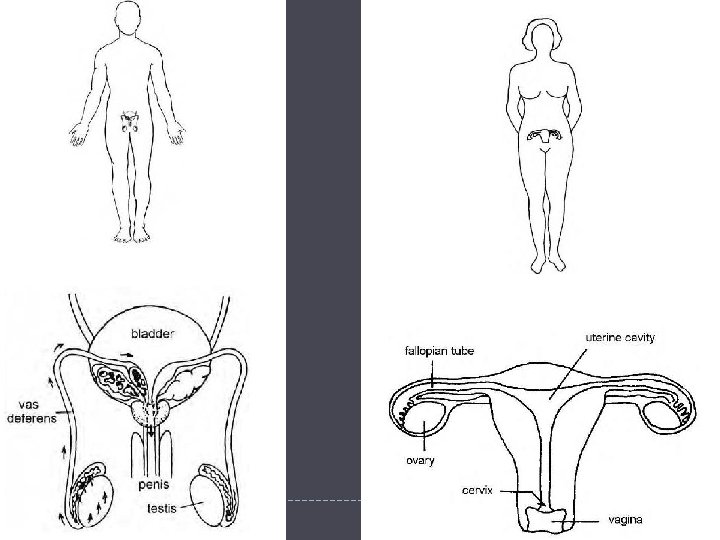
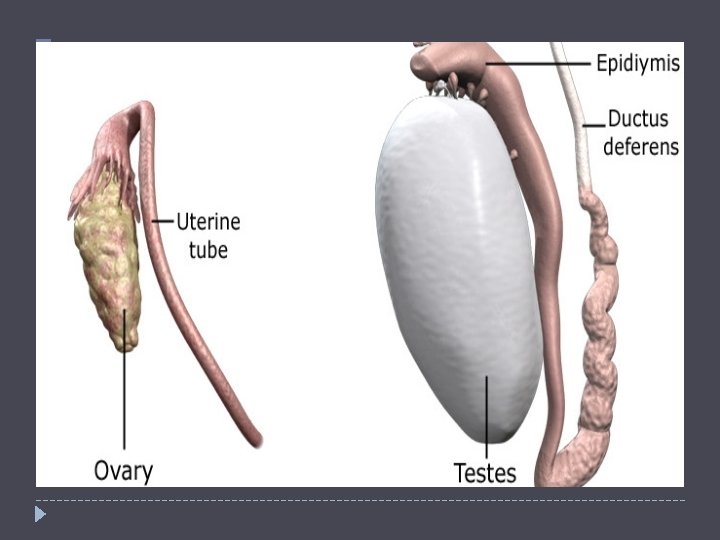
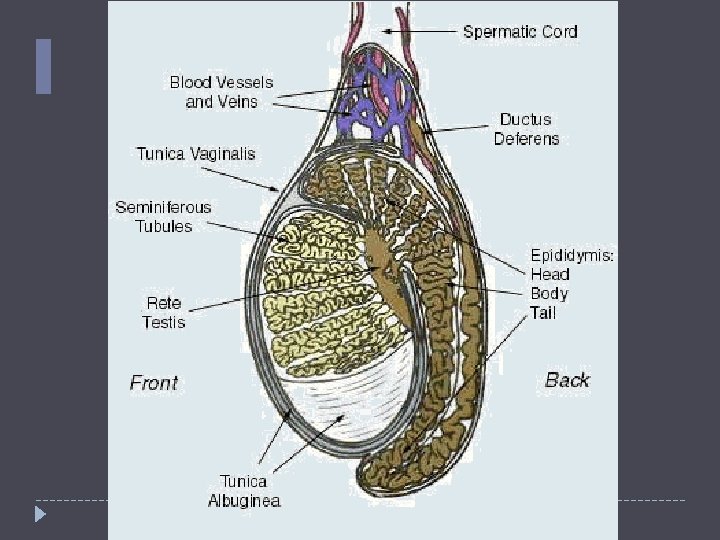
The Gonads They are ovaries in females and testicles in males, and are gamete-producing glands Gamete – a reproductive cell; Sperm in a male, ova (egg) in a female Gonadotropin – any hormone that stimulate the
Functions of the Gonads �They secrete hormones that are responsible for the development and maintenance of the secondary sex characteristics that develop during puberty � Puberty – the condition of first being capable of reproducing sexually �Marked by maturing of genital organs, development of secondary sex characteristics, and by the first menstruation in females �Avg age, 12 for females, 14 for males � Precoucious Puberty – the early onset of the changes of puberty �Before age 9 in girls and 10 in males
Secretion of the Testicles �Testosterone – stimulate the development of male secondary sex characteristics �Virile – having the nature, properties, or qualities of an adult male
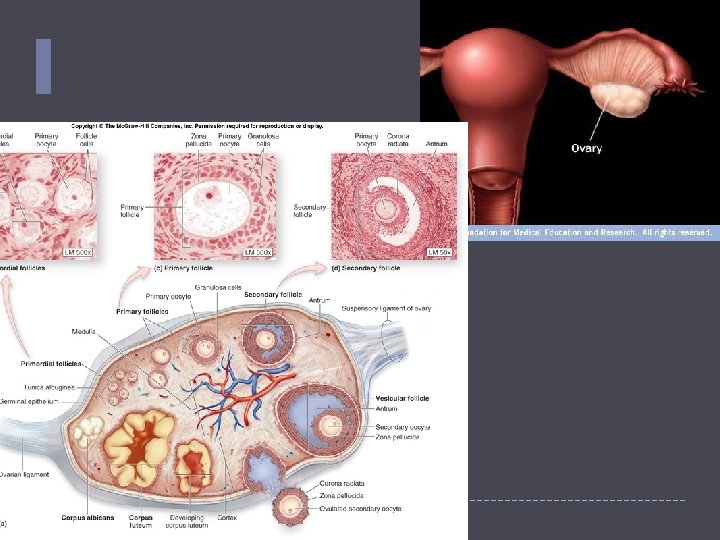
Secretion of the Ovaries �Estrogen – is important in the development and maintenance of the female secondary sex characteristics �Progesterone – the hormone released during the second half of the menstrual cycle by the corpus luteum in the ovary � It’s function is to complete the preparations for pregnancy � If pregnancy occurs, the placenta takes over the production of progesterone � If pregnancy does not occur, the hormone stops and is followed by the menstrual period
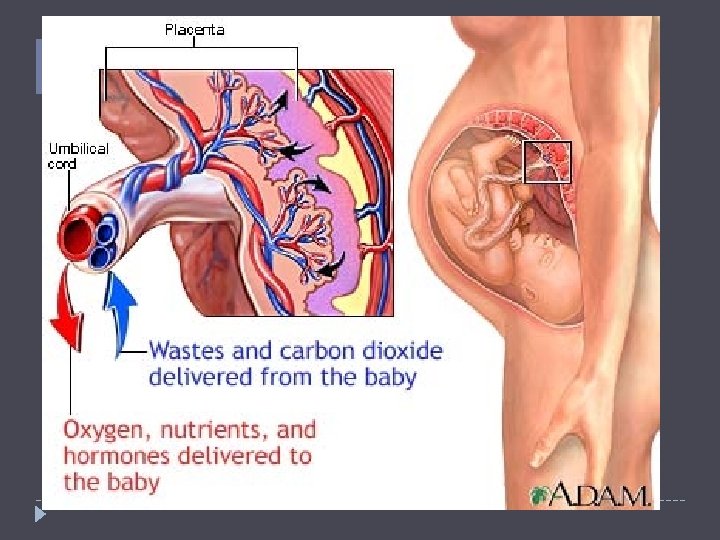
�The Placenta �During the pregnancy it secretes the hormone Human Chorionic Gonadotropin to stimulate the corpus luteum to continue producing the hormones required to maintain the pregnancy �Also stimulates the hormones needed to stimulate lactation after birth
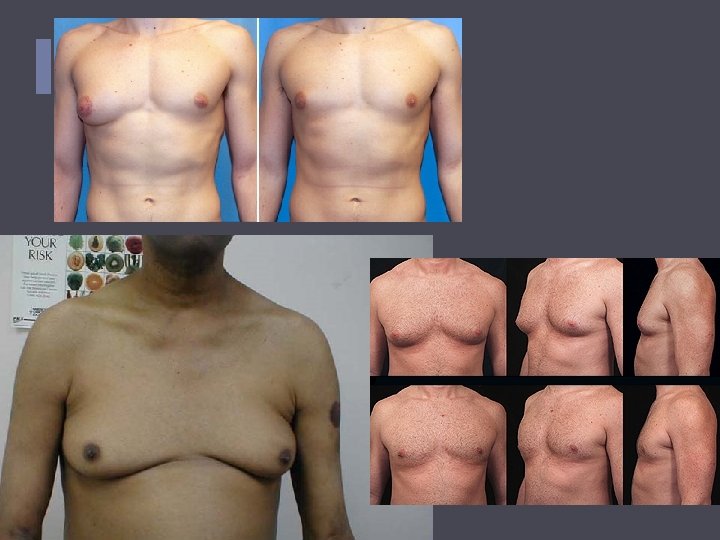
Pathology and Treatment of the Gonads �Hypergonadism – the condition of excessive secretion of hormones by the sex glands �Hypogonadism – the condition of deficient secretion of hormones by the sex glands �Gynecomastia – the condition of excessive mammary development in the male