
The End of WWII DDay Operation Overlord June

- Slides: 48
The End of WWII
D-Day: Operation Overlord June 6, 1944
In 1944, the Allies open a second front. After Dieppe, lessons had been learned and plans rehearsed. Extreme measures were taken to maintain the secret Germans knew it would eventually happen, but didn’t know when/where. The Germans had fortified the entire coast, but expected the attack at Calais.
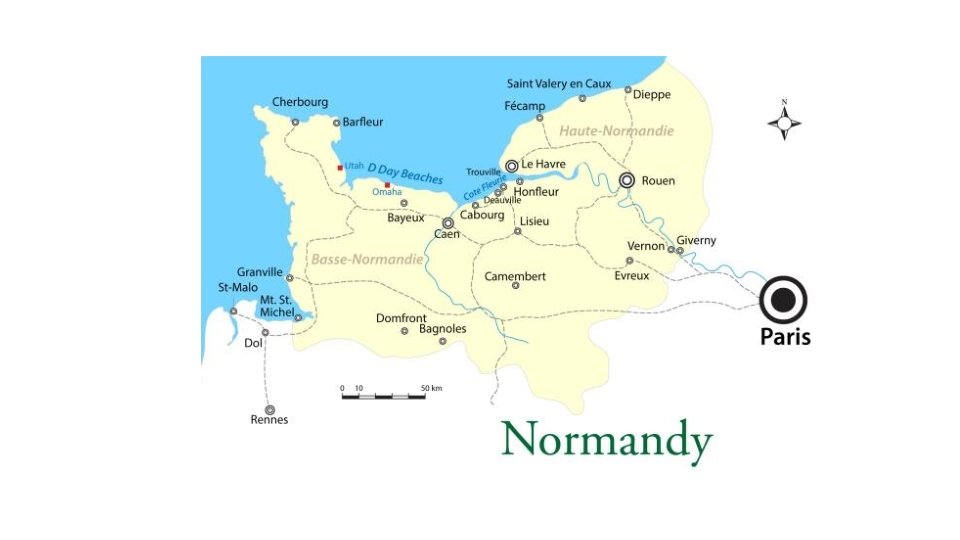
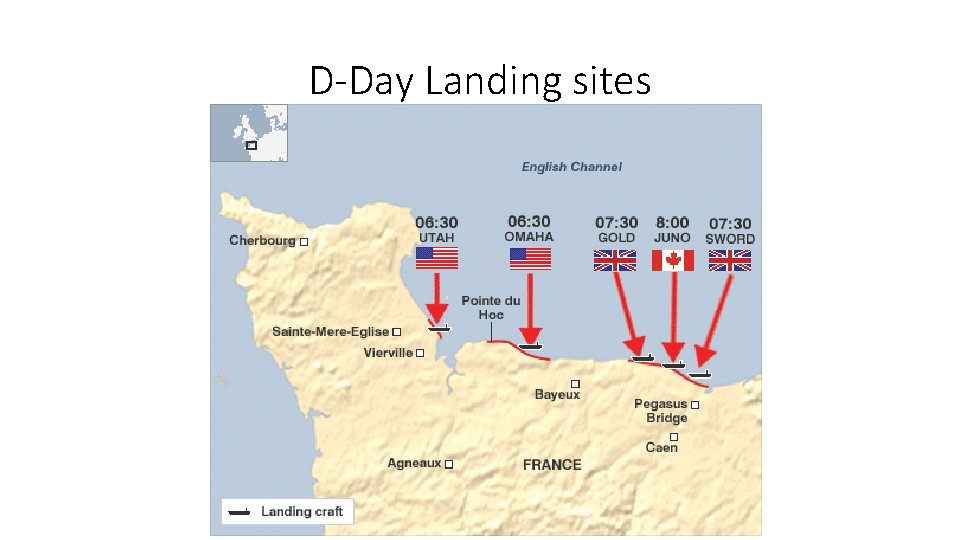
Thousands of Allied soldiers waited for the signal Weather, tides and poor moonlight all delayed the attack. On June 6, 1944 they attacked. Five landing beaches were designated on the Normandy coast. • • • Utah Omaha Gold Juno Sword US US British Canadian British
D-Day Landing sites
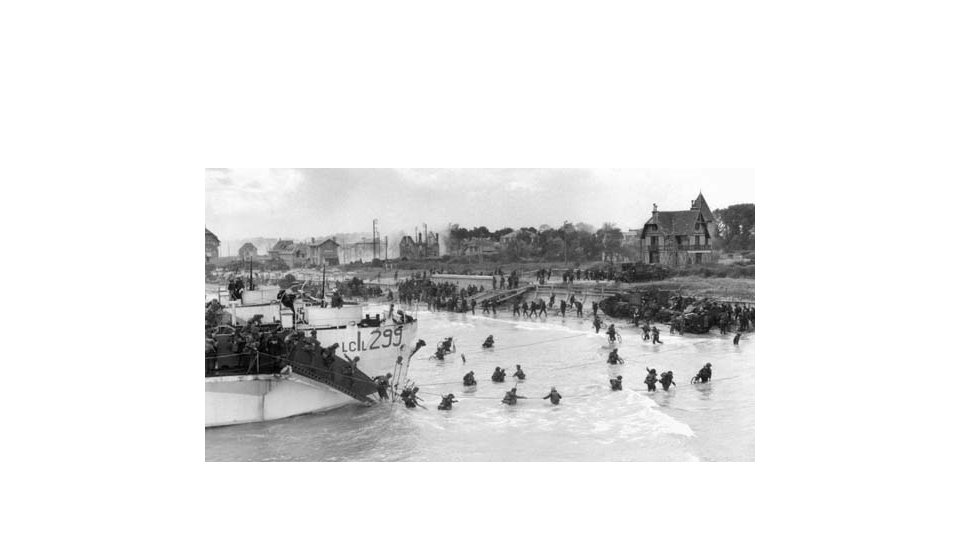
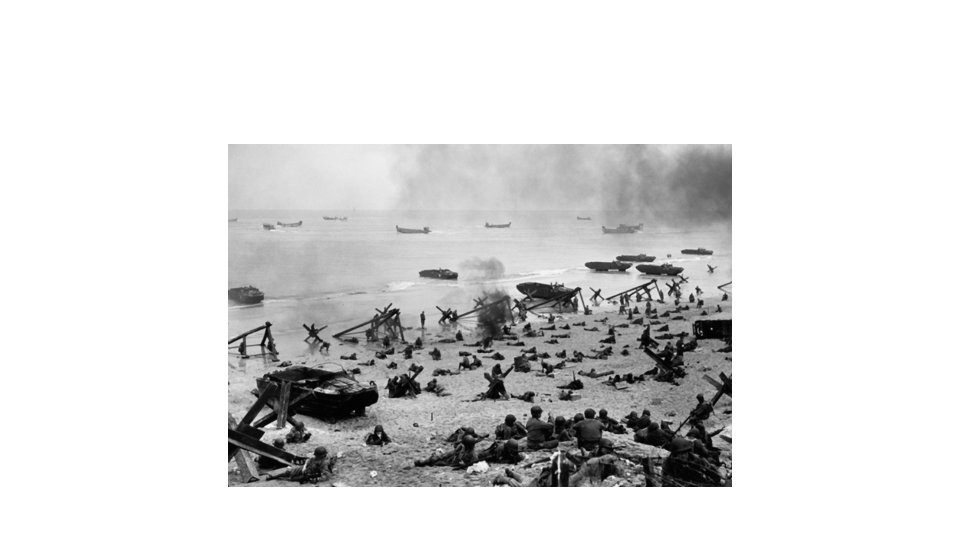
• The night before, paratroopers landed in Normandy, and artillery pounded the beaches. • Over 30, 000 Canadians landed at Juno Beach • Canadians lost 359 soldiers, and had 715 wounded. • With surprise on their side, they established a foothold, and began to push inland.
Liberation of Europe Sept 1944 - May 1945
From Normandy to the Netherlands • After Juno, the next major task for the Canadians was to take the city of Caen. • July 9: they took Caen, but almost a month later than planned • In taking Caen, they suffered higher losses than on D-Day. • Further advances beyond Caen brought more casualties. • In one four day period, Canadians suffered 2, 000 casualties. • On July 25, Canada suffered 1500 casualties, 450 of them were deaths. After Dieppe, it was Canada’s bloodiest day in the war.
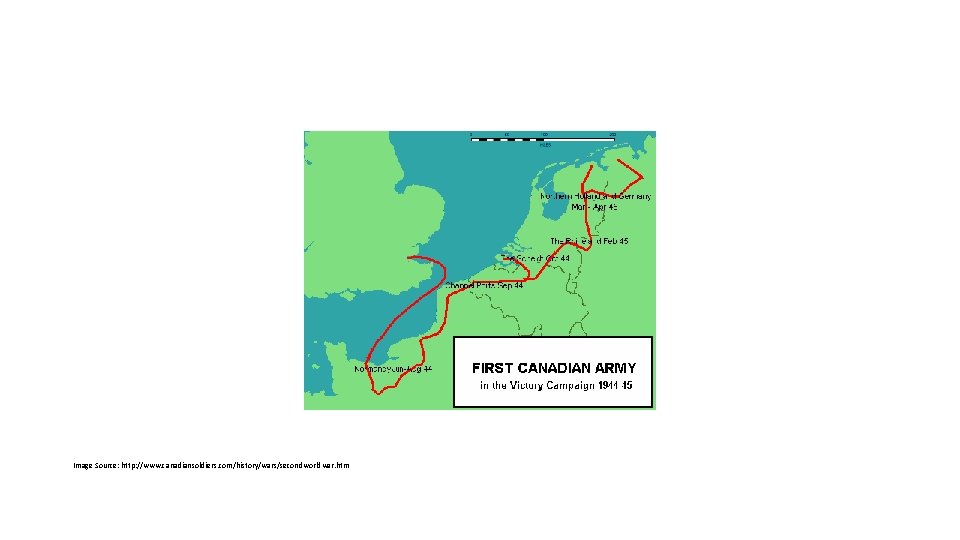
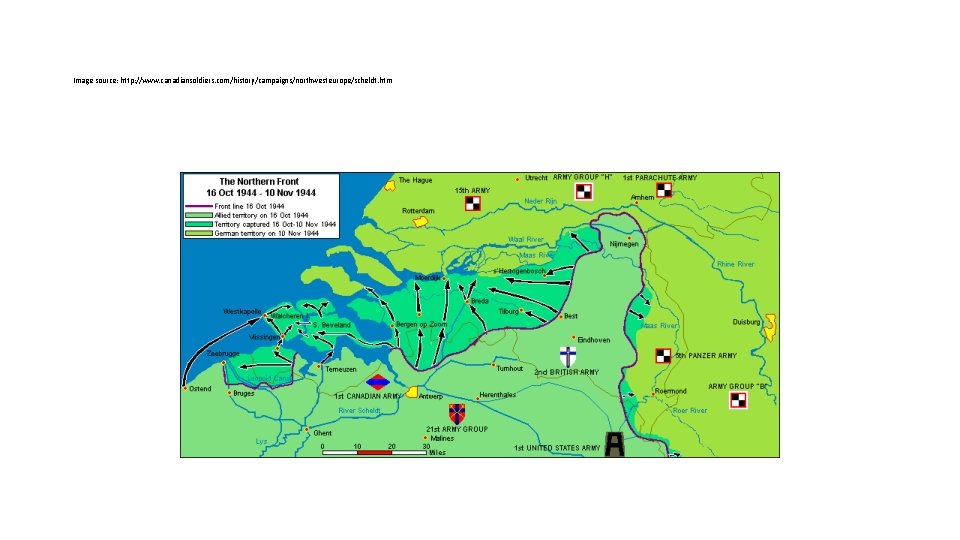
• Canadian & Polish troops formed 1 part of a “pincer movement” • They met with US troops to encircle Nazi troops in Normandy. • Canadians then moved north to clear the French port towns like Dieppe, Boulogne & Calais. • British troops took the port of Antwerp, Belgium. • Canadians were sent to secure the Scheldt estuaries (port access lanes).
Image Source: http: //www. canadiansoldiers. com/history/wars/secondworldwar. htm
Image source: http: //www. canadiansoldiers. com/history/campaigns/northwesteurope/scheldt. htm
• The Battle of the Scheldt (Oct 1 - Nov 8) cost 6, 000+ casualties; • The Scheldt was strategically vital as Antwerp was the primary port that supplied the Allied offensive. • Feb & March 45 saw a major push to drive the Germans across the Rhine River • In late March 1945, Canadian troops crossed the Rhine River. • Rather than continue into Gr. , Canadians moved north, to clear the Netherlands, the coast of Germany, and western Holland.
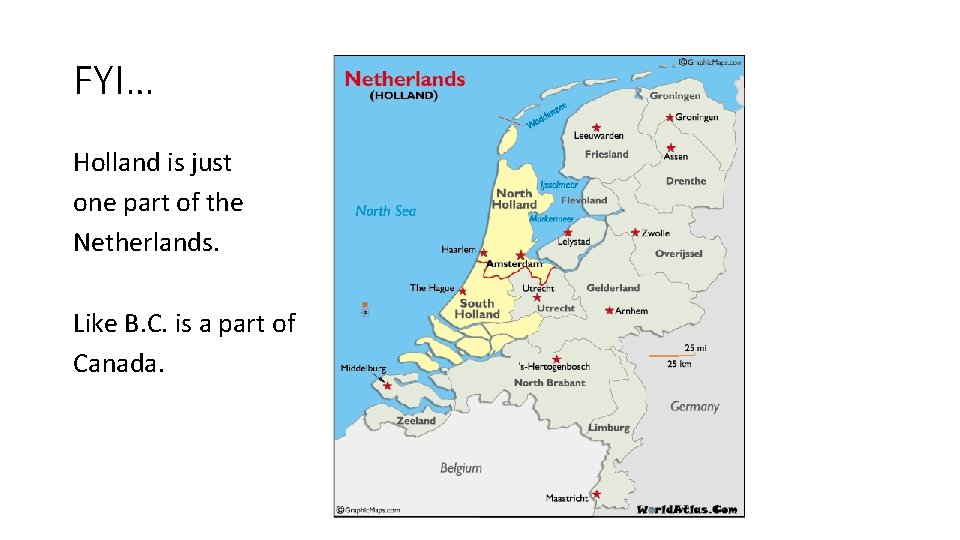
FYI… Holland is just one part of the Netherlands. Like B. C. is a part of Canada.
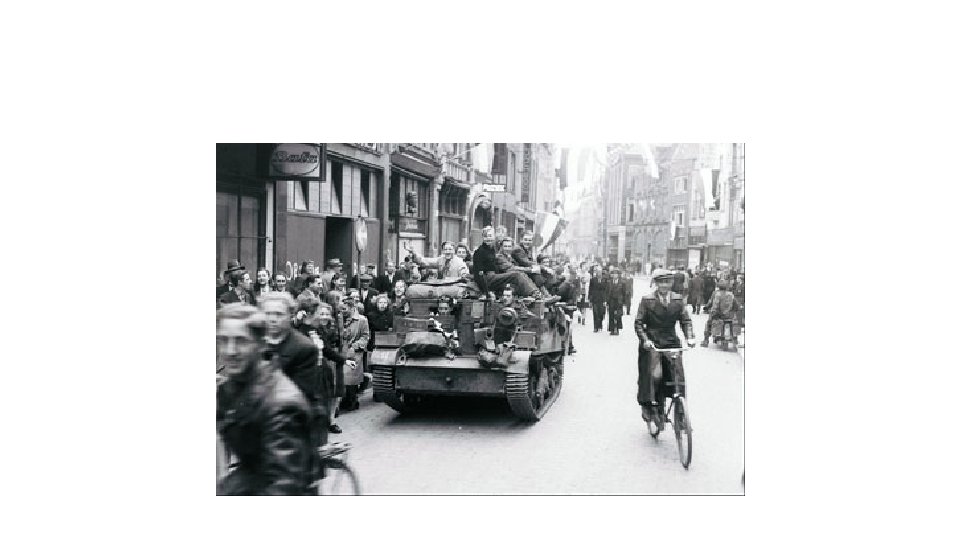
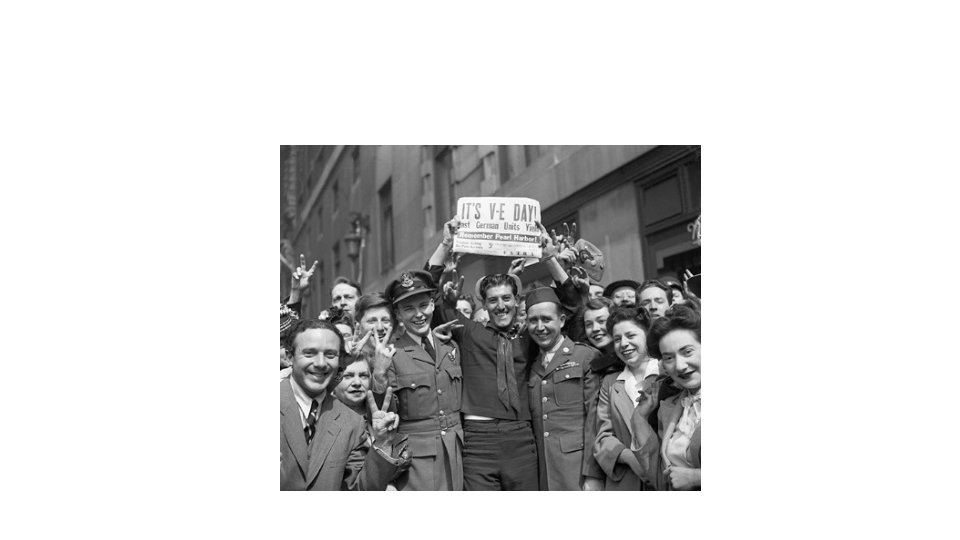
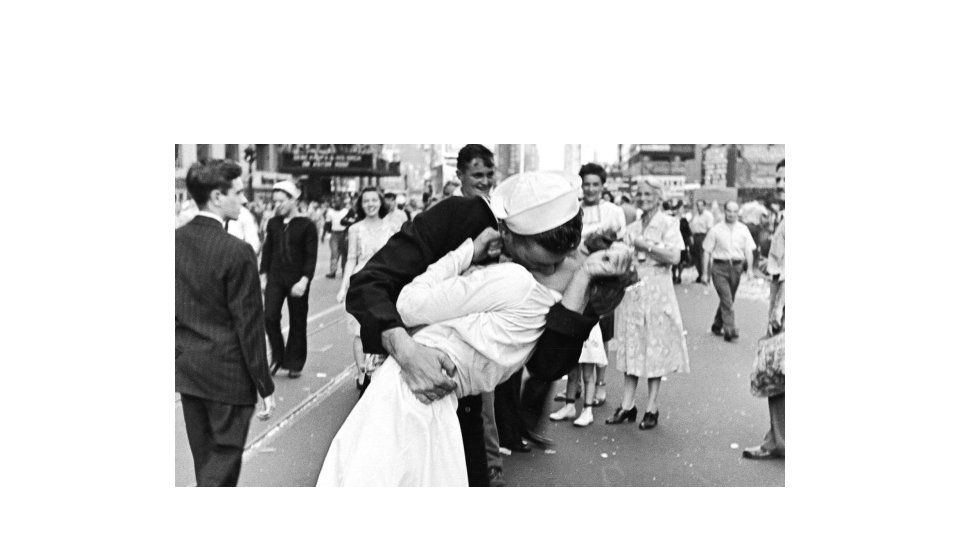
• Early April saw Canadian Troops enter the Netherlands. • Conditions were especially bad, people were starving to death. • Canadians were greeted enthusiastically by the liberated Dutch. • Hitler. • On May 5 th, Canadian Generals accepted the surrender of German armies in their sectors. May 7, Germany surrendered. • VE Day (Victory Europe Day) May 8, 1945.
Unfortunately, all the celebrations were not innocent. Riots break out in a number of Canadian cities. Most notably- Halifax. Hundreds of servicemen merchant marines and civilians go on a rampage and loot the downtown of the city. Generally thought to be caused by a build up of bureaucratic confusion, insufficient police resources and the general tensions of being at war.
The Holocaust
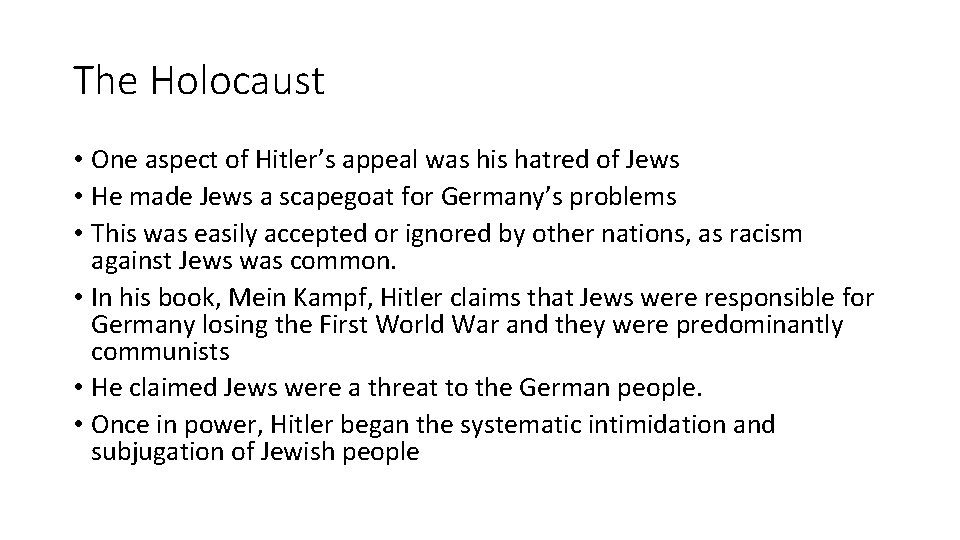
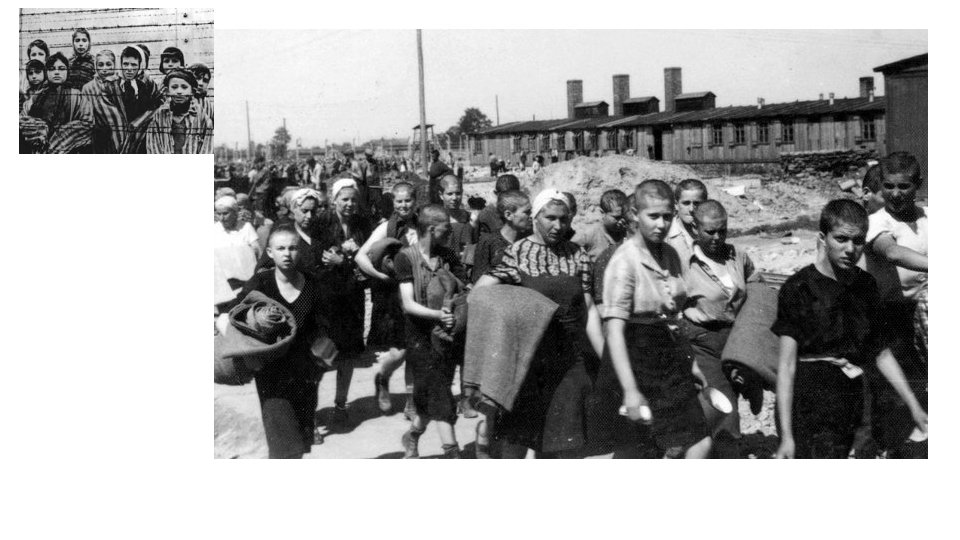
The Holocaust • One aspect of Hitler’s appeal was his hatred of Jews • He made Jews a scapegoat for Germany’s problems • This was easily accepted or ignored by other nations, as racism against Jews was common. • In his book, Mein Kampf, Hitler claims that Jews were responsible for Germany losing the First World War and they were predominantly communists • He claimed Jews were a threat to the German people. • Once in power, Hitler began the systematic intimidation and subjugation of Jewish people
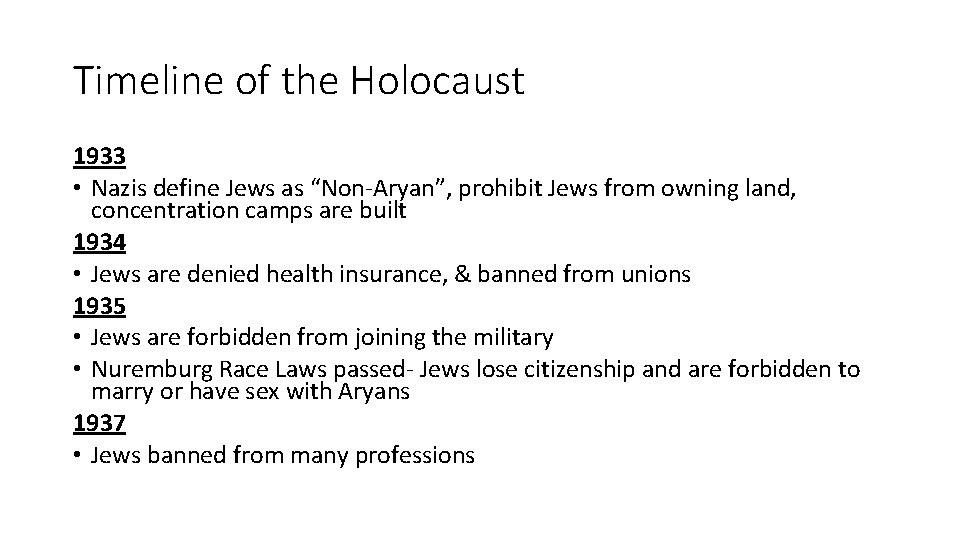
Timeline of the Holocaust 1933 • Nazis define Jews as “Non-Aryan”, prohibit Jews from owning land, concentration camps are built 1934 • Jews are denied health insurance, & banned from unions 1935 • Jews are forbidden from joining the military • Nuremburg Race Laws passed- Jews lose citizenship and are forbidden to marry or have sex with Aryans 1937 • Jews banned from many professions
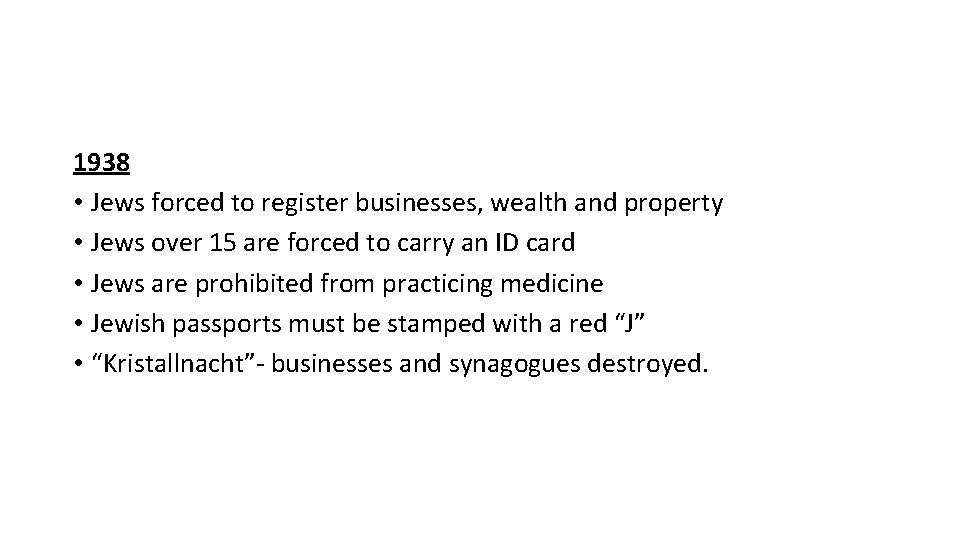
1938 • Jews forced to register businesses, wealth and property • Jews over 15 are forced to carry an ID card • Jews are prohibited from practicing medicine • Jewish passports must be stamped with a red “J” • “Kristallnacht”- businesses and synagogues destroyed.
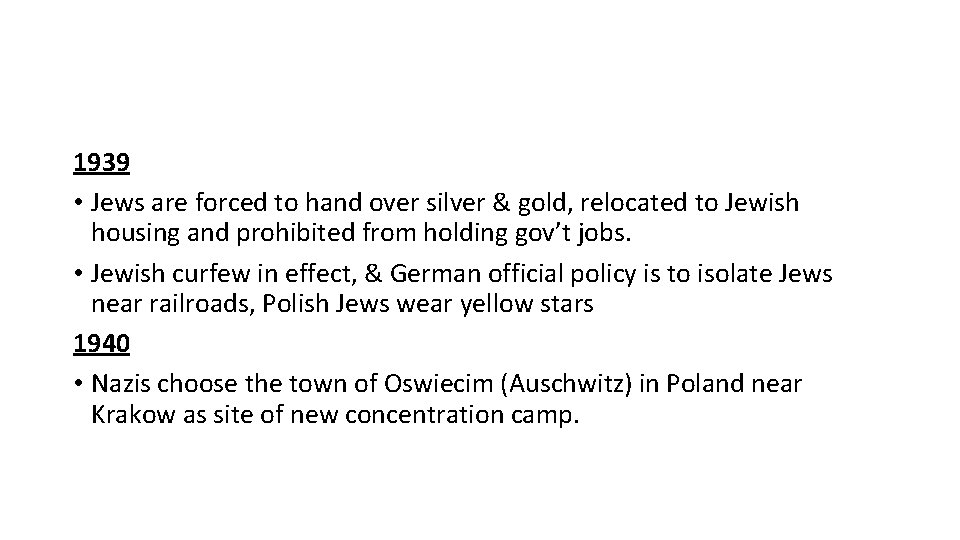
1939 • Jews are forced to hand over silver & gold, relocated to Jewish housing and prohibited from holding gov’t jobs. • Jewish curfew in effect, & German official policy is to isolate Jews near railroads, Polish Jews wear yellow stars 1940 • Nazis choose the town of Oswiecim (Auschwitz) in Poland near Krakow as site of new concentration camp.
1941 • German Jews ordered into forced labor. • The SS begin a mass murder campaign. • Gas is first used in Auschwitz • German Jews ordered to wear yellow stars
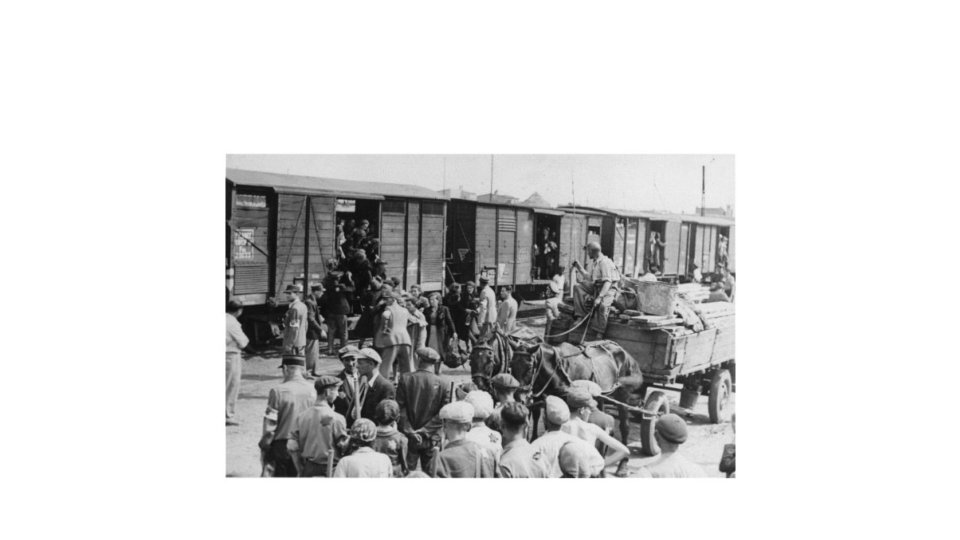
1942 • Mass killings of Jews using Zyklon-B begin at Auschwitz, the bodies are buried in mass graves in a meadow. • Wannsee Conference to coordinate the "Final Solution. " • 1 st trainloads of Jews from Paris arrive at Auschwitz. • German Jews banned from using public transportation. • The New York Times reports that over 1, 000 Jews have already been killed by Nazis. • Open pit burning of bodies begins at Auschwitz instead of burial. They also dug up & burned the previously buried- 107, 000 corpses, to prevent fouling of ground water.
1943 • Newly built gas chamber/crematory opens at Auschwitz. • New crematories have a daily capacity of 4, 756 bodies. 1944 • Roosevelt issues a statement condemning German & Japanese ongoing "crimes against humanity. " • Auschwitz-Birkenau records its highest-ever daily number of persons gassed & burned at over 9, 000. Six huge pits are used to burn bodies, as the number exceeds the capacity of the crematories. • Soviet troops liberate first concentration camp at Majdanek where over 360, 000 had been murdered.
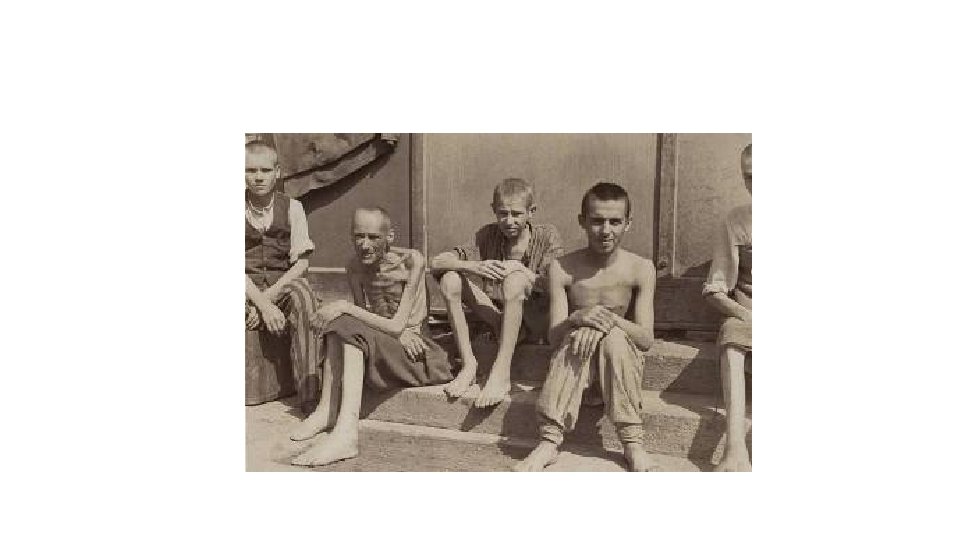
1945 • The Allies advance, Nazis conduct death marches of camp inmates. • Soviet troops liberate Auschwitz. An estimated 2, 000, including 1, 500, 000 Jews, have been murdered there. • Allies liberate Buchenwald. • Americans free 33, 000 inmates from camps. • Opening of the Nuremberg International Military Tribunal.
The War in the Pacific Part 2
Quick Review What event prompted the Americans to join the war in December 1941? The Japanese attack on Pearl Harbor During which WWII battle campaign was every Canadian who participated either killed or captured, spending the duration of the war in prison camps? Battle of Hong Kong When did the battle take place? December 1941
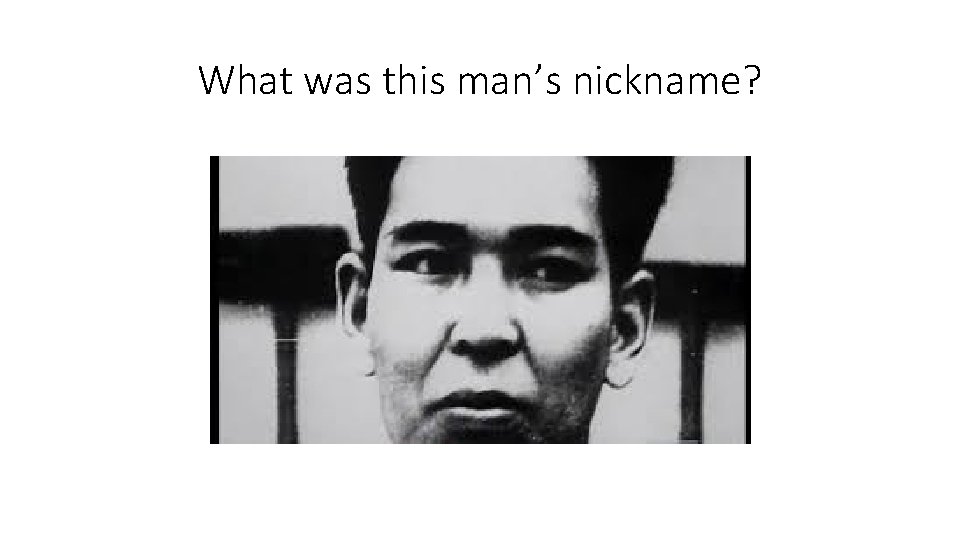
What was this man’s nickname?
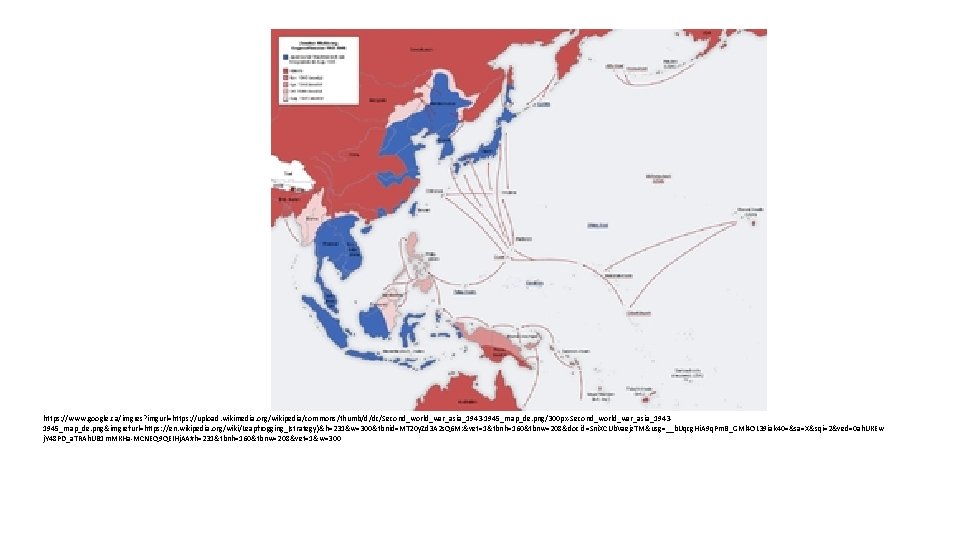
The War in the Pacific- Part 2 • The primary participants were Japan and the US, (although soldiers from many countries participated in the Pacific. ) • The Japanese were successful through the first half of 1942. • Their troops were well trained and experienced • British forces were largely focused on Germany • US had a policy of “Hitler First” (more men & equip. went to Gr. ) • America’s strength in the Pacific was temporarily impacted by the Pearl Harbor attack. • Japan expanded west to the edge of India, north to the Aleutians, south almost to Australia, and east nearly to Midway.
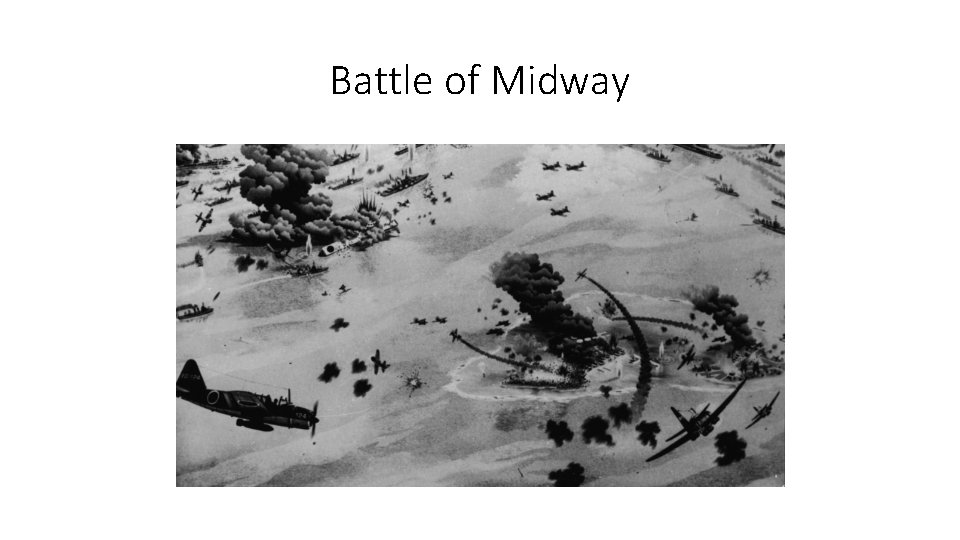
Steady American Advance • In May 1942, the Battle of Coral Sea: the US stopped Japanese expansion to the south toward Australia. • In June 1942, the Battle of Midway was a success for the US and is considered a turning point. • Although the tide turned for the Americans, progress was slow. • The Japanese tenaciously held on to every island they had; battles were hard and loss of life high. • The Americans utilized a method called “Island Hopping” or “Leapfrogging”
https: //www. google. ca/imgres? imgurl=https: //upload. wikimedia. org/wikipedia/commons/thumb/d/dc/Second_world_war_asia_1943 -1945_map_de. png/300 px-Second_world_war_asia_19431945_map_de. png&imgrefurl=https: //en. wikipedia. org/wiki/Leapfrogging_(strategy)&h=231&w=300&tbnid=MT 20 y. Zd 3 A 2 s. Q 6 M: &vet=1&tbnh=160&tbnw=208&docid=Sni. XCUb. Vaejz. TM&usg=__b. Uqcg. Hi. A 9 q. Pm. B_GMl 4 OL 39 iak 40=&sa=X&sqi=2&ved=0 ah. UKEw j. Y 48 PD_a. TRAh. UB 1 m. MKHa-MCNEQ 9 QEIHj. AA#h=231&tbnh=160&tbnw=208&vet=1&w=300
Battle of Midway
• As each island was taken, air cover from planes using the new island would extend US power to the next island. • In Feb. of 1945, the US attacked the small island of Iwo Jima • It was important for its airbases. Kamikaze pilots used it, and US fighters could use it to escort bombers to Japan.
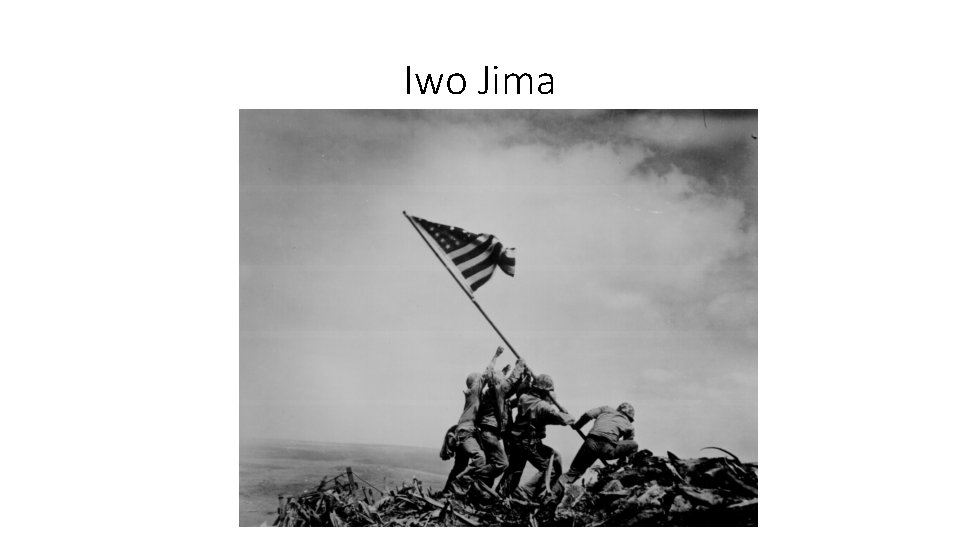
• It took over a month for the US to take the island, at a cost of 6, 891 dead and 18, 070 wounded. • Out of the 22, 000 Japanese soldiers on the island, only 212 were taken prisoners. • This was the location of the famous picture of Americans raising the US flag on the mountain top.
Iwo Jima
Preparing for Invasion • As the US prepared to invade Japan, they were concerned for the massive cost. • The Japanese were prepared to fight to the last man, woman and child. • In the US, scientists had been working on a new weapon- an atomic bomb. • This secretive plan was called the Manhattan Project • After a successful test, the US decided to use the bomb instead of invading mainland Japan.
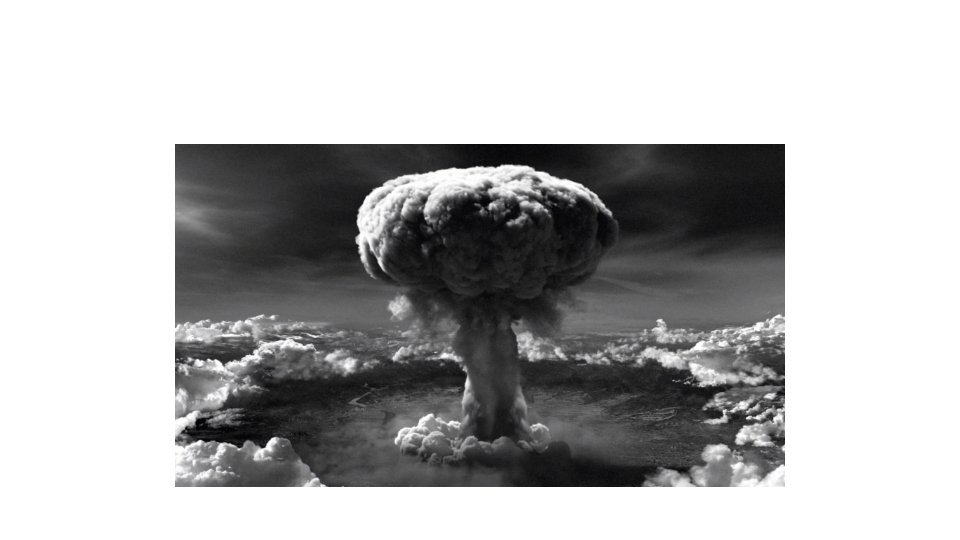
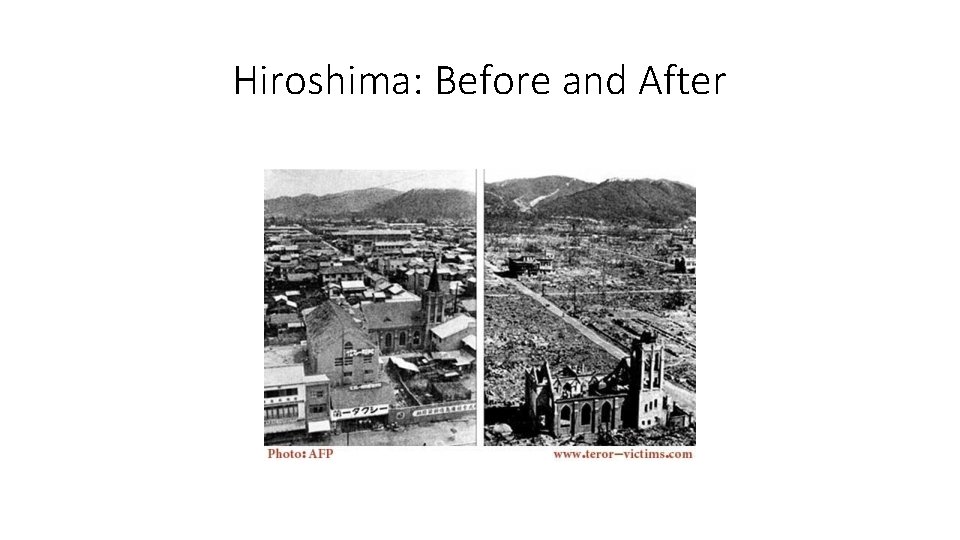
Using the Atomic Bomb • Aug 6, 1945 - the city of Hiroshima is obliterated by the first atomic bomb. • Aug 9, 1945 - a second bomb is used on the city of Nagasaki. • The Japanese are forced to surrender on August 15, 1945. • The destructive power of the bomb was overwhelming. • Note: The yield for Little Boy was 15 Kilotons, we currently have the ability to produce 60 megaton explosions. (4000 times as powerful as Hiroshima and Nagasaki)
Hiroshima: Before and After
• Sept 2. 1945, in Tokyo Bay, the Japanese Emperor signed the articles of surrender. • World War Two was over.