
The End of the Civil War the Cowboy
The End of the Civil War: the Cowboy, the Homestead Act and the Transcontinental RR • Show America the Story of Us: Heartland 23: 06 -33: 00 (Native Americans & the cowboy)
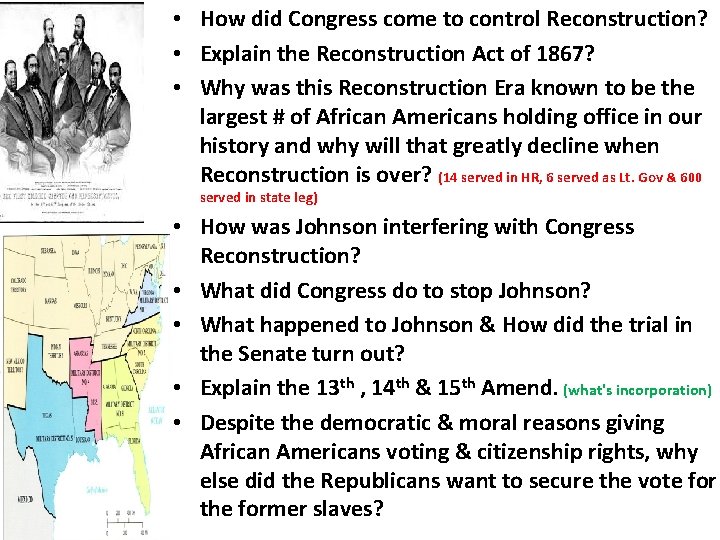
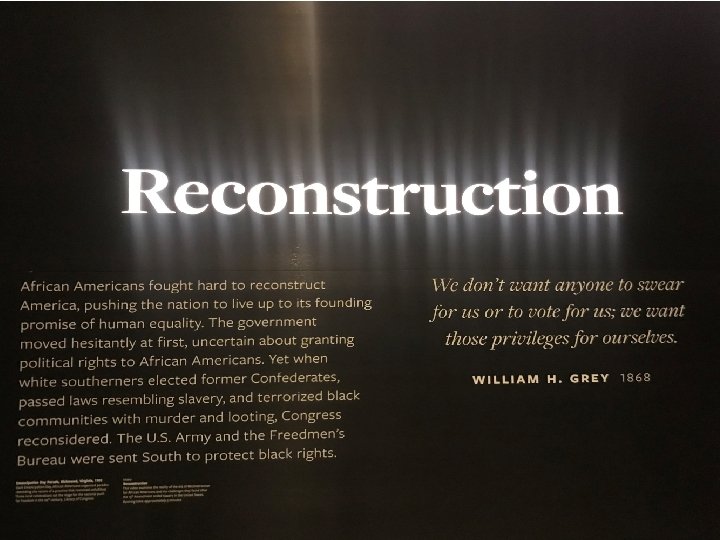
• How did Congress come to control Reconstruction? • Explain the Reconstruction Act of 1867? • Why was this Reconstruction Era known to be the largest # of African Americans holding office in our history and why will that greatly decline when Reconstruction is over? (14 served in HR, 6 served as Lt. Gov & 600 served in state leg) • How was Johnson interfering with Congress Reconstruction? • What did Congress do to stop Johnson? • What happened to Johnson & How did the trial in the Senate turn out? • Explain the 13 th , 14 th & 15 th Amend. (what's incorporation) • Despite the democratic & moral reasons giving African Americans voting & citizenship rights, why else did the Republicans want to secure the vote for the former slaves?

Homestead • Homestead Act of 1862 – the government Act of 1862: wanting to settle the west (make RR profitable) gave land away to people who would cultivate it for 5 yrs. Economic nationalism – helped a • small young agrarian society to become an industrial powerhouse. Lincoln’s 2 goals: move people west & keep area free of slaves. • Requirements: 21 yrs age, head of household, $10 filing fee, Can’t be from state at war w/ U. S. • Any U. S. citizen, or intended citizen, could file an application for 160 acres of surveyed Government land. (Women, Blacks & non citizens) (no gender or racial bias) • To gain title in 5 yrs one must show improvements to the land (ex. house & farm) why? (What had speculators done in past to western lands & to economy? ) • Or after 6 months you could buy the acres for $1. 25 an acre = $200 (investors) • 160 Acres-transformed the great American desert into the bread basket of the world after inventions of dry farming
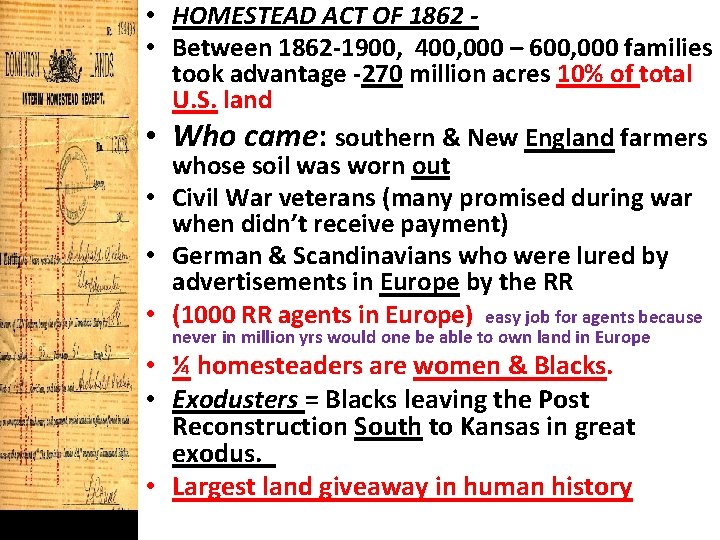
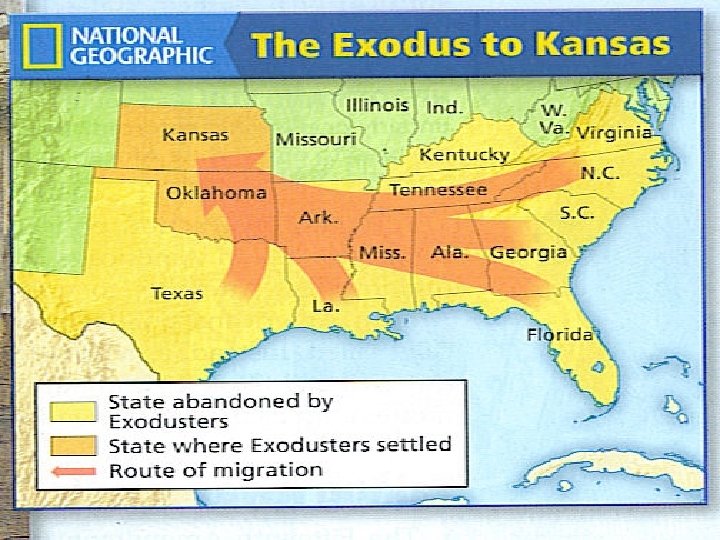
` • HOMESTEAD ACT OF 1862 • Between 1862 -1900, 400, 000 – 600, 000 families took advantage -270 million acres 10% of total U. S. land • Who came: southern & New England farmers whose soil was worn out • Civil War veterans (many promised during war when didn’t receive payment) • German & Scandinavians who were lured by advertisements in Europe by the RR • (1000 RR agents in Europe) easy job for agents because never in million yrs would one be able to own land in Europe • ¼ homesteaders are women & Blacks. • Exodusters = Blacks leaving the Post Reconstruction South to Kansas in great exodus. • Largest land giveaway in human history
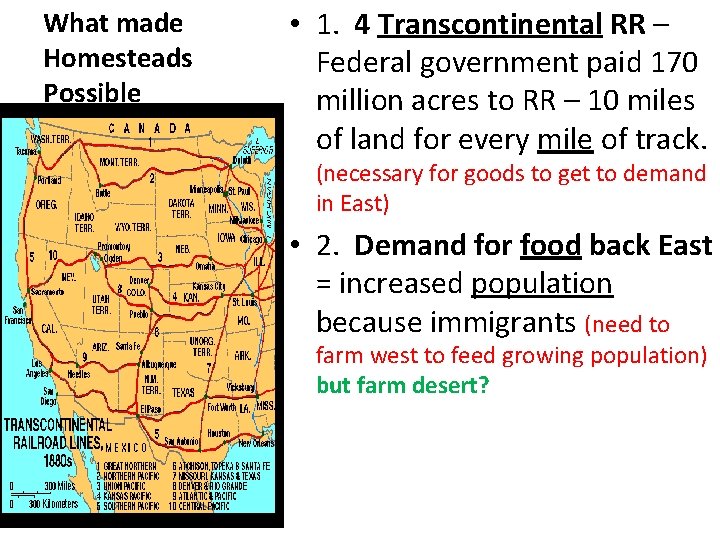
What made Homesteads Possible • 1. 4 Transcontinental RR – Federal government paid 170 million acres to RR – 10 miles of land for every mile of track. (necessary for goods to get to demand in East) • 2. Demand for food back East = increased population because immigrants (need to farm west to feed growing population) but farm desert?
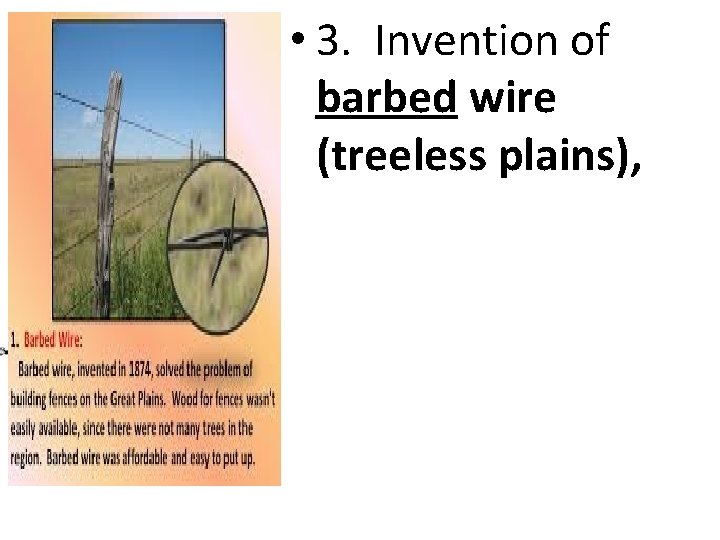
• 3. Invention of barbed wire (treeless plains),
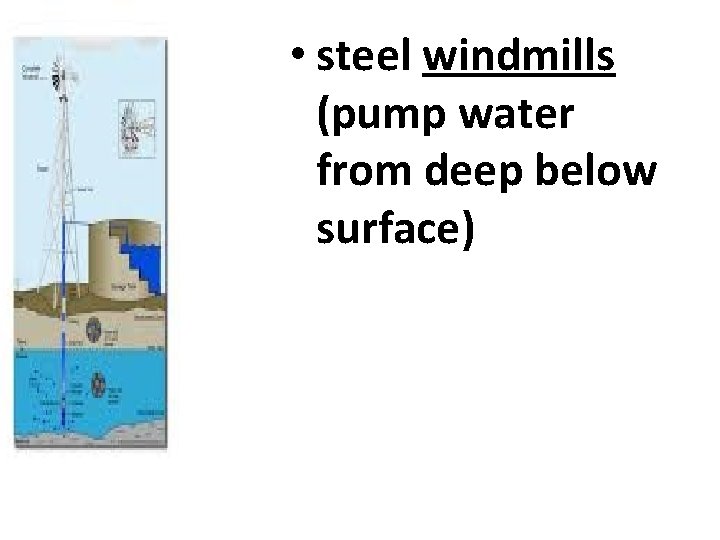
• steel windmills (pump water from deep below surface)
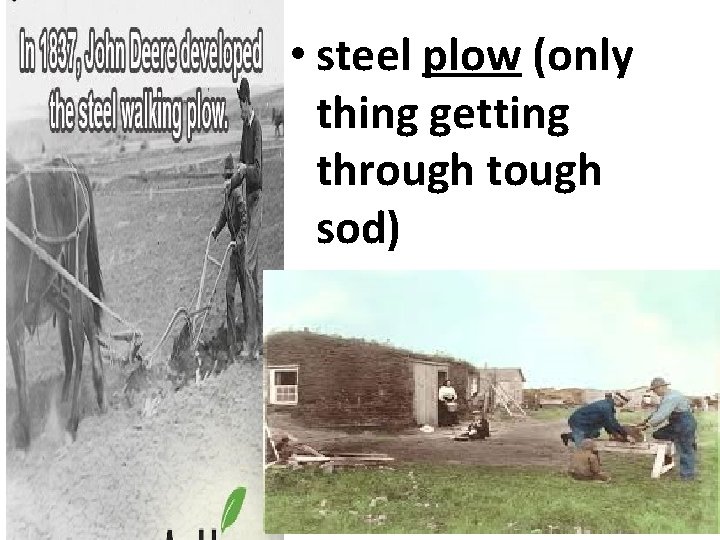
• steel plow (only thing getting through tough sod)
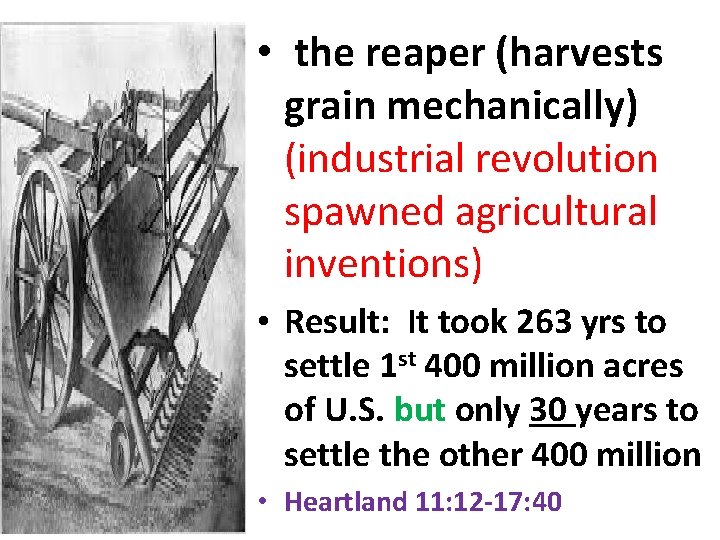
• the reaper (harvests grain mechanically) (industrial revolution spawned agricultural inventions) • Result: It took 263 yrs to settle 1 st 400 million acres of U. S. but only 30 years to settle the other 400 million • Heartland 11: 12 -17: 40
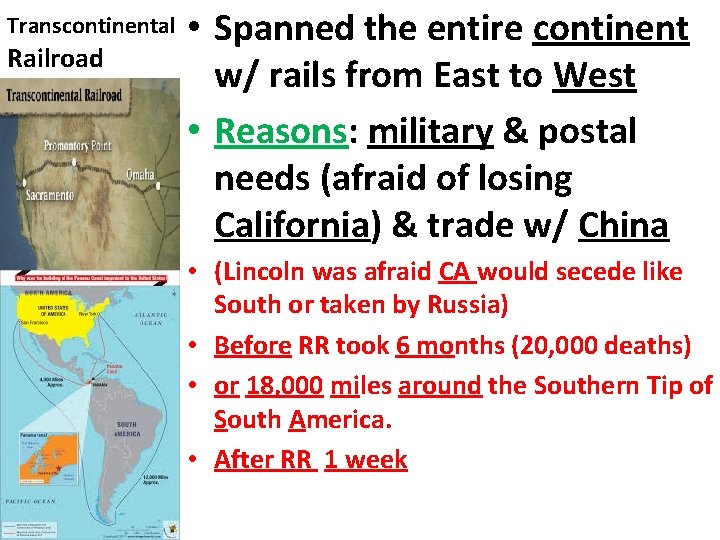
Transcontinental Railroad • Spanned the entire continent w/ rails from East to West • Reasons: military & postal needs (afraid of losing California) & trade w/ China • (Lincoln was afraid CA would secede like South or taken by Russia) • Before RR took 6 months (20, 000 deaths) • or 18, 000 miles around the Southern Tip of South America. • After RR 1 week
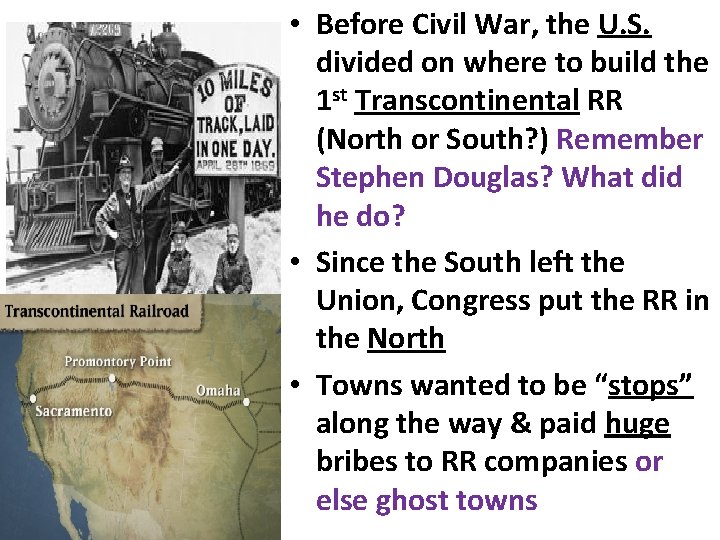
• Before Civil War, the U. S. divided on where to build the 1 st Transcontinental RR (North or South? ) Remember Stephen Douglas? What did he do? • Since the South left the Union, Congress put the RR in the North • Towns wanted to be “stops” along the way & paid huge bribes to RR companies or else ghost towns
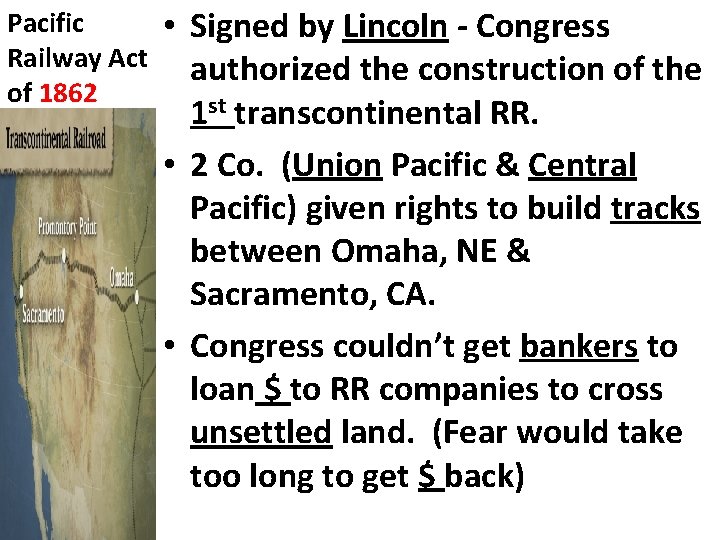
Pacific Railway Act of 1862 • Signed by Lincoln - Congress authorized the construction of the 1 st transcontinental RR. • 2 Co. (Union Pacific & Central Pacific) given rights to build tracks between Omaha, NE & Sacramento, CA. • Congress couldn’t get bankers to loan $ to RR companies to cross unsettled land. (Fear would take too long to get $ back)
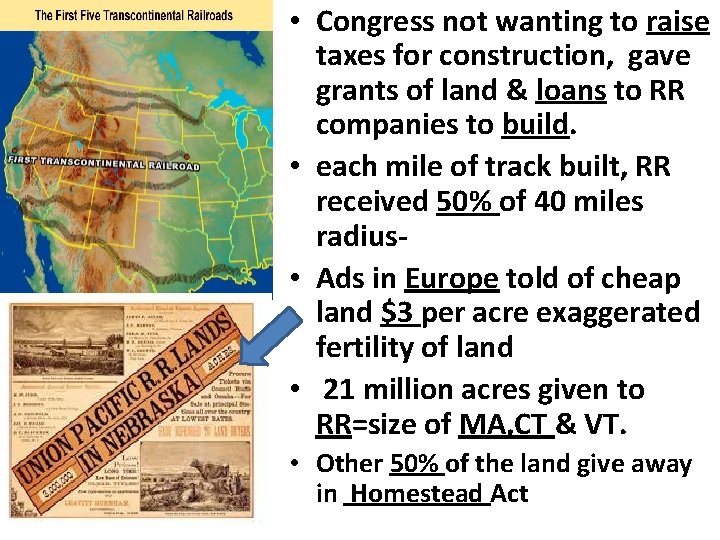
• Congress not wanting to raise taxes for construction, gave grants of land & loans to RR companies to build. • each mile of track built, RR received 50% of 40 miles radius • Ads in Europe told of cheap land $3 per acre exaggerated fertility of land • 21 million acres given to RR=size of MA, CT & VT. • Other 50% of the land give away in Homestead Act
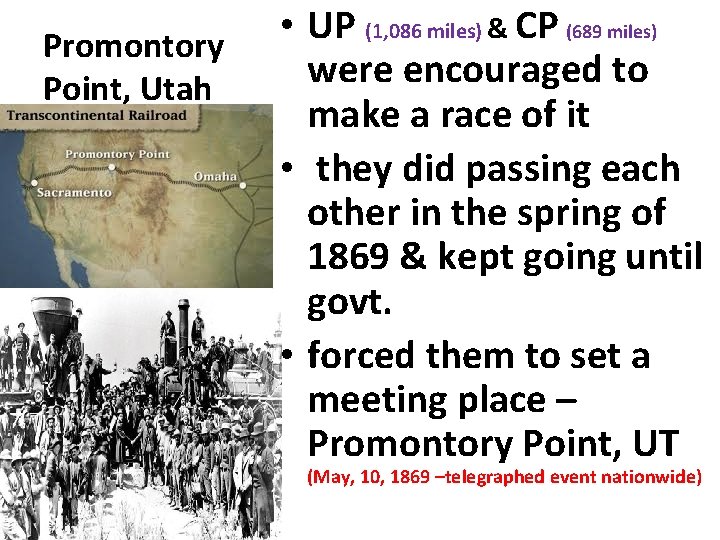
Promontory Point, Utah • UP (1, 086 miles) & CP (689 miles) were encouraged to make a race of it • they did passing each other in the spring of 1869 & kept going until govt. • forced them to set a meeting place – Promontory Point, UT (May, 10, 1869 –telegraphed event nationwide)
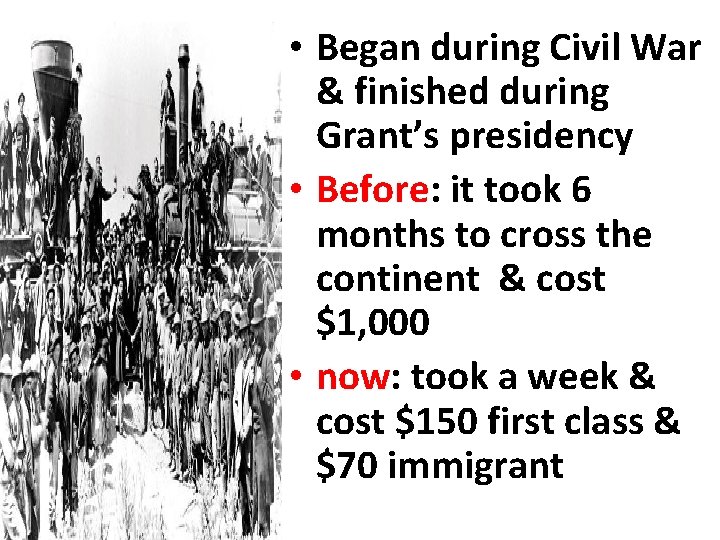
• Began during Civil War & finished during Grant’s presidency • Before: it took 6 months to cross the continent & cost $1, 000 • now: took a week & cost $150 first class & $70 immigrant
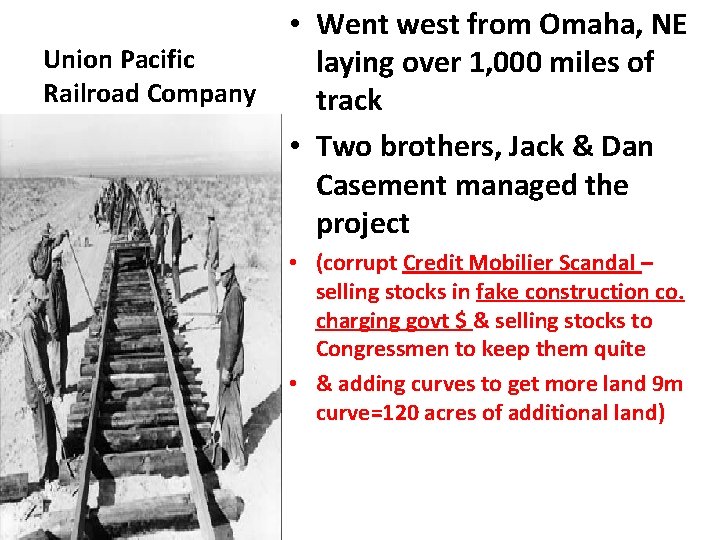
• Went west from Omaha, NE Union Pacific laying over 1, 000 miles of Railroad Company track • Two brothers, Jack & Dan Casement managed the project • (corrupt Credit Mobilier Scandal – selling stocks in fake construction co. charging govt $ & selling stocks to Congressmen to keep them quite • & adding curves to get more land 9 m curve=120 acres of additional land)
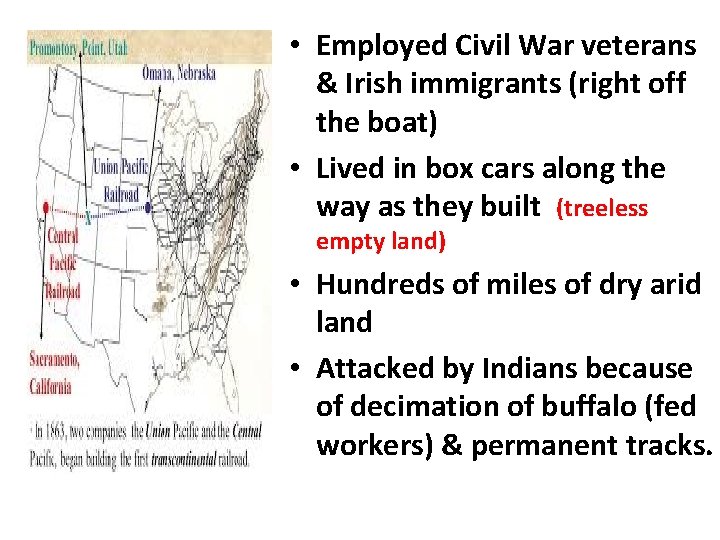
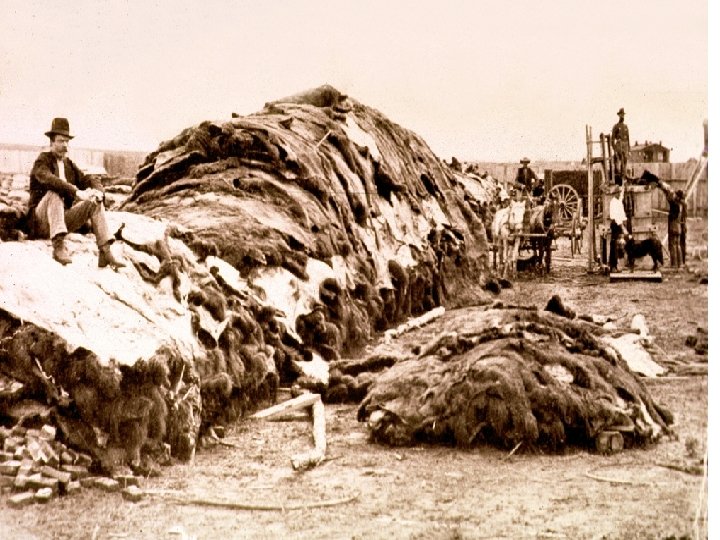
• Employed Civil War veterans & Irish immigrants (right off the boat) • Lived in box cars along the way as they built (treeless empty land) • Hundreds of miles of dry arid land • Attacked by Indians because of decimation of buffalo (fed workers) & permanent tracks.
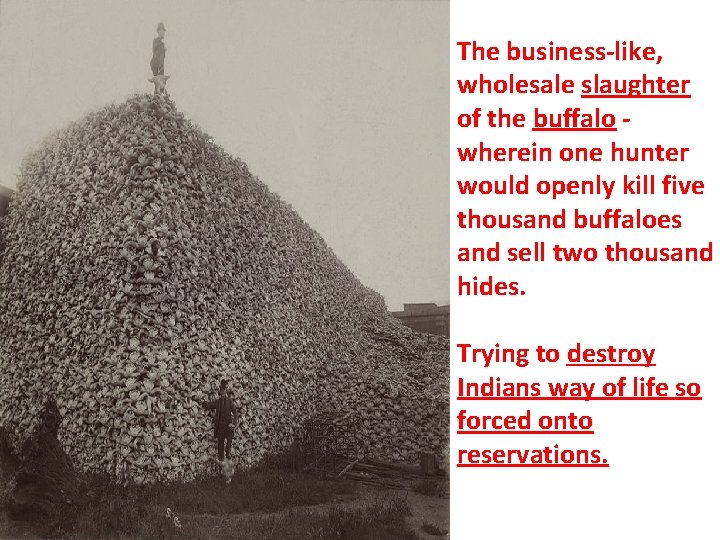
The business-like, wholesale slaughter of the buffalo wherein one hunter would openly kill five thousand buffaloes and sell two thousand hides. Trying to destroy Indians way of life so forced onto reservations.
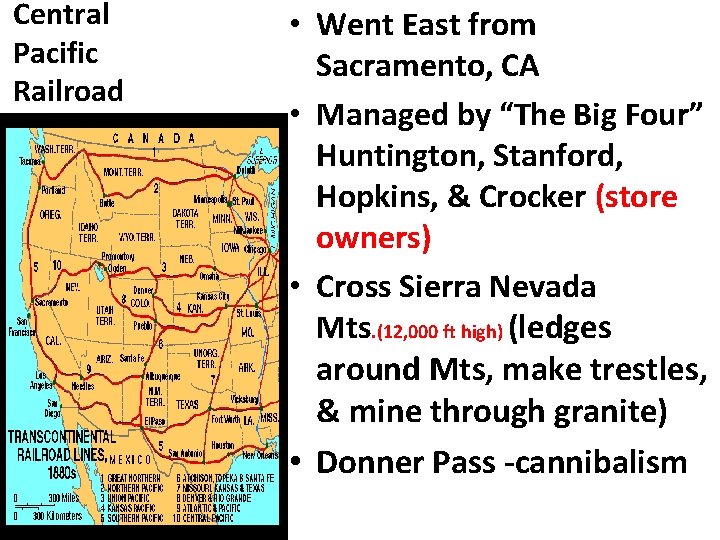
Central Pacific Railroad • Went East from Sacramento, CA • Managed by “The Big Four” Huntington, Stanford, Hopkins, & Crocker (store owners) • Cross Sierra Nevada Mts. (12, 000 ft high) (ledges around Mts, make trestles, & mine through granite) • Donner Pass -cannibalism
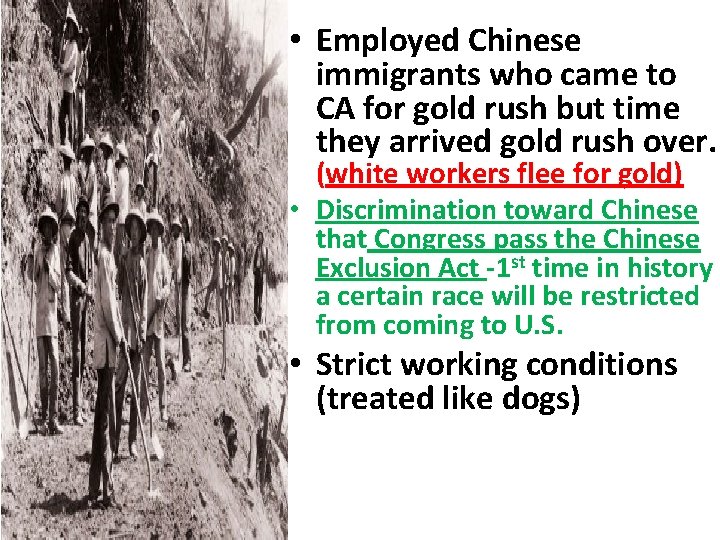
• Employed Chinese immigrants who came to CA for gold rush but time they arrived gold rush over. (white workers flee for gold) • Discrimination toward Chinese that Congress pass the Chinese Exclusion Act -1 st time in history a certain race will be restricted from coming to U. S. • Strict working conditions (treated like dogs)
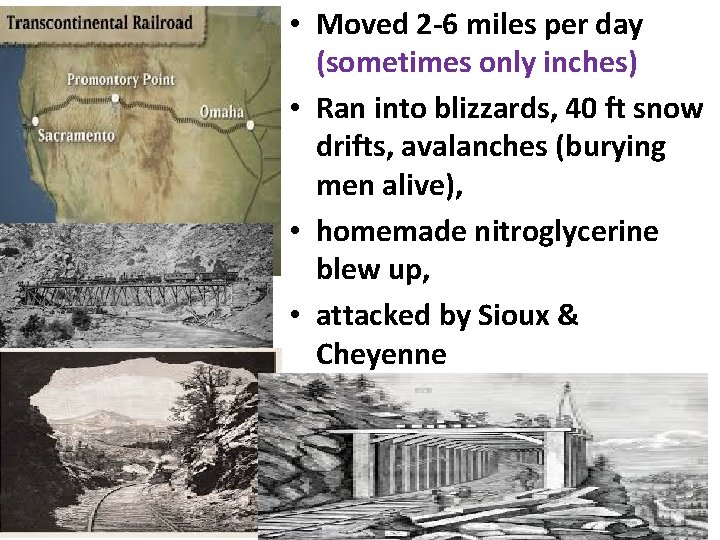
• Moved 2 -6 miles per day (sometimes only inches) • Ran into blizzards, 40 ft snow drifts, avalanches (burying men alive), • homemade nitroglycerine blew up, • attacked by Sioux & Cheyenne
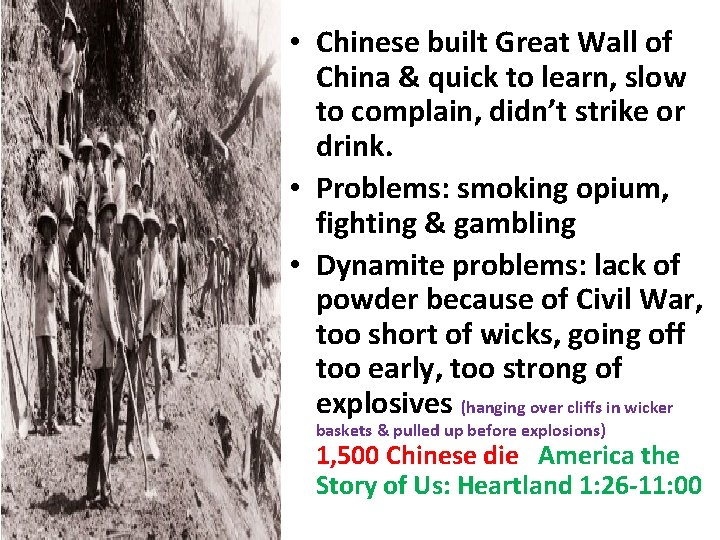
• Chinese built Great Wall of China & quick to learn, slow to complain, didn’t strike or drink. • Problems: smoking opium, fighting & gambling • Dynamite problems: lack of powder because of Civil War, too short of wicks, going off too early, too strong of explosives (hanging over cliffs in wicker baskets & pulled up before explosions) 1, 500 Chinese die America the Story of Us: Heartland 1: 26 -11: 00

What was the purpose of the Cowboy? (use supply & demand)
• • • • How was the Homestead Act Economic Nationalism? (What reason govt shift policy and give land away) What were the rules to get a Homestead? Who took advantage of the Homestead Act of 1862 and why? What 3 things made the Homestead Act possible? What new technologies & infrastructure projects made farming in the Great Plains possible? Why did 2 out of every 3 families quit their Homestead? What was the reason for the Transcontinental Railroad & what Act put its construction under way? What debate had there been about the RR location & how was it resolved? Why did the government need to pay the Railroad companies in the form of land? Explain the payment of land for every mile of track: What could the RR companies do with the land why would this be successful? What route did Union Pacific take in the Construction of the 1 st Transcontinental Railroad, who did they hire & what hardships did they face? What route did the Central Pacific take and who did they hire why and what hardships did they face? What Union Pacific Scandal corrupted Grant’s presidency? Why did the companies have to be ordered to meet up in Promontory Point, Utah
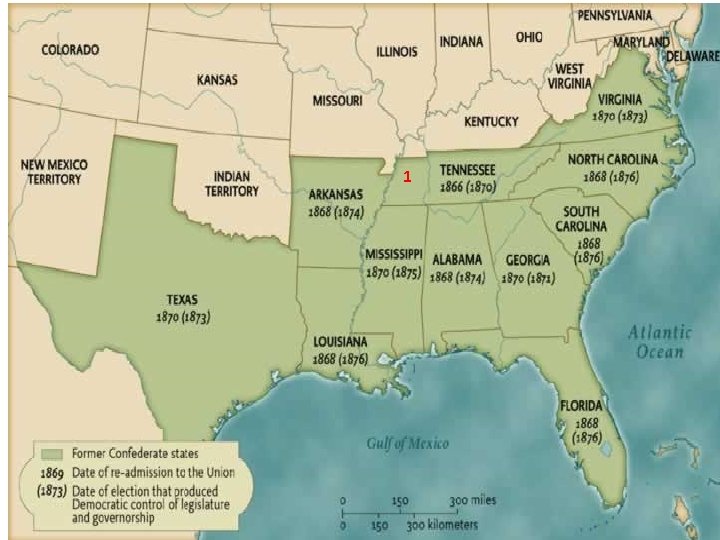
1
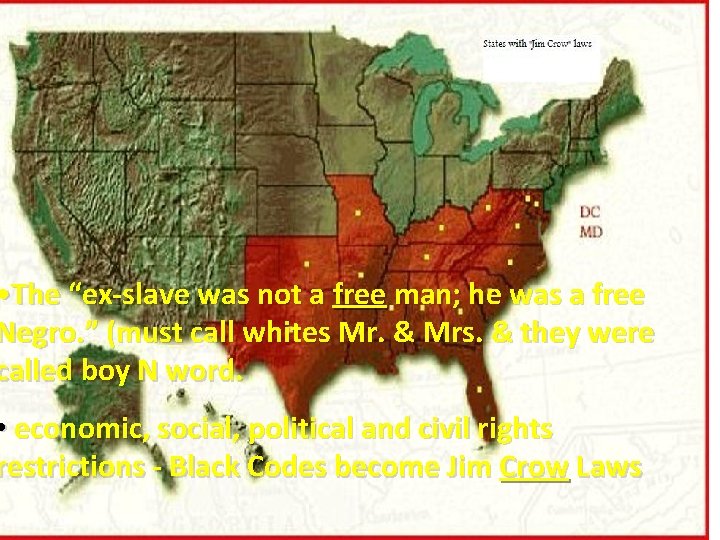
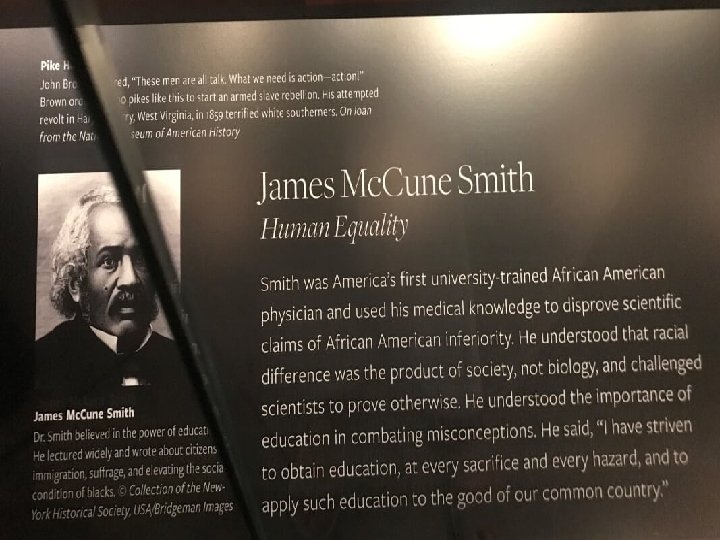
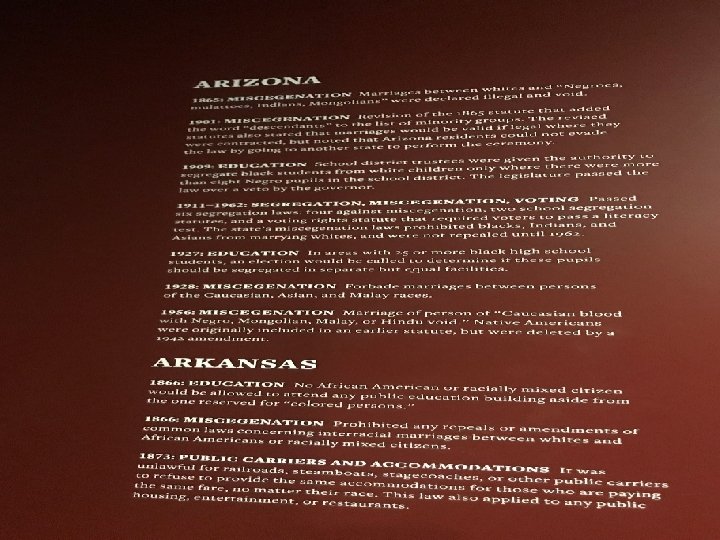
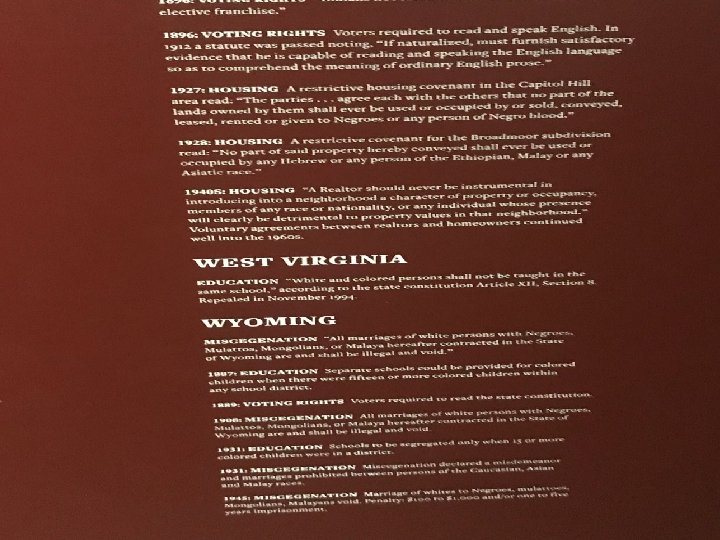
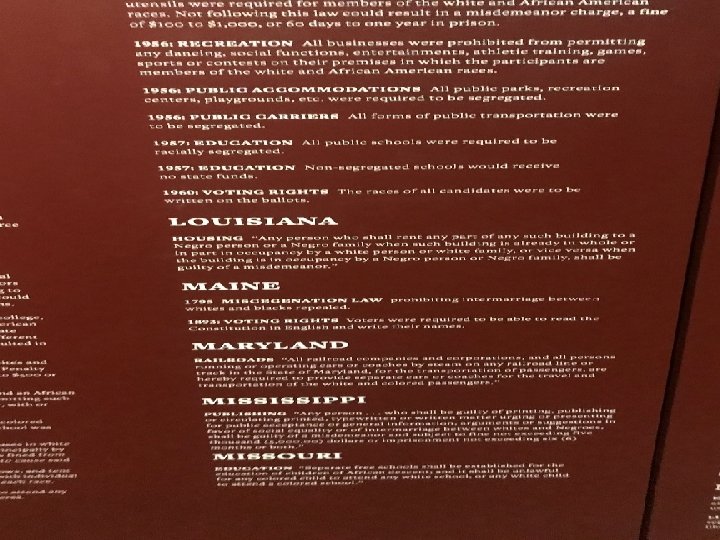
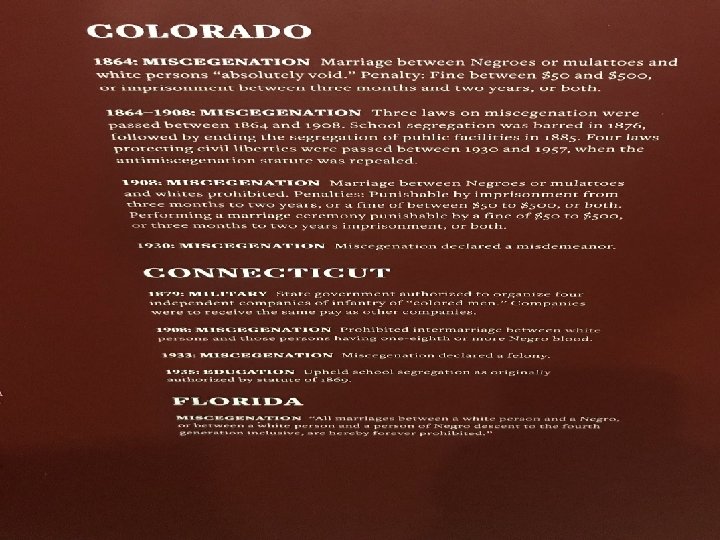
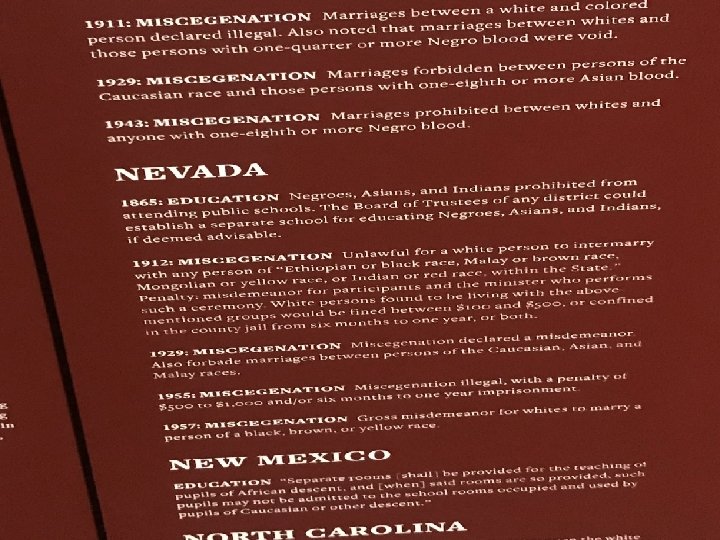
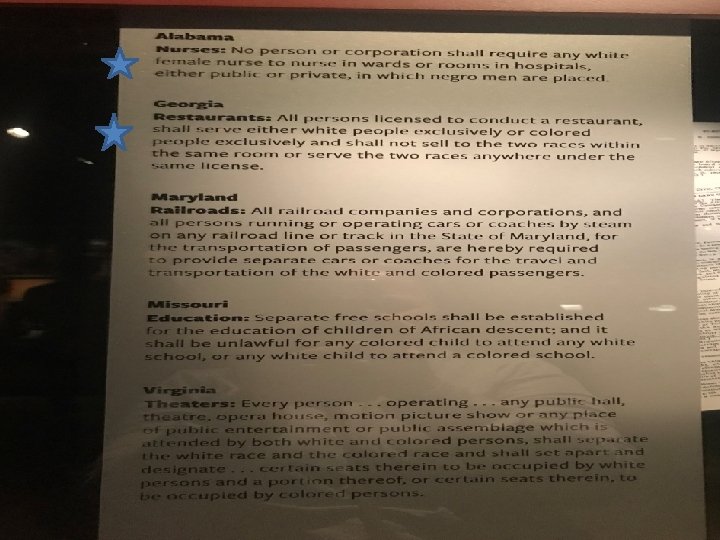
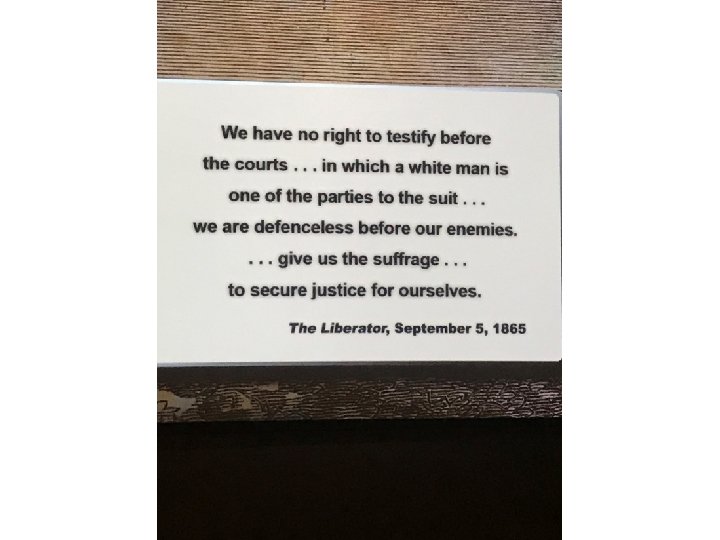
• The “ex-slave was not a free man; he was a free Negro. ” (must call whites Mr. & Mrs. & they were called boy N word. • economic, social, political and civil rights restrictions - Black Codes become Jim Crow Laws
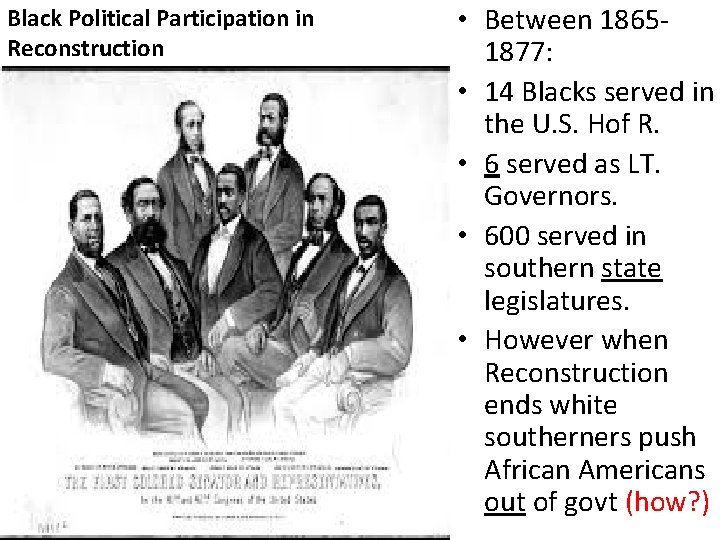
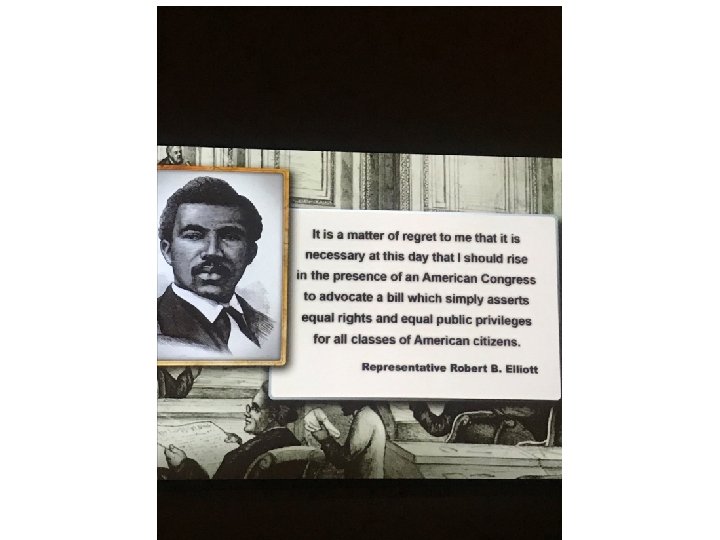
Black Political Participation in Reconstruction • Between 18651877: • 14 Blacks served in the U. S. Hof R. • 6 served as LT. Governors. • 600 served in southern state legislatures. • However when Reconstruction ends white southerners push African Americans out of govt (how? )
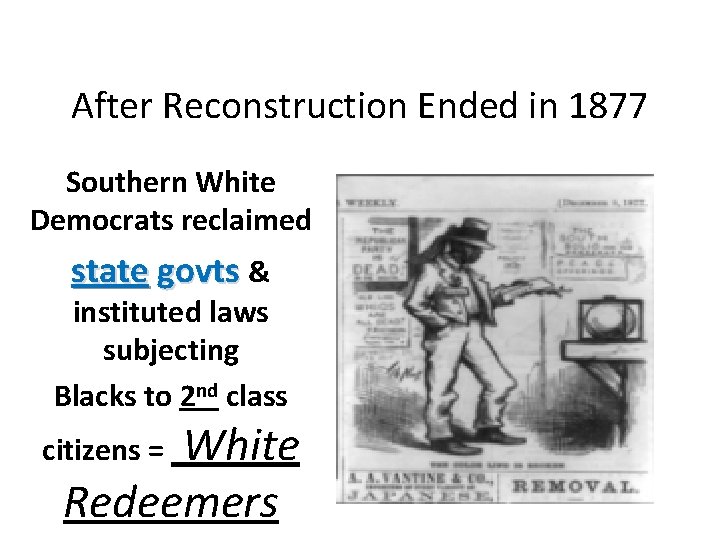
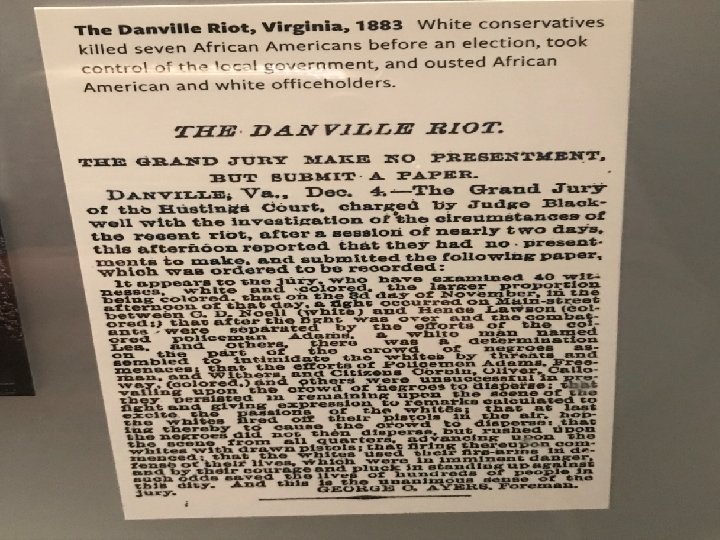
After Reconstruction Ended in 1877 Southern White Democrats reclaimed state govts & instituted laws subjecting Blacks to 2 nd class White Redeemers citizens =
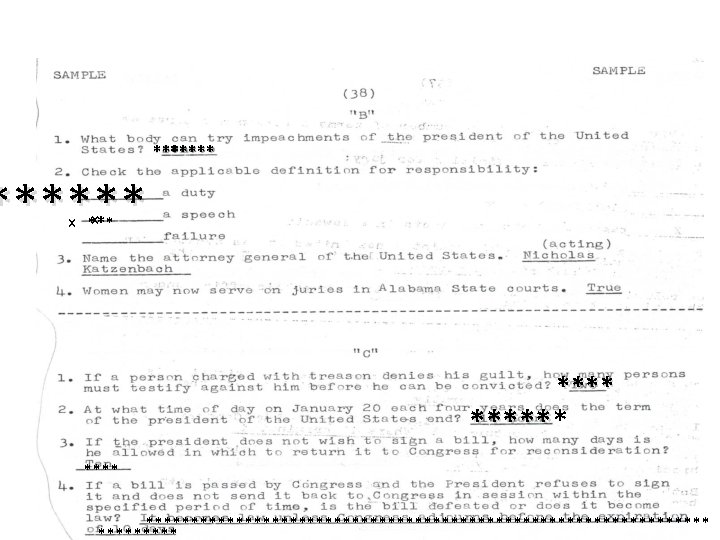
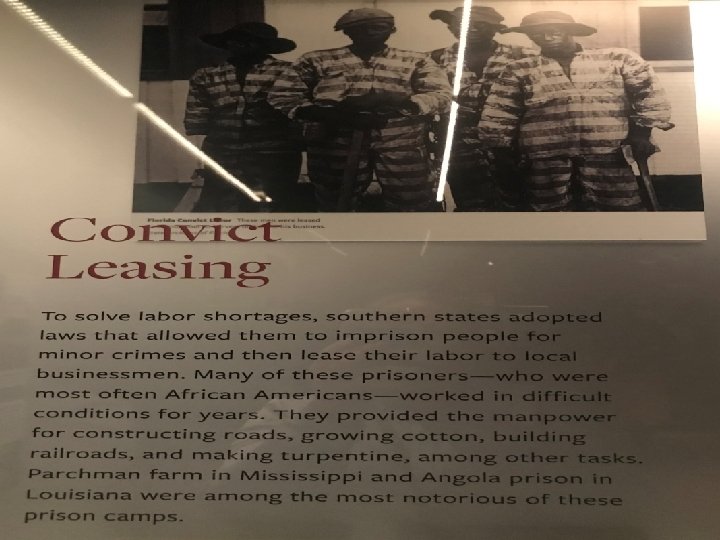
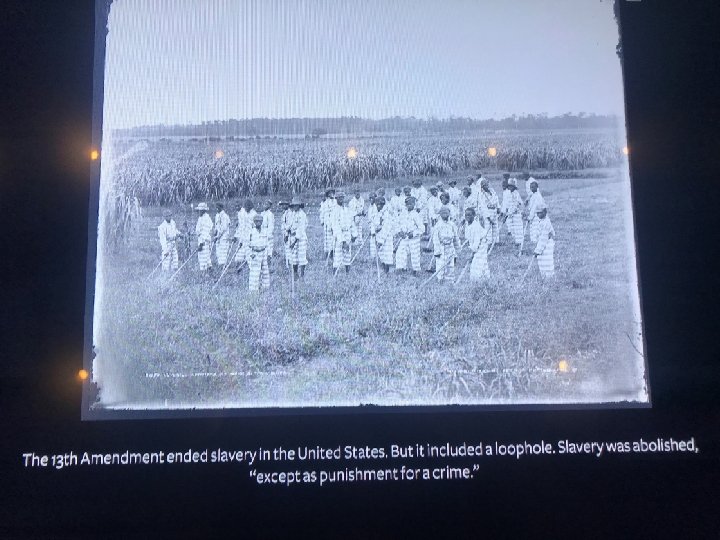
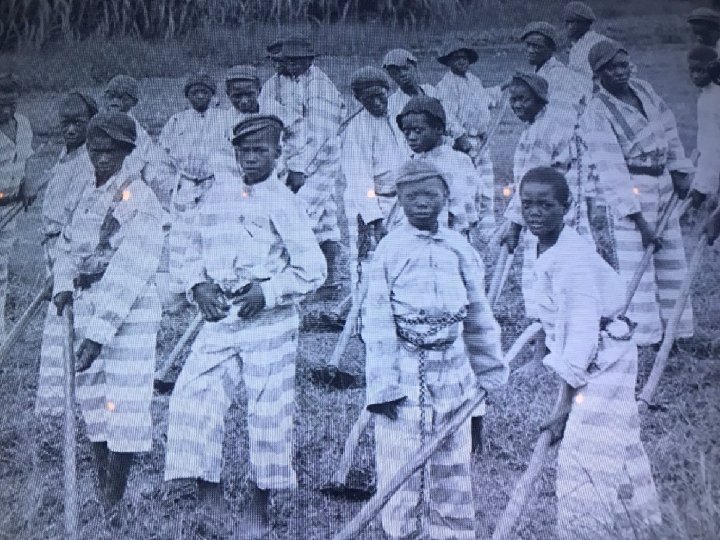
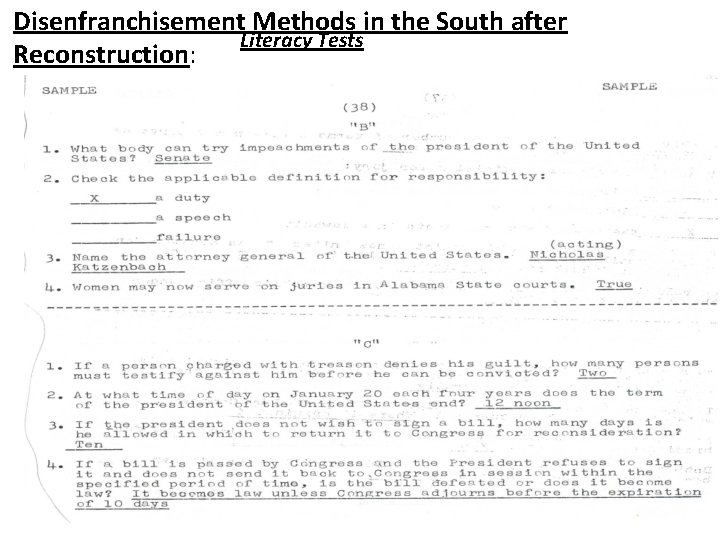
Disenfranchisement Methods in the South after Literacy Tests Reconstruction:
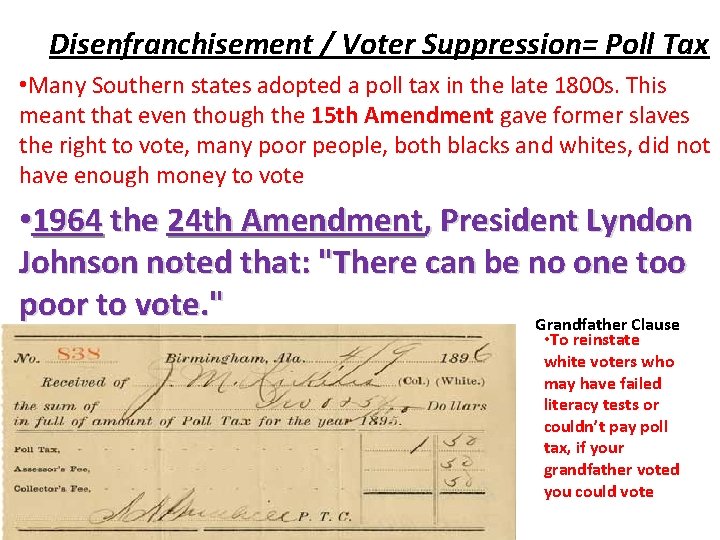
Disenfranchisement / Voter Suppression= Poll Tax • Many Southern states adopted a poll tax in the late 1800 s. This meant that even though the 15 th Amendment gave former slaves the right to vote, many poor people, both blacks and whites, did not have enough money to vote • 1964 the 24 th Amendment, President Lyndon Johnson noted that: "There can be no one too poor to vote. " Grandfather Clause • To reinstate white voters who may have failed literacy tests or couldn’t pay poll tax, if your grandfather voted you could vote
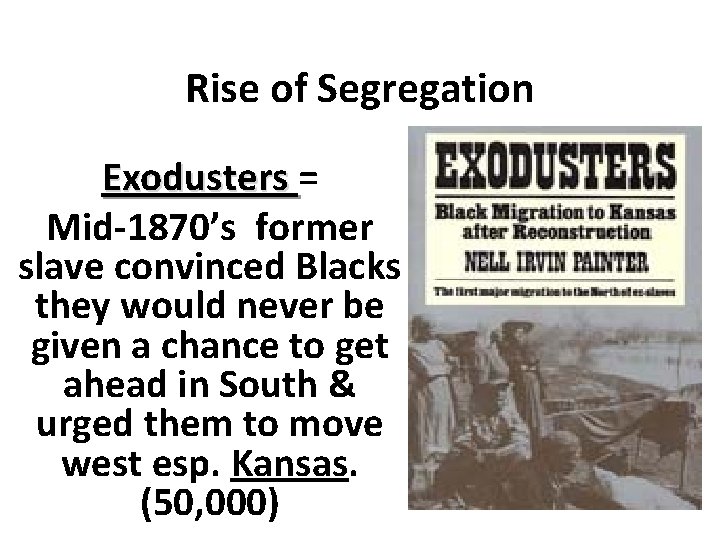
Rise of Segregation Exodusters = Mid-1870’s former slave convinced Blacks they would never be given a chance to get ahead in South & urged them to move west esp. Kansas. (50, 000)
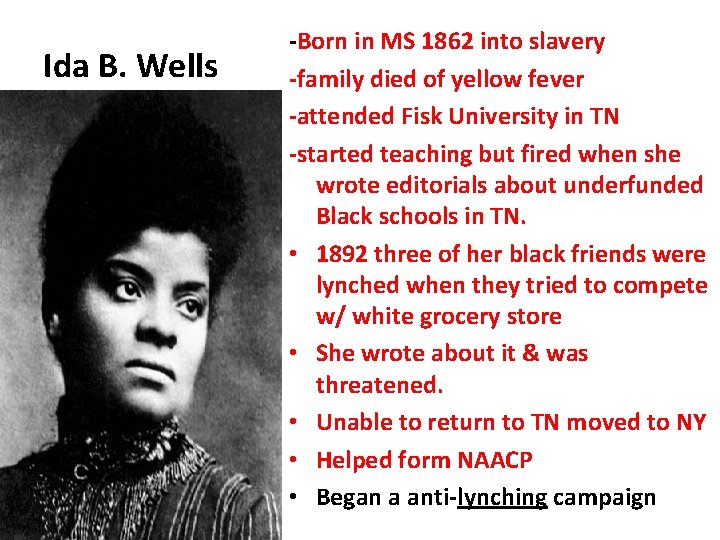
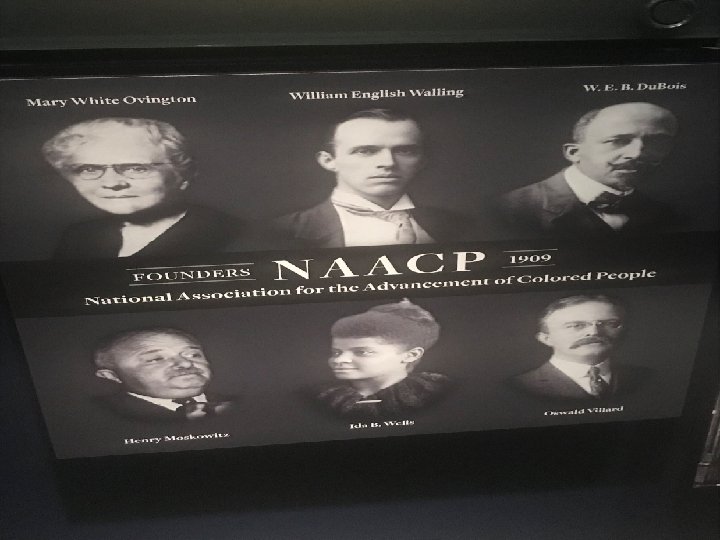
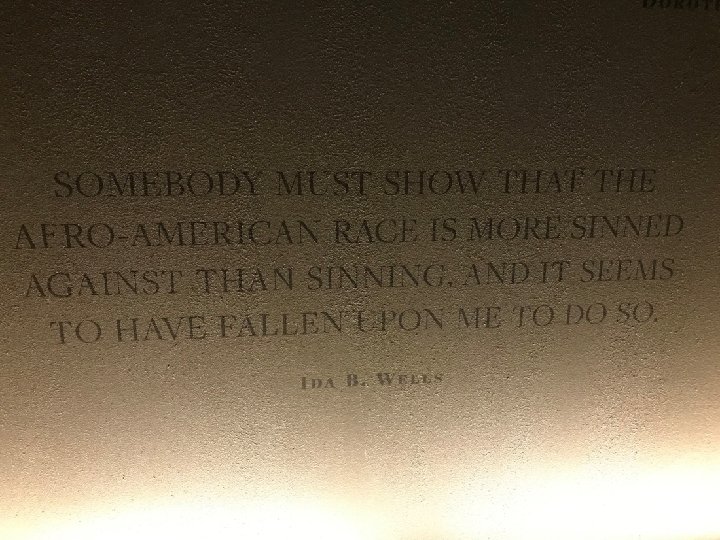
Ida B. Wells -Born in MS 1862 into slavery -family died of yellow fever -attended Fisk University in TN -started teaching but fired when she wrote editorials about underfunded Black schools in TN. • 1892 three of her black friends were lynched when they tried to compete w/ white grocery store • She wrote about it & was threatened. • Unable to return to TN moved to NY • Helped form NAACP • Began a anti-lynching campaign
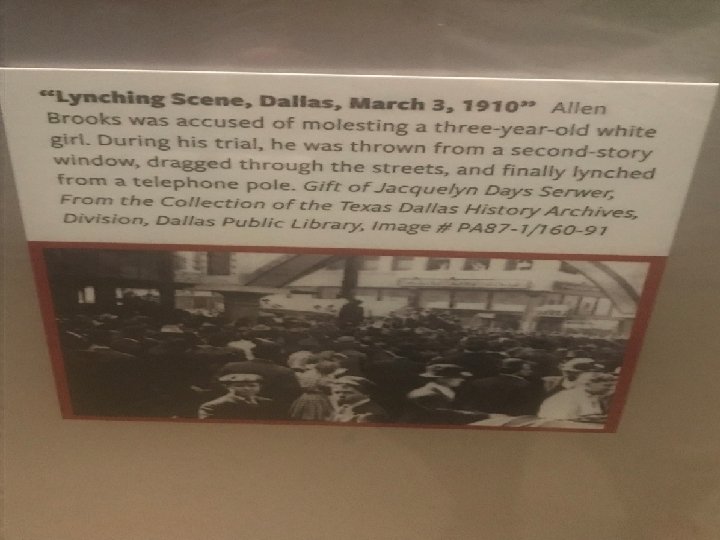
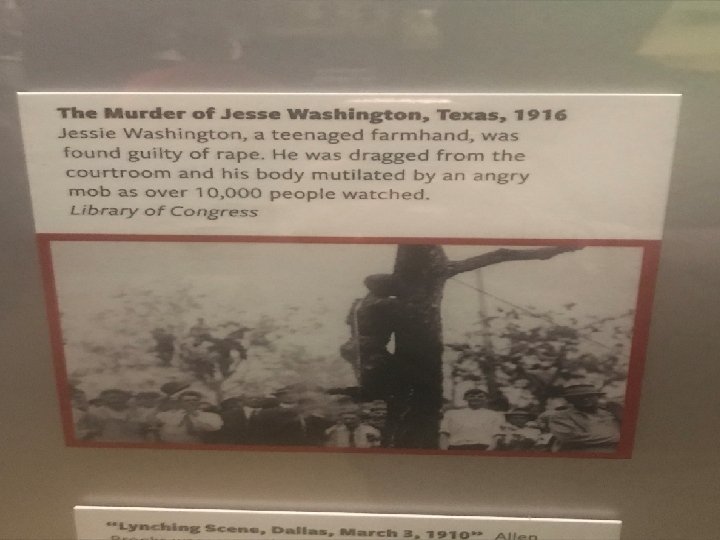
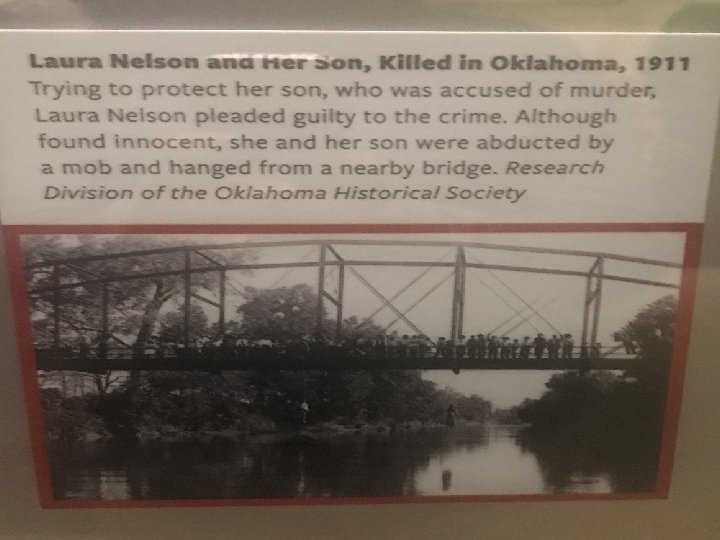
• Explain the Homestead Act: • Explain the Transcontinental Railroad or Pacific Railway Act 0 f 1862: • What were the two companies & what direction did each build? • What problems did each face & who did each RR hire? • Compare & Contrast Booker T. Washington & W. E. B. Du. Bois: • How did the early African American Civil Rights Leaders’ upbringing influence their opinion on how to fight the injustices Blacks faced after Reconstruction? • Who was Ida B. Wells & what did she advocate?
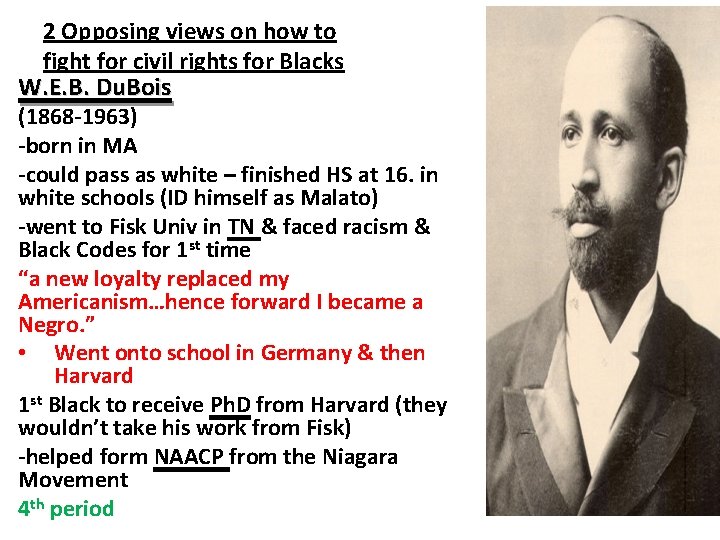
2 Opposing views on how to fight for civil rights for Blacks W. E. B. Du. Bois (1868 -1963) -born in MA -could pass as white – finished HS at 16. in white schools (ID himself as Malato) -went to Fisk Univ in TN & faced racism & Black Codes for 1 st time “a new loyalty replaced my Americanism…hence forward I became a Negro. ” • Went onto school in Germany & then Harvard 1 st Black to receive Ph. D from Harvard (they wouldn’t take his work from Fisk) -helped form NAACP from the Niagara Movement 4 th period
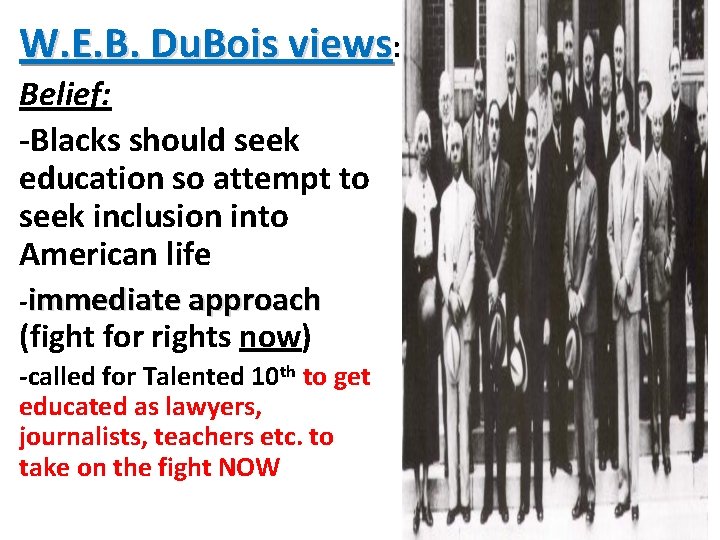
W. E. B. Du. Bois views: Belief: -Blacks should seek education so attempt to seek inclusion into American life -immediate approach (fight for rights now) -called for Talented 10 th to get educated as lawyers, journalists, teachers etc. to take on the fight NOW
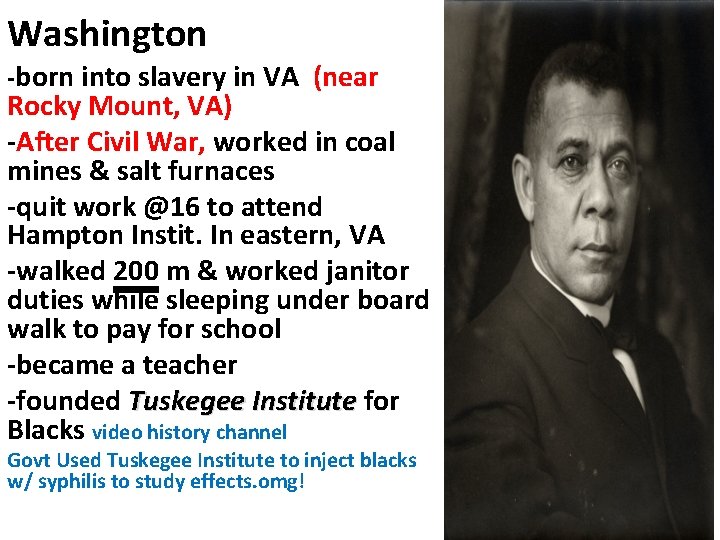
Washington -born into slavery in VA (near Rocky Mount, VA) -After Civil War, worked in coal mines & salt furnaces -quit work @16 to attend Hampton Instit. In eastern, VA -walked 200 m & worked janitor duties while sleeping under board walk to pay for school -became a teacher -founded Tuskegee Institute for Blacks video history channel Govt Used Tuskegee Institute to inject blacks w/ syphilis to study effects. omg!

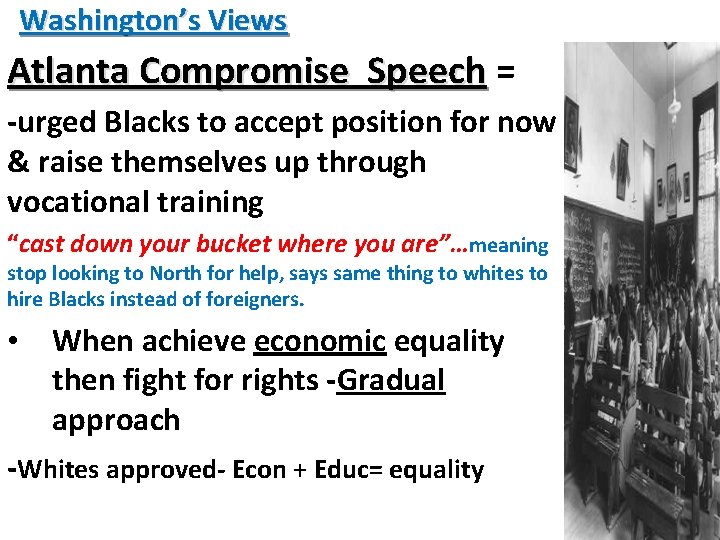
Washington’s Views Atlanta Compromise Speech = -urged Blacks to accept position for now & raise themselves up through vocational training “cast down your bucket where you are”…meaning stop looking to North for help, says same thing to whites to hire Blacks instead of foreigners. • When achieve economic equality then fight for rights -Gradual approach -Whites approved- Econ + Educ= equality

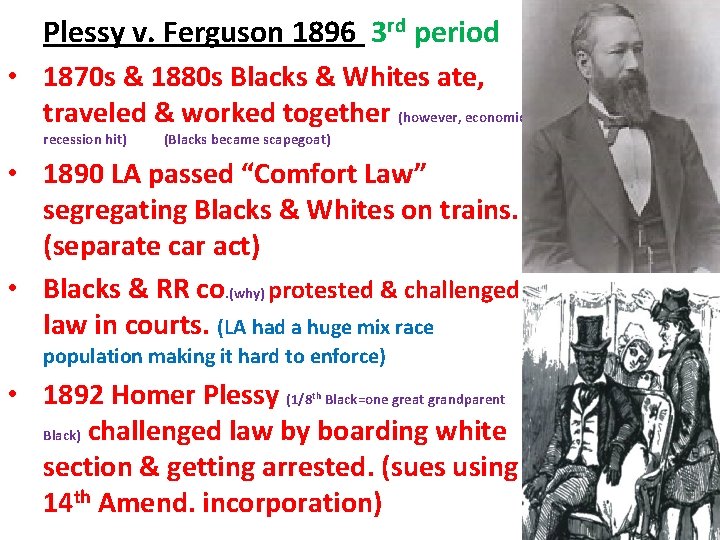
Plessy v. Ferguson 1896 3 rd period • 1870 s & 1880 s Blacks & Whites ate, traveled & worked together (however, economic recession hit) (Blacks became scapegoat) • 1890 LA passed “Comfort Law” segregating Blacks & Whites on trains. (separate car act) • Blacks & RR co. (why) protested & challenged law in courts. (LA had a huge mix race population making it hard to enforce) • 1892 Homer Plessy (1/8 Black=one great grandparent Black) challenged law by boarding white section & getting arrested. (sues using 14 th Amend. incorporation) th
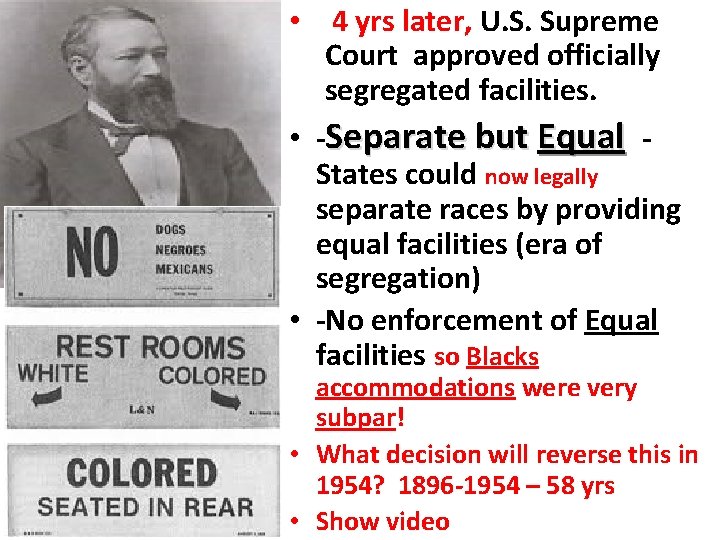
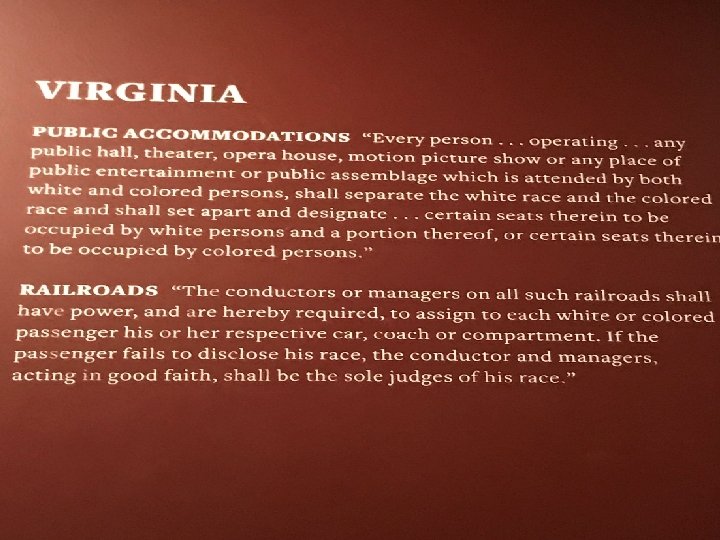
• 4 yrs later, U. S. Supreme Court approved officially segregated facilities. • -Separate but Equal States could now legally separate races by providing equal facilities (era of segregation) • -No enforcement of Equal facilities so Blacks accommodations were very subpar! • What decision will reverse this in 1954? 1896 -1954 – 58 yrs • Show video
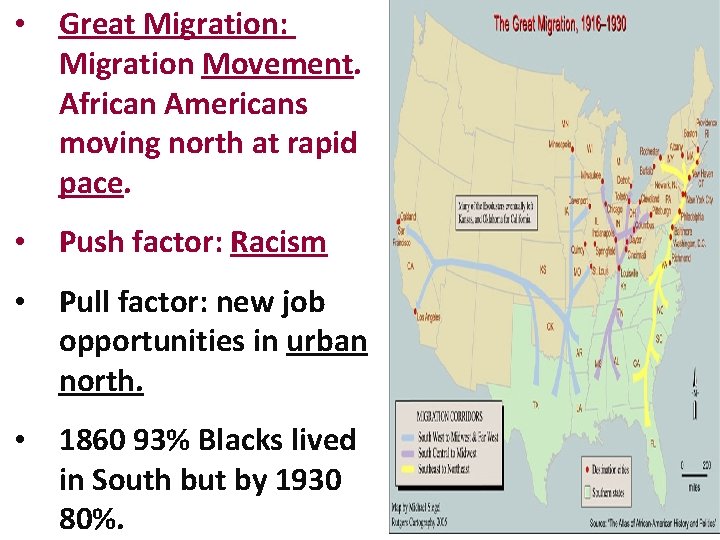
• Great Migration: Migration Movement. African Americans moving north at rapid pace. • Push factor: Racism • Pull factor: new job opportunities in urban north. • 1860 93% Blacks lived in South but by 1930 80%.
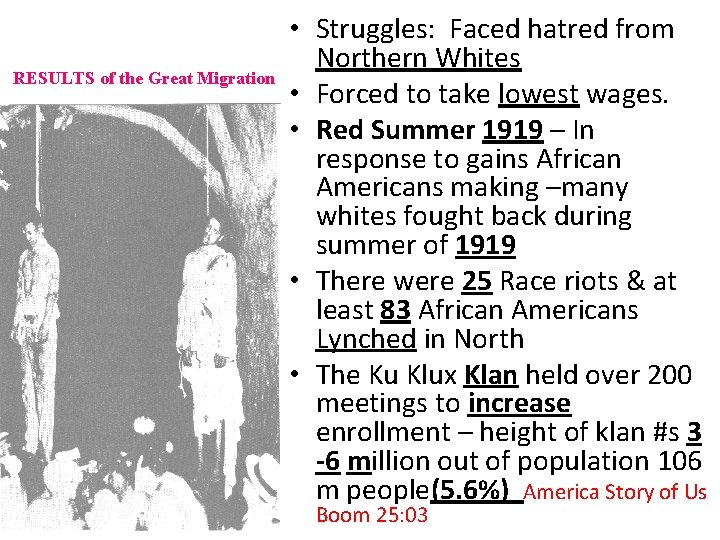
RESULTS of the Great Migration • Struggles: Faced hatred from Northern Whites • Forced to take lowest wages. • Red Summer 1919 – In response to gains African Americans making –many whites fought back during summer of 1919 • There were 25 Race riots & at least 83 African Americans Lynched in North • The Ku Klux Klan held over 200 meetings to increase enrollment – height of klan #s 3 -6 million out of population 106 m people(5. 6%) America Story of Us Boom 25: 03
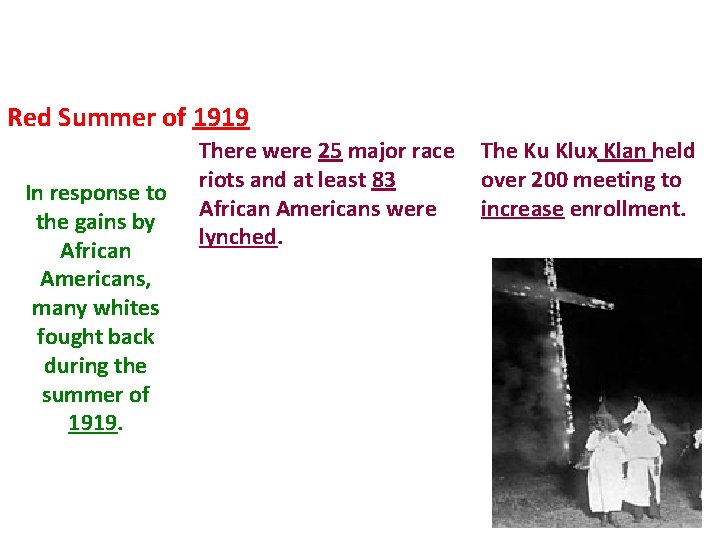
Red Summer of 1919 In response to the gains by African Americans, many whites fought back during the summer of 1919. There were 25 major race riots and at least 83 African Americans were lynched. The Ku Klux Klan held over 200 meeting to increase enrollment.

• Primary Source group work/debates
• 6. What is meant by Wash 2 nd Paragraph, 3 rd & 4 th in reference to the bucket? • 7. What does he mean separate as fingers yet one hand? • 8. What does Du. Bois say Washington is asking Blacks to give up on? 3 things • 9. What has Dubois’ claim “pacifying and palm branch” gotten the African American and what does he mean by this? 3 things • 10. What does Du. Bois claim Washington’s Doctrine has done and why is that wrong? • 11. In the last paragraph of Washington’s speech, what is he saying to Blacks & what is he saying to Whites? What is his goal with these different messages? • 12. Why could some justify Washington’s gradual approach? Du. Bois Immediate Approach? Which argument do you find more justified for the time?

































- Slides: 111