
The Effects of Trauma on Individuals with Intellectual


- Slides: 34
The Effects of Trauma on Individuals with Intellectual Disabilities And How to Facilitate Recovery! Clinical Presentation
Sources of Trauma for Individuals with IDD • Report on Abuse of People with Disabilities – 2013 Spectrum Institute • Over 70% of people with Disabilities report being victims of abuse 90% of them said it was on multiple occasions • Only 37% reported the abuse to the authorities Sexual Abuse – Hingsberger – 8 out of 10 females sexually abused more than once with developmental disabilities Males – 6 out of 10 • Social Trauma – Bullying, Name- calling, Verbal Abuse • Psychology of Exclusion – Stimulation of Anterior Cingular Cortex • Trauma of Institutionalization, Foster-care Placements • Trauma of Physical Abuse and Neglect http: //disability-abuse. com/
Trauma of Attachment Disorders: • Insecure Attachments • Avoidant • Patterns Attachments for life-long social interactions are set
Sullivan and Knuston (2000) Looked at 50, 278 young and school aged children • Kids with disabilities were 3. 4 times more likely to be neglected • Also 3. 4 times more likely to be physically, sexually and emotionally abused compared to non-disabled children • Children with behavioral disorders had a risk that was 7 times higher than non-disabled children for neglect, physical abuse and emotional abuse • 5. 5 times higher for sexual abuse • https: //www. youtube. com/watch? v=Qm 0 OGJwo. Ym g
Bucharest Early Intervention Orphan Study 138 children between 6 and 31 months who were in an orphanage in Bucharest were studied 68 kept in institution 68 placed in a new foster care system – full time paid parenting Results: After 54 months ( 41/2 years): Compared to 138 children raised in birth families http: //www. unicef. bg/public/images/tinybrowser/uplo ad/PPT%20 BEIP%20 Group%20 for%20 website. pdf
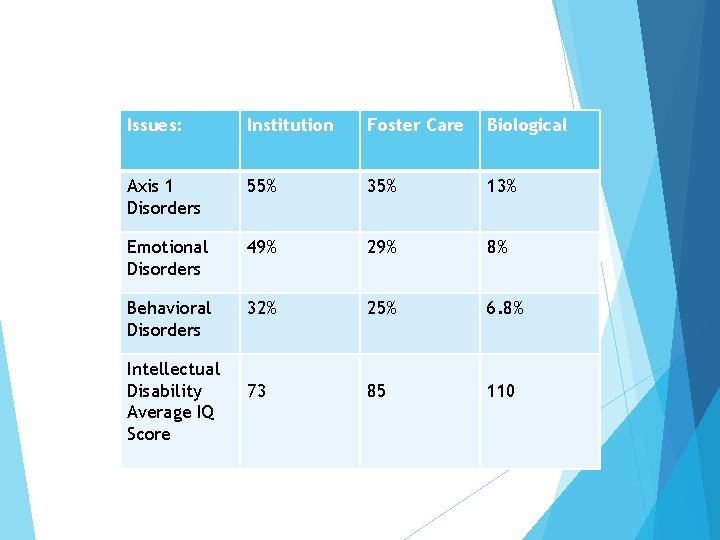
Issues: Institution Foster Care Biological Axis 1 Disorders 55% 35% 13% Emotional Disorders 49% 29% 8% Behavioral Disorders 32% 25% 6. 8% 73 85 110 Intellectual Disability Average IQ Score
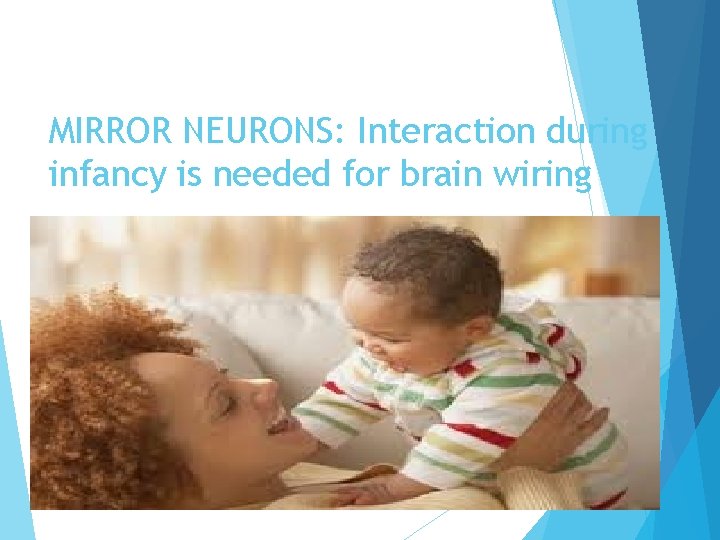
MIRROR NEURONS: Interaction during infancy is needed for brain wiring
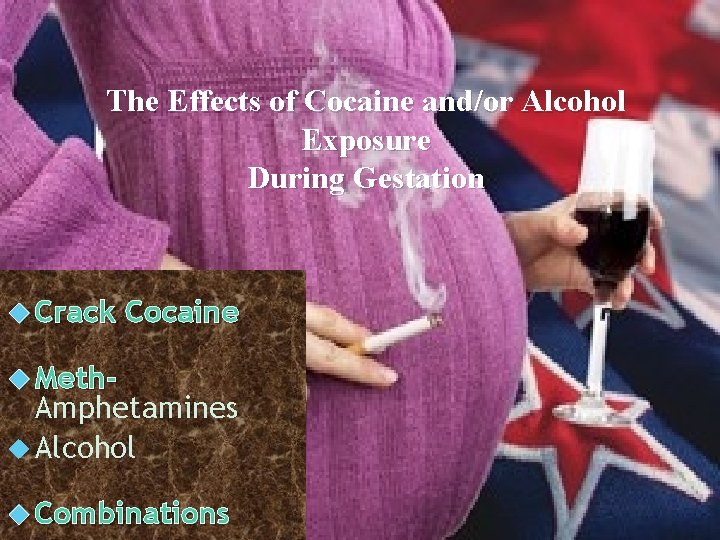
The Effects of Cocaine and/or Alcohol Exposure During Gestation Crack Cocaine Meth- Amphetamines Alcohol Combinations
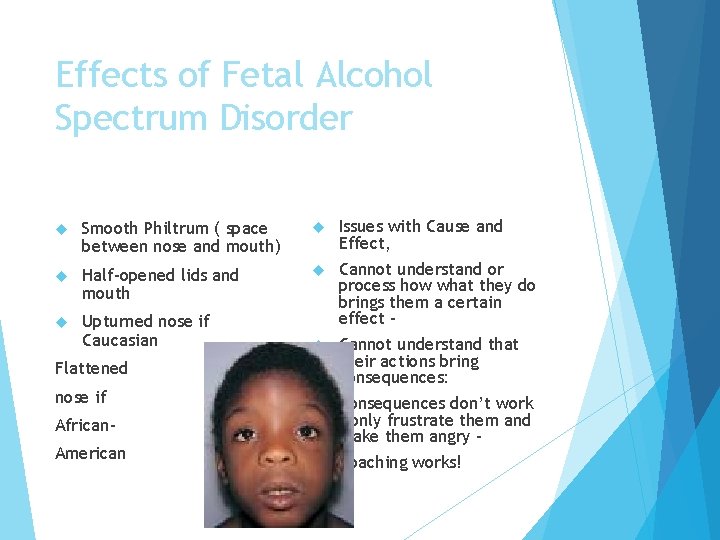
Effects of Fetal Alcohol Spectrum Disorder Smooth Philtrum ( space between nose and mouth) Issues with Cause and Effect, Half-opened lids and mouth Upturned nose if Caucasian Cannot understand or process how what they do brings them a certain effect – Cannot understand that their actions bring consequences: Consequences don’t work – only frustrate them and make them angry – Coaching works! Flattened nose if African. American
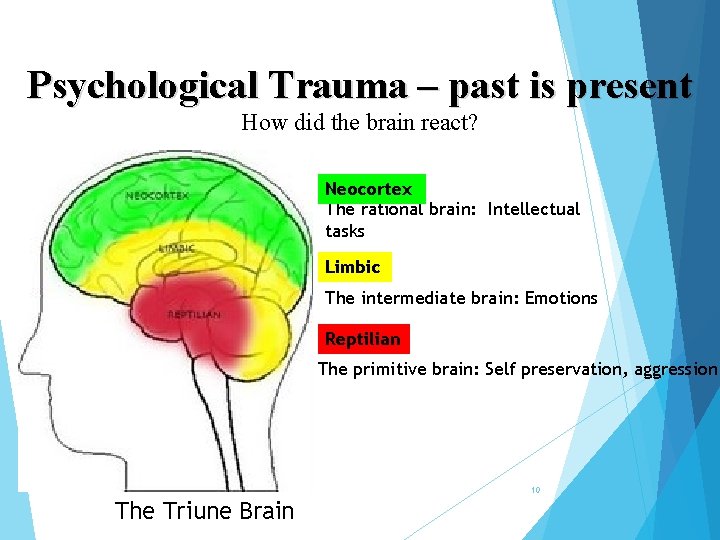
Psychological Trauma – past is present How did the brain react? Neocortex The rational brain: Intellectual tasks Limbic The intermediate brain: Emotions Reptilian The primitive brain: Self preservation, aggression 10 The Triune Brain
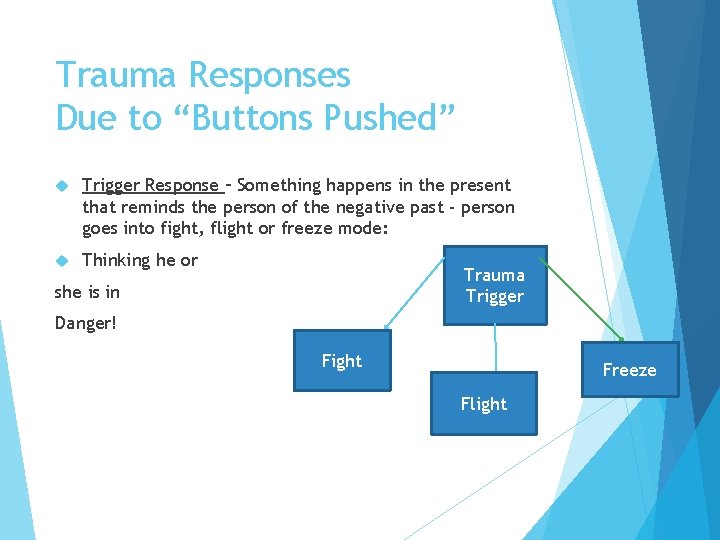
Trauma Responses Due to “Buttons Pushed” Trigger Response – Something happens in the present that reminds the person of the negative past - person goes into fight, flight or freeze mode: Thinking he or Trauma Trigger she is in Danger! Fight Freeze Flight
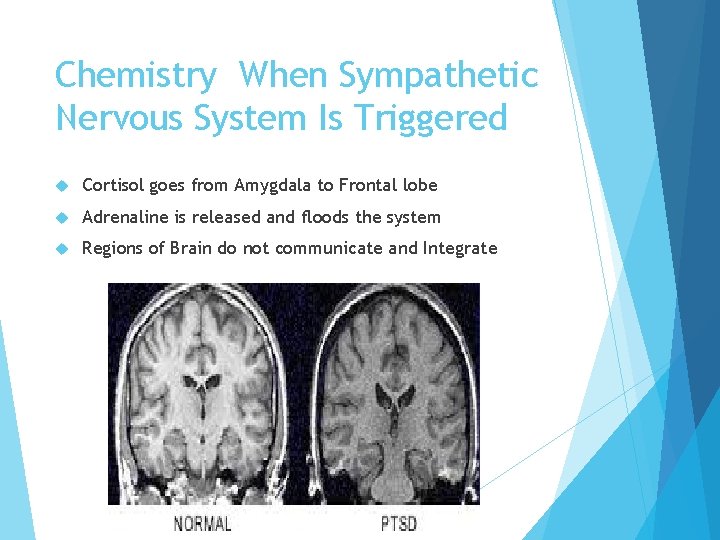
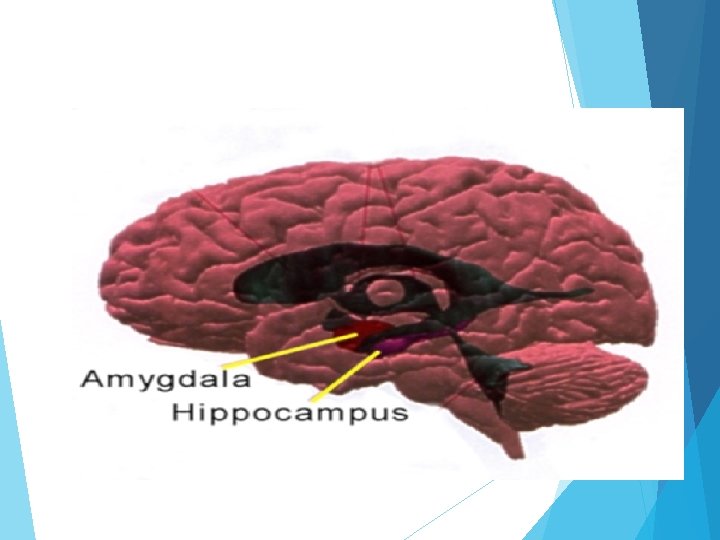
Chemistry When Sympathetic Nervous System Is Triggered Cortisol goes from Amygdala to Frontal lobe Adrenaline is released and floods the system Regions of Brain do not communicate and Integrate
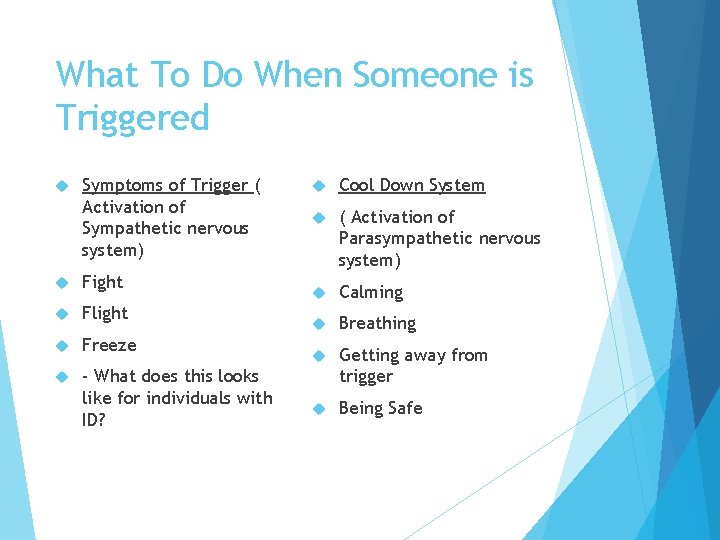
What To Do When Someone is Triggered Symptoms of Trigger ( Activation of Sympathetic nervous system) Fight Flight Freeze - What does this looks like for individuals with ID? Cool Down System ( Activation of Parasympathetic nervous system) Calming Breathing Getting away from trigger Being Safe
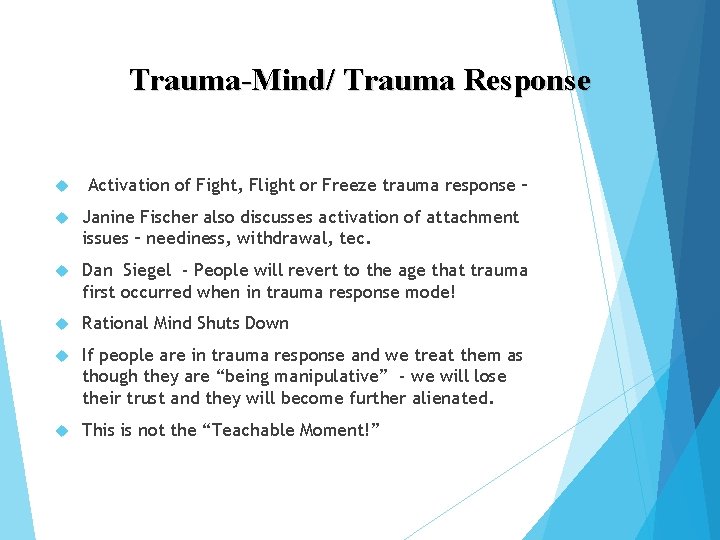
Trauma-Mind/ Trauma Response Activation of Fight, Flight or Freeze trauma response – Janine Fischer also discusses activation of attachment issues – neediness, withdrawal, tec. Dan Siegel - People will revert to the age that trauma first occurred when in trauma response mode! Rational Mind Shuts Down If people are in trauma response and we treat them as though they are “being manipulative” - we will lose their trust and they will become further alienated. This is not the “Teachable Moment!”
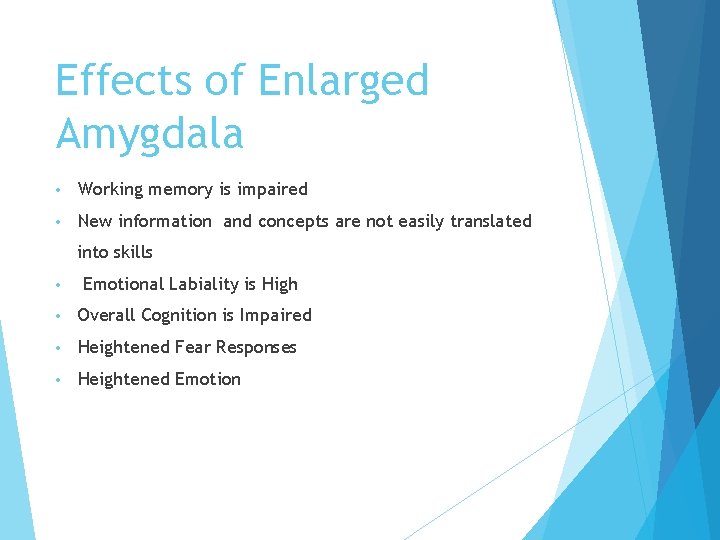
Effects of Enlarged Amygdala • Working memory is impaired • New information and concepts are not easily translated into skills • Emotional Labiality is High • Overall Cognition is Impaired • Heightened Fear Responses • Heightened Emotion
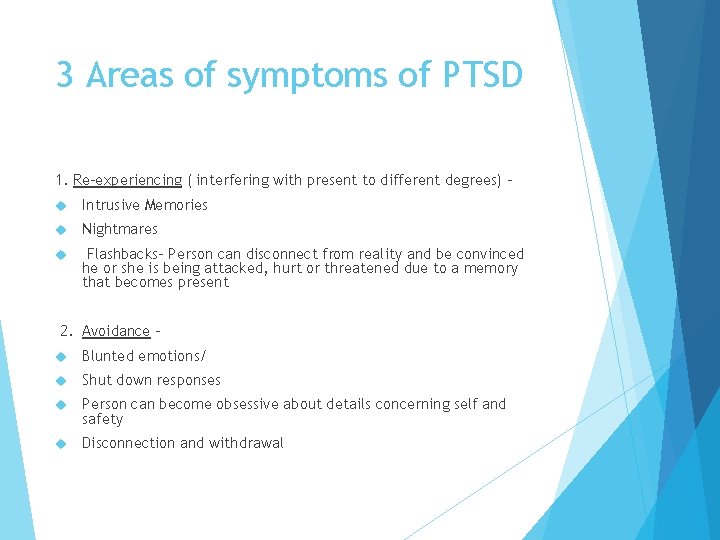
3 Areas of symptoms of PTSD 1. Re-experiencing ( interfering with present to different degrees) – Intrusive Memories Nightmares Flashbacks- Person can disconnect from reality and be convinced he or she is being attacked, hurt or threatened due to a memory that becomes present 2. Avoidance – Blunted emotions/ Shut down responses Person can become obsessive about details concerning self and safety Disconnection and withdrawal
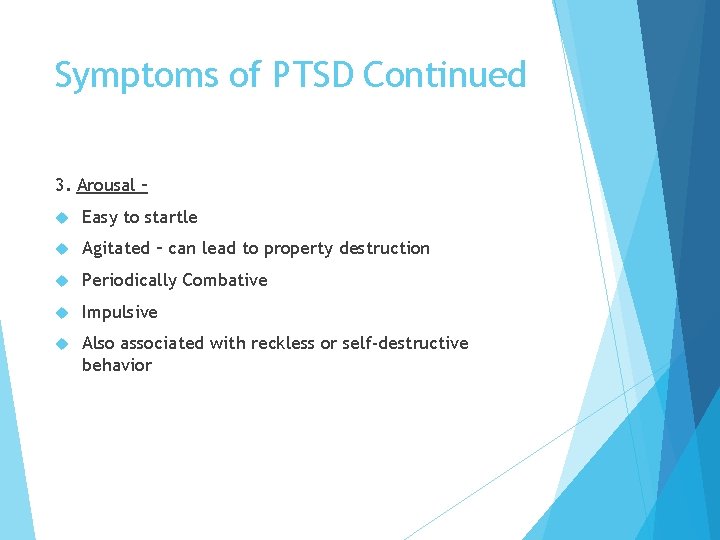
Symptoms of PTSD Continued 3. Arousal – Easy to startle Agitated – can lead to property destruction Periodically Combative Impulsive Also associated with reckless or self-destructive behavior
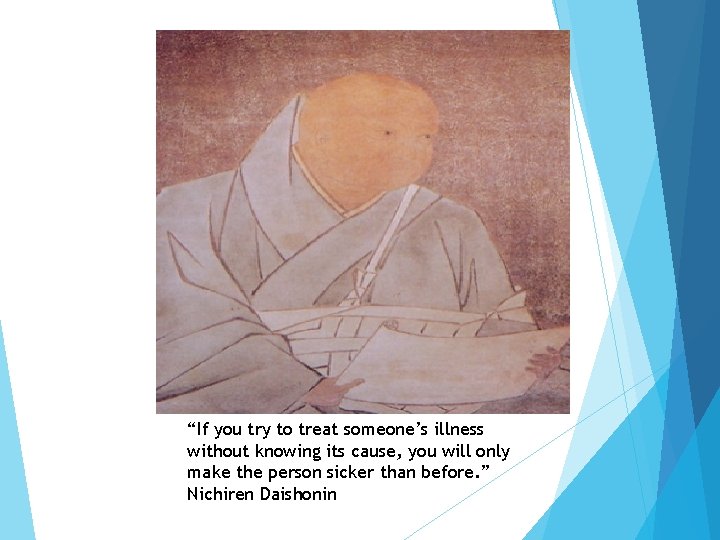
“If you try to treat someone’s illness without knowing its cause, you will only make the person sicker than before. ” Nichiren Daishonin
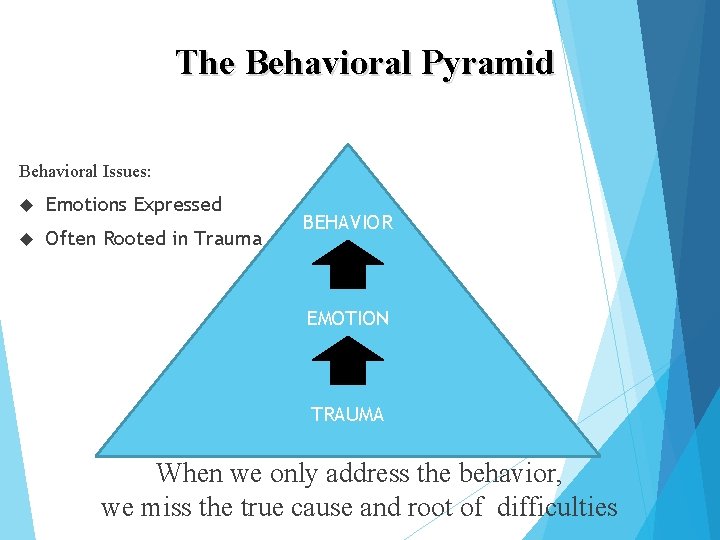
The Behavioral Pyramid Behavioral Issues: Emotions Expressed Often Rooted in Trauma BEHAVIOR EMOTION TRAUMA When we only address the behavior, we miss the true cause and root of difficulties
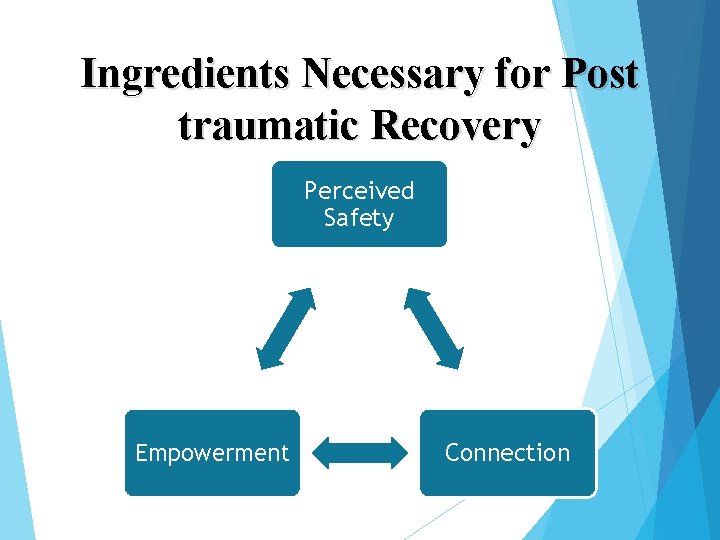
Ingredients Necessary for Post traumatic Recovery Perceived Safety Empowerment Connection
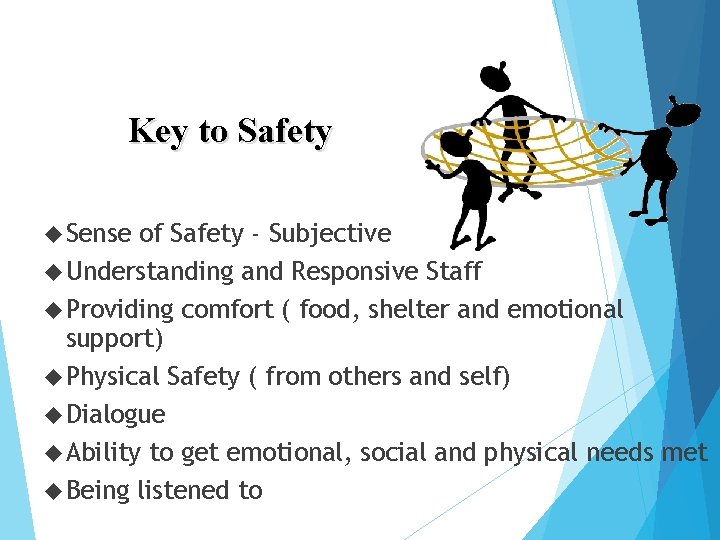
Key to Safety Sense of Safety - Subjective Understanding and Responsive Staff Providing comfort ( food, shelter and emotional support) Physical Safety ( from others and self) Dialogue Ability to get emotional, social and physical needs met Being listened to
Connections Peer Connections Ways to foster peer connections Peer Friendships Ways to teach friendship skills Avoid boundary violations – LOVE Staff as Social Coach
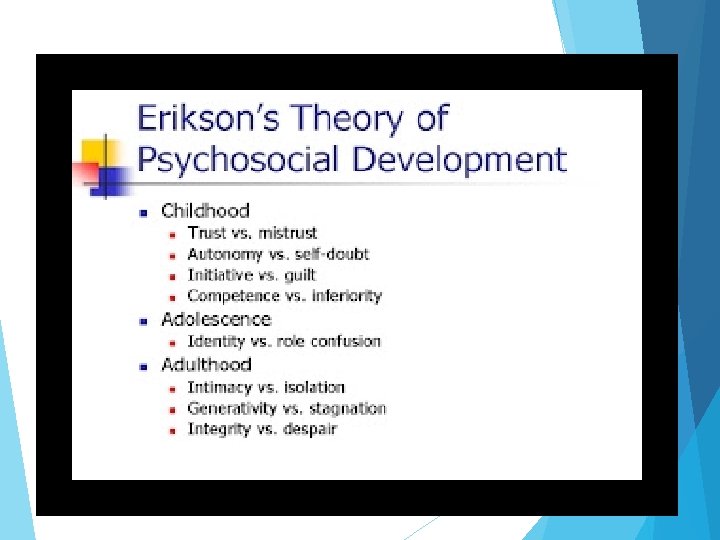
Key to Empowerment Real choices, not fake ones Real input into daily life Being Validated: confirming the reality of their experience Developing a sense of self: TRUE IDENTITY !
Who AM ?
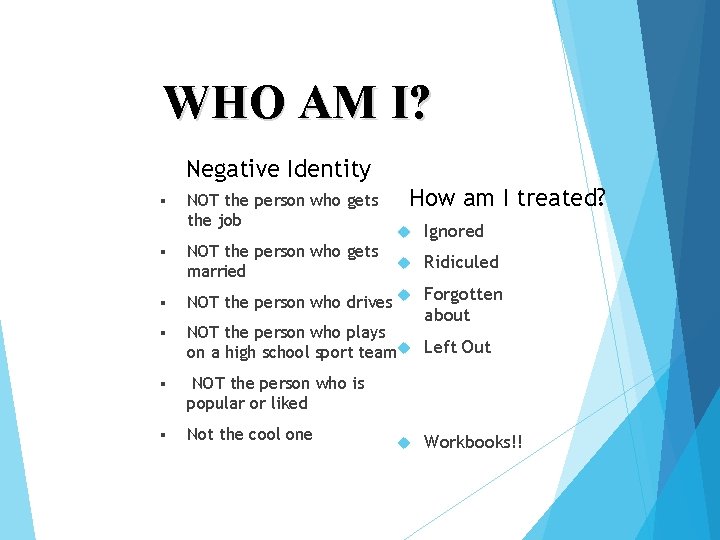
WHO AM I? Negative Identity § § § NOT the person who gets the job NOT the person who gets married How am I treated? Ignored Ridiculed NOT the person who drives Forgotten about § NOT the person who plays on a high school sport team Left Out § NOT the person who is popular or liked § Not the cool one Workbooks!!
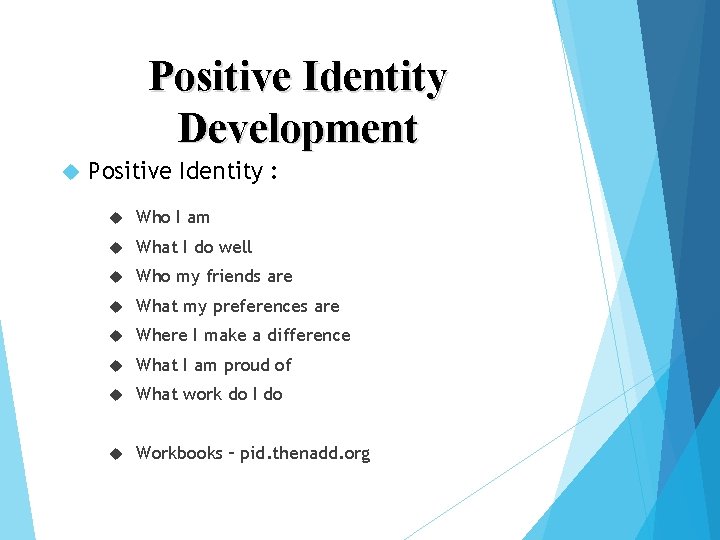
Positive Identity Development Positive Identity : Who I am What I do well Who my friends are What my preferences are Where I make a difference What I am proud of What work do I do Workbooks – pid. thenadd. org
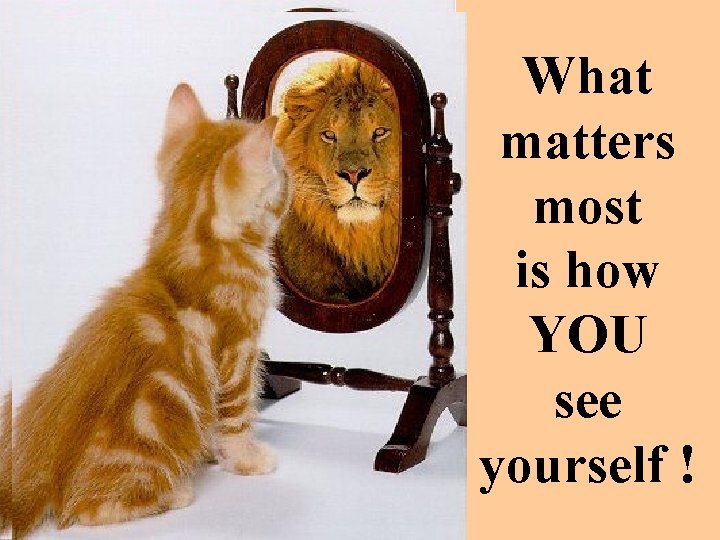
What matters most is how YOU see yourself !
“Ultimately, happiness rests on our establishing a solid sense of self. ” Daisaku Ikeda
WHAT STAFF WHO FOSTER RECOVERY DO. BELIEVE! Positive Regard Build Resilience Praise Character 2. LISTEN! Sit down and listen to me for 10 minutes every day! Let me get it all out before you give me advice! 3. COACH! Use a coaching or mentoring model Respect individuals while fostering skills 1
From Recovery to Happiness Seligman – “Flourish!" Five levels of Happiness: Pleasure 2. Engagement 3. Positive Relationships 4. Achievement 5. Meaning *Happiness Assessment 1.