
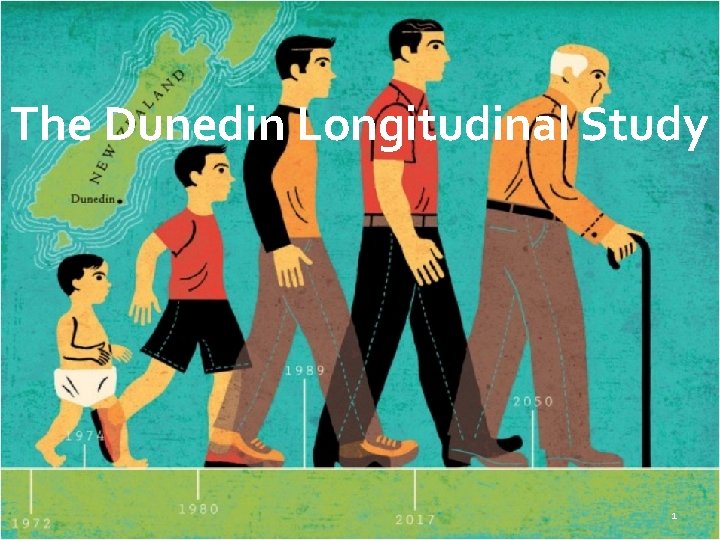
The Dunedin Longitudinal Study 1 Dunedin New Zealand













- Slides: 40
The Dunedin Longitudinal Study 1
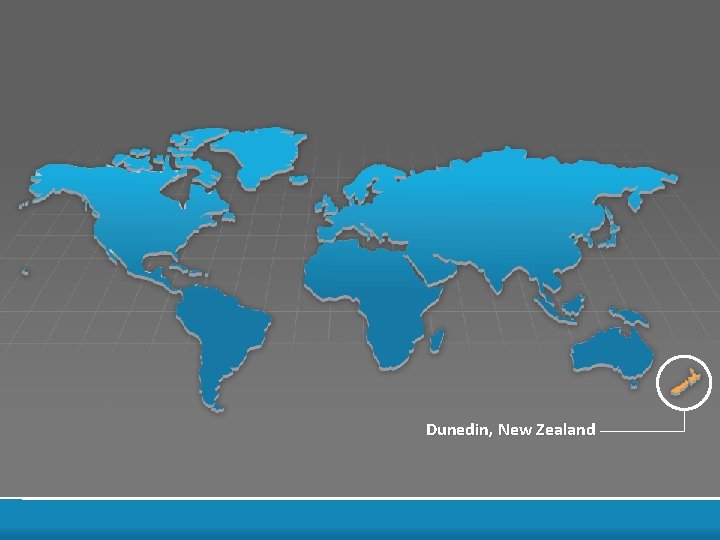
Dunedin, New Zealand
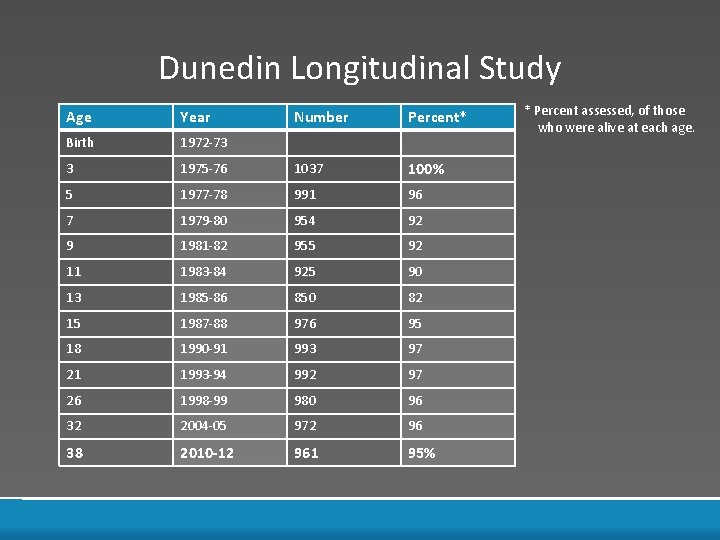
Dunedin Longitudinal Study Age Year Number Percent* Birth 1972 -73 3 1975 -76 1037 100% 5 1977 -78 991 96 7 1979 -80 954 92 9 1981 -82 955 92 11 1983 -84 925 90 13 1985 -86 850 82 15 1987 -88 976 95 18 1990 -91 993 97 21 1993 -94 992 97 26 1998 -99 980 96 32 2004 -05 972 96 38 2010 -12 961 95% * Percent assessed, of those who were alive at each age.
Next assessment: age 45 (in 2017 -2018)
Dunedin Study Data Collection • Participants come to the Research Unit in Dunedin – Full 8 -hour day of exams – Face-to-face standardised interviews, by welltrained clinicians – Clinicians make dossiers of case notes and observational ratings • Interview data corroborated by parents, teachers, informant surveys
Dunedin Study Data Integrity Taking part has not improved cohort members’ health. Compared to NZ national health surveys. No differences in… • Self-reported health • Obesity • Smoking • Time in physical exercise • Service use: GP’s, specialists, hospital admissions
Dunedin Study Data Integrity Compared to a cross-section of same-age research-naïve young adults in Dunedin. . . Our cohort members self-reported more … • Serious & illegal substance abuse • Domestic violence • Dangerous sexual behaviours • Illegal behaviours, crimes at work
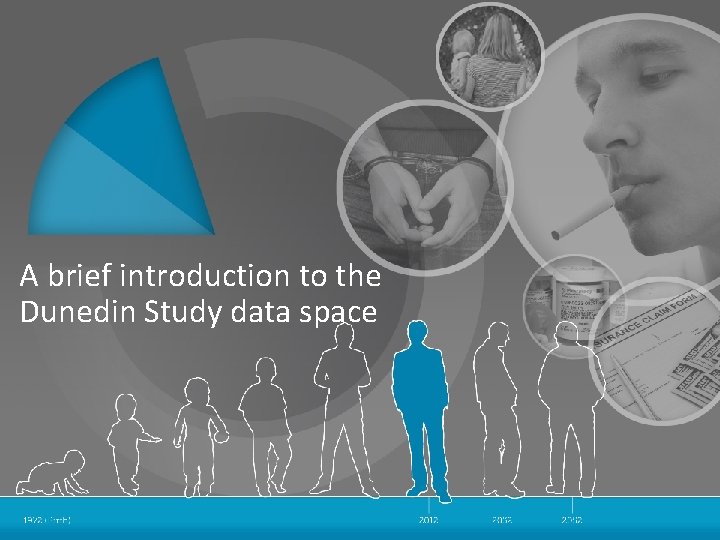
A brief introduction to the Dunedin Study data space
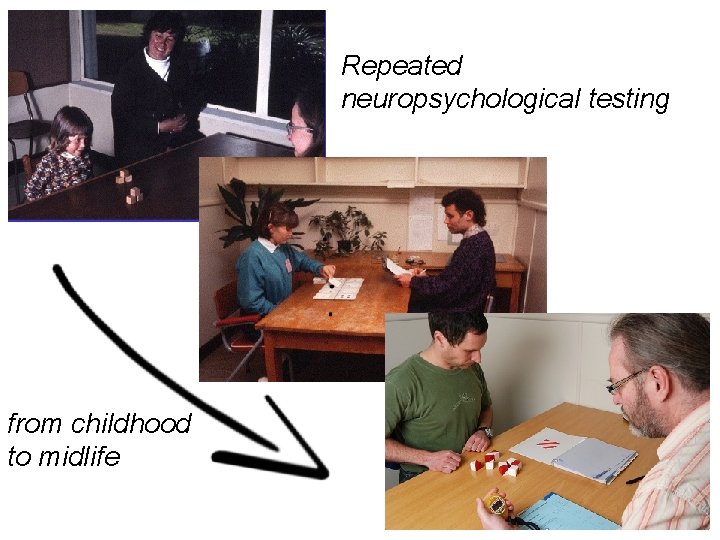
Repeated neuropsychological testing from childhood to midlife
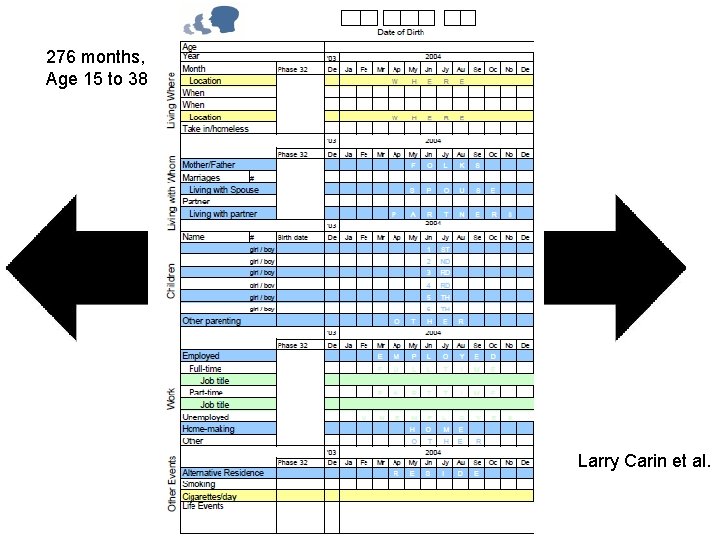
Personal Interviews
276 months, Age 15 to 38 Larry Carin et al.
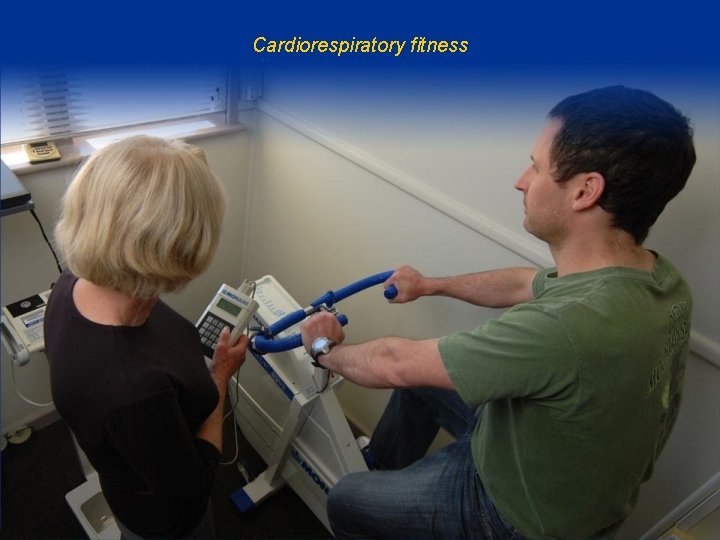
Cardiorespiratory fitness
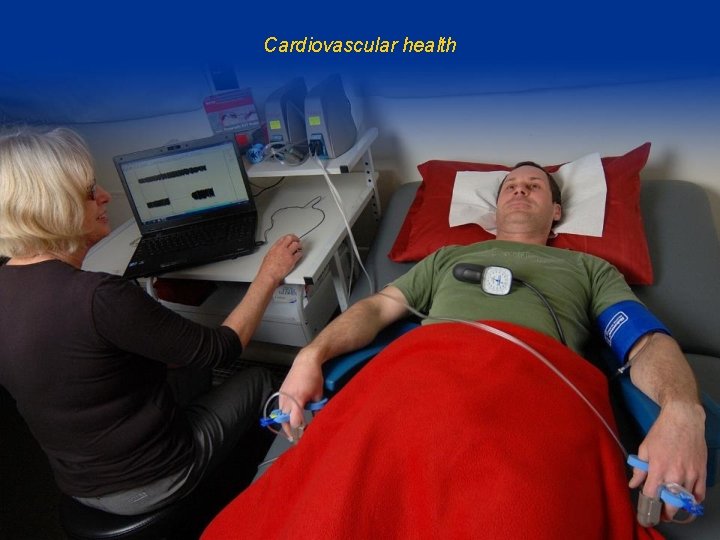
Cardiovascular health
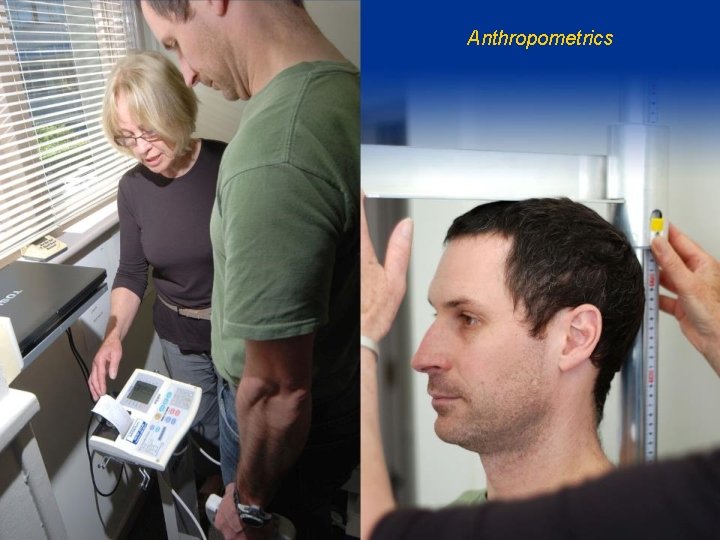
Anthropometrics
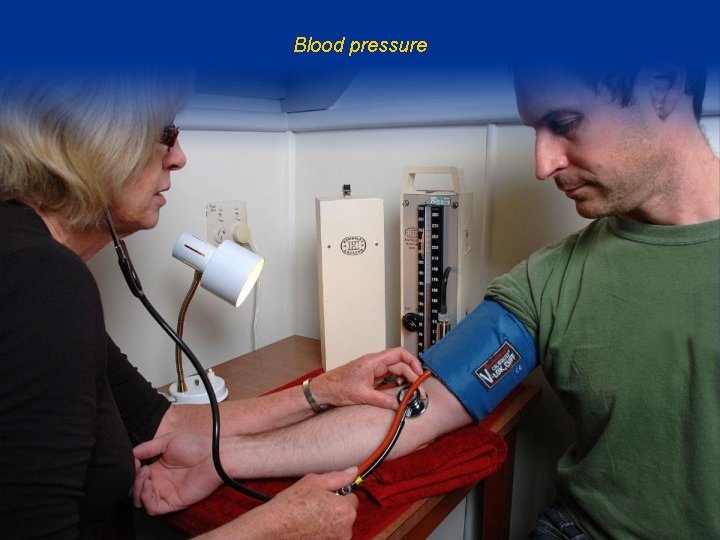
Blood pressure
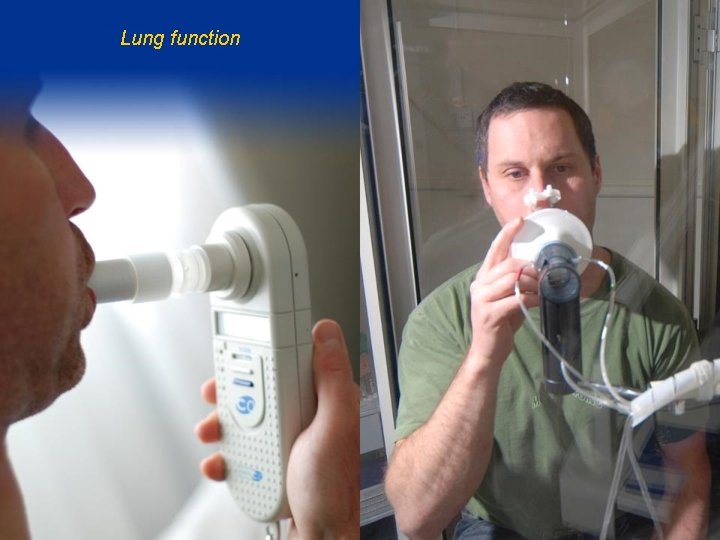
Lung function
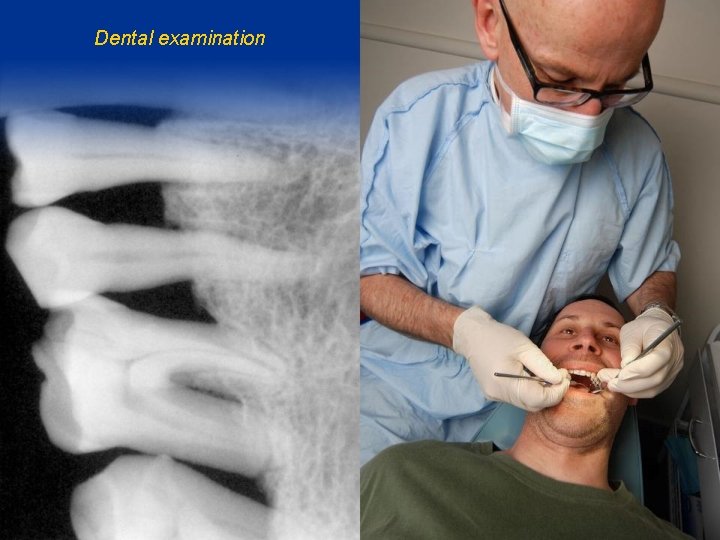
Dental examination
Laboratory tests (cholesterol, inflammation, sexually transmitted infections, etc. )
Genome-wide…. . . ●DNA sequence ●Methylation arrays (repeated) ●Expression arrays ●Telomere erosion (repeated) David Corcoran, Greg Wray, and Center for GCB
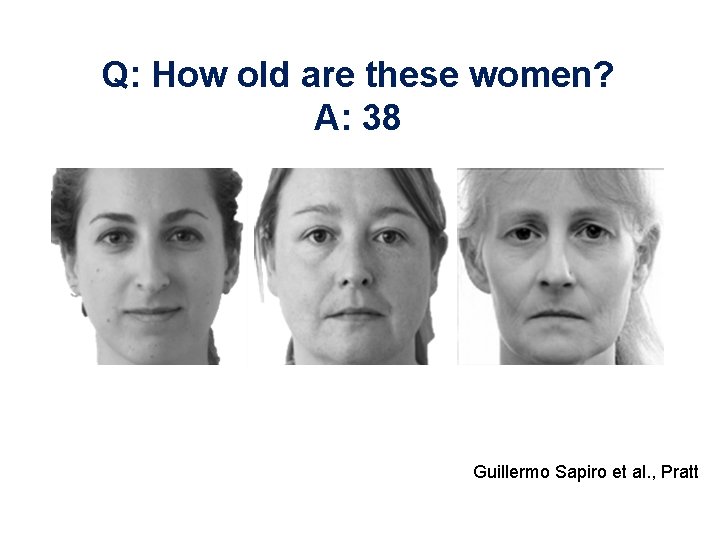
Q: How old are these women? A: 38 Guillermo Sapiro et al. , Pratt
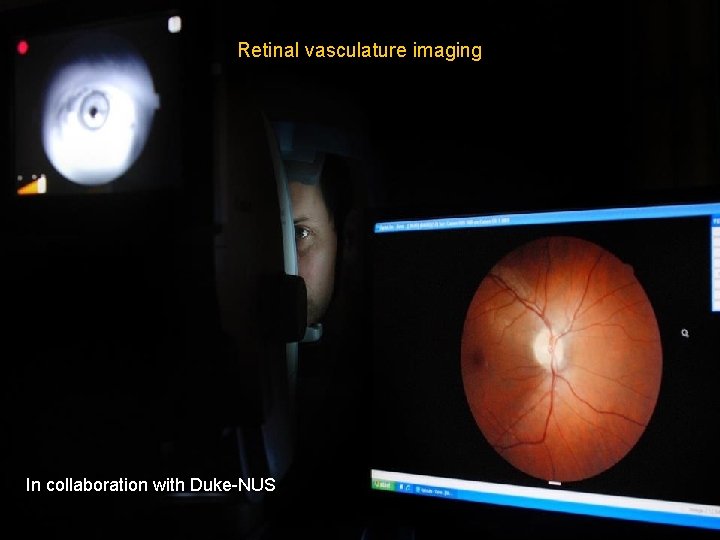
Retinal vasculature imaging In collaboration with Duke-NUS
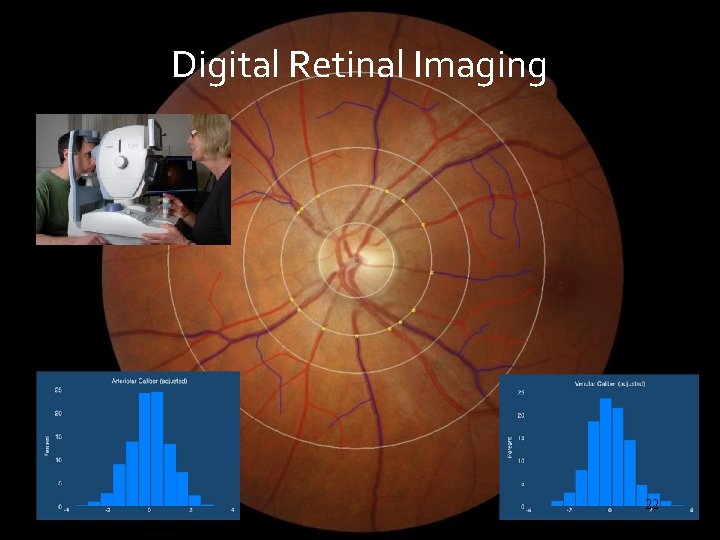
Digital Retinal Imaging 22
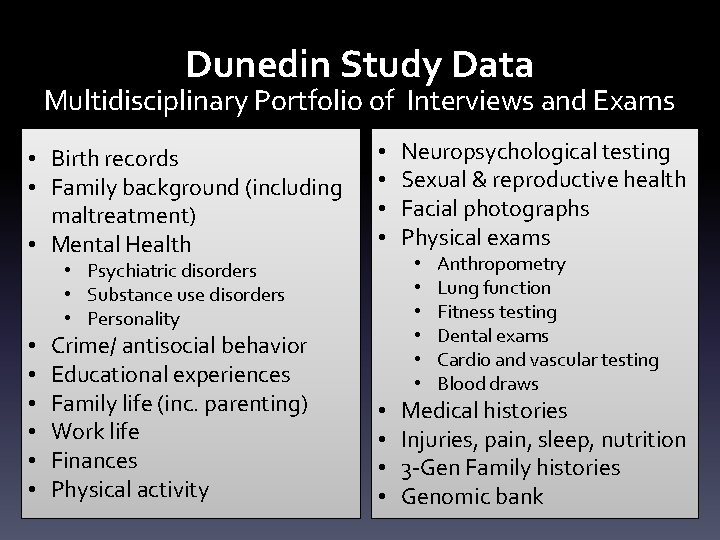
Dunedin Study Data Multidisciplinary Portfolio of Interviews and Exams • Birth records • Family background (including maltreatment) • Mental Health • • Crime/ antisocial behavior Educational experiences Family life (inc. parenting) Work life Finances Physical activity • • • Psychiatric disorders • Substance use disorders • Personality • • • Neuropsychological testing Sexual & reproductive health Facial photographs Physical exams Anthropometry Lung function Fitness testing Dental exams Cardio and vascular testing Blood draws Medical histories Injuries, pain, sleep, nutrition 3 -Gen Family histories Genomic bank
VARIETY OF ADMINISTRATIVE DATA Record linkage to multiple nationwide data bases Candice Odgers, Sanford Policy Seth Sanders, Economics
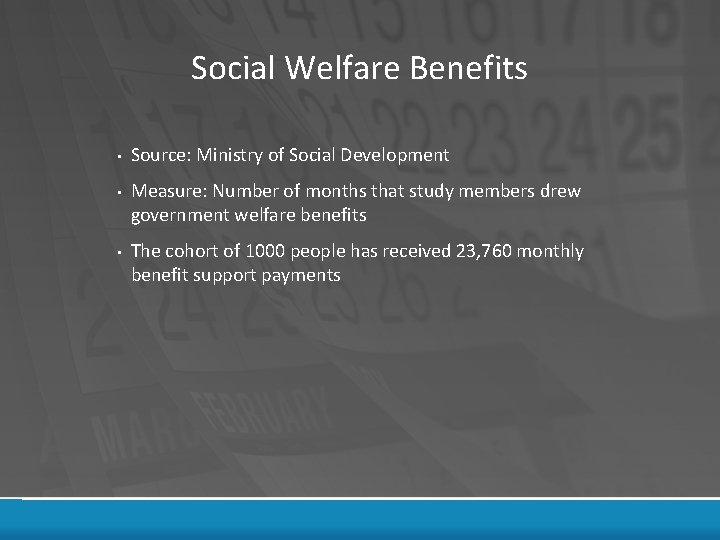
Social Welfare Benefits • Source: Ministry of Social Development • Measure: Number of months that study members drew government welfare benefits • The cohort of 1000 people has received 23, 760 monthly benefit support payments
Prescription Fills • Source: Ministry of Health • Measure: Number of prescriptions filled by study members • The cohort has filled 65, 245 pharmacy prescriptions over the past 6 years
Hospital Admissions • Source: Ministry of Health • Measure: Outpatient visits, inpatient admissions, length of stay, procedures undertaken
Criminal Convictions • Source: New Zealand Police • Measure: Number of convictions in adult criminal courts, including property, court-order violations, drug, and violence convictions (but excluding traffic violations) • The cohort has accumulated 2, 084 convictions
Injury Insurance Claims • Source: Accident Compensation Corporation (ACC) the sole provider of accident insurance for all work and non-work injuries in New Zealand • Measure: Number of injury claims by study members • The cohort has made 6514 insurance claims for injuries
Modest sample size But…. Millions of variables Thousands of biosamples Reams of qualitative records
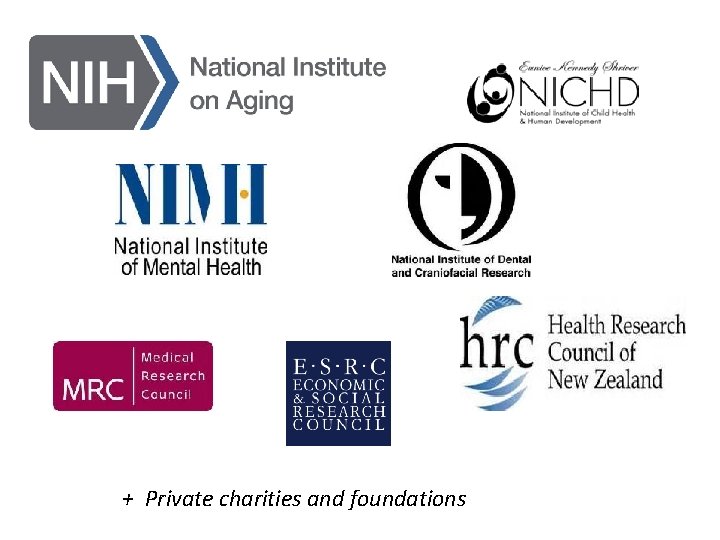
+ Private charities and foundations
Challenges: Storage Security Collaboration enclaves Continuity in data management
Report Role of Genotype in the Cycle of Violence in Maltreated Children Report Influence of Life Stress on Depression: Moderation by a Polymorphism in the 5 -HTT Gene The “Moffitian” Child: Your genome does not make you depressed, but makes you more susceptible to environmental pressures; in this case it makes you more likely to be depressed when you suffer several external setbacks. And that has to be how things like intelligence are determined. A clever person is not born clever, they’re born more able to take in teaching, they’re born capable of learning.
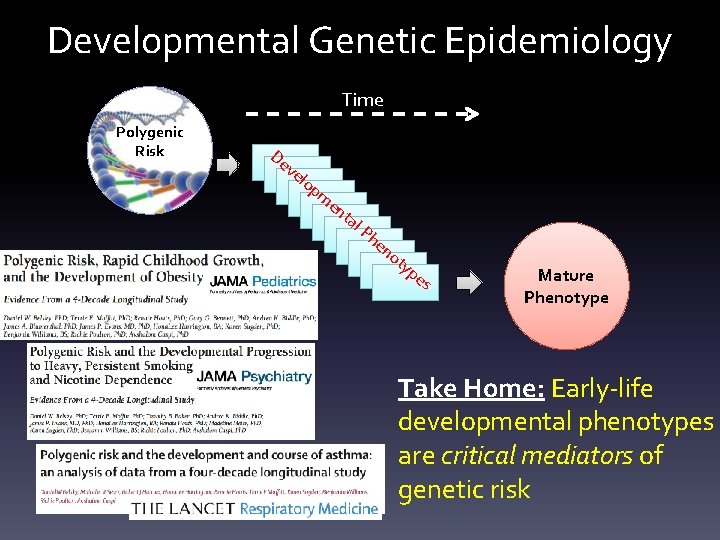
Developmental Genetic Epidemiology Time Polygenic Risk De ve lop m en ta l. P he no ty pe s Mature Phenotype Take Home: Early-life developmental phenotypes are critical mediators of genetic risk
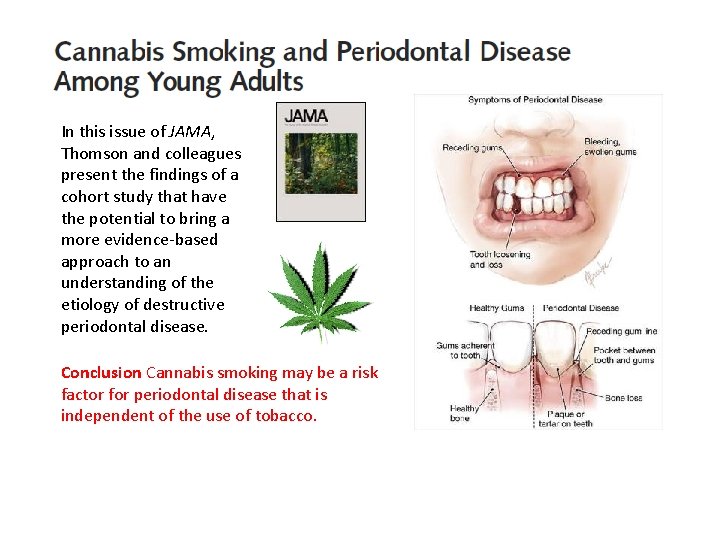
In this issue of JAMA, Thomson and colleagues present the findings of a cohort study that have the potential to bring a more evidence-based approach to an understanding of the etiology of destructive periodontal disease. Conclusion Cannabis smoking may be a risk factor for periodontal disease that is independent of the use of tobacco.
The Environmental Risk (E-Risk) Longitudinal Twin Study § § § 1994 -95 birth cohorts 2, 232 twins Nationally representative 50% DZ-MZ Birth, 5, 7, 10, 12, 18 years 93% retention at age 18 Moffitt et al. , (2002) J. Child Psychology and Psychiatry