
The Drugs of Abuse DrugUse Is Life Abuse

The Drugs of Abuse "Drug-Use Is Life Abuse"
The Drugs of Abuse • • 1. Sedatives / Hypnotics 2. Hallucinogens 3. PCP (Phencyclidine) 4. Anabolic Steroids 5. Inhalants 6. Opioid 7. Alcohols
The Drugs of Abuse • 1. Sedatives / Hypnotics
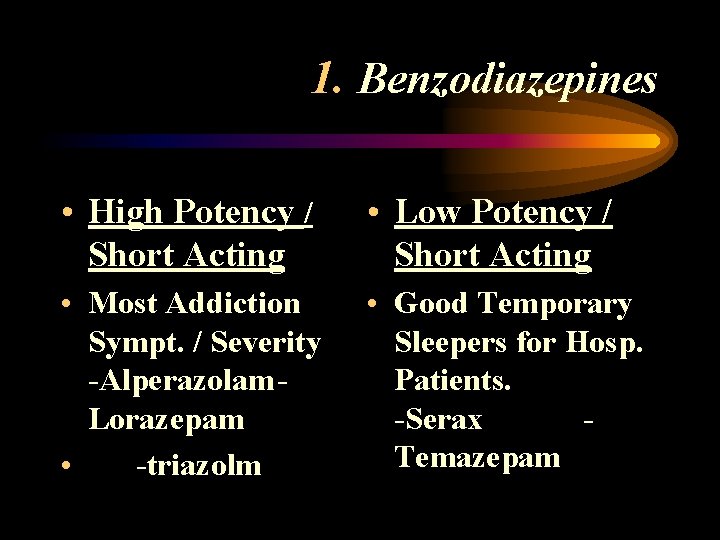
1. Benzodiazepines • High Potency / Short Acting • Low Potency / Short Acting • Most Addiction Sympt. / Severity -Alperazolam. Lorazepam • -triazolm • Good Temporary Sleepers for Hosp. Patients. -Serax Temazepam
Benzodiazepines • High Potency / Long Acting • Low Potency / Long Acting • Substitute for Short Acting in Withdrawal -Prosom Klonepin • Addiction In High Doses -Valium Librium Tranxene
2. Barbiturates • Short Acting (Highly Lipid Sol. ) -Pentobarbital (Yellows) -Secobarbital (Reds) -Amobarbital (Blues) • Long Acting -Phenobarbital -Substitute for Short In Tx.
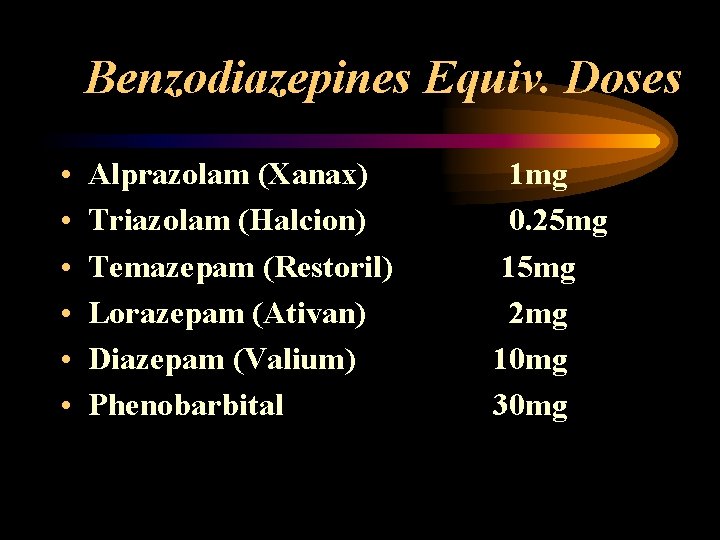
Benzodiazepines Equiv. Doses • • • Alprazolam (Xanax) Triazolam (Halcion) Temazepam (Restoril) Lorazepam (Ativan) Diazepam (Valium) Phenobarbital 1 mg 0. 25 mg 15 mg 2 mg 10 mg 30 mg
MOA • GABA Receptor CNS Inhibition --Benzos Potentiate GABA --Barbs Potentiate + Agonists • Respiratory Depression --Benzos + Other CNS Depressants --Barbs Alone • Both With Anticonvulsant Activity
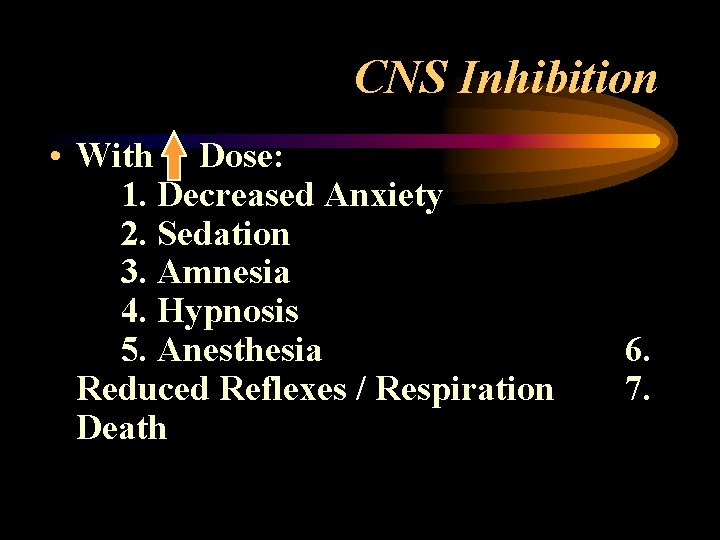
CNS Inhibition • With Dose: 1. Decreased Anxiety 2. Sedation 3. Amnesia 4. Hypnosis 5. Anesthesia Reduced Reflexes / Respiration Death 6. 7.
Metabolism • Benzodiazepines by Liver Microsomal Enzymes, Metabolites May Be Active Extending Half-life. • Barbiturates by Cytochrome P 450 Enzymes, Commonly Induced With Resulting Breakdown of Alcohol , Steroids, Fat Soluble Vitamins, and Anticoagulants.
Discontinuation. • Return: Of Original Symptoms • Rebound: Intense Orig. Symptoms • Withdrawal: (Long Use, High Dose) -Anxiety, Panic -Paranoia, Hallucinations -Tremor, Seizures, Delirium -Depression, Irritability, N&V
Withdrawal Timing • Short Acting Barbs --Onset 1/2 Day --Peak 1 -3 Days • Short Acting Benzos --Onset 1 Day --Peak 2 -4 Days • Long Acting Barbs / Benzos --Onset 2 Days --Peak 5 -8 Days
Complications • Benzodiazepines -Memory Loss, Amnesia -Ataxia, Incoordination, Vertigo -Diplopia, Dizziness -Impairment in Driving -Depression, Suicidal Ideation • Relatively Contraindicated in Addiction
Overdose • Signs & Symptoms: --Slurred Speech, Staggering --Nystagmus, Slow Reaction --Respiratory Depression • Barbiturates: 3 -10 Mg / Dl • Benzodiazepines: 1 -2 Gm or More --Less With Alcohol !!!
Benzo OD Treatment • Flumazenil --Benzo Antagonist --0. 2 Mg, Then 0. 3 Mg, Then 0. 5 Mg, IV, Max 3. 0 mg --May Precipitate Withdrawal • Supportive Measures --Airway Management, Etc.
Detoxification • Gradual Dose Tapering Over Several Days to Weeks • Substitution of Long Acting Form: --Phenobarbital --Use Equivalent Dose and Taper by 30 Mg or 10% Per Day. (Max. 500 mg / D)
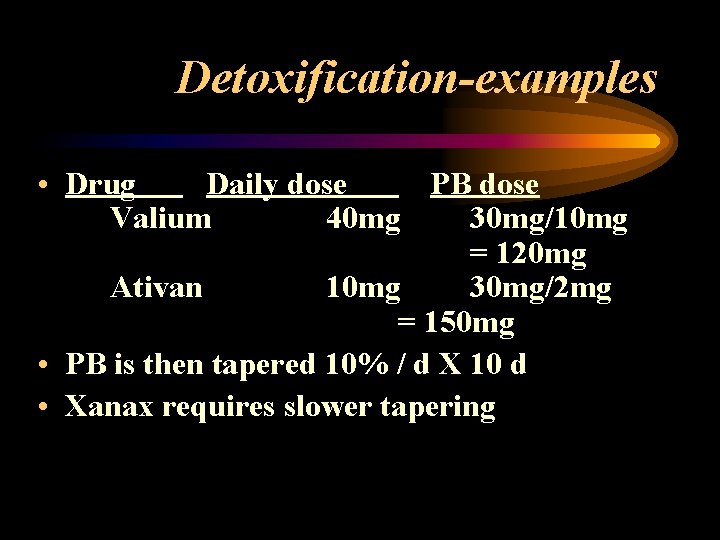
Detoxification-examples • Drug Daily dose PB dose Valium 40 mg 30 mg/10 mg = 120 mg Ativan 10 mg 30 mg/2 mg = 150 mg • PB is then tapered 10% / d X 10 d • Xanax requires slower tapering
“Date Rape Drugs” Rohypnol & GHB Classified as depressants
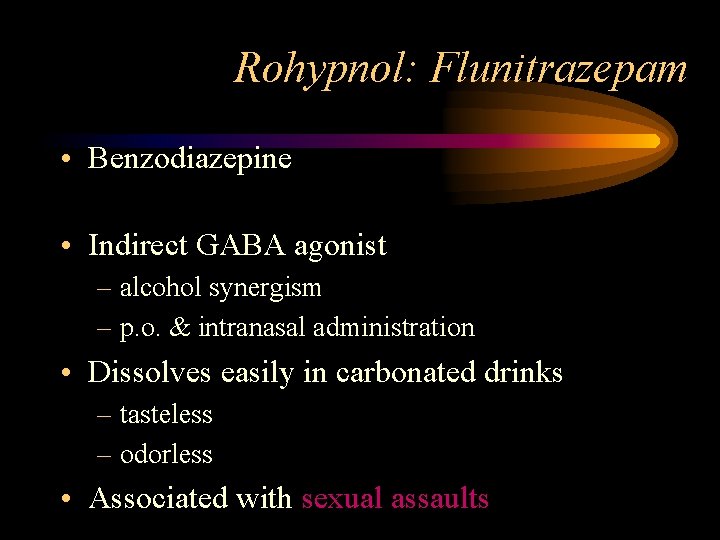
Rohypnol: Flunitrazepam • Benzodiazepine • Indirect GABA agonist – alcohol synergism – p. o. & intranasal administration • Dissolves easily in carbonated drinks – tasteless – odorless • Associated with sexual assaults
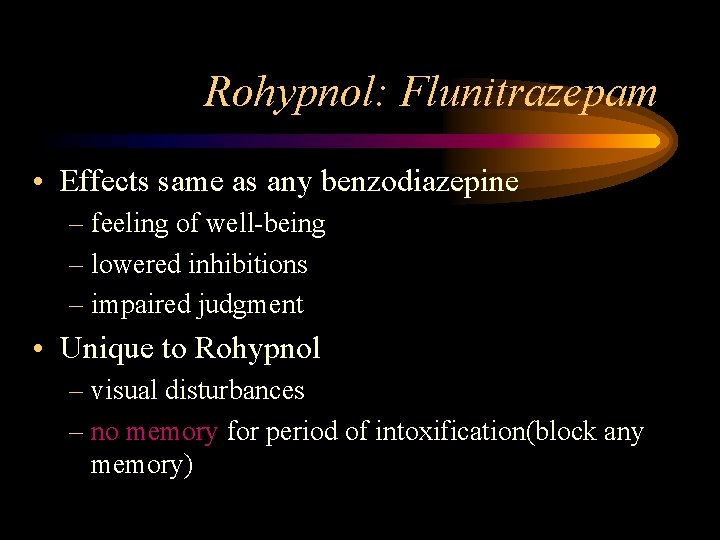
Rohypnol: Flunitrazepam • Effects same as any benzodiazepine – feeling of well-being – lowered inhibitions – impaired judgment • Unique to Rohypnol – visual disturbances – no memory for period of intoxification(block any memory)
GHB: Gamma-hydroxybutyrate • Homemade CNS depressant – “Grievous Bodily Harm” • GABA agonist – precursor – synergism with alcohol • Clear liquid, powder, tablet, capsule
GHB: Gamma-hydroxybutyrate • Effects similar to benzodiazepines and barbiturates • Also – loss of consciousness – loss of reflexes – seizures, coma, death • Associated with sexual assault ~
The Drugs of Abuse 2. Hallucinogens
Hallucinogens • Alter Mood, Perception, Thinking. • Induce Delusions • Hallucinations Occur Infrequently 1. LSD 2. Psilocybin 3. Mescaline 4. MDMA 5. Marijuana
MOA of Hallucinogens • LSD, Psilocybin, Mescaline: – Bind to Post-Synaptic Serotonin-Hydroxy Tryptamine, (5 -HT) Receptors – 5 HT Agonists – Rapid Tolerance From Down Regulation of Receptors Occurs 5
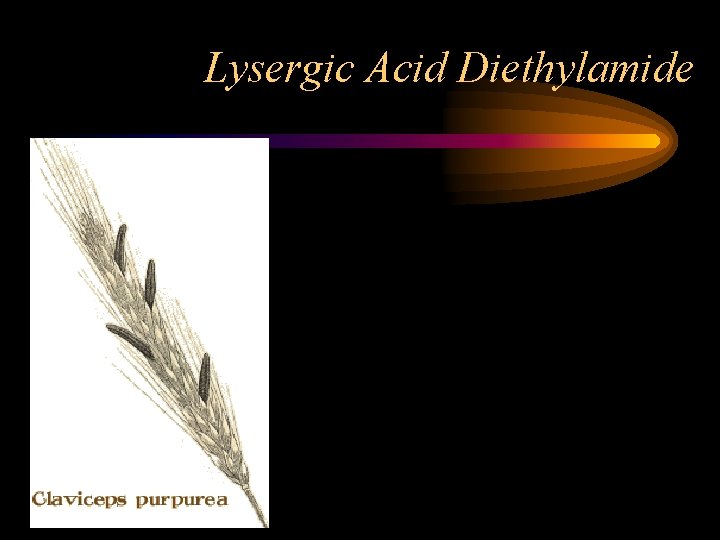
Lysergic Acid Diethylamide
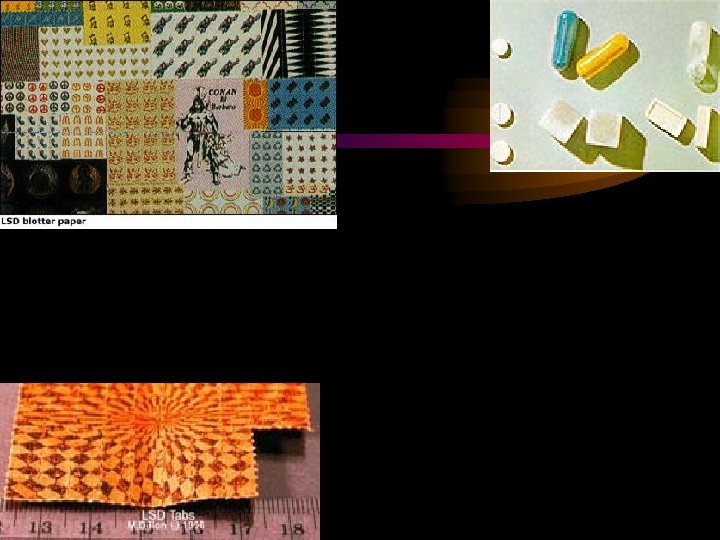
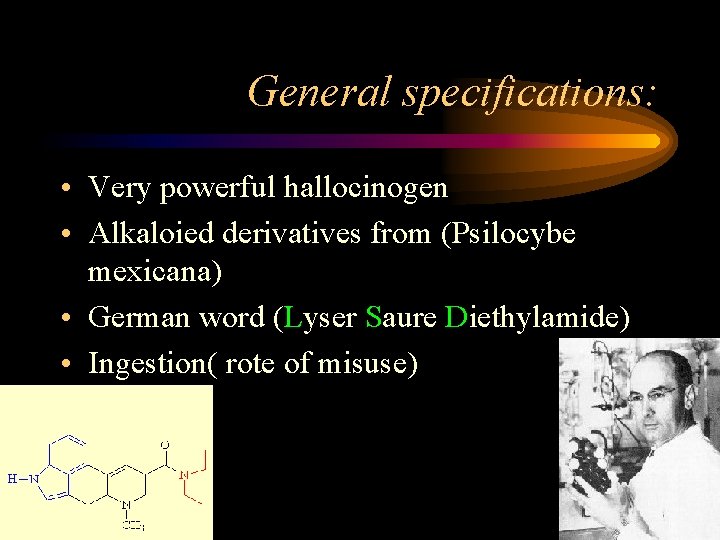
General specifications: • Very powerful hallocinogen • Alkaloied derivatives from (Psilocybe mexicana) • German word (Lyser Saure Diethylamide) • Ingestion( rote of misuse)
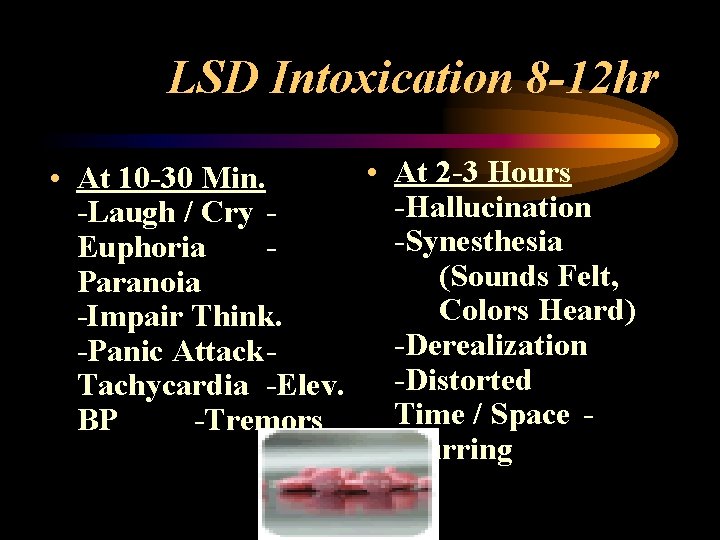
LSD Intoxication 8 -12 hr • At 2 -3 Hours • At 10 -30 Min. -Hallucination -Laugh / Cry -Synesthesia Euphoria (Sounds Felt, Paranoia Colors Heard) -Impair Think. -Derealization -Panic Attack-Distorted Tachycardia -Elev. Time / Space BP -Tremors Blurring

DDX of LSD Intoxication • • • Delirium, Dementia Schizophrenia Bipolar, Psychotic Disorders Narcolepsy Etoh, Marijuana, PCP Intoxication Antiparkinsonian Drugs
Lasting LSD Effects • Few Develop Florid Psychosis -A Pre-existing Disorder? • “Flashbacks” Occur in 16 -57% -? CNS Pathology or Memory, Most Mild / Not Incapacitating • Physical Dependence and Withdrawal Do Not Occur
Treatment LSD Overdose • “Bad Trip” --Quiet, Safe, Environment --Calm Supportive Friends --’Talk Down’ --Emphasize Effects Are From Drug and Temporary • Valium 10 -20 mg, Ativan 1 -2 mg

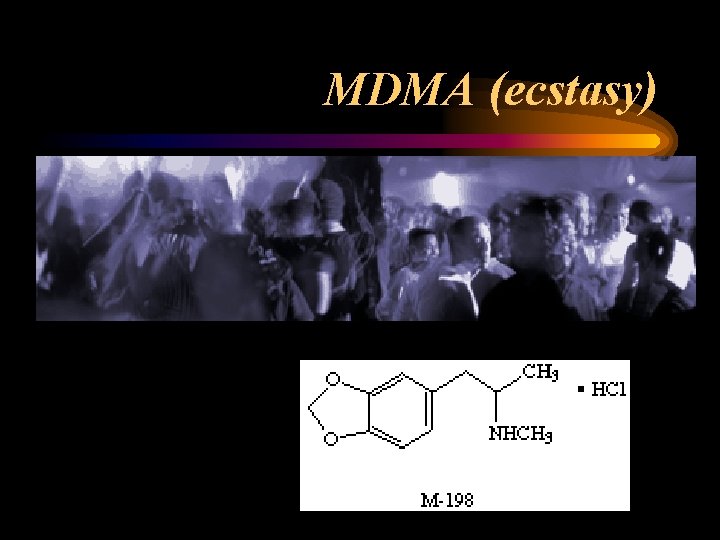
MDMA (ecstasy)
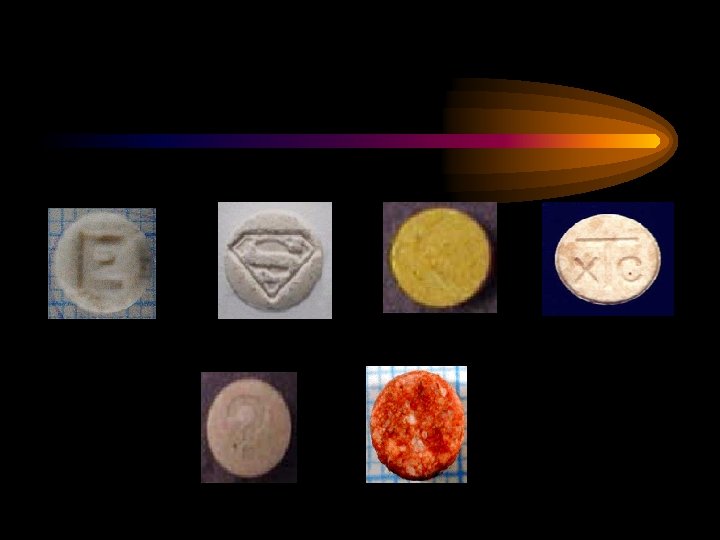
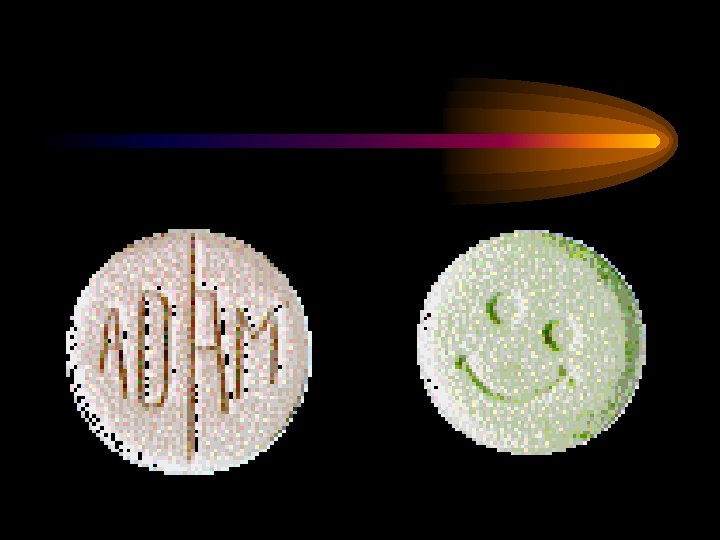
ECSTASY • MDMA(3, 4 • • • ETHYLENEDIOXYMETHAMPHETAMINE) ADAM X-TC X- pill SEX- PILL CLARITY ESSENCE STACY LOVER’S SPEED EVE
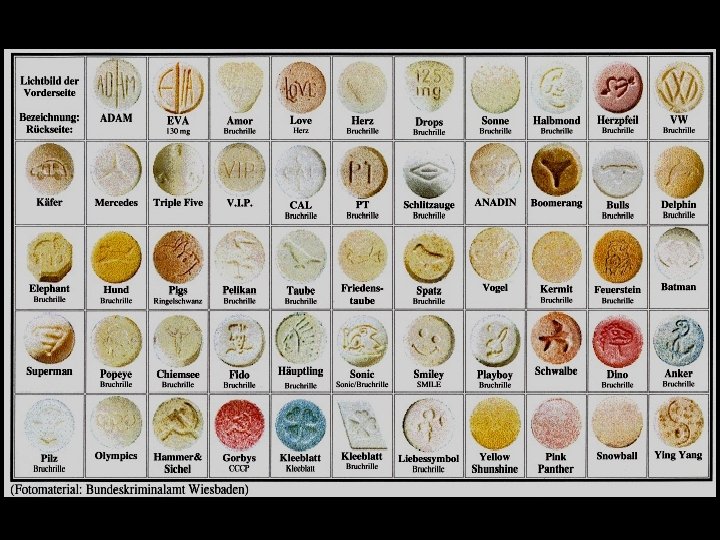
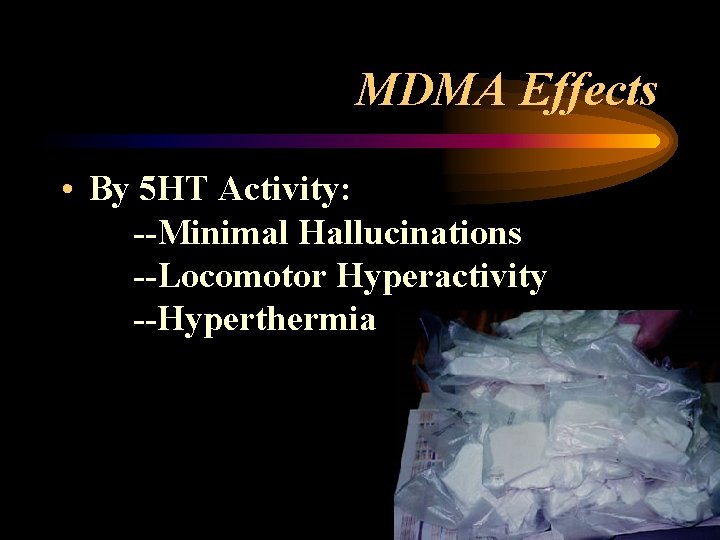
MDMA Effects • By 5 HT Activity: --Minimal Hallucinations --Locomotor Hyperactivity --Hyperthermia
MOA of MDMA • Increased Levels of 5 HT, Dopamine and Norepinephrine by: --Increased Presynaptic Release --Inhibited Reuptake --Increased Dopamine Synthesis --Decreased Breakdown by Monoamine Oxidase Inhibition
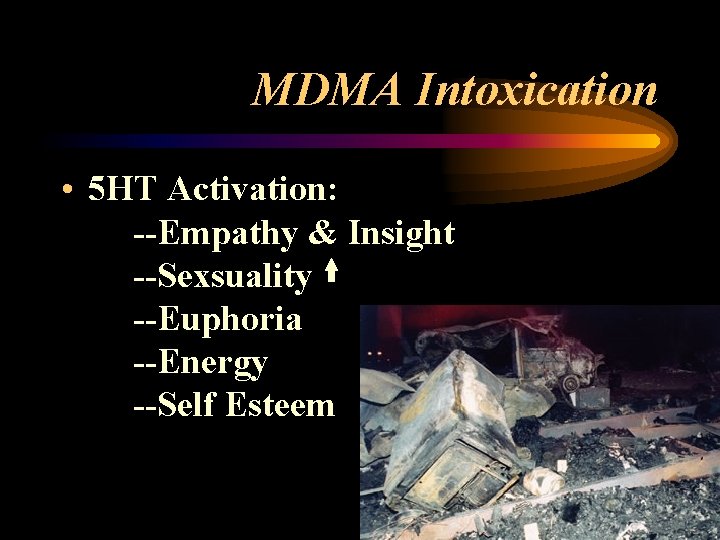
MDMA Intoxication • 5 HT Activation: --Empathy & Insight --Sexsuality --Euphoria --Energy --Self Esteem
MDMA Intoxication • Sympathetic Activation: --Diaphoresis --Mydriasis --Tachycardia --Hypertension --Increased Psychomotor Drive
MDMA Neuro. Complications • • Confusion, Paranoia, Panic Psychosis, Acute and Chronic Seizures, Status Epilepticus Destruction of Serotonin Neurons With Long Term Use
MDMA CV. Complications • • • Hypertension Dysrhythmias Pulmonary Edema Cardiogenic Shock Cerebral Hemorrhage Mesenteric Ischemia
MDMA Complications • • • Hyperthermia (>108 F) Muscle Spasm Rhabdomyolysis Acute Hepatic or Renal Failure DIC Death
MDMA Treatment • A, B, C’s • Alpha Blockers (Phentolamine) NOT Beta Blockers For Hypertension • Benzodiazepines (Agitation, Seizure) • Rapid Cooling to 39 C (Tepid H 2 O) • IV Fluids w Bicarb. To Alk. Urine

"Shoot for the moon. Even if you miss it, you will land among the stars. "
Marijuana
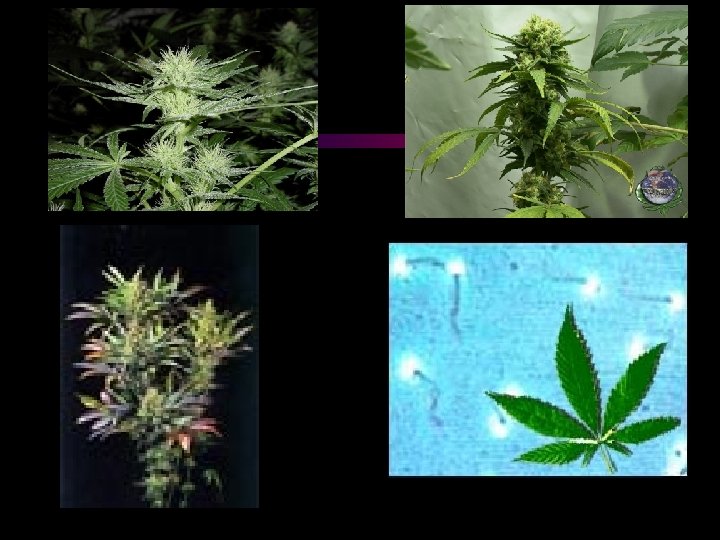
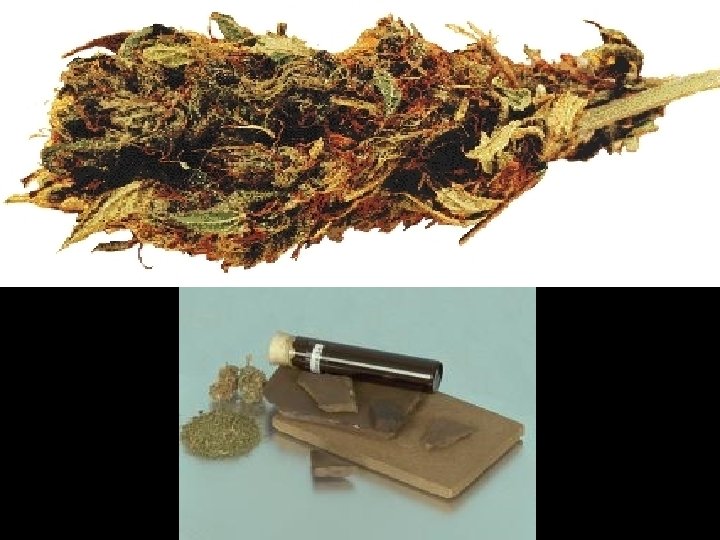
Cannabis sativa
Response Variables • • • Dose Route of administration Setting Experience Expectations Individual vulnerability
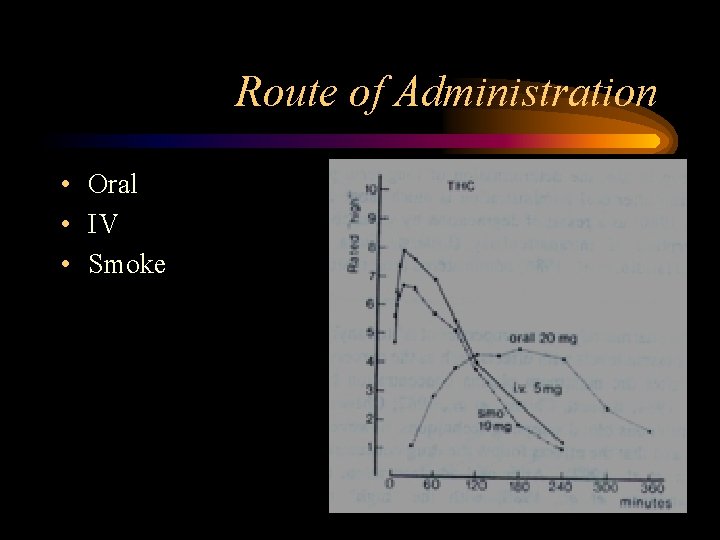
Route of Administration • Oral • IV • Smoke
The High Early stages – Euphoria – Uncontrollable laughter – Time/sense alterations – Depersonalization Late stages – – Relaxation Introspective Dreamlike state Difficulty thinking
CNS Effects Marijuana causes some parts of the brain, including those governing emotions, memory and judgement to lose balance and control.
General CNS Effects Acute – – – – Short-term memory Confusion Depersonalization Balance/stability Hunger Dry mouth Sharper imagery REM sleep Chronic (Amotivational Syndrome) – Apathy – Dullness – Judgment – Concentration – Memory – Personal appearance and goals
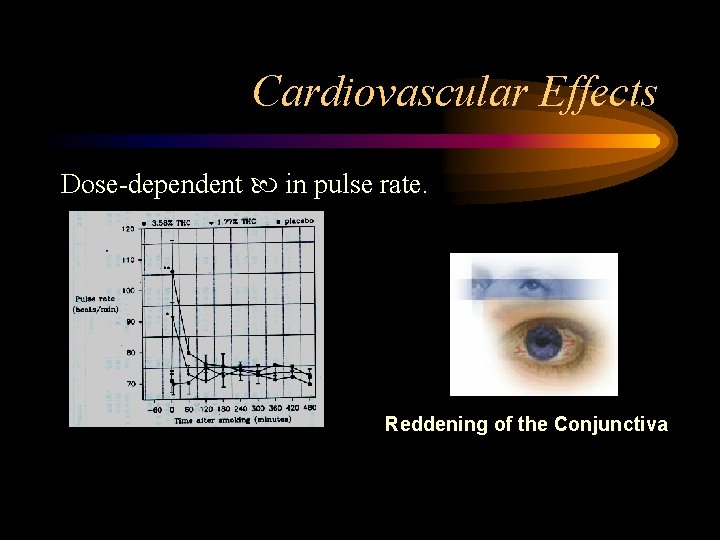
Cardiovascular Effects Dose-dependent in pulse rate. Reddening of the Conjunctiva
Endocrine Effects Decreases Luteinizing hormone Follicle-stimulating hormone Prolactin Growth hormone Adrenocorticotrophin hormone • • testosterone testicular weight spermatogenesis sexual behavior
Respiratory Effects Acute: bronchodilator Chronic: bronchoconstriction
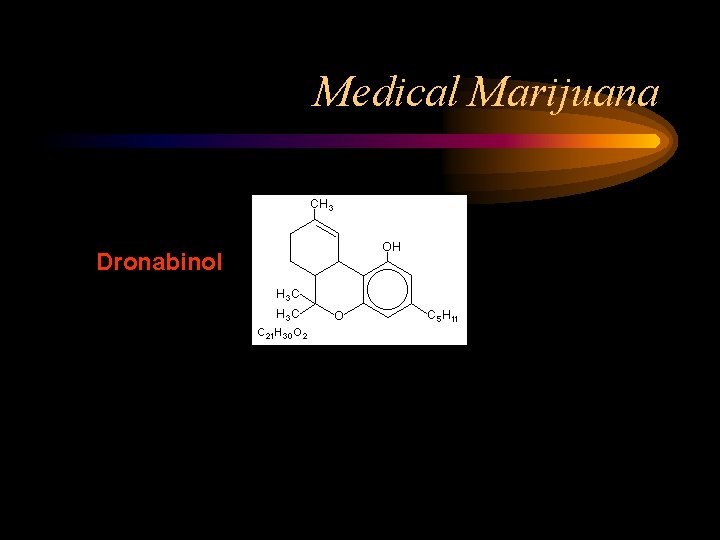
Medical Marijuana Dronabinol Antiemetic
Medical Marijuana Approved – Antiemetic (cancer) – AIDS wasting syndrome Suggested – – Glaucoma Pain Asthma Multiple sclerosis
The Drugs of Abuse 3. Anabolic Steroids
Anabolic Steroids -Types • Long Acting, Given IM: Testosterone Esters Synthetic Nandrolones • Orally Active Forms: --Methyltestosterone --Danazol, Stanozolol --Methandrostenolone, Etc.
Anabolics-Metabolism • Protein Bound in Bloodstream • Unbound Forms Must Be Metabolized to Become Metabolically Active • Dihydroxytestosterone (DHT) Is Very Active, Estradiol Also Active
Anabolics MOA • Cellular Receptors --Stimulate Intranuclear Effects • Intranuclear Effects -Increase Protein Transcription -Decrease Protein Breakdown • Euphoria / Aggression, Fatigue • But No Increased Aerobic Capacity!
Anabolics - Addictive? • Positve Reinforcing Effects: Athletic Performance Physical Appearance Self-confidence • Negative Reinforcing Effects: Fatigue, Depression Decreased Libido, Muscle Pain Headache, Craving
Male Complications • • Azoospermia Testicular Atrophy Gynecomastia = “Bitch Tits” Erectile Dysfunction
Female Complications • May Not Reverse With Stopping: --Hirsuitism --Male Pattern Baldness --Breast Reduction --Clitoral Hypertrophy --Amenorrhea / Dysmenorrhea --Acne --Deepened Voice
Behavioral Complications • With Use: --Aggression, Violence --Mania, Hypomania, Panic --Psychotic Symptoms • With Discontinuation: --Depression --Suicidal Ideation
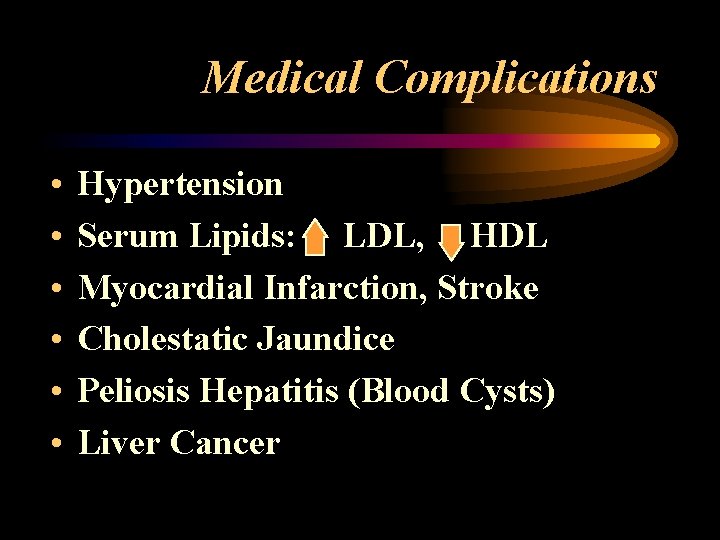
Medical Complications • • • Hypertension Serum Lipids: LDL, HDL Myocardial Infarction, Stroke Cholestatic Jaundice Peliosis Hepatitis (Blood Cysts) Liver Cancer
Anabolic Use - Diagnosis • Exam: Jaundice, Acne, Facial Edema, HBP, Clitoral Hypertrophy Testicular Atrophy, Hepatomegaly • Lab: Urine Screen, Elevated Glucose, LDL, or Liver Enzymes
The Drugs of Abuse 4. PCP (Phencyclidine)
PCP - Phencyclidine • A Dissociative Anaesthetic -Related to Ketamine • Antagonist at N-methly, D-aspartate (NMDA) Receptor • “Angel Dust”, “Crystal”, “Space Base “ (Combined With Cocaine)
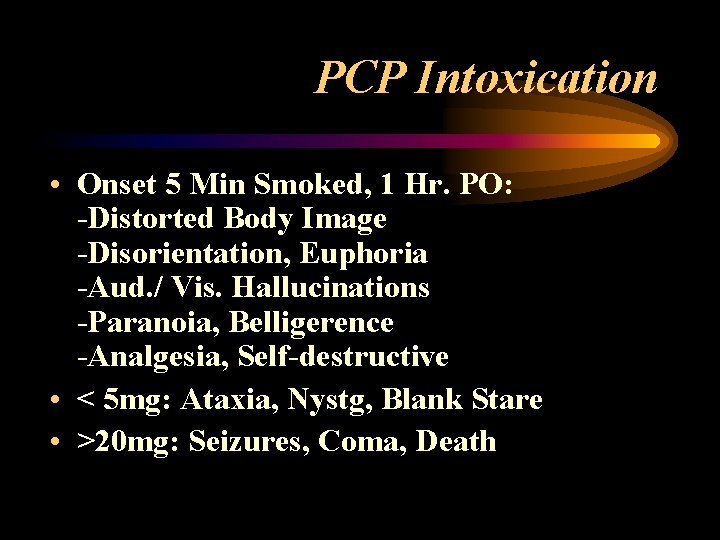
PCP Intoxication • Onset 5 Min Smoked, 1 Hr. PO: -Distorted Body Image -Disorientation, Euphoria -Aud. / Vis. Hallucinations -Paranoia, Belligerence -Analgesia, Self-destructive • < 5 mg: Ataxia, Nystg, Blank Stare • >20 mg: Seizures, Coma, Death
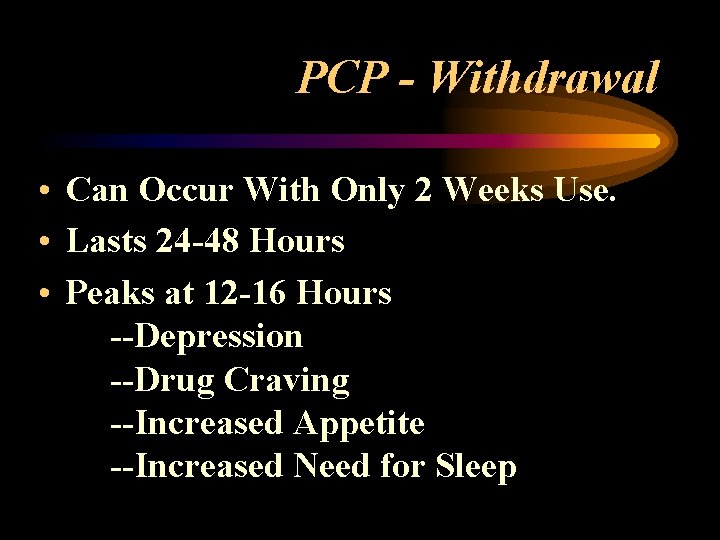
PCP - Withdrawal • Can Occur With Only 2 Weeks Use. • Lasts 24 -48 Hours • Peaks at 12 -16 Hours --Depression --Drug Craving --Increased Appetite --Increased Need for Sleep
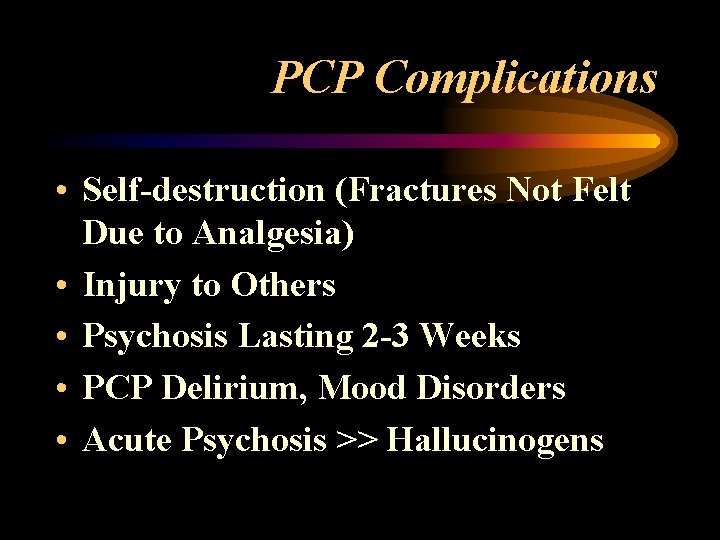
PCP Complications • Self-destruction (Fractures Not Felt Due to Analgesia) • Injury to Others • Psychosis Lasting 2 -3 Weeks • PCP Delirium, Mood Disorders • Acute Psychosis >> Hallucinogens
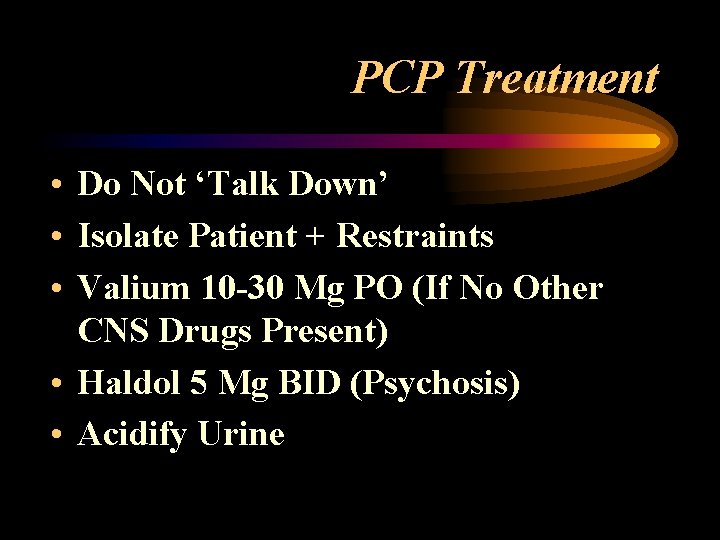
PCP Treatment • Do Not ‘Talk Down’ • Isolate Patient + Restraints • Valium 10 -30 Mg PO (If No Other CNS Drugs Present) • Haldol 5 Mg BID (Psychosis) • Acidify Urine
The Drugs of Abuse II 5. Inhalants
Inhalants - Types • 1. Volatile Organic Compounds: – Hydrocarbons, Fuels, Ethers, Glues, Paints, Aerosols. . . • 2. Nitrates: – Volatile Nitrates: Amyl Nitrate, “Poppers, ” Etc. • 3. Nitrous Oxide: “Whippets, ” Etc.
Inhalants - Metabolism • Nitrates and Hydrocarbons Are Metabolized by Liver Microsomal Enzyme Systems. • Some Metabolites Are Active. • Other Inhalants Excreted by Lungs and Kidneys.
VOC’s • • • Peak Use 11 -13 Yrs (Experiment) Male, Low Economic ‘sniffing’ (From Container) ‘Huffing’ (From a Rag) ‘Bagging’ (Highest Concentration) Act by Disrupting Neural Function
VOC’s - Addictive? • Specific Addiction to These Agents Is Relatively Unusual • Highly Rewarding for Some • Use Associated With: -- ASPD 63% -- Alcoholism 68% -- Later Drug Use 5 -10 X Risk
VOC’s - Consequences • ‘Sudden Sniffing Death’ Cardiac or Respiratory Depr. • Cognitive Loss / Brain Atrophy -Memory / Concentration • Accidents, Falls
VOC’s - Consequences • • • Huffers Rash Pneumonitis Myopathy, Neuropathy Kidney Failure Aplastic Anemia AML (Benzene)
b. Nitrates • Volatile Nitrates: --Developed for Angina --Vasodilators --”Rush” --Sexual Excitement --MOA Is CNS Hypoxia, and ?
Volatile Nitrates - Effects • CNS: --Euphoria, Disorientation --Headache, Tinnitis --Dizziness, Syncope --Visual “Yellow Haze” • Other: --Tachy / Bradydysrhythmia -- BP, Wheezing --Hemolytic Anemia --Methemaglobinemia
c. Nitrous oxide (NO) • Products With NO: – Whipped Cream “Whippets” – Cook. Spray – Fire Extinguish. – Anesthesia Tanks • Adolescents • Those With Gas Available: – Dentistry – Anesthesia
Nitrous oxide - Actions • Affects Neuron Membranes to Depress the CNS, and Respiration • 30 X Solubility of Nitrogen in Body • Exhaled Unchanged From Body • Highest Risks Are Asphyxiation, Barotrauma, Pneumomediastinum
NO - Acute Effects • CNS: --Euphoria --Headache --Confusion --Syncope --Seizure --Coma • Respiratory: --Asphyxiation --Frostbite --Air Emboli • Misc: --Anemia-- Immunity --Spontaneous Abortion
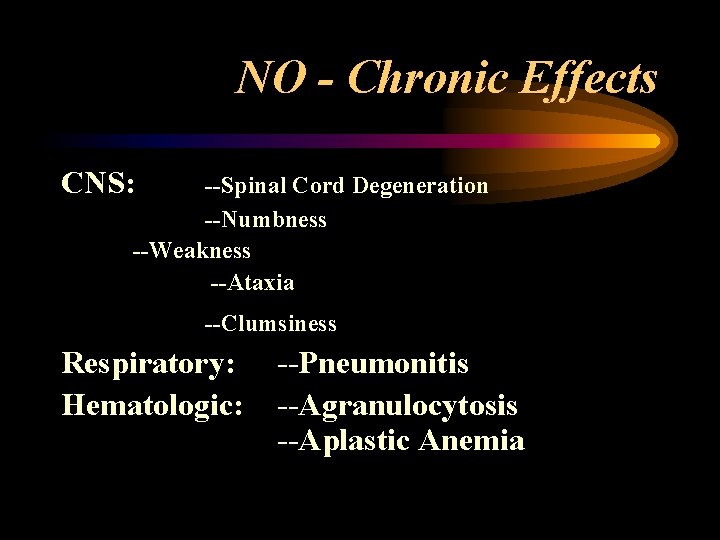
NO - Chronic Effects CNS: --Spinal Cord Degeneration --Numbness --Weakness --Ataxia --Clumsiness Respiratory: Hematologic: --Pneumonitis --Agranulocytosis --Aplastic Anemia
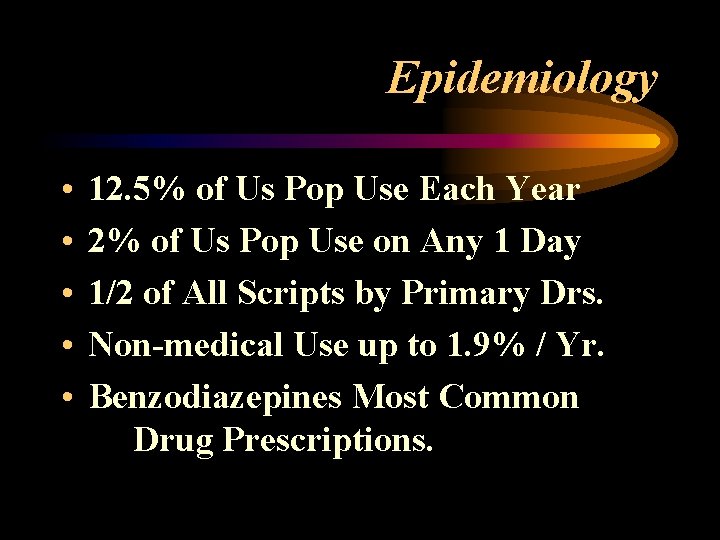
Epidemiology • • • 12. 5% of Us Pop Use Each Year 2% of Us Pop Use on Any 1 Day 1/2 of All Scripts by Primary Drs. Non-medical Use up to 1. 9% / Yr. Benzodiazepines Most Common Drug Prescriptions.
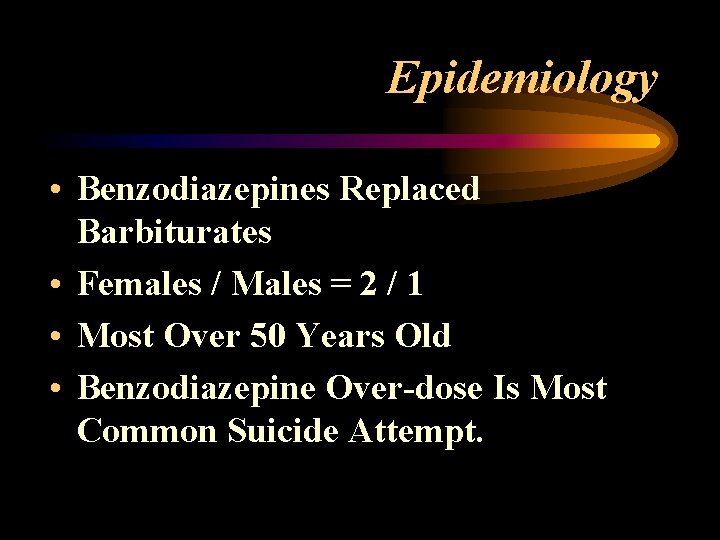
Epidemiology • Benzodiazepines Replaced Barbiturates • Females / Males = 2 / 1 • Most Over 50 Years Old • Benzodiazepine Over-dose Is Most Common Suicide Attempt.
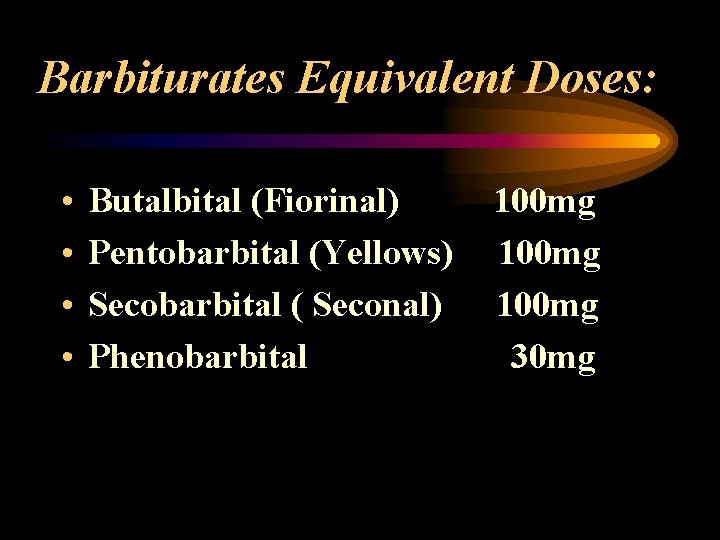
Barbiturates Equivalent Doses: • • Butalbital (Fiorinal) Pentobarbital (Yellows) Secobarbital ( Seconal) Phenobarbital 100 mg 30 mg
The Drugs of Abuse • • • A. MOA B. Intoxication C. Withdrawal D. Complications E. Treatments
a. Volatile organics (VOC) • Epidemiology: (1993 -4) • 17% of HS grads had used • 3% of these are chronic users

- Slides: 99