
The DRE Program and Drug Impaired Driving Inns

- Slides: 21
The DRE Program and Drug Impaired Driving Inns of Court Sgt. Robert Hayes, Albany Police Department Sr. AAG Deena Ryerson AAG Amy Seely March 16 th, 2017
DUII-Drug Problem • FBI estimated 1. 5 million people were arrested on drug abuse violations in 2015 • 2014, 10 million persons 12 or older reported driving under the influence of an illicit drug • Response: o o State laws prohibiting driving under the influence of drugs. Increase in training opportunities. Growth of DRE Programs nationally and internationally. Technology focused on roadside screening tools (OF, cannabis breath test) and better forensic testing of blood and urine samples.
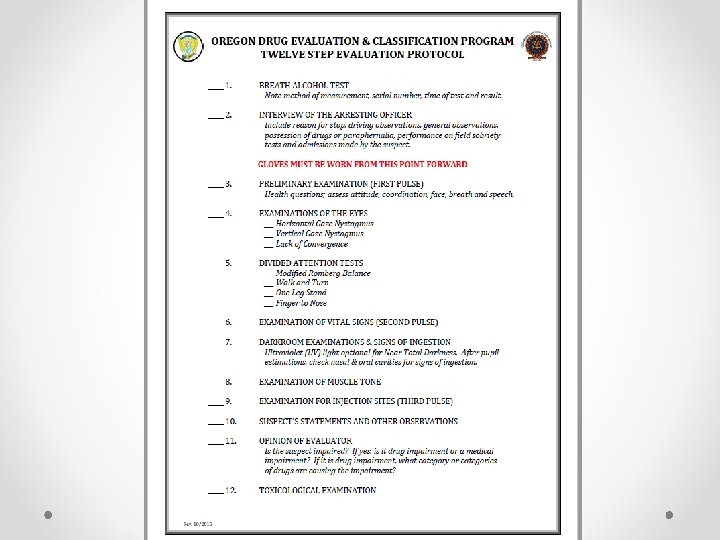
What Is a DRE? • A highly trained police officer who provides expertise and assistance in impaired driving investigations. • Provides “Post-Arrest” investigation assistance. • Requested when impairment is not consistent with the arrestee’s BAC. • 12 -step evaluation to determine cause of roadside impairment, culminating in a DRE’s opinion.
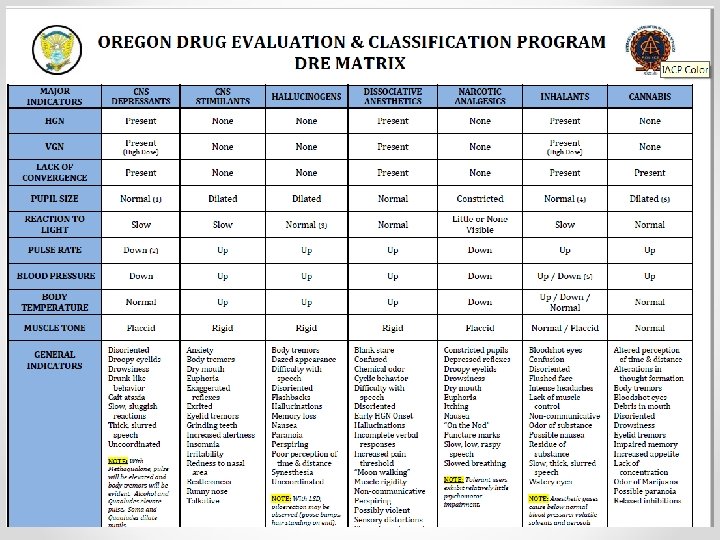
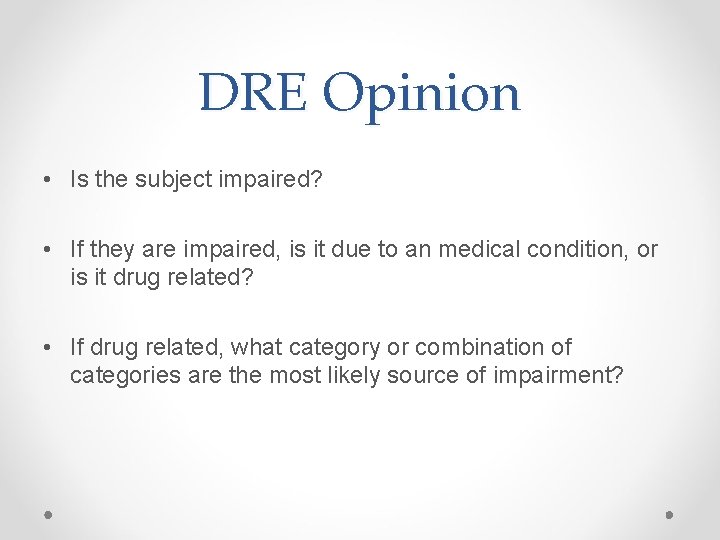
DRE Opinion • Is the subject impaired? • If they are impaired, is it due to an medical condition, or is it drug related? • If drug related, what category or combination of categories are the most likely source of impairment?
Oregon DRE Program • Starting date: January 1, 1995 (24 th DEC State) • Currently 212 DREs across 73 agencies, in 30 of Oregon’s 36 counties. • 2015: 1507 evaluations (Avg 7. 5 evals per DRE) • Approximately 90% accuracy rate
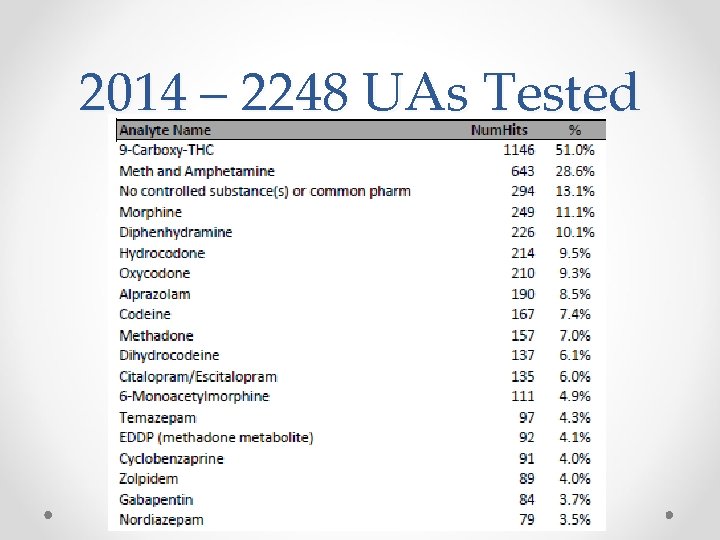
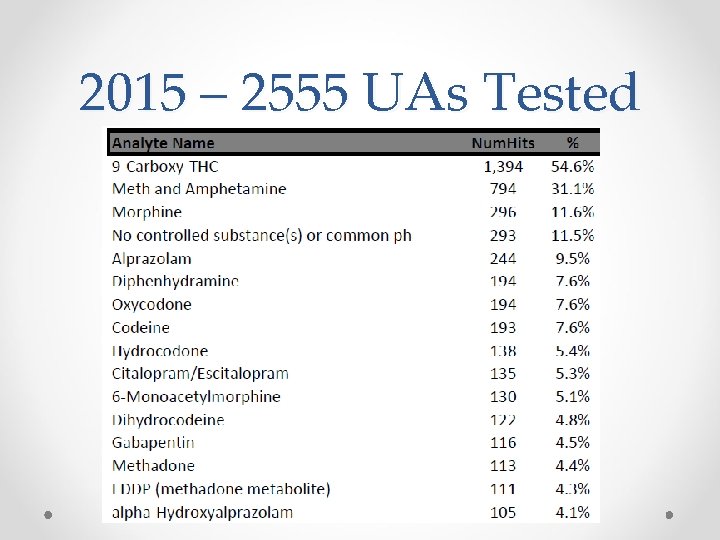
Drugged Driving Trends • Cannabis DUII cases increasing • CNS Stimulants on the rise again in Oregon. • Non-controlled substances: At least 251 traffic-related urine samples tested positive for only non-controlled substances since January 2014. o Most common: Diphenhydramine (Benadryl) – 70 incidents
2014 – 2248 UAs Tested
2015 – 2555 UAs Tested
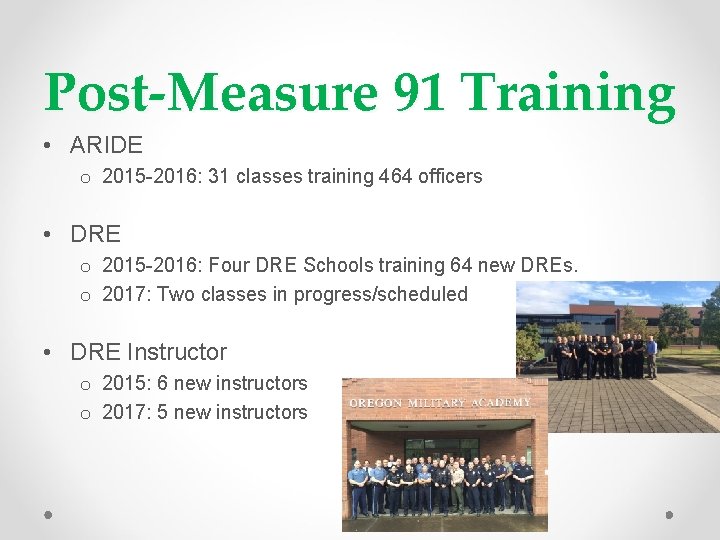
Post-Measure 91 Training • ARIDE o 2015 -2016: 31 classes training 464 officers • DRE o 2015 -2016: Four DRE Schools training 64 new DREs. o 2017: Two classes in progress/scheduled • DRE Instructor o 2015: 6 new instructors o 2017: 5 new instructors
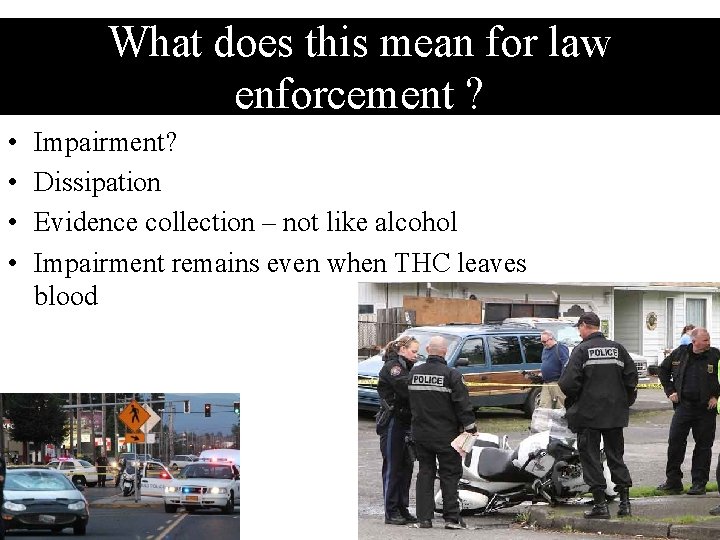
What does this mean for law enforcement ? • • Impairment? Dissipation Evidence collection – not like alcohol Impairment remains even when THC leaves blood
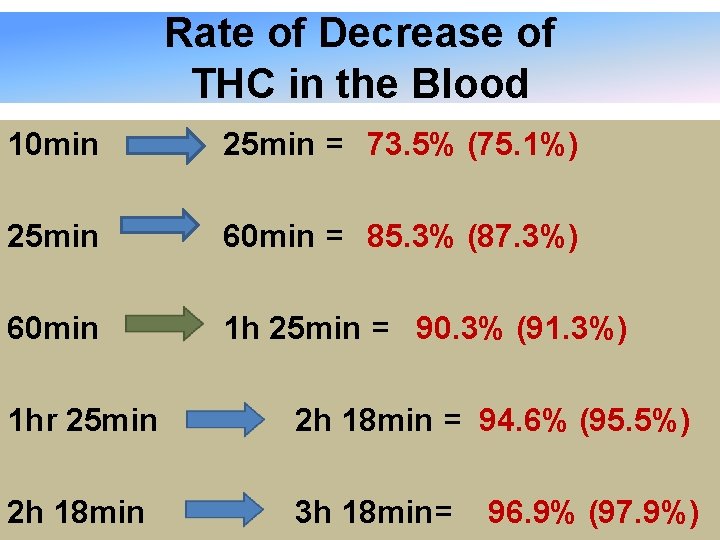
Rate of Decrease of THC in the Blood 10 min 25 min = 73. 5% (75. 1%) 25 min 60 min = 85. 3% (87. 3%) 60 min 1 h 25 min = 90. 3% (91. 3%) 1 hr 25 min 2 h 18 min = 94. 6% (95. 5%) 2 h 18 min 3 h 18 min= 96. 9% (97. 9%)
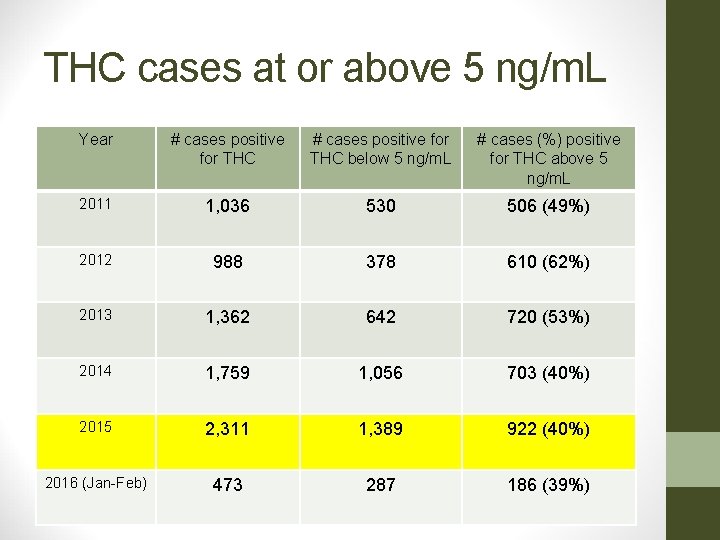
THC cases at or above 5 ng/m. L Year # cases positive for THC below 5 ng/m. L # cases (%) positive for THC above 5 ng/m. L 2011 1, 036 530 506 (49%) 2012 988 378 610 (62%) 2013 1, 362 642 720 (53%) 2014 1, 759 1, 056 703 (40%) 2015 2, 311 1, 389 922 (40%) 2016 (Jan-Feb) 473 287 186 (39%)
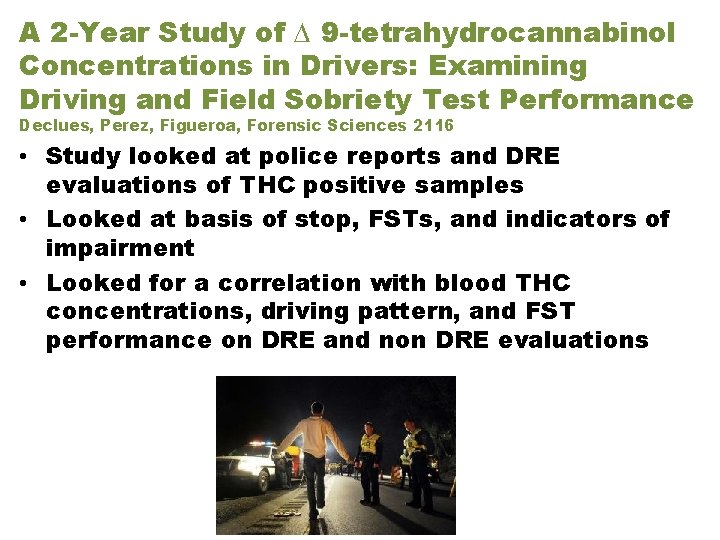
A 2 -Year Study of ∆ 9 -tetrahydrocannabinol Concentrations in Drivers: Examining Driving and Field Sobriety Test Performance Declues, Perez, Figueroa, Forensic Sciences 2116 • Study looked at police reports and DRE evaluations of THC positive samples • Looked at basis of stop, FSTs, and indicators of impairment • Looked for a correlation with blood THC concentrations, driving pattern, and FST performance on DRE and non DRE evaluations
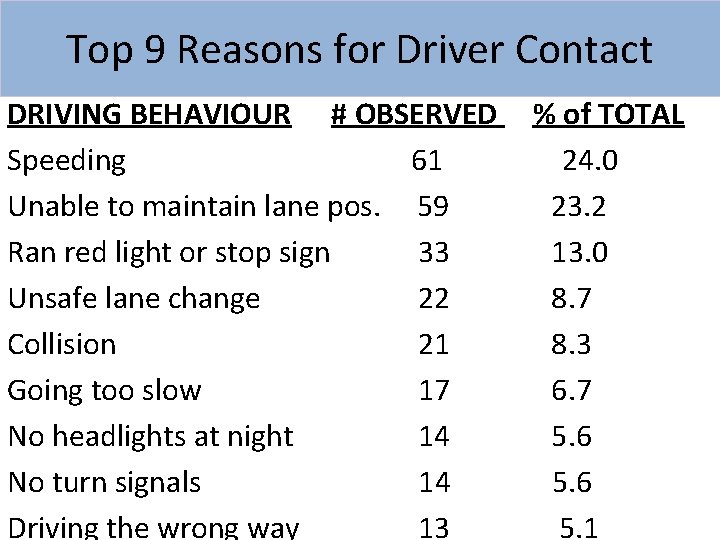
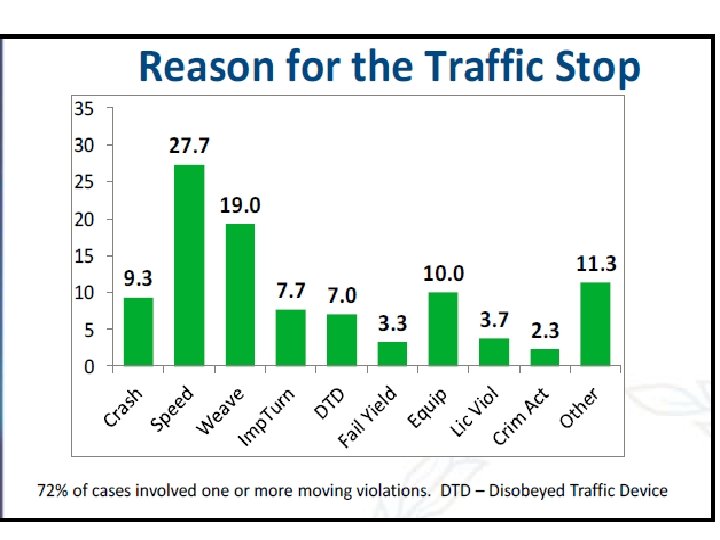
Top 9 Reasons for Driver Contact DRIVING BEHAVIOUR # OBSERVED Speeding 61 Unable to maintain lane pos. 59 Ran red light or stop sign 33 Unsafe lane change 22 Collision 21 Going too slow 17 No headlights at night 14 No turn signals 14 Driving the wrong way 13 % of TOTAL 24. 0 23. 2 13. 0 8. 7 8. 3 6. 7 5. 6 5. 1
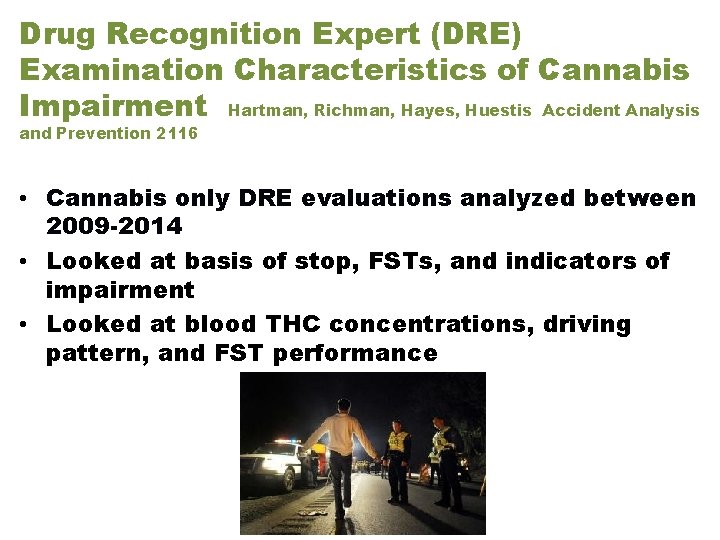
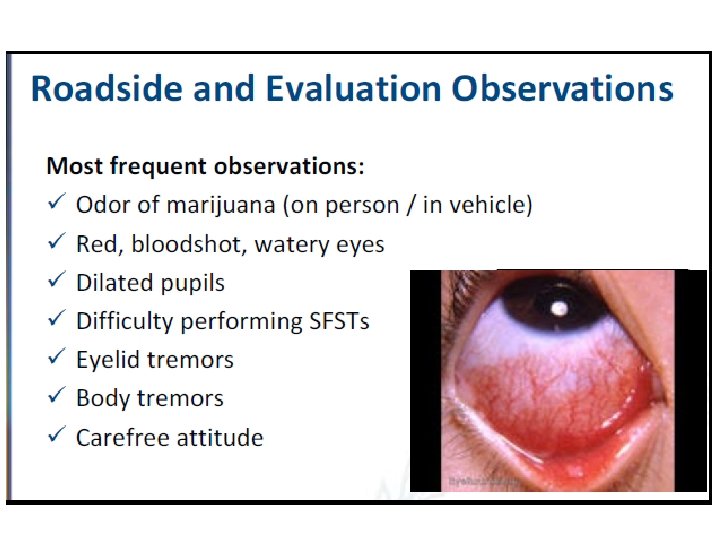
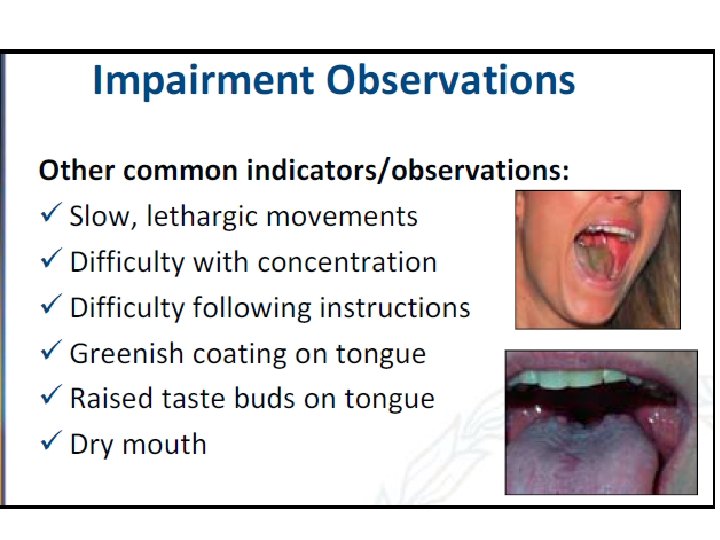
Drug Recognition Expert (DRE) Examination Characteristics of Cannabis Impairment Hartman, Richman, Hayes, Huestis Accident Analysis and Prevention 2116 • Cannabis only DRE evaluations analyzed between 2009 -2014 • Looked at basis of stop, FSTs, and indicators of impairment • Looked at blood THC concentrations, driving pattern, and FST performance
THANK YOU!