
The Divine Serpents In Myths Legends And Serpent
- Slides: 34
The Divine Serpents In Myths, Legends And Serpent Symbolism
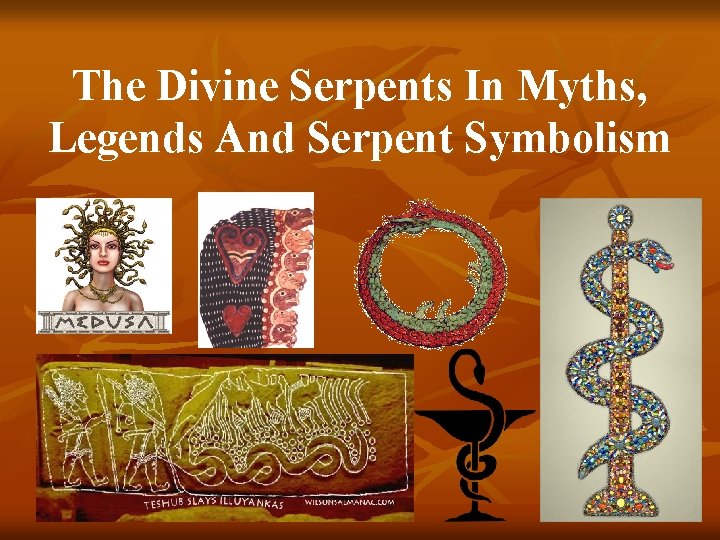
S n ince the very beginnings of time, on every continent of this earth where humanity has worshipped divinity, the snake has been recognized and accepted as a god.
n n The wonderful ability of the snake to shed its skin and so renew its youth makes it the master of the secret of death and rebirth. In Egyptian history, the snake was worshipped as one of the Gods and was also used for dangerous purposes such as murdering of an opponent and ritual suicide.
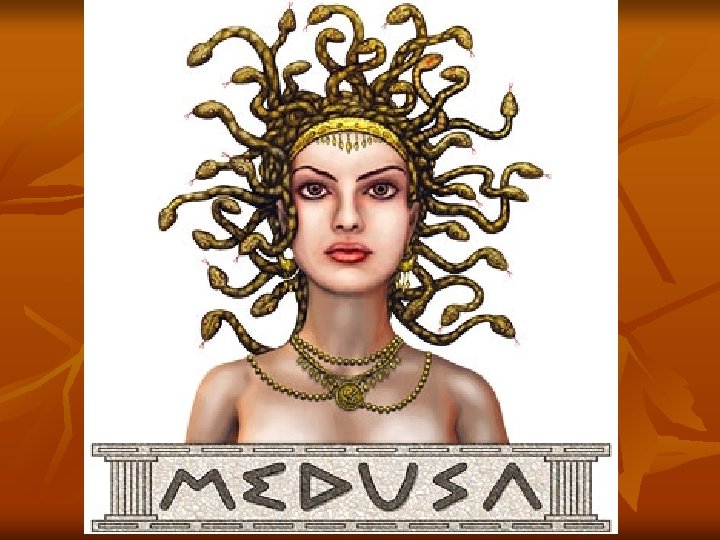
n In Greek Mythology snakes are often associated with deadly and dangerous opponents.
n India is often called the land of snakes.
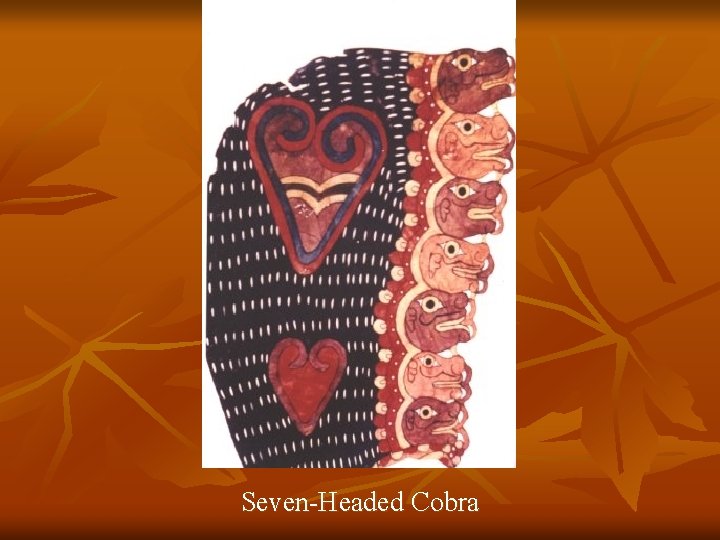
Seven-Headed Cobra
n n n The snake or serpent is one of the oldest and complex of symbols. The snake's venom is associated with the chemicals of plants and fungi that have the power to either heal, poison or provide expanded consciousness (and even the elixir of life and immortality) through divine intoxication. The shedding of a snake’s skin highlights the notion of life, death and rebirth.
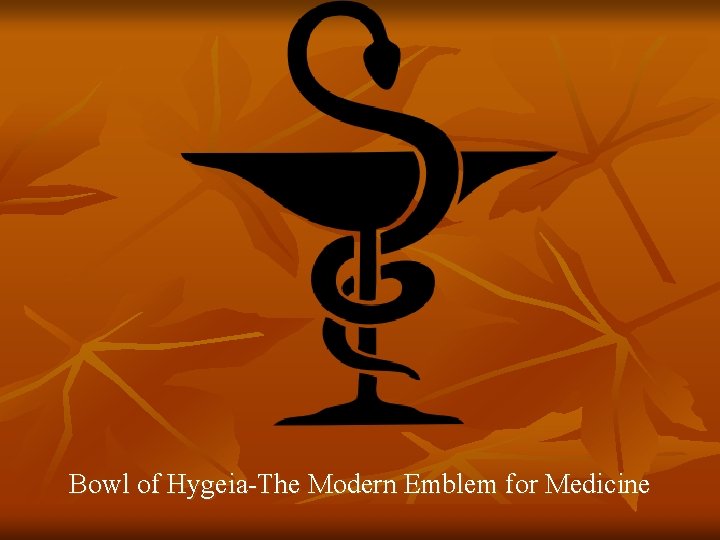
Bowl of Hygeia-The Modern Emblem for Medicine
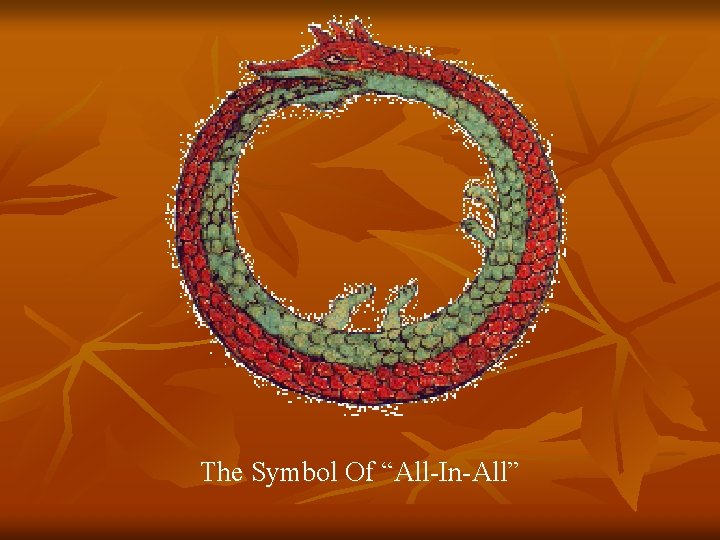
The Symbol Of “All-In-All”
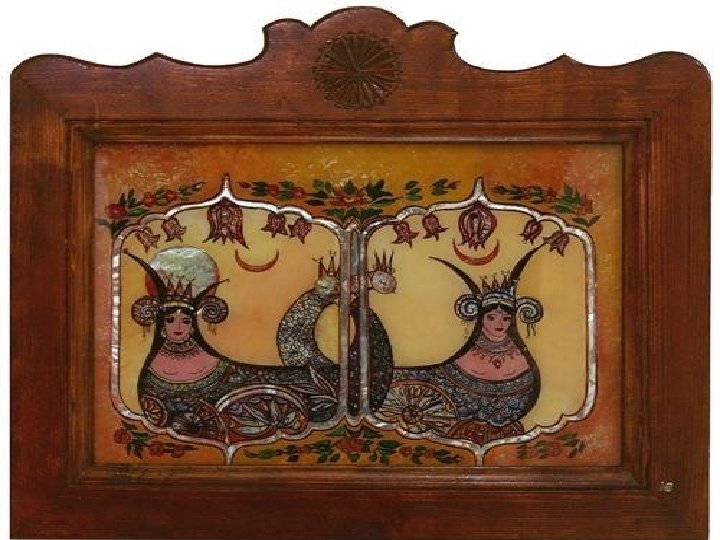
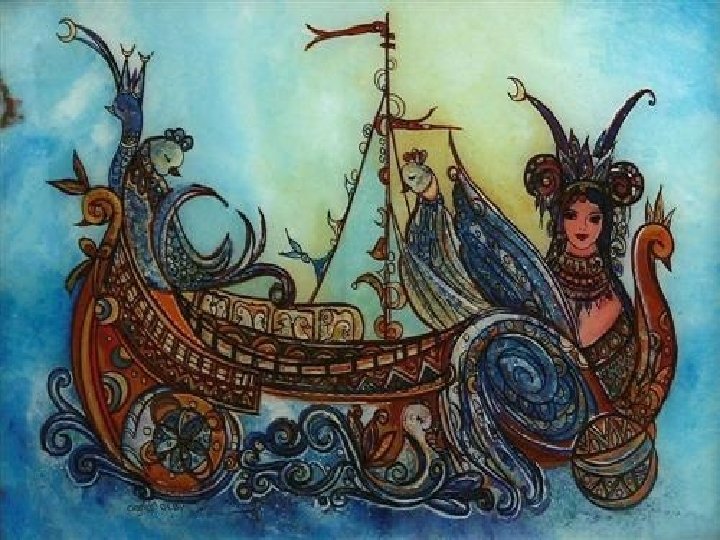
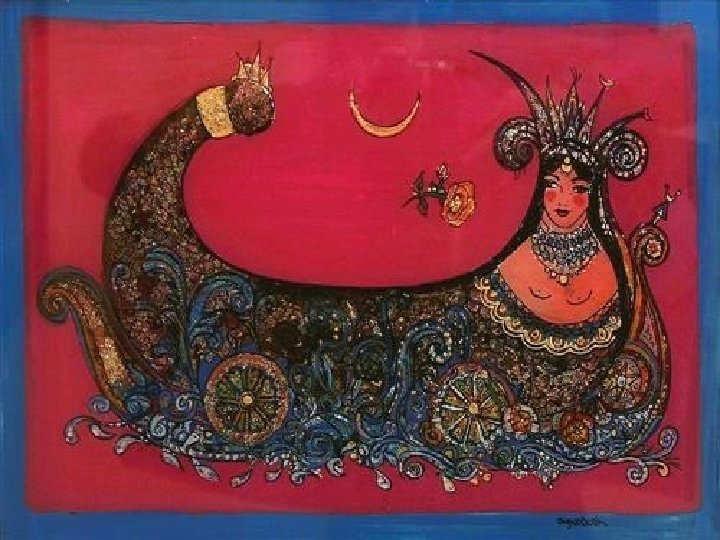
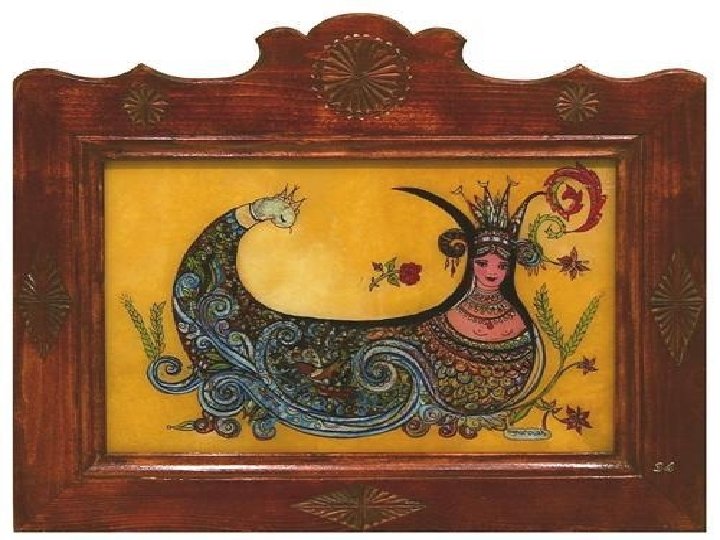
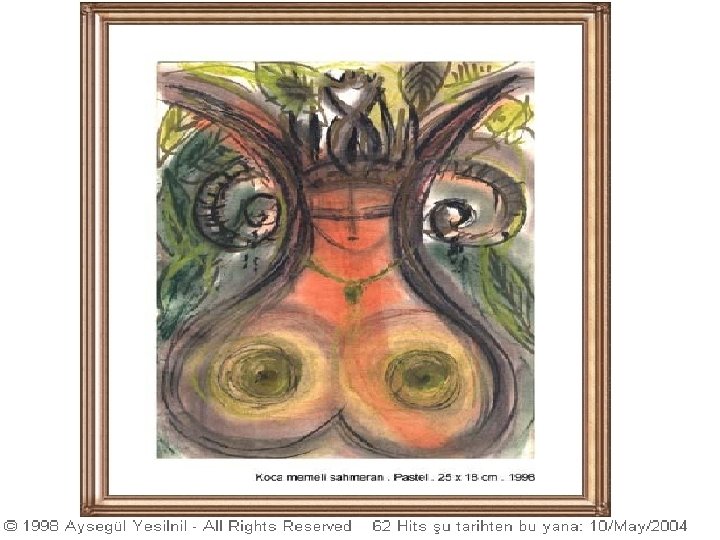
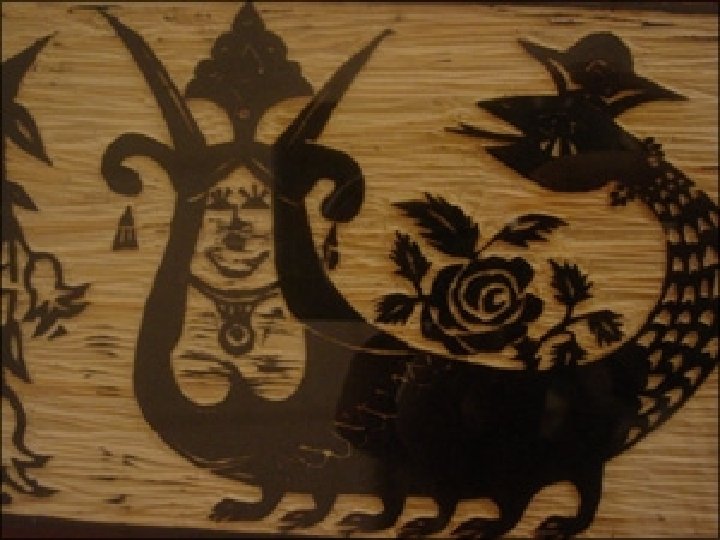
The Queen of Snakes SHAHMARAN
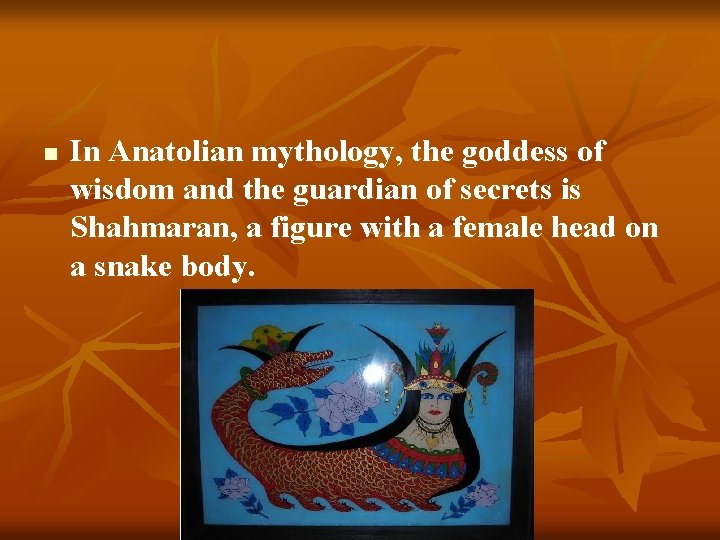
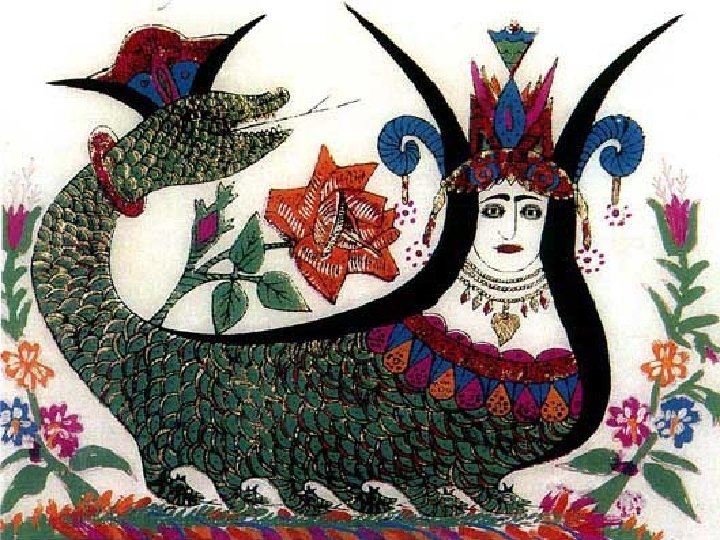
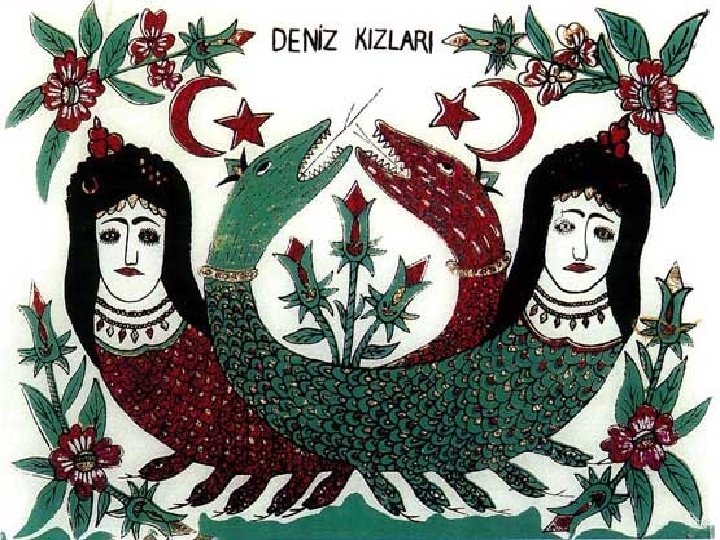
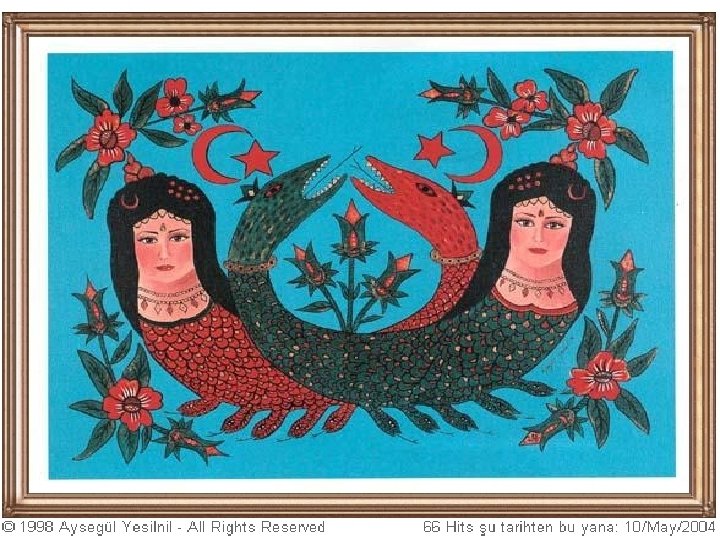
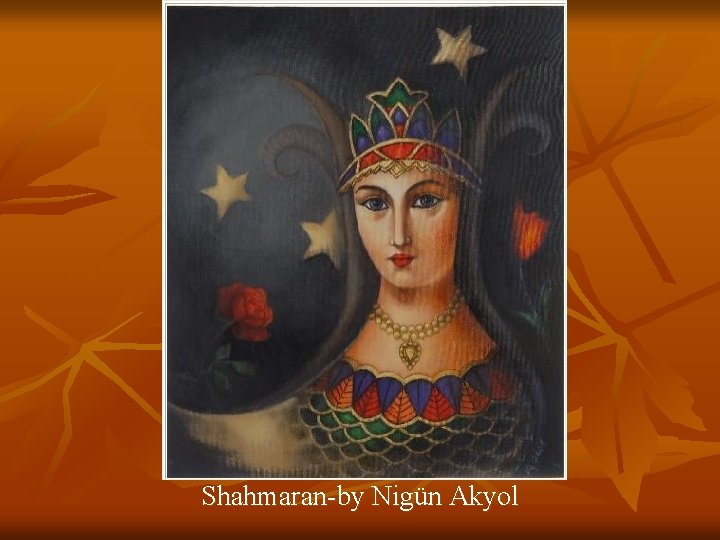
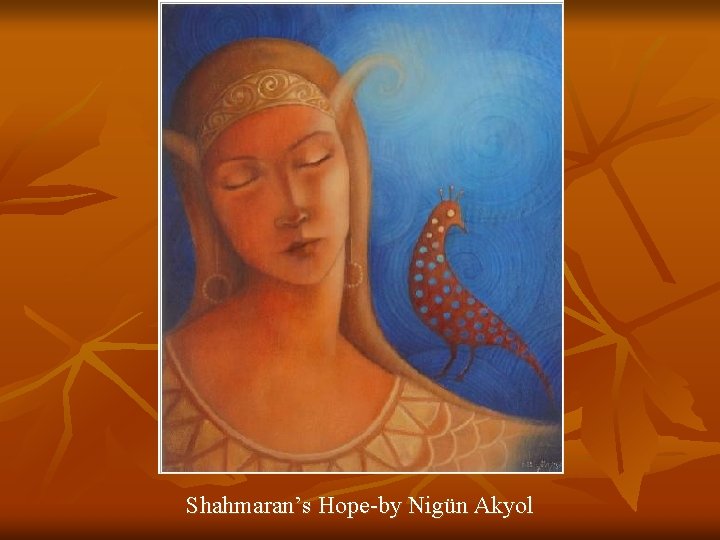
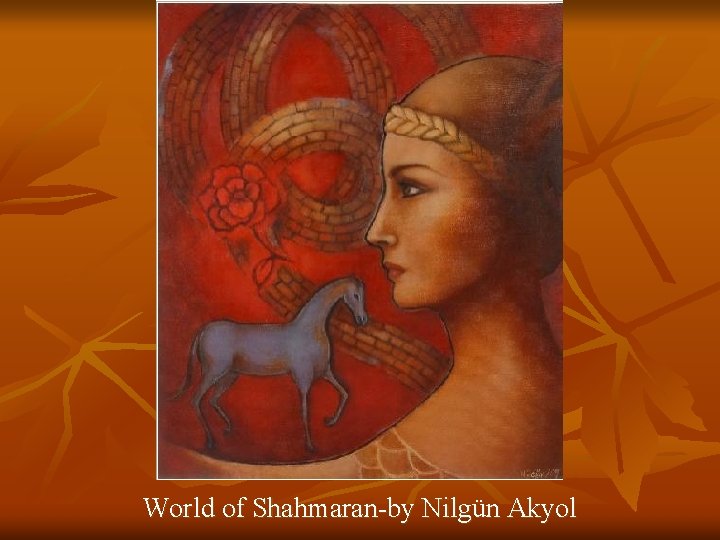
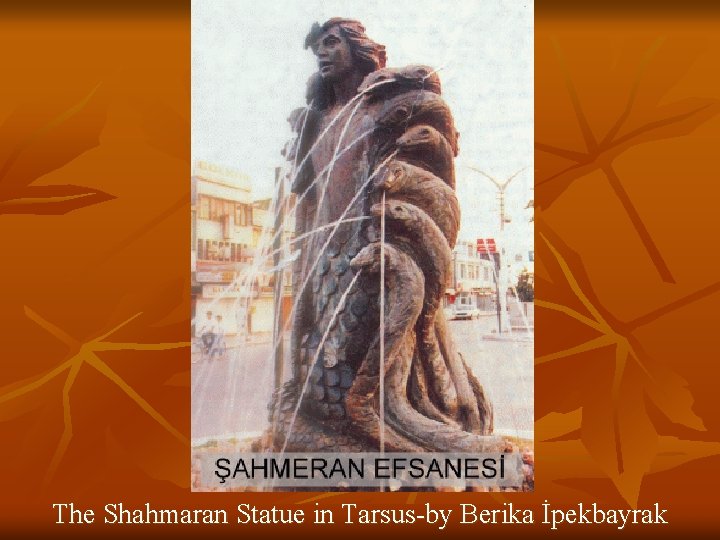
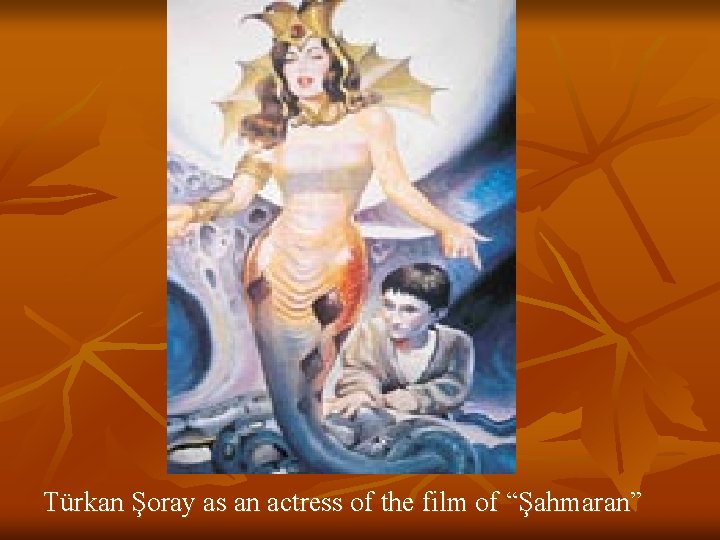
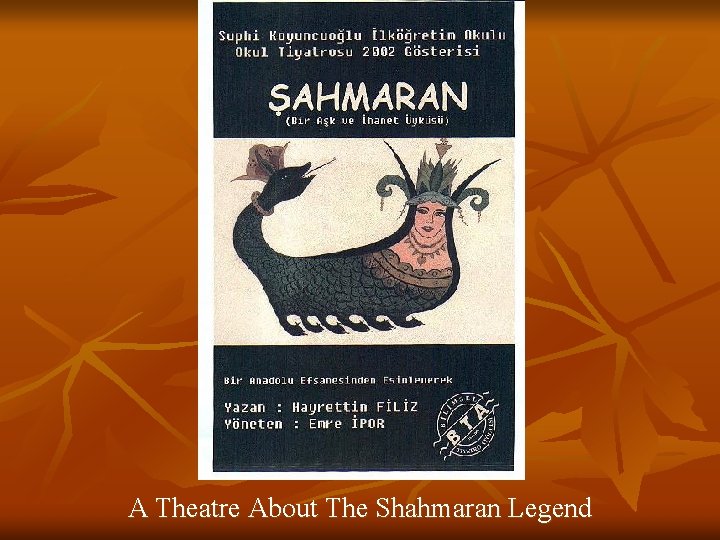
n In Anatolian mythology, the goddess of wisdom and the guardian of secrets is Shahmaran, a figure with a female head on a snake body.
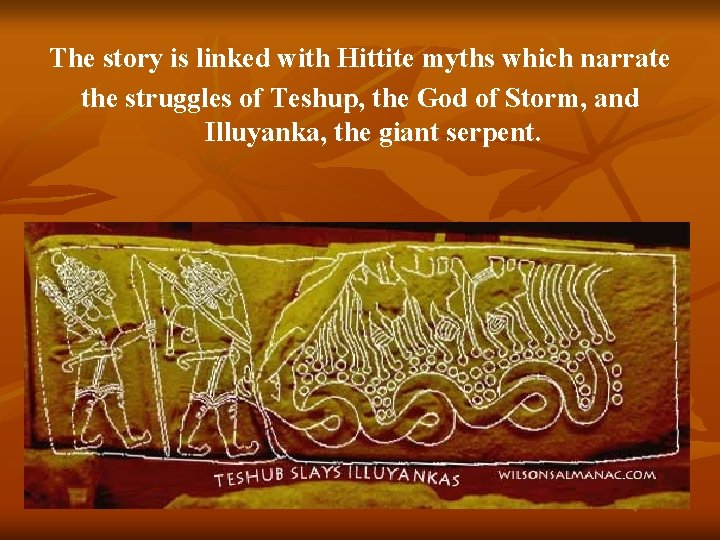
The story is linked with Hittite myths which narrate the struggles of Teshup, the God of Storm, and Illuyanka, the giant serpent.
n Shahmaran who possesses the secret of long and eternal life has been accepted as lucky because of her compassion, self-sacrifice and absolute goodness to help as it is mentioned in the story.
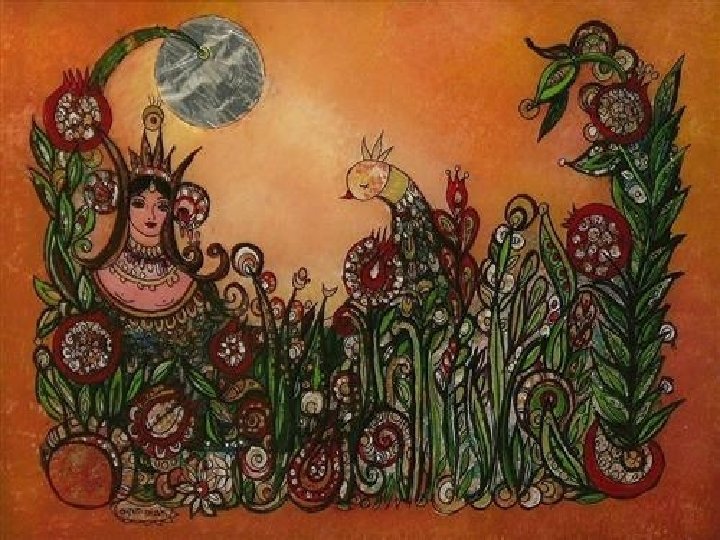
Shahmaran-by Nigün Akyol
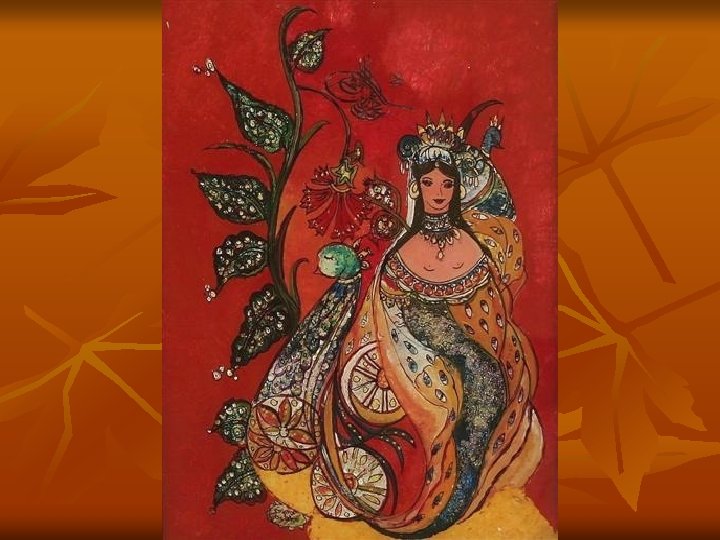
Shahmaran’s Hope-by Nigün Akyol
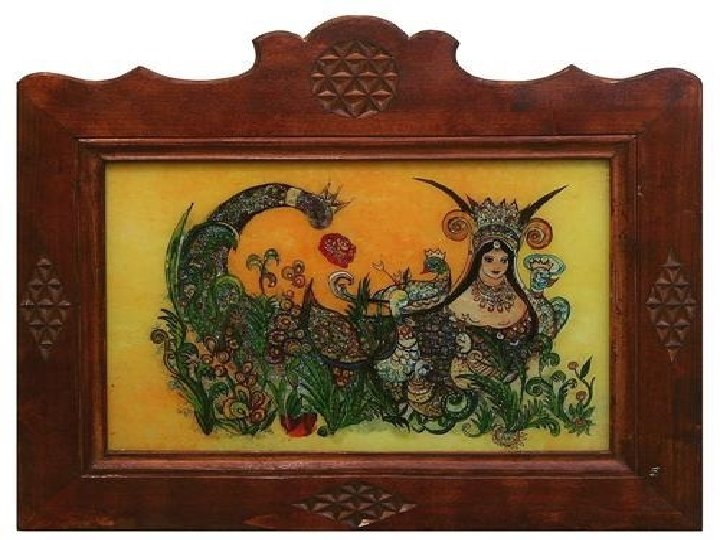
World of Shahmaran-by Nilgün Akyol
The Shahmaran Statue in Tarsus-by Berika İpekbayrak
Türkan Şoray as an actress of the film of “Şahmaran”
A Theatre About The Shahmaran Legend
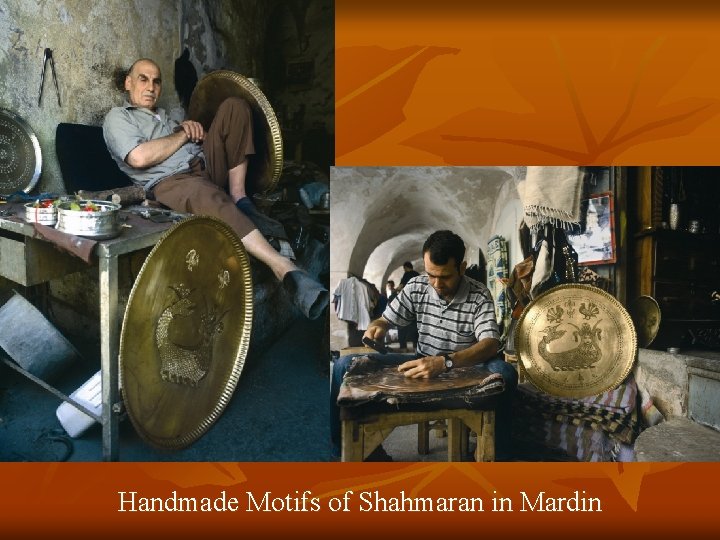
Handmade Motifs of Shahmaran in Mardin